Parco naturale regionale delle Dolomiti Friulane
Parco naturale regionale delle Dolomiti Friulane
The best traffic-free bike rides around Parco naturale regionale delle Dolomiti Friulane
4.5
(1427)
12,707
riders
86
rides
No traffic touring cycling routes around Parco naturale regionale delle Dolomiti Friulane traverse a landscape characterized by wild Dolomitic peaks, deep valleys, and extensive spruce and pine forests. The region, a UNESCO World Heritage site, offers diverse natural features including the wide Tagliamento River and Lake Barcis. Cyclists can explore areas with minimal paved roads, providing a sense of wilderness and opportunities for varied terrain.
Best no traffic touring cycling routes around Parco naturale regionale delle Dolomiti Friulane
- The most…
Last updated: August 20, 2026
4.9
(14)
97
riders
41.4km
03:00
650m
650m
Hard bike ride. Very good fitness required. Mostly paved surfaces. Suitable for all skill levels.
3.0
(1)
52
riders
30.6km
03:46
1,550m
1,550m
Hard bike ride. Very good fitness required. Mostly paved surfaces. Suitable for all skill levels.

Sign up for free
5.0
(3)
8
riders
Moderate bike ride. Good fitness required. Mostly paved surfaces. Suitable for all skill levels.
4.9
(10)
58
riders
51.6km
03:41
810m
810m
Hard bike ride. Very good fitness required. Mostly paved surfaces. Suitable for all skill levels.
4.7
(14)
111
riders
42.8km
03:04
830m
830m
Hard bike ride. Very good fitness required. You may need to push your bike for some segments of this route.
Get access to more routes and recommendations from other explorers.
Sign up for free
Already have an account?
Our route recommendations are based on thousands of hikes, rides, and runs completed by other people on komoot.
Start today with a free account
Your next adventure awaits.
Login or Signup
Popular around Parco naturale regionale delle Dolomiti Friulane


Other adventures around Parco naturale regionale delle Dolomiti Friulane

Tips from the Community


From mid-June, Rifugio Maniago is back to life thanks to Valeria and Federico, whom I warmly recommend you visit. Try their cuisine, with a special mention for inclusivity and the desserts (out of this world). Keep dogs on a leash: Mango and Tondo are regular guests. Updates on the IG page.
0
0

La Casera Mela is a historic alpine structure located at an altitude of 1,170 meters in the picturesque Val Vajont, within the Natural Park of the Friulian Dolomites. Reachable via a convenient dirt road starting from the Erto area, the casera is situated in a verdant clearing offering a spectacular view of the north face of Monte Toc and the surrounding peaks. This place, now transformed into a welcoming refreshment point and agriturismo, is famous for its genuine hospitality and its cuisine linked to the flavors of local tradition. It represents a fundamental stop for those who wish to explore the trails leading towards the Duranno group, combining the wild beauty of the Friulian mountains with the historical memory of a valley deeply marked by the events of 1963.
0
0
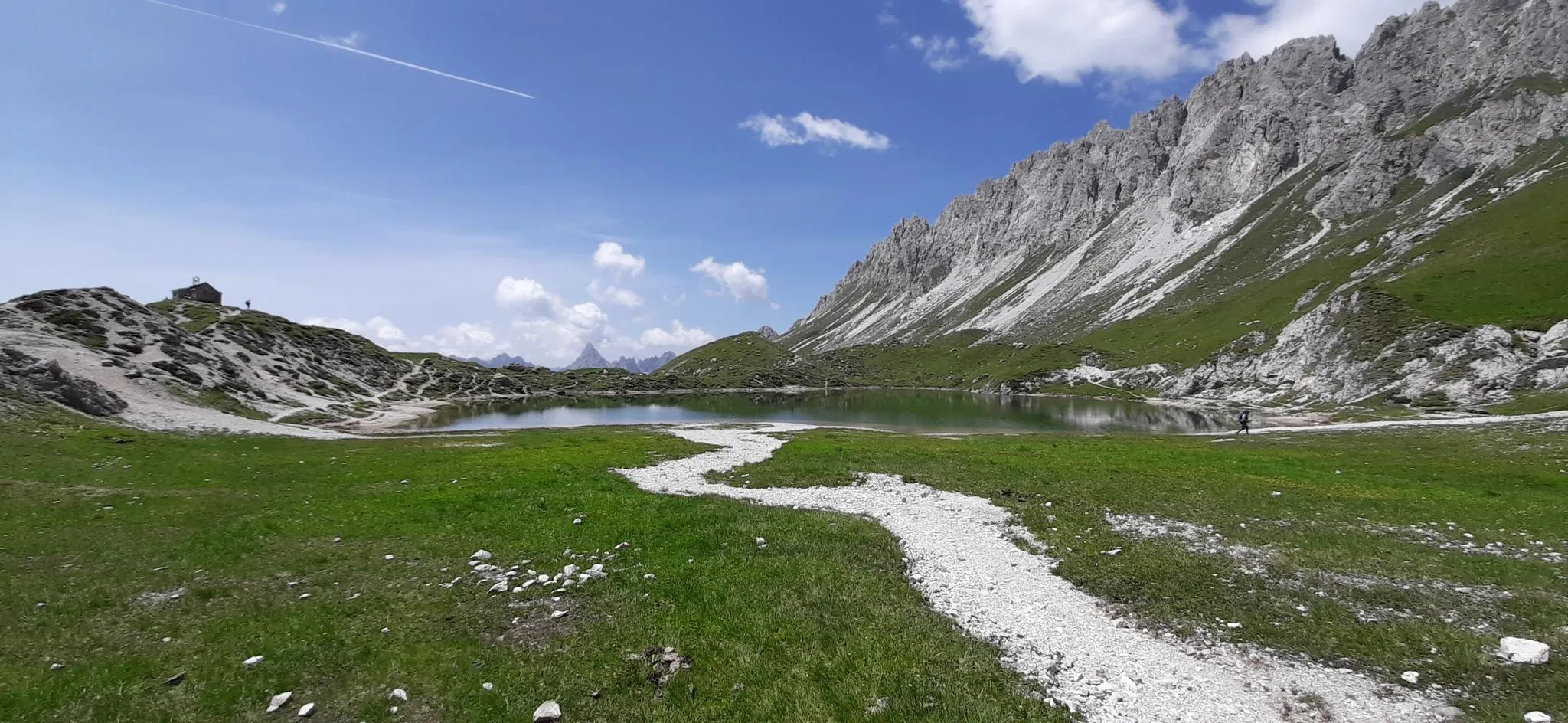
Rifugio Maniago is located at an altitude of 1,730 meters, nestled in the scenic head of Val Zemola, in the heart of the Friulian Dolomites Natural Park. This historic stone structure, dominated by the imposing walls of Mount Duranno, represents a fundamental resting point for mountaineers and hikers traversing the Friulian Dolomites Ring. The refuge is famous for its authentic atmosphere and its strategic position, which allows for close admiration of limestone spires of extraordinary beauty. The ascent to reach it, usually starting from the vicinity of Casera Mela, winds through a wild and evocative environment, where it is not uncommon to spot chamois and ibex. It is the ideal place for those seeking silence and pristine nature, far from the most crowded tourist flows.
0
0
Rifugio Maniago stands at 1,730 meters above sea level, nestled in the scenic head of Val Zemola, in the heart of the Friulian Dolomites Natural Park. This historic stone structure, dominated by the imposing walls of Mount Duranno, is a fundamental base for mountaineers and hikers traversing the Friulian Dolomites Ring. The refuge is famous for its authentic atmosphere and its strategic position, which allows for close-up admiration of limestone spires of extraordinary beauty. The ascent to reach it, usually starting from the vicinity of Casera Mela, winds through a wild and evocative environment, where it is not uncommon to spot chamois and ibex. It is the ideal place for those seeking silence and pristine nature, far from the most crowded tourist flows.
0
0

For more information, visit www.rifugiopussa.it
0
0

A beautiful refuge, you can truly feel the refuge atmosphere. Well-managed, excellent food. Thanks to the two managers, Marika and Ivan: extraordinary!
0
0

Frequently Asked Questions
How many no-traffic touring cycling routes are available in Parco Naturale Regionale delle Dolomiti Friulane?
The Parco Naturale Regionale delle Dolomiti Friulane offers a wide selection of no-traffic touring cycling routes, with over 60 options to explore. These routes vary in difficulty, ensuring there's something for every cyclist looking for a peaceful ride.
Are there easy, family-friendly no-traffic routes for touring cyclists?
Yes, the park features several easy, no-traffic routes perfect for families and beginners. The Claut–Cimolais Cycle Path is a great example, offering a moderate 12.9 km loop with gentle elevation changes, ideal for a relaxed family outing. The Valcellina area, in general, is known for its scenic bike paths suitable for all ages.
What kind of scenery and natural features can I expect on these no-traffic cycling routes?
You can expect breathtaking and diverse scenery. Routes often wind through pristine spruce and pine forests, alongside wide riverbeds like the Tagliamento, and offer dramatic views of the rugged Dolomitic peaks. You might also encounter natural monuments such as the Campanile of Val Montanaia or pass by stunning geological formations like the Forra del Cellina canyon. The park is a UNESCO World Heritage site, celebrated for its untouched landscapes.
Can I bring my dog on the no-traffic touring cycling routes?
Many routes within the Parco Naturale Regionale delle Dolomiti Friulane are dog-friendly, provided your dog is kept on a leash and you adhere to park regulations. It's always best to check specific route details for any restrictions. The tranquil, car-free nature of these paths makes them enjoyable for both cyclists and their canine companions.
Are there any circular no-traffic touring cycling routes?
Absolutely. Many of the no-traffic routes are designed as loops, allowing you to start and end at the same point. Examples include the challenging Pussa Refuge – Cimolais Cycle Path loop from Cimolais and the Road to Rifugio Pradut loop from Cimolais, offering varied distances and elevations for a full day's adventure.
What is the best time of year to cycle these routes?
The best time to cycle in the Parco Naturale Regionale delle Dolomiti Friulane is typically from late spring to early autumn (May to October). During these months, the weather is generally mild, and the routes are free of snow. Summer offers lush greenery and longer daylight hours, while early autumn provides stunning fall foliage. Always check local weather conditions before heading out.
Where can I find parking to access the no-traffic cycling routes?
Parking is generally available in the villages and towns surrounding the park, such as Cimolais, Claut, and Erto e Casso, which serve as common starting points for many routes. For instance, routes like the Rifugio Maniago – Casera Mela Hut loop start from Erto e Casso, where you can usually find designated parking areas.
Are there places to eat or stay along the no-traffic routes?
Yes, the region offers various options for refreshments and accommodation. You'll find mountain huts (rifugi) like Giaf Hut or Rifugio Pordenone, which provide food and lodging amidst the stunning scenery. Picturesque villages along or near the routes, such as Poffabro, also offer local eateries and guesthouses. It's advisable to check opening times, especially outside peak season.
Are there any challenging no-traffic routes for experienced touring cyclists?
Yes, the park offers several challenging no-traffic routes for experienced cyclists seeking a demanding ride. Routes like the Road to Rifugio Pradut loop involve significant elevation gains, reaching over 1200 meters, and cover distances of nearly 50 km, providing a rigorous and rewarding experience through the rugged Dolomites.
What do other touring cyclists enjoy most about the no-traffic routes in Parco Naturale Regionale delle Dolomiti Friulane?
The Parco Naturale Regionale delle Dolomiti Friulane is highly rated by the komoot community, with an average score of 4.5 stars. Reviewers consistently praise the unspoiled wilderness, the absence of vehicle traffic, and the stunning mountain vistas. Many highlight the sense of peace and immersion in nature that these car-free routes provide, making it a truly unique cycling destination.
Can I access the Vajont Dam or Lake Barcis on a no-traffic cycling route?
While the Vajont Dam is a significant historical site in the region, and Lake Barcis is a hub for water activities, dedicated no-traffic cycling routes that pass directly by them might be limited. However, the Valcellina area, which includes Lake Barcis, features scenic bike paths. You can often find routes that provide views or access points to these attractions, though some sections might require careful planning to avoid traffic.
Is public transport available for cyclists to reach the starting points of these routes?
Public transport options, such as local buses, may be available to reach some of the villages and towns that serve as starting points for the routes. However, services might be limited, especially in more remote areas, and bike transport capabilities can vary. It's recommended to check local bus schedules and bike policies in advance for towns like Cimolais, Claut, or Forni di Sopra.
Most popular routes around Parco naturale regionale delle Dolomiti Friulane
Most popular attractions around Parco naturale regionale delle Dolomiti Friulane

Get inspired with the komoot mobile app


Explore more
Browse the best Cycling routes in other regions.
