Top 20 Natural Monuments in El Hierro
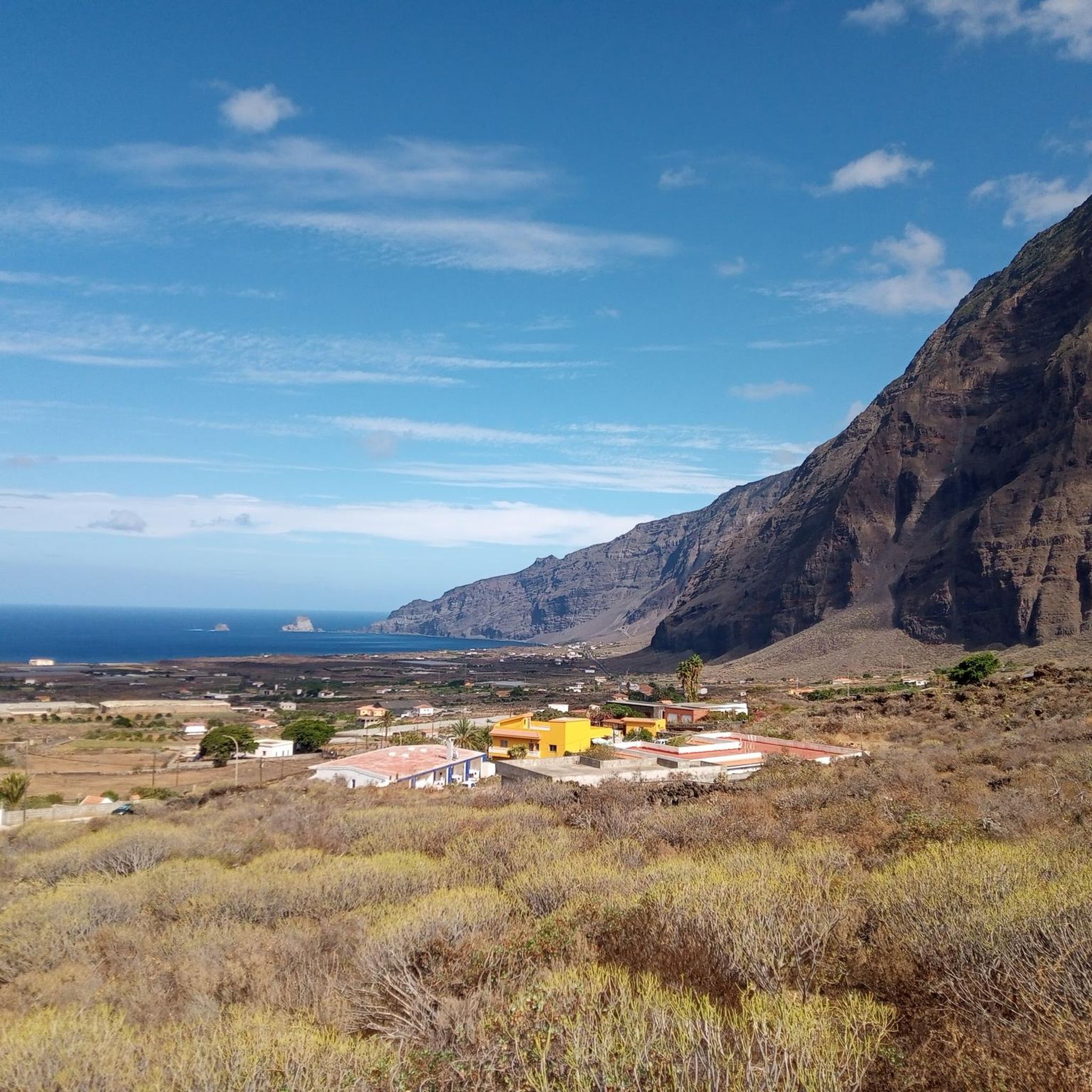
Natural monuments in El Hierro showcase a unique blend of volcanic landscapes, pristine marine environments, and ancient natural formations. The island, the westernmost of the Canary Islands, is characterized by its dramatic cliffs, lush forests, and diverse coastline. These sites are valued for their geological significance and ecological importance. El Hierro offers a variety of natural attractions, from high peaks to natural pools, reflecting its volcanic origin and isolation.
Best natural monuments in El Hierro
- The most popular natural monuments…
Last updated: June 23, 2026
Malpaso Peak
Highlight • Summit
The Malpaso volcano is the highest point on the island of El Hierro.
Malpaso has a height of approximately 1,501 meters above sea level.
Translated by Google •
Tip by

Jinama Viewpoint
Highlight • Viewpoint
It can be reached by …
Translated by Google •
Tip by

Sign up now to discover places like this
Get recommendations on the best single tracks, peaks, & plenty of other exciting outdoor places.
Sign up for free
Guinea Ecomuseum and Lizardarium
Highlight • Historical Site
Translated by Google •
Tip by

Cala de Tacorón
Highlight • Beach
Translated by Google •
Tip by
Charco de Los Sargos - take a swim!
Highlight • Natural Monument
Translated by Google •
Tip by

Sign up for free to discover even more natural monuments in El Hierro.
Sign up for free
Already have an account?
Start today with a free account
Your next adventure awaits.
Login or Signup
Popular around El Hierro
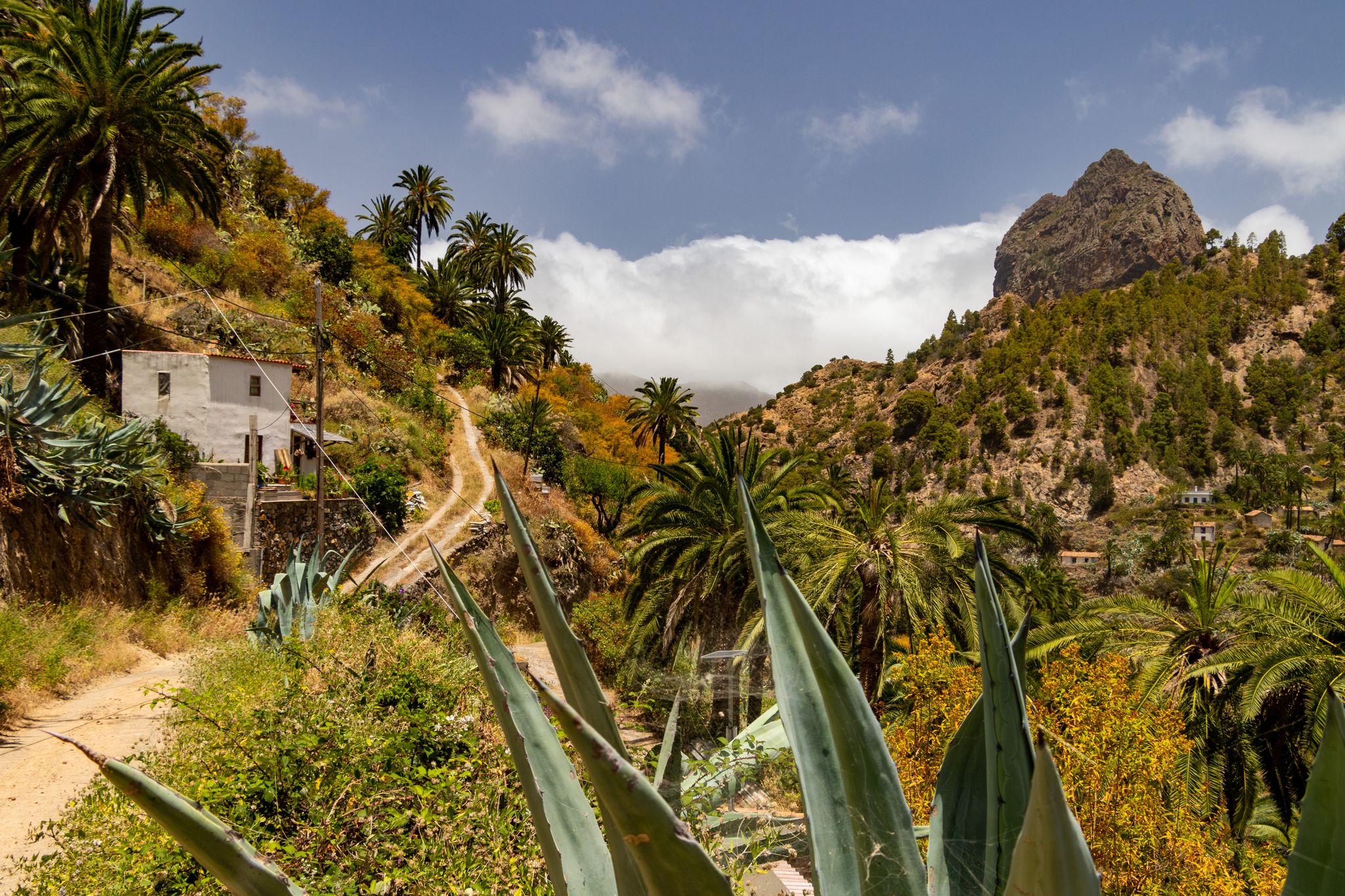
La Palma, El Hierro y La Gomera – explore the Canaries’ Green Islands on foot
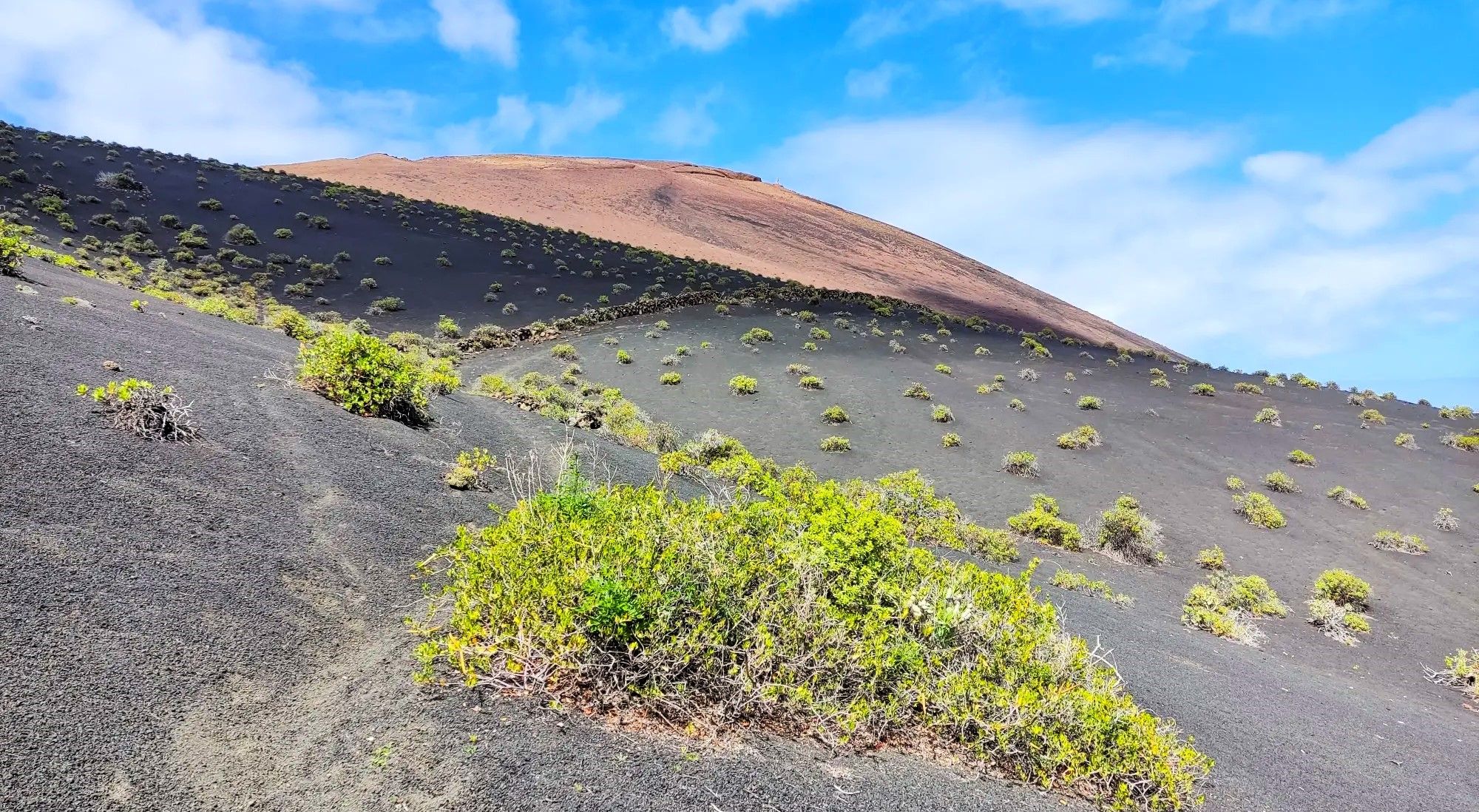
Canarian essence and traditional paths – El Hierro Loop
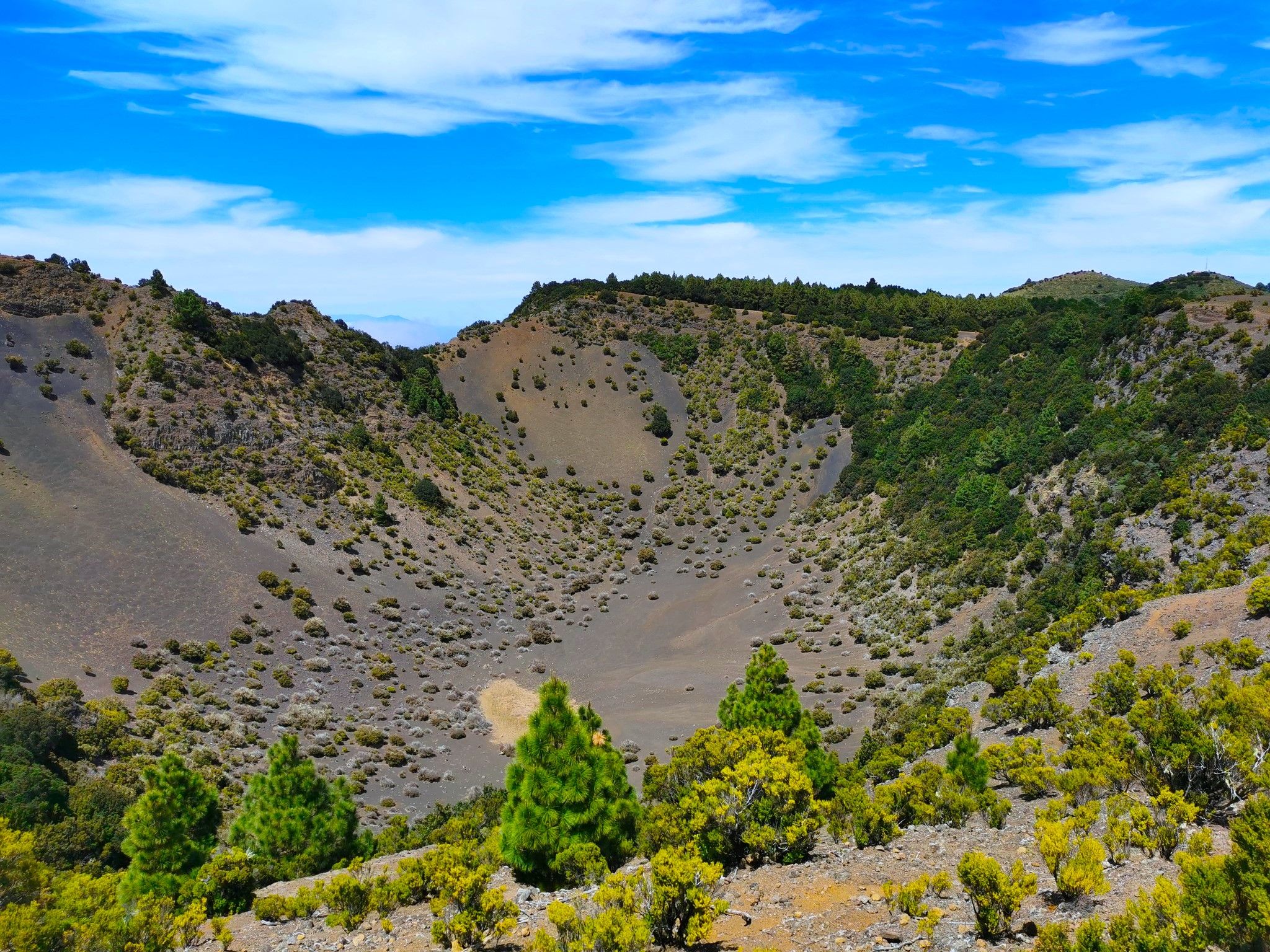
Land of secrets and volcanoes – El Hierro (GR 131)
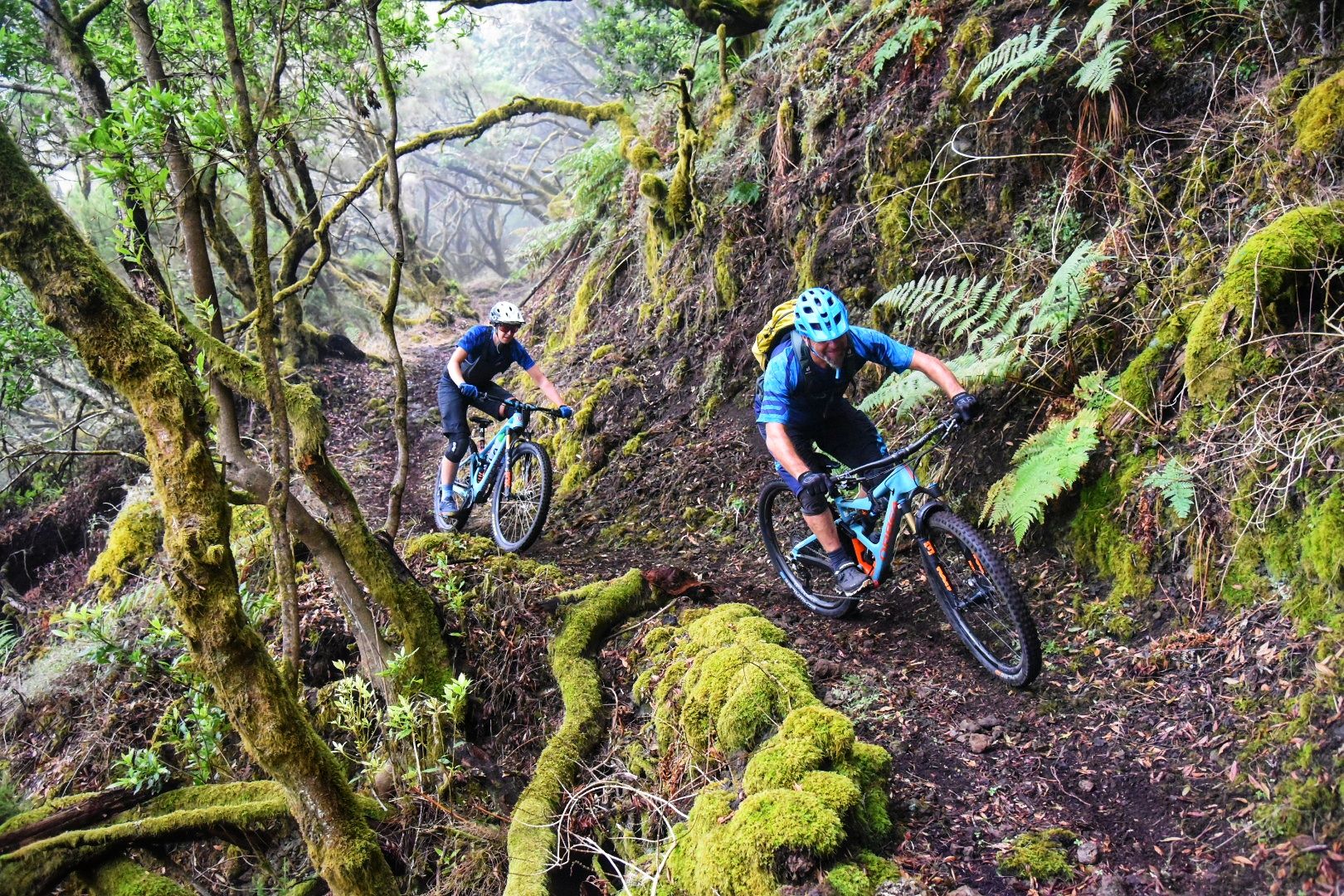
El Hierro: Cycling at the End of the World
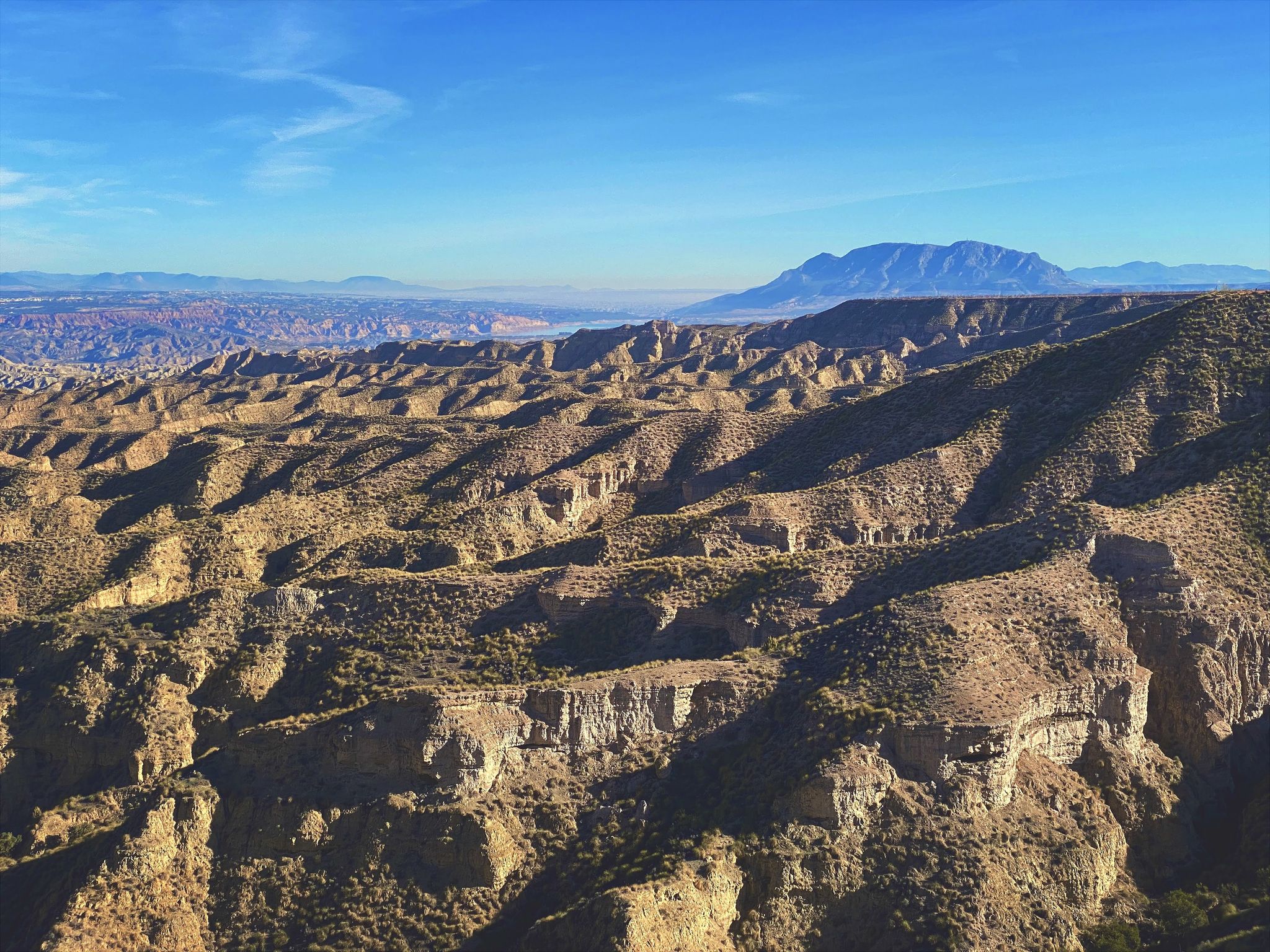
Discover Spain by gravel — a selection of must-see routes
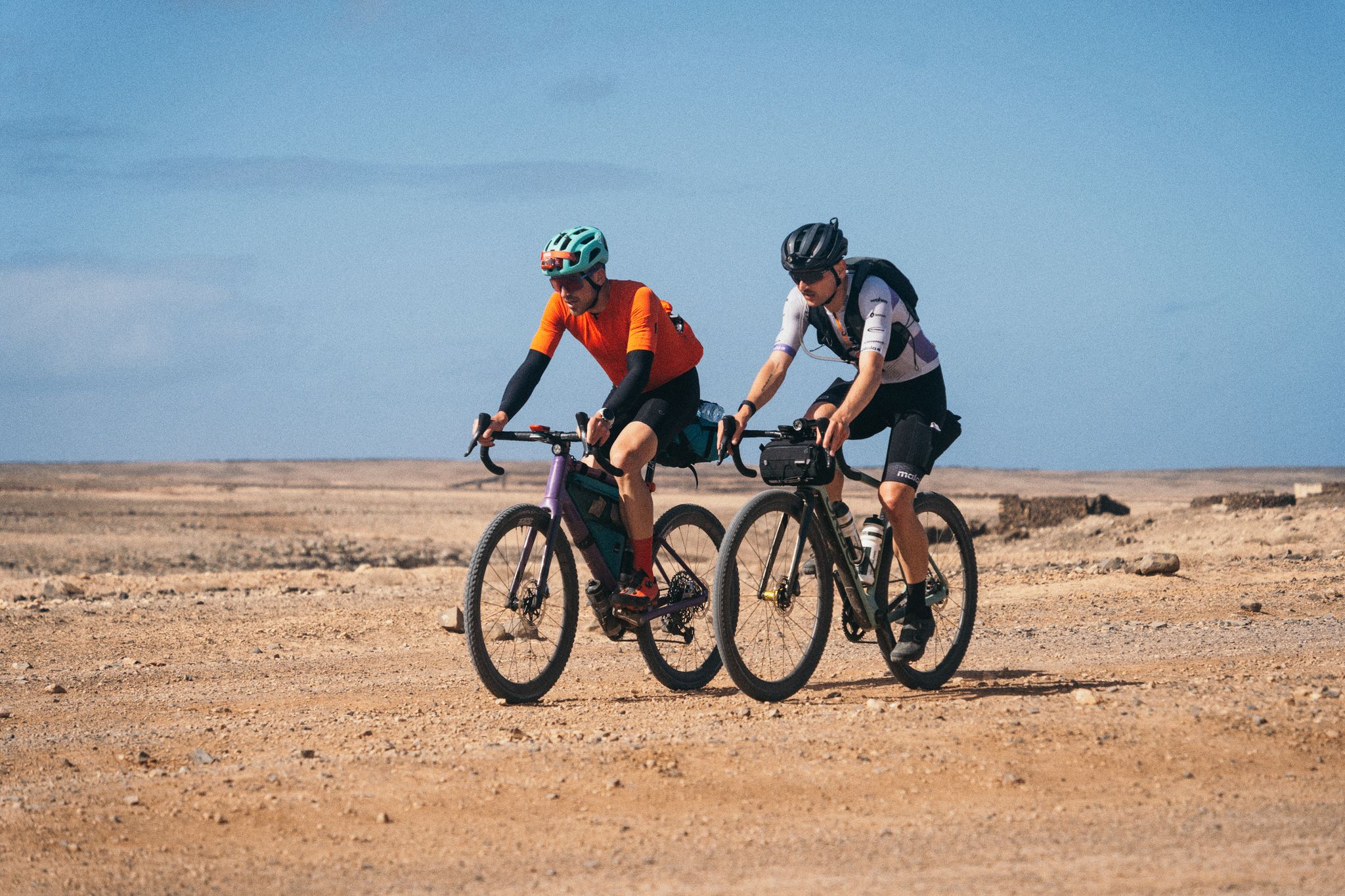
GranGuanche Audax Gravel — five islands in two and a half days
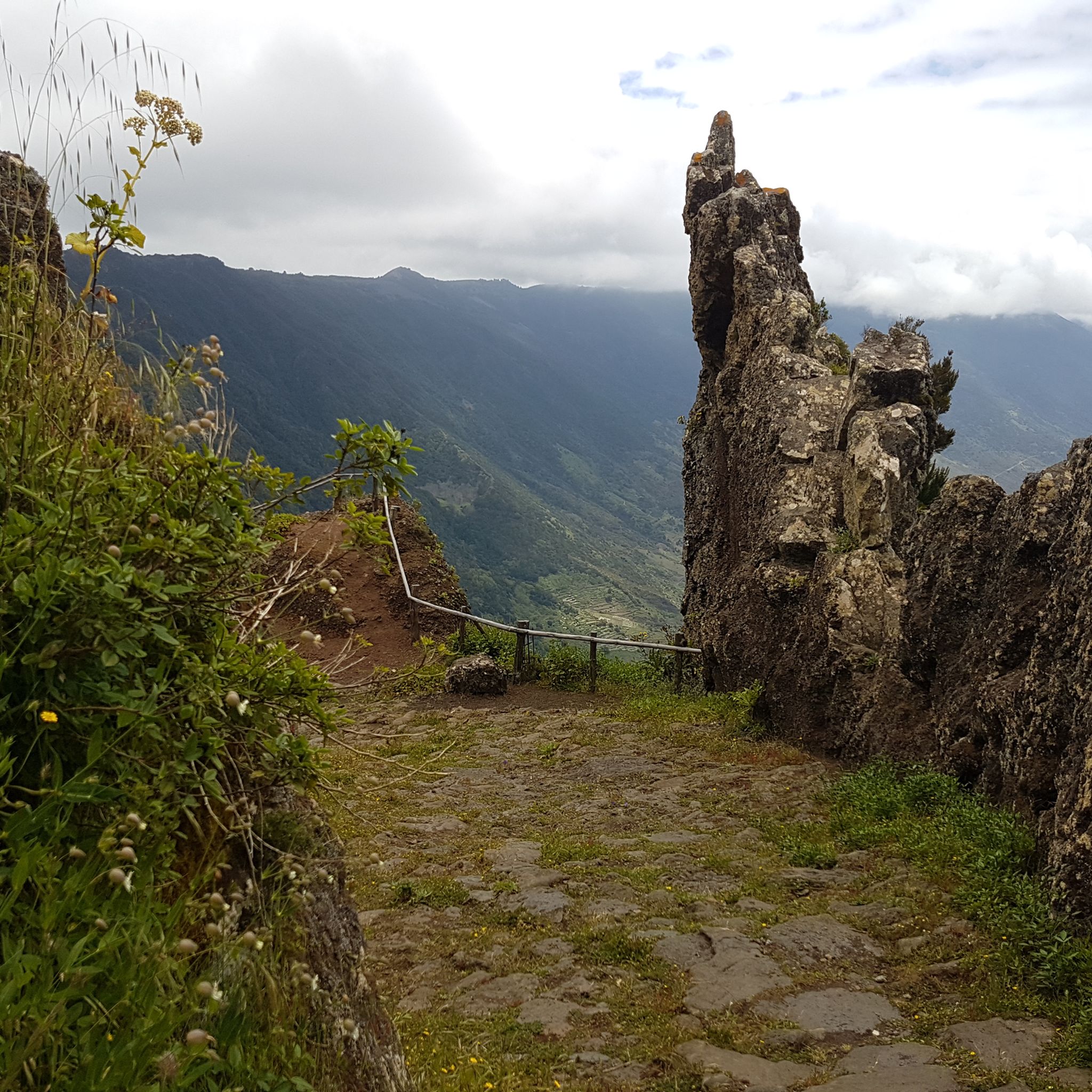
Hiking in El Hierro
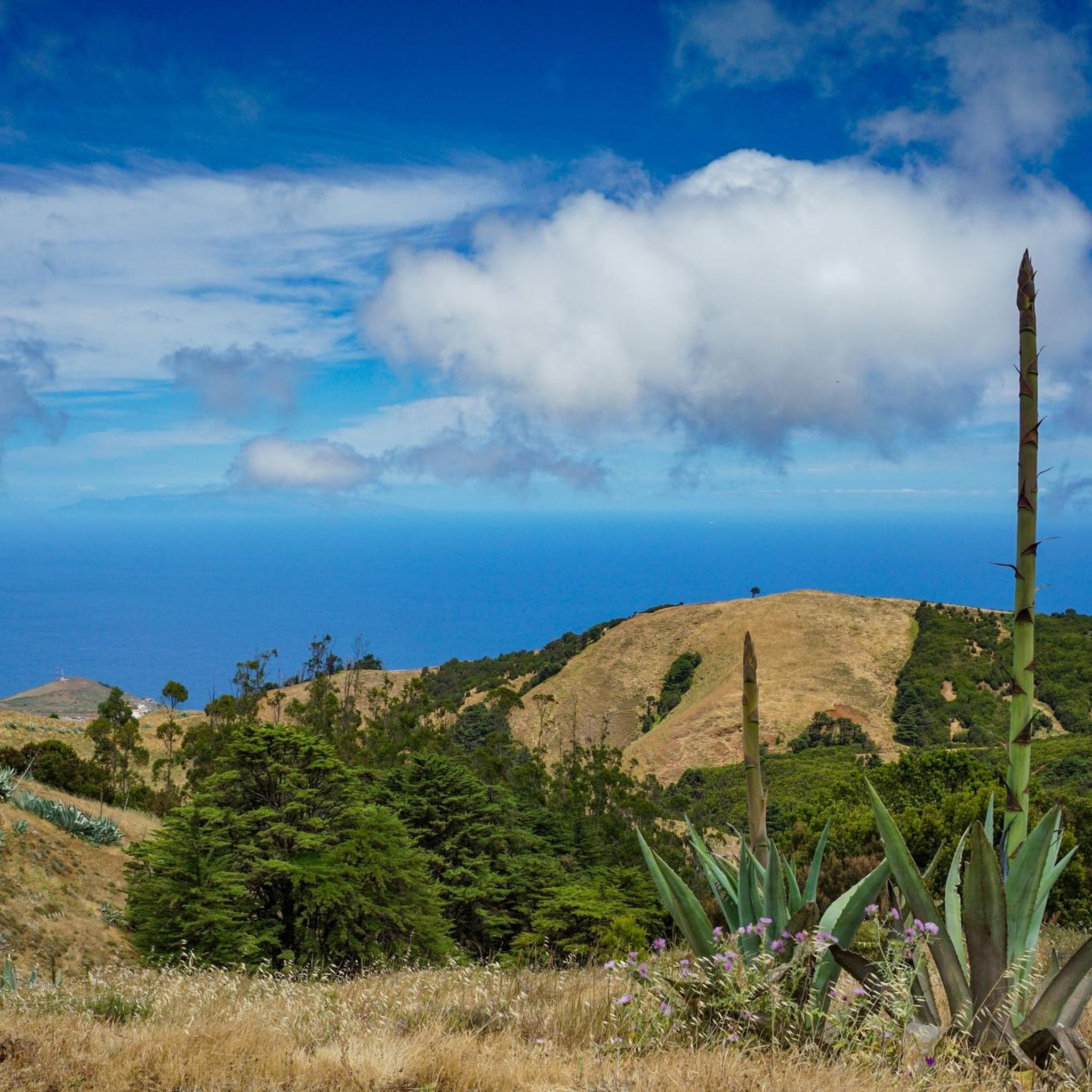
Cycling in El Hierro
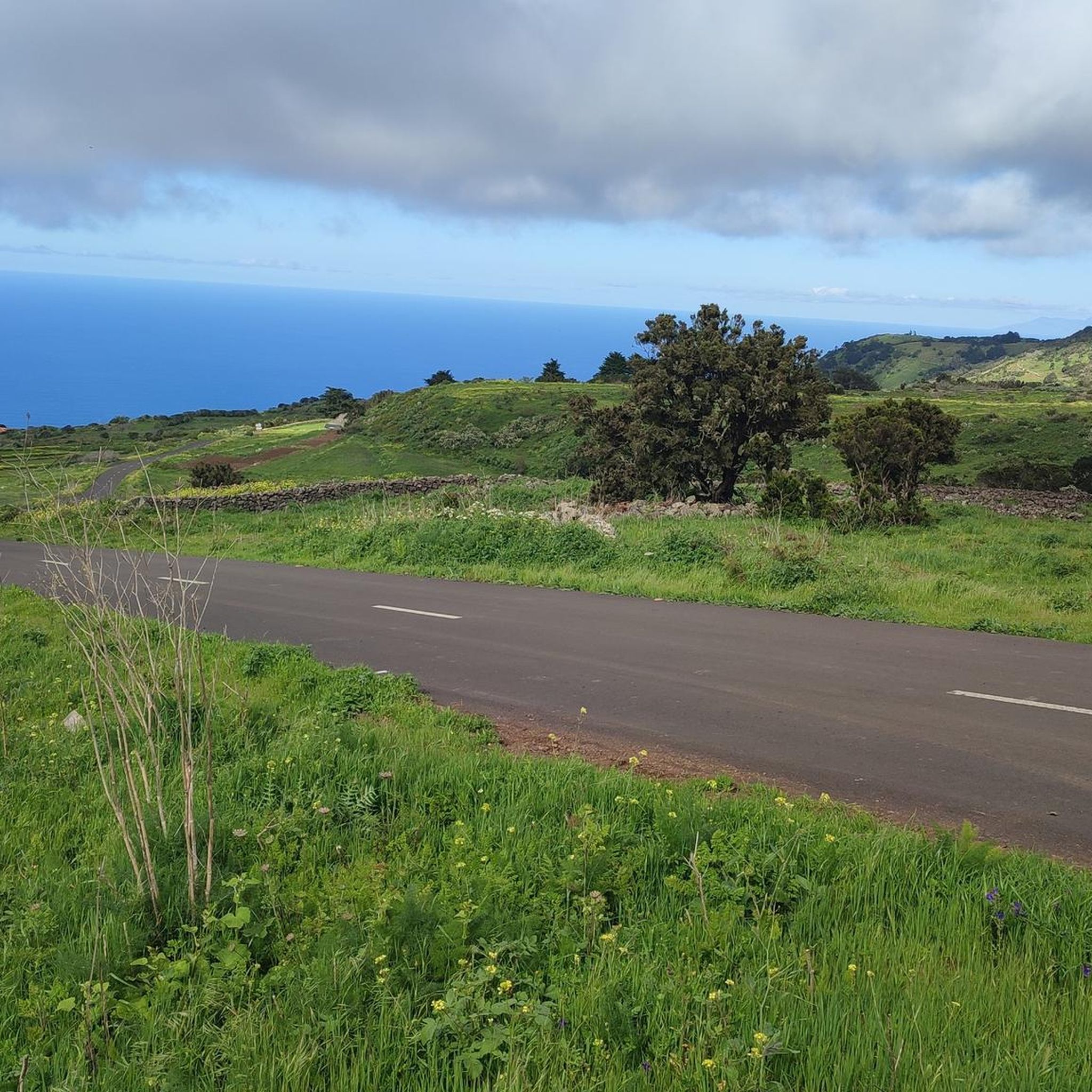
Road Cycling Routes in El Hierro
Running Trails in El Hierro
Other adventures in El Hierro


Tips from the Community

Not all areas are suitable for swimming at all times.
0
0

A very nice seawater pool that is easily accessible
0
0

At 1,230 m above sea level, it offers one of the most spectacular views of El Hierro: El Golfo Bay, the north coast, and a tapestry of vineyards, pineapple and banana trees. It has parking, a rest area, and picnic tables, perfect for enjoying the natural beauty. Next to the Hermitage of Our Lady of Charity, it is also the starting point of the historic Jinama Trail and routes such as the Volcano Trail, which invite you to explore volcanic landscapes and unique corners of the island.
1
0

Visit the Mirador early or start the tour, for example to the Mirador de la Peña, early, as the Canarian fog rolls in at midday. For us it was 11am and within a few minutes the visibility was not only impaired, it was gone! The view is fantastic!
0
0
Definitely my favorite place on the island. Easy and adapted access for disabled people. Tacorón beach is fantastic for snorkeling and diving, it has a lifeguard service and a small beach bar. The natural pool is very calm and numerous fish can be found on its rocky, shallow bottom. For good swimmers, I recommend getting out of the pool and exploring the entire coast. Towards the right you can swim to the devil's cave. Towards the left you can visit several coves by swimming, reaching the area where female sunray sharks approach to give birth. Be careful with the buoys as they are the mooring points for the boats that take divers to do their dives; and, of course, with the waves that although the sea of calm does justice to its name, it also sometimes rises.
1
0
https://www.youtube.com/watch?v=Kp9gEMFyryk A large natural pool in El Golfo Charco de los Sargos is, along with Charco de La Maceta and Charco Azul, one of the most popular bathing areas in El Golfo, in the municipality of Frontera. It owes its peculiar shape to a high cliff, and the attacks of the sea have shaped different spaces that have been enabled for bathing. Its volcanic landscape creates an ideal atmosphere to spend a different day at the beach. After walking a few minutes down the cliff, we found this area that is very frequented by the locals. Its orientation on the island guarantees good weather practically all year round, and one of the best sunsets in the entire Canary Archipelago. In addition to a well-kept recreation area, there are several restaurants where you can try the popular El Hierro cuisine. https://www.holaislascanarias.com/piscinas-naturales/el-hierro/charco-de-los-sargos/
0
0
https://www.youtube.com/watch?v=wBb_L8WeVfg The Malpaso volcano is the highest point on the island of El Hierro. Malpaso has a height of approximately 1,501 meters above sea level. Although it is a volcano, Malpaso has been dormant for many years. The island of El Hierro, in general, is known for its volcanic activity, the most recent being the underwater eruption near La Restinga in 2011. There are several routes leading to the top, offering stunning views of the island and, on clear days, the neighboring islands. The area around Malpaso is rich in flora and fauna, including endemic species and laurel forests, a type of subtropical humid forest that is rare and protected. From the top, you can get panoramic views of the entire island, including the coastline and the Atlantic Ocean. On clear days, you can see the neighboring islands of La Palma, La Gomera and Tenerife.
2
0
https://www.meridianosau.es/centros/ecomuseo-de-guinea-2/ Located in the Gulf Valley, at the foot of the Risco de Tibataje, it is today an Ecomuseum. The guided route through its houses shows us the evolution since it began to be inhabited and the evolution of the homes with their belongings since the 19th century. XVII to the 20th century. Each of these homes is a sample of Popular Herreña Architecture, where stone and top notch are the basis of homes that, together with their traditional crops, today represent a monument to the History of the Island. Also in this location, but as an independent visit, you can visit the Guinea Volcanic Tube, where you will learn more about the geology of El Hierro. Visits to this cave, always guided, occur at the same time as the Ecomuseum route, and tickets are purchased at the Center's box office. https://www.youtube.com/watch?v=SX3t4xrcLbA https://www.youtube.com/watch?v=YLVwAbyBYRk
1
0
Frequently Asked Questions
What unique natural features can I expect to see among El Hierro's natural monuments?
El Hierro offers a diverse range of natural features. You can witness the dramatic volcanic landscapes at Malpaso Peak, the island's highest point, or explore unique geological formations like the iconic Roque de la Bonanza. The island is also famous for its natural pools, such as Charco Azul, carved into lava flows, and the ancient, wind-sculpted juniper trees at El Sabinar de La Dehesa. The Mar de las Calmas Marine Reserve near La Restinga showcases pristine marine environments.
Are there any natural monuments in El Hierro with historical significance?
Yes, several natural monuments in El Hierro hold historical importance. Guinea Ecomuseum and Lizardarium offers a glimpse into traditional island life and houses the endangered giant El Hierro lizard, alongside a volcanic tunnel. Punta de Orchilla, the westernmost tip of Spain, was historically recognized as the zero meridian. Additionally, the ancient rock carvings of the Bimbaches at El Julan provide insight into the island's pre-Hispanic past.
Where can I find the best panoramic views of El Hierro?
For breathtaking panoramic views, head to Malpaso Peak, which offers vistas of the entire island and, on clear days, neighboring islands. Jinama Viewpoint and La Peña Viewpoint (designed by César Manrique) both provide spectacular views over the El Golfo Valley and the Atlantic Ocean. The Las Playas Natural Monument also offers awe-inspiring views of the amphitheater-shaped cliff and Roque de la Bonanza.
What outdoor activities can I do near the natural monuments in El Hierro?
El Hierro is ideal for outdoor enthusiasts. You can enjoy hiking through diverse landscapes, from laurel forests near Malpaso Peak to coastal trails. Diving is exceptional in the Mar de las Calmas Marine Reserve near La Restinga, known for its rich underwater life. Swimming in natural pools like Charco Azul or Cala de Tacorón is also popular. For more ideas, check out the easy hikes in El Hierro or explore cycling routes and road cycling routes.
Are there family-friendly natural monuments in El Hierro?
Yes, several natural monuments are suitable for families. Cala de Tacorón offers well-equipped natural pools perfect for swimming in a calm setting. The Guinea Ecomuseum and Lizardarium is an engaging visit for all ages, combining history with wildlife. Viewpoints like Jinama Viewpoint and La Peña Viewpoint are easily accessible by car and provide stunning scenery that children will enjoy.
What is the best time of year to visit El Hierro's natural monuments?
El Hierro enjoys a mild climate year-round, making its natural monuments accessible in any season. However, for hiking and outdoor activities, spring (April-May) and autumn (September-October) offer pleasant temperatures and fewer crowds. Summer is ideal for swimming in the natural pools, while winter provides a tranquil experience with lush landscapes after seasonal rains. Always check local weather forecasts before your visit.
Where can I go swimming in natural pools or beaches in El Hierro?
El Hierro is renowned for its 'charcos' or natural pools. Charco Azul is a stunning natural pool carved into lava flows, offering intensely turquoise waters. Cala de Tacorón provides well-equipped natural pools with easy access for swimming. Charco Manso also features a volcanic stone arch and natural pool. For a more traditional beach experience, the pebble beaches at Las Playas Natural Monument offer a peaceful coastal paradise, and La Restinga is known for its calm waters, ideal for diving and snorkeling.
Are there accessible natural monuments for visitors with mobility challenges in El Hierro?
While many natural monuments involve uneven terrain, some offer better accessibility. Cala de Tacorón is noted as wheelchair accessible, with comfortable entry to its bathing areas. Viewpoints like La Peña Viewpoint and Jinama Viewpoint are generally accessible by car, offering impressive views from designated areas. It's always advisable to check specific site conditions beforehand.
Can I bring my dog to the natural monuments in El Hierro?
Dog-friendly policies vary across natural monuments and protected areas in El Hierro. While some trails and outdoor spaces may permit dogs on a leash, others, especially those with sensitive ecosystems or wildlife protection, might have restrictions. For example, the Guinea Ecomuseum and Lizardarium has a dog parking lot. It's best to check specific regulations for each site you plan to visit to ensure a pleasant experience for you and your pet.
Are there dining options or cafes near the natural monuments?
Yes, you can find dining options near some of El Hierro's natural monuments. La Peña Viewpoint features a restaurant designed by César Manrique, offering local cuisine with spectacular views. The fishing village of La Restinga, adjacent to the Mar de las Calmas Marine Reserve, is known for its fresh seafood restaurants. Additionally, many towns and villages across the island, often a short drive from natural sites, provide cafes and eateries.
What kind of wildlife can be observed in El Hierro's natural monuments?
El Hierro's natural monuments are home to diverse wildlife. The Mar de las Calmas Marine Reserve near La Restinga is a prime spot for observing marine life, including turtles, rays, and dolphins, making it a top destination for diving. On land, the Guinea Ecomuseum and Lizardarium is dedicated to the endangered giant El Hierro lizard. The areas around Malpaso Peak are rich in flora and fauna, including endemic species and rare laurel forests.
Are there specific hiking trails to explore El Hierro's natural monuments?
Yes, El Hierro offers numerous hiking trails that lead to or pass through its natural monuments. A circular walking trail provides access to the iconic wind-bent trees at El Sabinar de La Dehesa. The area around Malpaso Peak has various routes for hiking through diverse natural environments. You can find more detailed information and routes in the easy hikes in El Hierro guide, which includes trails like 'Guinea Ecomuseum to Pozo de Los Padrones Trail'.
Most popular routes in El Hierro
Most popular attractions in El Hierro

Get inspired with the komoot mobile app


Explore more
Extend your search for the best caves by checking out these guides of the top ones in El Hierro:
