Top 20 Natural Monuments in Gran Canaria
Best natural monuments in Gran Canaria showcase the island's volcanic origins, diverse ecosystems, and dramatic landscapes. These sites include colossal volcanic rocks, vast sand dunes, and immense volcanic craters. The island's natural parks also preserve ancient forests and unique geological formations. Visitors can explore a range of environments, from high peaks to coastal reserves.
Best natural monuments in Gran Canaria
- The most popular natural monuments is Roque Nublo, a natural monument and volcanic rock that stands 80 meters tall.…
Last updated: August 16, 2026
Roque Nublo
Highlight • Natural Monument
Showing Translation
Tip by

Pico de las Nieves summit
Highlight • Summit
Translated by Google •
Tip by

Sign up now to discover places like this
Get recommendations on the best single tracks, peaks, & plenty of other exciting outdoor places.
Sign up for free
Playa de Maspalomas and the Maspalomas Dunes
Highlight • Beach
Translated by Google •
Tip by

Maspalomas Dunes
Highlight • Natural Monument
Translated by Google •
Tip by

Crest Trail – Bandama Caldera
Highlight (Segment) • Trail
Translated by Google •
Tip by

Sign up for free to discover even more natural monuments in Gran Canaria.
Sign up for free
Already have an account?
Start today with a free account
Your next adventure awaits.
Login or Signup
Popular around Gran Canaria
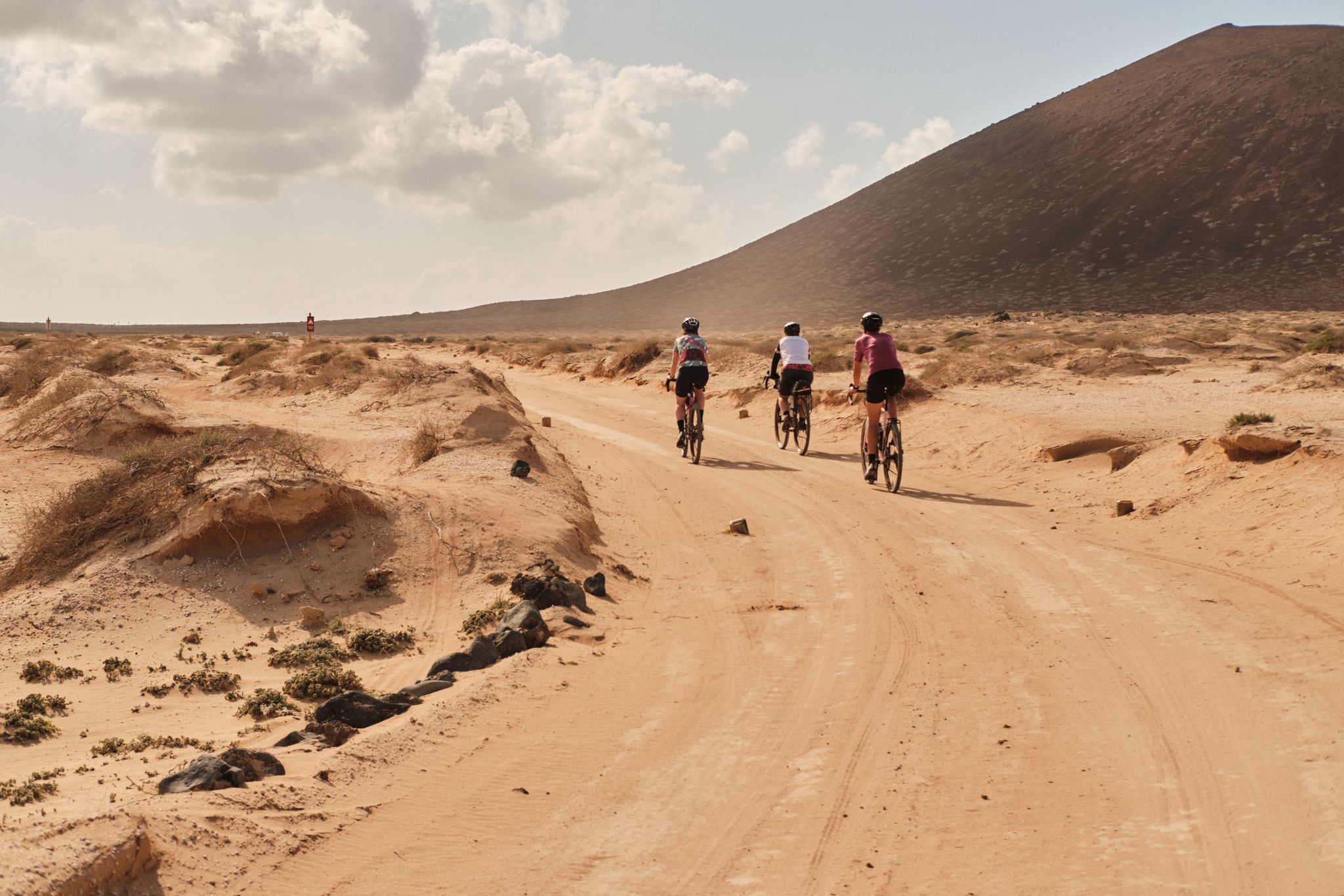
GranGuanche gravel – Komoot women's rally 2023
GranGuanche Audax Trail – my first ultra race on the Canary Islands
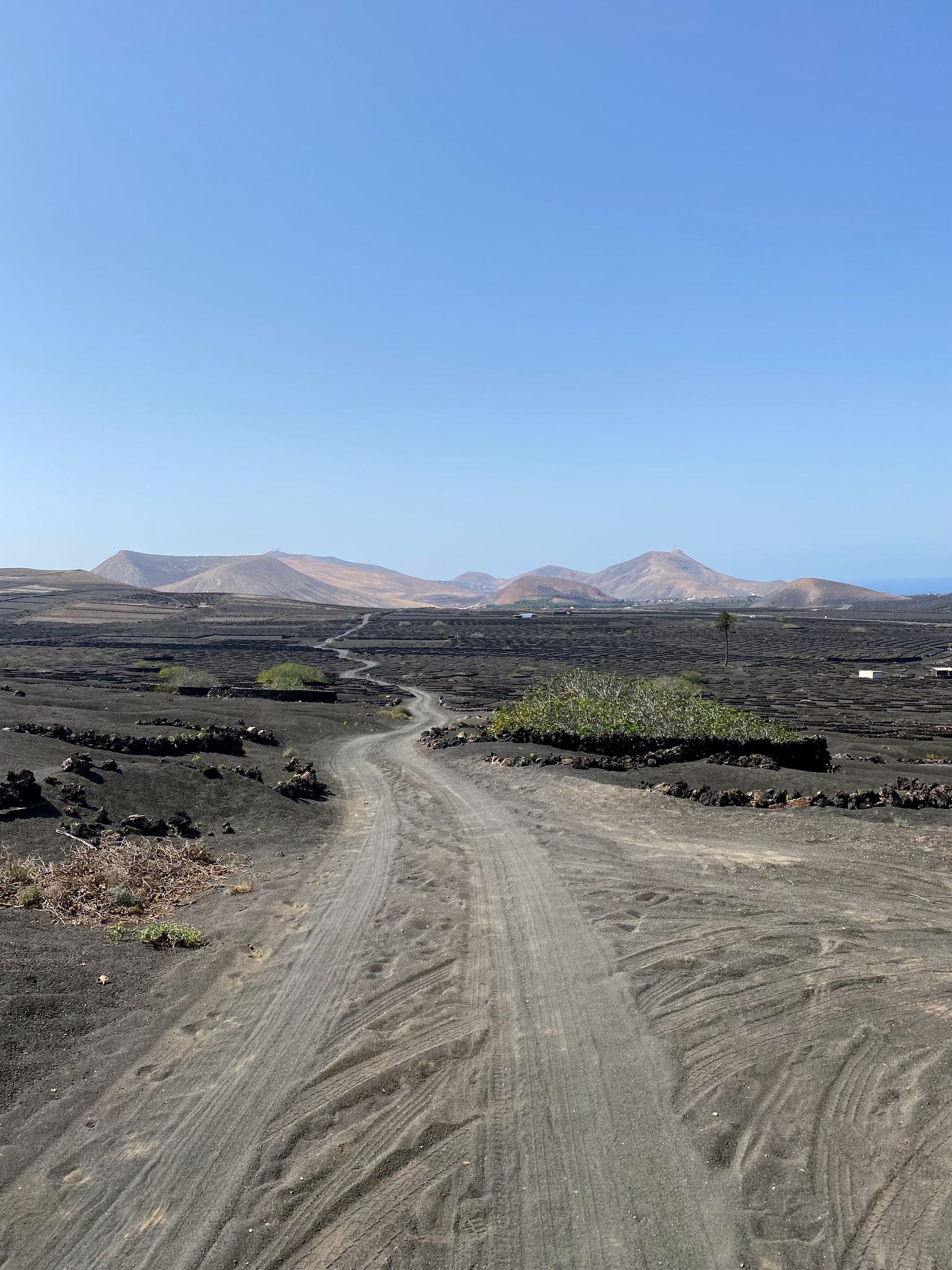
Bikepack in the Canary Islands – surprising adventures in the sun
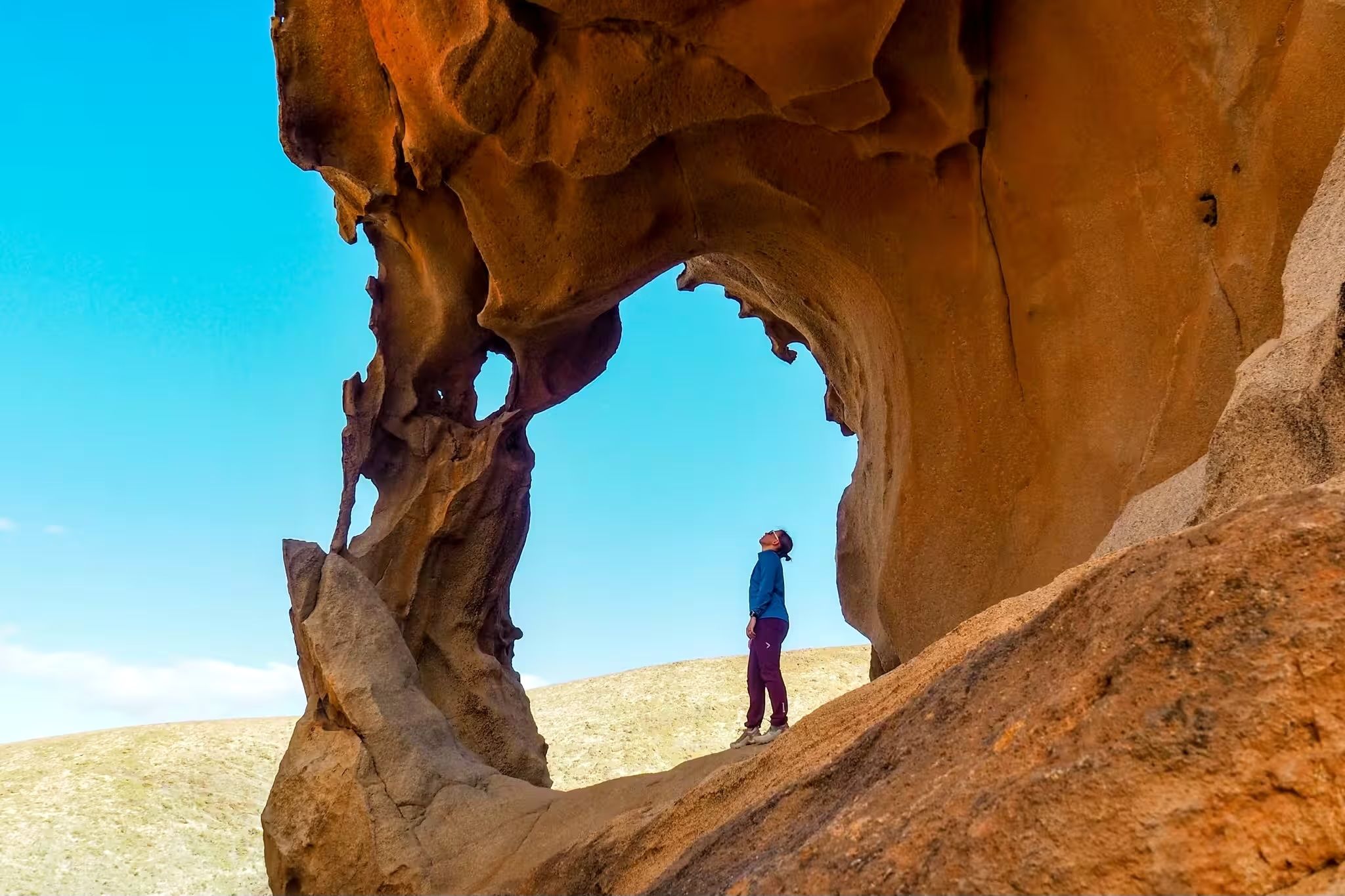
Canary Islands at a slow pace – six hikes immersed in nature
Trail on the Canary Islands – discover the legendary races!
Six fascinating ways to discover the Canary Islands on foot
The challenge of the year — Transgrancanaria Classic
An island of contrasts – crossing Gran Canaria
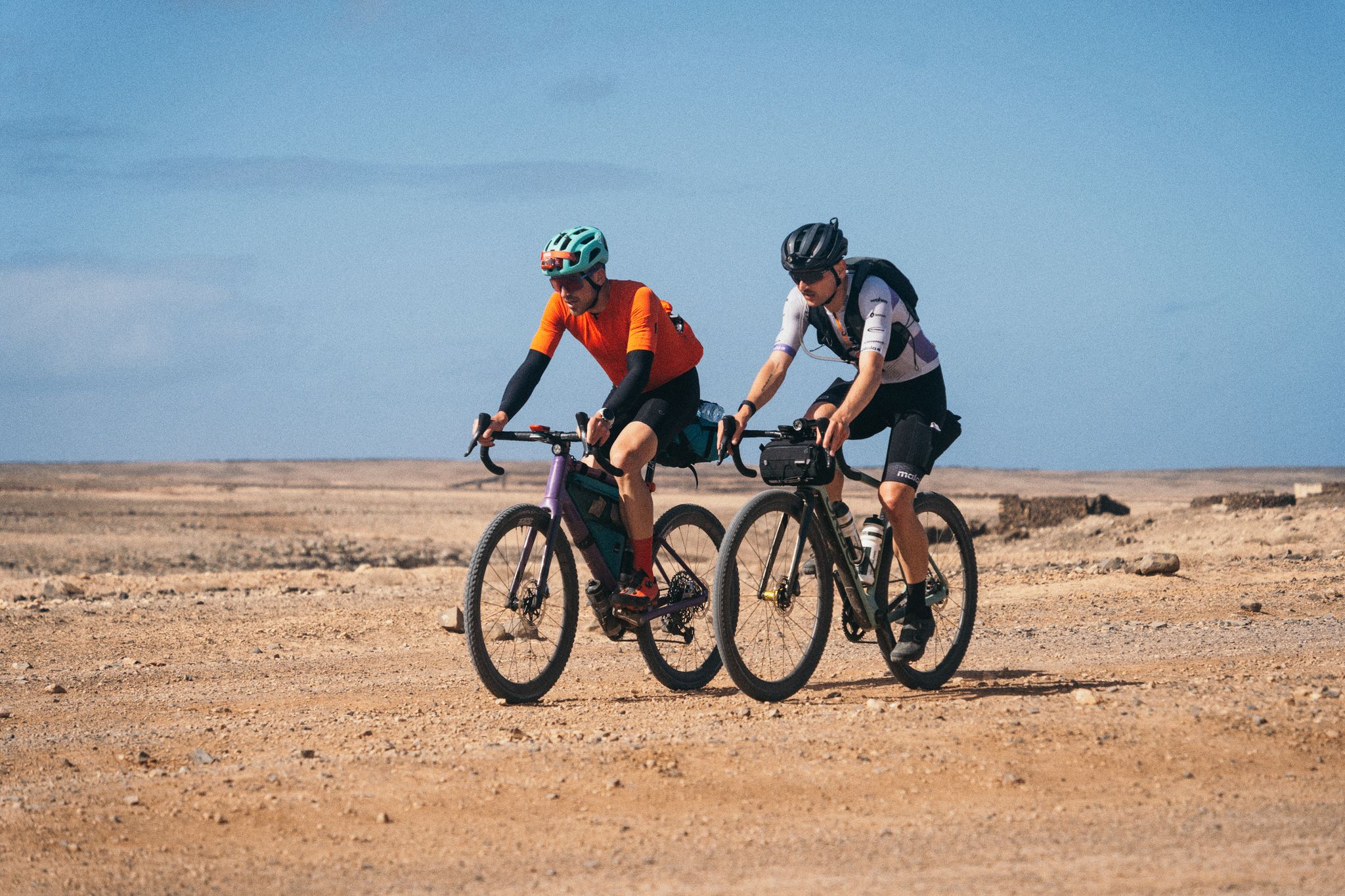
GranGuanche Audax Gravel — five islands in two and a half days
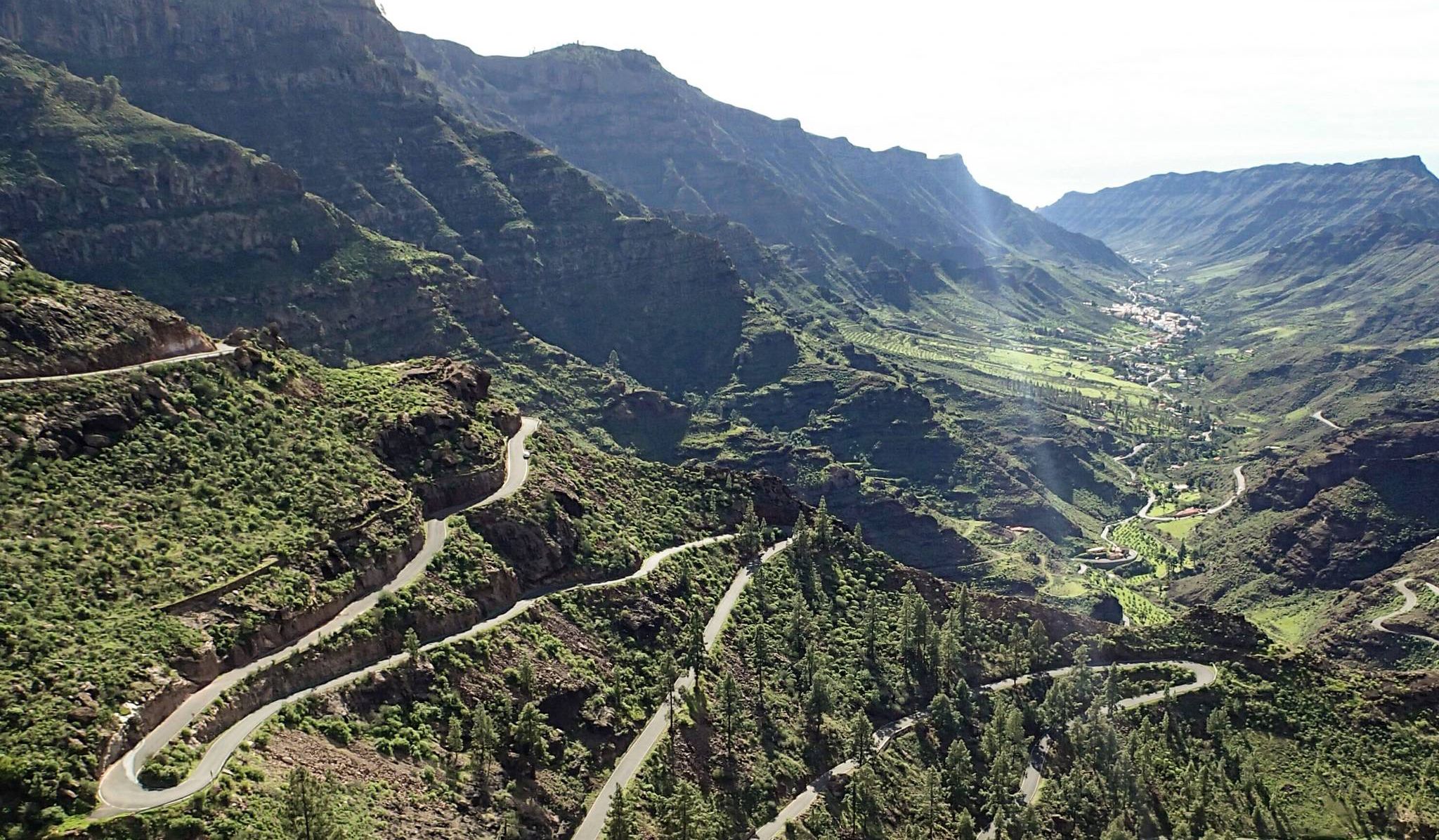
Escape to the south — road cycling in Gran Canaria
Other adventures in Gran Canaria


Tips from the Community

A short but very scenic ridge trail around the GCc "youngest" volcanic crater – the last eruption of the Caldera de Bandama was about 2000 years ago – which measures approximately 210 meters deep, 580 meters high, and about 1 km in diameter. The trail is easy to walk, close to the sea (and therefore more stable in the weather than the mountains behind it), and offers beautiful views down into the valley, though not so much solitude... but that's okay, it's not crowded.
1
0

Simply fantastic! So much fine desert sand – an absolute must for travelers to Gran Canaria!
5
0

The Maspalomas Dunes are a true natural wonder. They stretch across an area of 404 hectares between Playa de Ingles and Maspalomas. They are home to many rare plants and animals. There are hiking trails through the dunes, but please do not leave them.
9
0

It is very worthwhile to climb up to Roque Nublo not only to see the rock formation itself, but also to enjoy the spectacular views it offers from above. The sunsets are incredible.
3
1

I have rarely seen such a beautiful dune landscape
7
1

The Bandama Nature Park (Spanish: Monumento Natural de Bandama) is a protected landscape area in the northeast of the island of Gran Canaria, in the Spanish province of Las Palmas. It consists of two clearly defined units: the mountain peak Pico de Bandama and the Caldera de Bandama. Origin of the name: The name Bandama is not of Spanish origin. It is derived from the Flemish merchant Daniel Van Damme, who ran a very successful winery in the Caldera in the 16th century. This man's will is the first written documentation of winegrowing in this area of the island. The wine presses, some of which are still preserved today, and the associated fermentation tanks (lagares), in which the grapes were mashed, are among the oldest of their kind on Gran Canaria. Source: https://de.m.wikipedia.org/wiki/Naturpark_Bandama
2
1

Very nice views of an impressive landscape. Make sure your shoe soles have a good profile. The ground is quite slippery in some places.
1
0

If you want to go into the crater, it is only open from 8:00 a.m. to 5:00 p.m. Please note 🤔
3
0
Frequently Asked Questions
What are some of the most iconic natural monuments to visit in Gran Canaria?
Gran Canaria boasts several iconic natural monuments. Among the most prominent are Roque Nublo, a colossal volcanic rock that was once a sacred site, and Pico de las Nieves summit, the island's highest point offering expansive views. The Maspalomas Dunes, a vast expanse of golden sand, also stand out as a unique natural reserve.
Are there family-friendly natural monuments in Gran Canaria?
Yes, several natural monuments are suitable for families. The Maspalomas Dunes offer a unique landscape for leisurely strolls and exploration, with a beach and a saltwater lagoon. While Pico de las Nieves summit is accessible by car, offering impressive views without strenuous hiking, making it a good option for families.
What unique geological features can I explore in Gran Canaria's natural monuments?
Gran Canaria's volcanic origins have created diverse geological features. Beyond Roque Nublo, a striking basalt rock, you can visit the immense Caldera de Bandama, a volcanic crater offering a glimpse into the island's fiery past. Another unique site is Fuente de los Azulejos, where mineral deposits create mountains with vibrant stripes of green, orange, and yellow.
What is the best time of year to visit Gran Canaria's natural monuments?
The natural monuments in Gran Canaria can be enjoyed year-round due to the island's mild climate. However, for hiking and outdoor activities, the cooler months from October to May are generally preferred, as temperatures are more comfortable. During these months, the weather is often clear, offering the best visibility for panoramic views from high points like Pico de las Nieves summit.
Are there hiking opportunities near the natural monuments?
Absolutely. Gran Canaria offers extensive hiking opportunities near its natural monuments. For example, you can find routes around Roque Nublo, such as the Roque Nublo loop. The island also features dedicated guides for various hiking levels, including Easy hikes in Gran Canaria and more challenging options in the Hiking in Gran Canaria guide.
What kind of natural parks can I find in Gran Canaria?
Gran Canaria is home to several significant natural parks that preserve its rich biodiversity. The Parque Natural de Tamadaba is a UNESCO Biosphere Reserve known for its ecological diversity and impressive viewpoints. The Parque Natural de Pilancones features dense pine forests crucial for the island's ecology. These parks offer serene environments for nature appreciation and exploration.
Can I go road cycling near Gran Canaria's natural monuments?
Yes, Gran Canaria is a popular destination for road cycling, with routes often passing near or through natural monument areas. You can find challenging and scenic rides, such as those around Pilancones Natural Park. For detailed routes and difficulty levels, refer to the Road Cycling Routes in Gran Canaria guide.
What are some notable viewpoints in Gran Canaria's natural monument areas?
Gran Canaria offers numerous breathtaking viewpoints. Pico de las Nieves summit provides unparalleled, far-reaching views across the island and out to the ocean, often allowing sight of other Canary Islands on clear days. The hike to Roque Nublo also rewards visitors with magnificent panoramic views encompassing the Tejeda caldera and surrounding landscapes.
Are there any ancient forests or unique ecosystems to explore?
Yes, Gran Canaria preserves unique ecosystems, including remnants of ancient forests. Los Tilos de Moya represents the largest surviving fragment of the ancient Doramas forest, which once covered much of the island's north. This site offers a glimpse into the island's historical natural landscape and is ideal for serene walks.
What do visitors enjoy most about the natural monuments in Gran Canaria?
Visitors frequently praise the dramatic landscapes, the breathtaking panoramic views, and the unique geological formations. Many are captivated by the sense of history and spirituality at sites like Roque Nublo, while others find the vastness and beauty of the Maspalomas Dunes particularly impressive. The opportunity to experience diverse environments, from high peaks to coastal reserves, is also highly valued.
Is public transport available to reach some of Gran Canaria's natural monuments?
While some natural monuments, especially those in more remote areas, are best accessed by car, public transport options exist for certain locations. For example, bus services can take you to towns or points relatively close to sites like the Caldera de Bandama or areas around the Maspalomas Dunes. However, for direct access to trailheads or higher peaks, a rental car often provides more flexibility.
Are there any natural monuments with historical or cultural significance?
Yes, several natural monuments hold significant historical and cultural value. Roque Nublo, for instance, was considered a sacred mountain by the aboriginal inhabitants, who built a place of worship at its foot. Exploring these sites offers a connection to the island's ancient past and its indigenous culture.
Most popular routes in Gran Canaria
Most popular attractions in Gran Canaria

Get inspired with the komoot mobile app


Explore more
Extend your search for the best caves by checking out these guides of the top ones in Gran Canaria:
