Top 20 Natural Monuments in Parco Delle Orobie Valtellinesi
Best natural monuments in Parco Delle Orobie Valtellinesi encompass a protected area in the Lombard Alps, established in 1989. This region features diverse ecosystems, dramatic peaks, and lush valleys, extending for about 60 kilometers and including 14 distinct valleys. The park offers an environment for nature excursions, showcasing unique geological formations and biodiversity. It is home to various flora and fauna, contributing to its status as a significant natural area.
Best natural monuments in Parco Delle Orobie Valtellinesi
- The most…
Last updated: May 24, 2026
Monte Legnone Summit
Highlight • Summit
Translated by Google •
Tip by

Pizzo dei Tre Signori
Highlight • Summit
Translated by Google •
Tip by

Sign up now to discover places like this
Get recommendations on the best single tracks, peaks, & plenty of other exciting outdoor places.
Sign up for free
Dordona Pass
Highlight • Mountain Pass
Pass that connects Val Brembana with Valtellina.
In the immediate vicinity there are the trenches of the First World War.
Translated by Google •
Tip by

Porcile Lakes
Highlight • Lake
They are arranged …
Translated by Google •
Tip by

Tartano Pass
Highlight • Mountain Pass
The route to reach the pass starting from San Simone is easy.
Translated by Google •
Tip by

Sign up for free to discover even more natural monuments in Parco Delle Orobie Valtellinesi.
Sign up for free
Already have an account?
Start today with a free account
Your next adventure awaits.
Login or Signup
Popular around Parco Delle Orobie Valtellinesi
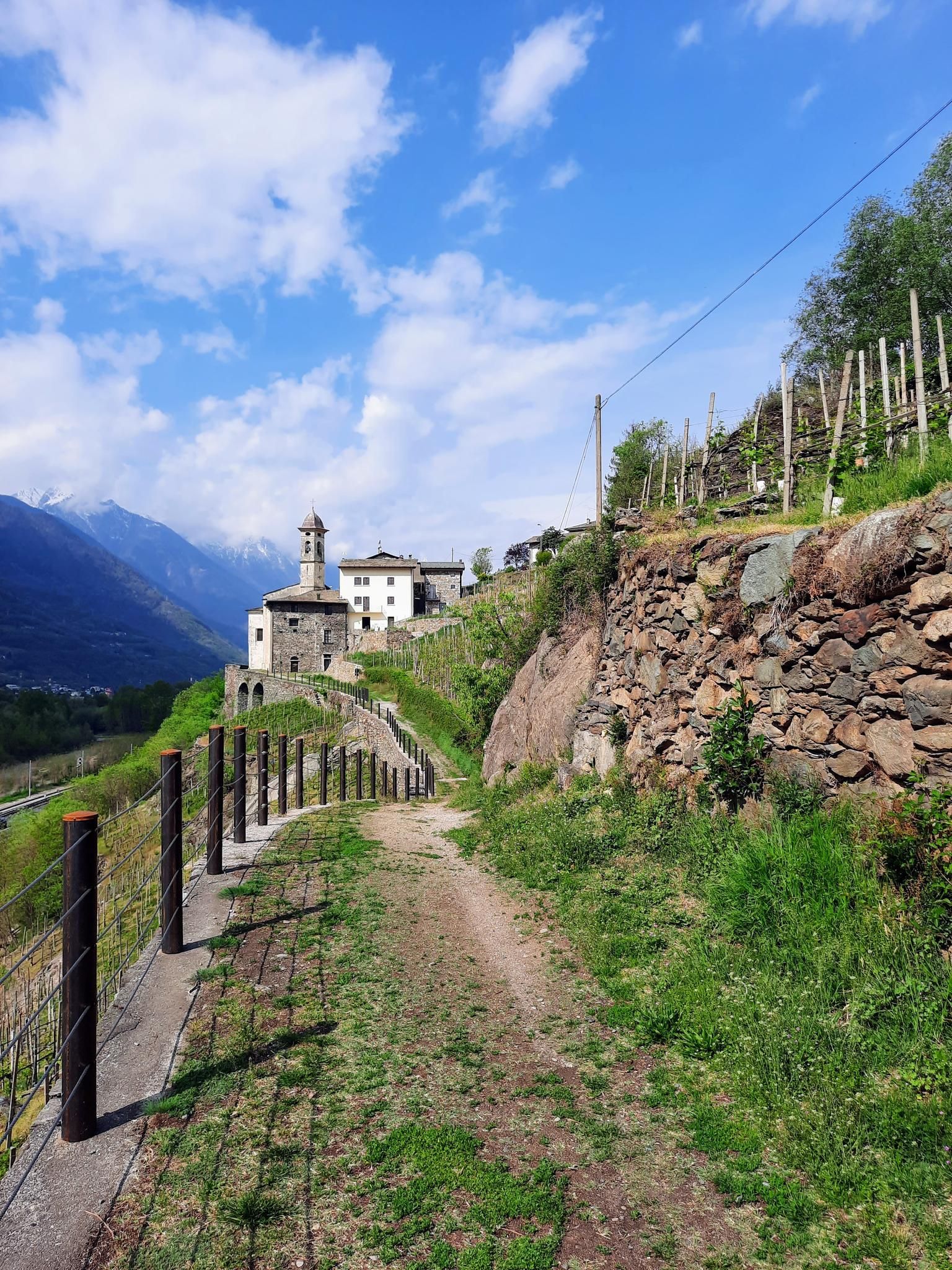
Hike in Valtellina in Italy – CamminaForeste in Lombardy part 5
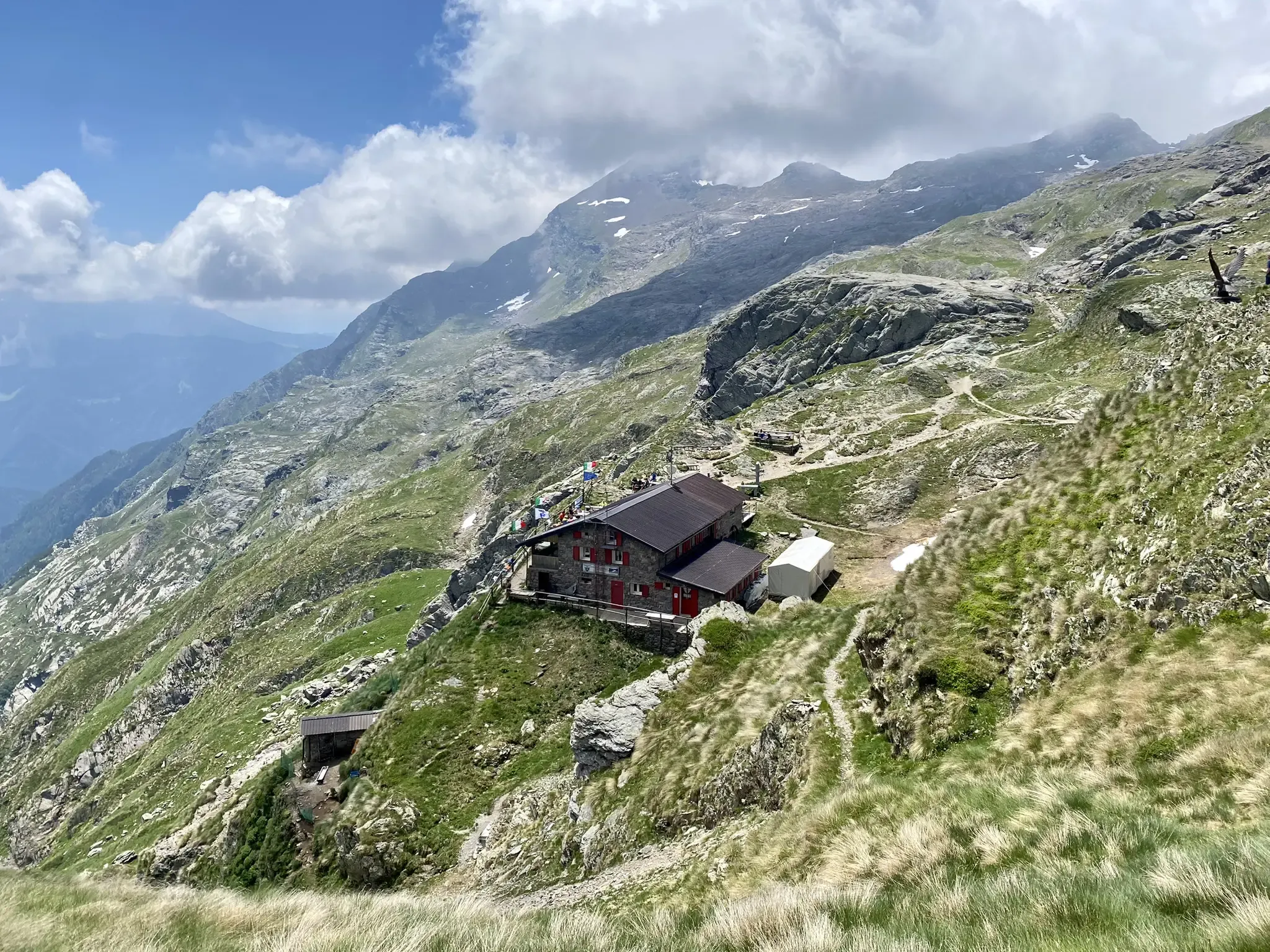
Antonio Curò nature route – two days in the Bergmanesque Alps
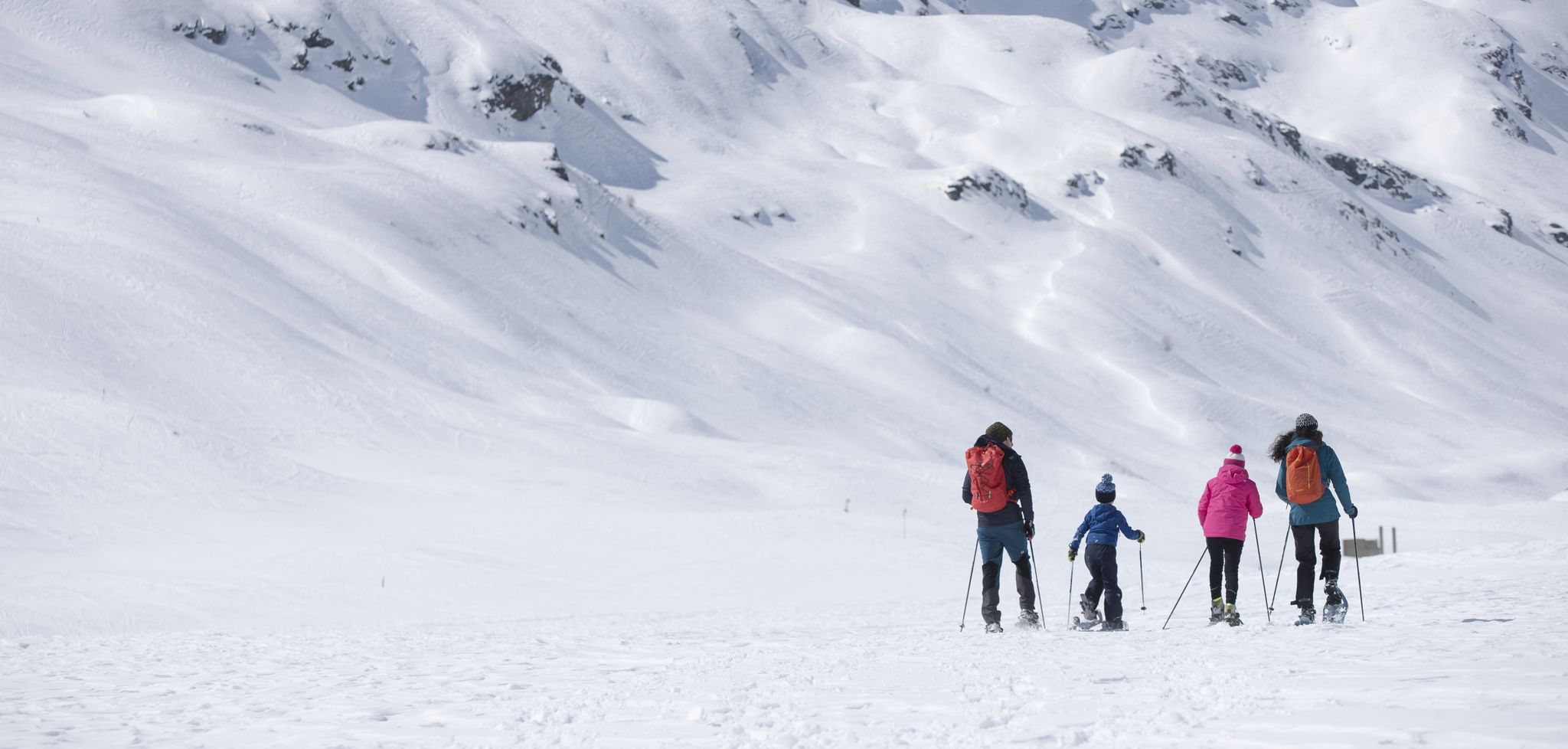
Inverno in Valtellina, a passo lento sulla neve
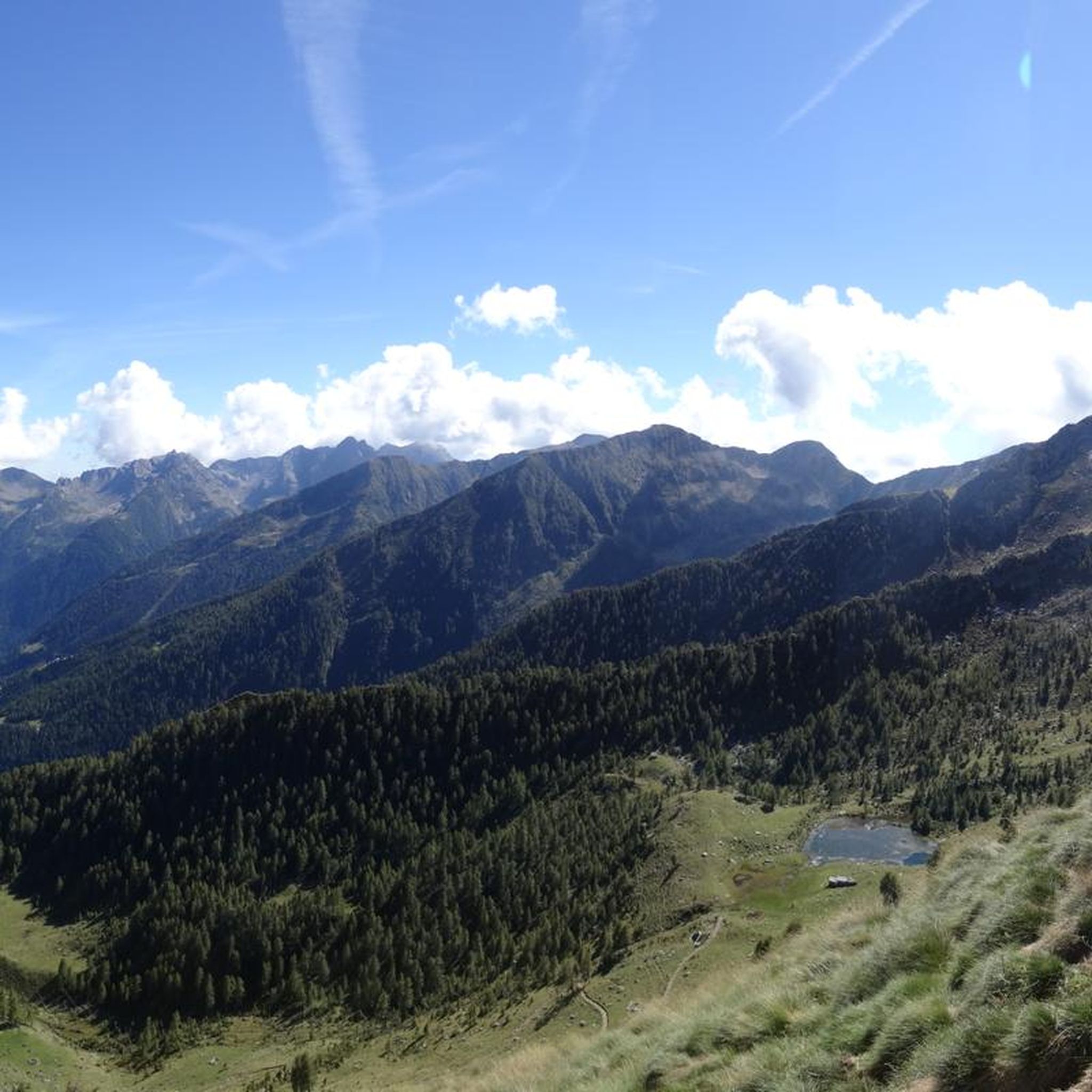
Hiking in Parco Delle Orobie Valtellinesi
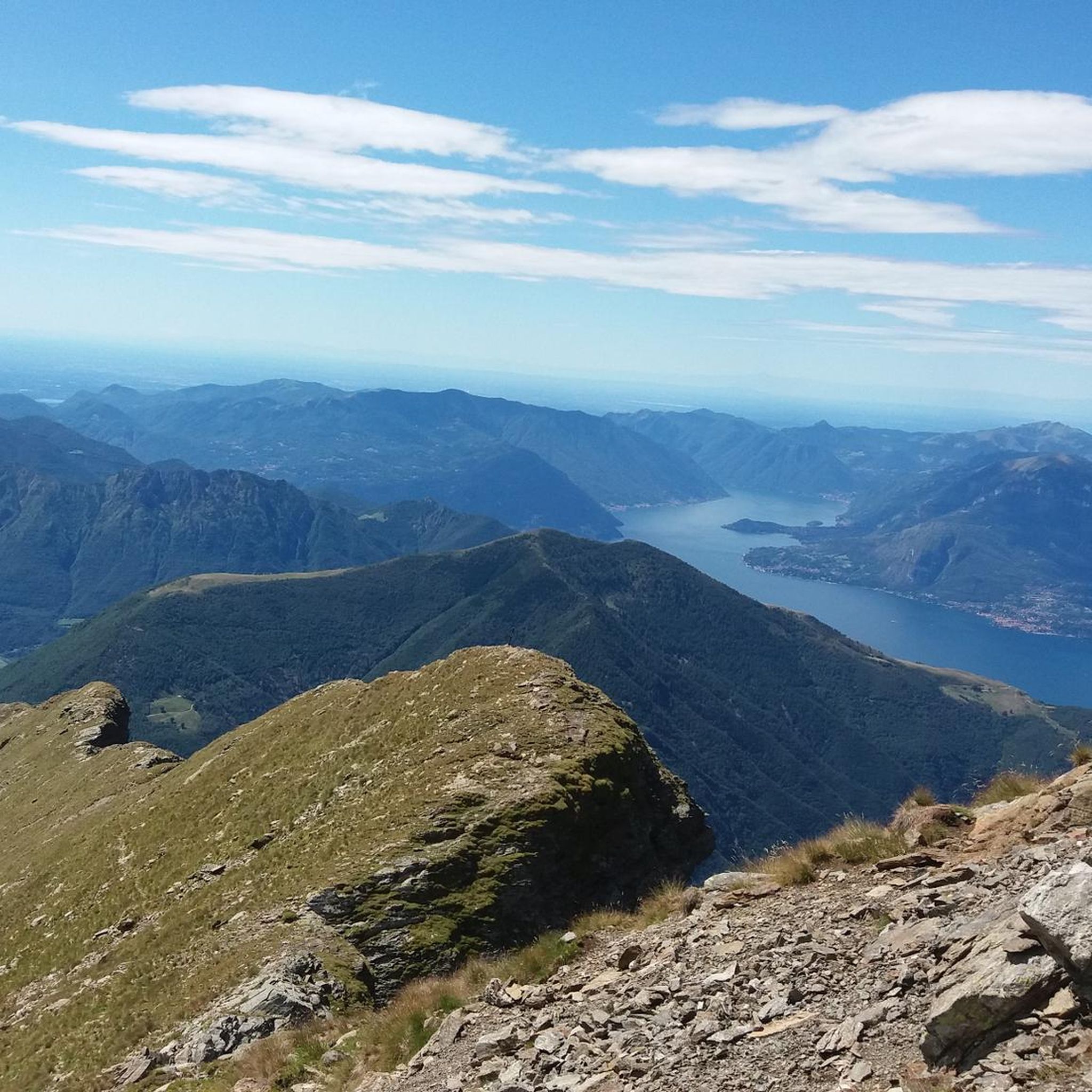
Running Trails in Parco Delle Orobie Valtellinesi
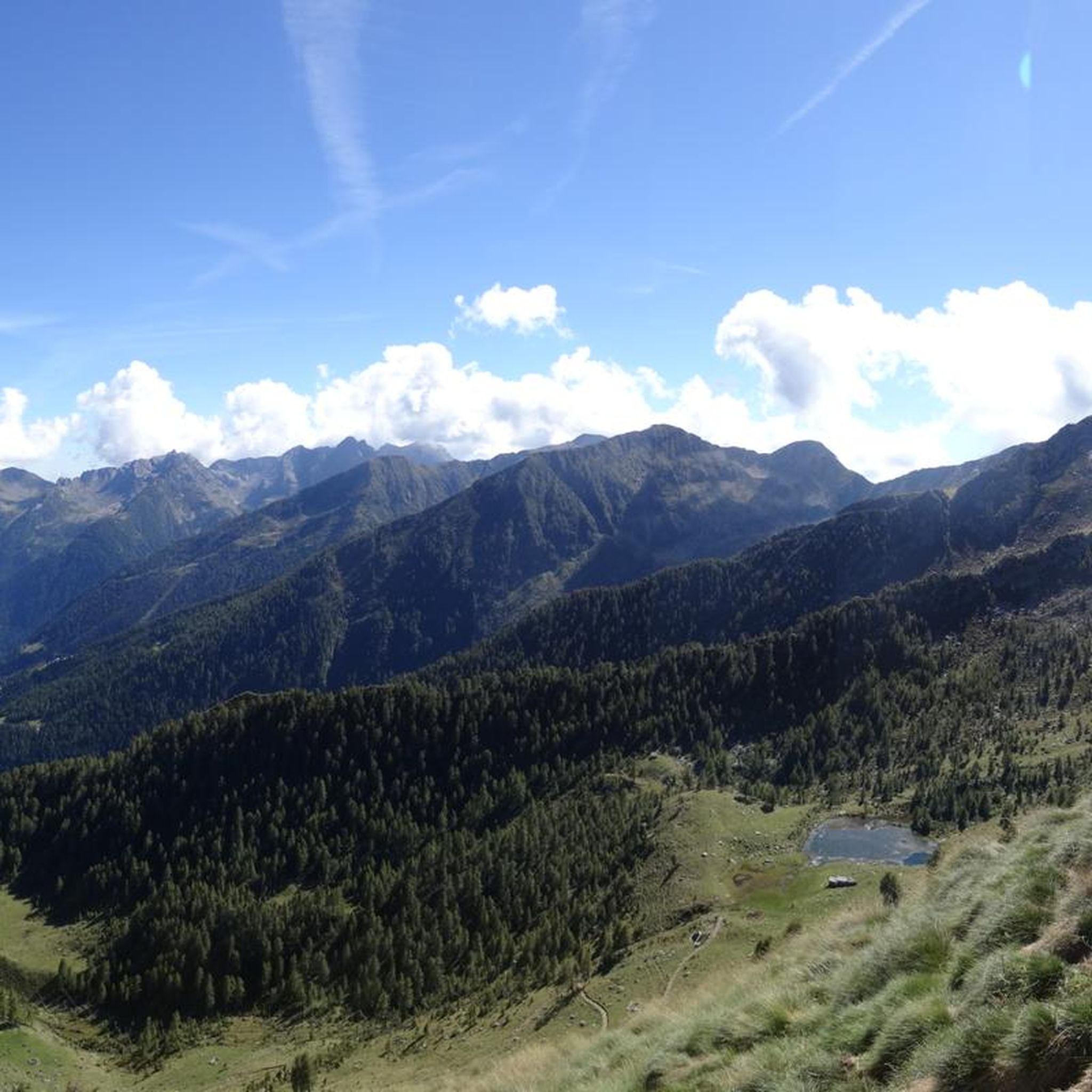
MTB Trails in Parco Delle Orobie Valtellinesi
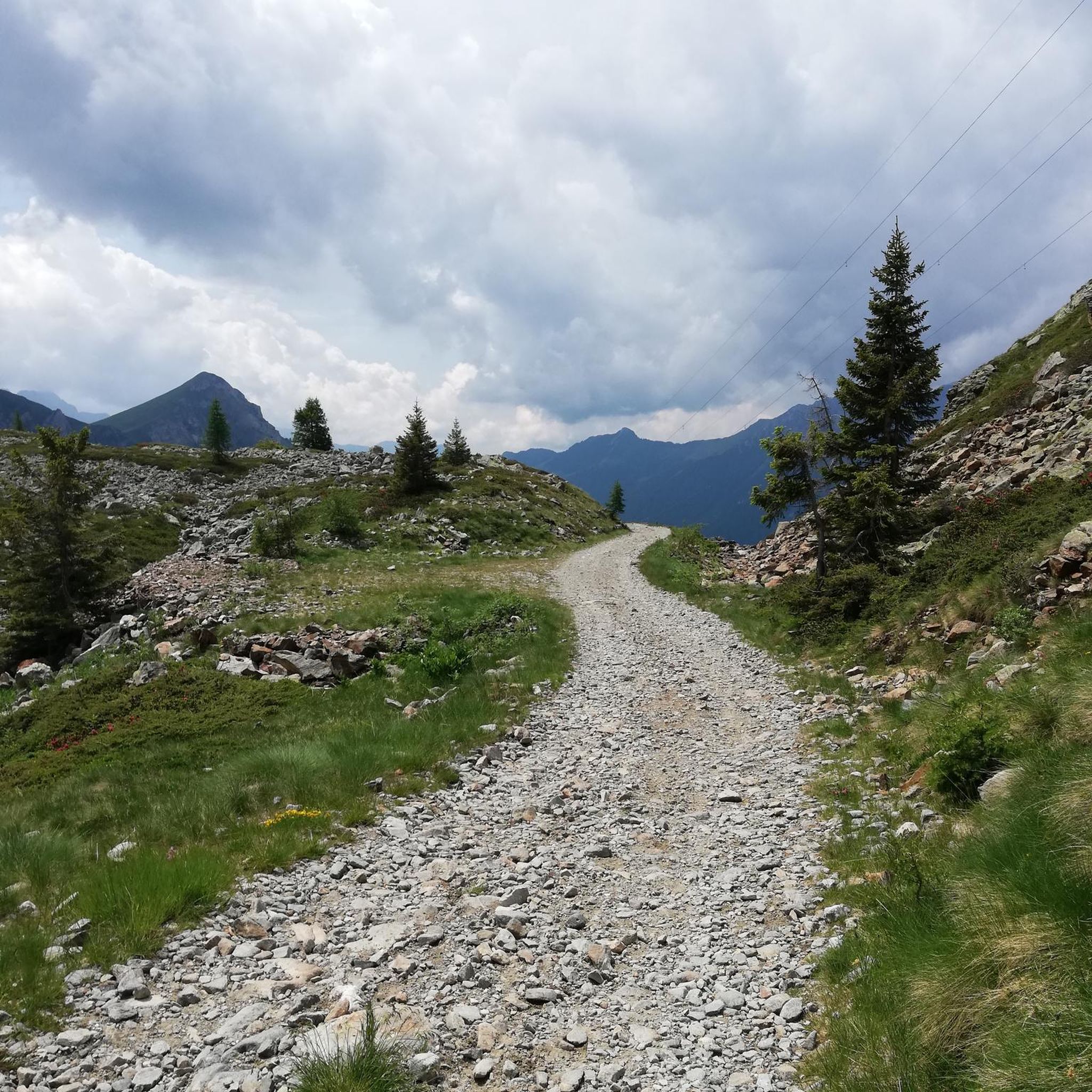
Cycling in Parco Delle Orobie Valtellinesi
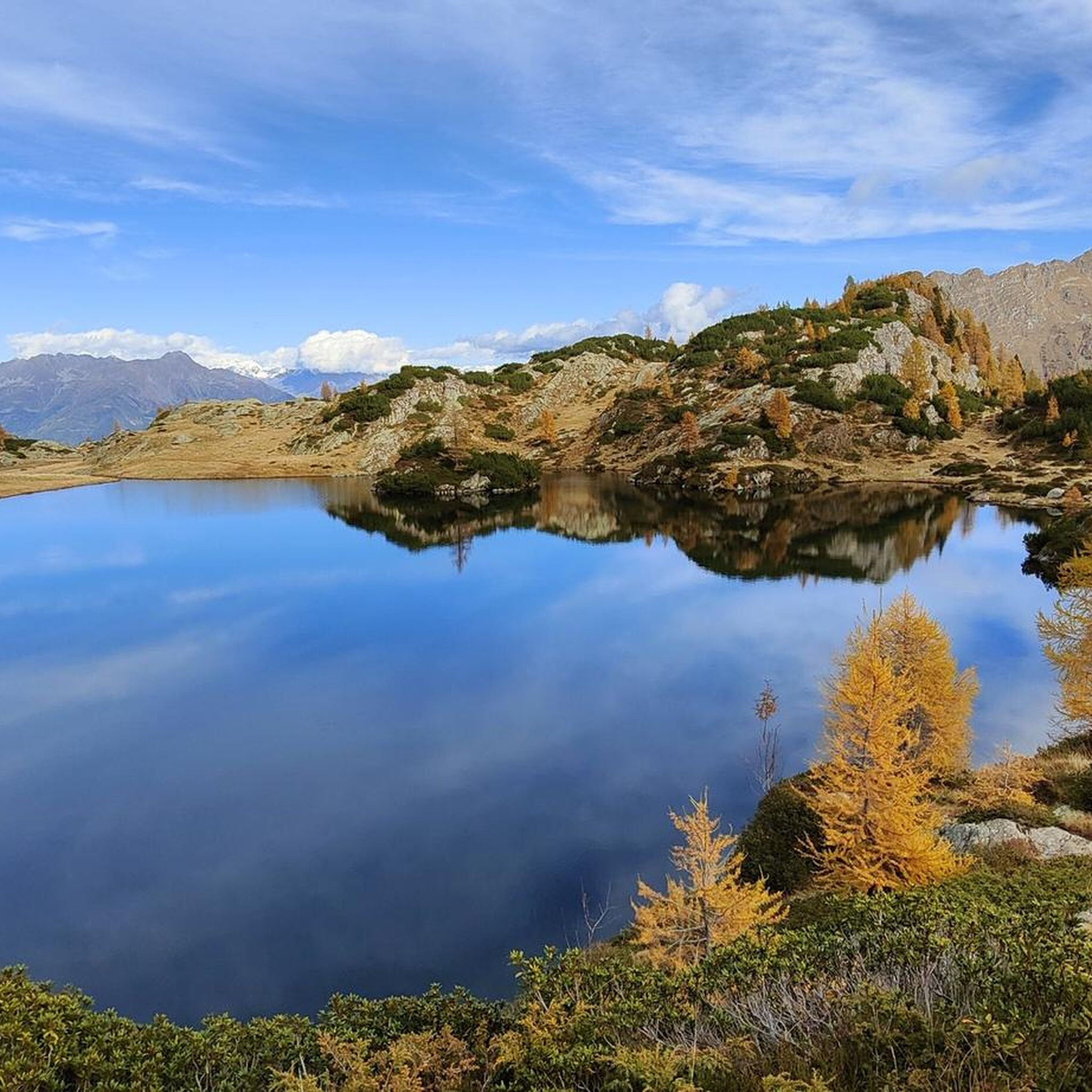
Road Cycling Routes in Parco Delle Orobie Valtellinesi

Mountain Hikes in Parco Delle Orobie Valtellinesi

Gravel biking in Parco Delle Orobie Valtellinesi
Other adventures in Parco Delle Orobie Valtellinesi


Tips from the Community

Border pass between Fusine and Foppolo (Bergamo). It's a pass steeped in history, with the Cadorna trenches. The road from Fusine (Valtellina) is wide and easily cycled.
0
0

A beautiful Alpine lake where you can spend time sunbathing or taking a dip. The lower lake has a beautiful flat area towards the last section or on the stone slabs just before.
0
0

From here you can enjoy a spectacular view of the three Porcile lakes
0
0
Stunning Alpine lakes, among the most beautiful in the area
0
0

Stunning mountain of the Orobie Alps
0
0
From the summit you can enjoy wonderful views
2
0
Although it is not the highest among the others nearby, from the summit you can enjoy wonderful views.
3
0

It takes a bit of luck to enjoy the great view that can be seen on a nice day.
1
0
Frequently Asked Questions
What are some of the most prominent peaks and natural monuments in Parco Delle Orobie Valtellinesi?
The park is home to several impressive peaks. Monte Legnone Summit is the highest peak in the province of Lecco, offering panoramic views of Lake Como. Pizzo dei Tre Signori provides 360-degree views across the Lombard Prealps and Rhaetian Alps. Pizzo Coca, at 3,052 meters, is the highest peak in the Orobie Alps, known for its breathtaking panoramic views. Additionally, the park features unique geological formations like the Giant's Kettles.
What unique geological formations can I find in Parco Delle Orobie Valtellinesi?
The park is known for its 'Giant's Kettles' (Marmitte dei Giganti), which are potholes ground into rock by glacial meltwater and rotating stones over thousands of years. These formations showcase the immense power of natural forces and are a significant attraction within the Orobie Valtellinesi Regional Park.
Are there any historical sites within or near the natural monuments?
Yes, Dordona Pass, a mountain pass at 2061 meters, features historical trenches from the First World War in its immediate vicinity. Pizzo dei Tre Signori also holds historical significance, as it once marked the border between the ancient Republic of Venice, the Duchy of Milan, and the Swiss Grisons.
What kind of wildlife and flora can be observed in Parco Delle Orobie Valtellinesi?
The park boasts rich biodiversity. You might spot chamois, ibex, roe deer, and golden eagles. The rare capercaillie is a symbol of the park. Unique flora includes the endemic Sanguisorba dodecandra found along waterways and Viola comollia, a rare species growing on high-altitude gravel beds. The Osservatorio Eco Faunistico Alpino in Aprica offers opportunities to observe some of the park's wildlife.
Are there family-friendly natural monuments or activities in the park?
Many of the park's fourteen valleys, such as Val Lesina or Val Tartano, offer diverse ecosystems and hiking trails of varying difficulty, making them suitable for families. While specific family-friendly natural monuments are not explicitly listed, the general accessibility of lower-altitude trails and the opportunity to observe nature make many areas suitable for family outings.
What is the best time to visit Parco Delle Orobie Valtellinesi for natural monuments?
The best time to visit generally depends on the activity. For hiking and exploring the high-altitude natural monuments like the peaks and alpine lakes, late spring to early autumn (June to September) offers the most favorable weather conditions. During these months, trails are typically clear of snow, and the flora is vibrant. Lower valleys can be enjoyed earlier in spring and later into autumn.
What types of hiking trails are available near the natural monuments?
The park offers a wide range of hiking trails. For those seeking easier options, you can explore routes like the Alpe Piazza Loop Trail or the Decauville of the Orobic Alps Trail. More challenging routes, such as the hike to the Fratelli Calvi Refuge or from Carona to Rifugio Longo, are available for experienced trekkers. You can find more details on these and other routes in the Easy hikes in Parco Delle Orobie Valtellinesi and Waterfall hikes in Parco Delle Orobie Valtellinesi guides.
Where can I find panoramic views of the region?
Many natural monuments offer spectacular views. Monte Legnone Summit provides one of the best panoramic views in the Central Alps, overlooking Lake Como and the lower Valtellina. Pizzo dei Tre Signori offers unparalleled 360-degree views across the Lombard Prealps and Rhaetian Alps. Even mountain passes like Dordona Pass and Tartano Pass provide scenic vistas of the Bergamo Orobie and Valtellina.
Are there any less crowded natural monuments to explore?
While popular peaks attract many visitors, exploring the numerous valleys of the park can offer a more tranquil experience. The fourteen distinct valleys, such as Val Lesina, Val Fabiolo, or Val Cervia, provide diverse ecosystems and trails that are often less frequented than the major summits. Additionally, the Porcile Lakes, nestled between passes, offer a serene natural setting away from the busiest spots.
What are the main valleys to explore in Parco Delle Orobie Valtellinesi?
The Parco Delle Orobie Valtellinesi is characterized by fourteen distinct valleys, each with unique landscapes. These include Val Lesina, Valle del Bitto (Albaredo and Gerola), Val Fabiolo, Val Tartano, Val Madre, Val Cervia, Val Venina, Val d'Arigna, Val Malgina, Val Bondone, Val Caronella, and Val Belviso. They offer diverse environments from forests to alpine meadows, ideal for various hiking experiences.
Are there cycling opportunities near the natural monuments?
Yes, the region offers cycling routes. For example, you can find routes like the Aprica Pass – Bridge over the Adda River loop or the Aprica Pass – Aprica Town Entrance Arch loop. These routes vary in difficulty, with many being challenging. More information can be found in the Cycling in Parco Delle Orobie Valtellinesi guide.
What should I wear when visiting the natural monuments, especially for hiking?
When hiking in Parco Delle Orobie Valtellinesi, it's essential to dress in layers, as weather conditions can change rapidly, especially at higher altitudes. Sturdy hiking boots with good ankle support are crucial. Depending on the season, waterproof and windproof outer layers are recommended. Always carry essentials like water, snacks, a map, and sun protection.
Is it possible to visit the natural monuments during winter?
Visiting during winter is possible but requires specific preparation and experience. Many high-altitude trails and passes will be covered in snow and ice, making them suitable only for experienced mountaineers with appropriate winter gear (snowshoes, crampons, ice axe). Lower valleys might offer opportunities for winter walks, but always check local conditions and forecasts before heading out.
Most popular routes in Parco Delle Orobie Valtellinesi
Most popular attractions in Parco Delle Orobie Valtellinesi

Get inspired with the komoot mobile app


Explore more
Extend your search for the best caves by checking out these guides of the top ones in Parco Delle Orobie Valtellinesi:
