Top 8 Natural Monuments in Wurzacher Ried
Best natural monuments in Wurzacher Ried are found within one of Central Europe's largest and most significant intact raised bogs. This expansive nature reserve, spanning 1,812 hectares, is a relic of post-Ice Age geological processes. It features a diverse landscape including raised bogs, fens, and moor forests, home to a rich array of flora and fauna. The area offers 8 natural monuments to explore, showcasing its ecological importance and unique natural features.
Best natural monuments in Wurzacher Ried
- The most…
Last updated: October 8, 2026
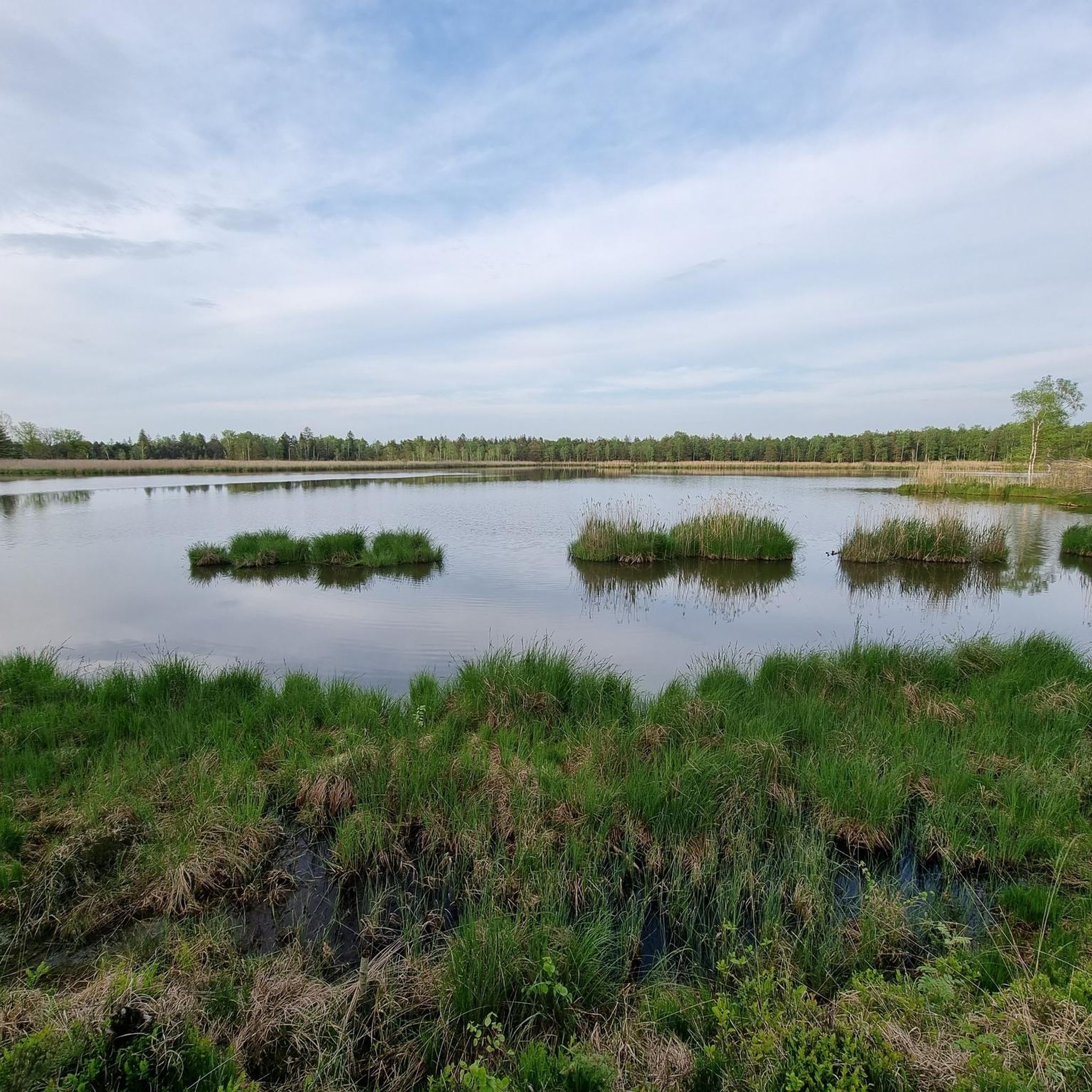
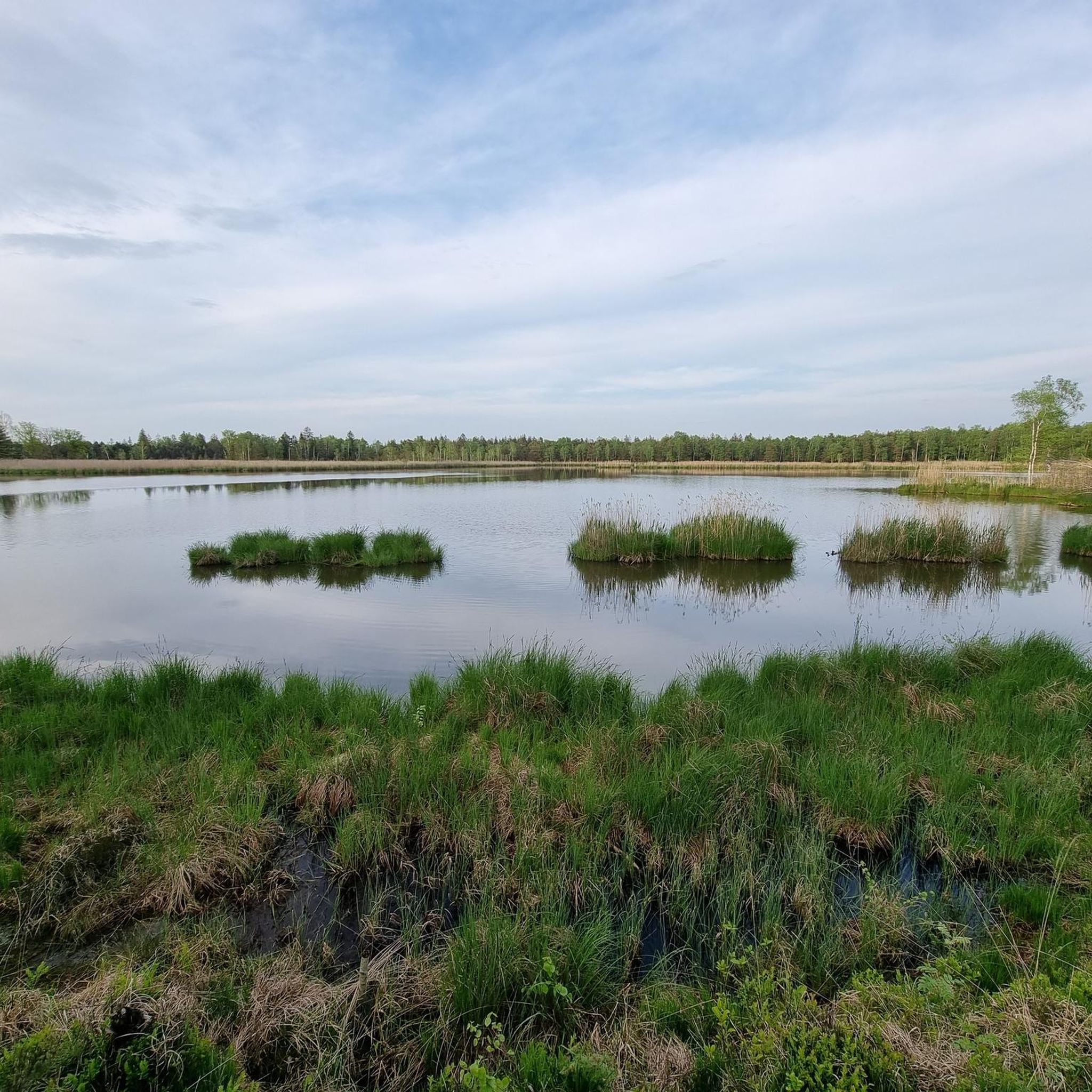
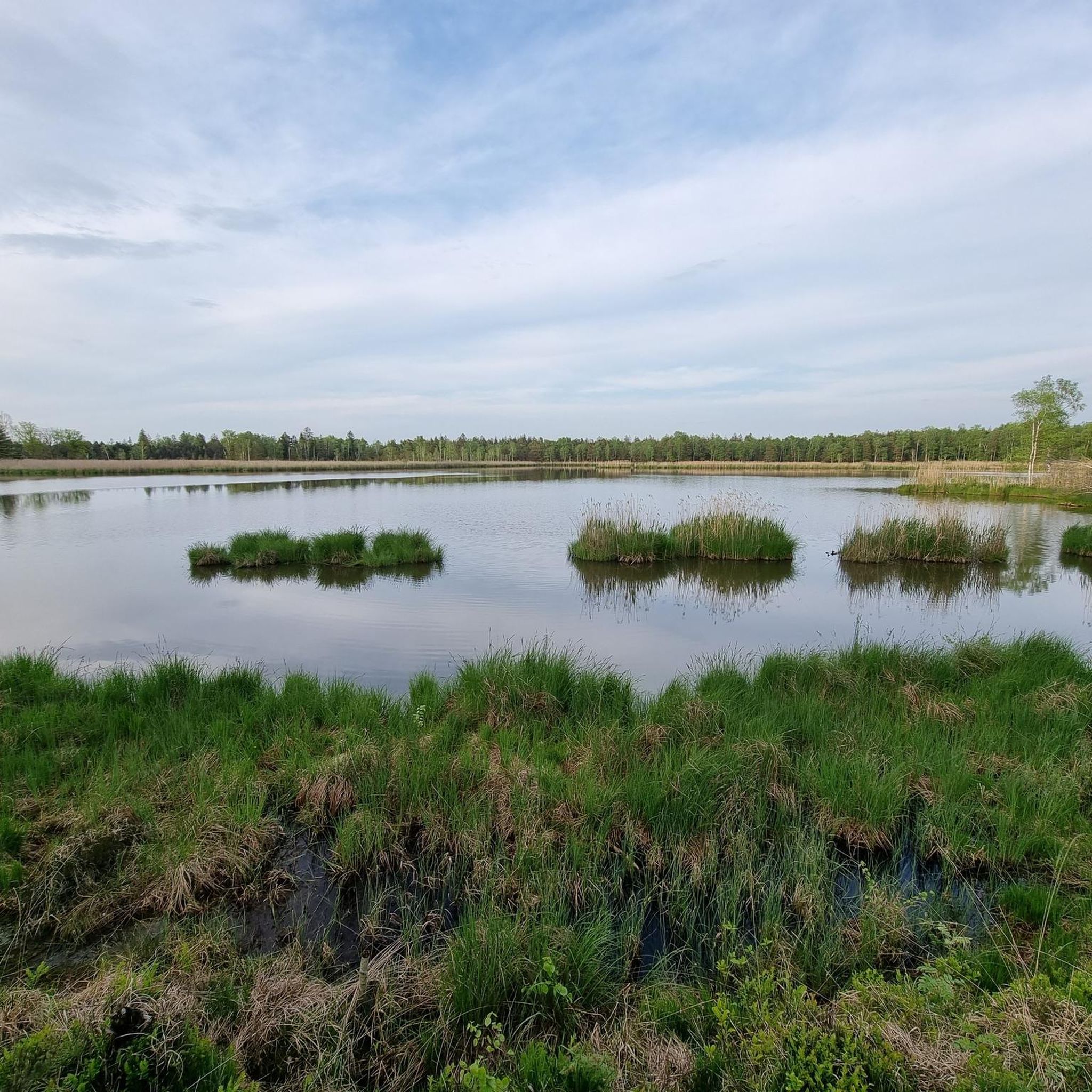
Riedsee in the Wurzacher Ried
Highlight • Lake
Translated by Google •
Tip by

Riedsee in the Wurzacher Ried
Highlight • Lake
Showing Translation
Tip by

Sign up now to discover places like this
Get recommendations on the best single tracks, peaks, & plenty of other exciting outdoor places.
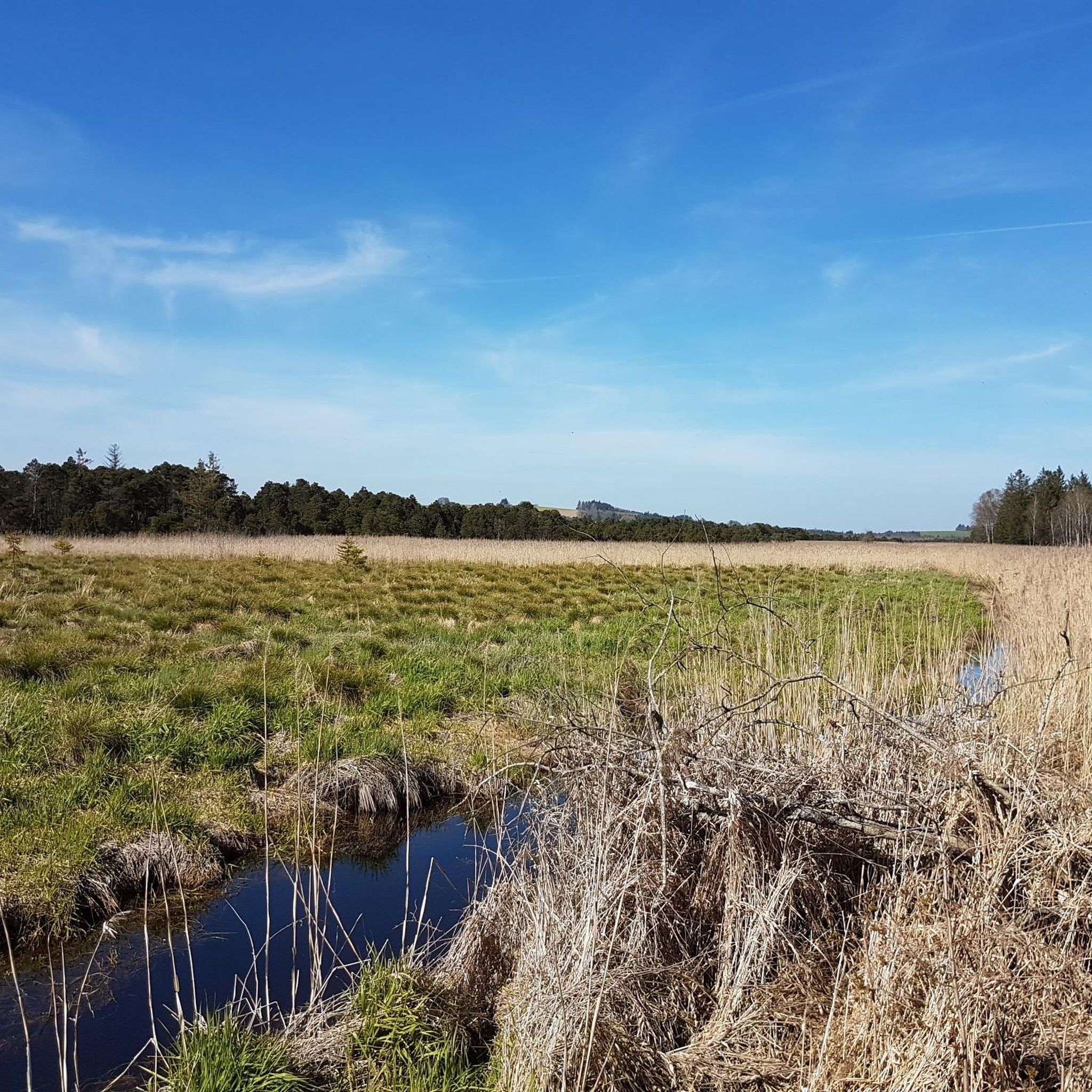
Along the Wurzacher Ried
Highlight (Segment) • Trail
Translated by Google •
Tip by

Wurzacher Ried Nature Reserve Loop Trail
Highlight • Trail
Translated by Google •
Tip by

Observation Platform at the Haidgauer Spring Lakes
Highlight • Viewpoint
Showing Translation
Tip by

Sign up for free to discover even more natural monuments in Wurzacher Ried.
Already have an account?
Start today with a free account
Your next adventure awaits.
Other adventures in Wurzacher Ried

Tips from the Community

A blessing for the feet, the moor paths
0
0

Well done and a very beautiful corner here.
0
0
Beautiful hiking trails through the high moor with great paths and lots of information about peat.
1
0

A scenically unique path between Bad Wurzach and Dietmanns.
1
0


Wonderful photo opportunities at every corner ... the landscape here is beautiful
1
0
A highlight in every season... wonderful nature, ideal for switching off and recharging
0
0

The Wurzacher Ried is one of the largest nature reserves and one of the most important moorland areas in southern Germany. The EU has awarded it a premium as a European bird sanctuary and FFH area ("Natura 2000"). The moorland is located north of the municipality of Bad Wurzach in Baden-Württemberg. The retreat of the glaciers of the "Riß" period and the following "Würm" period left behind a large lake basin, which gradually became a moorland landscape from around 10,000 BC. In the last 300 years or so, the moorland has been endangered by drainage and peat cutting. For some time now, renaturation and rewetting measures have been carried out to protect this ecological gem. The Wurzacher Ried is, however, predominantly a raised bog that continues to grow and is only wetted by rain. A fen thrives along the rivers and groundwater present in all peripheral areas. The largely untouched core area, which covers about a third of the moorland area, is the largest contiguous and still intact raised bog in Central Europe. Source: Wikipedia
5
1
Frequently Asked Questions
What are the most popular natural monuments in Wurzacher Ried?
Visitors frequently enjoy the Wurzacher Ried Nature Reserve Loop Trail, which offers an immersive experience of Central Europe's largest intact raised bog. The Riedsee in the Wurzacher Ried, a lake formed from historical peat cutting, is also a popular spot for walkers and birdwatchers. Additionally, the Observation Platform at the Haidgauer Spring Lakes provides elevated views of the clear spring lakes and the expansive moorland.
Are there family-friendly natural monuments or activities in Wurzacher Ried?
Yes, several natural monuments and activities are suitable for families. The Wurzacher Ried Nature Reserve Loop Trail is considered family-friendly, offering an accessible way to explore the unique bog landscape. The Observation Platform at the Haidgauer Spring Lakes is also a great spot for families to enjoy views. Furthermore, the Peat-cutting machine (Wurzacher Ried), with its informative boards, provides an educational experience about the region's history.
What kind of natural features can I expect to see in Wurzacher Ried?
Wurzacher Ried is renowned for its diverse natural features, primarily its extensive raised bog landscape, which includes both raised bogs (Hochmoor) and fens (Niedermoor), along with heathlands, moor forests, and wet meadows. You can also discover beautiful lakes like the Riedsee and the clear Haidgauer Quellseen (spring lakes). Viewpoints and observation platforms offer panoramic perspectives of this unique ecosystem.
What is the best time to visit Wurzacher Ried to experience its natural monuments?
Wurzacher Ried offers unique experiences throughout the year. Spring and summer are ideal for observing the rich flora and fauna, with many plant species in bloom and active wildlife. Autumn brings beautiful colors to the moor landscape. Even in winter, the Ried can be a serene place for quiet walks, though some paths might be less accessible. Always check local conditions before your visit.
Are there hiking trails near the natural monuments in Wurzacher Ried?
Yes, Wurzacher Ried features an extensive network of hiking trails, including boardwalks and peat paths, totaling 20 kilometers. These trails allow you to explore the delicate ecosystem while protecting it. For easy hikes, you can find routes like the 'View of Lake Riedsee – Riedsee Boardwalk loop from Bad Wurzach' or 'Wurzacher Ried – Ried meadows in the Wurzacher Ried loop from Bad Wurzach'. You can find more options and details on the dedicated Easy Hikes in Wurzacher Ried guide.
Can I cycle near the natural monuments in Wurzacher Ried?
While the core paths within the nature reserve, especially around the Riedsee in the Wurzacher Ried Nature Reserve, are primarily for pedestrians (cyclists are asked to dismount), there are numerous cycling routes in the broader Wurzacher Ried area. You can explore routes such as 'Wurzacher Ried – Along the Wurzacher Ried loop from Dietmanns' or 'Museums, Moorland and more'. For more cycling options, refer to the Cycling in Wurzacher Ried guide.
What historical aspects are connected to the natural monuments in Wurzacher Ried?
The natural monuments in Wurzacher Ried are deeply intertwined with the region's history, particularly the impact of the Ice Age glaciers that formed the landscape and the historical peat cutting. The Peat-cutting machine (Wurzacher Ried) serves as a tangible reminder of the area's past industry, with information boards explaining the process. The Riedsee itself is a relic from these peat mining activities.
Are there any viewpoints to get a good overview of the Wurzacher Ried landscape?
Yes, the Observation Platform at the Haidgauer Spring Lakes offers excellent elevated perspectives of the clear spring lakes and the surrounding moor. There are also plans for a new observation tower at the Haidgauer Torfwerk, which will provide enhanced views of the expansive moorland while prioritizing nature conservation.
What kind of wildlife can be spotted in Wurzacher Ried?
Wurzacher Ried is a sanctuary for an extraordinarily rich and often rare array of flora and fauna. It is home to about a quarter of its over 800 plant species considered endangered, alongside more than 1,500 animal species. Visitors can spot various water birds around the Riedsee and observe diverse insect life, amphibians, and other wildlife adapted to the unique bog ecosystem.
Is there a nature conservation center in Wurzacher Ried?
Yes, the Naturschutzzentrum Wurzacher Ried (Nature Conservation Centre) serves as a crucial gateway to understanding and appreciating the Ried. It hosts the interactive 'MOOR EXTREM' exhibition and organizes guided tours, offering insights into the ecological significance, conservation efforts, and fascinating history of the area.
What do visitors particularly enjoy about the natural monuments in Wurzacher Ried?
Visitors consistently highlight the unique, primeval landscape and the sense of tranquility it offers. Many appreciate the opportunity to learn about the history of peat extraction and the formation of the raised bog, especially along the Wurzacher Ried Nature Reserve Loop Trail. The clear waters of the spring lakes and the picturesque views from various platforms are also frequently praised.
Are there any specific rules for visiting the Wurzacher Ried Nature Reserve?
To protect the delicate ecosystem, visitors are encouraged to stay on marked paths, especially on boardwalks and peat paths. For instance, paths around the Riedsee in the Wurzacher Ried Nature Reserve are designated for pedestrians, and cyclists are asked to dismount. Always respect the natural environment and any posted signage.
Most popular routes in Wurzacher Ried
Most popular attractions in Wurzacher Ried

Get inspired with the komoot mobile app


Explore more
Extend your search for the best caves by checking out these guides of the top ones in Wurzacher Ried:
