Top 10 Natural Monuments in Taubergießen
Best natural monuments in Taubergießen are found within the Taubergießen Nature Reserve, a large floodplain wetland along the Upper Rhine in Baden-Württemberg, Germany. This protected area spans approximately 1,697 hectares. It is characterized by extensive watercourses, diverse forests, and significant biodiversity. The region offers insights into a dynamic riverine environment and its natural evolution.
Best natural monuments in Taubergießen
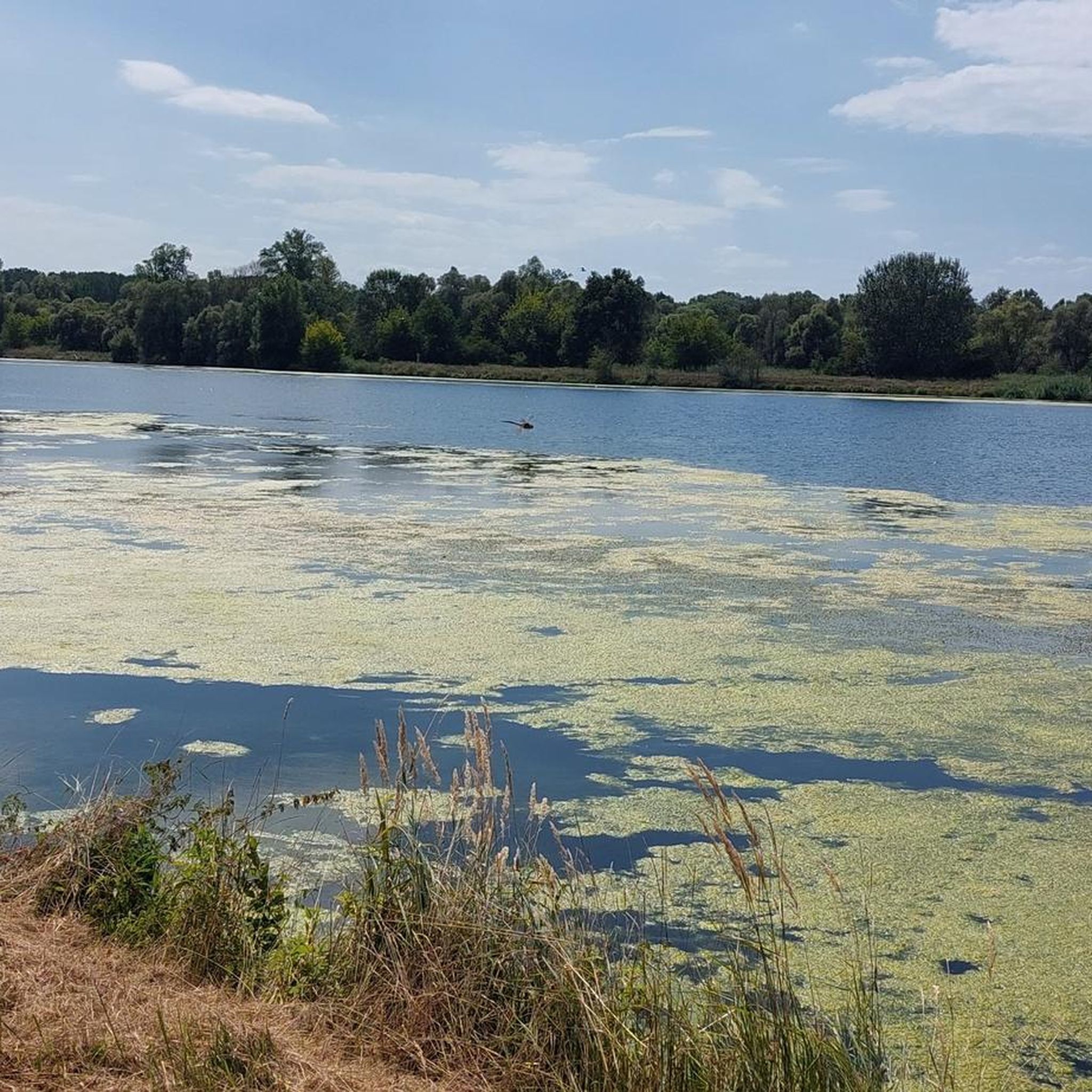
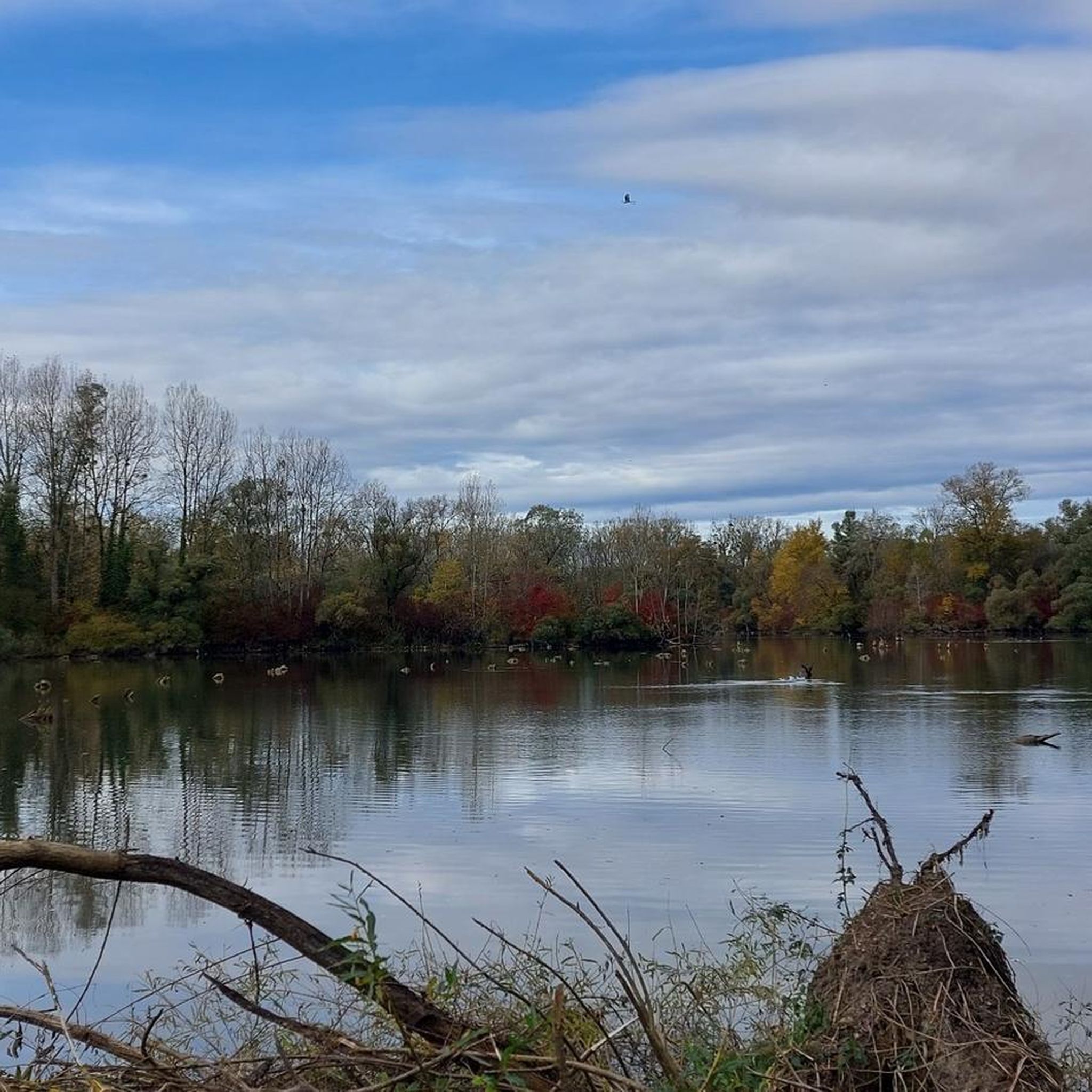
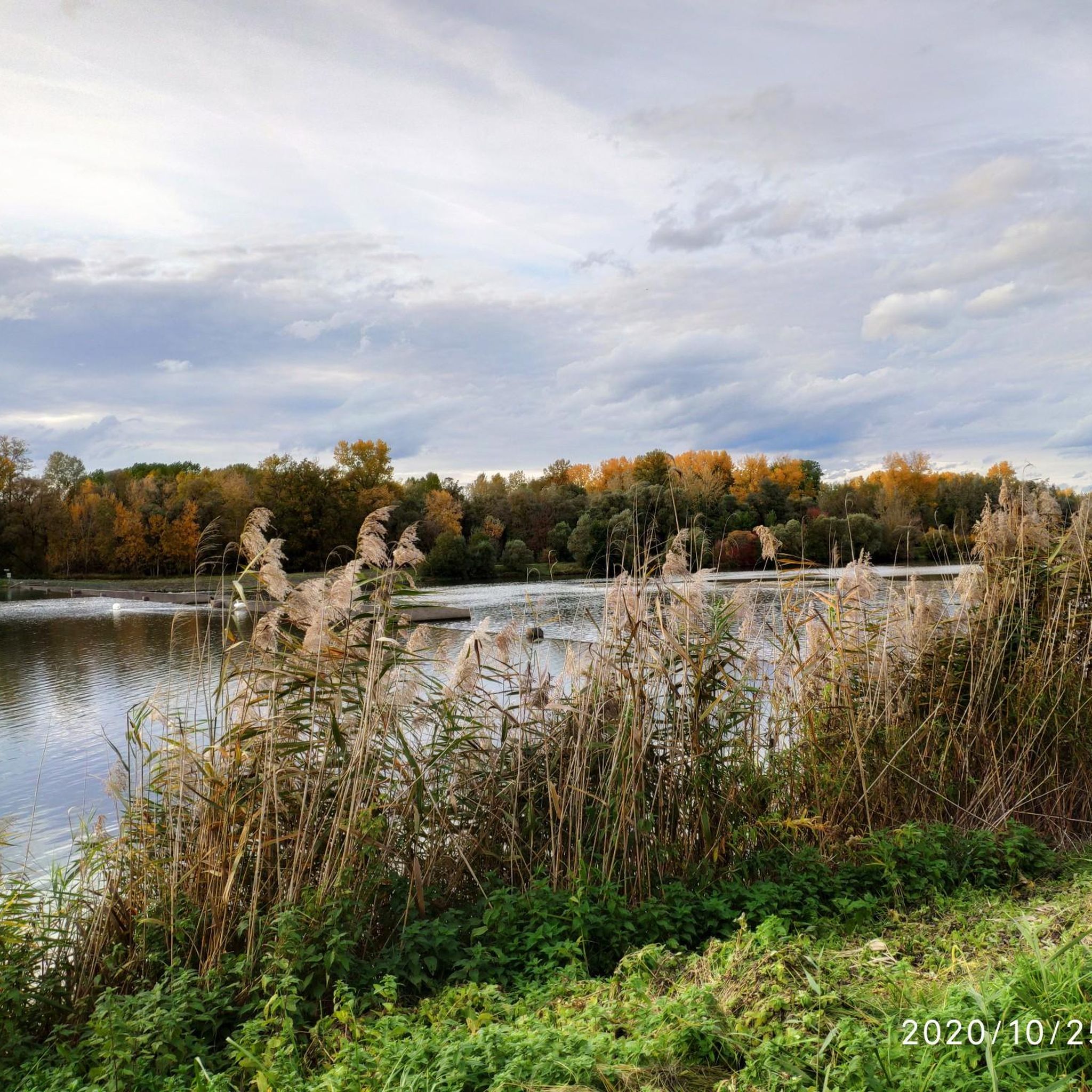
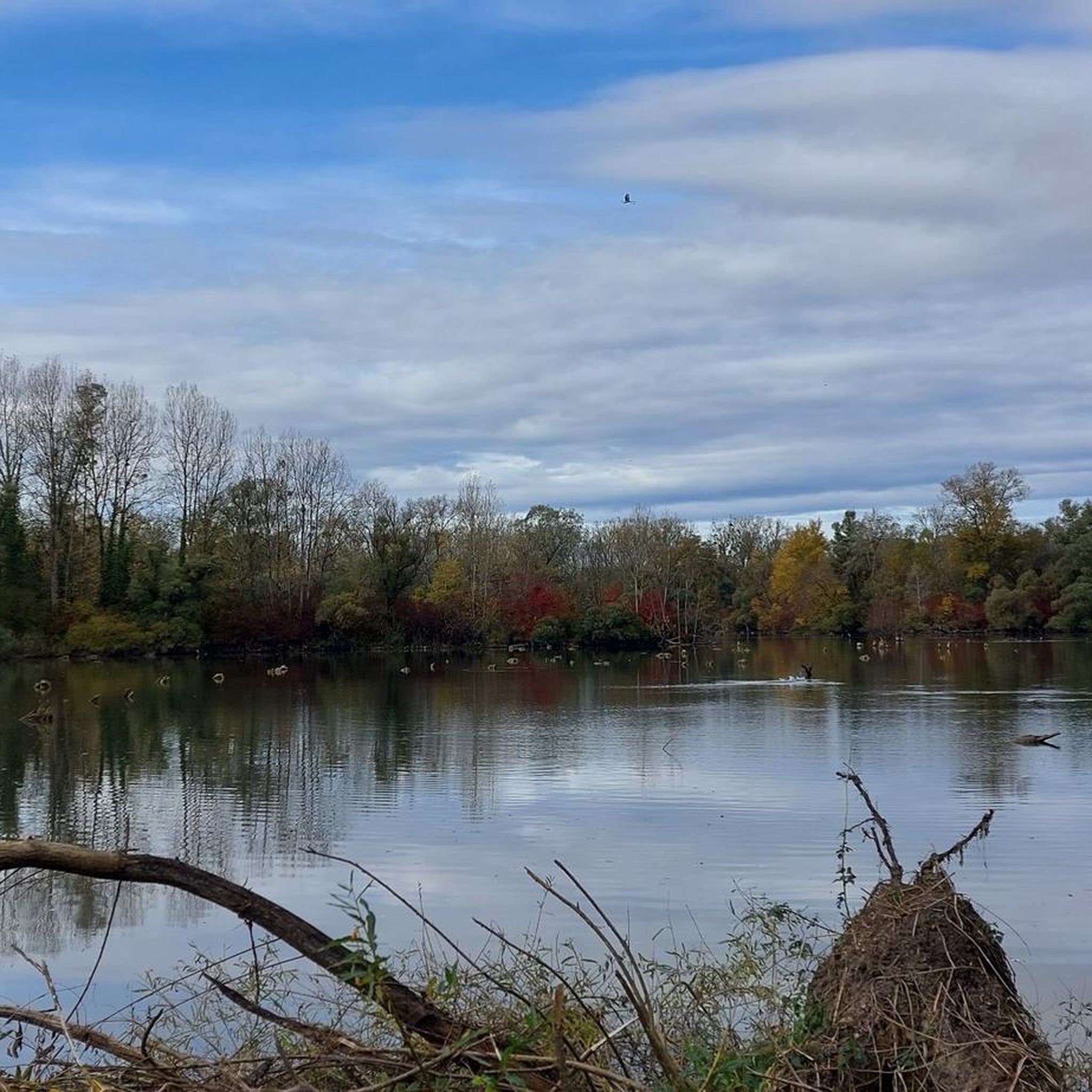
- The most popular natural monuments is Taubergießen Floodplain, a diverse natural area characterized by riparian forests and sparkling water. It…
Last updated: July 5, 2026
Taubergießen Floodplain
Highlight • Natural
Translated by Google •
Tip by

Fish Ladder at the Taubergießen Weir
Highlight • Structure
Translated by Google •
Tip by

Sign up now to discover places like this
Get recommendations on the best single tracks, peaks, & plenty of other exciting outdoor places.
Sign up for free
Taubergießen Birdwatching Tower
Highlight • Viewpoint
Translated by Google •
Tip by

Taubergießen River
Highlight (Segment) • River
Translated by Google •
Tip by

Hummel-Ragwurz Orchid in Taubergießen
Highlight (Segment) • Natural Monument
The bumblebee orchid is characterized by its striking flower, which is reminiscent of …
Translated by Google •
Tip by

Sign up for free to discover even more natural monuments in Taubergießen.
Sign up for free
Already have an account?
Start today with a free account
Your next adventure awaits.
Login or Signup
Tips from the Community

An absolute natural idyll. Absolutely beautiful!!
1
0

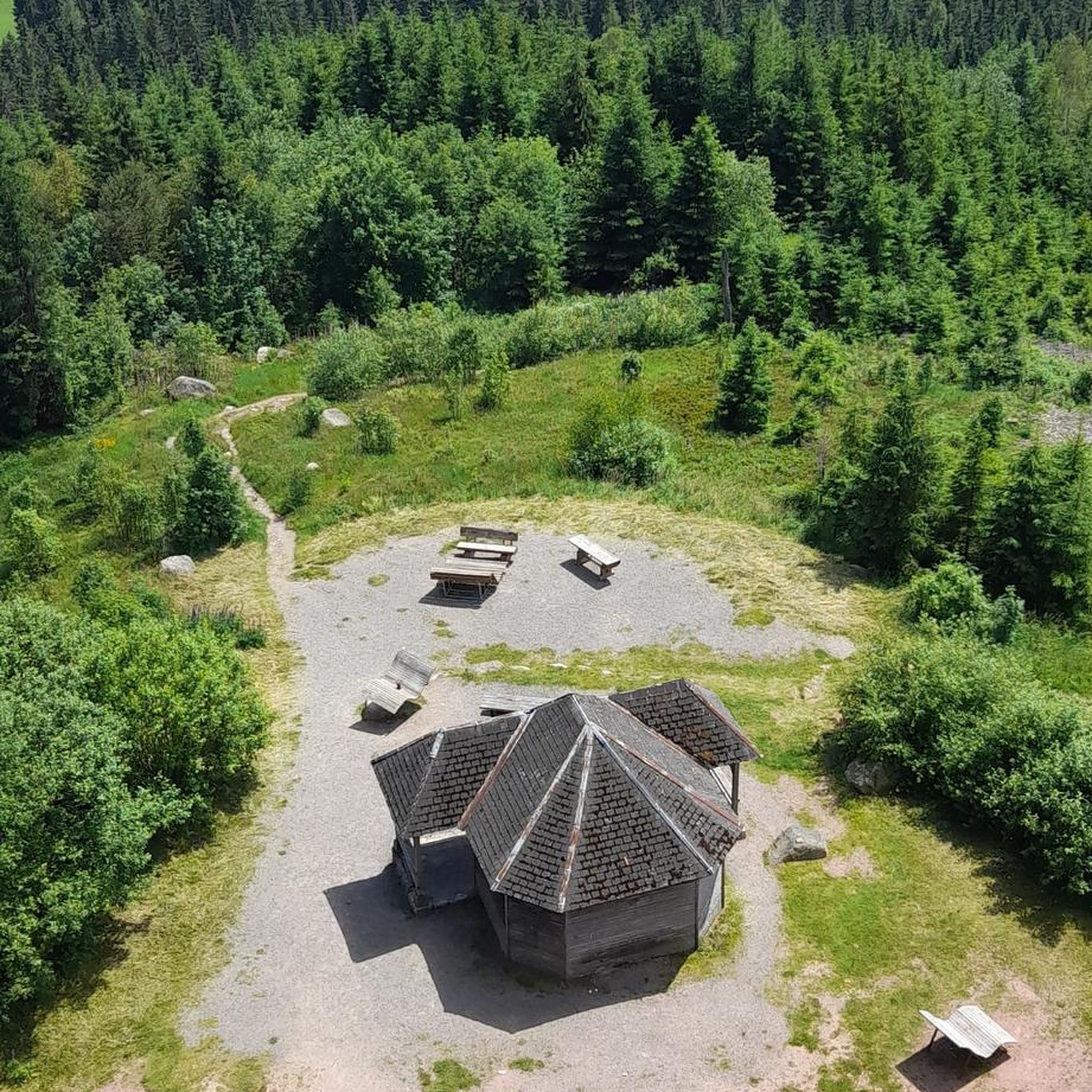
A beautiful tower for birdwatching. Spacious with seating for observing or photographing the birds.
0
0


Yes! It is a really romantic and beautiful area 👍
0
0

Good view of the water and the birds from the observation tower. There are also information boards about the individual bird species. You might want to take binoculars with you.
0
0

If you are lucky you will see fish jumping up the stairs
0
0

just beautiful here. It is worth cycling here (for nature lovers).
3
0

There are many different orchids to see along the dam. For example, the bumblebee orchid (Ophrys bombyliflora). The bumblebee orchid is characterized by its striking flower, which is reminiscent of a bumblebee. The flowers are usually yellowish or brown in color and have a furry texture, similar to the fur of a bumblebee. This resemblance serves to attract male bumblebees, as they will interpret the flower as a female bumblebee and attempt to mate. In doing so, they pick up pollen and carry it to other flowers, which leads to pollination. The bumblebee orchid is a so-called myrmecochore plant, which means that it is spread by ants. The seeds of the orchid have an oily appendage structure that is recognized by ants as a food source. The ants pick up the seeds and carry them to their nests where they can develop. This unique reproductive strategy is characteristic of many species of orchids. Ideal conditions for the bumblebee orchid can be found in the wet meadows and on the extensively cultivated meadows in Tauber Gießen. The species prefers sunny locations with nutrient-poor soil. Tauberguss offers such habitats because it is characterized by periodic flooding and extensive land use. The protection of the bumblebee orchid and other endangered plant species in Tauber Gießen is an important concern of the nature reserve. Various measures exist to promote the conservation of these species, such as wetland conservation, extensive grassland management and public awareness-raising about the protection of native flora and fauna. The bumblebee orchid is an intriguing species of orchid that is found in pigeon plants and other habitats. Their survival depends on maintaining suitable habitats and protecting their pollinators. It is therefore important to preserve the natural habitats and take measures to protect this special orchid species.
0
0
Frequently Asked Questions
What are the most notable natural features to explore in Taubergießen?
Taubergießen is renowned for its diverse natural features. You can explore the extensive network of watercourses and old Rhine arms, which are crucial for the ecosystem. The area also boasts primeval wetland forests, covering about 60% of the reserve, and diverse grasslands, including rare orchid meadows. These elements collectively showcase the region's rich biodiversity and unique floodplain landscape.
Are there specific natural monuments that are popular among visitors?
Yes, several natural monuments are highly appreciated by visitors. The Taubergießen Floodplain is a popular spot for cycling through riparian forests and finding quiet places by the water. Another interesting site is the Fish Ladder at the Taubergießen Weir, where you can observe fish and the contrast between calm and turbulent water. For bird enthusiasts, the Taubergießen Birdwatching Tower offers excellent opportunities to spot local bird species.
What kind of wildlife can I expect to see in Taubergießen?
Taubergießen is a sanctuary for exceptional wildlife. Birdwatchers can spot species like the kingfisher, great crested grebe, various ducks, and cormorants, especially from the Taubergießen Birdwatching Tower. The reserve is also teeming with insects, including diverse dragonflies and butterflies. Mammals such as wild boars, nutrias, and beavers inhabit the area, and the clean watercourses support rare crustaceans, fish, frogs, and newts.
When is the best time to visit Taubergießen to experience its natural beauty?
The best time to visit depends on what you wish to see. Spring and early summer are excellent for witnessing the vibrant displays of rare orchid meadows, such as the Hummel-Ragwurz Orchid. During summer, the wetland forests offer pleasant coolness and shade. Birdwatching is generally good year-round, but specific migratory patterns might make certain seasons more rewarding.
Are there family-friendly activities or natural monuments suitable for children?
Yes, Taubergießen offers several family-friendly options. The Fish Ladder at the Taubergießen Weir is an engaging spot where children can observe fish. The Taubergießen Birdwatching Tower is also suitable for families, with information panels to help identify birds. Many of the easy hiking trails, like those found in the Easy hikes in Taubergießen guide, are also suitable for families.
What kind of hiking trails are available near the natural monuments?
You'll find a variety of hiking trails in Taubergießen. There are well-marked paths like the Lachsweg, Wasserrallenweg, and Pirolweg that allow you to immerse yourself in the floodplain landscape. For easy walks, you can explore routes such as the "Old Rhine Taubergießen – Taubergießen Wetlands loop" or the "Dornskopf in the Taubergießen – Taubergießen Wetlands loop," as detailed in the Easy hikes in Taubergießen guide.
Can I go cycling near the natural monuments in Taubergießen?
Absolutely. Cycling is a popular way to explore the area, especially through the beautiful riparian forests of the Taubergießen Floodplain. You can find various routes, including gravel biking options like the "Taubergießen Floodplain – Taubergießen River Landscape loop," which are available in the Gravel biking in Taubergießen guide.
Are there any unique ways to experience the watercourses in Taubergießen?
Yes, one unique way to experience the extensive watercourses and groundwater-fed springs (Gießen) is through traditional "Stocherkahn" boat trips. These guided punt tours offer a close-up view of the pristine aquatic environment and its inhabitants, providing a different perspective on the natural monuments.
What makes the wetland forests of Taubergießen special?
The wetland forests of Taubergießen are special because they are primeval and jungle-like, representing one of the last remaining floodplain landscapes in Europe. Composed of alder, ash, elm, willow, and old oak trees, these forests are vital habitats for many endangered species and offer a rare glimpse into the Rhine valley's natural state before extensive human intervention.
What do visitors enjoy most about the natural monuments in Taubergießen?
Visitors frequently highlight the serene and idyllic atmosphere, especially in areas like the Forest trail along the Taubergießen. They appreciate the quiet, unspoiled sections of forest, the sparkling water visible between trees, and the opportunity for birdwatching. The pleasant coolness of the floodplains in summer is also a common positive remark.
Are there opportunities for mountain biking (MTB) near the natural monuments?
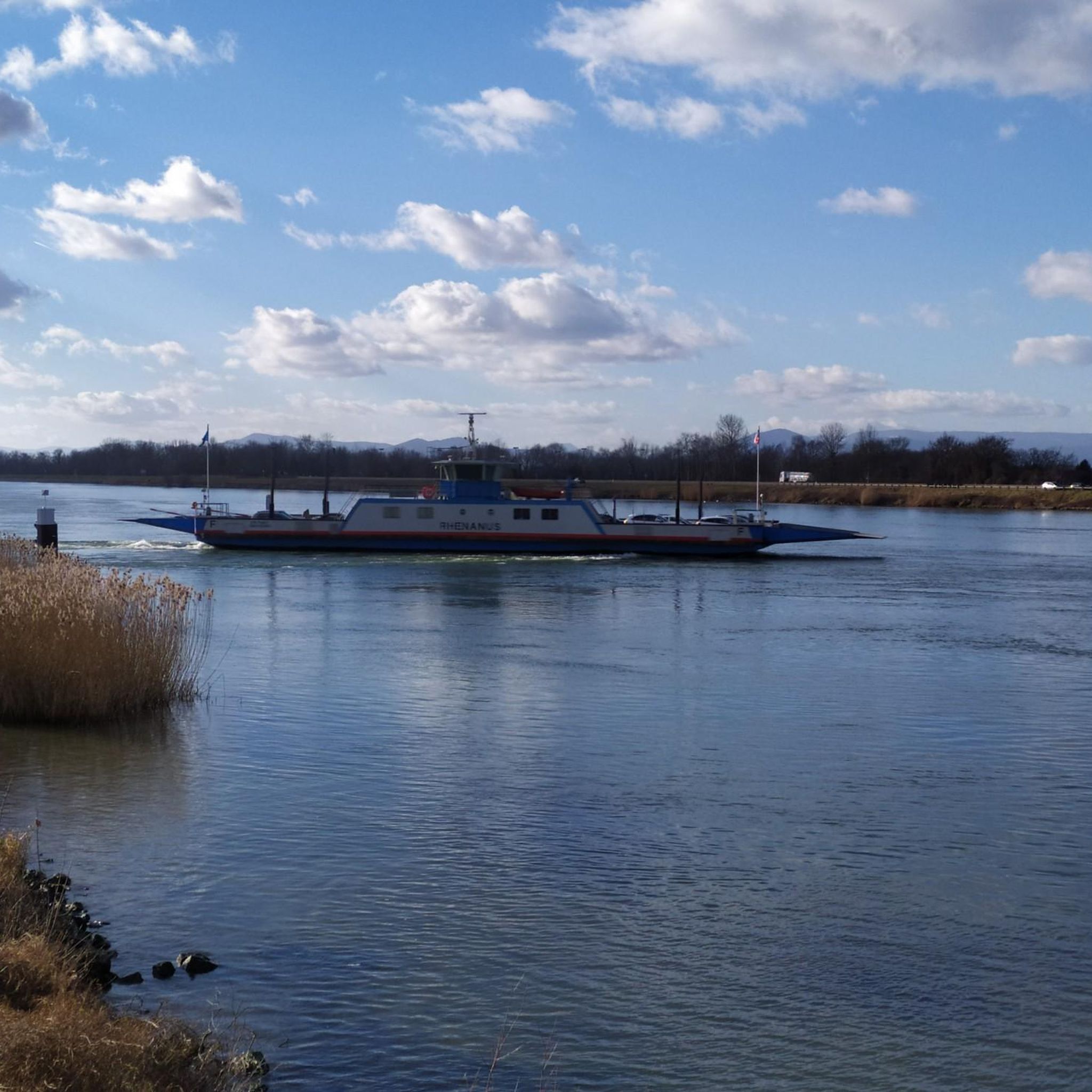
Yes, Taubergießen offers opportunities for mountain biking. You can find routes that take you through the diverse landscape, such as the "Rhinau–Kappel Ferry – Taubergießen River Landscape loop." More details on various MTB trails can be found in the MTB Trails in Taubergießen guide.
What is the geological significance of the Taubergießen area?
The Taubergießen area is situated within the Upper Rhine Plain, which originated about 35 million years ago due to a rift. Over millennia, the Rhine river has shaped this landscape, making Taubergießen one of the last remaining dynamic floodplain landscapes in Europe. It offers valuable insights into the natural evolution of riverine environments.
Most popular routes in Taubergießen
Most popular attractions in Taubergießen

Get inspired with the komoot mobile app


Explore more
Extend your search for the best caves by checking out these guides of the top ones in Taubergießen:
