Top 5 Natural Monuments in Natuurreservaat De Maten
Best natural monuments in Natuurreservaat De Maten are found in this 536-hectare reserve located in the Belgian province of Limburg, between Genk and Hasselt. This area is one of Flanders' oldest nature reserves and is protected as a Natura 2000 site. The landscape is characterized by an extensive system of ponds, water-meadows, and reedbeds, historically shaped by fish farming and water management. These features, combined with dry heathlands and woodlands, create diverse habitats.
Best natural monuments in Natuurreservaat De Maten
…Last updated: August 28, 2026
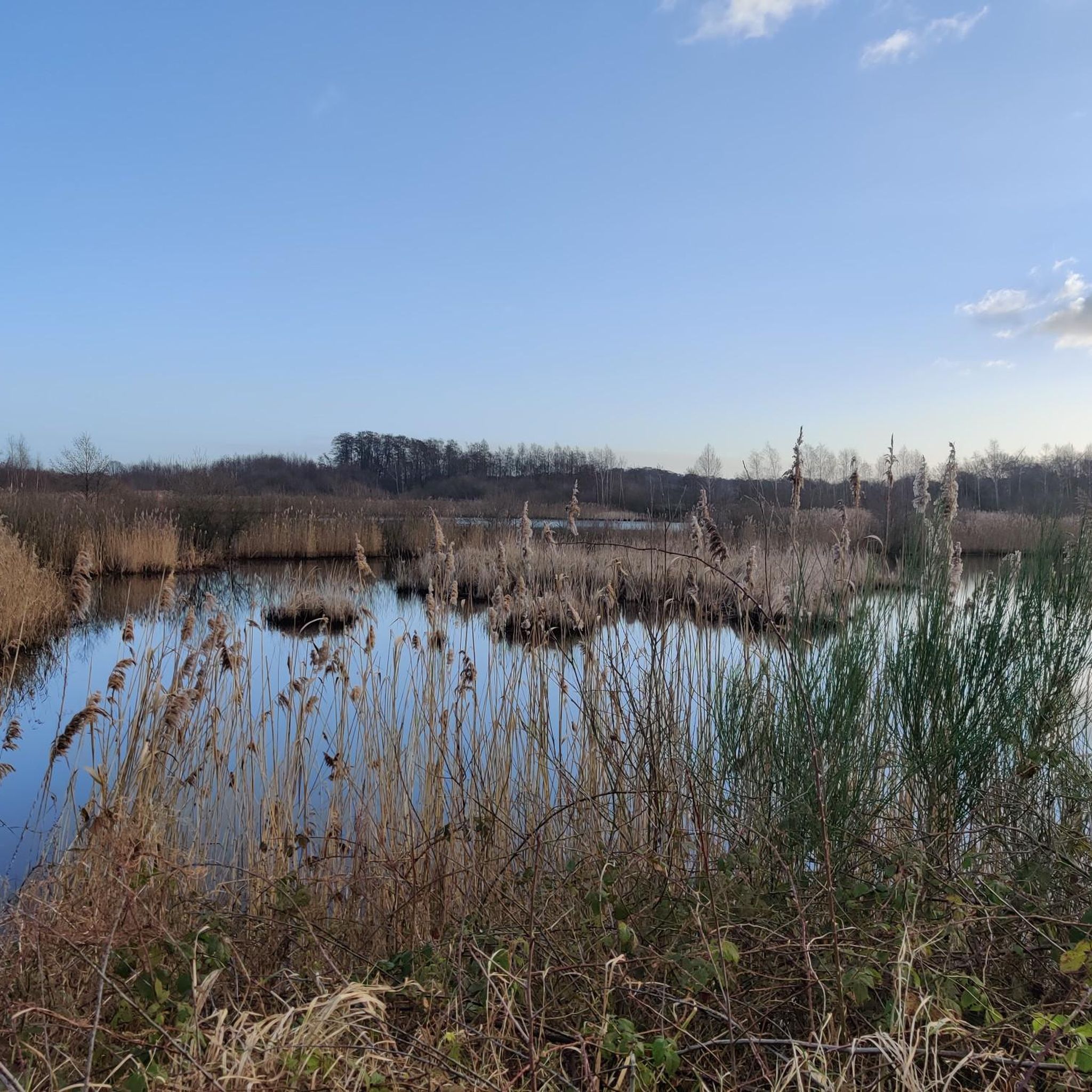
Pond and bench in De Maten Nature Reserve
Highlight • Lake
Translated by Google •
Tip by

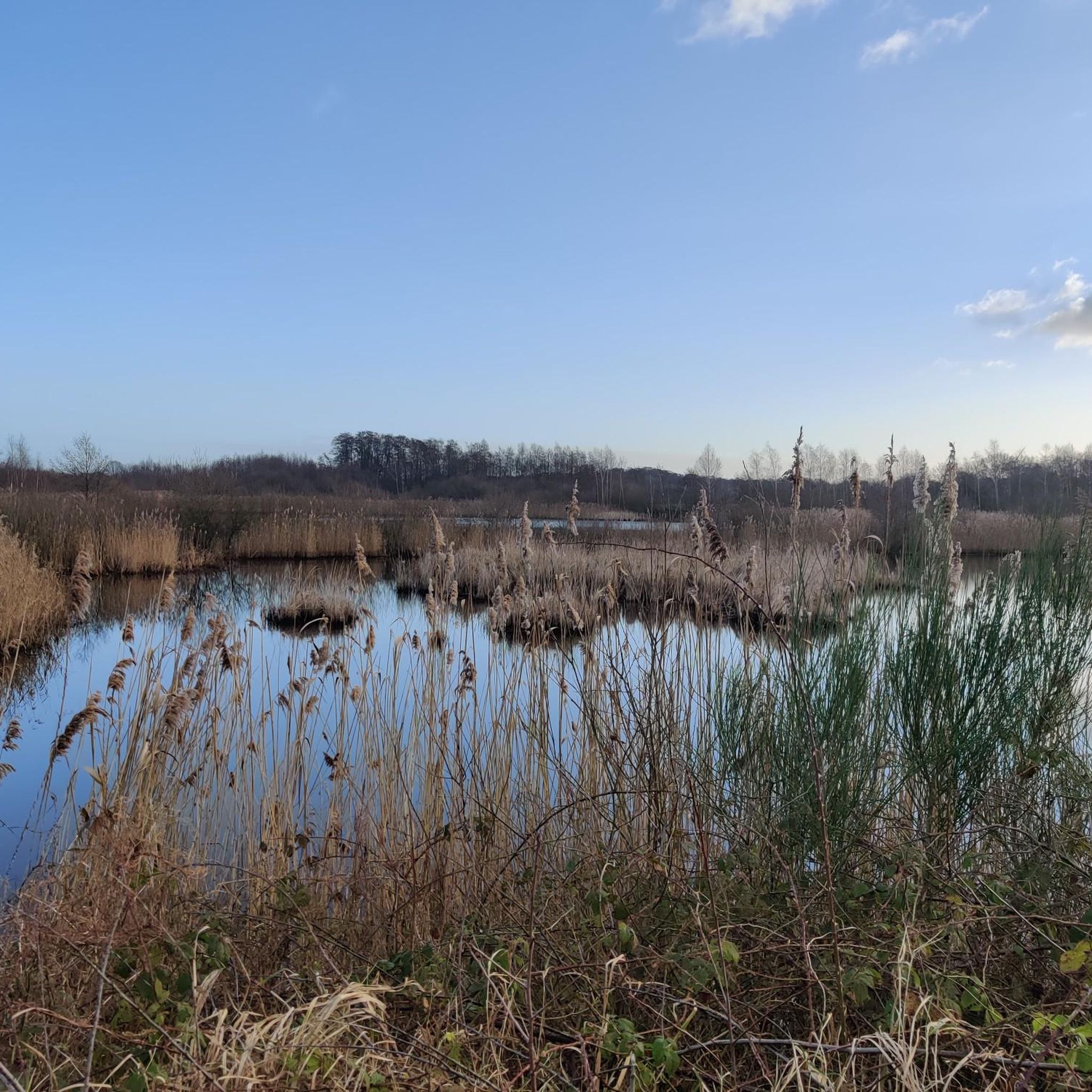
Homeles Pond
Highlight • Lake
Translated by Google •
Tip by

Sign up now to discover places like this
Get recommendations on the best single tracks, peaks, & plenty of other exciting outdoor places.
Sign up for free
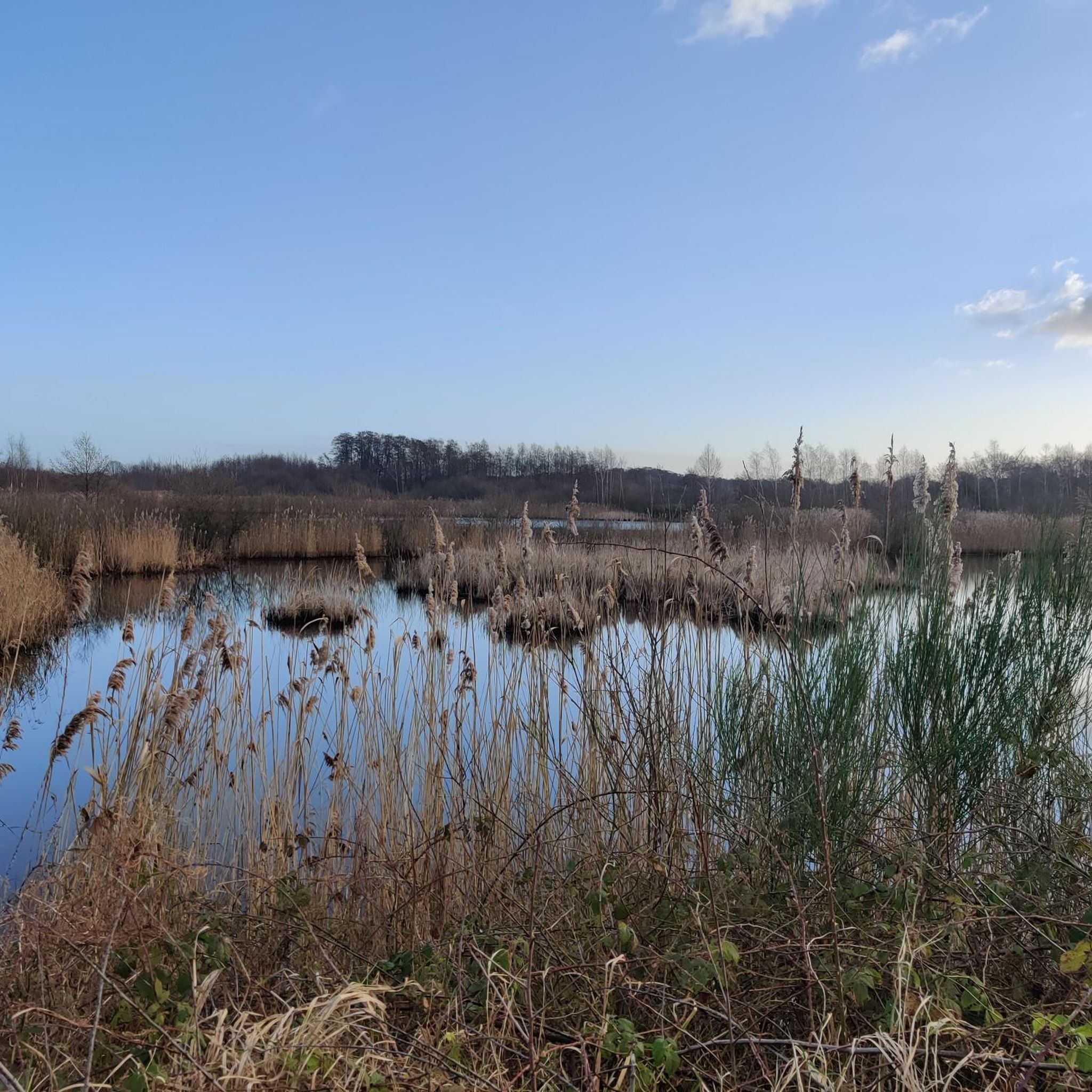
Augustijnen Pond
Highlight • Lake
Translated by Google •
Tip by

The Hommelaar
Highlight • Lake
Translated by Google •
Tip by
Grazers
Highlight • Natural
Translated by Google •
Tip by
Start today with a free account
Your next adventure awaits.
Login or Signup
Tips from the Community

The name Maten is related to the English "meadows". The area is part of De Wijers, a pond complex on the transition from the Kempens Plateau to the Demer Valley. On the poor sandy soils of the Kempen, fish farming was a source of extra protein. As early as the Middle Ages, series of ponds were created by means of simple cross-dikes in the valley. The overflow from one pond simultaneously forms the supply for the next pond. For the ponds in De Maten, the Stiemerbeek valley was dammed up several times. As fish farming became more intensive in the first half of the twentieth century, many ponds were given separate inlets and outlets. In De Maten, you will still find a mix of both systems. The water management is therefore a complex part of the management of one of the oldest nature reserves in Flanders.
3
0

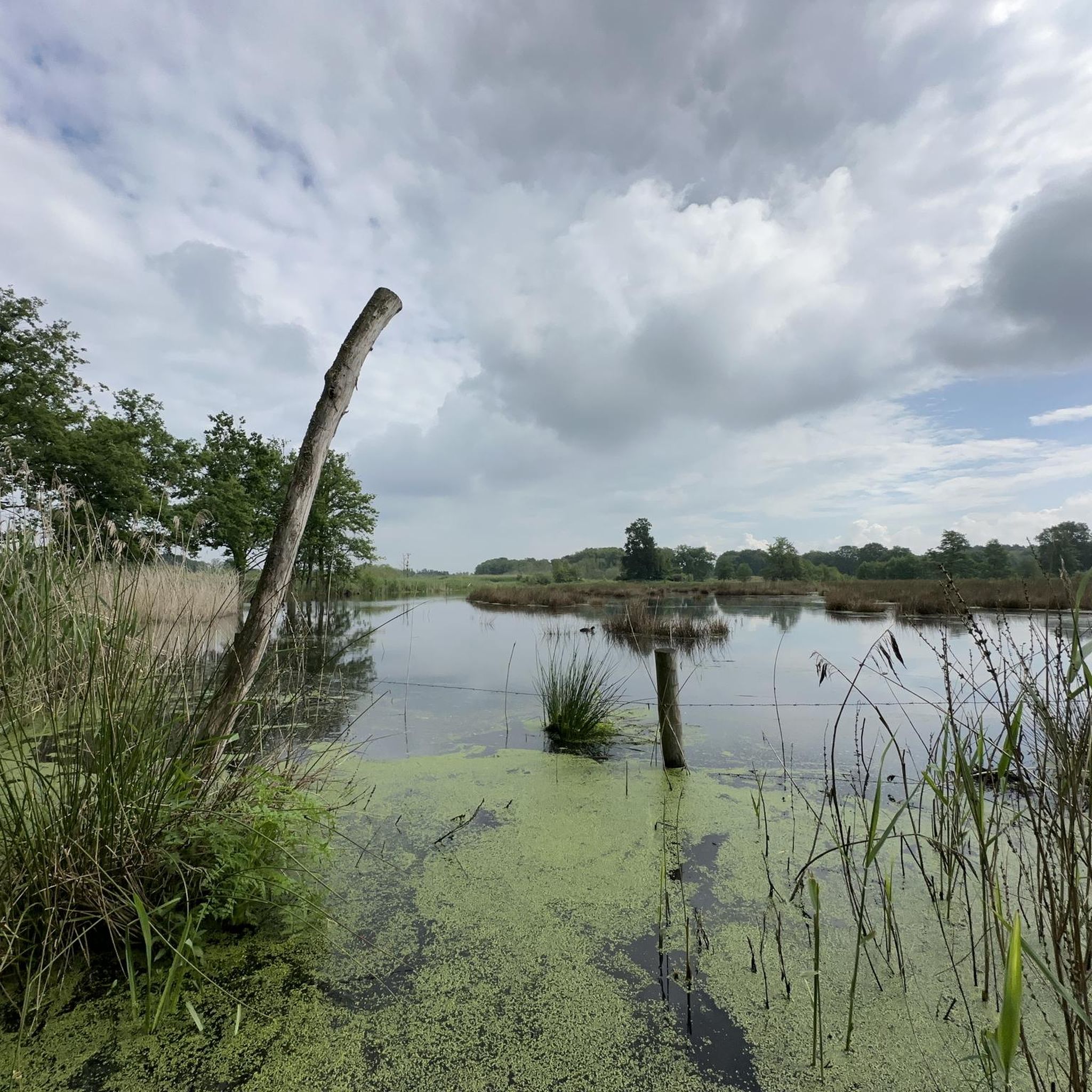
The Bumblebee in the De Maten nature reserve isn't just an animal or insect habitat, but a pond (étang), a water feature that forms part of the rich pond landscape in this beautiful nature reserve between Genk and Diepenbeek (Belgium). The Bumblebee is one of the many ponds in De Maten that together form the pond complex belonging to the De Wijers landscape (the land of 1001 ponds). This pond is located near waterways such as Schutwijer and Sint-Janswijer and is part of the hiking networks that run through the reserve. You'll encounter the Bumblebee when following routes that pass various ponds, such as the walks along Volmolenweg and the paths around the Slagmolen. These routes allow you to experience the character of De Maten and its variety of open water, reed beds, and wetlands that support a rich bird and plant life. The Bumblebee is located in the northeastern part of the reserve, not far from paths and other ponds that offer views of the water and nature. It's a lovely spot for quiet, bird song, and reflections in the water during your walk. Bring binoculars when walking around De Maten, as the ponds, including De Hommelaar, often attract waterfowl and other wildlife, especially early in the morning or at sunset.
1
0
In De Maten nature reserve, grazers play a vital role in preserving the landscape and biodiversity. The area consists of a mix of wet meadows, marshes, reed beds, ponds, and heathland. Without human or animal intervention, parts of this landscape would gradually become overgrown with shrubs and trees. To prevent this, various types of grazers are used. Galloway cattle: These Scottish cattle are prized for their robustness and natural grazing style. They keep grass and shrub growth under control, thus preserving open landscapes such as wet heathlands and grasslands. Konik horses: Sometimes used to keep areas accessible for typical marsh and grassland plants. Their grazing behavior differs from that of cattle, creating a varied effect on vegetation. Sheep and other small grazers: In some areas, they are used for fine-grained management, such as grazing reed banks or open meadows. 🌱 Why grazing? Biodiversity: Keeping grasslands and reed beds open creates opportunities for rare plants, amphibians, and birds. Natural management: Grazers follow their instincts and spread seeds through their fur and dung, creating a dynamic and self-sustaining ecosystem. Reed and shrub management: Especially in wetlands, grazers ensure that reed beds don't become too dense and that wetlands remain open to waterfowl and other wildlife.
1
0
Homeleswijer is one of the characteristic ponds (wijers/ponds) you'll encounter during walks through the De Maten nature reserve in the Belgian province of Limburg. It lies within the watery landscape of the reserve, which is part of the larger De Wijers pond area, a network of natural and man-made ponds that originated from centuries-old fish farming traditions in the region. In De Maten, the Stiemerbeek stream and its tributaries formed the basis for pond complexes containing water features like the Homeleswijer. Dams and overflows made fish farming possible, creating a unique marsh and pond landscape full of reed beds, open water, and wet grasslands. Walking trails through De Maten—ranging from short loops to longer hikes—run along and around these ponds. They are true natural treasures: herons, waterfowl, and typical marsh plants can be found here, and information boards often line the path explaining the ecology and water management. Many walks along the Homeleswijer are signposted and start, for example, at the Slagmolen in Genk or at other access points in De Maten.
0
0
All information about grazers from Natuurpunt: https://www.natuurpunt.be/system/files/2023-08/folder_148_begrazing_3-2015%20%281%29.pdf
5
1

With a fascinating information board about the different types of birds that you can find in De Maten.
0
0
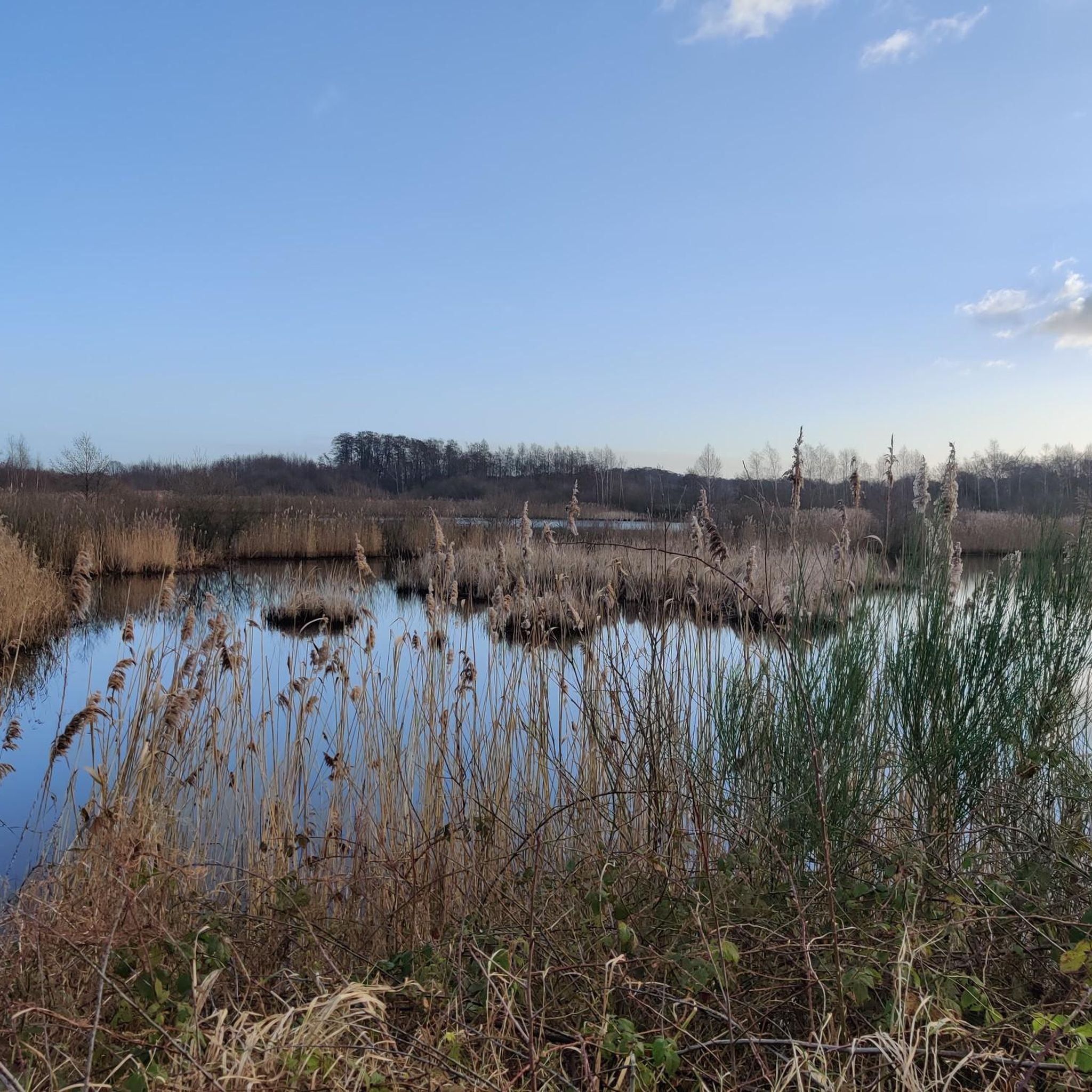
In the Maten you will find a piece of authentic wine landscape with beautiful ponds, connected by heads and tails. It is the area par excellence for bird lovers, as the Wijers are a breeding area for numerous water and songbirds. The Augustijnenvijver is a stopping place for countless birds during bird migration. The routes connect Genk with Diepenbeek and guide you past the ponds of the Maten to the Diepenbekerbos.
8
1
The name Maten is related to the English "meadows". The area is part of De Wijers, a pond complex on the transition from the Kempen Plateau to the Demer valley. On the poor sandy soils of the Kempen, fish farming was a source of extra proteins. As early as the Middle Ages, series of ponds were constructed using simple cross dikes in the valley. The overflow from one pond simultaneously forms the supply for the next pond. For the ponds in De Maten, the Stiemerbeek valley was dammed several times. As fish farming became more intensive in the first half of the twentieth century, many ponds were given separate inlets and outlets. In De Maten, you can still find a mix of both systems. Water management is therefore a complicated part of the management of one of the oldest nature reserves in Flanders.
7
1
Frequently Asked Questions
What are the main natural features to explore in Natuurreservaat De Maten?
Natuurreservaat De Maten is characterized by an extensive system of ponds, water-meadows, and reedbeds, which are historically significant for fish farming. Beyond these aquatic features, you'll also find dry heathlands, sandy heaths, and woodlands, creating a diverse mosaic of habitats. The entire reserve, with its unique blend of natural and historically shaped landscapes, can be considered a natural monument.
Are there specific natural monuments in Natuurreservaat De Maten that are particularly popular?
Yes, visitors frequently enjoy the Augustijnen Pond, known for its scenic views. Another popular spot is the Pond and bench in De Maten Nature Reserve, which offers an observation point to appreciate the interconnected pond system. The Homeles Pond is also highly regarded, especially for its information board detailing the diverse bird species present.
What kind of wildlife can I expect to see in Natuurreservaat De Maten?
The reserve is a haven for wildlife, particularly birds. The ponds and reedbeds are crucial habitats for species like the Bluethroat, Reed Bunting, and Reed Warbler. You might also spot Tufted Ducks and Northern Shovelers. A special highlight for birdwatchers is the elusive Great Bittern, often heard by its distinctive call from the bird observation hide overlooking the 'Augustijnenweyer' pond.
Are there family-friendly natural monuments or activities in Natuurreservaat De Maten?
Many areas within Natuurreservaat De Maten are family-friendly. Highlights like the Augustijnen Pond, Pond and bench in De Maten Nature Reserve, and Homeles Pond are all categorized as family-friendly. The reserve offers well-signposted walking trails suitable for various ages, allowing families to explore the diverse ecosystems and spot wildlife together.
What is the best time of year to visit Natuurreservaat De Maten to experience its natural monuments?
Natuurreservaat De Maten offers unique experiences throughout the year. Spring and autumn are excellent for birdwatching, as the reserve is an important stopover for migratory birds. Summer allows you to see the ponds in full bloom with water lilies, while winter offers a serene atmosphere and different bird species. The well-maintained trails make it accessible in most seasons.
What role do the 'Grazers' play in the Natuurreservaat De Maten?
The Grazers, such as Galloway cattle and Konik horses, are vital for maintaining the diverse landscape and biodiversity of Natuurreservaat De Maten. They prevent parts of the landscape from becoming overgrown, keeping grasslands, wet meadows, and reedbeds open. This natural management creates opportunities for rare plants, amphibians, and birds, ensuring the ecosystem remains dynamic and healthy.
Are there hiking or running trails near the natural monuments in Natuurreservaat De Maten?
Yes, Natuurreservaat De Maten offers a variety of trails. For running, you can find routes like the 6 km 'Homeles Pond loop from Termien' or the 6 km 'De Maten Nature Reserve loop'. You can explore more running trails in the area by visiting the Running Trails in Natuurreservaat De Maten guide.
Can I go cycling near the natural monuments in Natuurreservaat De Maten?
Absolutely. The region around Natuurreservaat De Maten is suitable for cycling. For gravel biking, you can find challenging routes such as the 'Station As – Vossenberg Climb loop from Oud-Termien' (75 km). Road cyclists can enjoy routes like the 'View of the Weyers – Bissemstraat Climb loop from Genk' (93 km). More options are available in the Gravel biking in Natuurreservaat De Maten guide and the Road Cycling Routes in Natuurreservaat De Maten guide.
What is the historical significance of the ponds in Natuurreservaat De Maten?
The extensive system of ponds in De Maten has a rich history dating back to the 16th century. They were originally created by damming streams like the Stiemerbeek and Heiweierbeek for fish breeding. This historical practice of fish farming and water management has profoundly shaped the unique landscape of interconnected ponds, which remains a defining characteristic of the reserve today.
What do visitors appreciate most about Natuurreservaat De Maten?
Visitors highly appreciate the serene atmosphere and the opportunity to witness diverse ecosystems. The well-placed observation points, such as the bench near the Pond and bench in De Maten Nature Reserve, offer peaceful spots to enjoy the views. The chance to spot rare bird species and experience the unique blend of ponds, reedbeds, and heathlands also makes it a captivating destination for nature enthusiasts.
Are dogs allowed on the trails in Natuurreservaat De Maten?
While the guide data does not explicitly state the dog policy for every highlight, nature reserves often have specific rules regarding dogs to protect wildlife. It is generally advisable to check local signage or the official Natuurpunt website for the most current regulations on dog access, especially concerning leash requirements or restricted areas.
Is there parking available when visiting the natural monuments in Natuurreservaat De Maten?
Yes, parking facilities are typically available near the main entrances or trailheads of Natuurreservaat De Maten. While specific parking locations are not detailed for each natural monument, the reserve is generally accessible by car, and designated parking areas are provided for visitors.
Most popular routes in Natuurreservaat De Maten
Most popular attractions in Natuurreservaat De Maten

Get inspired with the komoot mobile app


Explore more
Extend your search for the best caves by checking out these guides of the top ones in Natuurreservaat De Maten:
