The best walks and hikes in Natuurreservaat De Maten
4.3
(8747)
56,056
hikers
1,279
hikes
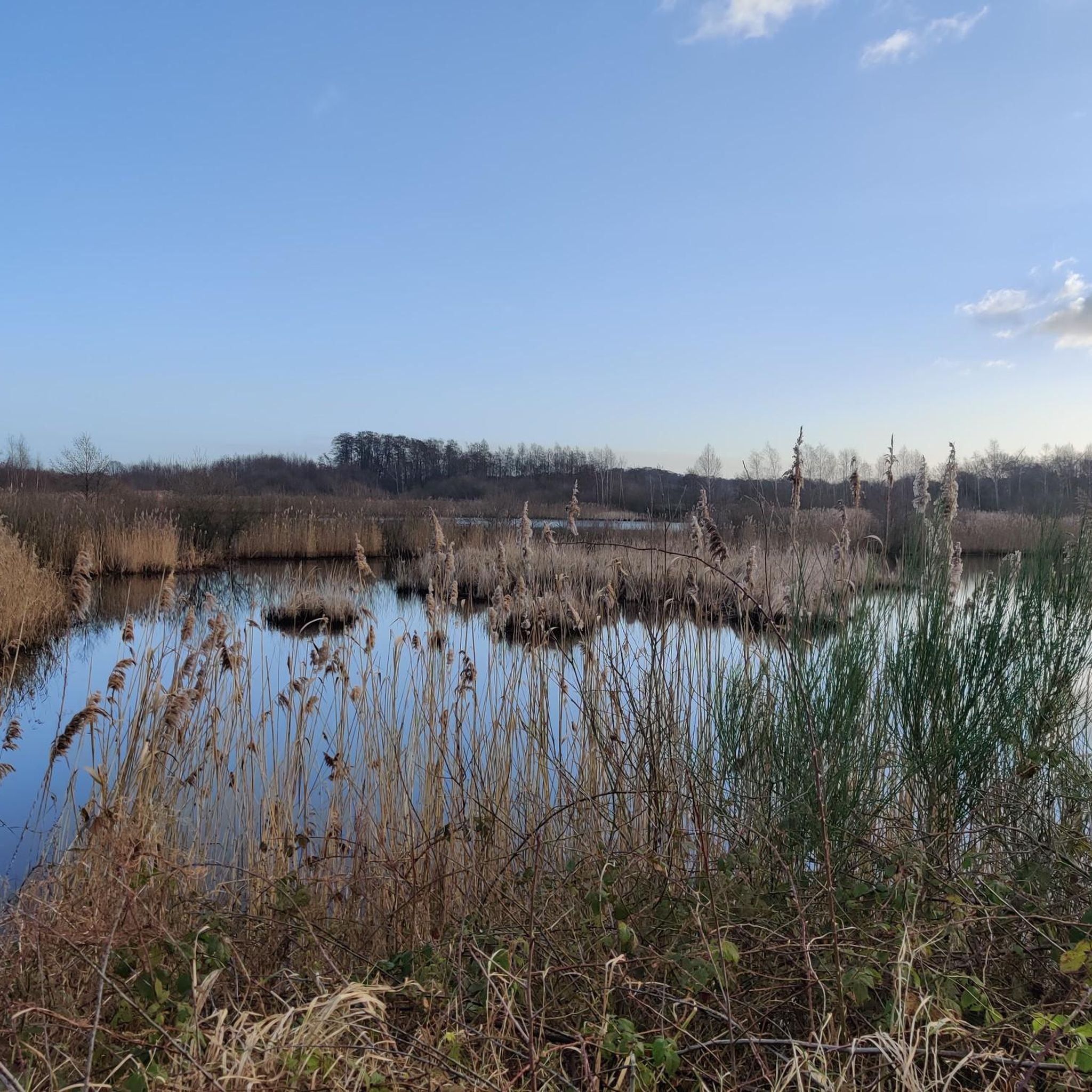
Hiking in Natuurreservaat De Maten offers a network of trails through a diverse nature reserve. The area is characterized by its wetlands, ponds, and wooded sections, providing varied landscapes for outdoor exploration. These Natuurreservaat De Maten hiking routes offer opportunities for wildlife spotting amidst the tranquil natural surroundings near Genk. The terrain is generally flat with minimal elevation changes, making it accessible for various activity levels.
Best hiking trails in Natuurreservaat De Maten
- The most popular hiking route is De…
Last updated: May 23, 2026
4.5
(197)
969
hikers
9.86km
02:30
20m
20m
Hike the moderate 6.1-mile (9.9 km) red trail through De Maten nature reserve, exploring ponds, woodlands, and historic sites.
4.6
(62)
419
hikers
6.26km
01:35
20m
20m
Easy hike. Great for any fitness level. Easily-accessible paths. Suitable for all skill levels.

Sign up for free
4.4
(43)
336
hikers
5.98km
01:31
20m
20m
Easy hike. Great for any fitness level. Easily-accessible paths. Suitable for all skill levels.
4.4
(11)
41
hikers
Moderate hike. Good fitness required. Easily-accessible paths. Suitable for all skill levels.
4.4
(5)
32
hikers
Moderate hike. Good fitness required. Easily-accessible paths. Suitable for all skill levels.
Get access to more routes and recommendations from other explorers.
Sign up for free
Already have an account?
Our route recommendations are based on thousands of hikes, rides, and runs completed by other people on komoot.
Start today with a free account
Your next adventure awaits.
Login or Signup
Tips from the Community

The heath landscape is a remnant of a historical, extensive agricultural ecosystem. Of the area of heath that existed around 1850, about 5 percent remained at the end of the twentieth century. The remaining heathlands are now nature reserves or are used as military training grounds. Today, heath is scarce in Flanders and still covers 0.6 to 1 percent of the total area: about 7,700 to 13,000 hectares. Nevertheless, the heath landscape is of great importance for the preservation of biodiversity: 13% of the most endangered animal and plant species in Flanders can be found in the heath landscape.
1
0
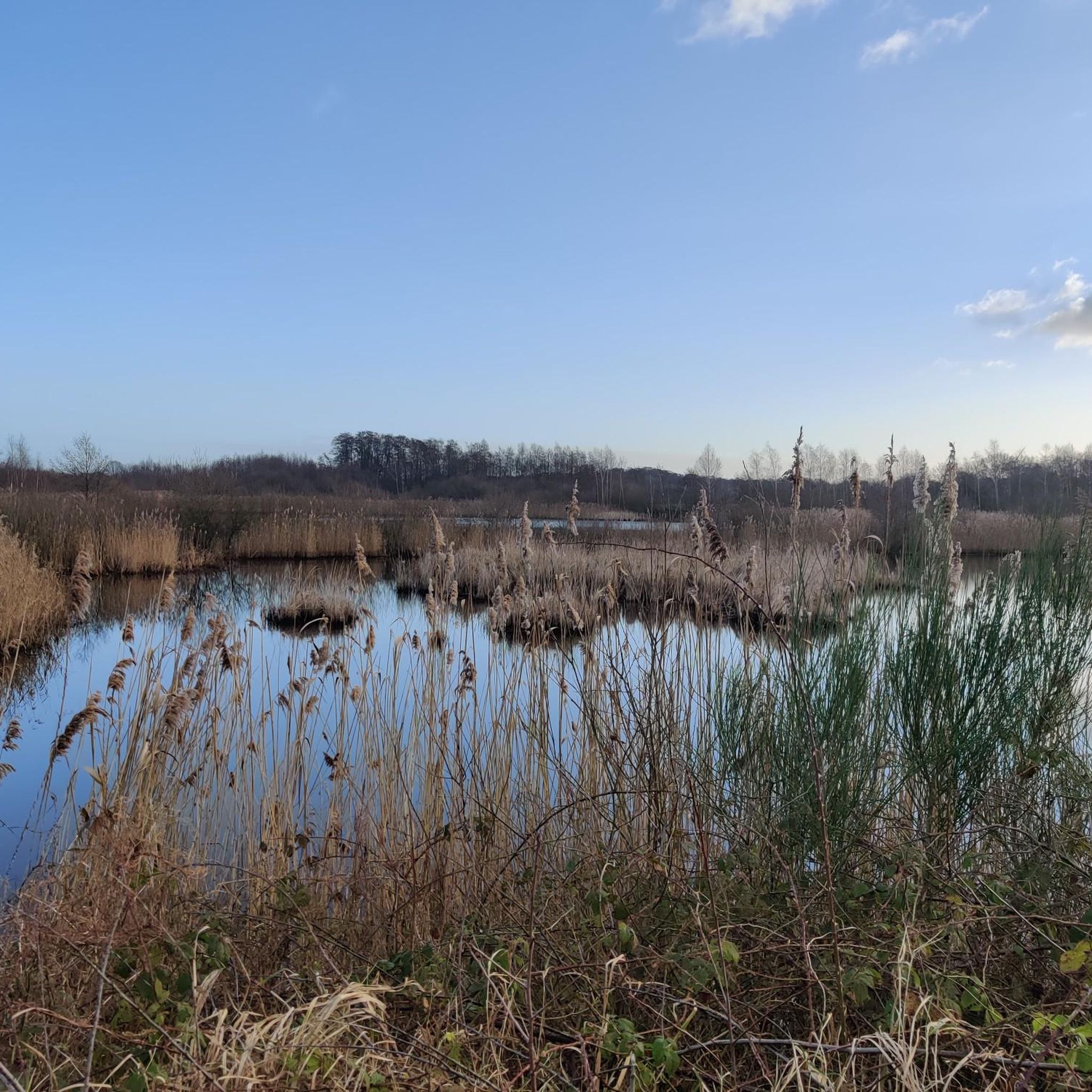
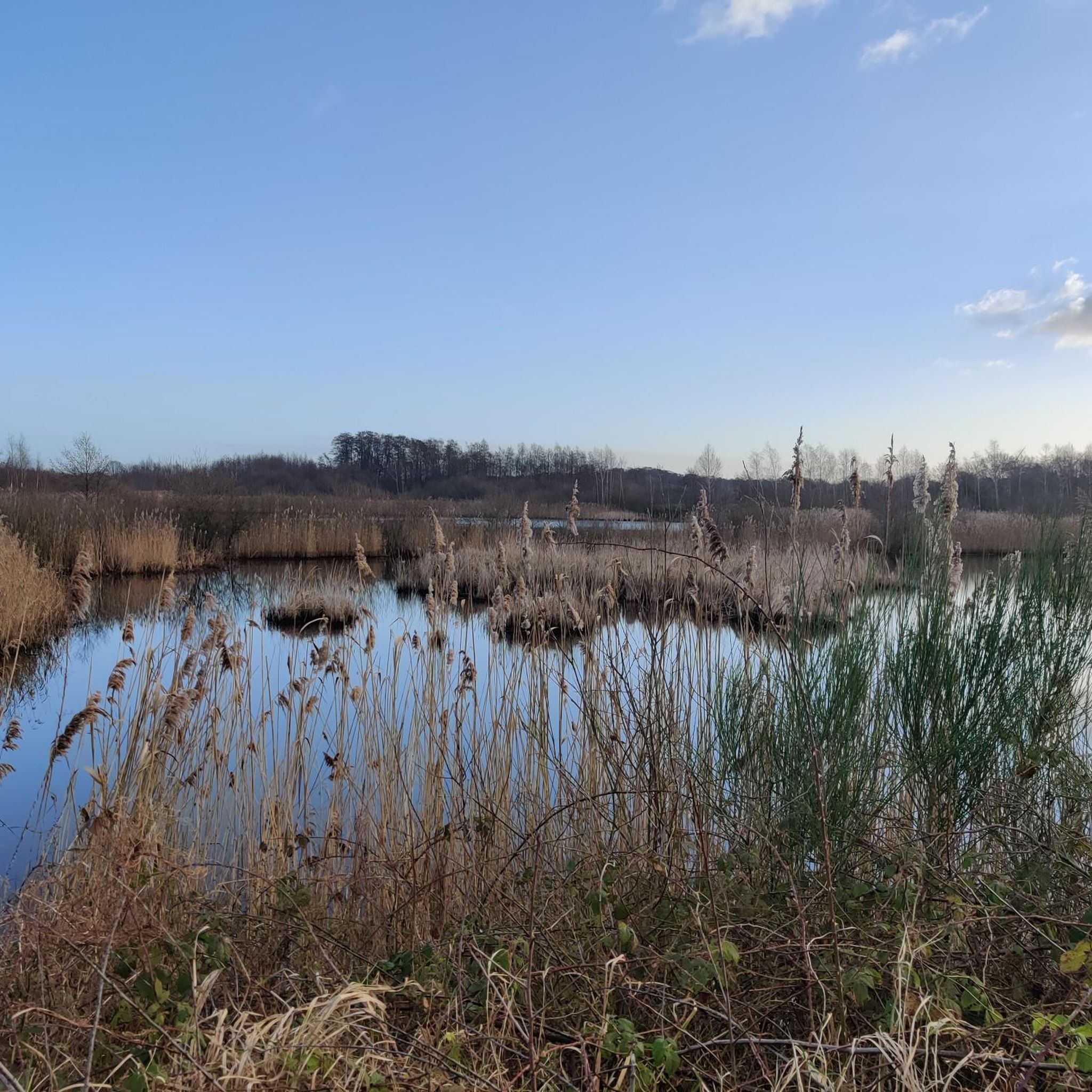
The name Maten is related to the English "meadows". The area is part of De Wijers, a pond complex on the transition from the Kempens Plateau to the Demer Valley. On the poor sandy soils of the Kempen, fish farming was a source of extra protein. As early as the Middle Ages, series of ponds were created by means of simple cross-dikes in the valley. The overflow from one pond simultaneously forms the supply for the next pond. For the ponds in De Maten, the Stiemerbeek valley was dammed up several times. As fish farming became more intensive in the first half of the twentieth century, many ponds were given separate inlets and outlets. In De Maten, you will still find a mix of both systems. The water management is therefore a complex part of the management of one of the oldest nature reserves in Flanders.
3
0
Ornithology or bird science is a specialization of zoology that deals with the study of birds. It includes the classification of species and observation of behavior, migration, song, and flight patterns. Birds are ringed, among other things, to learn more about their migratory behavior and age. An ornithologist is a practitioner of ornithology. A hobby ornithologist is a birdwatcher.
1
0

The Slagmolen (Slag Mill) is a centuries-old watermill building in Genk (Termien), situated right on the edge of the De Maten nature reserve and the Stiemerbeek valley. Dating back to 1523, it is probably the oldest existing building in the city and served as a functioning watermill for centuries. This mill was powered by the water of the Stiemerbeek stream and its tributaries, meaning the wheel turned as soon as there was sufficient water in the stream. This technique was typical of rural life in the past, and the stream was regulated to keep the mill running. This created the area around De Maten into a dynamic landscape of water features and ponds. Today, the Slagmolen is no longer a typical working mill, but its ambition is high: after a thorough renovation, the building will be operational again and serve as an official visitors center for De Maten, featuring an information desk, café, and meeting space for hikers and nature lovers. The opening of this center is planned for the summer of 2026.
1
0
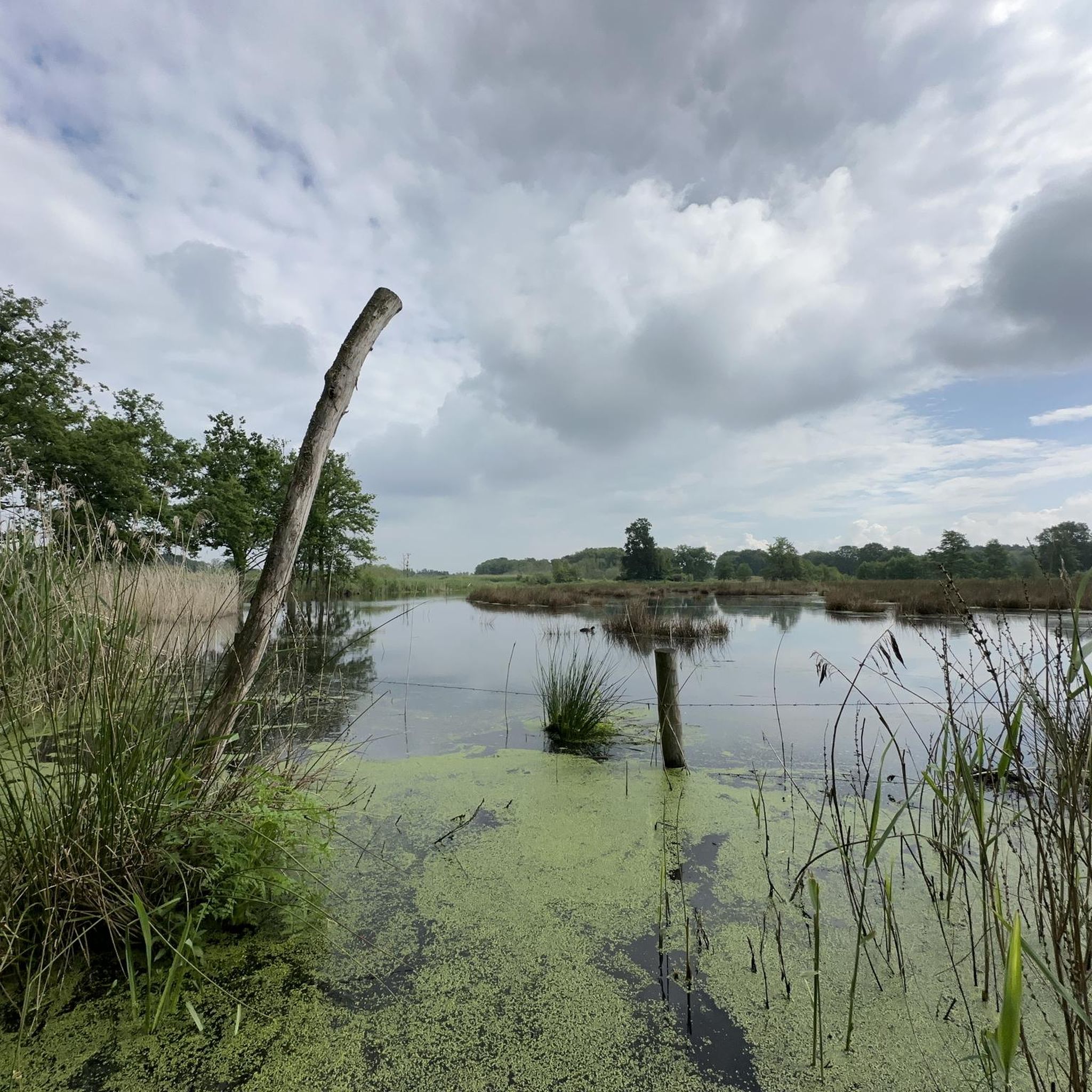
The Vlonderpad (Boardwalk) in the Stiemerbeek Valley is a charming and accessible walking path that is part of the green network around the De Maten nature reserve and the Stiemerbeek Valley near Genk (Belgium). The path brings you literally and figuratively closer to the water in wet and marshy terrain. You walk on wooden walkways that allow for a safe, dry, and atmospheric walk. The boardwalk is a partially wooden walkway constructed along a wet section of the Stiemerbeek Valley, the natural area surrounding the stream with its banks and marshes. Where the path would otherwise be muddy, the walkways guide you across the wet terrain, allowing you to walk peacefully while staying close to the water and experiencing the nature around you. On this path, you often walk along the stream between reed beds and wet vegetation. It feels like a beautiful transition between the more traditional forest and grassland path and a true marsh landscape. It's an ideal spot for birdwatching, spotting aquatic life, and enjoying the sensory experience of water and nature. The boardwalk is located in the Stiemerbeek valley near the De Maten nature reserve and is part of the walks marked out in this area. It's close to hiking trails around De Maten, such as those that visit the Augustijnenvijvers and Homeleswijer ponds, and can be easily combined with other trails in the region. Combine the boardwalk with a longer loop through De Maten for a full day of nature, allowing you to see both forests, ponds, and reed beds. Bring sturdy walking shoes; although the boardwalk ensures dry feet, the surrounding paths can sometimes be muddy or soft after rain. It's an easily accessible path and ideal for a relaxing nature walk or as a rest stop during a longer route.
1
0
The Bumblebee in the De Maten nature reserve isn't just an animal or insect habitat, but a pond (étang), a water feature that forms part of the rich pond landscape in this beautiful nature reserve between Genk and Diepenbeek (Belgium). The Bumblebee is one of the many ponds in De Maten that together form the pond complex belonging to the De Wijers landscape (the land of 1001 ponds). This pond is located near waterways such as Schutwijer and Sint-Janswijer and is part of the hiking networks that run through the reserve. You'll encounter the Bumblebee when following routes that pass various ponds, such as the walks along Volmolenweg and the paths around the Slagmolen. These routes allow you to experience the character of De Maten and its variety of open water, reed beds, and wetlands that support a rich bird and plant life. The Bumblebee is located in the northeastern part of the reserve, not far from paths and other ponds that offer views of the water and nature. It's a lovely spot for quiet, bird song, and reflections in the water during your walk. Bring binoculars when walking around De Maten, as the ponds, including De Hommelaar, often attract waterfowl and other wildlife, especially early in the morning or at sunset.
1
0
In De Maten nature reserve, grazers play a vital role in preserving the landscape and biodiversity. The area consists of a mix of wet meadows, marshes, reed beds, ponds, and heathland. Without human or animal intervention, parts of this landscape would gradually become overgrown with shrubs and trees. To prevent this, various types of grazers are used. Galloway cattle: These Scottish cattle are prized for their robustness and natural grazing style. They keep grass and shrub growth under control, thus preserving open landscapes such as wet heathlands and grasslands. Konik horses: Sometimes used to keep areas accessible for typical marsh and grassland plants. Their grazing behavior differs from that of cattle, creating a varied effect on vegetation. Sheep and other small grazers: In some areas, they are used for fine-grained management, such as grazing reed banks or open meadows. 🌱 Why grazing? Biodiversity: Keeping grasslands and reed beds open creates opportunities for rare plants, amphibians, and birds. Natural management: Grazers follow their instincts and spread seeds through their fur and dung, creating a dynamic and self-sustaining ecosystem. Reed and shrub management: Especially in wetlands, grazers ensure that reed beds don't become too dense and that wetlands remain open to waterfowl and other wildlife.
1
0
Homeleswijer is one of the characteristic ponds (wijers/ponds) you'll encounter during walks through the De Maten nature reserve in the Belgian province of Limburg. It lies within the watery landscape of the reserve, which is part of the larger De Wijers pond area, a network of natural and man-made ponds that originated from centuries-old fish farming traditions in the region. In De Maten, the Stiemerbeek stream and its tributaries formed the basis for pond complexes containing water features like the Homeleswijer. Dams and overflows made fish farming possible, creating a unique marsh and pond landscape full of reed beds, open water, and wet grasslands. Walking trails through De Maten—ranging from short loops to longer hikes—run along and around these ponds. They are true natural treasures: herons, waterfowl, and typical marsh plants can be found here, and information boards often line the path explaining the ecology and water management. Many walks along the Homeleswijer are signposted and start, for example, at the Slagmolen in Genk or at other access points in De Maten.
0
0
Frequently Asked Questions
How many hiking trails are available in Natuurreservaat De Maten?
Natuurreservaat De Maten offers a vast network of trails, with over 1,200 hiking routes available on komoot. This includes a wide variety of options, from easy strolls to more challenging hikes, catering to different preferences and fitness levels.
Are there any easy or beginner-friendly hikes in Natuurreservaat De Maten?
Yes, the reserve is well-suited for beginners and those looking for easy walks. Approximately 890 of the available routes are classified as easy, featuring generally flat terrain and minimal elevation changes. An excellent option is the Augustijnen Pond – Stiemerbeek loop from Natuurreservaat De Maten, which is 3.7 miles (6.0 km) long and leads through wetlands.
What kind of natural attractions can I expect to see along the trails?
Natuurreservaat De Maten is characterized by its diverse wetlands, numerous ponds, and wooded sections. You'll encounter beautiful natural features like Homeles Pond and Augustijnen Pond. There's also a Bird Observation Platform at Augustine Pond, perfect for wildlife spotting.
Are the hiking trails in Natuurreservaat De Maten suitable for families with children?
Absolutely. The generally flat terrain and numerous easy routes make Natuurreservaat De Maten very family-friendly. Many trails offer pleasant walks around ponds and through woodlands, providing opportunities for children to enjoy nature without strenuous climbs. Look for routes marked as 'easy' for the best family experience.
Can I bring my dog on the hiking trails in Natuurreservaat De Maten?
Yes, Natuurreservaat De Maten is generally dog-friendly, making it a great place to hike with your canine companion. However, it's always recommended to keep dogs on a leash to protect the local wildlife and ensure a pleasant experience for all visitors. Please check specific trail regulations on site for any exceptions.
Are there any circular walks available in the reserve?
Yes, many of the routes in Natuurreservaat De Maten are designed as circular walks, allowing you to start and end at the same point. For example, the Homeles Pond – De Maten Nature Reserve loop from Natuurreservaat De Maten is a moderate 5.7 miles (9.2 km) circular trail that offers varied scenery.
What is the best time of year to go hiking in Natuurreservaat De Maten?
Natuurreservaat De Maten offers enjoyable hiking experiences throughout the year. Spring brings blooming flora and active wildlife, while autumn showcases beautiful fall colors. Summer is ideal for longer days, and even winter can be picturesque with frosty landscapes, though some paths might be muddy. The diverse ecosystem ensures something to see in every season.
Where can I find parking for the hiking trails?
Specific parking information often varies by trailhead. However, as Natuurreservaat De Maten is a popular nature reserve near Genk, there are typically designated parking areas at main entrances or trail access points. It's advisable to check local signage upon arrival or consult detailed route descriptions on komoot for specific parking suggestions for your chosen trail.
What kind of wildlife can I spot while hiking?
The wetlands and diverse habitats of Natuurreservaat De Maten make it an excellent spot for wildlife observation. You can often see various bird species, especially around the ponds and the Bird Observation Platform at Augustine Pond. Keep an eye out for amphibians, insects, and small mammals that thrive in this rich ecosystem.
What do other hikers enjoy most about Natuurreservaat De Maten?
The area is highly rated by the komoot community, with an average score of 4.4 stars from over 8,300 reviews. Reviewers often praise the tranquil natural surroundings, the well-maintained paths, and the diverse landscapes featuring ponds, wetlands, and wooded areas. Many appreciate the accessibility for various activity levels and the opportunities for wildlife spotting.
Are there any longer or more challenging routes for experienced hikers?
While the terrain is generally flat, there are longer routes that offer a more extended experience. For instance, the De Maten Red Triangle Trail is a moderate 6.1 miles (9.9 km) route that takes about 2 hours 30 minutes to complete, exploring varied landscapes. There are also 50 routes classified as 'difficult' for those seeking a greater challenge, often involving longer distances rather than significant elevation.
Are there any cafes or refreshment stops near the hiking trails?
While Natuurreservaat De Maten itself is a nature reserve focused on conservation, its proximity to Genk means there are cafes and restaurants available in the nearby towns. It's a good idea to pack your own refreshments for the trails and plan a stop in Genk or a surrounding village before or after your hike.
Most popular routes in Natuurreservaat De Maten
Most popular attractions in Natuurreservaat De Maten

Get inspired with the komoot mobile app


Explore more
Browse the best Hikes in other regions.
