Top 6 Natural Monuments in Cotacachi
Natural monuments in Cotacachi are primarily found within the Cotacachi-Cayapas Ecological Reserve, a region known for its diverse Andean landscapes. This area features significant geological formations, including volcanic craters and high-altitude lakes, alongside culturally important sites. The natural features offer opportunities for hiking and exploring the unique ecosystems of the Ecuadorian Andes.
Best natural monuments in Cotacachi
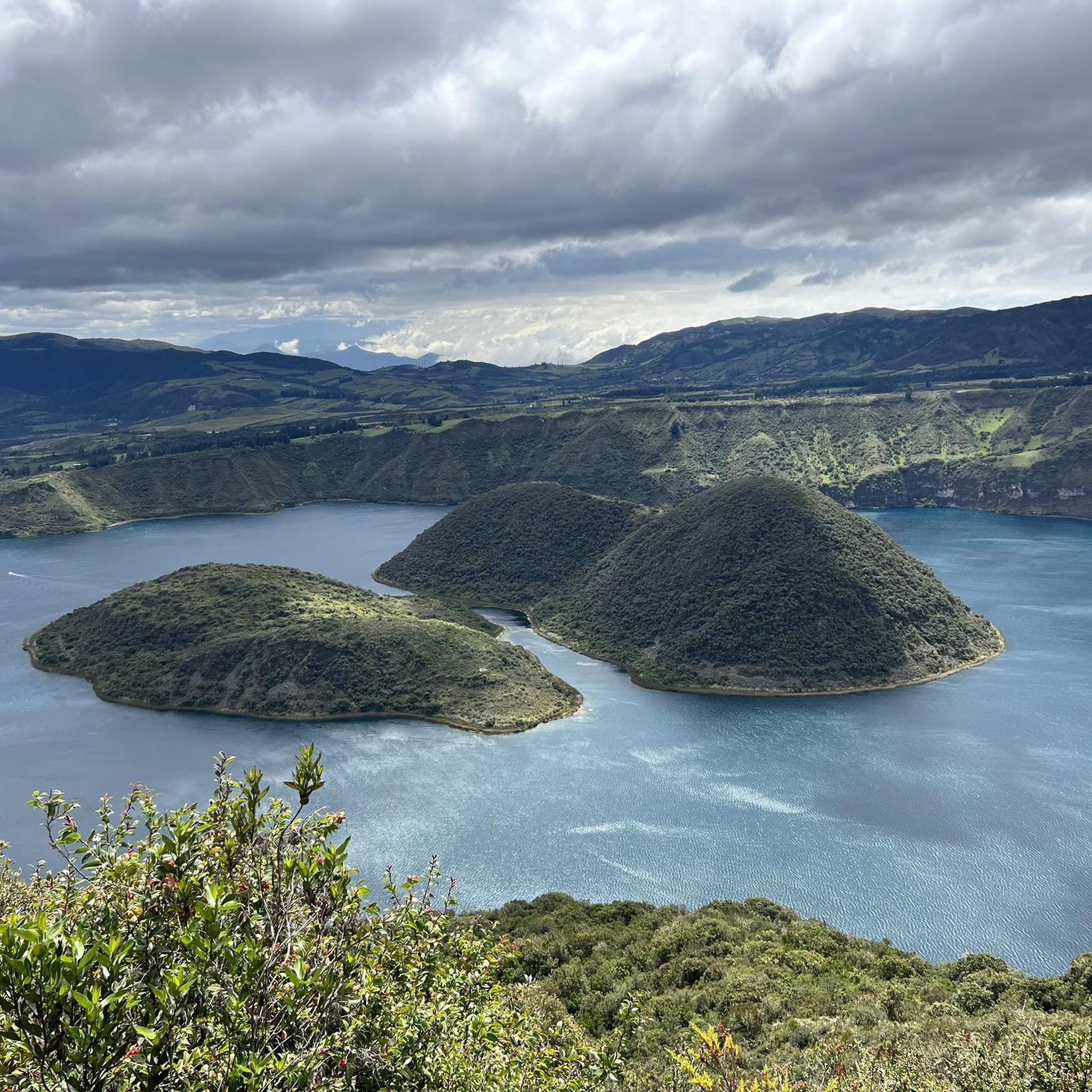
- The most popular natural monuments is Cuicocha Lagoon Loop Trailhead, a trail that circles the "guinea pig lagoon." This 3-kilometer wide crater…
Last updated: July 4, 2026
Cuicocha Lagoon Loop Trailhead
Highlight • Trail
Translated by Google •
Tip by

Cuicocha Lake Trail
Highlight (Segment) • Trail
Translated by Google •
Tip by

Sign up now to discover places like this
Get recommendations on the best single tracks, peaks, & plenty of other exciting outdoor places.
Sign up for free
Peguche Waterfall
Highlight • Waterfall
Entrance fees are required.
Translated by Google •
Tip by

Wildflower Path in Reserva Ecológica Cotacachi-Cayapas
Highlight (Segment) • Trail
Translated by Google •
Tip by

El Lechero Sacred Tree and Viewpoint
Highlight • Viewpoint
Translated by Google •
Tip by
Sign up for free to discover even more natural monuments in Cotacachi.
Sign up for free
Already have an account?
Start today with a free account
Your next adventure awaits.
Login or Signup
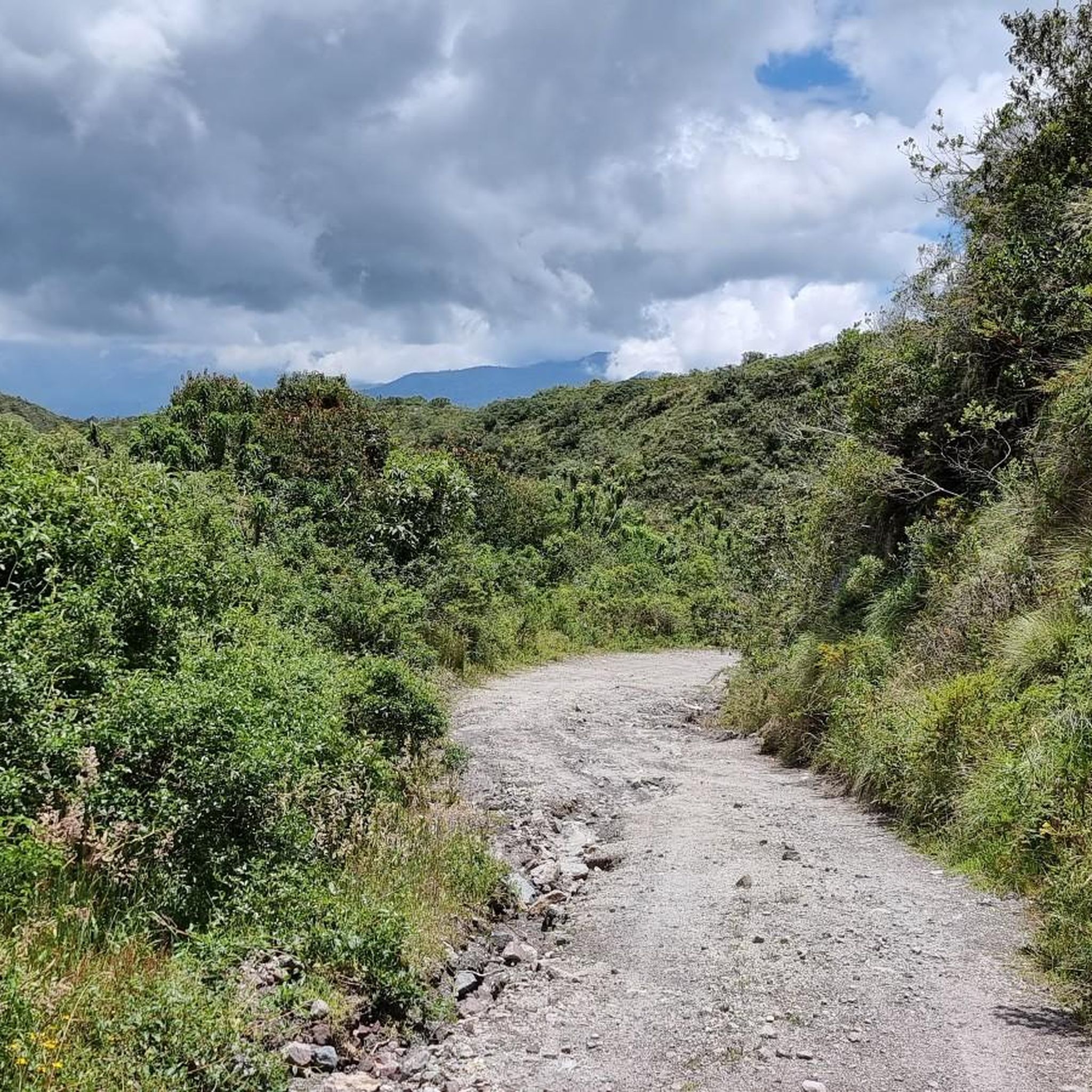
Tips from the Community

Being in this place and having the feeling of turning around and knowing everything you walked, is beautiful. A different view of everything and the most refreshing and delicious breeze there is.
0
0

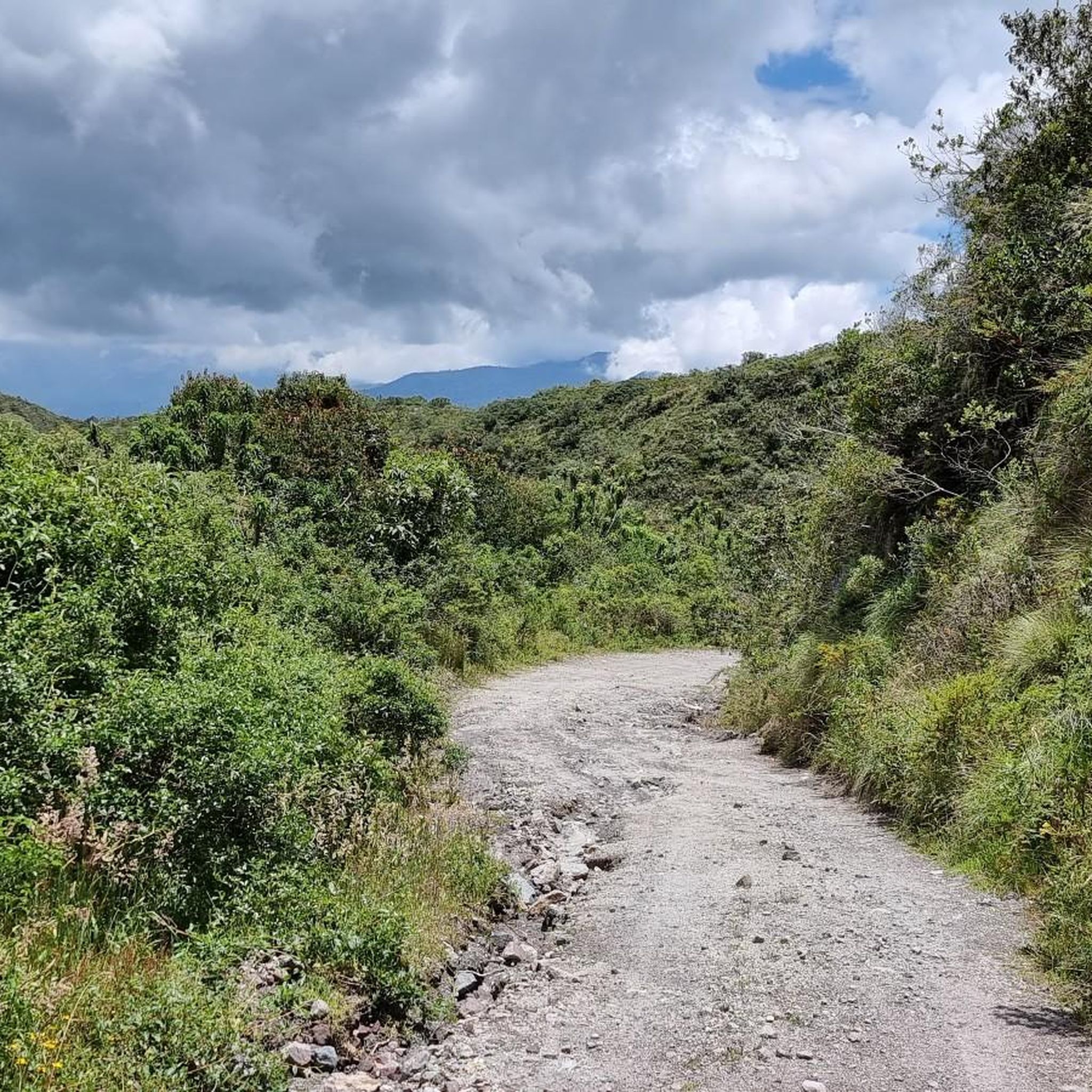
On this section of the hiking trail that runs all the way around Laguna Cuicocha, after climbing numerous steps and through lush Andean flora, you reach a ridge path with fantastic views of the lagoon and the Otavalo plain
0
0

Look for a sacred place with beautifully landscaped hiking trails. At the top you can crawl through narrow caves and discover other smaller waterfalls. Entrance fees are required.
2
0
El Lechero is a viewpoint whose tree at the top of the hill is considered sacred. Although unknown to many people, this tranquil spot offers beautiful views of the surrounding area. Located in Otavalo, Ecuador near Condor Park. El Lechero, Otavalo's sacred tree, is part of local mythology and is believed to house the soul of a cursed lover who fell in love with a boy from a rival family. And then it was transformed into nearby Lake San Pablo. From the El Lechero viewpoint you can see Lake San Pablo, the Fuya Fuya Mountains, the Cotacachi Volcanoes, Imbabura and a great view of the city of Otavalo. The place where the tree stands is considered a sacred place with healing powers by local people. There are indigenous Otavaleños who perform many purification rituals and spiritual ceremonies. El Lechero is a place open to the public, where you can not only take beautiful photos, but also have picnics. To get there, you'll have to walk a steep 5km or so from Otavalo or hire a taxi for around $4 each way. There is no transport at the top. Ask the driver to wait if he doesn't want to go back. Source: https://www.planetandes.com/es/ecuador/andes/imbabura/otavalo/el-lechero-arbol-sagrado-otavalo/
2
0

Arriving from Otavalo without your own car: From the bus terminal, take the bus to Cotacachi or Quiroga. Buses run every 15-20 minutes. Just ask for Laguna at the terminal and someone will direct you to the right bus. Cost per ride: $0.4. The bus driver will drop you off at a taxi rank in Cotacachi or at the central park in Quiroga. From there, the only way to get to the lagoon is by taxi, as there are no buses going there. A taxi will cost around USD 5-6. For the return trip, it's best to use the taxi driver's phone number to call him for the return trip, as the lagoon is pretty deserted and there aren't really any taxis around. The price for the return trip is the same as for the outward trip. It would also be possible to hitchhike back at least to Quiroga, since the road from the lagoon goes through Quiroga. From there or Cotacachi, take the $0.4 bus to Otavalo again. The buses also leave here very regularly.
0
0

El Lechero is an ancient tree on a hilltop above Otavalo overlooking the San Pablo Lagoon, Otavalo and Imbabura Volcano. What is special about this tree is not only its age (it is said to be more than a thousand years old), but also its religious background. According to the indigenous people, it is said to have healing abilities. It is not for nothing that he is visited and worshiped for rituals or weddings
0
1

It's not allowed to camp on the trail, but... Noone checks if you do :)
1
0

Circular hike around the "guinea pig lagoon". The easiest way to get there from Otavalo is by bus to Quiroga and then by taxi from the parque central there ($5)
2
0
Frequently Asked Questions
What are the most popular natural monuments in Cotacachi?
Among the most popular natural monuments in Cotacachi are the Cuicocha Lagoon Loop Trailhead, which circles a stunning crater lake, and Peguche Waterfall, known for its sacred site and landscaped trails. Visitors also frequently enjoy San Pablo Lake, a beautiful lake of volcanic origin.
What makes Laguna de Cuicocha a significant natural monument?
Laguna de Cuicocha is a 3-kilometer wide crater lake nestled at the foot of the Cotacachi Volcano. It's renowned for its deep blue waters and two forested islands, offering breathtaking panoramic views. Geologically, it's a significant site, recognized for its spectacular volcanic caldera and history of eruptions. You can hike a 12-14 kilometer trail around its rim or take a boat tour.
What is the Cotacachi Volcano known for?
The Cotacachi Volcano, rising to 4,944 meters, is a dormant volcano known for its challenging ascent and rewarding panoramic views from its summit. It's an integral part of the Cotacachi-Cayapas Ecological Reserve, protecting diverse ecosystems. In indigenous mythology, it's known as 'Mama Cotacachi,' a protective figure.
Are there family-friendly natural monuments in Cotacachi?
Yes, San Pablo Lake is considered a family-friendly destination, offering boat tours and scenic views. Peguche Waterfall also features beautifully landscaped hiking trails that are suitable for families to explore.
What kind of terrain can I expect when visiting natural monuments in Cotacachi?
The terrain varies from well-maintained trails around lakes like the Cuicocha Lagoon Loop Trailhead to more challenging, high-altitude volcanic landscapes around the Cotacachi Volcano. You'll encounter forested paths, crater rims, and areas with significant elevation changes, especially on longer hikes.
How can I get to Laguna de Cuicocha using public transport?
From Otavalo, take a bus to Cotacachi or Quiroga (buses run every 15-20 minutes, cost around $0.4). From there, you'll need to take a taxi to the lagoon, which costs approximately $5-6. It's advisable to get the taxi driver's number for the return trip as taxis are not always readily available at the lagoon.
What outdoor activities can I do near the natural monuments in Cotacachi?
The region offers a variety of outdoor activities. You can find numerous running trails, including a difficult 12 km loop around Cuicocha Lake. There are also many mountain biking trails and road cycling routes, ranging from moderate to difficult, allowing you to explore the diverse landscapes.
Are there any sacred or culturally significant natural sites in Cotacachi?
Yes, El Lechero Sacred Tree and Viewpoint in Otavalo is considered a sacred place with healing powers by local indigenous people, where purification rituals are performed. Peguche Waterfall is also a sacred site, and the Cotacachi Volcano holds significance in indigenous mythology as 'Mama Cotacachi'.
What kind of wildlife can I expect to see in the Cotacachi-Cayapas Ecological Reserve?
The Cotacachi-Cayapas Ecological Reserve is a biodiversity hotspot. While the alkaline waters of Laguna de Cuicocha have limited aquatic life, its islands support wildlife like the silvery grebe. The broader reserve is home to over 700 bird species and various mammals, making it a rich area for nature observation.
Are there any entrance fees or permits required for natural monuments?
Yes, entrance fees are required for some sites, such as Peguche Waterfall. For other areas within the Cotacachi-Cayapas Ecological Reserve, it's always good to check local regulations upon arrival, though many trails might be freely accessible.
Can I take a boat tour on any of the lakes?
Yes, boat tours are available on both Laguna de Cuicocha, offering a closer look at its islands and volcanic features, and San Pablo Lake, where you can enjoy scenic views from the water. Stalls at the departure point of San Pablo Lake offer these tours.
What is the best time to visit the natural monuments in Cotacachi?
The Andean region generally experiences a dry season from June to September, which is often considered ideal for hiking and outdoor activities due to clearer skies and less rain. However, Cotacachi's natural beauty can be appreciated year-round, with lush landscapes during the wetter months.
Most popular routes in Cotacachi
Most popular attractions in Cotacachi

Get inspired with the komoot mobile app


Explore more
Extend your search for the best caves by checking out these guides of the top ones in Cotacachi:
