Top 16 Natural Monuments in Boyacá
Best natural monuments in Boyacá are found within Colombia's Eastern Andes, a region characterized by high-altitude ecosystems, diverse landscapes, and significant water sources. The department features a variety of natural formations, including large freshwater lakes, páramos, canyons, and unique geological structures. These areas are recognized for their biodiversity, supporting numerous plant and animal species, and contributing to regional water regulation. Boyacá's natural monuments offer opportunities to observe distinct high-Andean flora and fauna.
Best natural monuments in Boyacá
- The most popular…
Last updated: July 1, 2026
Statue of Christ Overlooking Villa de Leyva
Highlight • Monument
Showing Translation
Tip by

Laguna Grande de la Sierra
Highlight • Lake
Translated by Google •
Tip by

Sign up now to discover places like this
Get recommendations on the best single tracks, peaks, & plenty of other exciting outdoor places.
Sign up for free
Chicamocha Canyon
Highlight • Canyon
Translated by Google •
Tip by

Lake Tota
Highlight • Lake
Translated by Google •
Tip by

Ascent to the Sacred Iguaque Lagoon
Highlight (Segment) • Lake
Translated by Google •
Tip by

Water Spring in the Páramo de Rabanal
Highlight • River
Translated by Google •
Tip by

Laguna Negra
Highlight • Lake
Translated by Google •
Tip by

Alto del Páramo de La Rusia (Duitama–El Encino Road)
Highlight • Mountain Pass
Translated by Google •
Tip by

Viewpoint to Sogamoso - Ruchical
Highlight • Viewpoint
Translated by Google •
Tip by
Lagunita Rock Formation
Highlight • Natural Monument
Translated by Google •
Tip by
Sign up for free to discover even more natural monuments in Boyacá.
Sign up for free
Already have an account?
Start today with a free account
Your next adventure awaits.
Login or Signup
Popular around Boyacá



Tips from the Community

The Christ statue at the viewpoint "Mirador El Santo Sagrado Corazón de Jesús" towers over a hill northeast of the town center of Villa de Leyva. The statue is often simply referred to as "El Santo" or as the statue of the "Most Sacred Heart of Jesus" (Sagrado Corazón de Jesús). It is located on a ridge and offers a wide panoramic view of the colonial village of Villa de Leyva and the surrounding mountain landscape. The ascent is moderate, but steep and rocky in places. A hike takes about 45 to 60 minutes for the ascent.
0
0

One of the most beautiful and enriching experiences I've ever had. A hidden paradise home to two beautiful waterfalls that deserve a visit. One of those places that few talk about but are truly worth exploring.
0
0

In 2024, to do this climb you have to pay 73,000 COP and, in addition, take a guide. They announce 8 hours round trip
1
0

The Chicamocha Canyon is the result of erosion on the river bed over millions of years, making it one of the most incredible landscapes in Colombia. Perfect for lovers of cycling and photography. In 2009, it participated to become one of "The New 7 Natural Wonders", being in the top 77 worldwide. With more than 108,000 hectares, the Chicamocha is one of the largest canyons in the world. It was formed 46 million years ago where there was once an immense lake that allowed the formation of caverns and housed marine animals of which remains can still be found. The road that connects the municipality of Capitanejo with the city of Duitama is perfect for cycling: incredible landscapes, less heavy traffic than on the Bogotá-Bucaramanga road and an ascent of approximately 90km from Capitanejo to Alto de Canutos.
1
0

This place is beautiful! The reflection of the sky in the water is magical. Highly recommended.
0
0

Difficulty breathing after 3250 meters above sea level, be well trained
0
0

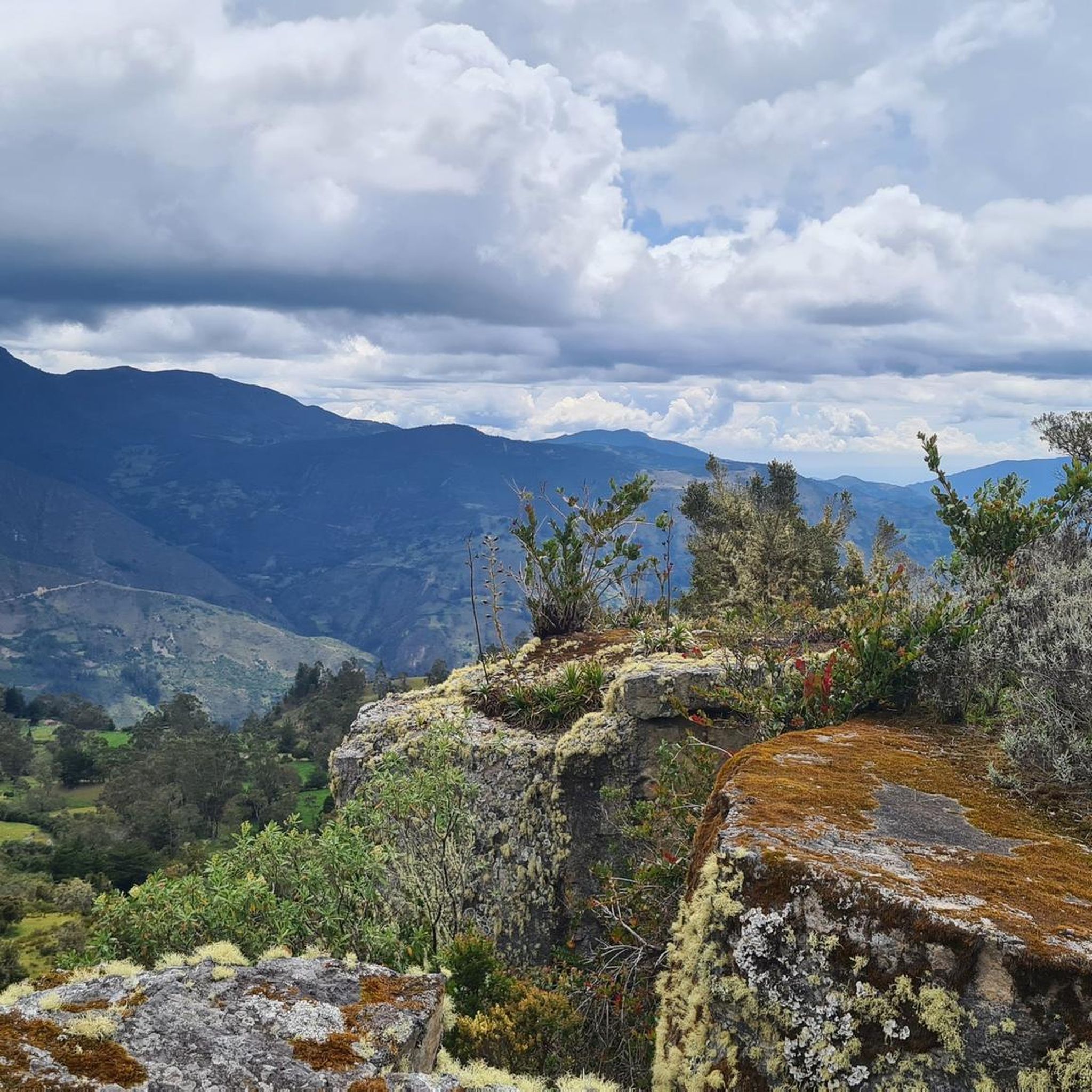
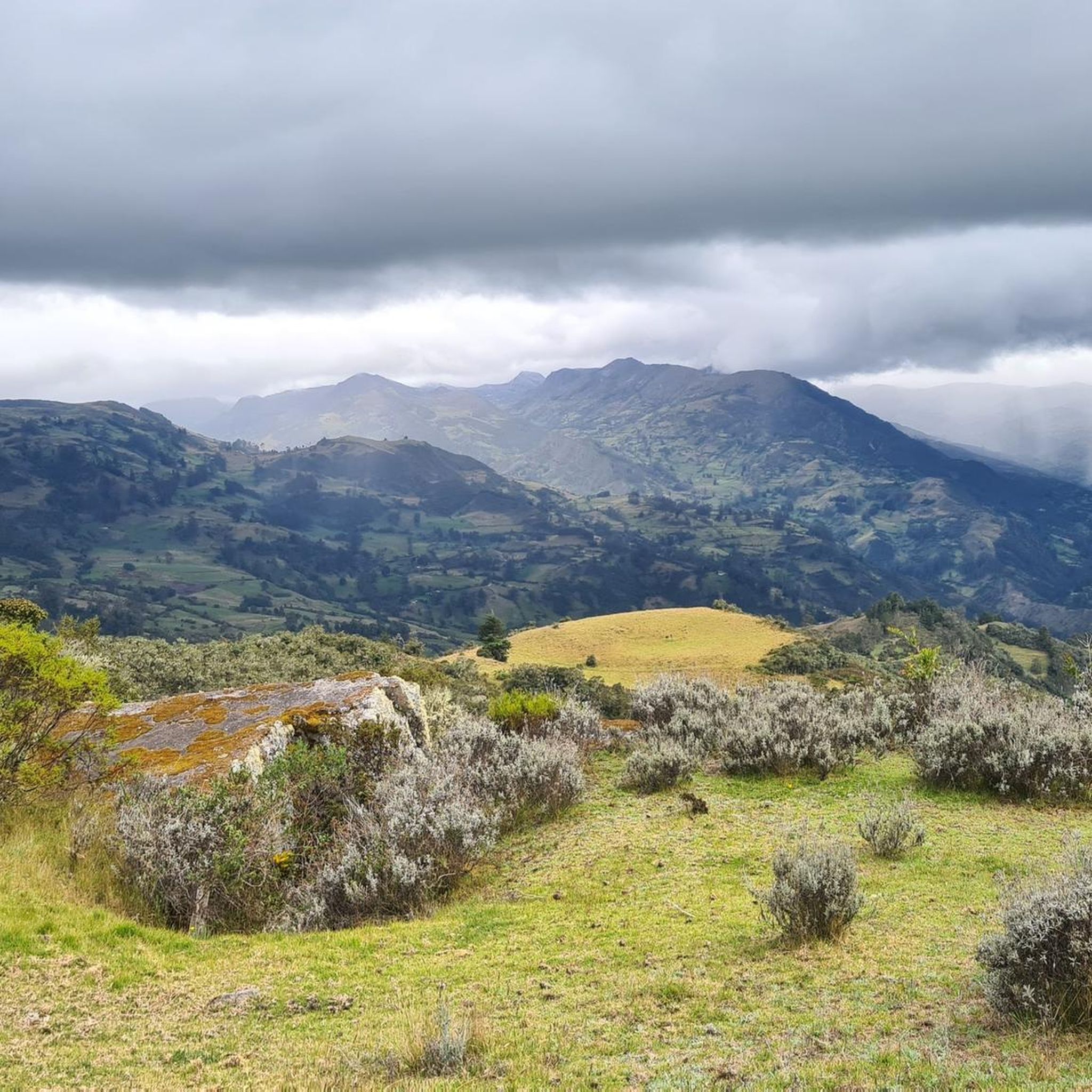
High of the Russian wasteland. Via Duitama - El Encino. 3840 meters above sea level. Unpaved segment
0
0
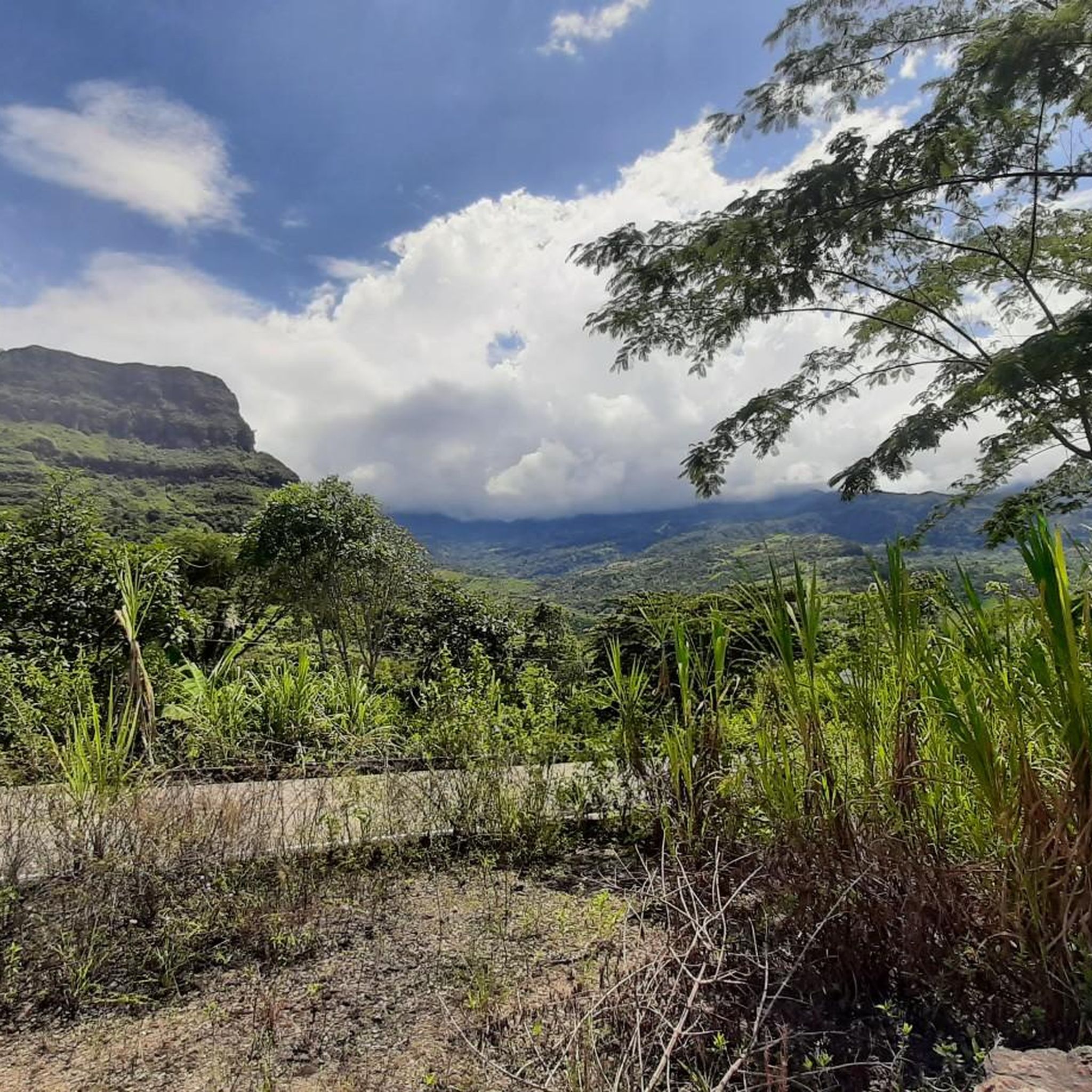
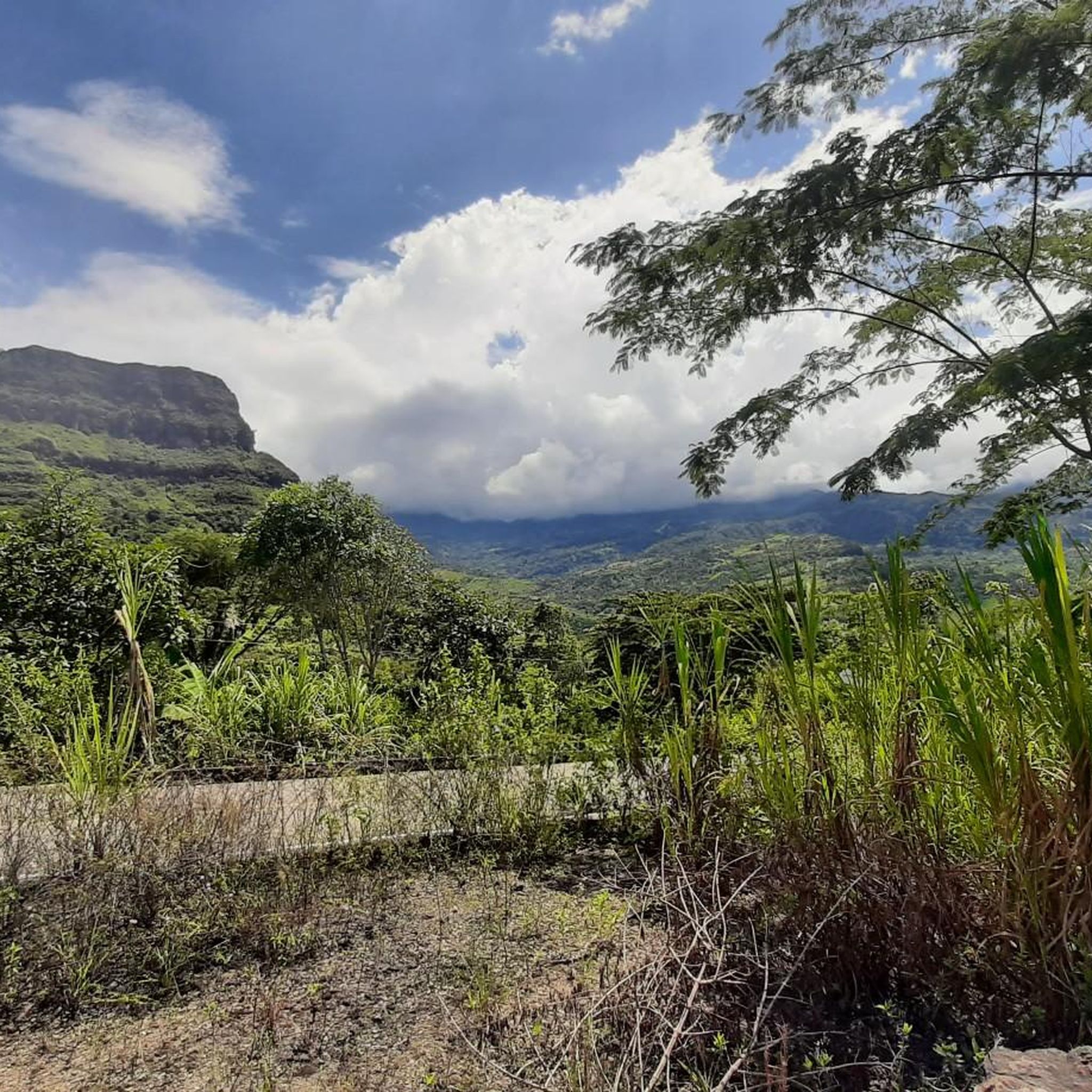
Spectacular view of Sogamoso. Ancient site where a few steps away you can find a solar calendar. Unpaved roads but accessible by cars and bicycles.
0
0
Frequently Asked Questions
What are some of the most popular natural monuments to visit in Boyacá?
Boyacá offers a variety of stunning natural monuments. Highly regarded spots include Laguna Grande de la Sierra, known for its challenging ascent and expansive views, and Lake Tota, Colombia's largest natural freshwater lake, offering panoramic views and a unique white-sand beach. The Chicamocha Canyon is also a must-see, recognized for its immense scale and geological history.
Are there family-friendly natural monuments in Boyacá?
Yes, Lake Tota is considered family-friendly. Its iconic Playa Blanca offers a unique experience with white sands and turquoise waters, suitable for various outdoor activities like kayaking and boat tours. The charming villages around the lake also provide a glimpse into traditional life.
What kind of unique natural features can I expect to see in Boyacá's natural monuments?
Boyacá is rich in diverse natural features. You can find towering frailejones and unique rock formations in the Páramo de Ocetá, which is often called a 'water factory' due to its numerous lagoons. The Estoraques de Floresta showcases naturally carved limestone columns and monoliths, creating a surreal landscape. Additionally, the region boasts vast freshwater lakes like Lake Tota and significant canyons like the Chicamocha Canyon.
What is the best time to visit the natural monuments in Boyacá?
The high-altitude nature of many natural monuments in Boyacá means weather can be variable. While specific best times depend on the monument, generally, the dry season (roughly December to March and July to August) offers clearer skies and more stable conditions for hiking and outdoor activities. However, be prepared for potential rain, especially in the rainy season from April, which can obscure views at places like Laguna Grande de la Sierra.
What outdoor activities can I do near the natural monuments in Boyacá?
The region around Boyacá's natural monuments is excellent for various outdoor activities. You can enjoy gravel biking on routes like those found in the Gravel biking in Boyacá guide, with options ranging from moderate to difficult. Cycling enthusiasts can explore routes detailed in the Cycling in Boyacá guide, while runners can find trails in the Running Trails in Boyacá guide. Many natural monuments, like Páramo de Ocetá, also offer spectacular hiking opportunities.
Are there any natural monuments with historical significance in Boyacá?
Yes, Puente de Boyacá, while primarily a historical site commemorating Colombia's independence, is situated in a natural area with lush greenery and scenic views of the Teatinos River. It offers a reflective experience where history and nature intertwine, with walking paths to explore the regional flora.
What should I know about visiting the Sacred Iguaque Lagoon?
The Ascent to the Sacred Iguaque Lagoon is known for its unique vegetation and fantastic views. It's a challenging hike, and as of 2024, visitors are required to pay an entrance fee and take a guide. The round trip is estimated to take about 8 hours, and to protect the landscape, only this lagoon can be visited within the area.
What kind of wildlife can be observed in Boyacá's natural monuments?
Boyacá's diverse ecosystems support a variety of wildlife. Laguna de Tota is an Important Bird Conservation Area, home to 135 resident and migratory waterbird species, including three endemic to the region. In the Páramo de Ocetá and Parque Nacional Natural Pisba, you might spot white-tailed deer, various bird species, and, though rare, spectacled bears and Andean condors. The Estoraques de Floresta also hosts unique flora and fauna, including hawks, deer, and hummingbirds.
How difficult are the trails at Boyacá's natural monuments?
The difficulty varies significantly. Some trails, like the ascent to Laguna Grande de la Sierra or the Sacred Iguaque Lagoon, are considered challenging due to long ascents and high altitudes. Others, such as those around Lake Tota, can be more moderate or family-friendly. Always check specific trail details before heading out.
Are there any hidden gems or less-known natural monuments in Boyacá?
While not entirely hidden, the Estoraques de Floresta is a unique geological wonder that offers a serene retreat. It features naturally carved limestone columns and monoliths, providing a surreal landscape perfect for photography and quiet hikes. Another less-known spot is the Water Spring in the Páramo de Rabanal, described as a beautiful place with magical reflections in the water.
What are the geological highlights of Boyacá's natural monuments?
Boyacá is home to impressive geological formations. The Chicamocha Canyon is a massive rift valley formed by millions of years of erosion. The Estoraques de Floresta features unique limestone columns sculpted by wind and water. The Páramo de Ocetá also boasts unusual rock formations, including a 'lost city' of 15-meter tall rocks, alongside its vital role as a water factory with numerous lagoons and marshes.
Can I find viewpoints with panoramic scenery among Boyacá's natural monuments?
Absolutely. Many natural monuments offer breathtaking panoramic views. Lake Tota provides expansive vistas of Colombia's largest freshwater lake. The Laguna Grande de la Sierra rewards a challenging climb with beautiful views. Additionally, the Viewpoint to Sogamoso - Ruchical and Alto del Páramo de La Rusia are notable for their scenic outlooks.
Are there any waterfalls or caves to explore in Boyacá?
Yes, you can explore the El Hayal Waterfall and Cave, which offers both a beautiful waterfall and a cave to discover. The Páramo de Ocetá also features waterfalls, such as Penagos, adding to its diverse natural beauty.
Most popular attractions in Boyacá

Get inspired with the komoot mobile app


Didn’t find what you were looking for?
Find even more amazing natural monuments in Boyacá by checking out the top Highlights region by region:
Explore more
Extend your search for the best caves by checking out these guides of the top ones in Boyacá:
