Top 5 Natural Monuments in Bogotá D.C.
Best natural monuments in Bogotá D.C. encompass a range of ecological treasures, from high-altitude páramos to cloud forests and botanical gardens. These sites provide critical ecological services and diverse landscapes. The region's geography includes unique ecosystems like the páramo, which is vital for water regulation. These natural areas offer opportunities for recreation and education within and around the city.
Best natural monuments in Bogotá D.C.
- The most popular natural monument is Chisacá Lagoon, Sumapaz National Natural Park, a lake…
Last updated: July 1, 2026
Chisacá Lagoon, Sumapaz National Natural Park
Highlight • Lake
Translated by Google •
Tip by

La Regadera Reservoir
Highlight • Lake
Translated by Google •
Tip by

Sign up now to discover places like this
Get recommendations on the best single tracks, peaks, & plenty of other exciting outdoor places.
Sign up for free
Bogotá Botanical Garden
Highlight • Natural
Tip by

La Herradura Road in Sumapaz National Park
Highlight • Trail
Translated by Google •
Tip by
Aguas Vivas Trail, Cruz Verde–Sumapaz Páramo
Highlight • Trail
Translated by Google •
Tip by
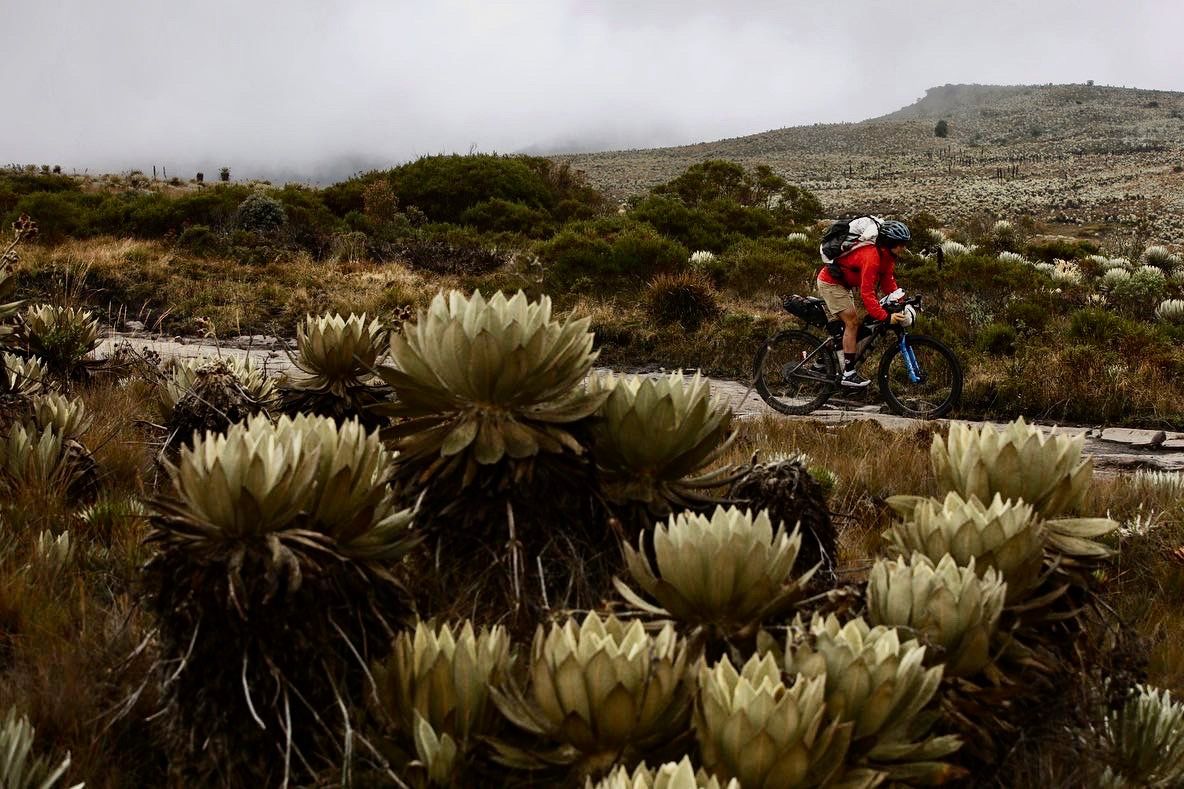
Frailejones Valley between Media Naranja and Pasca
Highlight • Viewpoint
Translated by Google •
Tip by
Media Naranja, Sumapaz National Natural Park
Highlight • Natural Monument
Translated by Google •
Tip by
Start today with a free account
Your next adventure awaits.
Login or Signup
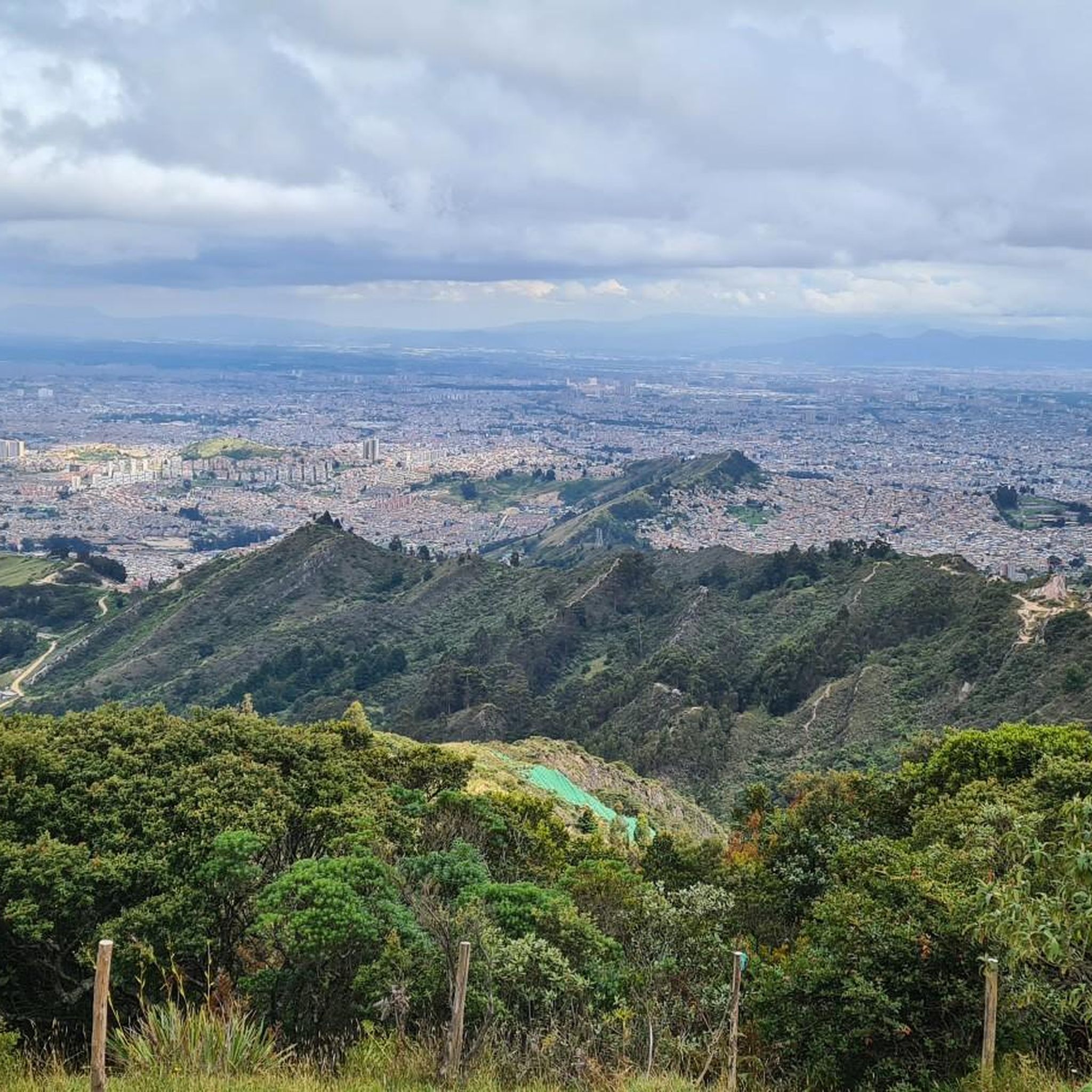
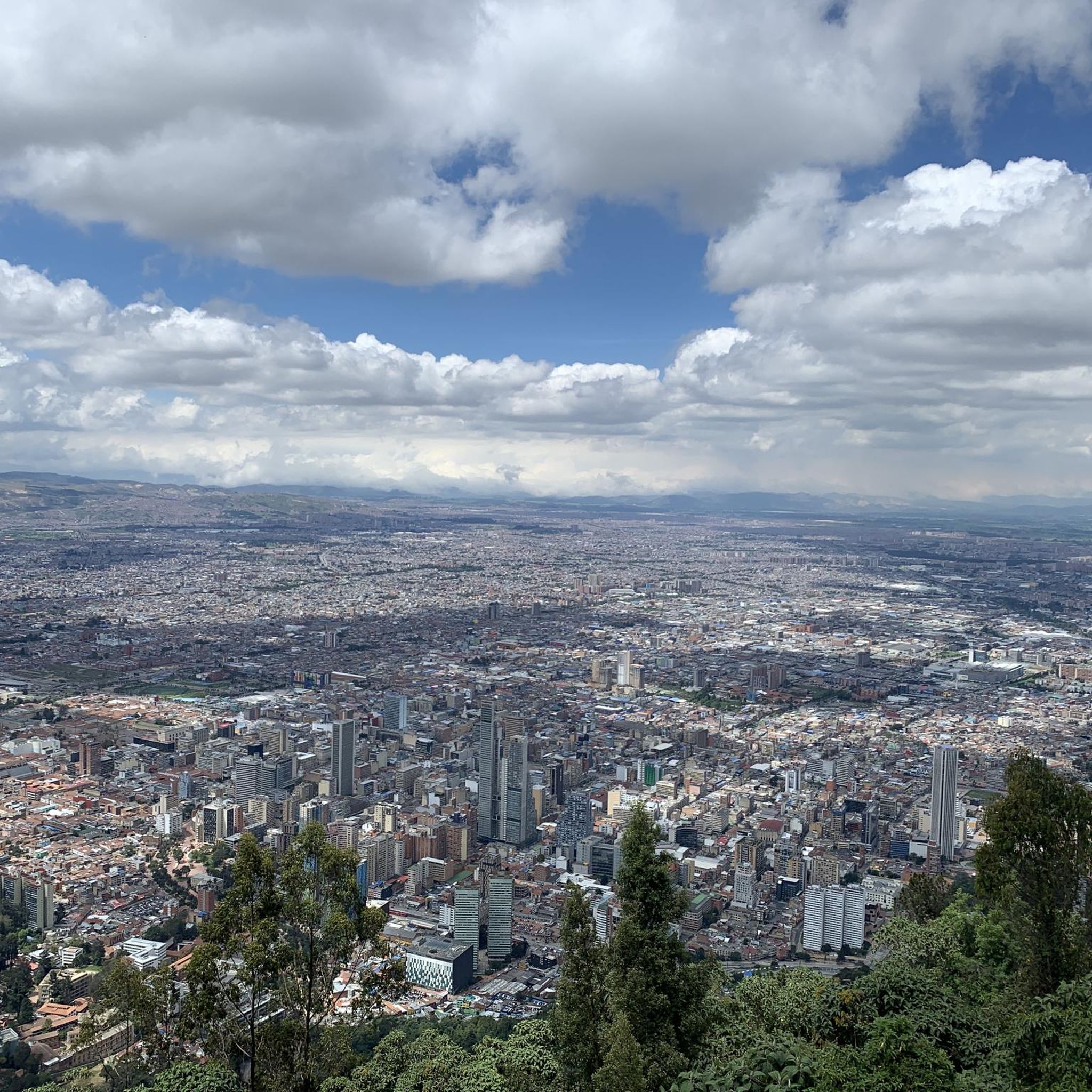
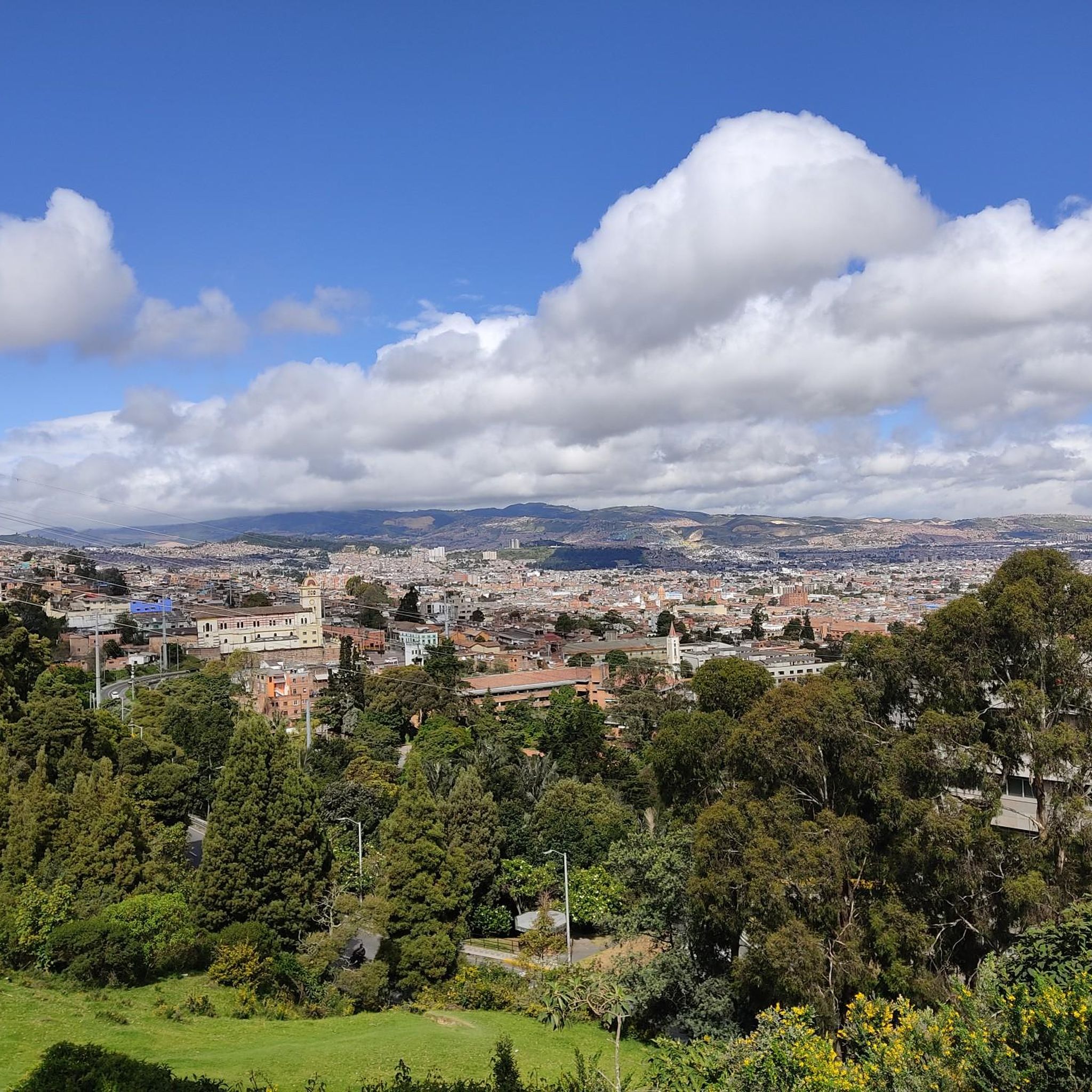
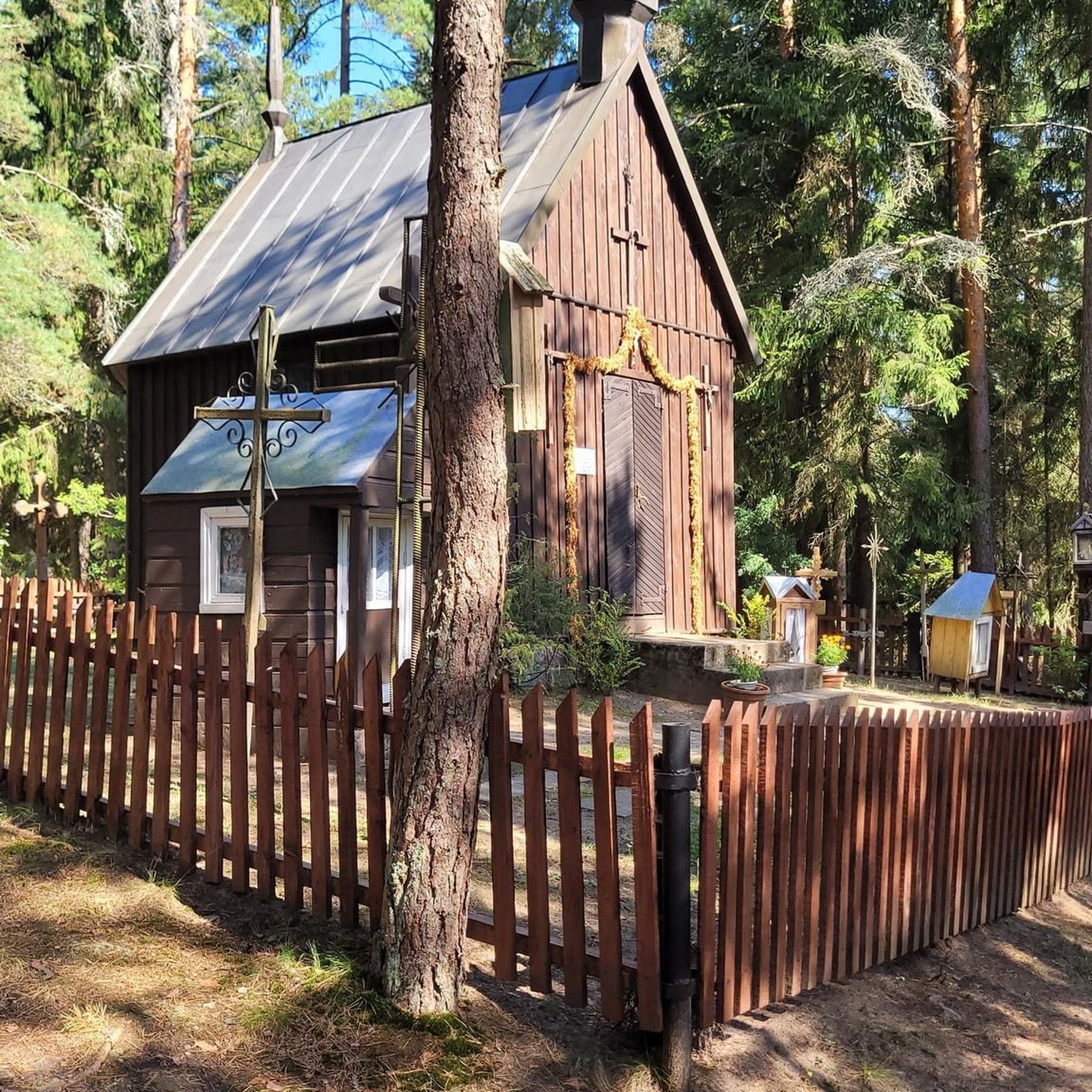


Tips from the Community

The Jardín Botánico de Bogotá José Celestino Mutis (Botanical Garden of Bogotá) is located in the Engativá district on Avenida Calle 63. The park covers about 19.5 hectares. It is the largest botanical garden in Colombia and is particularly dedicated to the ecosystems of the Andes and the Páramo. Highlights include a waterfall, a rose garden with over 70 species, and greenhouses (Tropicario) for different climate zones. Opening hours: Tuesday to Friday: 08:00 – 17:00. Weekends and public holidays: 09:00 – 17:00.
0
0

The perfect place to take a break
0
0

A beautiful place... just admire it, do not interfere with the flora or fauna of the place... do not leave the trail, nor leave trash in this place, do not hunt... it is not a place for pot walks, paramo-type vegetation
0
0
Cold, beautiful place, be prepared for the cold, respect this place, do not throw garbage, do not shout, there the water is born...
0
0
Good bike route, quiet place... generally cold
0
0

Very nice and a place for high performance athletes
0
0
highly recommended
0
0
Totally a wasteland... you must be prepared for the sudden climatic changes that occur there, very good physical and mental shape... if you like remains this route can be one... enjoy it... TAKE CARE OF THE ENVIRONMENT... IF YOU TREAT THE PÁRAMO BADLY YOU MUST DEAL WITH ITS FURY... DO NOT TAKE ITS RESOURCES, DO NOT STEP ON IT, DO NOT LEAVE TRASH...
1
0
Frequently Asked Questions
What are some popular natural monuments in Bogotá D.C. for visitors?
Visitors frequently enjoy the unique high-altitude ecosystems. Among the most popular are Chisacá Lagoon, Sumapaz National Natural Park, known for its significant water source and cold conditions, and La Regadera Reservoir, offering scenic views. For a more urban natural experience, the Bogotá Botanical Garden is a beloved green oasis.
Are there family-friendly natural attractions in Bogotá D.C.?
Yes, the Bogotá Botanical Garden is an excellent family-friendly option. It's an urban oasis showcasing Colombia's diverse plants and flowers, with themed spaces perfect for learning and enjoying nature within the city. Chicaque Natural Park, though a bit outside the city, also offers facilities and trails suitable for families.
What kind of unique natural features can I expect to see in Bogotá D.C.'s natural monuments?
Bogotá D.C. is renowned for its unique ecosystems, particularly the high-altitude páramos and cloud forests. You can witness vast expanses of frailejones, glacial lagoons, and diverse native forests. Iconic features include the world's largest páramo, Sumapaz, and Colombia's tallest stepped waterfall, La Chorrera.
What outdoor activities can I do near these natural monuments?
The region offers a variety of outdoor activities, especially hiking and cycling. You can find numerous trails for different skill levels. For hiking, explore options like the Cerro de Monserrate trail or Quebrada La Vieja Trail. Cyclists can challenge themselves on routes like the Alto de Patios loop. Find more details on these activities in the Hiking in Bogotá D.C. and Cycling in Bogotá D.C. guides.
What is the best time of year to visit the natural monuments in Bogotá D.C.?
Bogotá D.C. generally experiences two main seasons: a dry season (roughly December to March and July to August) and a rainy season (April to June and September to November). The dry season typically offers clearer skies and more pleasant conditions for outdoor activities like hiking. However, páramo ecosystems like Sumapaz and Chingaza can be cold and experience sudden climatic changes year-round, so always be prepared for varying weather.
What wildlife can be observed in the natural monuments around Bogotá D.C.?
The region's diverse ecosystems are home to a rich variety of wildlife. In the páramos and cloud forests of areas like Chingaza and Sumapaz, you might spot the spectacled bear, Andean condor, paramo eagle, and white-tailed deer. Chicaque Natural Park is known for howler monkeys and over 100 bird species. Always observe wildlife from a respectful distance.
Are there any natural monuments with waterfalls near Bogotá D.C.?
Yes, La Chorrera Waterfall, a short distance from Bogotá, is Colombia's tallest stepped waterfall, reaching an impressive 590 meters. The hike to the waterfall takes you through beautiful cloud forests, offering a rewarding experience for those seeking a spectacular natural sight.
What should I wear when hiking in the natural monuments of Bogotá D.C.?
Given the high altitude and potential for sudden weather changes, especially in páramo areas like Sumapaz, it's crucial to dress in layers. Bring warm clothing, waterproof outer layers, sturdy hiking boots, and protection from the sun (hat, sunscreen). The tips for La Herradura Road in Sumapaz National Park specifically advise being prepared for sudden climatic changes and cold conditions.
Are there any easy natural monuments to visit for a relaxed experience?
For a relaxed experience within the city, the Bogotá Botanical Garden offers a peaceful retreat. It's an urban oasis where you can enjoy nature without strenuous hiking. The Eastern Hills (Cerros Orientales) also offer accessible ecological hikes, such as the La Vieja Creek trail, which provides a connection with nature close to the city.
What do visitors enjoy most about the natural monuments in Bogotá D.C.?
Visitors consistently praise the breathtaking landscapes, the unique ecosystems like the páramos with their frailejones, and the opportunities for challenging yet rewarding hikes. The sense of connection with nature, the tranquility away from the city's hustle, and the chance to observe diverse flora and fauna are frequently highlighted. Many appreciate the critical ecological services these areas provide and the importance of respecting their fragile environments.
Can I find viewpoints offering panoramic views of the region?
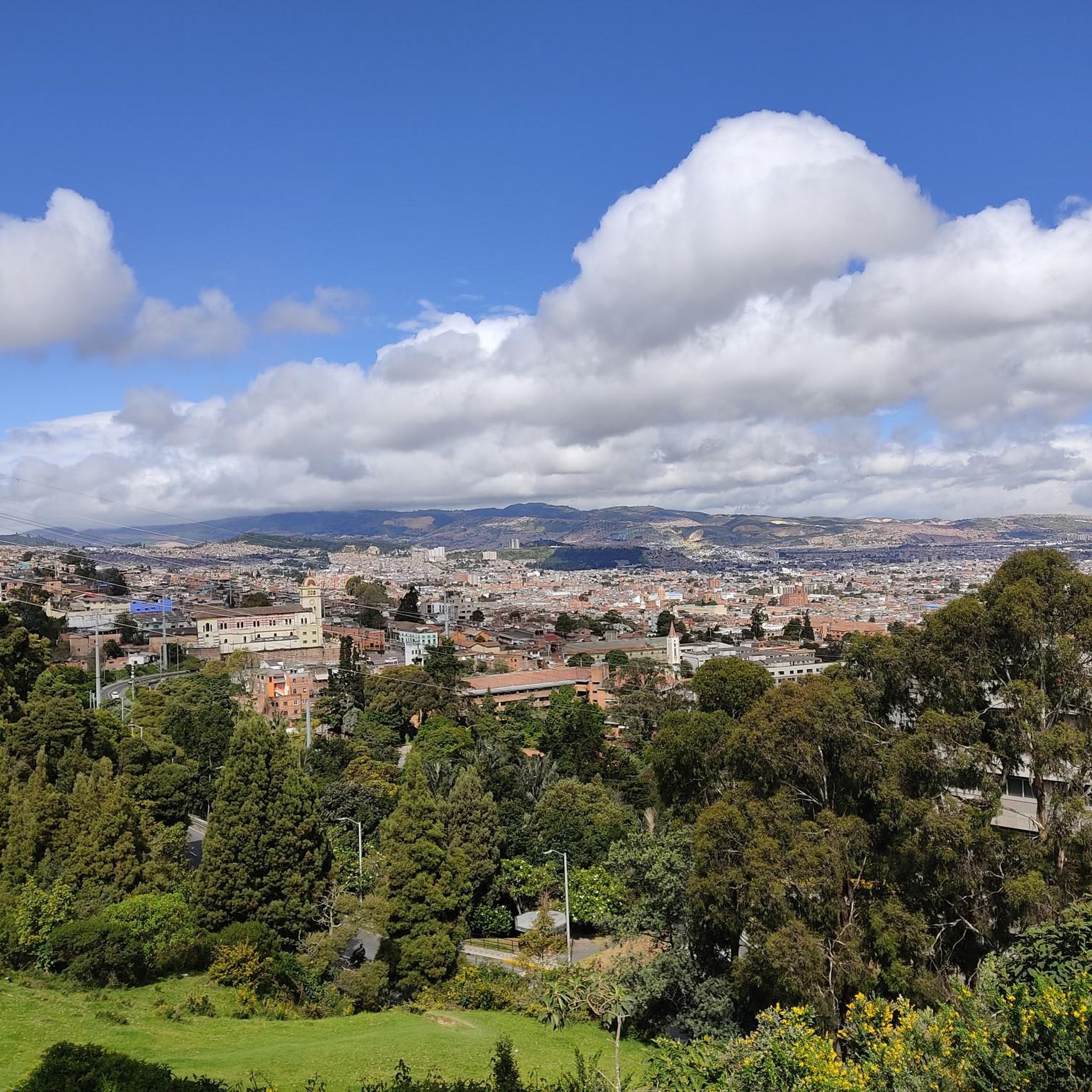
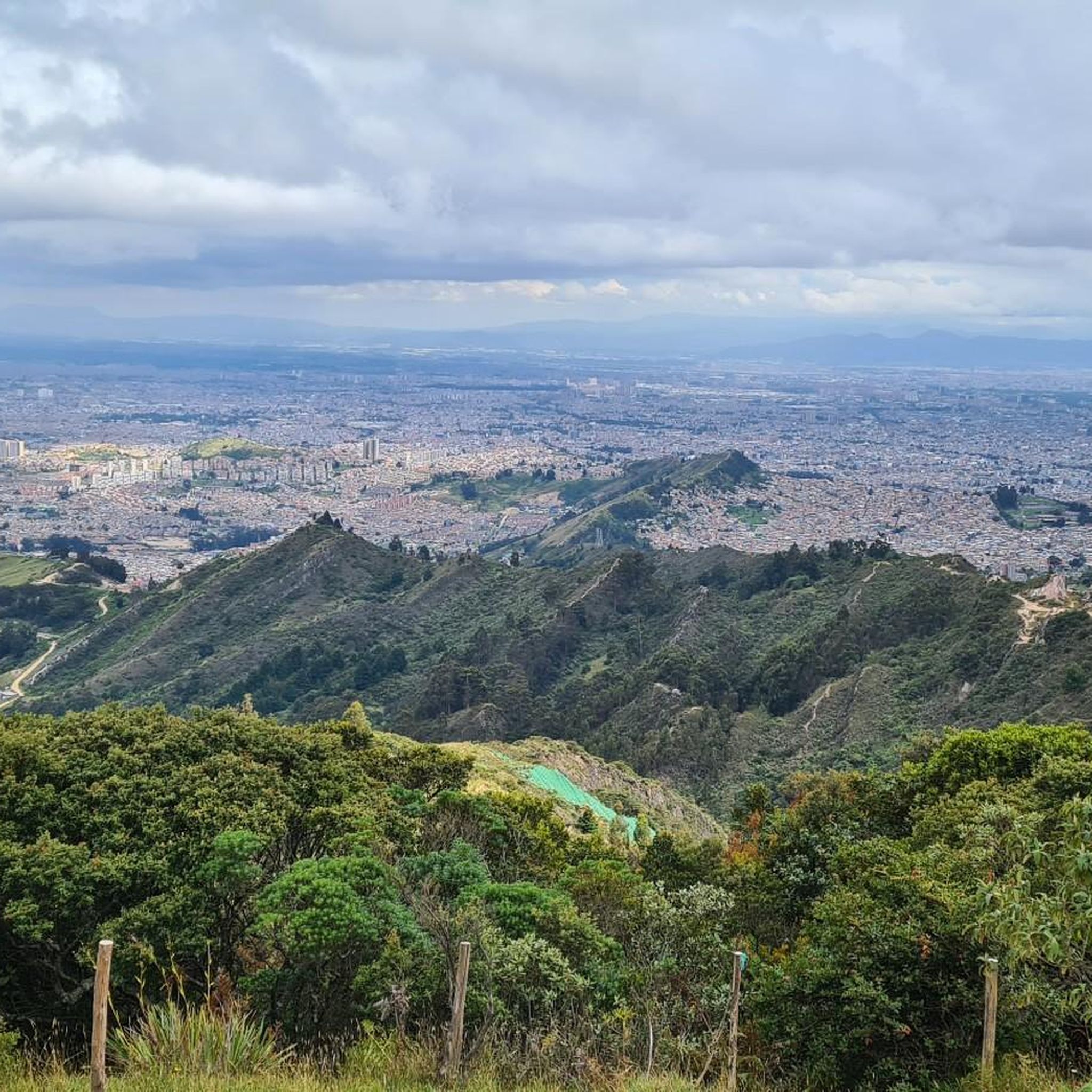
Absolutely. Monserrate Hill, right in the city center, offers unparalleled panoramic views of Bogotá and its surroundings. Many natural monuments, including Chisacá Lagoon and La Regadera Reservoir, are also noted for their scenic viewpoints. The Eastern Hills also provide excellent spots for city views.
Are there any natural monuments that are considered sacred or culturally significant?
Yes, the Sumapaz Páramo, beyond its ecological importance as the largest páramo in the world, is also recognized as a sacred area by ancestral indigenous communities. This adds a layer of cultural significance to its natural beauty, making it a place of deep respect and spiritual connection.
What are the options for parking or public transport to reach these natural monuments?
Access varies by location. For urban sites like the Bogotá Botanical Garden, public transport is readily available. For Monserrate Hill, you can hike, or use a cable car or funicular. For more remote natural parks like Chingaza or Sumapaz, private transport is often necessary, and specific parking arrangements or permits might be required. It's advisable to check specific access details for each destination in advance.
Most popular routes in Bogotá D.C.
Most popular attractions in Bogotá D.C.

Get inspired with the komoot mobile app


Explore more
Extend your search for the best caves by checking out these guides of the top ones in Bogotá D.C.:
