Top 20 Natural Monuments around Eglwysbach
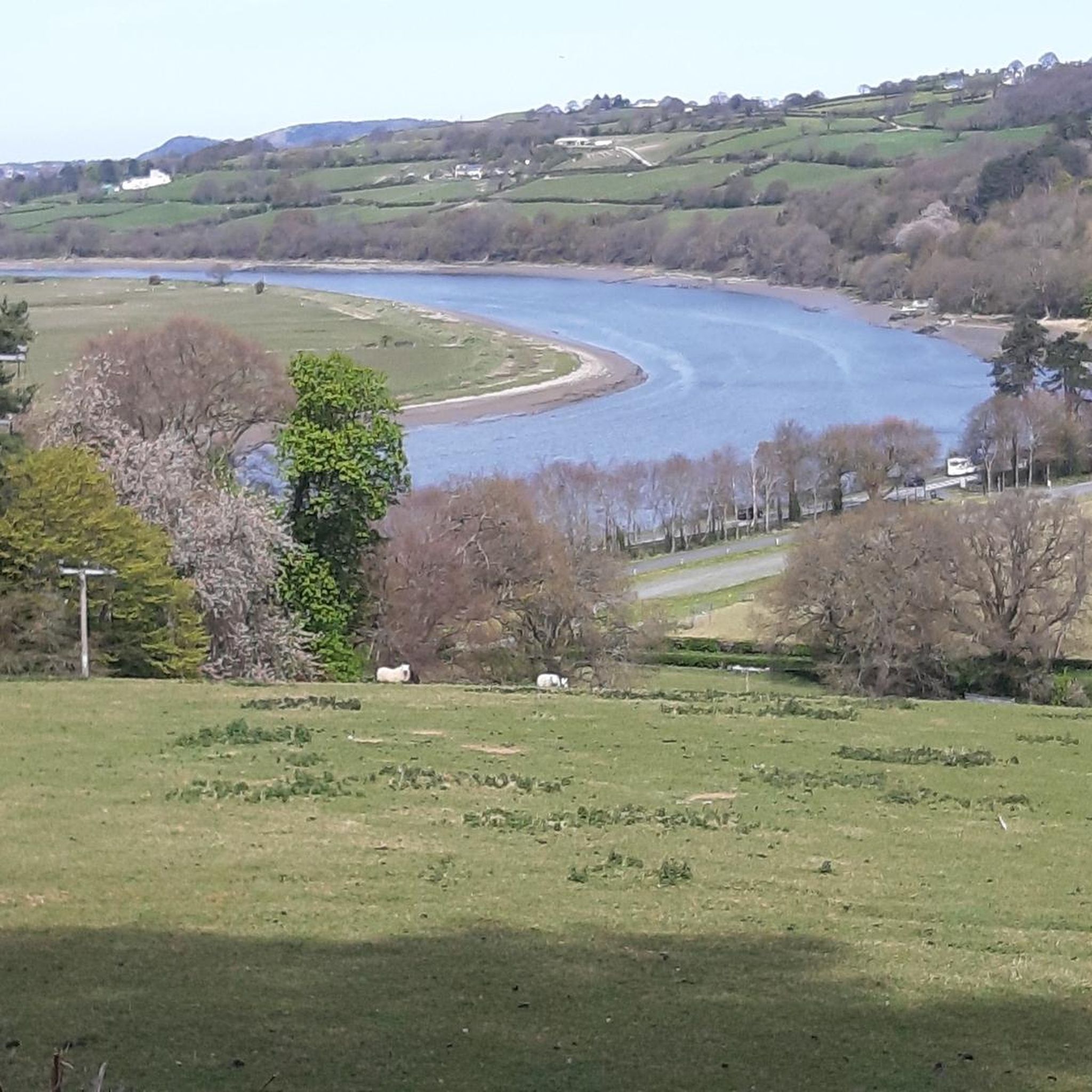
Best natural monuments around Eglwysbach are found within a landscape rich in natural beauty in the Conwy county borough of Wales. The village is situated in a fertile valley, with the River Conwy forming its western boundary, surrounded by hilly terrain. This setting provides access to impressive geological formations, diverse scenery, and tranquil environments. The area offers varied natural features, from dramatic waterfalls to serene lakes and mountain summits.
Best natural monuments around Eglwysbach
- The most popular natural monuments is…
Last updated: May 19, 2026
Foel Fras summit
Highlight • Viewpoint
Tip by

Swallow Falls
Highlight • Waterfall
Translated by Google •
Tip by

Sign up now to discover places like this
Get recommendations on the best single tracks, peaks, & plenty of other exciting outdoor places.
Sign up for free
Llyn Crafnant
Highlight • Viewpoint
Tip by

Drum Summit
Highlight • Viewpoint
Tip by

Caer Seion Hillfort
Highlight • Historical Site
Tip by

Sign up for free to discover even more natural monuments around Eglwysbach.
Sign up for free
Already have an account?
Start today with a free account
Your next adventure awaits.
Login or Signup

Tips from the Community


The view from the front is also very impressive! 👍🏻
0
0
Here the water flows calmly, just before it thunders through the rocks! 😊
0
0
Up close, very impressive! And only a few people on this side.
0
0

Swallow Falls is one of the highest continuous waterfalls in Wales. It comprises a series of beautiful cascades on the River Llugwy, approximately one mile east of Betws y Coed, on the way to Capel Curig and just off the A5. The falls are surrounded by lush woodland. Swallow Falls is a breathtaking natural wonder that attracts thousands of visitors each year. Visitors can view the falls from a viewing platform. The viewing platform is open all year round and admission costs £2 (cash or credit card).
10
0

Approaching from the north it is a slog on the bike but nothing technical. With the right gearing and fitness it's all rideable if you're happy to take your time and plod.
0
0

This is a serene lake located in the Conwy Valley surrounded by forested hills and the rugged landscape of Snowdonia. There's a cafe and fishery further south along the lake which is a lovely place to stop and refuel.
2
0

In the second period a smaller and stronger fort was constructed at the west end of the hill. The older fort appears to have still been occupied but there was no access between the two. The smaller fort had somewhat wider walls and a strong gateway protected by bastions on either side and probably a ‘fighting tower’. Comparison with similar forts suggests that the wall would have been about 3 to 4m high with a walkway and breastwork wall on top. The defences were further reinforced by the addition of deep ditches at the east, north-east, west and south-west (E). The entrance was also protected by an ‘outwork’ – an outer wall that made rapid, approach to the entrance impossible and exposed any attackers to missiles from the defenders on the overlooking inner walls. The entrance through this outwork was later blocked. The excavations carried out in 1951 found a hearth inside one house in the small fort as well as spindle whorls (for spinning wool) and a quern (for grinding corn). In the large fort the house next to the entrance contained over 400 sling stones, so perhaps was a ‘guard chamber’. It may be that the small fort was built during the period between the first Roman attack on north Wales in 60AD and the final conquest in 78 AD. The absence of Roman period finds from the fort suggested that it was not occupied after the Roman conquest, and so it may have been destroyed and deserted. However, there is a tradition linking the fort with Maelgwn Gwynedd in the 6th century and it has been suggested that the small fort belongs to that period. Outside the fort are some remains of stone-walled roundhouses that may have been occupied at the same time as the fort or during the Roman period. One lies in a slight level hollow at the north side of the North Wales Path just east of the path up to the fort. It consists of one large roundhouse and probably several other smaller buildings. The other lies on a terrace on the slope below the south-east angle of the fort and consists of just a single large roundhouse.
0
0
Frequently Asked Questions
What are some of the most notable natural monuments to visit around Eglwysbach?
The area around Eglwysbach offers several impressive natural monuments. Among the most popular are Swallow Falls, a dramatic series of cascades on the River Llugwy, and Llyn Crafnant, a serene lake nestled in the Conwy Valley. For those seeking panoramic views, Foel Fras summit offers extensive vistas towards the coast and Conwy Estuary.
Are there any family-friendly natural monuments near Eglwysbach?
Yes, several natural monuments are suitable for families. Swallow Falls is family-friendly, offering a viewing platform to admire the waterfalls. Llyn Crafnant also features accessible paths around its perimeter, making it a pleasant option for walks with children.
What kind of natural features can I expect to see around Eglwysbach?
The region around Eglwysbach is rich in diverse natural features. You can explore dramatic waterfalls like Swallow Falls and Parc Mawr Waterfalls, serene lakes such as Llyn Crafnant, and prominent mountain summits like Foel Fras summit and Drum Summit, offering extensive views and rugged landscapes.
What is the best time to visit the natural monuments around Eglwysbach?
The natural monuments around Eglwysbach can be enjoyed year-round, with each season offering a different experience. Spring brings vibrant flora, summer provides lush greenery, autumn showcases rich colors, and winter offers a tranquil, often dramatic, landscape. For specific sites like Swallow Falls, the viewing platform is open all year.
Are there any historical sites among the natural monuments?
While primarily natural, some sites have historical significance. For instance, Drum Summit is categorized as a historical site in addition to being a natural monument, offering a blend of natural beauty and historical context within the Carneddau mountains.
What outdoor activities can I do near these natural monuments?
The area around Eglwysbach provides numerous outdoor activities. You can find various running trails, mountain biking routes, and gravel biking adventures. For detailed routes and guides, explore the Running Trails around Eglwysbach, MTB Trails around Eglwysbach, and Gravel biking around Eglwysbach guides.
Are there hiking trails near the natural monuments?
Yes, the natural monuments are often integrated into or accessible via hiking trails. For example, Llyn Crafnant has accessible paths around its perimeter. The area also offers local walks like the Hiraethlyn Walk, an easy circular route around Eglwysbach village, providing views of the valley and Carneddau mountains. You can find more hiking options in the various running and walking guides for the region.
What do visitors enjoy most about the natural monuments around Eglwysbach?
Visitors frequently praise the breathtaking views, such as those from Foel Fras summit and Drum Summit. The dramatic cascades of Swallow Falls are a popular highlight for their power and beauty, while the serene atmosphere and accessible paths of Llyn Crafnant are also highly appreciated.
Is there an admission fee for any of the natural monuments?
Yes, there is an admission fee for Swallow Falls. Visitors can view the falls from a dedicated platform, which costs £2 (cash or credit card) to enter. Other natural monuments like the summits and lakes generally do not have direct admission fees, though parking might incur a charge.
Are there any hidden gem waterfalls to discover?
Yes, Parc Mawr Waterfalls, also known as Rhaeadr y Parc Mawr, is considered a beautiful hidden gem located in Llanrwst. Access involves steep steps, so appropriate footwear is recommended, but it offers a secluded and picturesque experience.
What should I pack when visiting the natural monuments?
Given the varied terrain and potential for changing weather, it's advisable to pack appropriate footwear, especially for sites with steep or potentially slippery paths like Parc Mawr Waterfalls or boggy approaches to summits like Drum Summit. Layers of clothing are also recommended to adapt to weather conditions, particularly when visiting higher elevations.
Are there cafes or amenities near the natural monuments?
Yes, some natural monuments have amenities nearby. For instance, Llyn Crafnant has a cafe and fishery further south along the lake, providing a lovely place to stop and refuel. The village of Eglwysbach itself also offers local amenities.
Most popular attractions around Eglwysbach

Get inspired with the komoot mobile app


Explore more
Extend your search for the best caves by checking out these guides of the top ones around Eglwysbach:
