Top 20 Natural Monuments around São Teotónio
Best natural monuments São Teotónio are found within the Southwest Alentejo and Vicentine Coast Natural Park, a protected area known for its diverse landscapes. This region features dramatic coastal cliffs, pristine beaches, and unique ecosystems where river and sea waters mingle. The area offers a variety of natural landmarks and viewpoints, providing opportunities to experience its rich flora and fauna.
Best natural monuments around São Teotónio
- The most popular natural monuments is View of Praia de Odeceixe and Seixe River…
Last updated: June 29, 2026
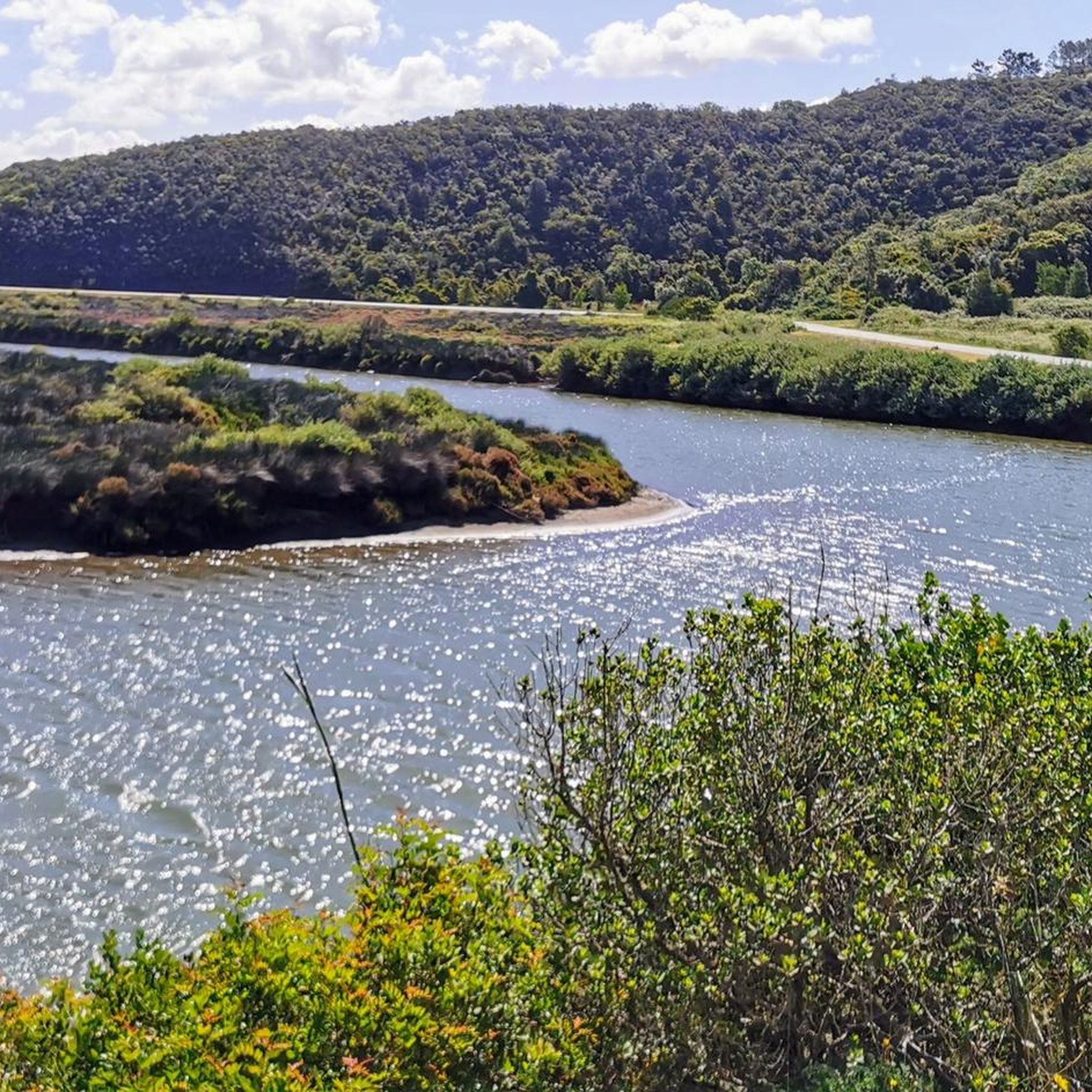
View of Praia de Odeceixe and Seixe River Mouth
Highlight (Segment) • Viewpoint
Tip by

Foia Summit
Highlight • Summit
Translated by Google •
Tip by

Sign up now to discover places like this
Get recommendations on the best single tracks, peaks, & plenty of other exciting outdoor places.
Sign up for free
Brejo Largo Beach
Highlight • Beach
Considered one of the most beautiful beaches.
Translated by Google •
Tip by

Cork oak grove in Monchique
Highlight • Forest
Translated by Google •
Tip by

Alvorião Beach
Highlight • Beach
Translated by Google •
Tip by

Sign up for free to discover even more natural monuments around São Teotónio.
Sign up for free
Already have an account?
Start today with a free account
Your next adventure awaits.
Login or Signup
Other adventures around São Teotónio

Tips from the Community

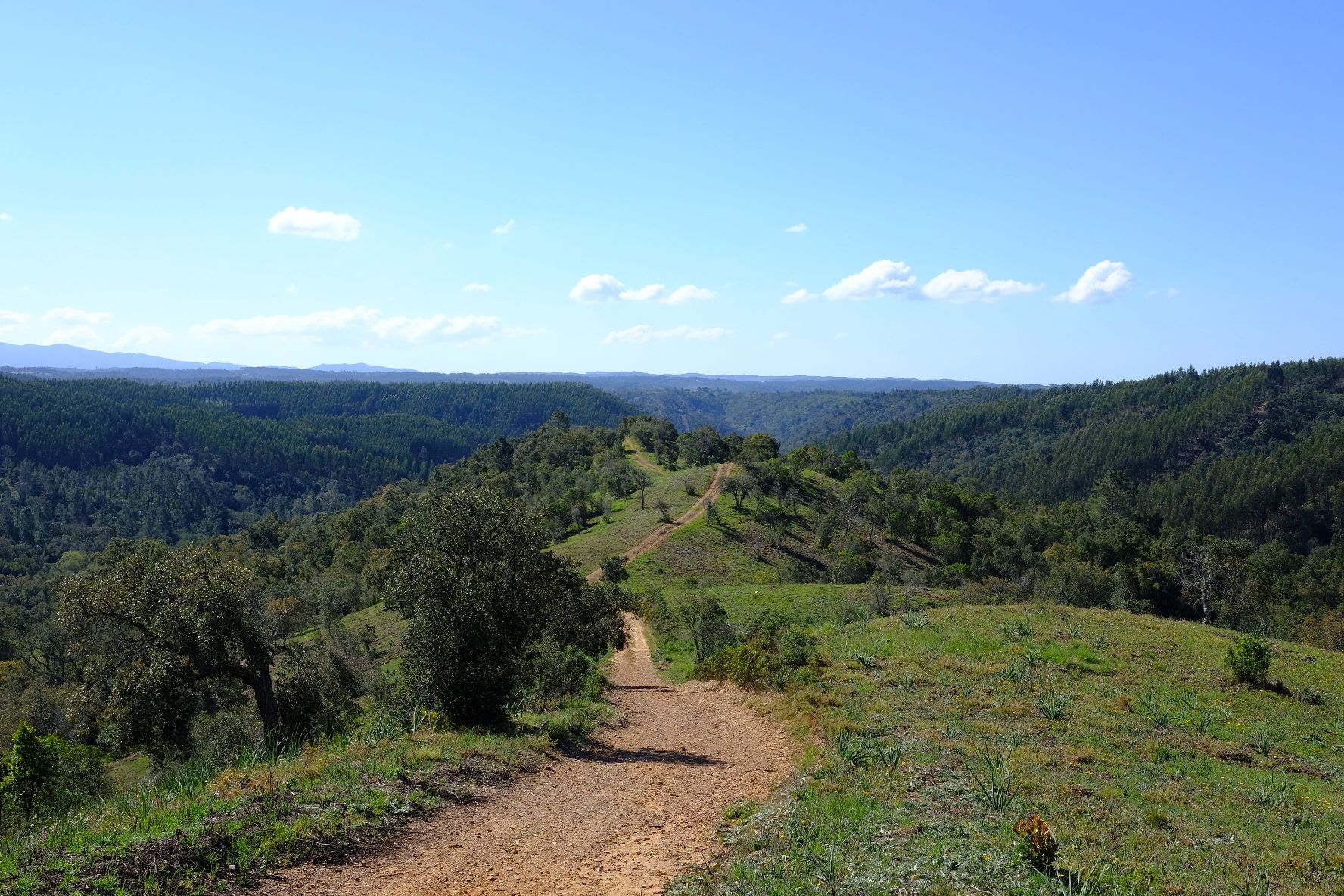
At the top of the Monchique mountain range rises Foia, the highest point in the Algarve, at 902 meters altitude. Its antennas mark the summit where the sky seems closest and, on clear days, the view reaches the Atlantic. Up here, the wind blows freely and the view is simply unforgettable.
2
0

The north access via the stairs works well. The middle exit via stairs and rope was destroyed in the lower section by mud and landslide on September 13, 2025. It was impossible for us to ascend. Due to a lack of accessible alternatives, we returned via the north entrance and continued south along the signposted cliff path above.
0
0


In the Algarve, especially around Monchique, cork oaks (Quercus suber), a tree species typical of southern Portugal, grow in abundance. These trees are important to the Portuguese economy because their bark can be harvested every nine years to make cork – Portugal is the world's largest producer. Cork oak forests also form a valuable ecosystem that contributes to biodiversity and soil conservation. You can often recognize old trees by their bare, reddish-brown trunks with a date inscribed on them.
8
0

Beautiful hiking trail along the coast, just gorgeous, like the entire Fisherman's Path. Always amazing views of pretty rocks and stork nests
2
0

Very nice place with great views
1
0

One of the most beautiful paths I have ever walked
2
1
Beautiful, endless beach, framed by rocks on both sides
1
3
Frequently Asked Questions
What unique natural features can I explore around São Teotónio?
The region around São Teotónio is part of the Southwest Alentejo and Vicentine Coast Natural Park, known for its diverse landscapes. You can explore dramatic coastal cliffs, pristine beaches, and unique ecosystems where river and sea waters mingle. A particularly unique sight is the Stork Nests on Coastal Cliffs, where white storks build their nests directly on sea cliffs, a phenomenon rare globally.
Are there good hiking opportunities near the natural monuments?
Yes, the region offers extensive hiking opportunities, particularly along the Rota Vicentina. This network of trails, including the Fishermen's Trail and Historical Way, allows you to experience diverse landscapes from coastal paths to inland forests. For example, you can find moderate trails like the "Odeceixe-ao-Mar — circular route on the Costa Vicentina" which is over 15 km long.
What are some of the most scenic viewpoints in the area?
For breathtaking views, visit the View of Praia de Odeceixe and Seixe River Mouth, which offers stunning perspectives over the bay and the river's confluence with the Atlantic. Another spectacular spot is Foia Summit, the highest point in the Algarve, providing panoramic views that can reach the Atlantic Ocean on clear days.
Are there any family-friendly natural monuments or activities?
Yes, several natural monuments are suitable for families. The Cork oak grove in Monchique offers an interesting and educational experience for all ages. Many of the beaches, such as those near Almograve or Zambujeira do Mar, provide safe and enjoyable environments for families to relax and play, though some coastal paths might be more challenging for very young children.
When is the best time to visit the natural monuments around São Teotónio?
The best time to visit is generally during spring (mid-May) when the weather is comfortably warm and wildflowers are in full bloom, especially along coastal trails. Autumn also offers pleasant temperatures for hiking. Summers can be hot, while winters are milder but may bring more rain.
Can I find beaches with wild and secluded characteristics?
Absolutely. The coastline near São Teotónio, within the Natural Park, is renowned for its wild and often secluded beaches. Locations like Praia de Almograve and Brejo Largo Beach offer stunning golden sands backed by impressive cliffs, often less crowded than other parts of the Algarve. These are ideal for those seeking natural beauty and tranquility.
What kind of water activities are available in the area?
Beyond swimming and surfing at the beaches, the Mira River Estuary, which meets the Atlantic at Vila Nova de Milfontes, offers opportunities for various water activities like canoeing, sailing, and rowing. Its preserved nature provides a serene setting distinct from the rugged coastline.
Are there cycling routes near the natural monuments?
Yes, the area around São Teotónio is well-suited for cycling. You can find various routes, including moderate touring bicycle trails like the "Zambujeira Atlantic Coast – Zambujeira do Mar Beach loop from São Teotónio" which covers over 26 km. For more options, explore the Cycling around São Teotónio guide.
What is the significance of the Southwest Alentejo and Vicentine Coast Natural Park?
The Southwest Alentejo and Vicentine Coast Natural Park is one of Europe's best-preserved coastal areas. It protects a significant portion of the Portuguese coastline, boasting diverse flora and fauna, dramatic cliffs, and pristine beaches. While specific 'Natural Monuments' are few, the entire park is considered a natural treasure, offering profound experiences for visitors.
Are there any specific tips for visiting the natural monuments?
When visiting coastal areas like Cabo Sardão or the beaches, be mindful of the rugged terrain and strong currents. For hiking, especially on the Rota Vicentina, be prepared for walking on sand, which can make distances feel longer. Always protect nature and observe wildlife, such as the storks nesting on cliffs, from a respectful distance. Consider visiting in May to see the storks breeding.
Where can I find cafes or refreshments near these natural sites?
While many natural sites are remote, you'll find cafes and restaurants in nearby villages and towns such as Odeceixe, Zambujeira do Mar, and Vila Nova de Milfontes. These locations often serve as starting or ending points for trails and offer amenities for visitors.
What is the terrain like for hiking near São Teotónio's natural monuments?
The terrain varies significantly. Coastal trails, particularly parts of the Fishermen's Trail, often involve walking along dunes and cliffs, which can include sandy paths and some elevation changes. Inland routes, like those on the Historical Way or around Monchique, may traverse agricultural fields, pine forests, and more mountainous areas, such as the climb to Foia Summit.
Most popular routes around São Teotónio
Most popular attractions around São Teotónio

Get inspired with the komoot mobile app


Explore more
Extend your search for the best caves by checking out these guides of the top ones around São Teotónio:
