Top 20 Natural Monuments around gmina Zagórz
Best natural monuments around gmina Zagórz include 16 officially recognized sites, with 13 being notable trees. The region features significant forest cover, predominantly fir, beech, pine, and spruce, and is home to diverse wildlife such as bears, European bison, lynxes, and wolves. The landscape is characterized by natural grandeur, including impressive trees and unique geological formations. These natural features contribute to the area's appeal for outdoor exploration.
Best natural monuments around gmina Zagórz
- The most popular natural monuments is Kamień…
Last updated: May 17, 2026
Old Railway Viaduct over the Osława Rapids
Highlight • Bridge
Translated by Google •
Tip by

Kamień Leski
Highlight • Natural Monument
This one of the most recognizable natural peculiarities of the region is located at the beginning of the village of Glinne, on the route …
Translated by Google •
Tip by
Sign up now to discover places like this
Get recommendations on the best single tracks, peaks, & plenty of other exciting outdoor places.
Sign up for free
Miraculous Spring in Zwierzyń
Highlight • Natural Monument
Translated by Google •
Tip by
Viewpoint
Highlight • Viewpoint
Translated by Google •
Tip by

Eagle Rock
Highlight • Natural Monument
Translated by Google •
Tip by
Sign up for free to discover even more natural monuments around gmina Zagórz.
Sign up for free
Already have an account?
Start today with a free account
Your next adventure awaits.
Login or Signup

Tips from the Community

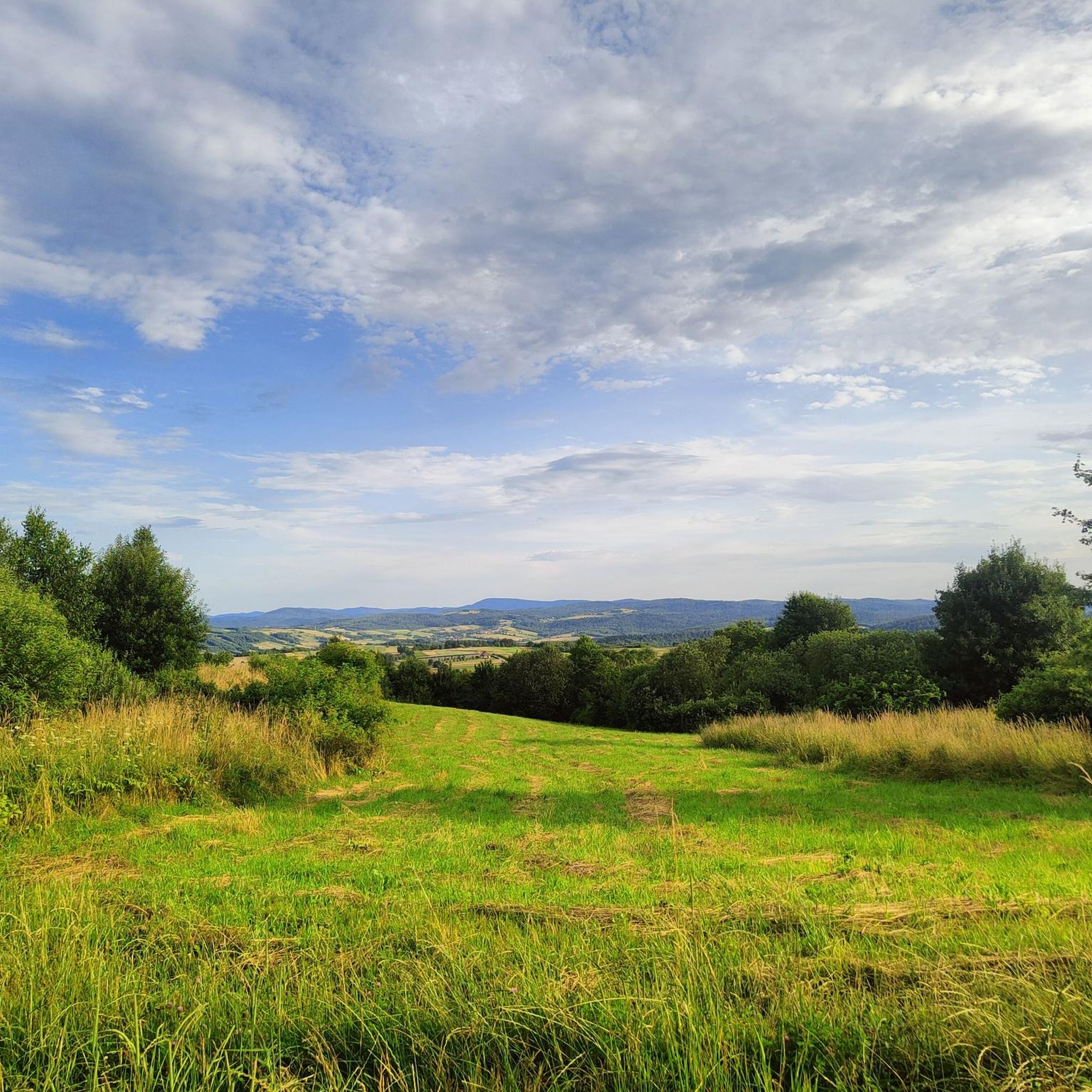
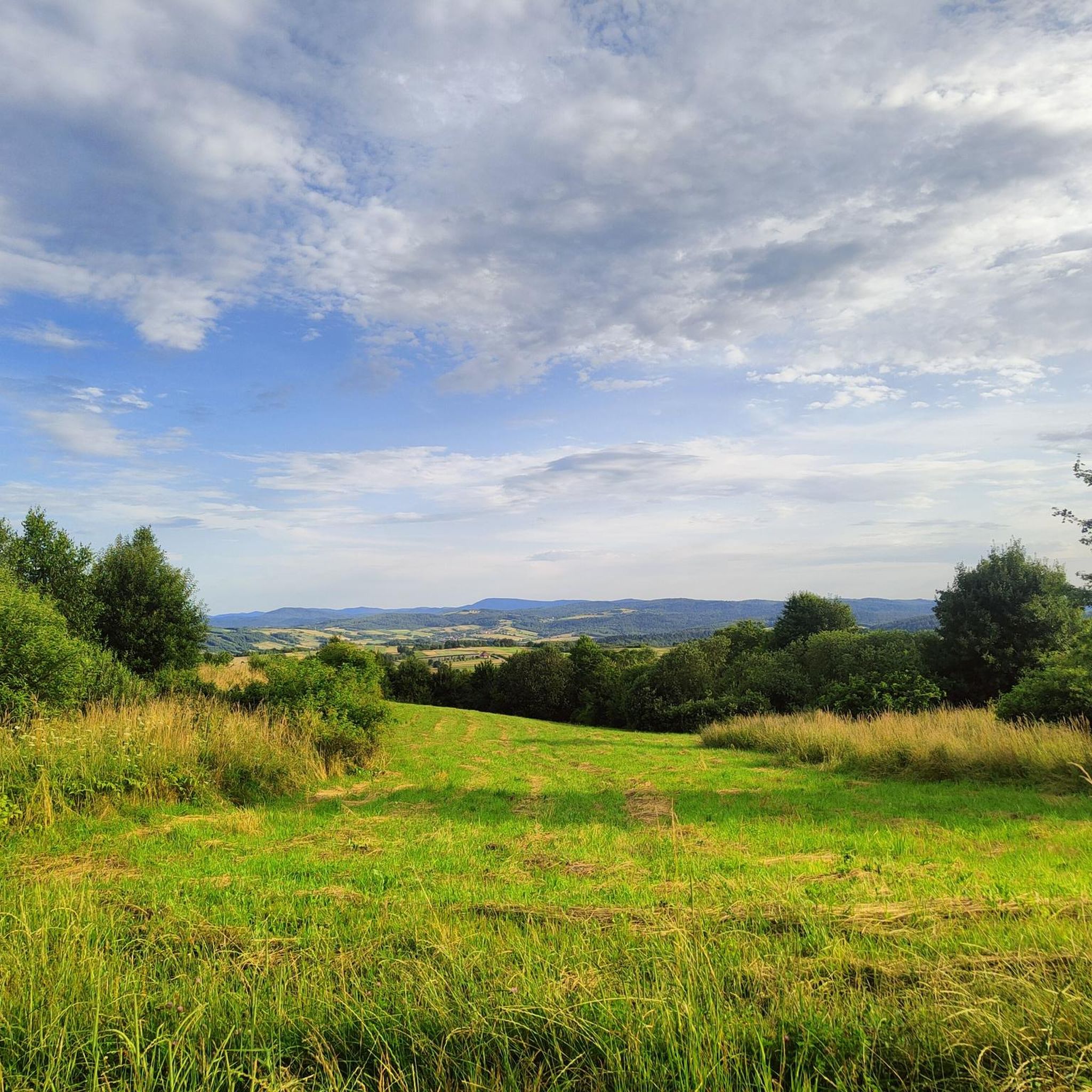
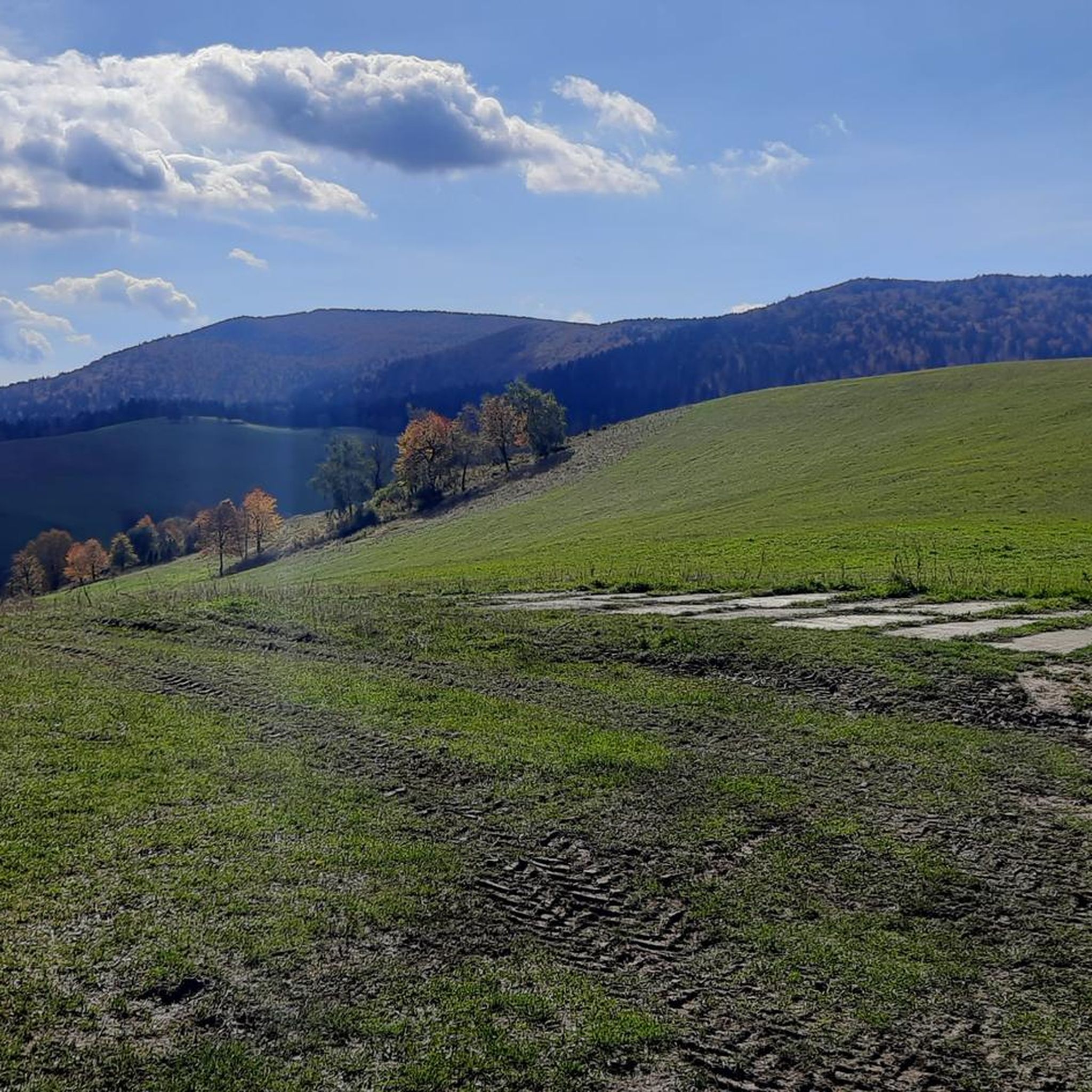
Orli Kamień (514 m) is the farthest mountain massif in the Sanocko-Turczańskie Mountains. In the surroundings we can admire inselberg rocks. Entrance from Sanok along the yellow trail (from the south) or red trail (from the west). The trails are popular with runners, cyclists and hikers.
0
0
Orli Kamień (514 m) is the farthest mountain massif in the Sanocko-Turczańskie Mountains. In the surroundings we can admire inselberg rocks. Entrance from Sanok along the yellow trail (from the south) or red trail (from the west).
2
0
One of the most spectacular places in the Słonne Mountains near Sanok. Worth a visit, especially in good weather - then we can admire a beautiful view of Sanok and the surrounding area. Between the viewpoint and the Eagle Stone there is a tourist shelter - comfortable and well-maintained.
2
0

I captured the charm of this place in the video below: https://youtu.be/JqqRCnqr_2g?si=XGBA_DUxGnUnZ6Wn
0
0
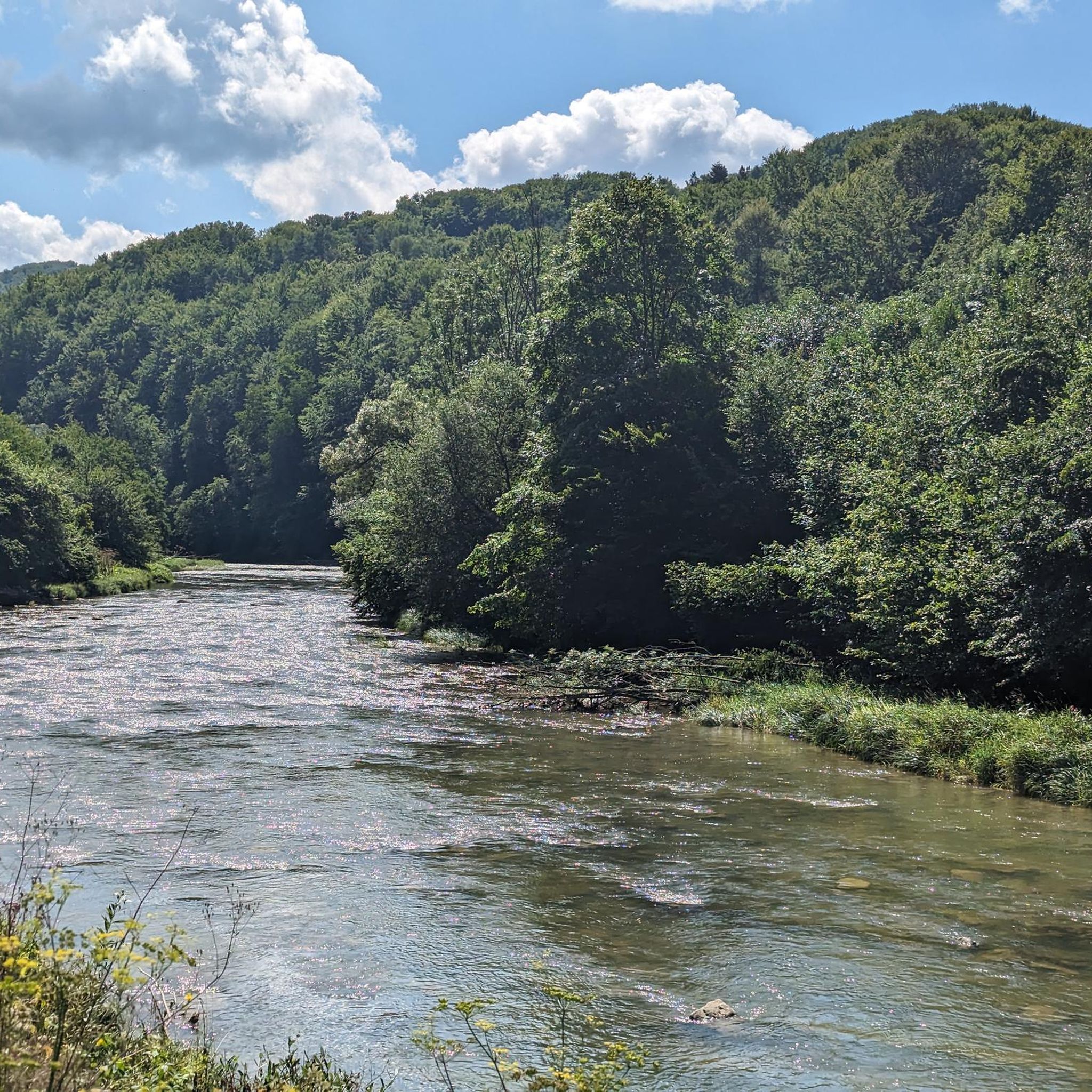
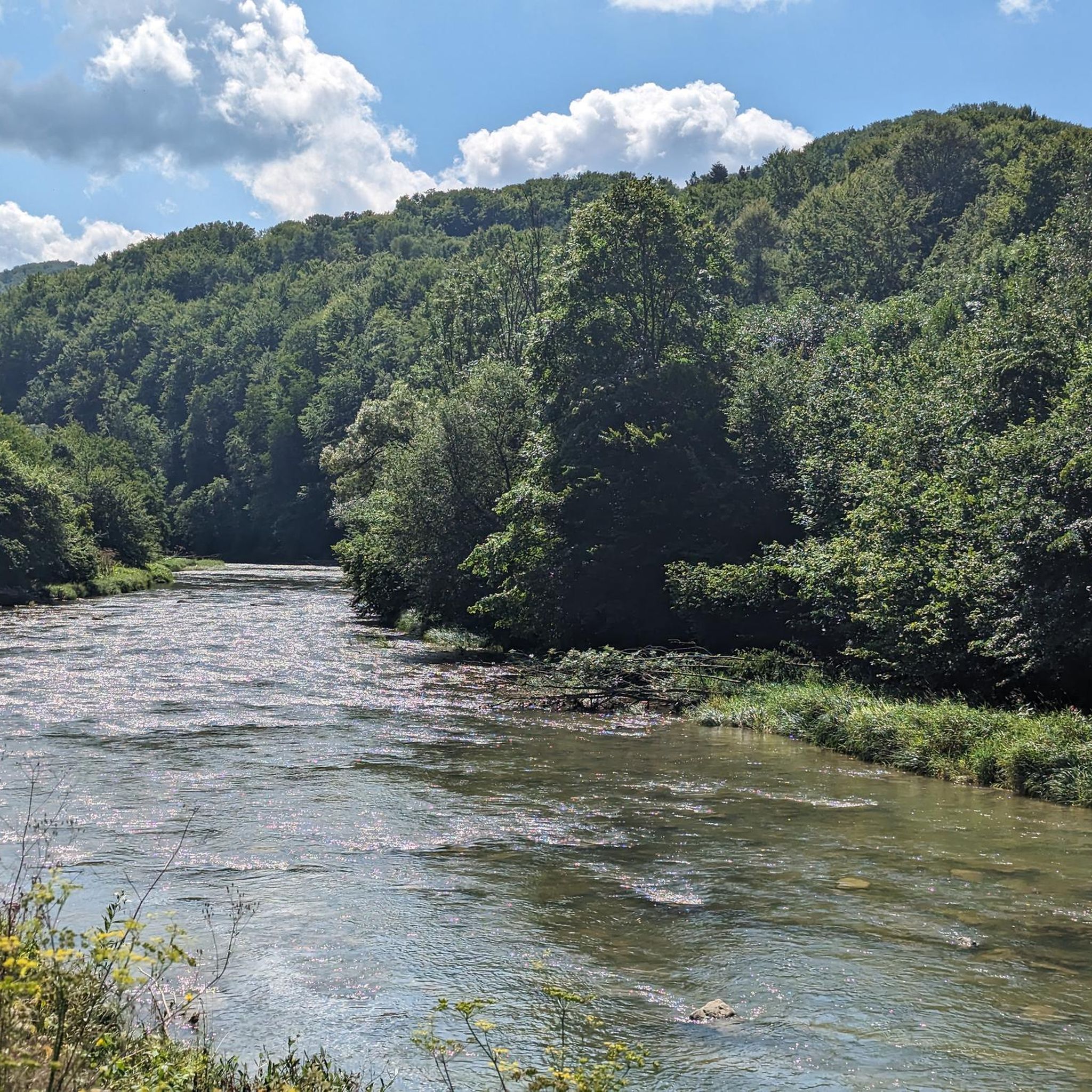
To visit the cascade on Osława and see the beautiful arched reinforced concrete viaduct up close, you need to cross the barrier by the road and go about 400 m along the tracks of the closed narrow-gauge railway. Most of this section can be covered by bicycle riding on the left side of the track with caution, because it is narrow and the viaduct is in poor technical condition. The barriers are bent, rebars protrude from the structure in places and you have to be careful of your legs and bicycles. I absolutely advise against visiting at night! You can leave your bicycles on the viaduct and go down the steep wooden stairs to the Osława riverbed and walk a bit through the forest. This will allow you to see the structure of the viaduct from the bottom and the river bed, noiselessly overcoming large boulders. In this place, in the summer, some people lie on the beach, spreading blankets on the stones, and in the event of excessive heat, you can shelter from the sun under the trees. The Osława creates a meander around the ridge of the mountain, similarly to the San near Zwierzyń, where the fall of the river was used to build the Myczkowce hydroelectric power plant. Here in Osława there was also such an idea, but the investment did not come to fruition and the place retained its natural charm, which confirms the status of a nature reserve.
1
0

Beautiful river rapids, great view.
0
0
How to get to Kamień Leski This one of the most recognizable natural peculiarities of the region is located at the beginning of the village of Glinne, on the route from Lesko to Ustrzyki Dolne, approximately 5 km from Lesko. You can also get here along the green trail from Lesko (Lesko - Krysowa), or from Zwierzyń through Czulnia and the Baszta bicycle path. The place is marked, there is a small parking lot next to it. Kamień Leski (approx. 410-420 m above sea level) - is an extremely original monument of inanimate nature built of Krosno sandstone. It owes its bizarre shape to nature (erosive atmospheric influences) and the inhabitants of the surrounding area. In the 19th century, stone was mined at its foot. Two deep gaps with a vertical rock wall from the side of Glinne are still visible after the former quarry. Today, overgrown with a young forest, they add a special charm to this corner. Source and more: https://www.twojebieszczady.net/warto/kleski.php
0
0
The history of the miraculous spring in Zwierzyń, which was the destination of numerous pilgrimages even before the war, is associated with a mysterious cross located in the local church. He came from the French Limoges, located in the Limousin region, hence this type of cross was called Limousine. At the same time, however, the term limousine enamels meant a special technique of enamelling, characteristic of this region. The cross was made in the first half of the 19th century. It is not known how he got to Zwierzynie in the 13th century. (...) In 1922, the cross was examined by an art historian and identified as a Limoges procession cross. Immediately - as an exceptionally valuable monument - it went to Przemyśl, where it is now in the Archdiocesan Museum. (...) After the inhabitants were displaced, the pilgrimage tradition ceased, but since 1994 the splendor of this place has been restored. (...) https://gorybezgranic.pttk.pl/408-gory-bez-granic-cudowne-zrodelko-w-zwierzyniu
0
1
Frequently Asked Questions
What are the most popular natural monuments to visit in gmina Zagórz?
Among the most popular natural monuments in gmina Zagórz are Kamień Leski, a unique sandstone formation shaped by erosion and historical quarrying, and Eagle Rock, which is the farthest mountain massif in the Sanocko-Turczańskie Mountains and features distinctive inselberg rocks. Visitors also highly appreciate the Old Railway Viaduct over the Osława Rapids, known for its captivating river meander and scenic riverbanks.
Are there any family-friendly natural monuments in gmina Zagórz?
Yes, the Miraculous Spring in Zwierzyń is considered family-friendly. It's a site with historical and religious significance, offering a peaceful atmosphere for visitors of all ages.
What kind of natural features can I expect to see in gmina Zagórz?
Gmina Zagórz is rich in diverse natural features. You'll find significant forest cover with fir, beech, pine, and spruce trees, unique rock formations like Kamień Leski and the inselberg rocks at Eagle Rock, and scenic river features such as the captivating meander of the Osława River near the Old Railway Viaduct. The region is also home to impressive ancient trees, including the 'Szumny' pedunculate oak, the largest in the Bieszczady Mountains.
What wildlife might I encounter near the natural monuments in gmina Zagórz?
The forests and natural areas around gmina Zagórz are home to diverse wildlife. Visitors might encounter bears, European bison, lynxes, and wolves, reflecting the rich biodiversity of the region.
Are there any historical sites connected to the natural landscape in gmina Zagórz?
Yes, the Old Railway Viaduct over the Osława Rapids offers a unique blend of natural beauty and historical infrastructure. While the viaduct itself is historical, the surrounding Osława River forms a captivating meander, and the riverbanks are considered for nature reserve status. Additionally, the ruins of the Discalced Carmelite Monastery, though a historical structure, are perched on a scenic hill largely encircled by the Osława River, offering panoramic views of the natural surroundings.
What outdoor activities can I do near the natural monuments in gmina Zagórz?
The area around gmina Zagórz offers various outdoor activities. You can explore numerous hiking trails, including the 'Sanok - Orli Kamień Loop' or 'The Good Soldier Švejk Trail'. For cycling enthusiasts, there are MTB trails like the 'Eagle Rock – Orthodox church loop from Sanok Miasto'. You can find more details on these activities and routes in the hiking guide, MTB trails guide, and running trails guide for gmina Zagórz.
Where can I find the largest oak tree in the Bieszczady Mountains?
The largest oak in the Bieszczady Mountains is the magnificent 'Szumny' pedunculate oak (Quercus robur), located in Kalnica. It boasts an impressive trunk circumference of 887 cm, making it a truly remarkable natural monument.
Is there parking available for natural monuments like Kamień Leski?
Yes, for Kamień Leski, there is a small marked parking lot conveniently located next to the site, at the beginning of the village of Glinne.
Can I access the riverbed near the Old Railway Viaduct?
Yes, visitors can venture down to the Osława riverbed near the Old Railway Viaduct over the Osława Rapids. There are steep wooden stairs leading down, allowing you to admire the viaduct's structure from below and enjoy the river. During warmer months, the riverbanks are a popular spot for sunbathing and relaxation.
What is the best time to visit the natural monuments in gmina Zagórz?
The warmer months are ideal for visiting, especially if you wish to enjoy activities like sunbathing by the Osława River or swimming. The natural charm of the area, with its lush forests and scenic river, is particularly appealing during spring, summer, and early autumn.
Are there any viewpoints offering panoramic vistas of the natural surroundings?
Yes, the area offers several excellent viewpoints. The Viewpoint near Sanok in the Słonne Mountains provides spectacular views of Sanok and the surrounding area. Additionally, the ruins of the Discalced Carmelite Monastery, though a historical site, feature a 22-meter-high viewing terrace with panoramic vistas of the surrounding nature, largely encircled by the Osława River.
What makes Kamień Leski a unique natural monument?
Kamień Leski is an extremely original monument of inanimate nature, built of Krosno sandstone. Its bizarre shape is a result of natural erosion and historical quarrying in the 19th century, which left two deep gaps and a vertical rock wall. Today, these features, overgrown with young forest, add to its unique charm.
Most popular routes around gmina Zagórz
Most popular attractions around gmina Zagórz

Get inspired with the komoot mobile app


Explore more
Extend your search for the best caves by checking out these guides of the top ones around gmina Zagórz:
