Marjory Stoneman Douglas Wilderness
Marjory Stoneman Douglas Wilderness
Top 4 Natural Monuments in Marjory Stoneman Douglas Wilderness
Best natural monuments in Marjory Stoneman Douglas Wilderness are found within the largest subtropical wilderness in the United States, encompassing nearly 1.3 million acres within Everglades National Park. This vast landscape features an intricate collection of unique natural features and diverse ecosystems. It is recognized globally as an International Biosphere Reserve, a World Heritage Site, and a Ramsar Wetland of International Importance. The area is characterized by its "River of Grass," diverse habitats like sawgrass prairies and mangrove forests, and…
Last updated: October 15, 2026
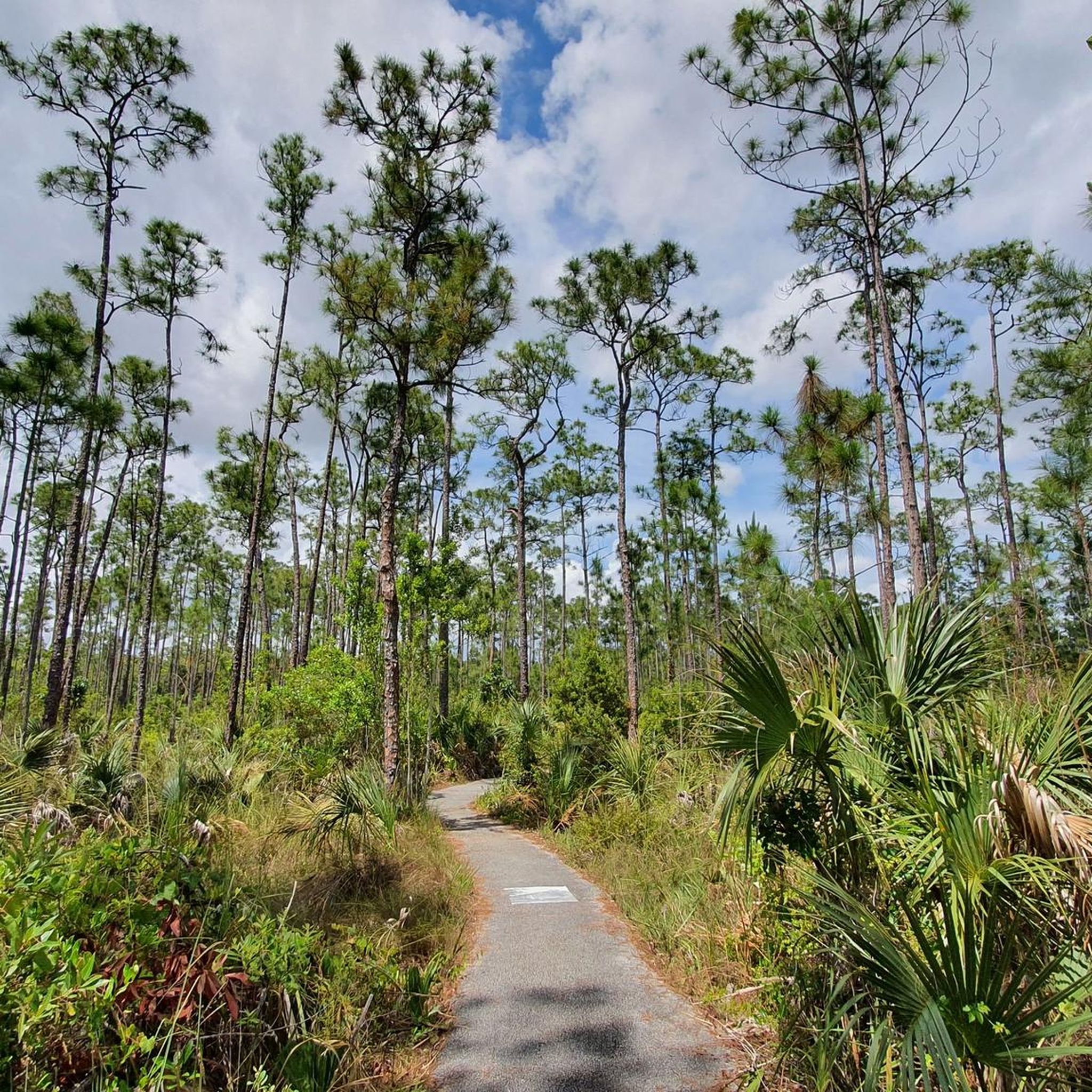
Pinelands Trail, Everglades National Park
Highlight • Trail
Translated by Google •
Tip by

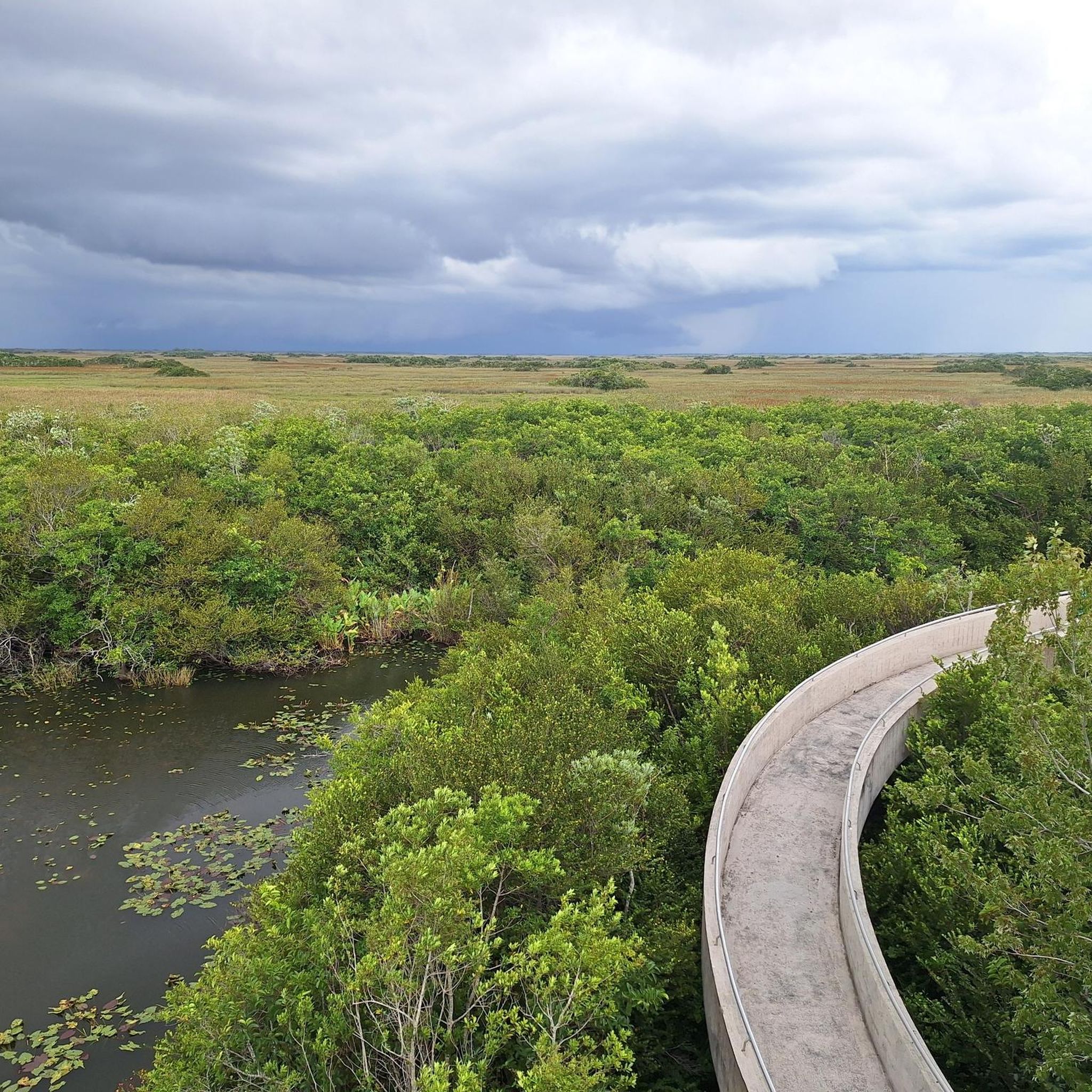
Shark Valley Observation Tower
Highlight • Viewpoint
Tip by

Sign up now to discover places like this
Get recommendations on the best single tracks, peaks, & plenty of other exciting outdoor places.
Mahogany Hammock Trail
Highlight • Trail
Tip by

Rock Reef Pass Boardwalk
Highlight • Trail
Tip by
Start today with a free account
Your next adventure awaits.


Other adventures in Marjory Stoneman Douglas Wilderness

Tips from the Community

A short, beautiful wooden boardwalk through the trees.
2
1

Very beautiful area
3
0

A Great View above the Everglades - 22 Miles in the middle of Nowhere Beautiful view above the Everglades - 22 miles in the middle of nature
1
0


Very short boardwalk at Rock Reef Pass, which leads over almost open water. Outside the skeleton trees.
4
0

This trail leads to the observation deck of the Shark Valley Observation Tower, the highest accessible point in all of Everglades National Park. Climb to the top and enjoy the panoramic views of the Everglades for miles.
1
0
Frequently Asked Questions
What unique natural features define the Marjory Stoneman Douglas Wilderness?
The wilderness is characterized by its iconic "River of Grass," a shallow, slow-moving body of water that sustains a rich tapestry of life. You'll also find a mosaic of diverse ecosystems, including sawgrass prairies, rare pine rocklands, and vital mangrove forests. The area also features unique geological formations like solution holes, which can be observed on trails such as the Pinelands Trail, Everglades National Park.
What kind of wildlife can I expect to see in the Marjory Stoneman Douglas Wilderness?
This wilderness is a critical refuge for abundant and diverse wildlife. Visitors often spot alligators, flamingos, roseate spoonbills, egrets, herons, and pelicans. It's also home to threatened and endangered species like the Florida panther, manatee, and American crocodile, offering unparalleled opportunities for wildlife viewing.
Are there family-friendly natural monuments or trails in the area?
Yes, several natural monuments are suitable for families. The Pinelands Trail, Everglades National Park, is a short, easy stroll through typical Floridian vegetation, perfect for all ages. Another great option is the Mahogany Hammock Trail, which is wheelchair-accessible and offers a jungle-like experience.
Are there accessible trails or viewpoints for visitors with mobility needs?
Absolutely. The Mahogany Hammock Trail is a wheelchair-accessible boardwalk that takes you through a dense, unique forest environment. Additionally, the Rock Reef Pass Boardwalk is a short, wheelchair-accessible boardwalk offering distinct views over open water and unique skeleton trees.
What outdoor activities can I do near these natural monuments?
The Marjory Stoneman Douglas Wilderness offers various outdoor activities. You can explore the area through hiking or cycling. For hiking, consider routes like the Mahogany Hammock Trail or the Pinelands Trail. Cyclists can enjoy routes such as the Shark Valley Loop Road or the Long Pine Key Lake loop.
When is the best time to visit the Marjory Stoneman Douglas Wilderness?
The dry season, typically from December to April, is generally considered the best time to visit. During this period, temperatures are milder, humidity is lower, and mosquito activity is reduced. Wildlife viewing is also often more concentrated around remaining water sources.
What makes the "River of Grass" so significant?
The "River of Grass" is the defining feature of the Everglades, a shallow, 50-mile-wide body of water that flows imperceptibly from Lake Okeechobee south to Florida Bay. Its unique slow-moving nature creates a vast wetland ecosystem that supports an incredible diversity of plant and animal life, making it globally recognized as an International Biosphere Reserve and World Heritage Site.
Can I find opportunities for solitude and primitive recreation in the wilderness?
Yes, despite its proximity to urban areas, the Marjory Stoneman Douglas Wilderness offers extensive opportunities for solitude and primitive, unconfined recreation. Visitors can paddle, hike, or explore the untamed environment, allowing for a deep immersion in nature and a profound sense of wilderness character. Proper preparation is essential for exploring these areas.
What are some of the diverse ecosystems found within the wilderness?
The wilderness boasts a rich mosaic of habitats. Beyond the famous "River of Grass," you can explore sawgrass prairies, unique pine rocklands that house rare plant species, and crucial mangrove forests that serve as nurseries for marine life and natural storm barriers. Each ecosystem offers distinct flora and fauna to observe.
What do visitors enjoy most about the natural monuments in Marjory Stoneman Douglas Wilderness?
Visitors frequently highlight the area's natural beauty and unique geological features. For instance, the Pinelands Trail is appreciated for its typical Floridian vegetation and interesting rock formations known as solution holes. The Mahogany Hammock Trail is loved for its jungle-like atmosphere, while the Rock Reef Pass Boardwalk offers photogenic views of open water and skeleton trees.
How can I learn more about the Marjory Stoneman Douglas Wilderness?
For more in-depth information about the wilderness area, its unique characteristics, and preservation efforts, you can visit the official National Park Service website dedicated to the Everglades wilderness. Specifically, you can find details about the wilderness at nps.gov/ever/wilderness.htm and learn about wilderness basics at nps.gov/ever/learn/nature/wilderness101.htm.
Most popular routes in Marjory Stoneman Douglas Wilderness
Most popular attractions in Marjory Stoneman Douglas Wilderness

Get inspired with the komoot mobile app


Explore more
Extend your search for the best caves by checking out these guides of the top ones in Marjory Stoneman Douglas Wilderness:
