The best walks and hikes in Marjory Stoneman Douglas Wilderness
4.3
(100)
1,226
hikers
16
hikes
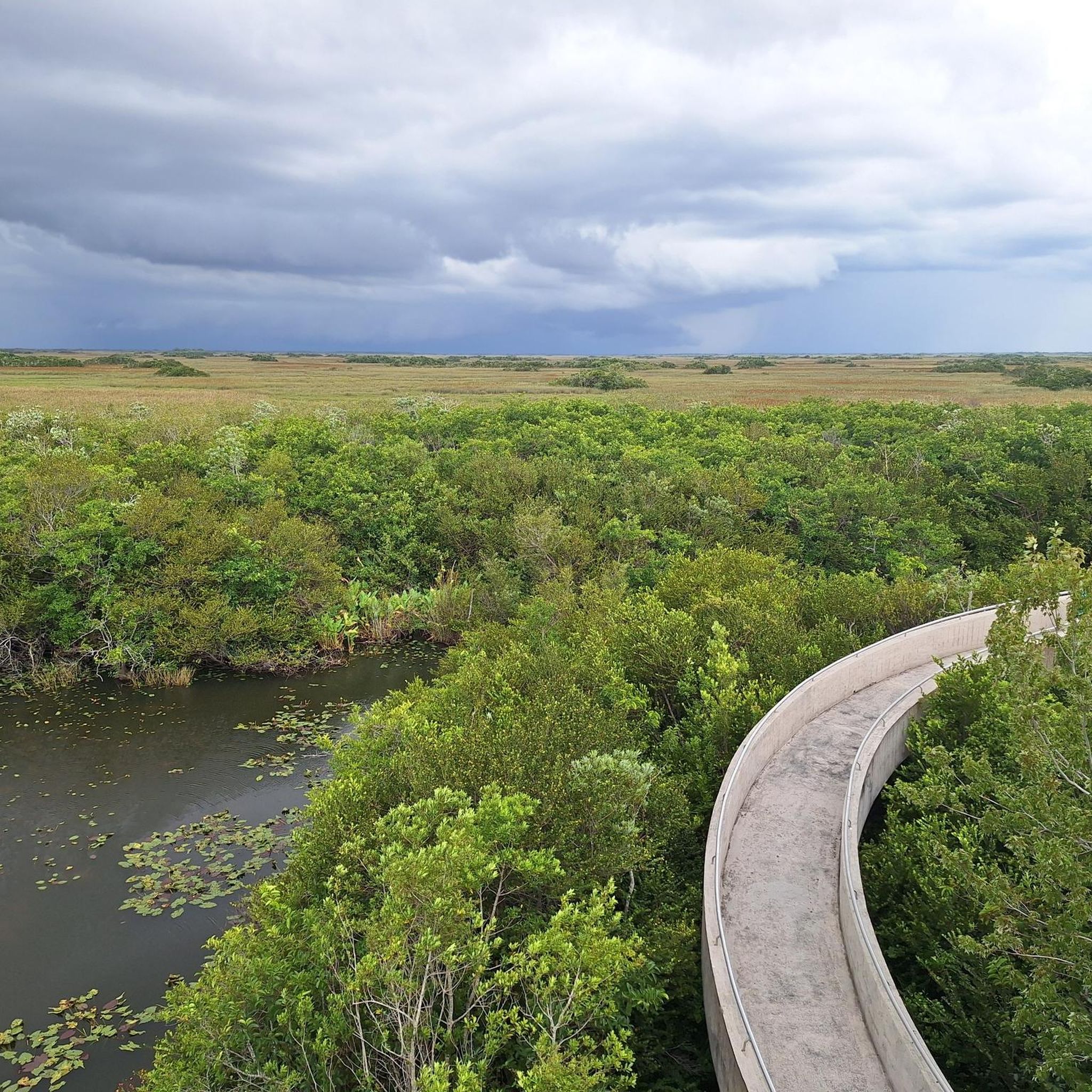
Hiking in Marjory Stoneman Douglas Wilderness offers exploration of the largest subtropical wilderness east of the Rocky Mountains. The region is characterized by its low, green expanse, famously known as the "River of Grass," a slow-moving body of water up to 50 miles wide. This unique environment encompasses diverse ecosystems including vast sawgrass prairies, dense mangrove forests, and pine rocklands. Subtle elevation changes across the landscape define shifts in vegetation, creating varied habitats.
Best hiking trails in Marjory Stoneman Douglas…
Last updated: July 7, 2026
4.3
(6)
60
hikers
718m
00:11
0m
0m
Easy hike. Great for any fitness level. Easily-accessible paths. Suitable for all skill levels.
5.0
(2)
7
hikers
700m
00:11
0m
0m
Easy hike. Great for any fitness level. Easily-accessible paths. Suitable for all skill levels.

Sign up for free
6
hikers
2.95km
00:44
0m
0m
Easy hike. Great for any fitness level. Easily-accessible paths. Suitable for all skill levels.
1
hikers
1.20km
00:18
0m
0m
Easy hike. Great for any fitness level. Easily-accessible paths. Suitable for all skill levels.
4.16km
01:02
0m
0m
Easy hike. Great for any fitness level. Easily-accessible paths. Suitable for all skill levels.
Get access to more routes and recommendations from other explorers.
Sign up for free
Already have an account?
Our route recommendations are based on thousands of hikes, rides, and runs completed by other people on komoot.
Start today with a free account
Your next adventure awaits.
Login or Signup


Other adventures in Marjory Stoneman Douglas Wilderness

Tips from the Community

Very beautiful area
3
0


The Pinelands Trail leads through some typical Floridian vegetation: beautiful palms trees and pine trees. Enjoy this short stroll and keep your eyes peeled for some interesting rock formations: the solution holes. Those are created by the decomposition of organic material in stagnant water which leads to weak acids that dissolve the limestone over time.
2
0

It almost looks like a jungle here.
1
0
If you are here in Florida you should have been to the southernmost tip of Florida.
1
0
You have to see that when you are here.
1
0
Beautiful little oases to linger.
1
1

Quite a short trail (according to the national park brochure about 400 m) through a loose pine forest. There are a few information signs about the flora and geology. The many "solution holes" are remarkable: the decomposition of organic material in standing water produces weak acids, which dissolve the limestone over time and create small holes.
1
1
Frequently Asked Questions
What kind of terrain can I expect when hiking in Marjory Stoneman Douglas Wilderness?
The Marjory Stoneman Douglas Wilderness is characterized by its unique subtropical wetland environment. You'll find a low, green expanse often referred to as the "River of Grass," with subtle elevation changes leading to shifts in vegetation. Expect diverse ecosystems including sawgrass prairies, pine rocklands, freshwater marl prairies, and mangrove forests. Approximately one-third of the wilderness area is submerged, so some trails may involve boardwalks or require navigating wet conditions, especially during certain seasons.
How many hiking trails are available in Marjory Stoneman Douglas Wilderness?
There are over 25 hiking routes available in Marjory Stoneman Douglas Wilderness, ranging from easy boardwalks to more challenging, longer trails. The komoot community has explored 28 tours in total, offering a variety of experiences for different skill levels.
Are there any easy or family-friendly hiking options in the wilderness?
Yes, there are many easy and family-friendly options. For instance, the Bobcat Boardwalk and Otter Cave Hammock Trail is an easy 1.7-mile path providing access to unique hammock ecosystems. Another great choice is the Guy Bradley Trail & Eco Pond Trail loop, a 2.7-mile trail suitable for families, leading through coastal lowlands and around a pond.
What kind of wildlife can I expect to see while hiking?
The Marjory Stoneman Douglas Wilderness is a haven for diverse wildlife. It's a prime location for birdwatching, with species like flamingos, roseate spoonbills, egrets, herons, and pelicans. You might also spot alligators in the marshes, and marine life such as bottle-nosed dolphins, sea turtles, and manatees in the coastal areas. The elusive Florida panther and American crocodiles also inhabit this ecosystem.
What are some notable natural features or landmarks to look out for?
The wilderness itself is a significant natural feature, famously known as the "River of Grass." You can explore various ecosystems like sawgrass prairies, cypress stands, and mangrove forests. Specific highlights include the Pinelands Trail, Mahogany Hammock Trail, and the Bobcat Boardwalk Trail, which offer unique perspectives on the region's flora and fauna.
Are there any circular hiking routes available?
Yes, there are several circular routes. A popular option is the Guy Bradley Trail & Eco Pond Trail loop, which is an easy 2.7-mile path. For a moderate challenge, consider the Snake Bight & Rowdy Bend Trail loop, covering about 7.5 miles.
What is the best time of year to go hiking in Marjory Stoneman Douglas Wilderness?
The dry season, typically from December to April, is generally considered the best time to visit for hiking. During this period, temperatures are milder, humidity is lower, and there are fewer mosquitoes. Water levels are also lower, making some trails more accessible. The wet season (May to November) brings higher temperatures, humidity, and more rainfall, which can lead to flooded trails and increased insect activity.
Are permits required for hiking in the wilderness area?
While general day hiking on established trails within Everglades National Park (which encompasses the wilderness) typically does not require a separate permit beyond the park entrance fee, wilderness camping or extended backcountry trips do require a permit. For detailed information on permits and regulations, it's best to consult the official National Park Service website: nps.gov/ever/wilderness.htm.
What do other hikers enjoy most about Marjory Stoneman Douglas Wilderness?
The area is highly rated by the komoot community, with an average score of 4.2 stars from over 80 reviews. Reviewers often praise the unique subtropical landscapes, the abundance of wildlife, and the opportunity for solitude. Many appreciate the well-maintained boardwalks and the chance to experience an ecosystem found nowhere else on the planet.
Is there parking available at the trailheads?
Yes, most designated trailheads within Everglades National Park, including those leading into the Marjory Stoneman Douglas Wilderness, offer parking facilities. However, specific parking availability can vary by location and time of year, especially during peak season. It's always advisable to check the National Park Service website for specific trailhead information and any potential parking advisories before your visit.
Can I bring my dog on the hiking trails?
In Everglades National Park, pets are generally permitted on public roadways, in campgrounds, and in other developed areas. However, pets are typically not allowed on trails, boardwalks, or in the backcountry wilderness areas to protect wildlife and natural resources. Always check the most current regulations on the National Park Service website before bringing your pet.
Are there any lakes or ponds I can visit along the hiking routes?
Yes, the region features several water bodies. You can find highlights like Mrazek Pond and Long Pine Key Lake. The Guy Bradley Trail & Eco Pond Trail loop specifically takes you around Eco Pond, which is known for birdwatching.
Most popular routes in Marjory Stoneman Douglas Wilderness
Most popular attractions in Marjory Stoneman Douglas Wilderness

Get inspired with the komoot mobile app


Explore more
Browse the best Hikes in other regions.
