The best running trails in Marjory Stoneman Douglas Wilderness
110
runners
20
runs
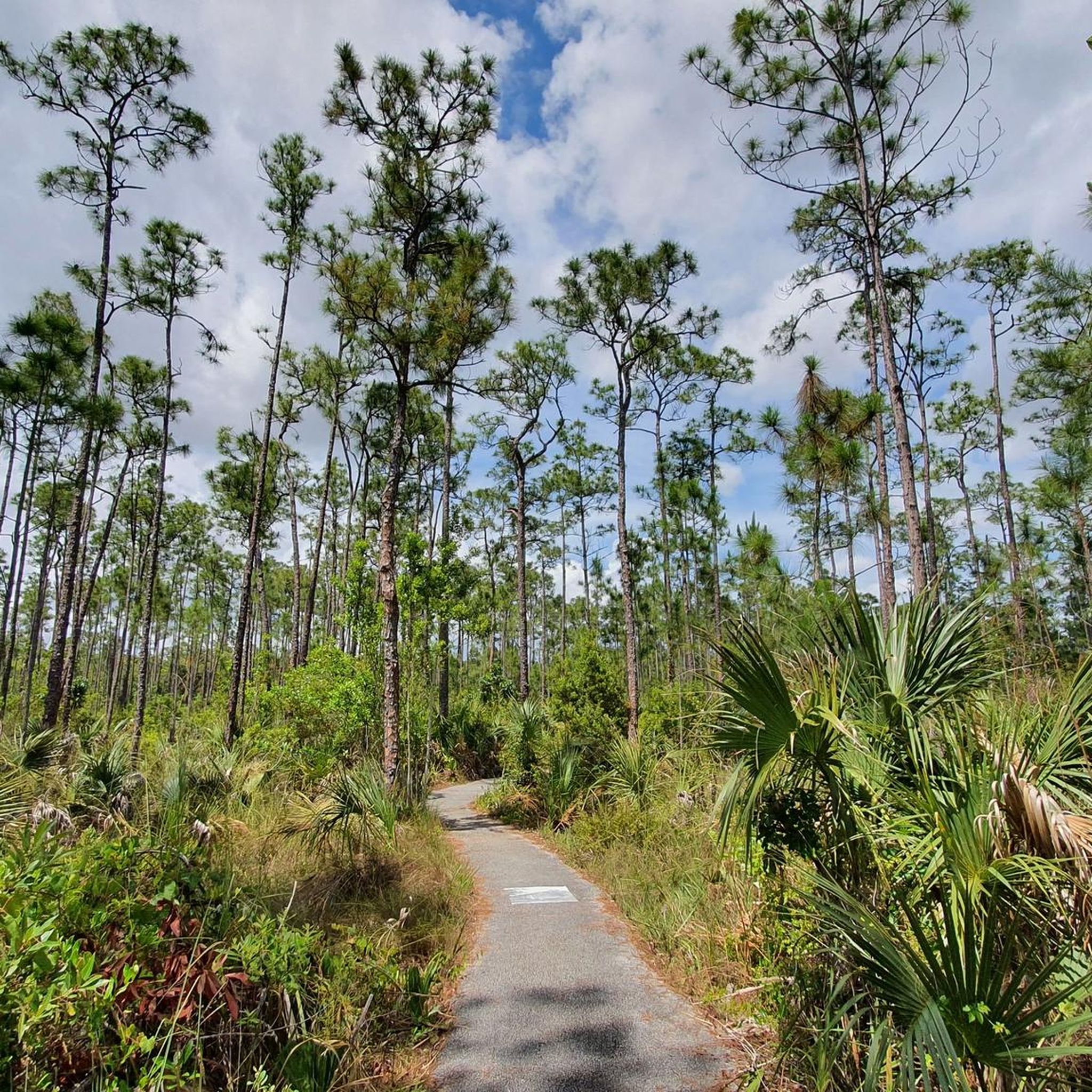
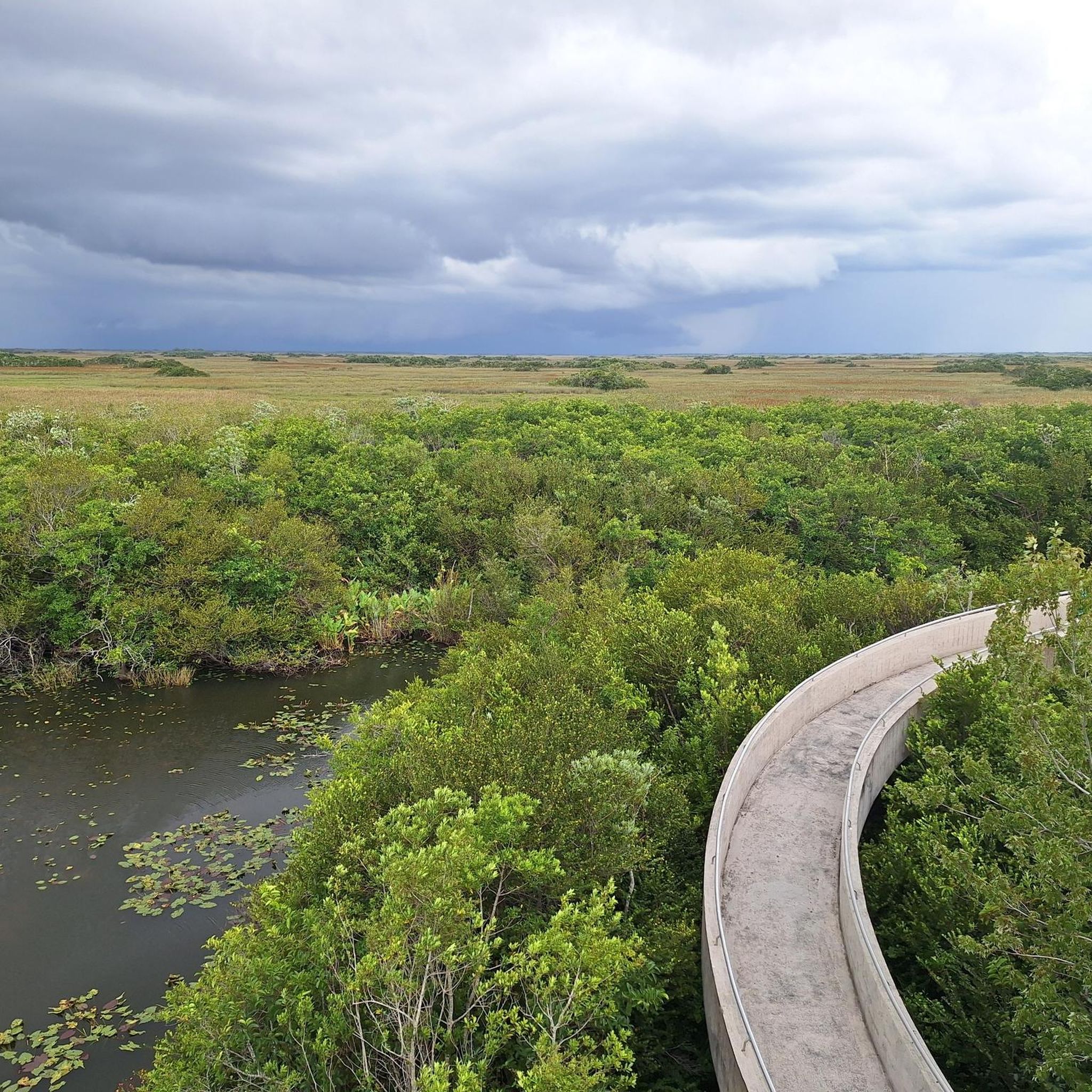
Jogging in Marjory Stoneman Douglas Wilderness offers an experience within a vast subtropical wilderness, characterized by a low green landscape where earth, water, and sky blend. The region features diverse ecosystems, including expansive sawgrass prairies, elevated pine rocklands, and dense mangrove forests along coastal areas. Slight elevation changes influence the varied habitats, which also encompass freshwater marl prairies and significant marine waters like Florida Bay.
Best jogging routes in Marjory Stoneman Douglas Wilderness
- The most popular jogging route is North…
Last updated: July 13, 2026
11
runners
9.85km
01:01
10m
10m
Moderate run. Good fitness required. Mostly paved surfaces. Suitable for all skill levels.
10
runners
7.42km
00:46
10m
10m
Moderate run. Good fitness required. Mostly paved surfaces. Suitable for all skill levels.

Sign up for free
6
runners
12.3km
01:16
10m
10m
Moderate run. Good fitness required. Mostly paved surfaces. Suitable for all skill levels.
6
runners
9.71km
01:00
10m
10m
Moderate run. Good fitness required. Mostly paved surfaces. Suitable for all skill levels.
12
runners
4.73km
00:29
10m
10m
Easy run. Great for any fitness level. Mostly paved surfaces. Suitable for all skill levels.
Get access to more routes and recommendations from other explorers.
Sign up for free
Already have an account?
Our route recommendations are based on thousands of hikes, rides, and runs completed by other people on komoot.
Start today with a free account
Your next adventure awaits.
Login or Signup
Popular around Marjory Stoneman Douglas Wilderness

Other adventures in Marjory Stoneman Douglas Wilderness

Tips from the Community

A small historical place. It's also interesting that there's still forest to be seen there.
0
0

Windley Key Fossil Reef Geological State Park, a former quarry, offers a glimpse into the Florida Keys' history. Henry Flagler's Overseas Railroad, built in the early 1900s, relied on its limestone. Later, the quarry yielded polished “keystone,” a decorative limestone unique to this area until the 1960s. The Hurricane Monument in Islamorada, at Mile Marker 82, is constructed from keystone extracted here. The park features several short loop trails throughout the grounds, where you can view the exposed fossilized coral reefs and remnants of the original quarry equipment. There is a drinking fountain, restrooms, and a lovely bench, perfect for a place to take a break under a canopy of hammock trees. The park is open daily from 8 am until sundown, with a $2.50 entrance fee. The visitor center operates Thursday–Monday, 8 am to 5 pm.
0
0
John Pennekamp Coral Reef State Park is the first underwater park in the United States, spanning an impressive 70 nautical square miles. Known for its vibrant coral reefs and diverse marine life, the park offers glass-bottom boat tours, as well as scuba diving and snorkeling for a closer look at the stunning underwater scenery. It is a popular spot for canoeing, kayaking, and fishing, with several small trails that wind through tropical hammocks. The park includes full-facility campsites, picnic areas, and a lovely beach area—perfect for relaxing and taking a dip on a hot day. The visitor center features large saltwater aquariums, a gift shop, and screens nature videos about the fish and coral species that inhabit the area. ** The park is open daily from 8 am to sunset, with a walk-in fee of $2.50 per person.
0
0
This section of the trail offers fantastic views of the Atlantic and the Gulf and is a flat pathway with a combination of mixed surfaces, including asphalt, crushed stone, and loose gravel. It runs along John Pennekamp Coral Reef State Park and the island of Key Largo—with plenty of souvenir shops and delicious local dining options. As you continue, the trail is shaded by the tropical flora of a hardwood hammock, featuring plants and trees that are native to the West Indies. The formation of the Keys, influenced by wind, water, and birds that carried seeds, contributed to the development of these forests and is a welcome escape from the sun, especially on hot summer days.
0
0

The North Beach of Key Largo is an area that is home to the Key Largo Kampground and Marina, as well as a few super markets and cafes. It is an area that can get busy with tourists because it is beautiful and enjoyable year-round.
0
0
Frequently Asked Questions
What kind of landscape can I expect when running in Marjory Stoneman Douglas Wilderness?
The Marjory Stoneman Douglas Wilderness offers a unique and vast subtropical landscape, often described as a 'river of grass'. You'll encounter diverse ecosystems including expansive sawgrass prairies, elevated pine rocklands, dense mangrove forests, and freshwater marl prairies. Approximately one-third of the wilderness is submerged, including Florida Bay, providing stunning coastal views.
How many running routes are available in Marjory Stoneman Douglas Wilderness?
There are over 10 running routes available in the Marjory Stoneman Douglas Wilderness. Most of these routes are considered moderate in difficulty, with a few easier options for a more relaxed run.
What are some notable natural features or landmarks I might see along the running trails?
While running, you might encounter various natural features and points of interest. Consider exploring trails near highlights such as the Pinelands Trail, the Mahogany Hammock Trail, or the Rock Reef Pass Boardwalk. The Bobcat Boardwalk Trail and Otter Cave Hammock Trail also offer close-up views of the unique flora.
What kind of wildlife might I encounter while jogging?
The wilderness is teeming with diverse wildlife. In the waters, you might spot bottle-nosed dolphins, sea turtles, sharks, and manatees. On land, the elusive Florida panther occasionally makes an appearance. It's also a renowned birdwatching destination, especially from December to March, with flamingos, roseate spoonbills, egrets, herons, and pelicans commonly seen.
Are there any circular running routes in the area?
Yes, there are several excellent circular running routes. A popular choice is the North Beach – Key Largo loop from The Catch, which is about 6.1 miles (9.9 km) long and offers coastal views. Another option is the Running loop from Peace Park, a shorter 3.4 miles (5.5 km) trail through the low green landscape.
What is the best time of year to go running in Marjory Stoneman Douglas Wilderness?
The best time for running is generally from December to March. During these months, the weather is typically cooler and drier, making for more comfortable conditions. This period is also ideal for birdwatching, offering an added bonus to your run.
What should I be aware of regarding trail conditions and safety?
The Marjory Stoneman Douglas Wilderness is a challenging environment. Be prepared for a tropical climate that can be wet, hot, and humid. Mosquitoes are common, especially during warmer months. Some trails can be wet and overgrown, particularly after rain. Always be aware of hazardous wildlife and poisonous plants. Checking trail conditions before you go is advisable.
Are there any easy running routes suitable for beginners or a relaxed pace?
While most routes are moderate, there are options for easier runs. The Guy Bradley Trail, for instance, is a well-maintained path largely along the shore of Florida Bay, offering a smooth surface and scenic views, making it an appealing option for a relaxed pace.
What do other runners enjoy most about the routes here?
Runners often praise the unique natural immersion and solitude offered by the Marjory Stoneman Douglas Wilderness. The opportunity to run amidst diverse ecosystems and spot abundant wildlife, particularly birds, is frequently highlighted as a major draw. The scenic coastal views along routes like the North Beach loop from Sundiver Snorkel Tours are also highly appreciated.
Are there specific trails that offer good views of Florida Bay?
Yes, several routes provide excellent views of Florida Bay. The North Beach loop from John Pennekamp Coral Reef State Park and the North Beach loop from Key Largo both offer glimpses of the bay and its unique coastal environment.
Do I need any special permits to go jogging in the wilderness area?
The Marjory Stoneman Douglas Wilderness is part of Everglades National Park. While specific jogging permits for trails are not typically required, you will need to pay the park entrance fee. For detailed information on park access and any specific regulations, you can visit the official National Park Service website: nps.gov/ever/wilderness.htm.
What are the typical elevation changes on the running routes?
The Marjory Stoneman Douglas Wilderness is characterized by a 'low green landscape,' meaning elevation changes are generally very subtle. Most running routes feature minimal elevation gain, often just a few meters, making them suitable for those who prefer flat or gently undulating terrain.
Most popular routes in Marjory Stoneman Douglas Wilderness
Most popular attractions in Marjory Stoneman Douglas Wilderness

Get inspired with the komoot mobile app


Explore more
Browse the best Running Trails & Routes in other regions.
