Top 15 Natural Monuments around Minneapolis
Best natural monuments around Minneapolis include a diverse range of natural features within an urban setting. The city is characterized by its numerous lakes, the Mississippi River, and a unique river gorge. These areas provide varied landscapes, from waterfalls and limestone bluffs to interconnected lakes and extensive trail systems. Minneapolis offers natural spaces for outdoor activities and exploration.
Best natural monuments around Minneapolis
- The most popular natural monuments is Minnehaha Falls, a waterfall that turns into a thundering cataract when waters run high. In winter, the falls freeze, creating a massive ice cascade.
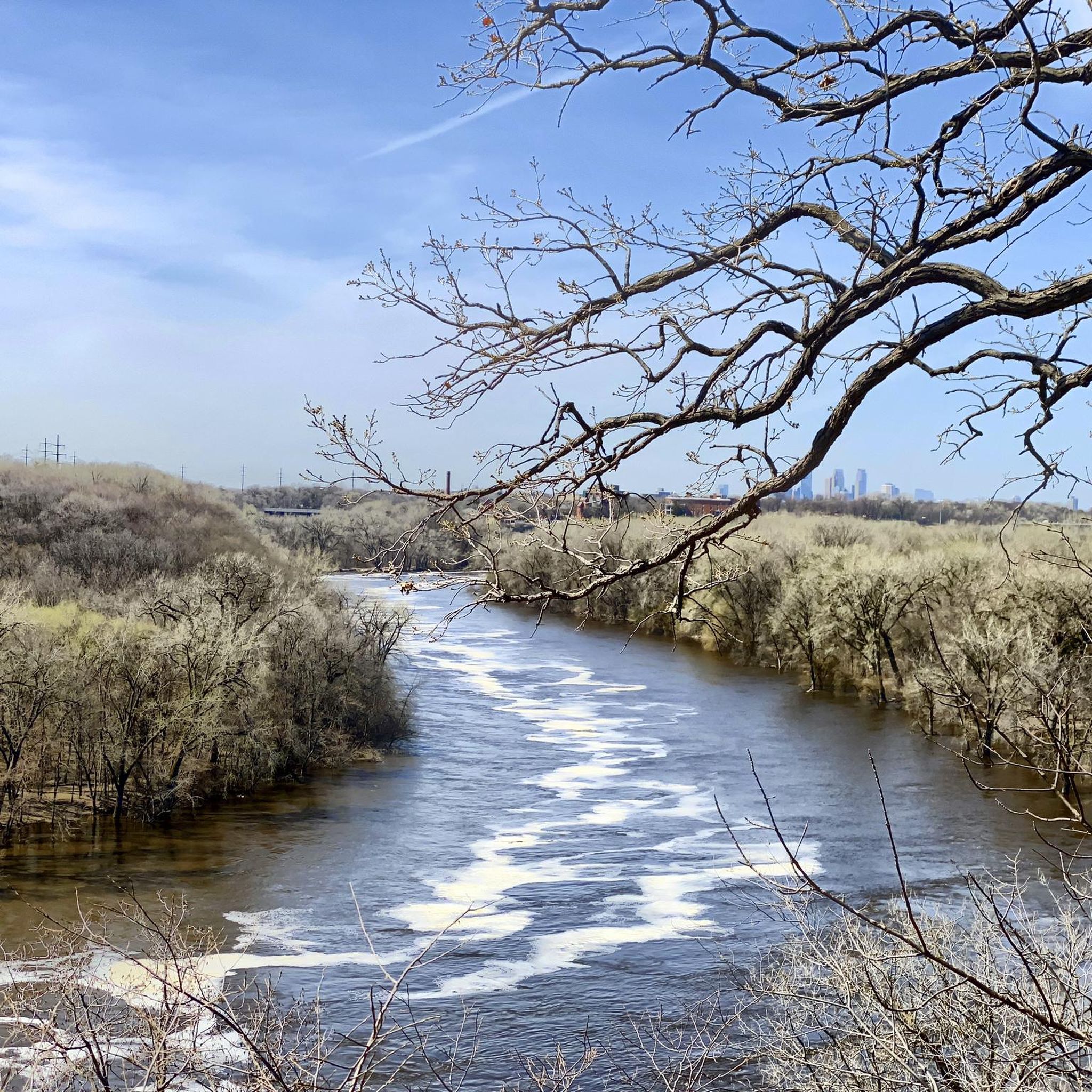
- Another must-see spot is Confluence of the Mississippi and Minnesota Rivers, where these two major rivers join forces. Visitors can observe the distinct clarity of the Mississippi River compared to the stained brown of the Minnesota River.
- Visitors also love Lyndale Park Rose Garden, the second-oldest public rose garden in the United States. It showcases a hundred different types of roses and some 3,000 plants.
- Minneapolis is known for its waterfalls, river confluences, and extensive gardens. These natural monuments offer a variety of landscapes to see and explore.
- The natural monuments around Minneapolis are appreciated by the komoot community, with over 50 upvotes and 22 photos shared across 7 highlights.
Last updated: August 20, 2026
Confluence of the Mississippi and Minnesota Rivers
Highlight • River
Tip by

Minnehaha Falls
Highlight • Waterfall
Tip by

Sign up now to discover places like this
Get recommendations on the best single tracks, peaks, & plenty of other exciting outdoor places.
Sign up for free
Minnehaha Creek Flows into the Mississippi Rive
Highlight • River
Tip by
Summit Overlook Park
Highlight • Viewpoint
Tip by

Lyndale Park Rose Garden
Highlight • Natural Monument
Tip by

Sign up for free to discover even more natural monuments around Minneapolis.
Sign up for free
Already have an account?
Start today with a free account
Your next adventure awaits.
Login or Signup




Tips from the Community

Nice river views from the bike path.
0
0

Here is a link to a Minnesota Department of Natural Resources map of summer trails at Fort Snelling State Park (https://files.dnr.state.mn.us/maps/state_parks/spk00154_summer.pdf). Although bicycles are allowed on many of the park trials, the legend on the map shows, sadly, that the circumferential trail on Pike Island is for hiking only.
0
0

at the tip of Pike Islands a very nice packed Earth bike route around this little Island
0
0

When waters run high, this 53-foot-tall waterfall turns into a thundering cataract. There are picnic tables up top, and a trail that takes you down to nice views of the falls from below. It's well worth parking your bike to spend some time here.
1
0
This is the second-oldest public rose garden in the United States, showcasing a hundred different types of roses and some 3,000 plants in all.
0
0

This small park sits on .43 acres at the junction of Ramsey Street and Summit Avenue. The views, of course, are excellent, but perhaps the best known feature is the historic New York Life Eagle. The statue was commissioned in 1890 by the New York Life Insurance Company.
0
0
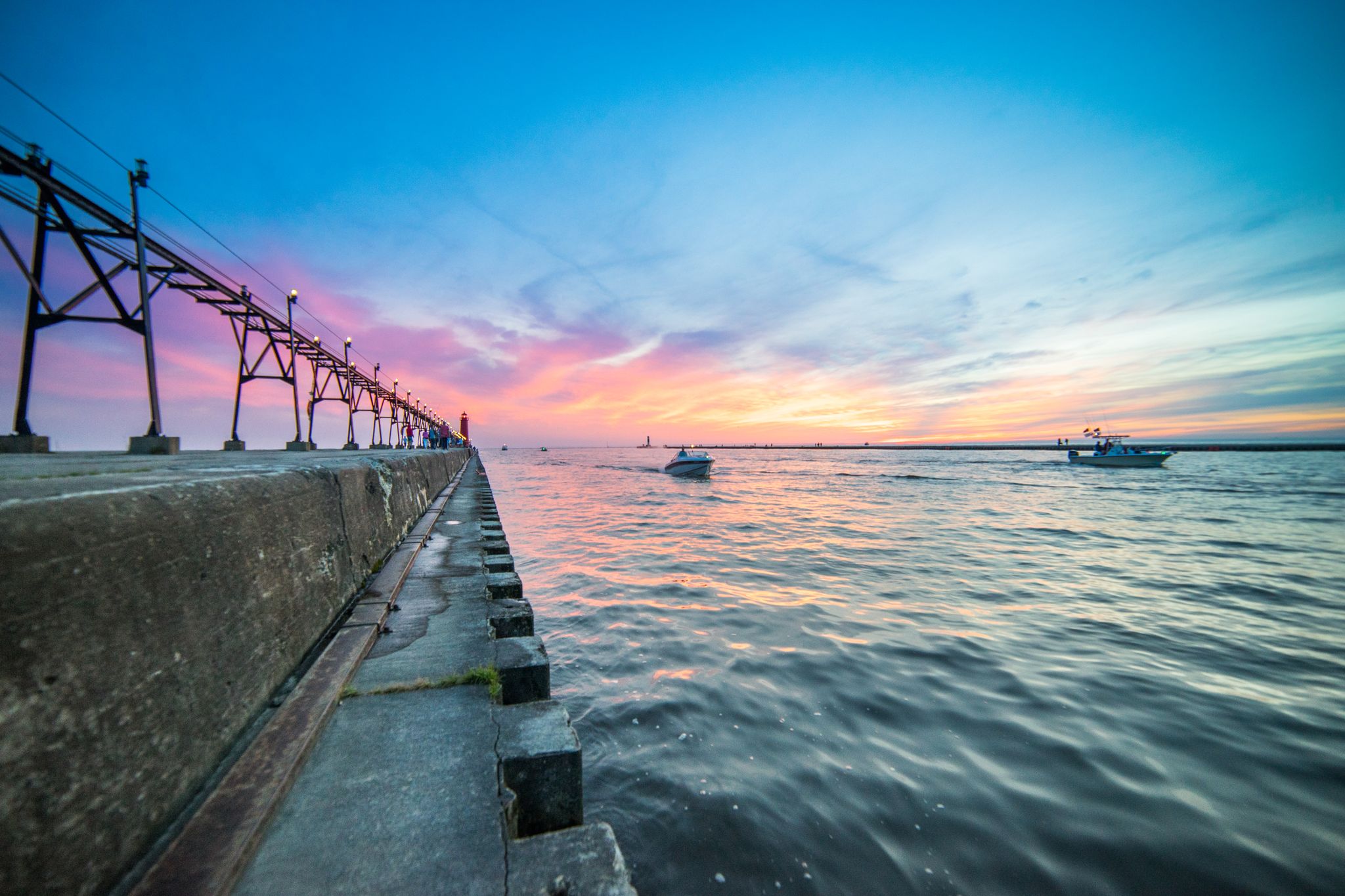
At the tip of Pike Island in St. Paul Minnesota, the Mississippi and Minnesota Rivers join forces on their way to the Gulf of Mexico. If you look carefully, you can notice that the Mississippi River (on the north side of Pike Island) runs relatively clear, and the Minnesota River (on the south side of Pike Island) runs stained brown with runoff from agricultural fields to the west.
0
0

This small wooden bridge crosses the Minnehaha Creek, offering a unique viewing opportunity as it marks the point where the Minnehaha Creek meets the Mississippi River.
0
0
Frequently Asked Questions
What are some of the most popular natural monuments to visit in Minneapolis?
Minneapolis offers a variety of popular natural monuments. Among them, Minnehaha Falls is a majestic 53-foot waterfall, especially impressive after rainfall. Another significant spot is the Confluence of the Mississippi and Minnesota Rivers, where you can observe the distinct colors of the two rivers joining. The Lyndale Park Rose Garden, the second-oldest public rose garden in the US, is also a favorite, showcasing thousands of rose plants.
Are there family-friendly natural monuments around Minneapolis?
Yes, many natural monuments in Minneapolis are family-friendly. Minnehaha Falls in Minnehaha Park is a great option, offering picnic areas and trails suitable for all ages. The Confluence of the Mississippi and Minnesota Rivers also provides an accessible experience with a packed earth bike route around Pike Island. The Chain of Lakes Regional Park, encompassing lakes like Bde Maka Ska and Lake Harriet, features playgrounds, dog parks, and picnic areas, making it ideal for family outings.
What kind of natural features can I expect to see in Minneapolis's natural monuments?
Minneapolis's natural monuments boast diverse features. You can see impressive waterfalls like Minnehaha Falls, dramatic limestone bluffs, and scenic river overlooks along the Mississippi River. The Chain of Lakes Regional Park offers interconnected lakes, extensive trails, and sandy beaches. The Mississippi Gorge Regional Park features a unique river gorge with limestone cliffs and floodplain forests. You'll also find beautiful gardens, such as the Lyndale Park Rose Garden.
What outdoor activities can I do near these natural monuments?
The natural monuments around Minneapolis offer a wide range of outdoor activities. You can enjoy hiking, running, and cycling on extensive trail systems, including those connecting to the Grand Rounds Scenic Byway. Water activities like canoeing, kayaking, paddleboarding, and sailing are popular on the Chain of Lakes. Minnehaha Park also offers disc golf and picnicking. For more specific routes, you can explore guides like Hiking around Minneapolis, Running Trails around Minneapolis, and Road Cycling Routes around Minneapolis.
Are there hiking trails near the natural monuments in Minneapolis?
Yes, there are numerous hiking trails. Minnehaha Park has trails, including a popular 2.1-mile path leading from the base of Minnehaha Falls into the Mississippi River Valley. The Chain of Lakes Regional Park features over 13 miles of pedestrian trails. In the Mississippi Gorge Regional Park, the Winchell Trail offers a 2.5-mile rustic path through floodplain forests. For more hiking options, check out the Hiking around Minneapolis guide, which includes routes like the Minnehaha Falls Loop and the Chain of Lakes Loop.
What is the best time of year to visit Minneapolis's natural monuments?
Minneapolis's natural monuments offer unique experiences year-round. Spring and summer are ideal for enjoying lush greenery, blooming flowers at the Lyndale Park Rose Garden, and water activities on the lakes. Fall brings vibrant colors, especially along the bluffs of the Mississippi Gorge Regional Park. In winter, Minnehaha Falls freezes into a massive ice cascade, offering a unique sight, and ice fishing is popular on the lakes.
Can I access these natural monuments using public transport?
Many of Minneapolis's natural monuments are accessible via public transport. Minnehaha Park, for instance, is well-served by Metro Transit routes. The Chain of Lakes Regional Park is also reachable by public transport, allowing visitors to enjoy the trails and lakes without a car. It's advisable to check specific Metro Transit routes for the most convenient access to your chosen destination.
Are there any historical or cultural sites near the natural monuments?
Yes, Minnehaha Park is rich in history and culture. Beyond the natural beauty of Minnehaha Falls, you can explore historical structures like the Minnehaha Depot and the John Harrington Stevens House, considered the "Birthplace of Minneapolis." The park also hosts cultural events. The Mississippi Gorge Regional Park holds historical significance due to the formation of the gorge itself and its role in the region's development.
What makes the Mississippi Gorge Regional Park unique?
The Mississippi Gorge Regional Park is unique because it preserves the only true gorge along the entire 2,320-mile Mississippi River. Formed over thousands of years, it features dramatic limestone cliffs and a diverse ecosystem. It's a vital habitat for at least 150 species of migratory birds, including bald eagles, and offers stunning fall foliage. The Winchell Trail provides a rustic path to explore its natural beauty.
What is special about the Chain of Lakes Regional Park?
The Chain of Lakes Regional Park is a prized jewel of Minneapolis, encompassing five interconnected lakes: Lake of the Isles, Bde Maka Ska, Lake Harriet, Brownie Lake, and Cedar Lake. This system offers over 13 miles of pedestrian trails and 15 miles of bike trails, creating a continuous recreational area with scenic views. It's known for its diverse year-round activities, from swimming and boating in summer to ice fishing in winter, and features the historic Lake Harriet Bandshell.
Is <a href="https://www.komoot.com/highlight/4532393" target="_blank" rel="noopener">Lyndale Park Rose Garden</a> wheelchair accessible?
Yes, the Lyndale Park Rose Garden is noted for being wheelchair accessible. This allows visitors of all mobility levels to enjoy the beauty of the second-oldest public rose garden in the United States, which showcases a hundred different types of roses and some 3,000 plants.
What wildlife can I spot in Minneapolis's natural monuments?
The natural monuments in Minneapolis are home to various wildlife. The Mississippi Gorge Regional Park is particularly notable, providing habitat for at least 150 species of migratory birds and a growing population of bald eagles. You might also spot various waterfowl and other bird species around the Chain of Lakes, and smaller mammals in the park areas.
Most popular routes around Minneapolis
Most popular attractions around Minneapolis

Get inspired with the komoot mobile app


Explore more
Extend your search for the best caves by checking out these guides of the top ones around Minneapolis:
