Top 6 Natural Monuments around South St. Paul
Best natural monuments around South St. Paul are primarily found along the Mississippi River corridor, offering diverse natural features within an urban setting. This area is part of the larger Mississippi National River and Recreation Area, providing protected natural spaces. Visitors can explore river access points, bluffs, and areas with historical significance. These locations offer opportunities to connect with nature and observe local wildlife.
Best natural monuments around South St. Paul
- The most popular natural monuments is Confluence of the…
Last updated: May 14, 2026
Confluence of the Mississippi and Minnesota Rivers
Highlight • River
Tip by

Indian Mounds Park
Highlight • Historical Site
Tip by
Sign up now to discover places like this
Get recommendations on the best single tracks, peaks, & plenty of other exciting outdoor places.
Sign up for free
Pine Bend Bluff SNA
Highlight • Natural Monument
Tip by

Summit Overlook Park
Highlight • Viewpoint
Tip by

St. Paul Electric Railway Monument
Highlight • Monument
Tip by

Sign up for free to discover even more natural monuments around South St. Paul.
Sign up for free
Already have an account?
Start today with a free account
Your next adventure awaits.
Login or Signup
Tips from the Community

It was getting late on my ride, I want to come back here and check it out one of these days.
1
0
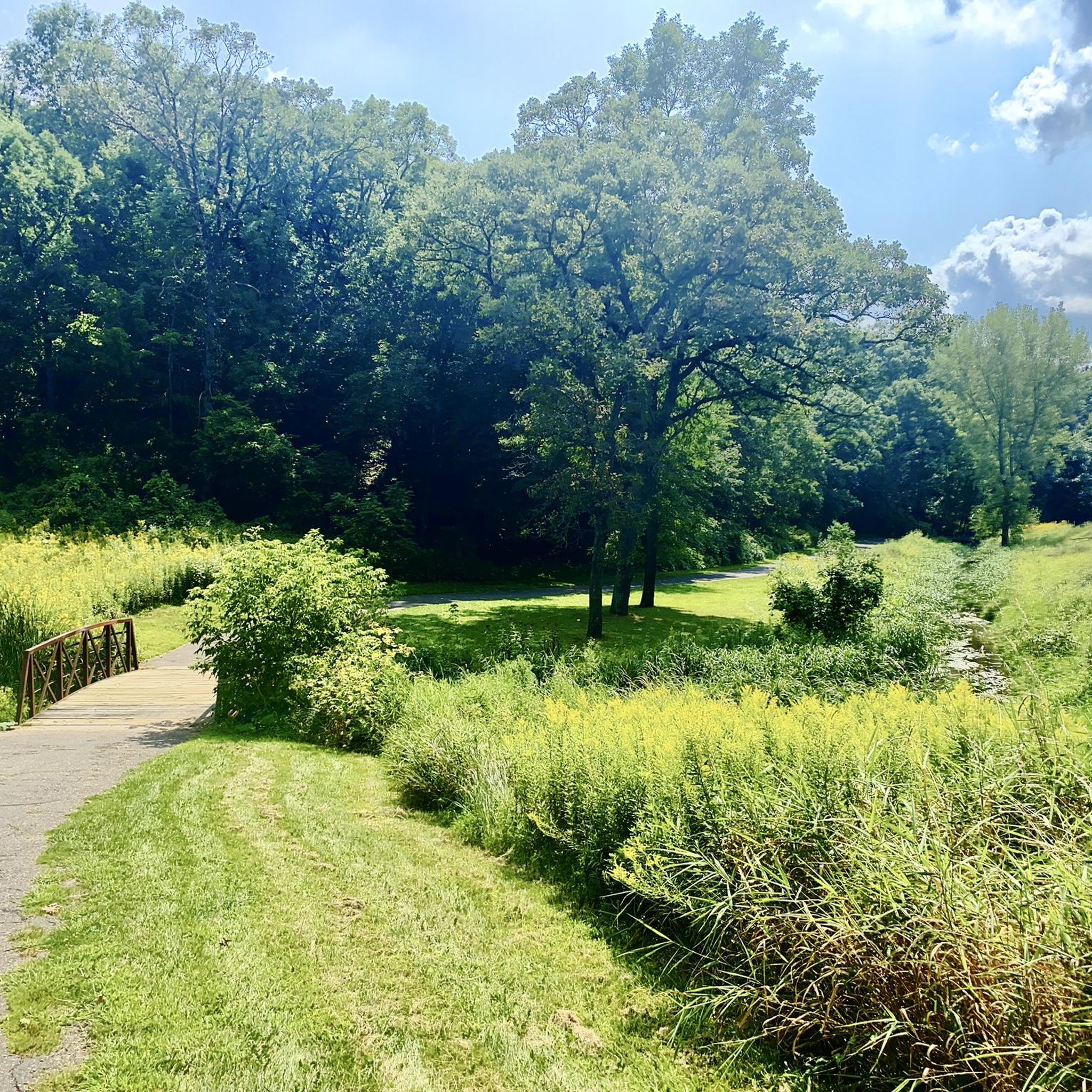
Nice river views from the bike path.
0
0

Here is a link to a Minnesota Department of Natural Resources map of summer trails at Fort Snelling State Park (https://files.dnr.state.mn.us/maps/state_parks/spk00154_summer.pdf). Although bicycles are allowed on many of the park trials, the legend on the map shows, sadly, that the circumferential trail on Pike Island is for hiking only.
0
0

at the tip of Pike Islands a very nice packed Earth bike route around this little Island
0
0

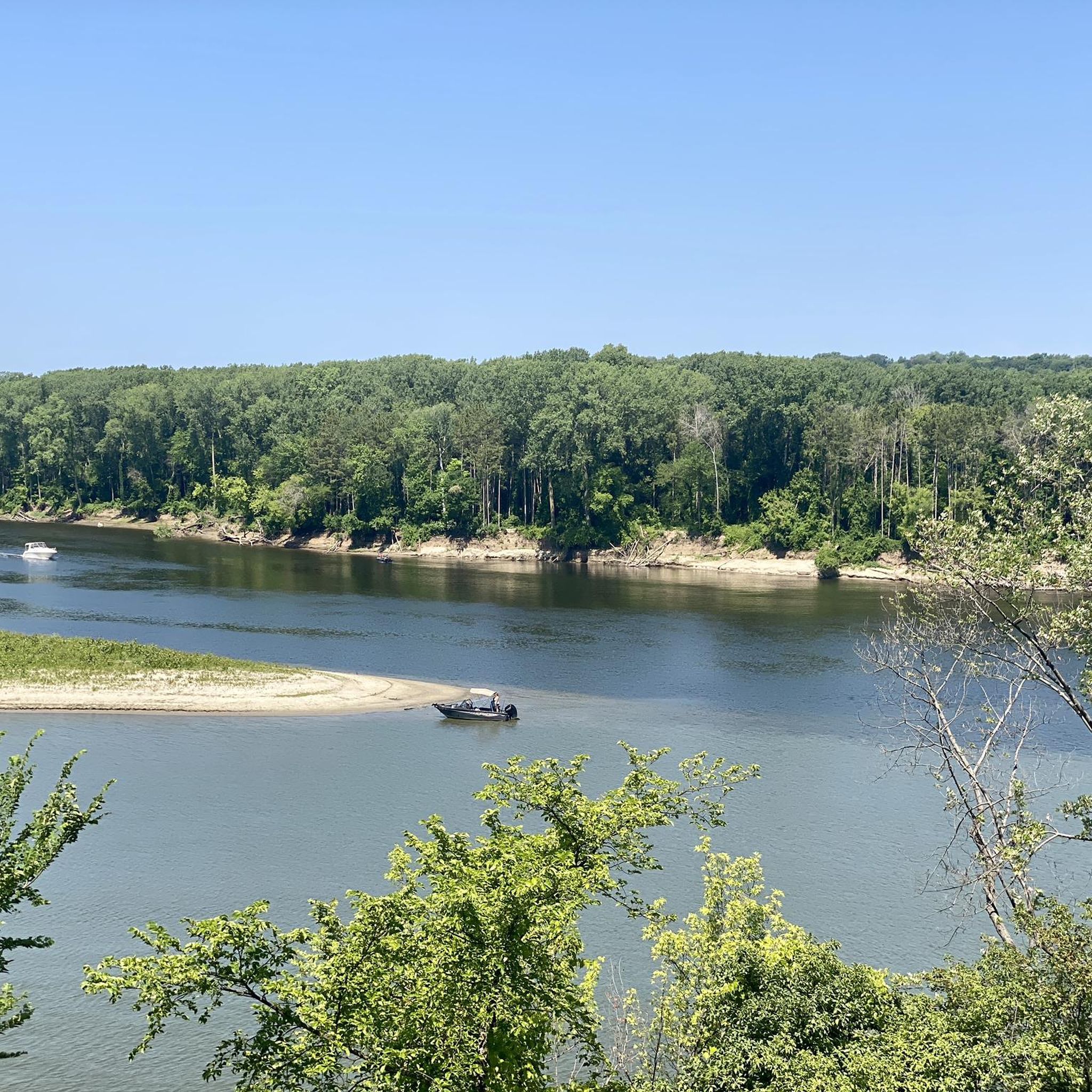
Pine Bend Bluff Scientific and Natural Area stands as a pristine haven, preserving one of the Twin Cities metro area's largest undisturbed natural expanses. Atop the bluff, the goat prairie provides breathtaking vistas of the untamed Mississippi River, offering a rare glimpse into the wild beauty of the region. As one of the more secluded spots within the Mississippi National River and Recreation Area, it offers a serene escape into nature.
0
0

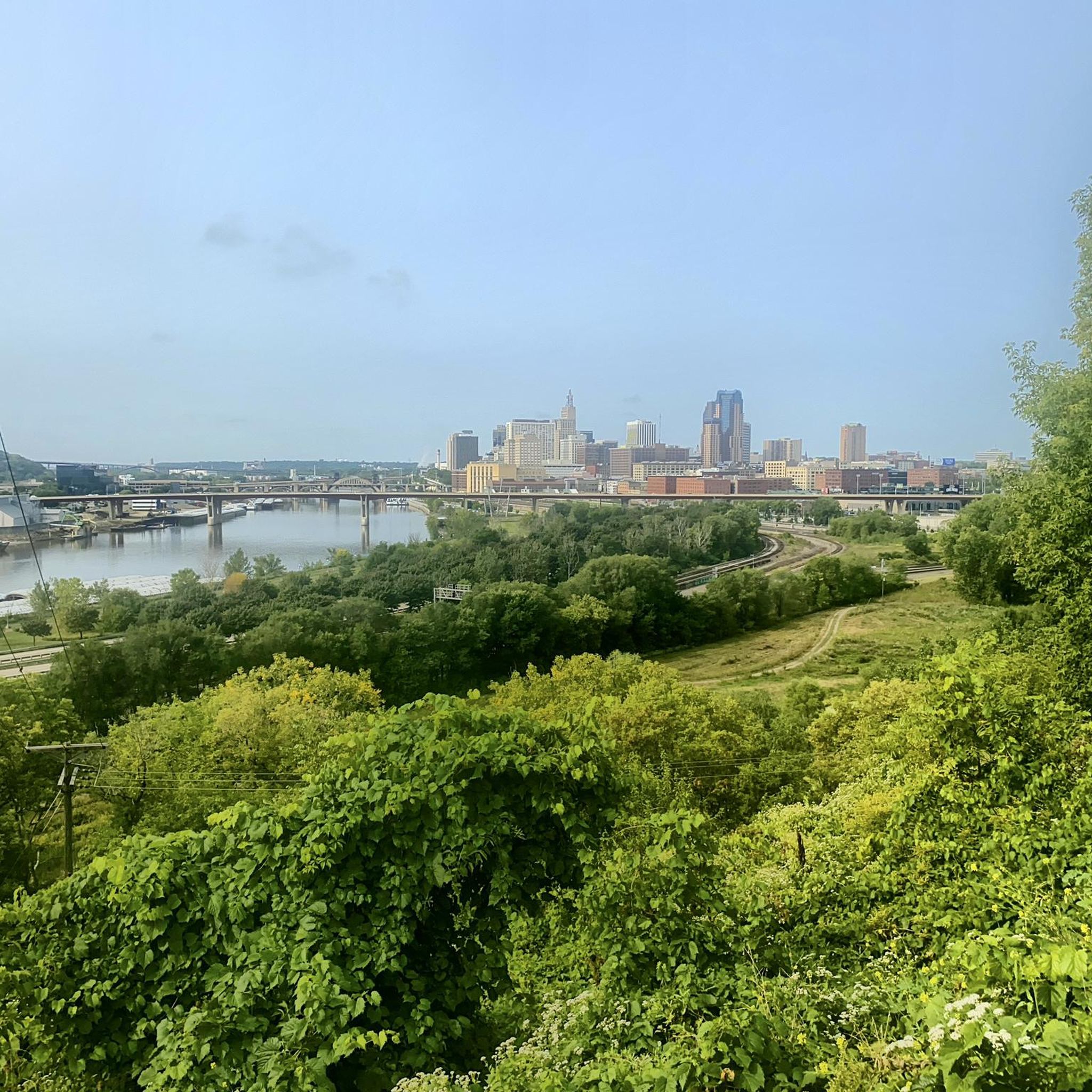
This small park sits on .43 acres at the junction of Ramsey Street and Summit Avenue. The views, of course, are excellent, but perhaps the best known feature is the historic New York Life Eagle. The statue was commissioned in 1890 by the New York Life Insurance Company.
0
0
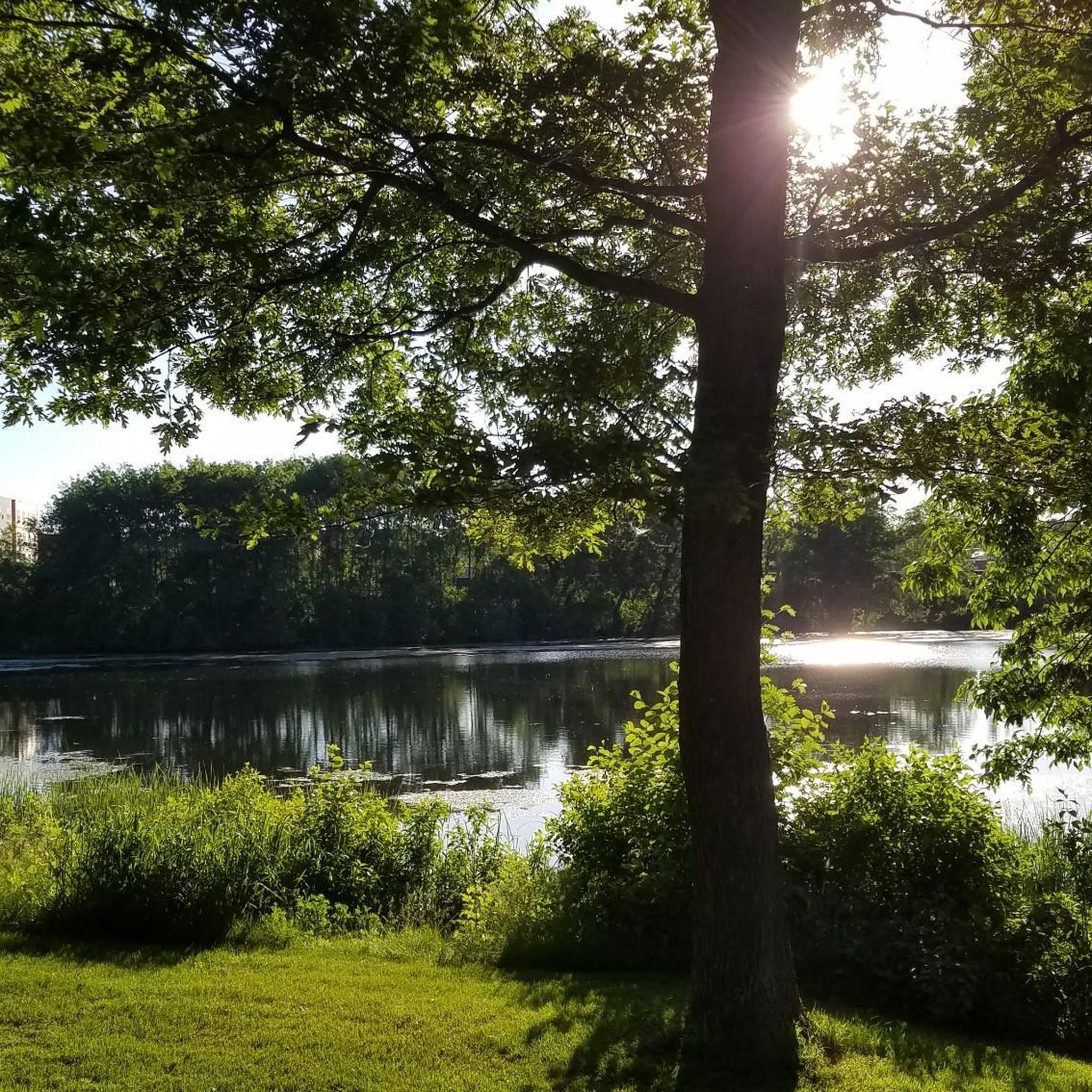
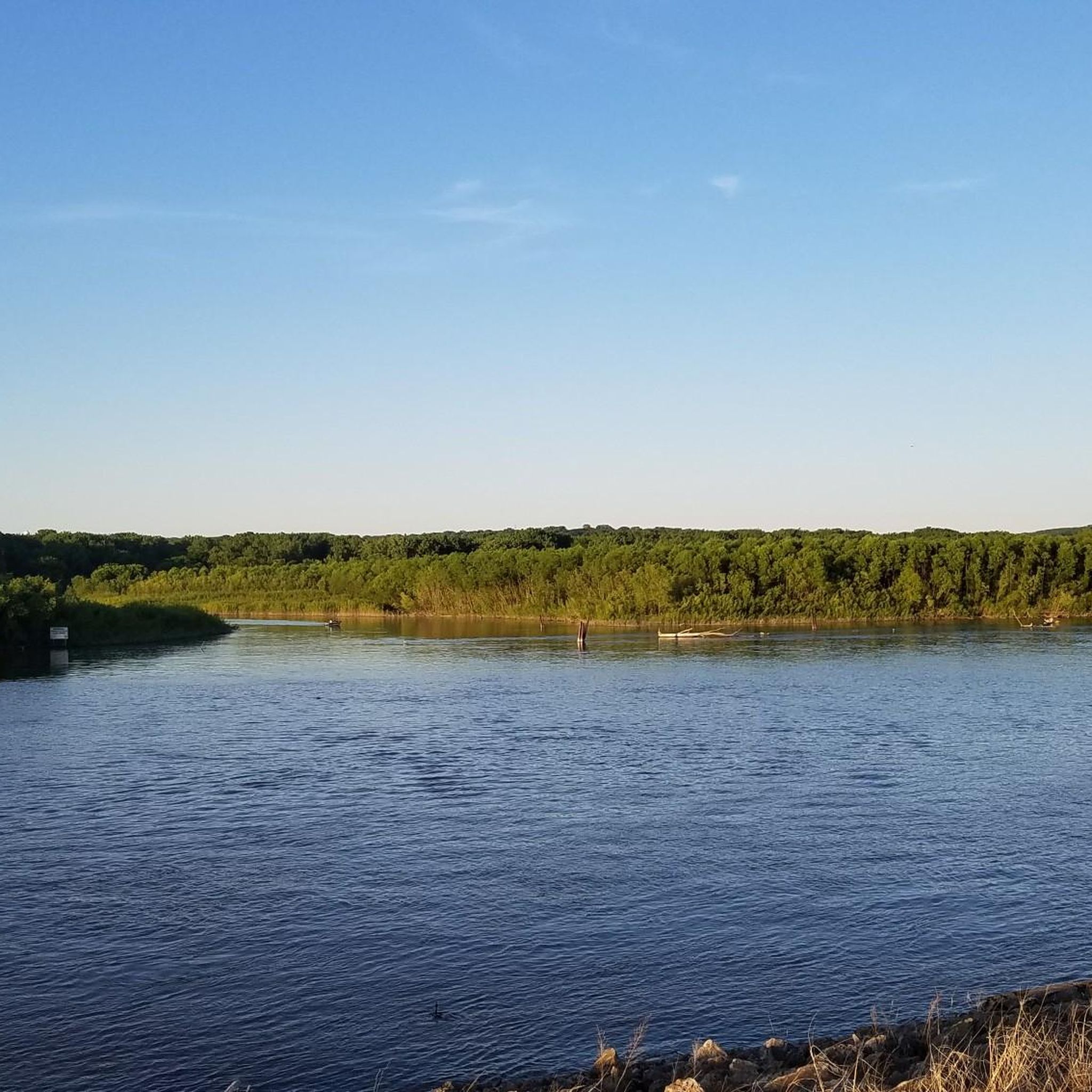
At the tip of Pike Island in St. Paul Minnesota, the Mississippi and Minnesota Rivers join forces on their way to the Gulf of Mexico. If you look carefully, you can notice that the Mississippi River (on the north side of Pike Island) runs relatively clear, and the Minnesota River (on the south side of Pike Island) runs stained brown with runoff from agricultural fields to the west.
0
0
Frequently Asked Questions
What natural features can I explore around South St. Paul?
The natural monuments around South St. Paul are primarily situated along the Mississippi River corridor, which is part of the larger Mississippi National River and Recreation Area. You can explore diverse habitats, river access points, and bluffs. For instance, Pine Bend Bluff SNA preserves a significant natural expanse with a goat prairie offering views of the Mississippi River.
Are there historical or cultural sites among the natural monuments?
Yes, Indian Mounds Park is a notable historical site featuring ancient burial mounds and offering views of the St. Paul skyline. It is a sacred burial place built by ancestors of living people. Additionally, the St. Paul Electric Railway Monument commemorates a piece of local transportation history.
What kind of wildlife might I encounter in these natural areas?
The Mississippi National River and Recreation Area, which encompasses parts of South St. Paul, is known for its diverse habitats. Visitors often have opportunities to observe local wildlife, including various bird species. Bald eagles are particularly visible in the winter months along the river corridor.
What do visitors enjoy most about the natural monuments in this region?
Visitors appreciate the serene escape into nature offered by spots like Pine Bend Bluff SNA, which provides breathtaking vistas of the untamed Mississippi River. The historical significance of places like Indian Mounds Park, with its views and ancient mounds, is also highly valued. The unique phenomenon of the Confluence of the Mississippi and Minnesota Rivers, where you can observe distinct water colors, is another popular highlight.
Are there family-friendly natural monuments around South St. Paul?
Many of the natural monuments are suitable for families. Confluence of the Mississippi and Minnesota Rivers, Indian Mounds Park, and Pine Bend Bluff SNA are all categorized as family-friendly, offering accessible natural experiences and scenic views for all ages.
What is the best time to visit the natural monuments around South St. Paul?
The natural monuments can be enjoyed year-round. Spring and summer offer lush greenery and active wildlife. Fall is particularly beautiful for experiencing vibrant fall colors along the river bluffs. Winter provides unique opportunities for bird-watching, especially bald eagles, and tranquil snowy landscapes. Always check local conditions before your visit.
Are there hiking trails near these natural monuments?
Yes, there are several hiking opportunities. For easy walks, you can explore trails like the Dodge Nature Center Trails or the Indian Mounds Loop Trail. You can find more details and routes in the Easy hikes around South St. Paul guide.
Can I go cycling near the natural monuments?
Absolutely! The area around South St. Paul, particularly along the Mississippi River, offers excellent cycling routes. Popular options include the Mississippi River Trail Loop and the Mississippi River Greenway. Discover more routes in the Cycling around South St. Paul guide.
Are there mountain biking trails available?
For mountain biking enthusiasts, there are trails near South St. Paul, including loops from Pig's Eye Island and Carver Lake Beach. You can find detailed information on these and other routes in the MTB Trails around South St. Paul guide.
Where can I find parking for these natural monuments?
Many natural monuments and parks in the South St. Paul area, such as Pine Bend Bluff SNA, offer designated parking areas. For specific parking information for various parks and trailheads, it's advisable to check the individual highlight pages or local park websites.
How long should I plan for a visit to the natural monuments?
The duration of your visit can vary. For a quick scenic stop at a viewpoint like Summit Overlook Park or Indian Mounds Park, an hour or two might suffice. If you plan to hike or cycle, you could easily spend half a day or more exploring areas like the Mississippi National River and Recreation Area or Pine Bend Bluff SNA.
Are any of the natural monuments wheelchair accessible?
The St. Paul Electric Railway Monument is noted as wheelchair accessible, providing an inclusive experience for visitors. For other natural areas, accessibility can vary, so it's recommended to check specific park information if you require wheelchair access.
What should I bring when visiting natural monuments in South St. Paul?
When visiting, it's advisable to bring comfortable walking shoes, water, and appropriate clothing for the weather. Depending on your activity, you might also want to bring binoculars for wildlife viewing, a camera, and insect repellent during warmer months. Always remember to pack out what you pack in to help preserve these natural spaces.
Most popular routes around South St. Paul
Most popular attractions around South St. Paul

Get inspired with the komoot mobile app


Explore more
Extend your search for the best caves by checking out these guides of the top ones around South St. Paul:
