Coconino National Forest
Coconino National Forest
Top 20 Natural Monuments in Coconino National Forest
Best natural monuments in Coconino National Forest showcase a diverse landscape spanning nearly two million acres in northern Arizona. This region features dramatic elevations, encompassing ponderosa pine forests, volcanic peaks, and unique desert formations. The forest is broadly divided into districts like Flagstaff, Red Rock, and Mogollon Rim, each offering distinct geological wonders. Visitors can explore ancient volcanic fields, iconic red rock formations, and spectacular canyons.
Best natural monuments in Coconino National Forest
- The most popular natural monuments is Subway…
Last updated: June 24, 2026
Subway Cave and Ruins — Boynton Canyon
Highlight • Cave
Tip by

Courthouse Rock
Highlight • Natural Monument
Tip by

Sign up now to discover places like this
Get recommendations on the best single tracks, peaks, & plenty of other exciting outdoor places.
Sign up for free
Devil's Bridge
Highlight • Natural Monument
Tip by

Cathedral Rock Trail
Highlight (Segment) • Trail
Tip by
Seven Sacred Pools
Highlight • Natural Monument
Tip by
Sign up for free to discover even more natural monuments in Coconino National Forest.
Sign up for free
Already have an account?
Start today with a free account
Your next adventure awaits.
Login or Signup
Popular around Coconino National Forest
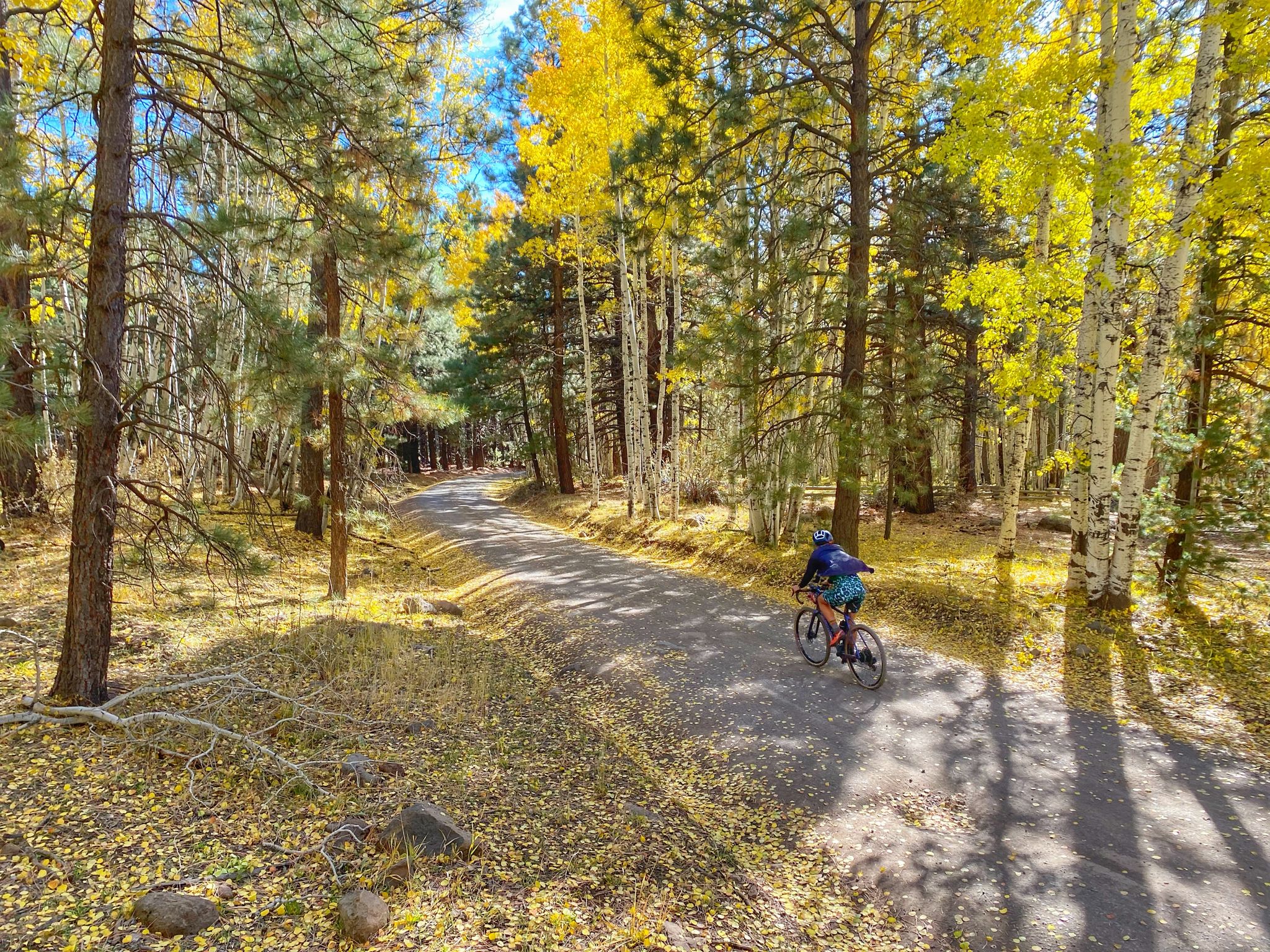
Grand Canyon to Mount Humphreys — a run, bike, run adventure
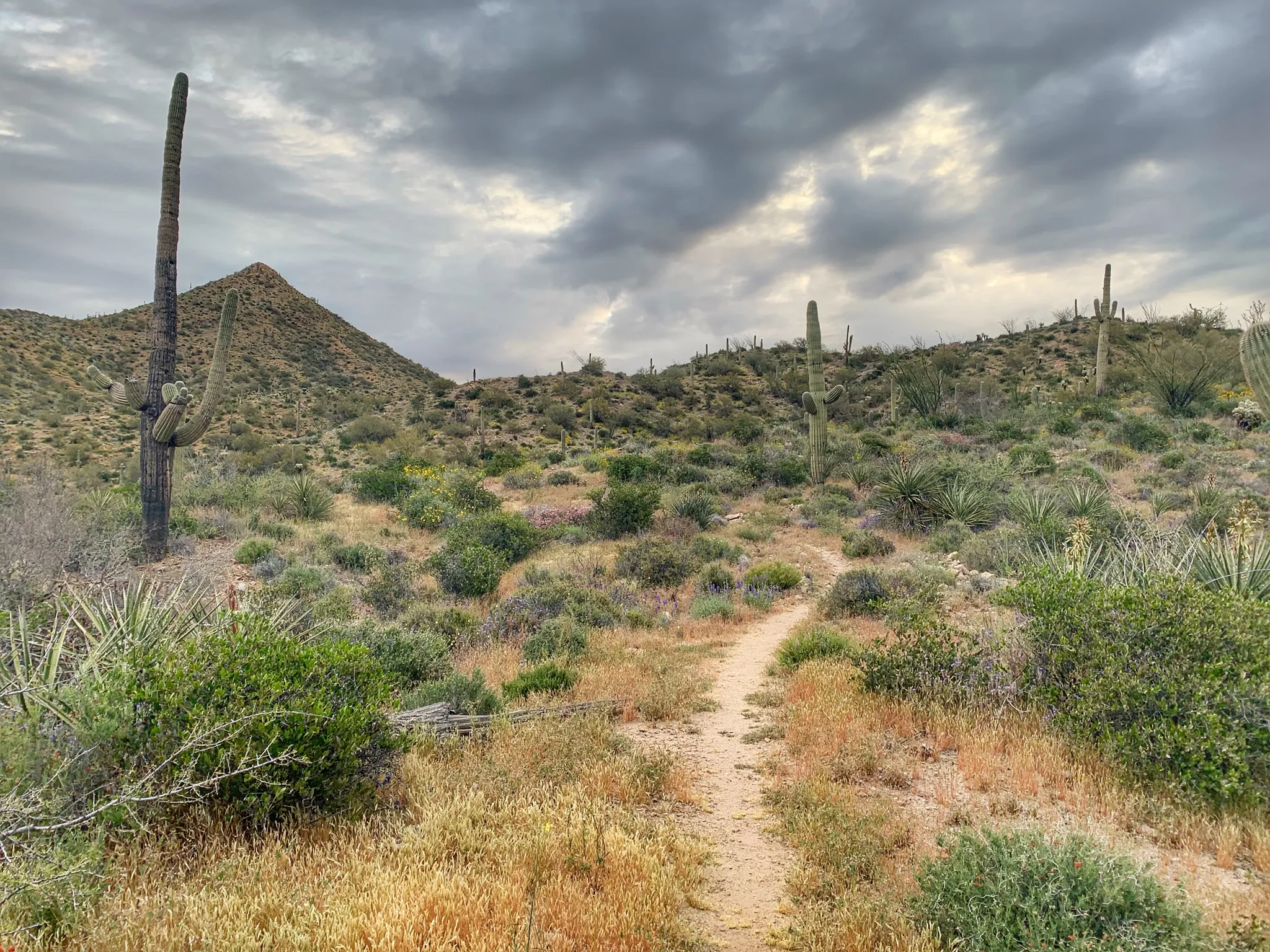
Arizona Trail — A beautiful 800-mile struggle
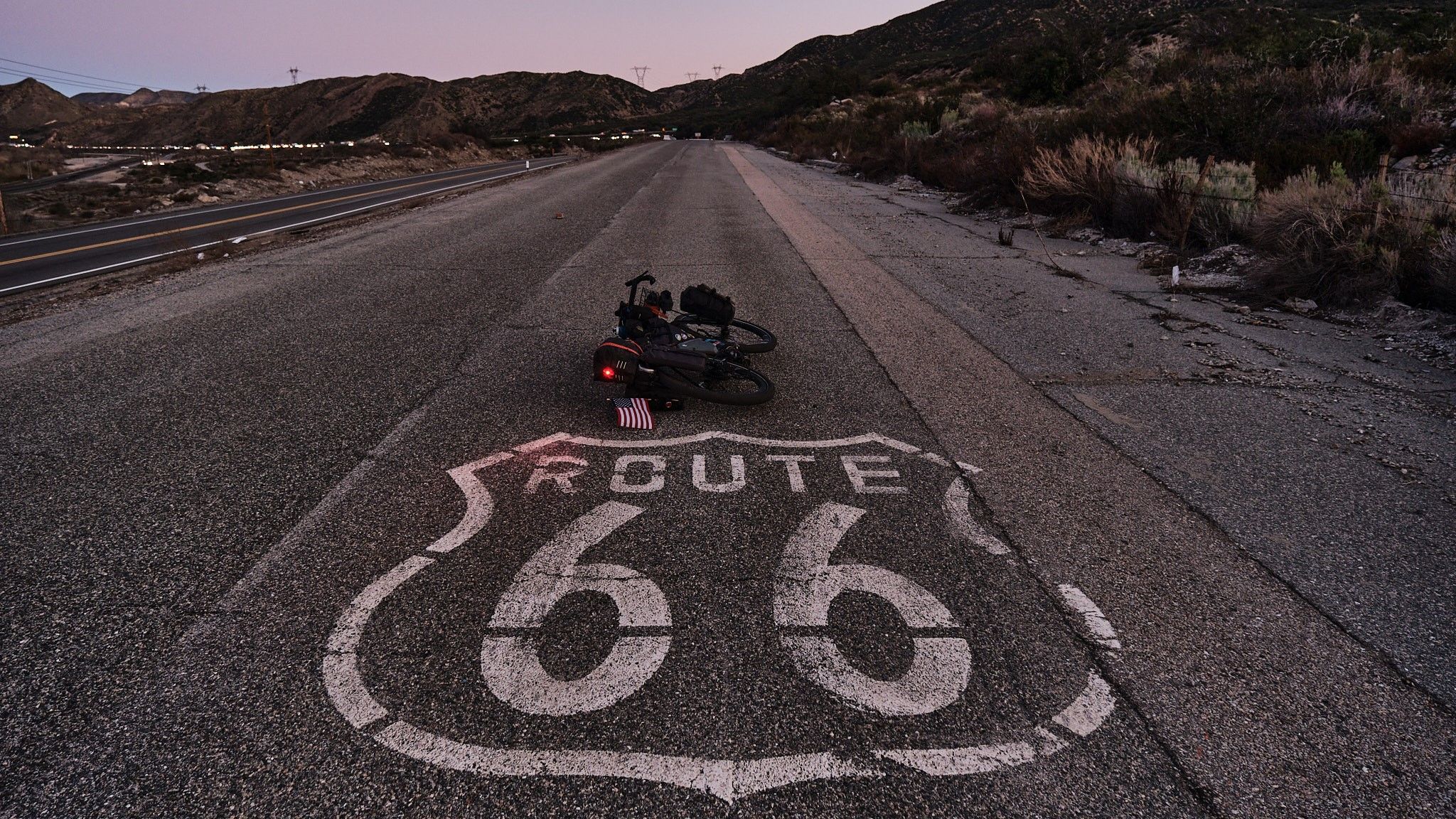
Adventure Cycling Association's Bicycle Route 66 — LA to Chicago
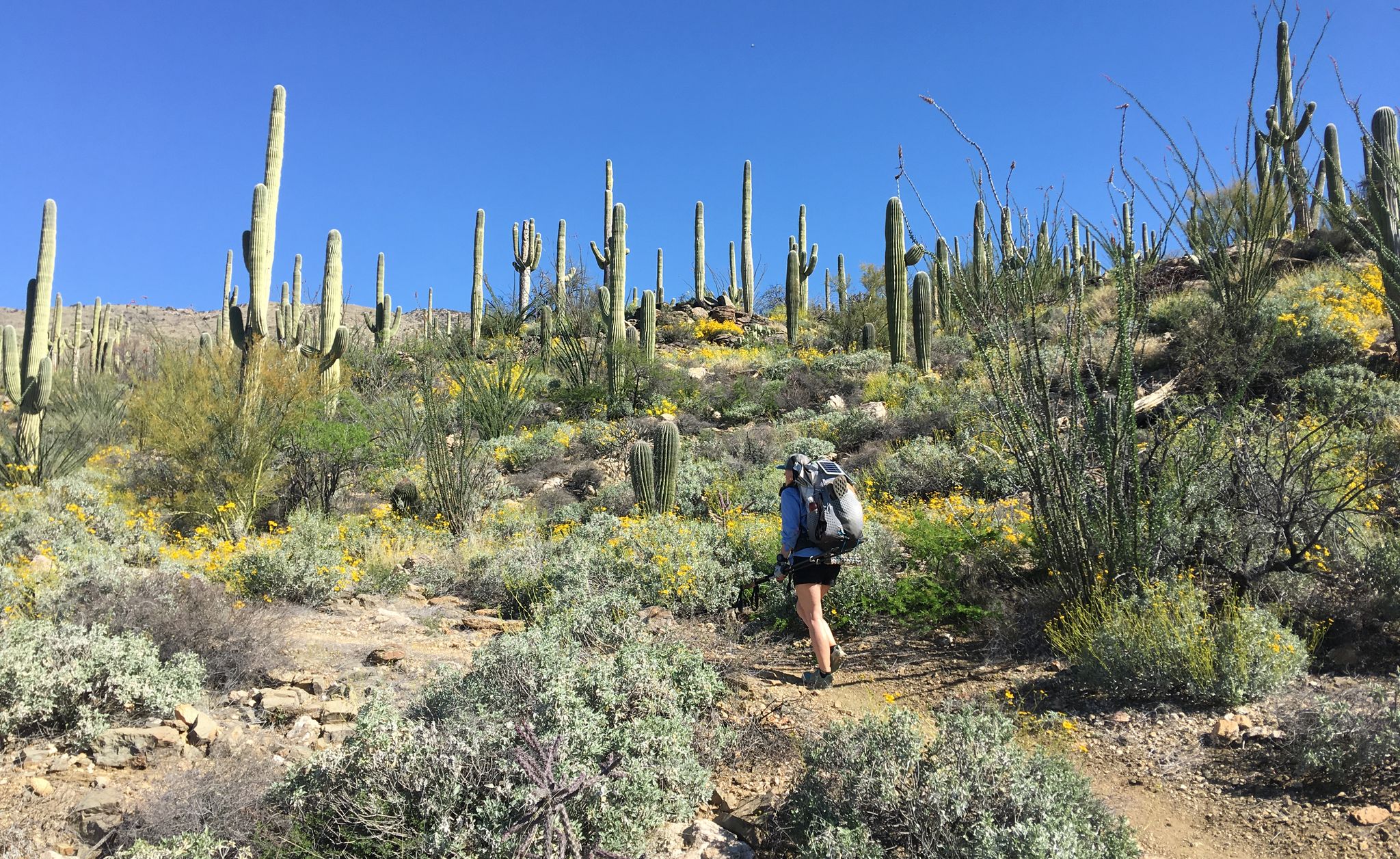
The Arizona Trail — From Mexico to Utah in 43 days
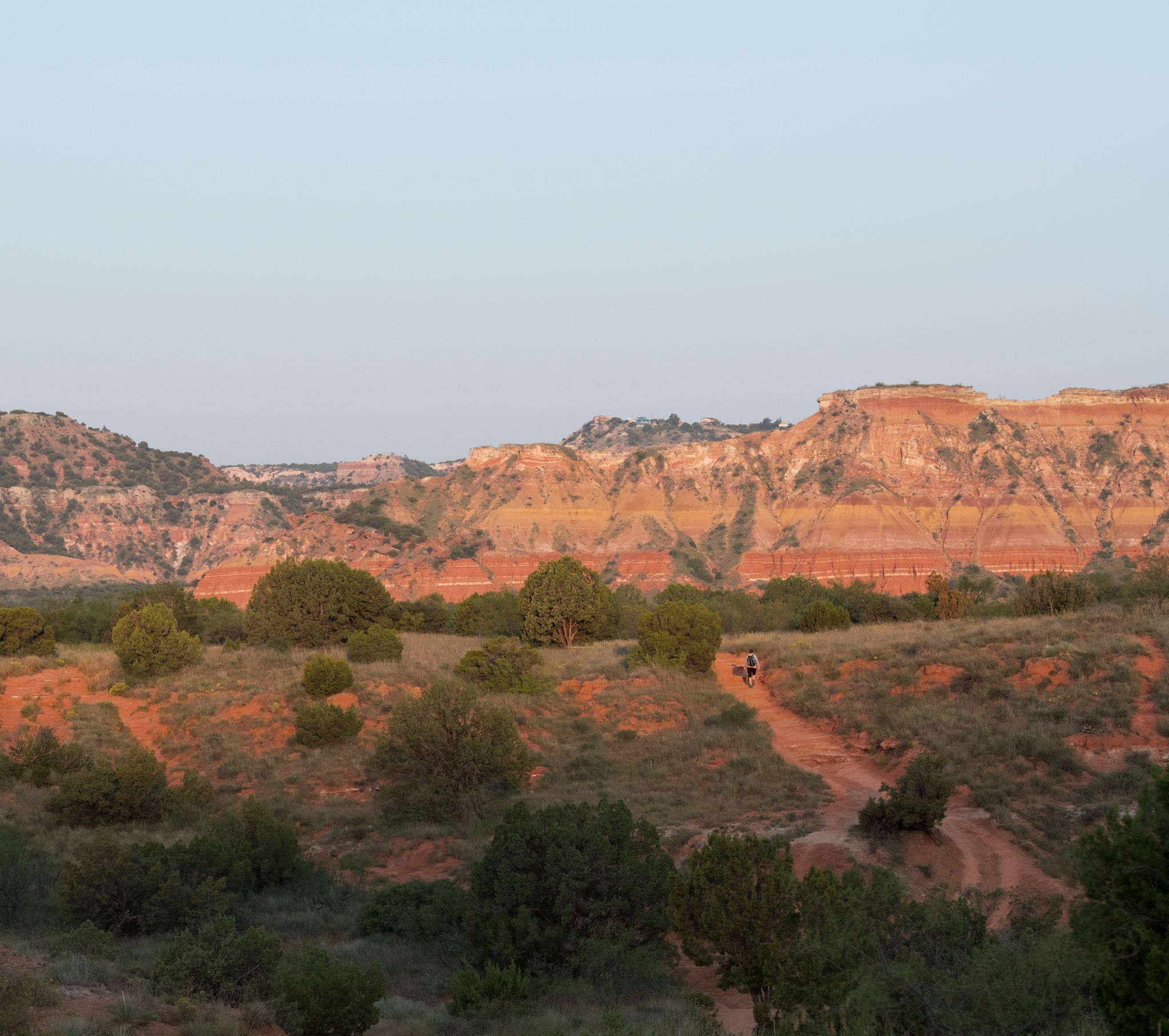
Historic Route 66 – curiosities, selfie spots and diners
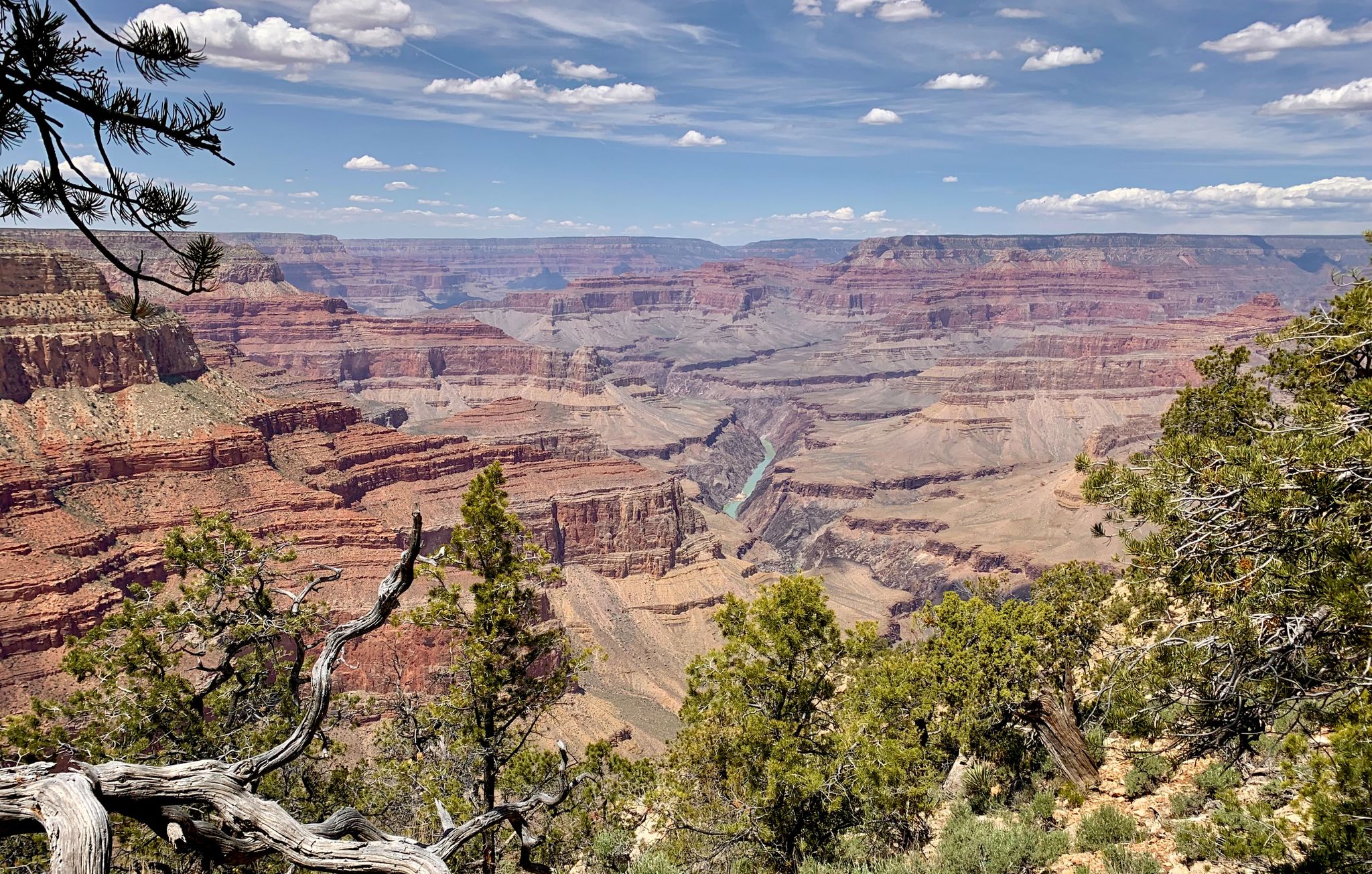
Arizona to Colorado – national parks and Native American culture
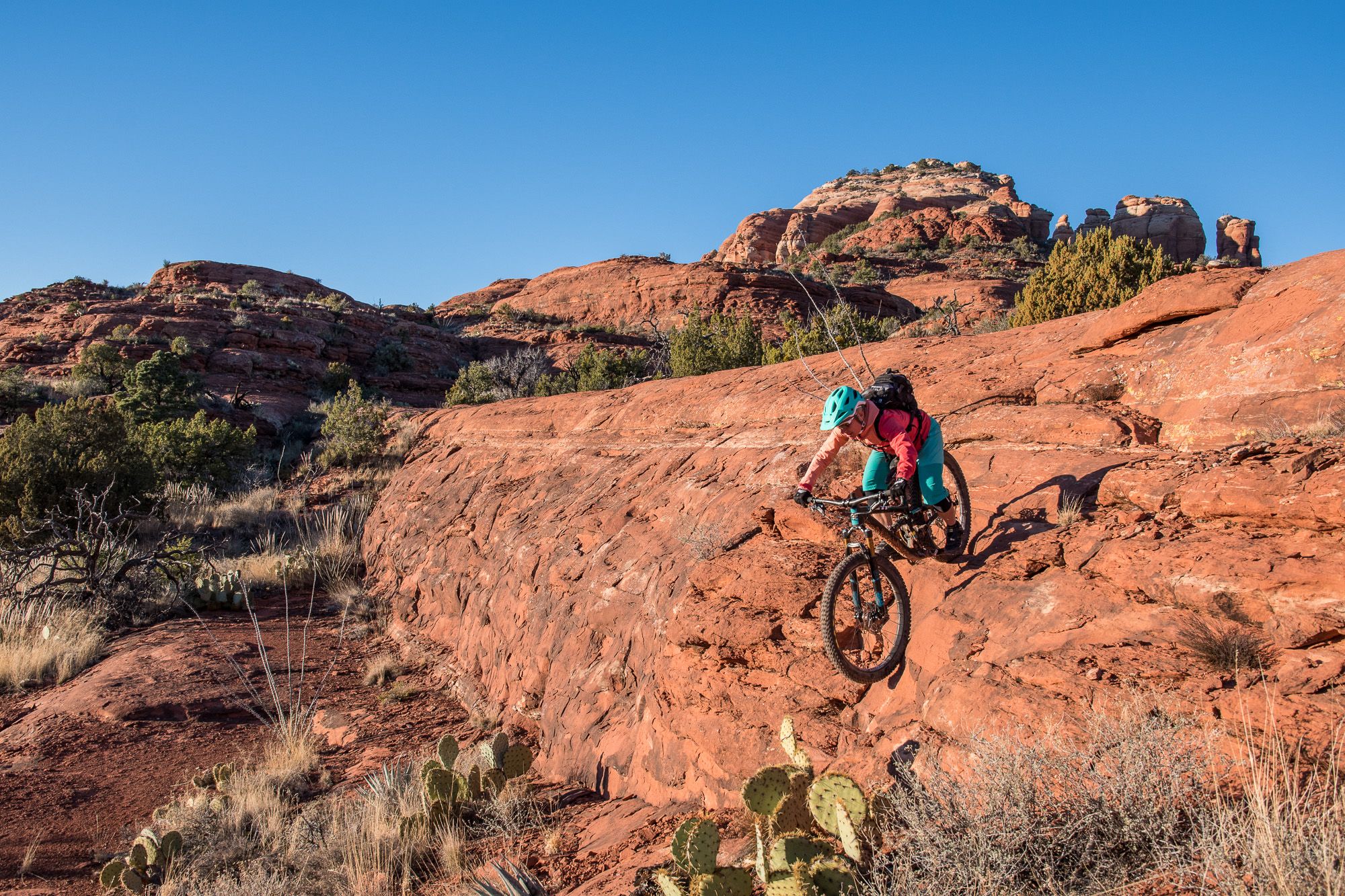
Shred the Red – Mountain biking in Sedona’s MTB hotspot
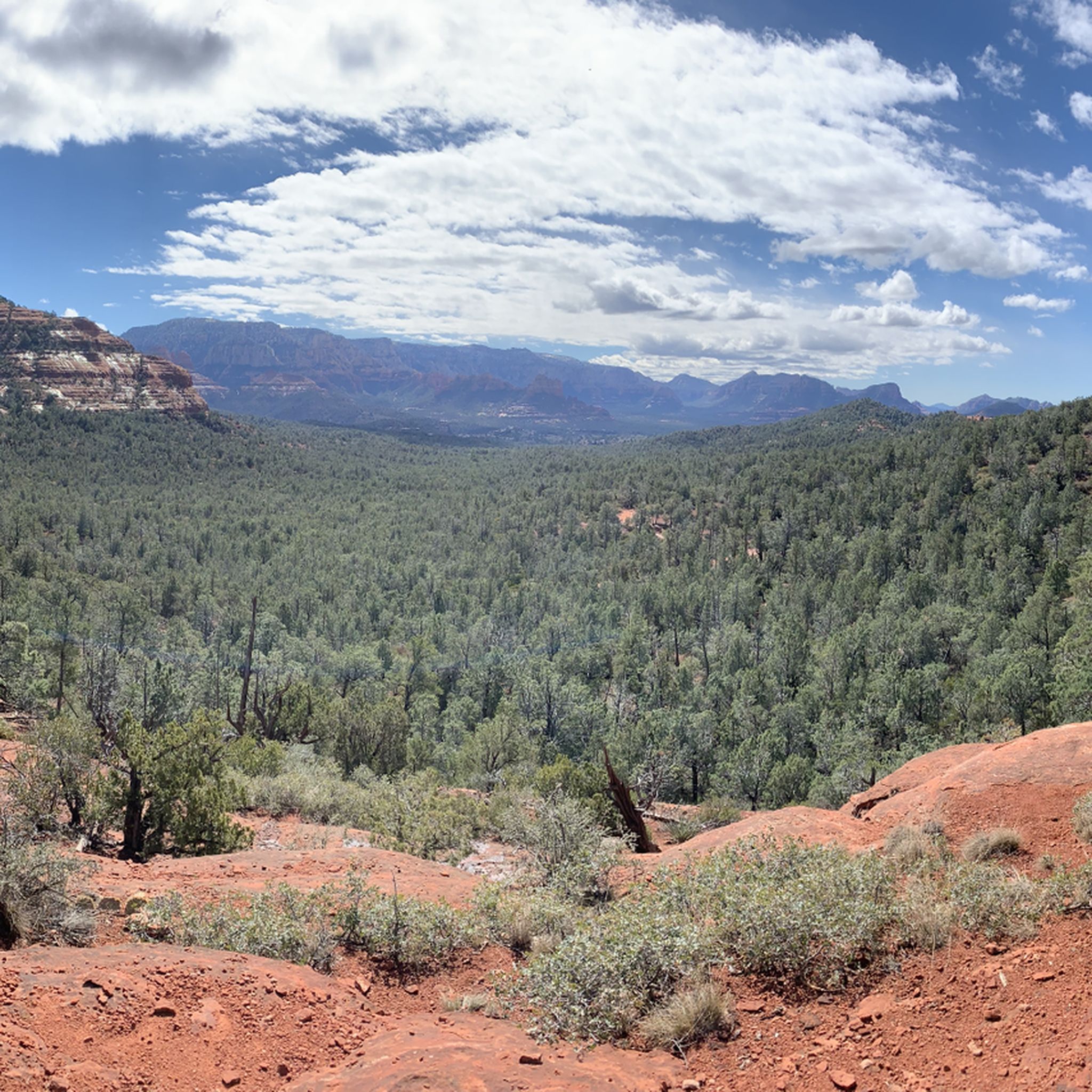
Hiking in Coconino National Forest
MTB Trails in Coconino National Forest
Running Trails in Coconino National Forest
Other adventures in Coconino National Forest


Tips from the Community

There are two ways to get up to the Subway Cave: one is easier, but goes along a narrow cliff. The more direct approach is more technical, going up the direct slope, but also less scary if you're not good with heights.
0
0
Quite challenging but rewarding hike. Expect a lot of scrambling and crab-walking.
0
0


The Subway Cave is a remarkable slot-like natural rock formation and is often considered a "secret spot" due to its location; however, you will likely encounter plenty of other visitors here. Reaching this location requires a short scramble, but the breathtaking views of the surrounding red rock landscape make it well worth the effort.
0
0

Great place, awesome views...Watch my trail including the missing path to Cathedral Rock from south
0
1


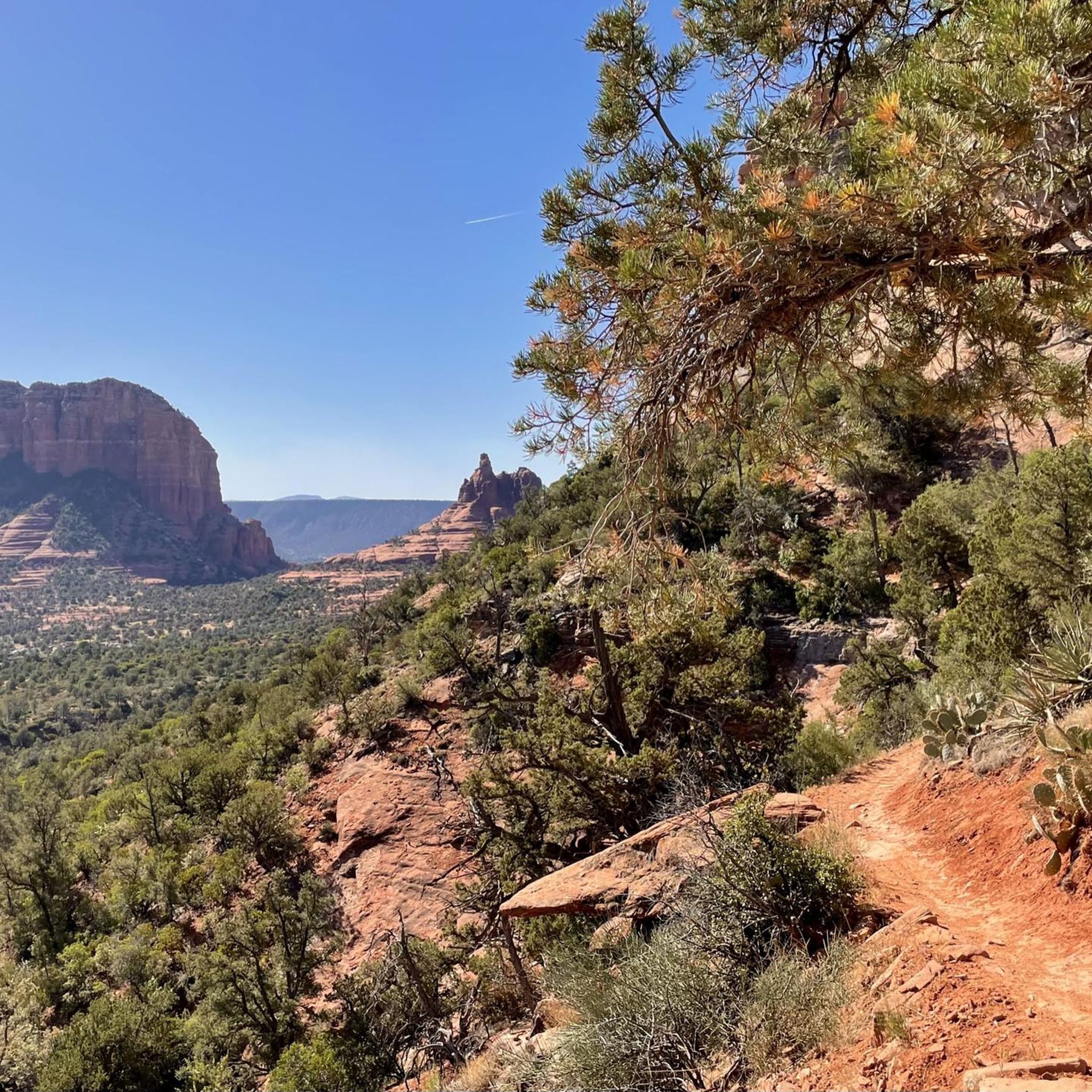
This bell-shaped rock got its name in the 1800's and has since been a must-see for all traveling through the Sedona area. It appears rounded from a distance, but closer views allow one to see the defined, steep walls of each of its "steps."
0
0
These sacred pools of water naturally collect in the small sandstone sinkholes and provide a drinking source to the animals living in the area. Because of the lack of other water sources in the area, please tread lightly and plan to bring along any water you might need for your run.
0
0
Frequently Asked Questions
What are some of the most popular natural monuments in Coconino National Forest?
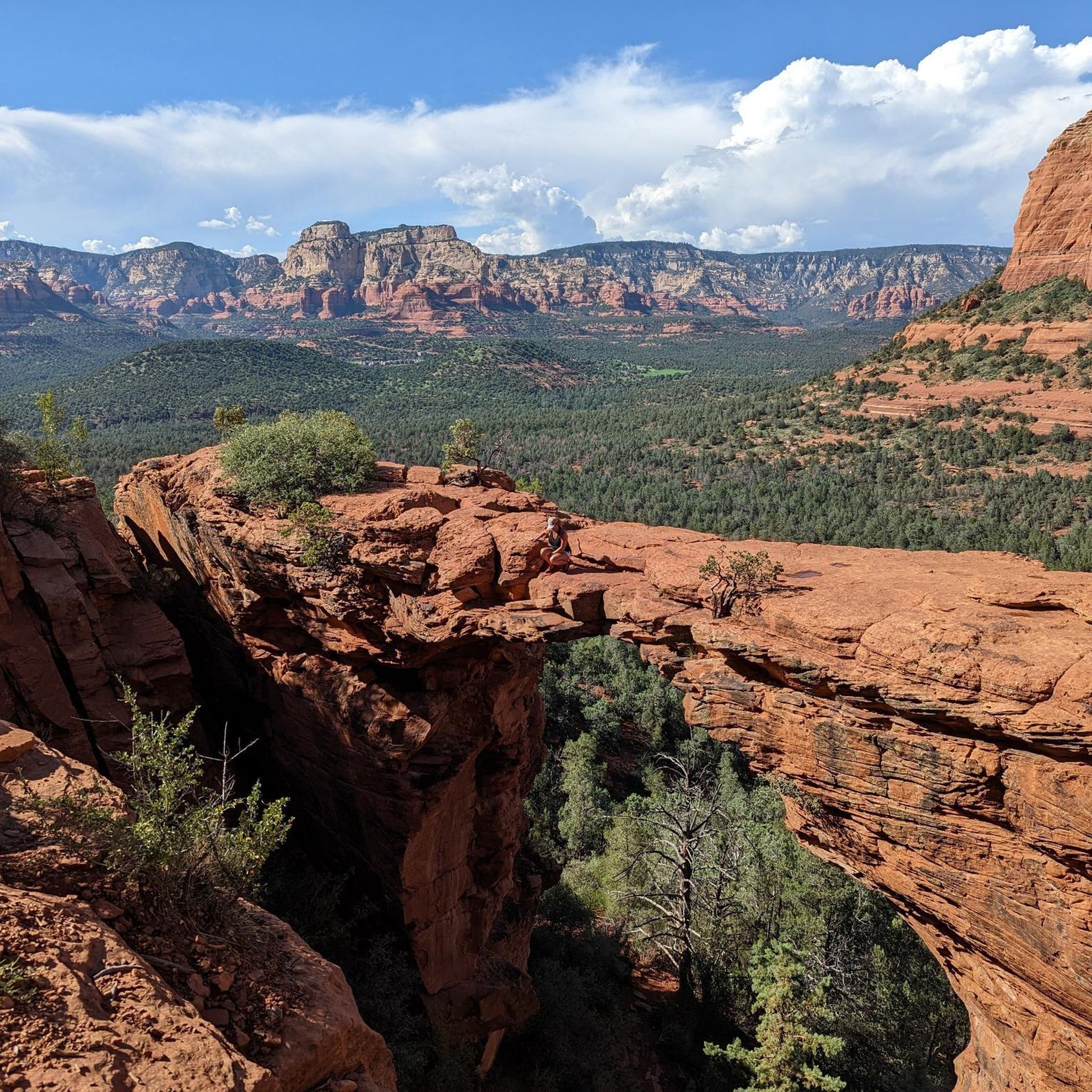
Visitors frequently explore iconic sites such as Subway Cave and Ruins — Boynton Canyon, known for its unique underground experience and ancient ruins. Other favorites include Courthouse Rock, a prominent bell-shaped landmark in Sedona, and Devil's Bridge, the largest natural sandstone arch in the area offering stunning views.
What unique geological features can I explore in Coconino National Forest?
The forest boasts a diverse range of geological wonders. You can explore the dramatic red rock formations around Sedona, including towering buttes and canyons carved by ancient forces. The San Francisco Peaks, remnants of a large stratovolcano, represent the highest points in Arizona. For a unique underground experience, visit the Lava River Cave, a natural lava tube formed by ancient volcanic activity. Oak Creek Canyon and Sycamore Canyon also offer spectacular river gorges and wilderness.
Are there family-friendly natural monuments in Coconino National Forest?
Many natural monuments offer experiences suitable for families. While some trails can be challenging, areas like the base of Courthouse Rock and Seven Sacred Pools provide scenic walks with less strenuous ascents. Always check trail difficulty and conditions before heading out with children.
What outdoor activities can I do near the natural monuments in Coconino National Forest?
The area around the natural monuments is excellent for various outdoor activities. You can find numerous hiking trails, from easy walks to challenging climbs like the Cathedral Rock Trail. Mountain biking is popular, with trails like Hiline and Hangover in Sedona. Road cycling routes, such as the Flagstaff to Sedona via 89A, also offer scenic rides. For more options, explore the Road Cycling Routes, MTB Trails, and Gravel Biking guides for Coconino National Forest.
What is the best time to visit the natural monuments in Coconino National Forest?
The best time to visit largely depends on the specific monument and desired activity. Spring and fall generally offer pleasant temperatures for hiking and exploration, especially in the Sedona area. Summer can be hot, particularly at lower elevations, but higher elevations like the San Francisco Peaks provide cooler escapes. Winter offers unique opportunities for snow activities at higher altitudes, though some trails may be inaccessible.
Are there any historical or cultural sites among the natural monuments?
Yes, several natural monuments have historical significance. The Subway Cave and Ruins — Boynton Canyon features ancient ruins near the cave entrance. The red rock formations themselves, particularly around Sedona, are considered sacred by local indigenous communities and hold deep cultural importance. The Sunset Crater Volcano National Monument, bordering the forest, preserves a cinder cone from an eruption around 1085 CE, offering a glimpse into recent geological and human history.
Are permits required to visit natural monuments in Coconino National Forest?
While many areas within Coconino National Forest are open to the public without specific permits for entry, some trailheads, particularly in the Red Rock District (Sedona area), require a Red Rock Pass for parking. It's advisable to check the official Coconino National Forest website or local visitor centers for the most current information regarding passes and any specific permits needed for certain activities or wilderness areas.
Where can I find parking near the natural monuments?
Parking availability varies by location. Popular trailheads for monuments like Devil's Bridge and Cathedral Rock Trail often have designated parking lots, which can fill up quickly, especially during peak seasons. Arriving early in the morning is often recommended. Some areas may require a Red Rock Pass for parking. Always look for official parking areas and avoid parking illegally to prevent fines or damage to natural habitats.
What do visitors enjoy most about the natural monuments in Coconino National Forest?
Visitors consistently praise the breathtaking views and unique geological formations. The opportunity for stunning photography, especially at spots like Devil's Bridge and Cathedral Rock Trail, is a major draw. Many also appreciate the diverse hiking experiences, from the adventurous scramble to Subway Cave to the scenic loop around Courthouse Rock. The sense of wonder and connection to nature in these dramatic landscapes is a common highlight.
Are there accessible natural monuments for visitors with limited mobility?
While many trails to natural monuments involve uneven terrain, some areas within Coconino National Forest offer more accessible options. Scenic drives, such as those through Oak Creek Canyon or along the Red Rock Scenic Byway, provide stunning views from a vehicle. For specific accessible trails or viewpoints, it's best to consult the Coconino National Forest's official resources or visitor centers for up-to-date information on paved paths or boardwalks.
Can I bring my dog to the natural monuments in Coconino National Forest?
Many trails and areas within Coconino National Forest are dog-friendly, provided your pet is on a leash. However, specific rules can vary by monument or wilderness area. For example, some sensitive natural areas or archaeological sites might have restrictions. Always check local signage and regulations before bringing your dog, and ensure you pack out all waste to preserve the natural environment.
What wildlife might I encounter near the natural monuments?
Coconino National Forest is home to diverse wildlife. Depending on the elevation and habitat, you might spot mule deer, javelina, coyotes, and various bird species, including raptors. In higher elevations, elk are common. Near water sources like Oak Creek, you might see smaller mammals and amphibians. Always observe wildlife from a distance and never feed animals.
Most popular routes in Coconino National Forest
Most popular attractions in Coconino National Forest

Get inspired with the komoot mobile app


Explore more
Extend your search for the best caves by checking out these guides of the top ones in Coconino National Forest:
