Area B (Discovery Islands/Mainland Inlets)
Area B (Discovery Islands/Mainland Inlets)
Top 4 Natural Monuments around Area B (Discovery Islands/Mainland Inlets)
Best natural monuments around Area B (Discovery Islands/Mainland Inlets) are characterized by dense forests, rugged coastlines, and pristine waters. This region of British Columbia features classic fjordal landscapes with towering mountains and numerous waterfalls. It offers a wealth of natural monuments remarkable for their geological formations and ecological significance. The area provides opportunities for experiencing diverse ecosystems and observing marine life.
Best natural monuments around Area B (Discovery Islands/Mainland Inlets)
- The most popular natural monuments is Elk Falls, a…
Last updated: May 11, 2026
Elk Falls
Highlight • Waterfall
Tip by

Deer Falls
Highlight • Waterfall
Tip by
Sign up now to discover places like this
Get recommendations on the best single tracks, peaks, & plenty of other exciting outdoor places.
Sign up for free
Small Waterfall at the Outlet of Dolphin Lake
Highlight • Waterfall
Tip by
Moose Falls
Highlight • Waterfall
Tip by
Canyon View Bridge
Highlight • Bridge
Tip by

Start today with a free account
Your next adventure awaits.
Login or Signup
Popular around Area B (Discovery Islands/Mainland Inlets)
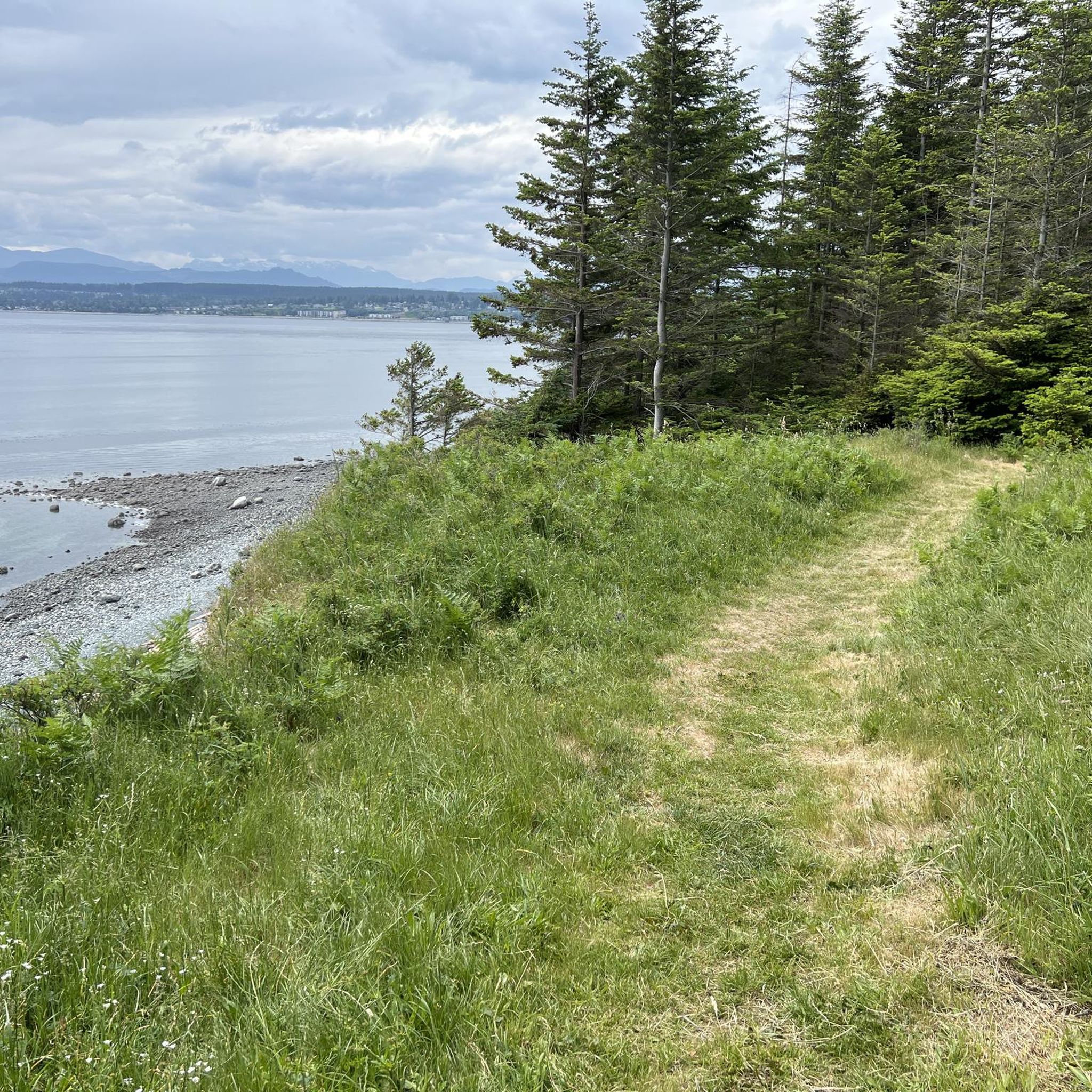
Hiking around Area B (Discovery Islands/Mainland Inlets)
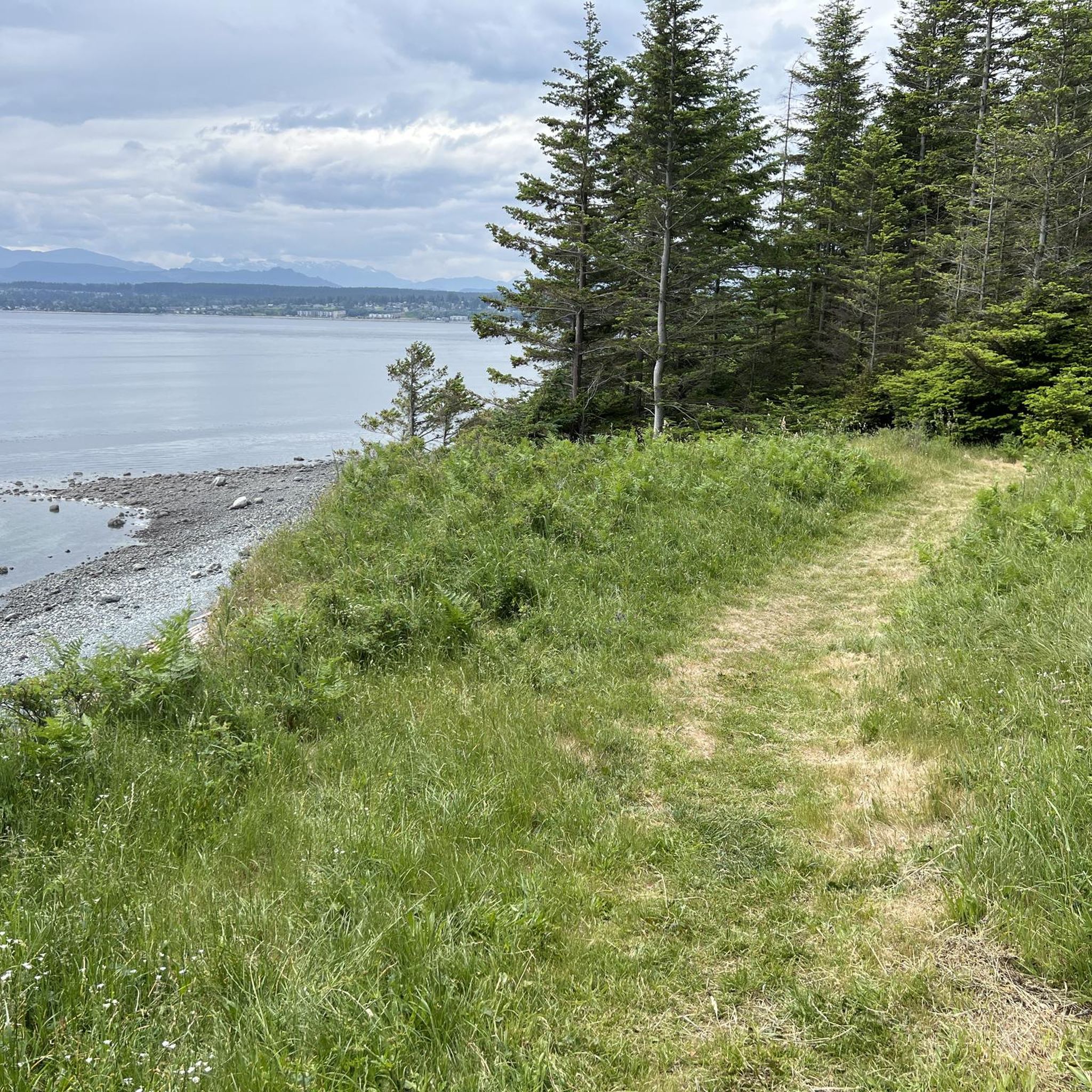
Cycling around Area B (Discovery Islands/Mainland Inlets)
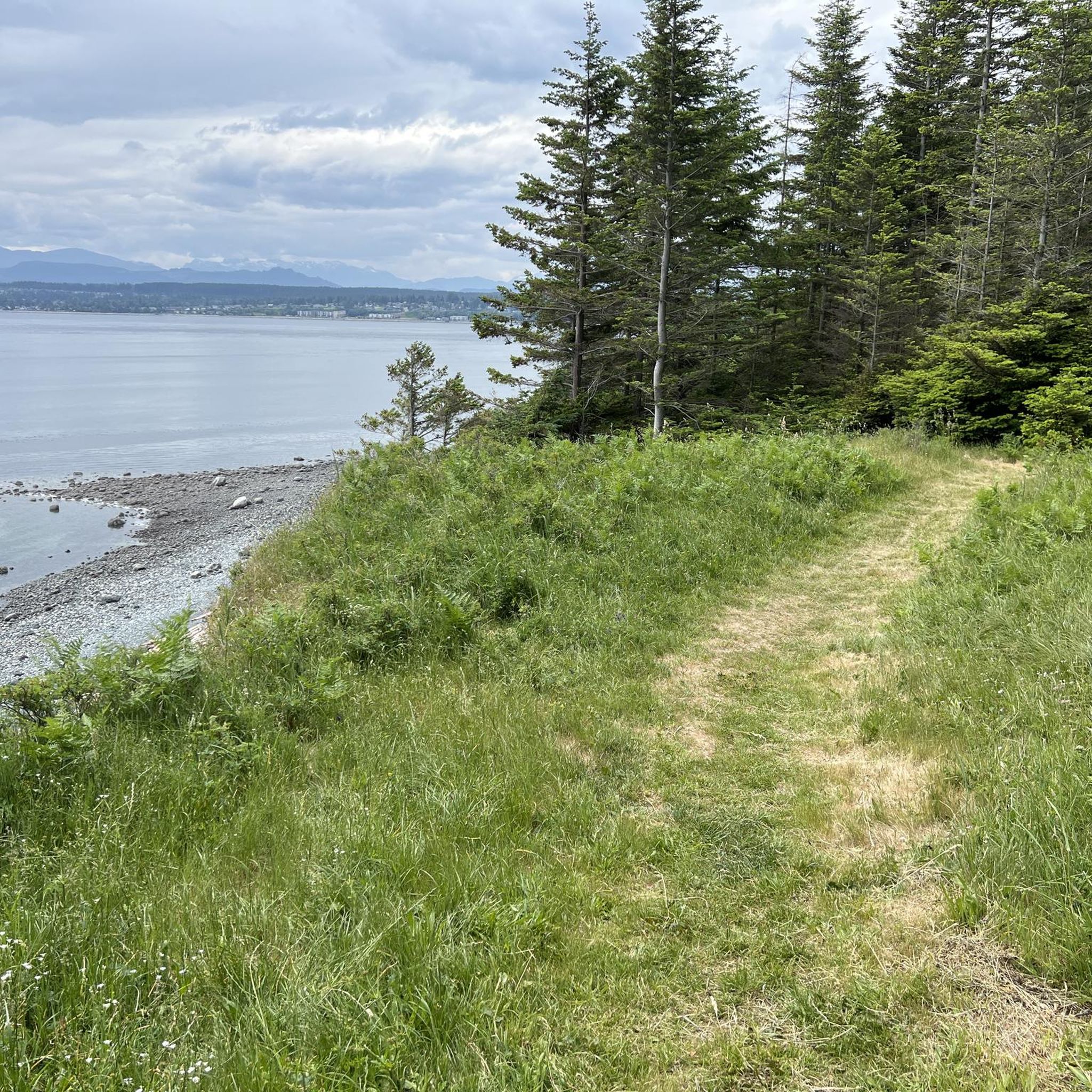
Road Cycling Routes around Area B (Discovery Islands/Mainland Inlets)
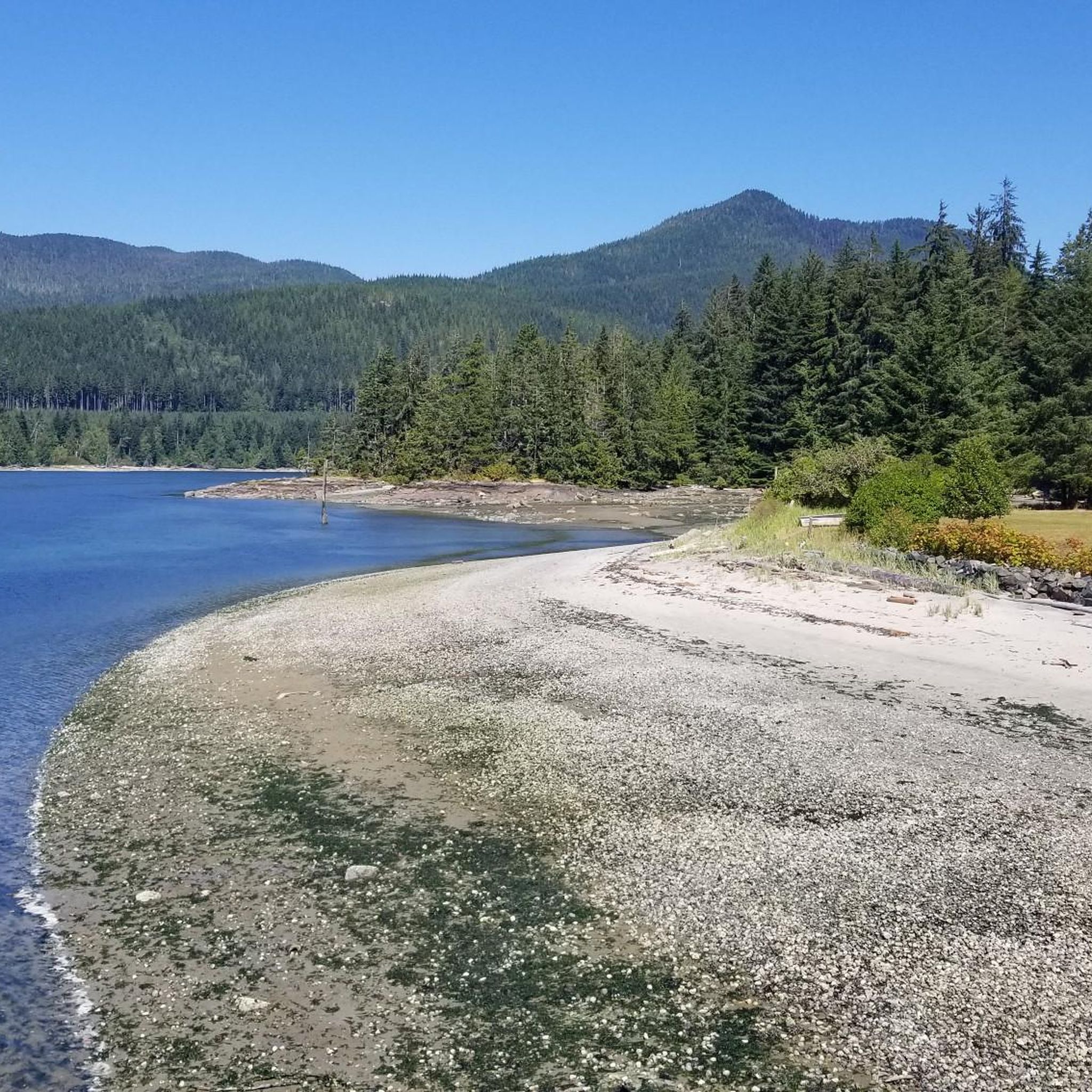
Running Trails around Area B (Discovery Islands/Mainland Inlets)

Gravel biking around Area B (Discovery Islands/Mainland Inlets)
Tips from the Community

This narrow pedestrian bridge gives a look straight down into the Campbell River. You might spot salmon in the clear water below, and you may also see eagle sightings throughout the year.
1
0

Deer Falls is the middle of three waterfalls in Elk Falls Provincial Park. The drop over the basalt outcrop is minimal, about 1 Meter. Deer Falls probably only became visible after the Campbell River was dammed and the water flow in the river decreased significantly. https://www.worldwaterfalldatabase.com/waterfall/Deer-Falls-1909 While walking along the Riverside Loop Trail you have a good view of Deer Falls – be careful, the rocks are in the danger zone.
2
0
Moose Falls is the uppermost of three waterfalls in Elk Falls Provincial Park on the Campbell River below the John Hart Reservoir. The water flows from the reservoir over Moose Falls into Dolphin Pool. https://www.worldwaterfalldatabase.com/waterfall/Moose-Falls-1908 Walking along the Riverside Loop Trail, you have a good view of Moose Falls and Dolphin Pool with the John Hart Dam in the background - be careful, the rocks are in the danger zone.
2
0
The Canyon View pedestrian bridge offers beautiful views of the canyon in both directions.
2
0
Between the outlet at John Hart Reservoir and the large Elk Falls lie several small waterfalls. The rocky outcrop at the outlet of Dolphin Lake remains unnamed.
2
0
The 27-meter-high Elk Falls are located in Elk Falls Provincial Park near the town of Campbell River. Since 1948, the waters of the river of the same name have been dammed by John Hart Reservoir and largely diverted for hydroelectric power generation. The waterfall maintains a constant flow year-round, although this flow never reaches its original levels. https://www.worldwaterfalldatabase.com/waterfall/Elk-Falls-1910 The Campbell River Hydroelectric Facilities Discovery Centre/Museum at Campbell River displays a photo from December 2016, when BC Hydro released large amounts of water from John Hart Lake to reduce flood risk, plunging it over Elk Falls into the gorge.
2
0

our 1st encounter with black bear, and lots and lots of salmon
0
0

Frequently Asked Questions
What unique natural features can I expect to see in Area B (Discovery Islands/Mainland Inlets)?
Area B is renowned for its diverse natural features, including dramatic fjord systems like Bute, Toba, and Princess Louisa Inlets with towering mountains and cascading waterfalls. You'll also find rugged coastlines, dense forests, and pristine marine ecosystems. Specific highlights include the powerful Elk Falls and the scenic views from Canyon View Bridge.
Beyond waterfalls, what other natural monuments are there in the Discovery Islands?
While waterfalls like Elk Falls and Deer Falls are prominent, the Discovery Islands offer more. You can explore the long, narrow peninsula of Rebecca Spit Provincial Park on Quadra Island, known for its beaches and marine environment. The region also features diverse coastlines, marine ecosystems rich in wildlife, and protected areas like the John Kim Nature Sanctuary on Read Island.
What makes the Mainland Inlets a significant natural monument?
The Mainland Inlets, including Bute, Toba, and Princess Louisa Inlets, are classic fjordal landscapes. They are characterized by towering mountains rising steeply from the water, often with jagged alpine peaks and glaciers. These inlets feature dramatic scenery, numerous waterfalls, and are crucial habitats for wildlife, including grizzly bears and salmon. Princess Louisa Inlet, in particular, is known for its granite cliffs and dozens of waterfalls.
Are there any protected natural areas in the Discovery Islands?
Yes, the John Kim Nature Sanctuary on Read Island is a protected 1.86-hectare forested property. It serves as a tranquil setting for experiencing local forest ecosystems and exemplifies conservation efforts in the Discovery Islands.
Are the natural monuments in Area B suitable for families?
Many natural monuments in Area B are family-friendly. For instance, Rebecca Spit Provincial Park offers easy access to beaches and picnicking spots. The trails around Elk Falls and Canyon View Bridge are generally accessible for families, providing opportunities to see waterfalls and potentially spot salmon. Always check specific trail difficulties before heading out.
Can I bring my dog to the natural monuments in Area B?
Many outdoor areas in Area B are dog-friendly, especially trails within provincial parks like Elk Falls Provincial Park, where you can visit Elk Falls and Canyon View Bridge. However, regulations can vary by specific location, especially in protected areas or wildlife viewing zones. It's always best to keep dogs on a leash and follow local signage.
What is the best time to visit the natural monuments in Area B?
The late spring and early summer are particularly good times to visit the fjord systems of the Mainland Inlets, as waterfalls are at their most spectacular due to snowmelt. Late summer and fall are excellent for grizzly bear viewing expeditions in places like Bute Inlet, as bears gather to feed on salmon. Generally, the warmer months offer the best conditions for outdoor activities and marine exploration throughout the region.
What outdoor activities can I do near these natural monuments?
The region offers a wide range of outdoor activities. Near natural monuments like Rebecca Spit Provincial Park, you can enjoy easy hikes and running loops. The broader Area B is excellent for kayaking, sailing, hiking, mountaineering, and ski touring in the fjord systems. Whale watching tours are also a top attraction in the Discovery Islands. For more detailed route information, you can explore guides like Hiking around Area B or Running Trails around Area B.
Are there hiking trails near the waterfalls in Elk Falls Provincial Park?
Yes, Elk Falls Provincial Park features several trails that lead to its impressive waterfalls. You can follow the Riverside Loop Trail to get good views of Deer Falls and Moose Falls. The park also offers access to the main Elk Falls and the Canyon View Bridge, providing various hiking opportunities. An easy running loop from Elk Falls Provincial Park is also available.
What kind of wildlife can I spot around the natural monuments?
Area B is rich in wildlife. The nutrient-rich waters of the Salish Sea and Johnstone Strait are vital habitats for various whale species, including orcas, humpback whales, minke whales, and gray whales. On land, you might spot black bears, deer, and eagles in the lush rainforests. The fjord systems, particularly Bute Inlet, are known for grizzly bear viewing expeditions, especially when salmon are spawning.
What do visitors enjoy most about the natural monuments in Area B?
Visitors frequently praise the stunning natural beauty and the immersive wilderness experience. The sheer scale of the fjords, the constant flow of waterfalls like Elk Falls, and the deep blue waters visible from Canyon View Bridge are often highlighted. The opportunities for wildlife viewing, especially marine mammals and bears, also create awe-inspiring experiences. The komoot community has shared 77 photos and given 123 upvotes, reflecting the appreciation for these sites.
Are there any hidden natural monuments or lesser-known spots worth exploring?
While the major fjords and parks are well-known, exploring the smaller islands and inlets can reveal hidden gems. For instance, the Small Waterfall at the Outlet of Dolphin Lake, located between the John Hart Reservoir and Elk Falls, is a lesser-known rocky outcrop offering a scenic viewpoint. The John Kim Nature Sanctuary on Read Island also provides a quiet, contemplative natural setting away from more crowded areas.
Most popular routes around Area B (Discovery Islands/Mainland Inlets)
Most popular attractions around Area B (Discovery Islands/Mainland Inlets)

Get inspired with the komoot mobile app


Explore more
Extend your search for the best caves by checking out these guides of the top ones around Area B (Discovery Islands/Mainland Inlets):
