Top 7 Natural Monuments around Fricourt
Best natural monuments around Fricourt are primarily natural features with significant historical context, rather than traditionally designated protected areas. The topography of the Fricourt area, including its woodlands and valleys, played a crucial role in World War I events. These sites offer a unique blend of historical immersion and natural observation, providing insight into the interplay between human conflict and the natural world. For those seeking traditional natural reserves, several are located further afield from the village.
Best natural monuments…
Last updated: July 5, 2026
Lochnagar Crater
Highlight • Monument
Translated by Google •
Tip by

Frise Viewpoint
Highlight • Viewpoint
Translated by Google •
Tip by

Sign up now to discover places like this
Get recommendations on the best single tracks, peaks, & plenty of other exciting outdoor places.
Sign up for free
Dorsetshire Regiment Monument
Highlight • Monument
Translated by Google •
Tip by

Hawthorn Ridge Crater (Battle of the Somme, First World War)
Highlight • Natural Monument
Translated by Google •
Tip by
La Boisselle Mine Crater
Highlight • Historical Site
Translated by Google •
Tip by
Sign up for free to discover even more natural monuments around Fricourt.
Sign up for free
Already have an account?
Start today with a free account
Your next adventure awaits.
Login or Signup




Tips from the Community

The Cratère de Lochnagar, an impressive war memorial, was created by a huge mine blown up by the British Royal Engineers on 1 July 1916, as part of the Battle of the Somme. The explosion marked the beginning of the battle and left a crater 90 metres in diameter and 25 metres deep. Interestingly, the crater was named after Lochnagar Street, the trench from which the tunnel was dug. The crater is now a preserved site of remembrance and a religious service is held there every year on 1 July in memory of those who died.
8
0

Just off the road to Bapaume, is the site of the grand mine. At 7am on the 1st July 1916 the biggest explosion in history cause this hole o e of several that marked the start of the Battle of the Somme. Well worth a visit.
0
0

Very moving place of memory. Never forget 💮.
1
0

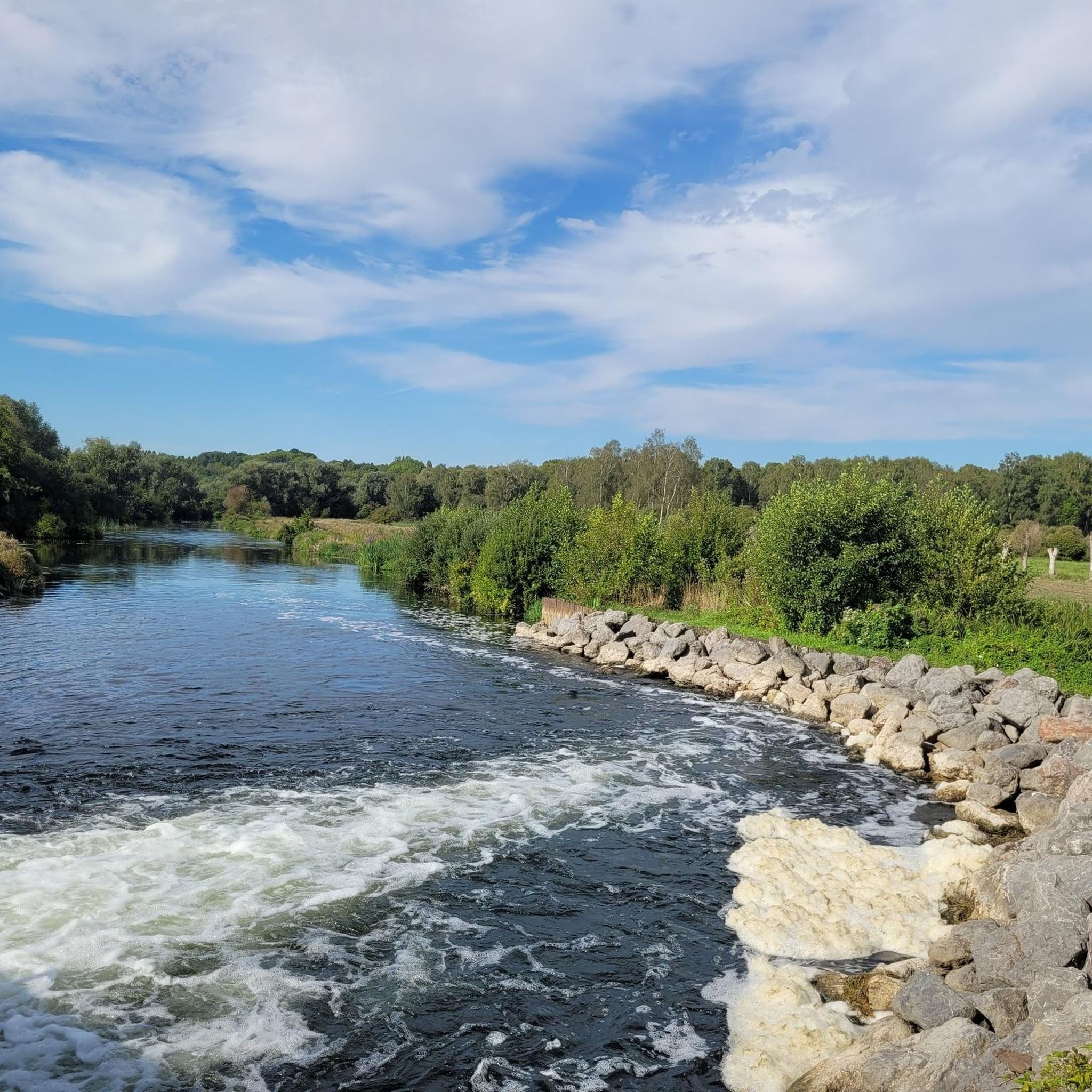
The Frize mountain belvedere reveals a striking view of the meanders of the Somme, in a peaceful setting that contrasts with its past marked by the battles of the First World War. Traces of this history are still visible in the trenches and shell impacts. Mentioned by Blaise Cendrars, this land rich in history today offers visitors an exceptional panorama of a landscape of marshes and ponds.
2
0

Enormous crater! Should you take with you on the tour: few are so well preserved and accessible.
2
0
An impressive example of the power of destruction: 100 years later, you still stand at this crater and can't imagine what really happened here. Well documented and can also be visited by groups, the area has space for stay and exchange.
3
0

Lochnagar Crater is the largest man-made World War I mine crater on the Western Front, created by a massive explosion that marked the start of the Battle of the Somme in 1916. You can tour the crater on a walk , discover history through information panels and pay tribute to the men and women who suffered during the Great War. The Lochnagar Crater Foundation organizes annual commemoration ceremonies and maintains the site as a memorial.
5
0
Lochnagar Crater is the largest artificial mine crater of the First World War on the Western Front. It was created by a massive explosion of 60,000 pounds of explosives under German lines on July 1, 1916, the first day of the Battle of the Somme. You can tour the crater and discover its history thanks to the information panels. You can also pay your respects to fallen soldiers by visiting the memorial cross and memorial plaques.
2
0
Frequently Asked Questions
What kind of natural monuments can I expect to find around Fricourt?
The natural monuments around Fricourt are primarily natural features with significant historical context, deeply intertwined with World War I events. You'll find sites like craters formed by wartime explosions, such as the Lochnagar Crater, and viewpoints that offer striking perspectives on the Somme landscape, like Frise Viewpoint. These locations provide a unique blend of historical immersion and natural observation.
How do the natural features around Fricourt relate to its World War I history?
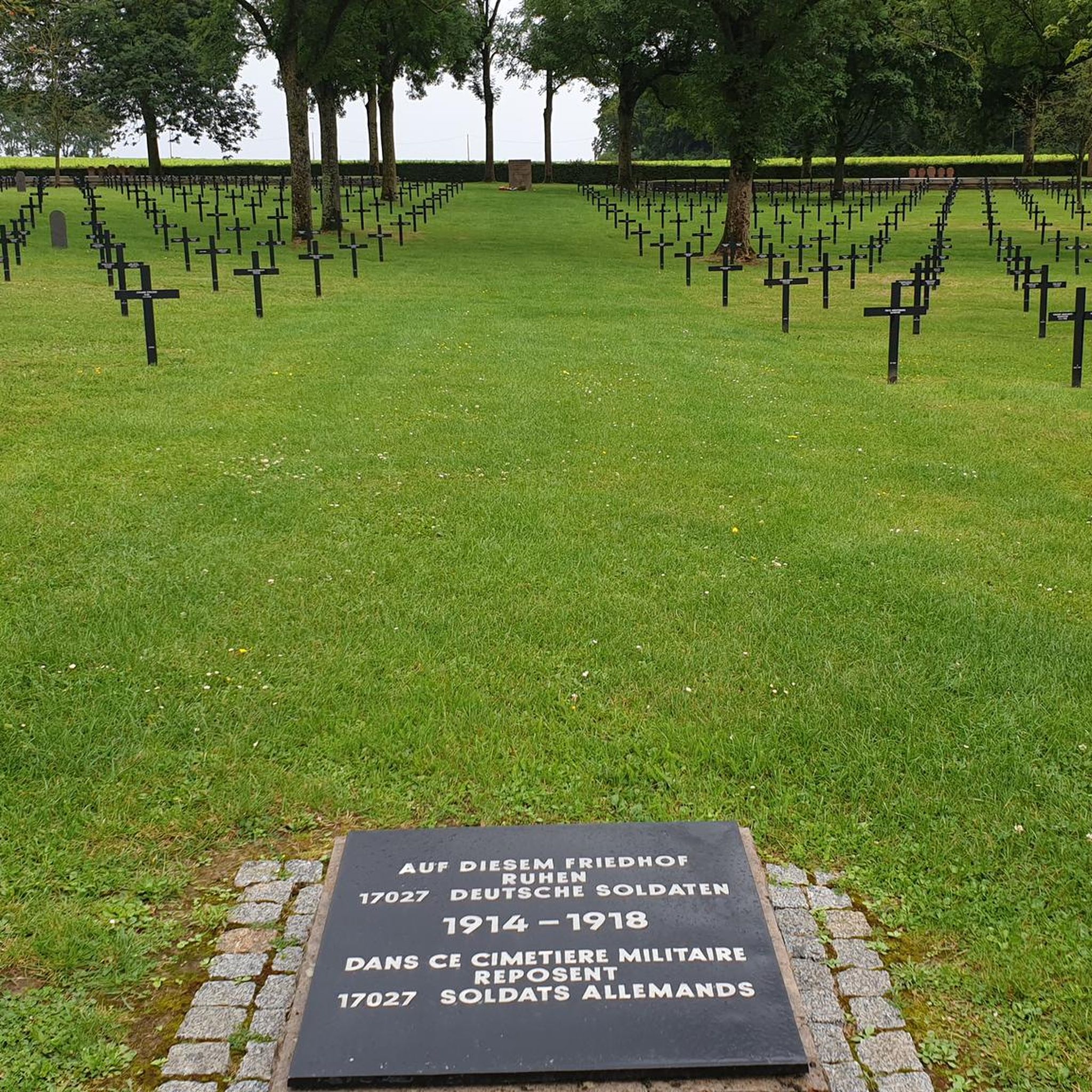
Many natural features in the Fricourt area played crucial roles in World War I. For instance, Fricourt Wood was a strategic woodland during the Battle of the Somme, and the Fricourt Valley was a significant battlefield landscape. Craters like Lochnagar Crater and Hawthorn Ridge Crater are direct results of wartime explosions, dramatically altering the natural landscape and serving as powerful reminders of the conflict.
What is the Lochnagar Crater and why is it significant?
The Lochnagar Crater is a massive man-made crater, 90 meters in diameter and 25 meters deep, created by a huge mine blown up by the British Royal Engineers on July 1, 1916. This explosion marked the beginning of the Battle of the Somme. It is the largest man-made World War I mine crater on the Western Front and is now a preserved site of remembrance, with annual commemoration ceremonies.
Can I visit other significant WWI craters near Fricourt?
Yes, beyond Lochnagar Crater, you can visit other historically significant craters. The Hawthorn Ridge Crater, located at the entrance to Beaumont-Hamel, is another mine crater exploded during the First World War, bearing witness to the tragic events of July 1, 1916. Additionally, the La Boisselle Mine Crater is another large artificial crater from the same battle.
Are there any viewpoints offering panoramic views of the Somme landscape?
Yes, the Frise Viewpoint offers a striking panorama of the Somme River's meanders. This peaceful setting contrasts with its past, marked by the battles of the First World War, with traces of trenches and shell impacts still visible. It provides an exceptional view of the landscape, including marshes and ponds.
Are there hiking trails to explore the natural monuments around Fricourt?
Yes, there are several hiking trails that allow you to explore the natural and historical sites around Fricourt. You can find routes like the 'Lochnagar crater and German military cemetery of Fricourt' loop or the 'La Boisselle Mine Crater – Lochnagar Crater' loop. These trails vary in difficulty from easy to moderate. For more details on these and other hiking options, you can visit the Hiking around Fricourt guide.
What other outdoor activities are available near Fricourt's natural sites?
Besides hiking, the area around Fricourt offers opportunities for running and cycling. You can find running trails such as the 'Fricourt Salient and Lochnagar Crater Loop' or cycling routes like the 'Aveluy Wood Cemetery – Somme Trench Museum loop'. These activities allow you to experience the landscape and historical sites at your own pace. Explore more options in the Running Trails around Fricourt and Cycling around Fricourt guides.
Are the natural monuments around Fricourt suitable for families?
Many of the significant sites around Fricourt, including Lochnagar Crater, Frise Viewpoint, and the La Boisselle Mine Crater, are considered family-friendly. They offer accessible ways to learn about history and enjoy the outdoors together. Information panels at sites like Lochnagar Crater help make the historical context understandable for all ages.
When is the best time to visit the natural monuments in the Fricourt area?
The best time to visit the natural monuments in the Fricourt area is generally during the spring, summer, and early autumn months (April to October). During these periods, the weather is typically milder and more conducive to outdoor exploration and walking around the sites. Visiting outside of these months might mean colder temperatures and potentially muddier conditions, especially on trails.
Are there any traditional nature reserves or protected areas near Fricourt?
While Fricourt itself is focused on historical natural features, for those seeking traditional designated nature reserves, you would need to travel further afield. Options include the Réserve naturelle de l'Étang Saint-Ladre (approx. 28km away), the Réserve naturelle des Marais d'Isle (approx. 46km away), and the Réserve naturelle régionale du Marais de Wagnonville (approx. 51km away). These offer diverse ecosystems like wetlands and peat bogs.
What do visitors find most compelling about the natural monuments around Fricourt?
Visitors are often deeply moved by the tangible connection to history offered by these sites. The sheer scale of the Lochnagar Crater and the poignant atmosphere of places like Hawthorn Ridge Crater leave a lasting impression. The blend of natural beauty with the stark reminders of wartime events, as seen from viewpoints like Frise Viewpoint, is frequently highlighted as a compelling aspect of the experience.
Can I visit Fricourt Wood and Fricourt Valley?
Yes, Fricourt Wood and the Fricourt Valley are accessible for visitors. While not formally designated 'natural monuments,' their historical significance during World War I makes them important sites. Exploring these areas allows for a deeper understanding of the challenges faced by soldiers and provides a tangible connection to the landscape over which battles were fought.
Most popular routes around Fricourt
Most popular attractions around Fricourt

Get inspired with the komoot mobile app


Explore more
Extend your search for the best caves by checking out these guides of the top ones around Fricourt:
