The best walks and hikes around Fricourt
4.4
(238)
1,151
hikers
86
hikes
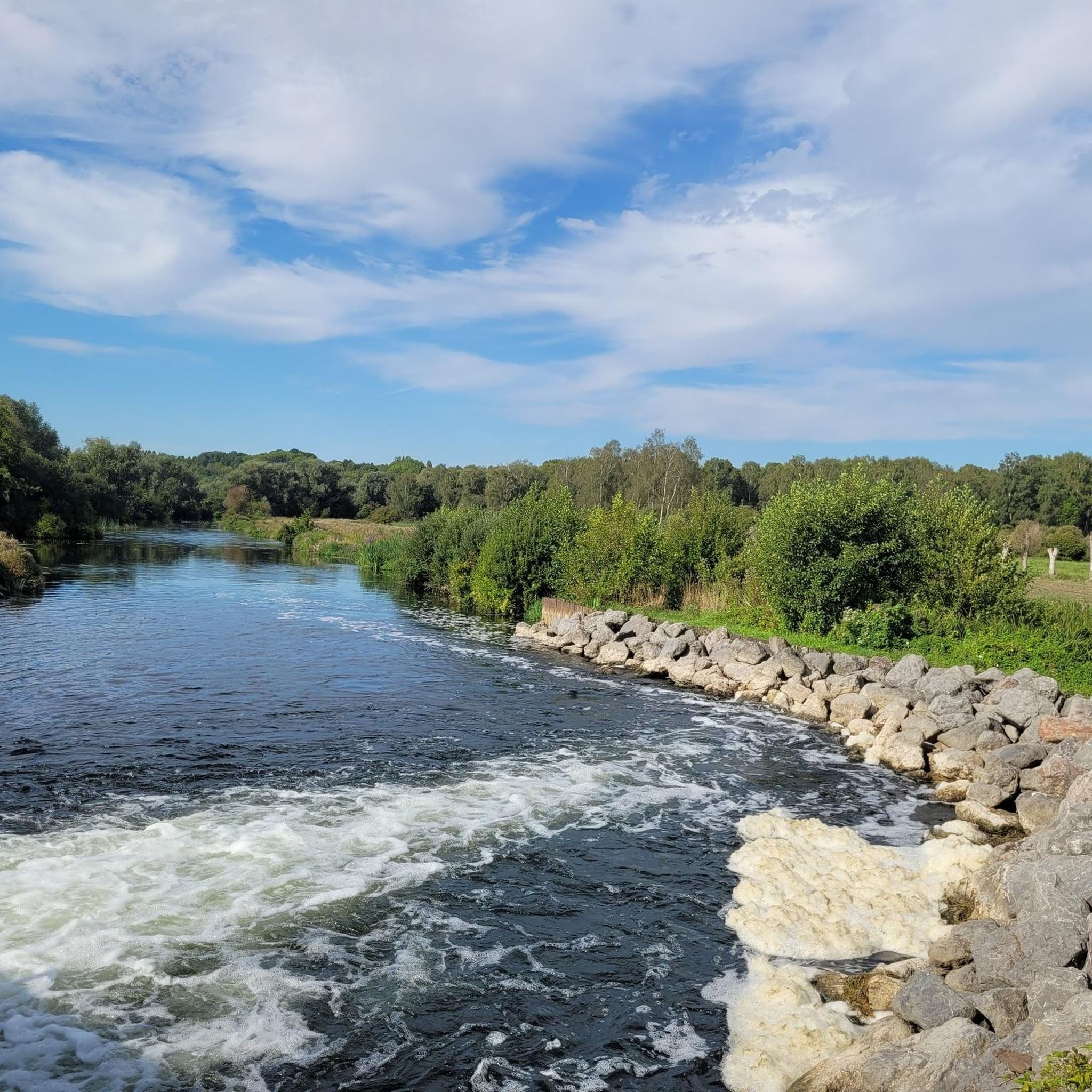
Hiking around Fricourt offers a unique outdoor experience through its historical World War I battlefield terrain in the Somme department of northern France. The landscape is characterized by gently contoured land, including the Fricourt Valley and the Bois Francais woodland, which still bear the scars of past conflicts. These features provide a tangible link to history, allowing hikers to traverse former front lines and explore areas of significant historical events.
Best hiking trails around Fricourt
- The most popular hiking route…
Last updated: July 9, 2026
3.5
(2)
5
hikers
Moderate hike. Good fitness required. Easily-accessible paths. Suitable for all skill levels.
5.0
(1)
6
hikers
Easy hike. Great for any fitness level. Easily-accessible paths. Suitable for all skill levels.

Sign up for free
4.3
(3)
8
hikers
13.2km
03:32
150m
150m
Moderate hike. Good fitness required. Easily-accessible paths. Suitable for all skill levels.
5.0
(1)
6
hikers
Easy hike. Great for any fitness level. Easily-accessible paths. Suitable for all skill levels.
1
hikers
18.5km
04:56
200m
200m
Moderate hike. Good fitness required. Easily-accessible paths. Suitable for all skill levels.
Get access to more routes and recommendations from other explorers.
Sign up for free
Already have an account?
Our route recommendations are based on thousands of hikes, rides, and runs completed by other people on komoot.
Start today with a free account
Your next adventure awaits.
Login or Signup



Tips from the Community

Officially part of the Historial de la Grande Guerre, the Thiepval Museum is located near the impressive Thiepval Memorial and offers an in-depth look at the Battle of the Somme of 1916. Opened in 2016 to mark the centenary of this bloody battle, the museum comprises seven thematic areas, each highlighting a different aspect of the war. One of the highlights is the 60-metre-long panoramic comic strip by artist Joe Sacco, which vividly depicts the events of 1 July 1916. Visitors will gain insight not only into the military strategies, but also into the human suffering and the culture of remembrance surrounding the missing of the Somme.
5
0
The Tour d'Ulster, also known as the Helen Tower or Tour de Belfast, is a British war memorial. It was built in 1921 to commemorate the soldiers of the 36th Ulster Division who died during the Battle of the Somme in World War I. The tower is a replica of a neo-Gothic tower in Clandeboye Park, near Belfast, where the 36th Division trained. An interesting anecdote is that the 36th Ulster Division was the first to attack during the Battle of the Somme on 1 July 1916, but suffered heavy losses from both German and British artillery fire. The division lost over 5,500 men in just a few hours. The Tour d'Ulster has a cafeteria where you can enjoy a cup of tea, scones or Tayto chips, a specialty from Northern Ireland. It is a nice place to relax.
6
0
The Cratère de Lochnagar, an impressive war memorial, was created by a huge mine blown up by the British Royal Engineers on 1 July 1916, as part of the Battle of the Somme. The explosion marked the beginning of the battle and left a crater 90 metres in diameter and 25 metres deep. Interestingly, the crater was named after Lochnagar Street, the trench from which the tunnel was dug. The crater is now a preserved site of remembrance and a religious service is held there every year on 1 July in memory of those who died.
8
0
An interesting anecdote is that the monument was inaugurated in 1932 by the Prince of Wales and the French President Albert Lebrun. The monument consists of a series of arches supported by sixteen massive square pillars, on which the names of the missing soldiers are engraved. At the foot of the monument is a Franco-British military cemetery with 600 graves: 300 French and 300 British soldiers.
6
0
The Parc Mémorial de Thiepval is an impressive war memorial that commemorates the 72,337 missing British and South African soldiers who died during the Battle of the Somme in World War I. Designed by Sir Edwin Lutyens, the memorial is considered one of the greatest British monumental works of the twentieth century. The park also includes a visitor centre, opened in 2004, and the Jardins de la Paix, where visitors can reflect and enjoy the serene surroundings. Every year on 1 July, remembrance ceremonies are held to honour the victims of the Battle of the Somme.
8
0
Tour d'Ulster has a cafeteria where you can enjoy a cup of tea, scones or Tayto chips, a specialty from Northern Ireland. It is a nice place to relax for a while.
1
0
The Tour d'Ulster, also known as the Helen Tower or Tour de Belfast, is a British war memorial. It was built in 1921 to commemorate the soldiers of the 36th Ulster Division who died during the Battle of the Somme in World War I. The tower is a replica of a neo-Gothic tower in Clandeboye Park, near Belfast, where the 36th Division trained. An interesting anecdote is that the 36th Ulster Division was the first to attack during the Battle of the Somme on 1 July 1916, but suffered heavy casualties from both German and British artillery fire. The division lost over 5,500 men in just a few hours.
1
0

Just off the road to Bapaume, is the site of the grand mine. At 7am on the 1st July 1916 the biggest explosion in history cause this hole o e of several that marked the start of the Battle of the Somme. Well worth a visit.
0
0
Frequently Asked Questions
How many hiking trails are available around Fricourt?
There are over 85 hiking trails around Fricourt, offering a variety of options for exploring the historical landscapes of the Somme. These routes cater to different fitness levels, from easy walks to more challenging excursions.
What makes hiking in Fricourt a unique experience?
Hiking in Fricourt offers a profound and moving experience due to its direct connection to the battlefields of World War I. You'll traverse actual grounds where significant events of the Battle of the Somme took place, walking across former front lines and through areas like the Fricourt Valley and Bois Francais woodland, which still bear the scars of history. It's an opportunity for reflection amidst a historically rich landscape.
Are there easy hiking options suitable for beginners or families in Fricourt?
Yes, Fricourt offers several easy hiking options. Approximately 33 of the trails are rated as easy, making them suitable for beginners or families. An example is the La Boisselle Mine Crater loop from Ovillers-la-Boisselle, which is about 3.6 miles (5.8 km) long and takes around 1 hour 35 minutes to complete.
What kind of historical landmarks can I see along the hiking trails in Fricourt?
The hiking trails around Fricourt are rich with historical landmarks, primarily related to World War I. You can visit significant sites such as the Lochnagar Crater, a massive mine crater, and the La Boisselle Mine Crater. Other notable attractions include the Newfoundland Memorial and the Thiepval Memorial, offering poignant reminders of the conflict.
Are there circular hiking routes available in Fricourt?
Yes, many of the hiking routes in Fricourt are designed as loops, allowing you to start and end at the same point. For instance, the La Boisselle Mine Crater – Lochnagar Crater loop from Carnoy-Mametz is a moderate 8.3-mile (13.3 km) trail that explores key battlefield areas in a circular fashion.
Can I bring my dog on the hiking trails in Fricourt?
Generally, the historical battlefield terrain and paths around Fricourt are accessible for dogs, provided they are kept under control, especially around memorial sites and cemeteries. It's always advisable to keep your dog on a leash and be respectful of the solemn nature of many of the sites you'll encounter.
What is the best time of year to go hiking in Fricourt?
The best time to visit Fricourt for hiking is typically during the spring (April to June) and autumn (September to October) months. During these periods, the weather is generally mild and pleasant for walking, and the landscapes offer a reflective atmosphere. Summer can also be suitable, though it may be warmer, and winter can be cold and damp.
What do other hikers enjoy most about the trails in Fricourt?
The trails in Fricourt are highly rated by the komoot community, with an average score of 4.4 stars from over 200 reviews. Hikers often praise the profound historical context of the routes, the well-maintained paths through the battlefield terrain, and the opportunity for quiet reflection at the numerous memorials and cemeteries.
Are there any viewpoints or scenic spots along the Fricourt hiking trails?
While Fricourt's landscape is primarily defined by its historical significance, there are points that offer unique perspectives. The contoured land, such as the bank along the D147, provides insight into the strategic importance of the area. Additionally, nearby highlights like Thiepval Memorial and Vaux Viewpoint offer elevated positions to survey the surrounding historical terrain.
What are the parking options for hikers in Fricourt?
Parking is generally available near the main historical sites and starting points of many trails in the Fricourt area. Visitors often find parking facilities close to major cemeteries, memorials, and museums, which serve as convenient access points for exploring the battlefield routes. Specific parking details can often be found on individual route descriptions.
Are there any cafes or places to eat near the hiking trails in Fricourt?
While Fricourt itself is a small village, the broader Somme region has various options for refreshments. You'll find cafes and small eateries in nearby towns and villages, particularly those catering to visitors of the World War I battlefields. It's a good idea to check opening times, especially outside of peak tourist seasons.
What is the general elevation gain like on hikes in Fricourt?
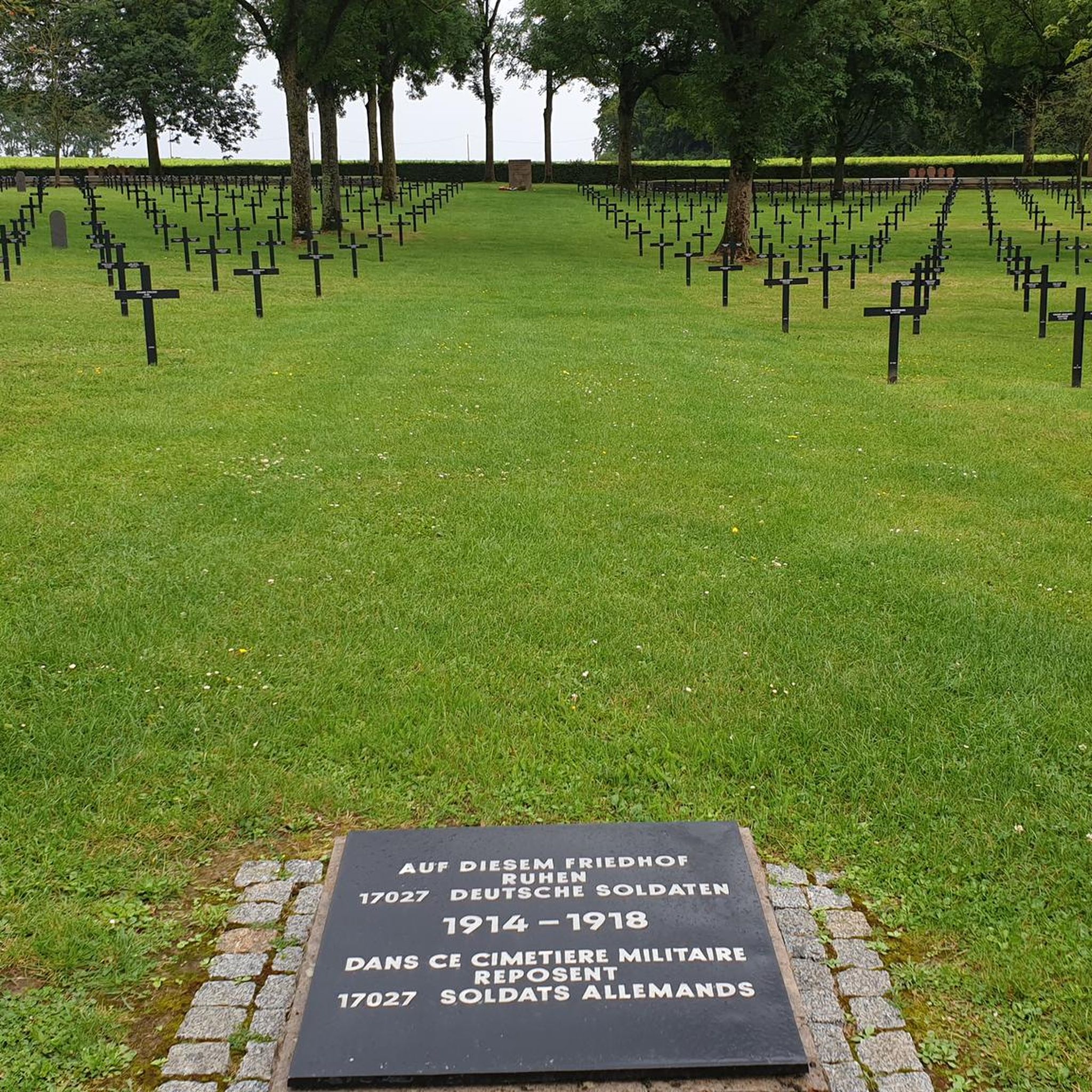
The Fricourt area is characterized by gently contoured land rather than steep mountains. Most hikes feature relatively modest elevation gains. For example, a moderate route like the Lochnagar crater and German military cemetery of Fricourt — loop from La Boisselle involves an elevation gain of about 84 meters (275 feet), making it manageable for most hikers.
Most popular attractions around Fricourt

Get inspired with the komoot mobile app


Explore more
Browse the best Hikes in other regions.
