Top 15 Natural Monuments around Saint-Guillaume
Best natural monuments around Saint-Guillaume are concentrated within the Vercors Regional Natural Park, an area known for its diverse mountain ranges, forests, and plateaus. The region features distinctive geological formations, including prominent summits and dramatic river canyons. These natural attractions provide varied landscapes for exploration. Visitors can experience a range of outdoor environments, from high mountain views to unique rock formations.
Best natural monuments around Saint-Guillaume
- The most popular natural monument is Grand Veymont, a summit that is the…
Last updated: October 7, 2026
Grand Veymont
Highlight • Summit
Translated by Google •
Tip by

Col de l'Allimas
Highlight • Mountain Pass
Translated by Google •
Tip by

Sign up now to discover places like this
Get recommendations on the best single tracks, peaks, & plenty of other exciting outdoor places.
45th Parallel North Monument
Highlight • Monument
Wikipedia says: The 45th parallel north is a circle of latitude that is 45 degrees north of …
Tip by

La Grande Moucherolle
Highlight • Summit
Translated by Google •
Tip by

Col des Deux
Highlight • Mountain Pass
Translated by Google •
Tip by

Sign up for free to discover even more natural monuments around Saint-Guillaume.
Already have an account?
Start today with a free account
Your next adventure awaits.
Tips from the Community

In the afternoon heat on the south-facing slope, very little shade. The last 3km are steep. Warning, no water at La Bâtie (cemetery gate locked), refill well before!
0
0

Stunning view and perfectly marked trail. Remember to bring water, there are no springs on the plateau.
0
0

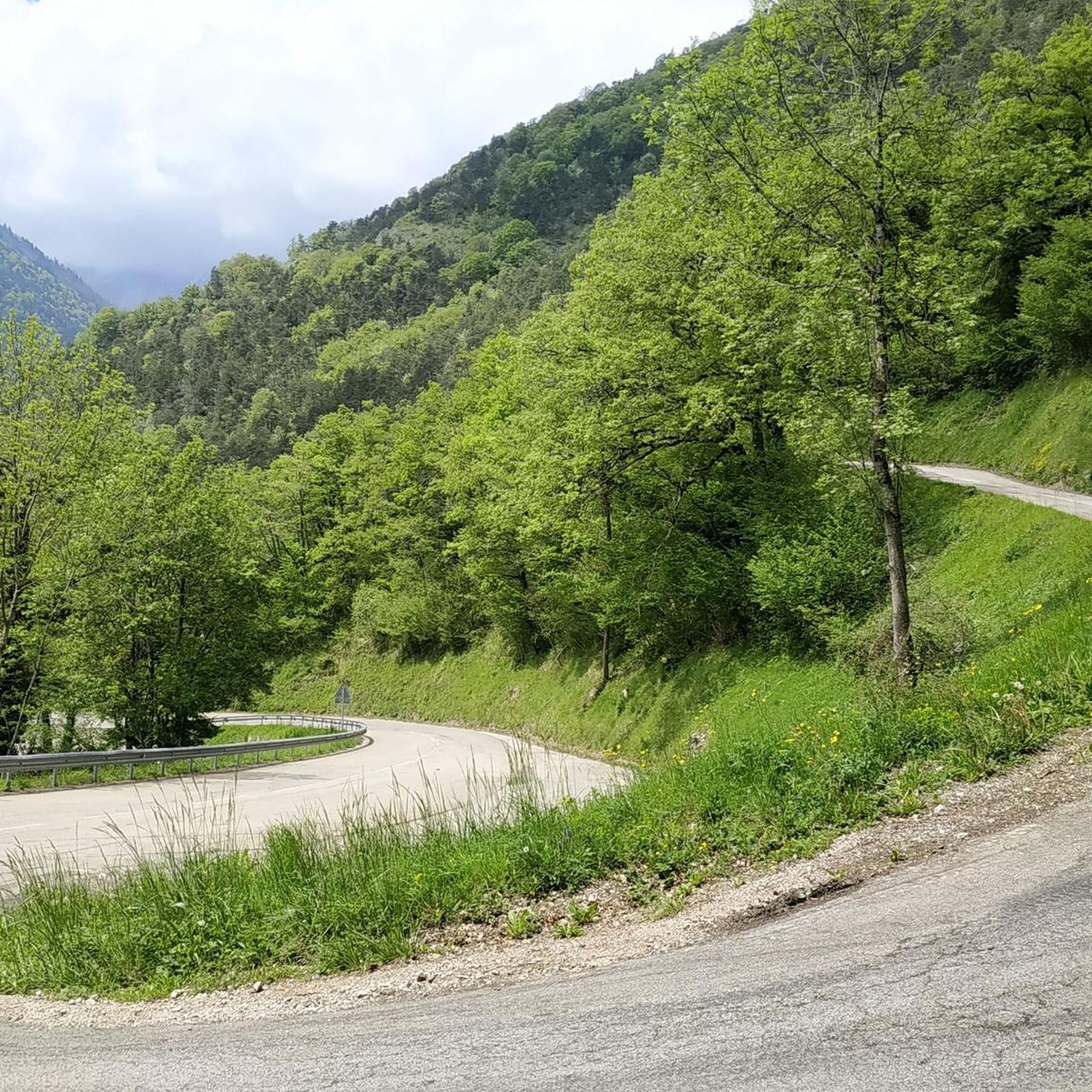
From Saint-Michel-les-Portes, it's about 7 km at an average gradient of 8%. The last few kilometers often reach double digits. A cruel climb if it's the last one of your day...
0
0

Beautiful view and nice place with a table
0
0

As pretty at the top as at the bottom, lots of ways to get to the top, accessible for all levels (not technical but lots of elevation gain depending on your starting point) but it's worth it!
1
0

The Col des Deux is not located in the Bauges Massif but in the Vercors between the Col de l’Arzelier and the Col de l’Allimas. This trilogy is well known to cyclists in the Grenoble metropolitan area.
0
0

Whether you're on gravel or mountain bike, this is a must-do for the many trails, paths, and roads that surround it. And the view of Mont-Aiguille 🤩
0
0

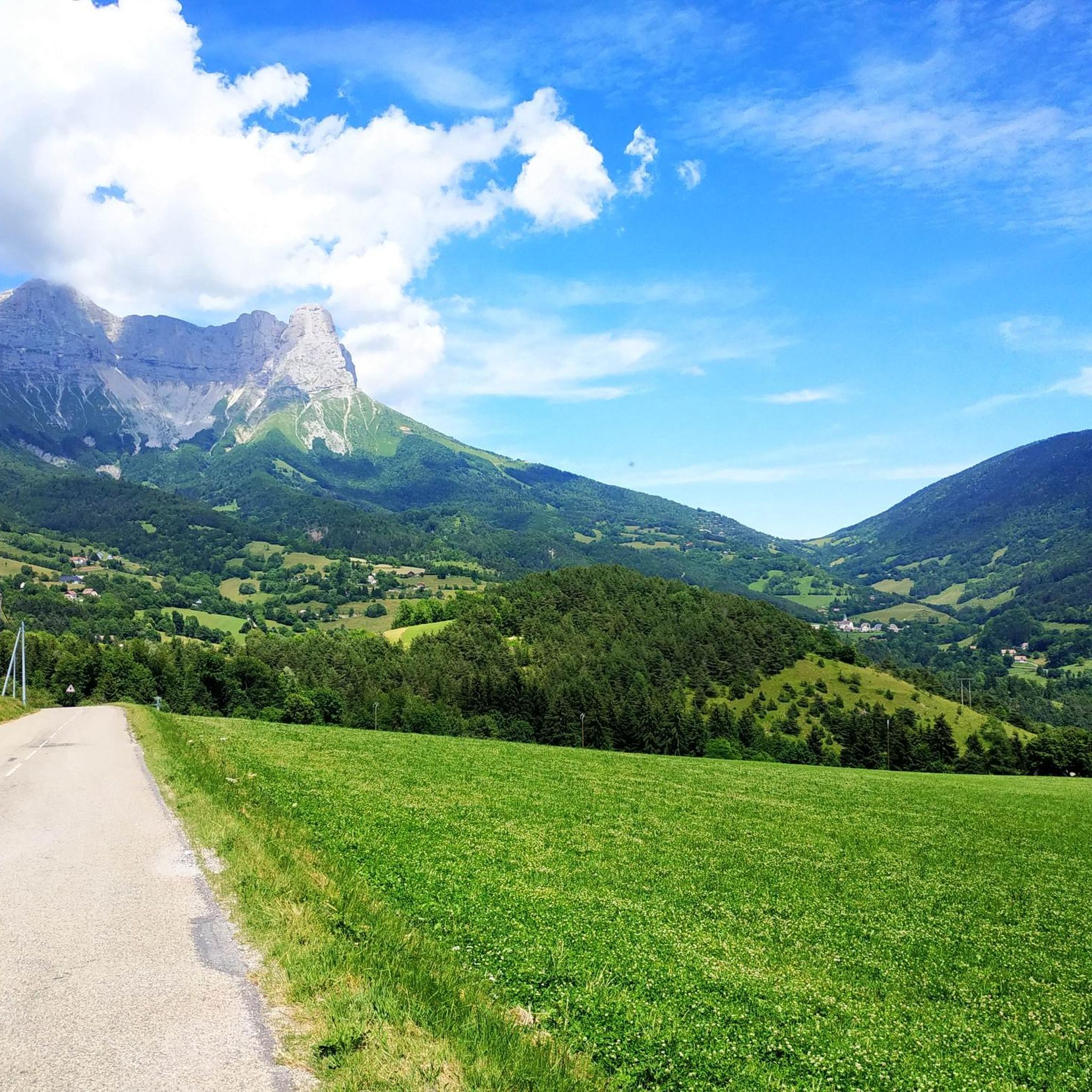
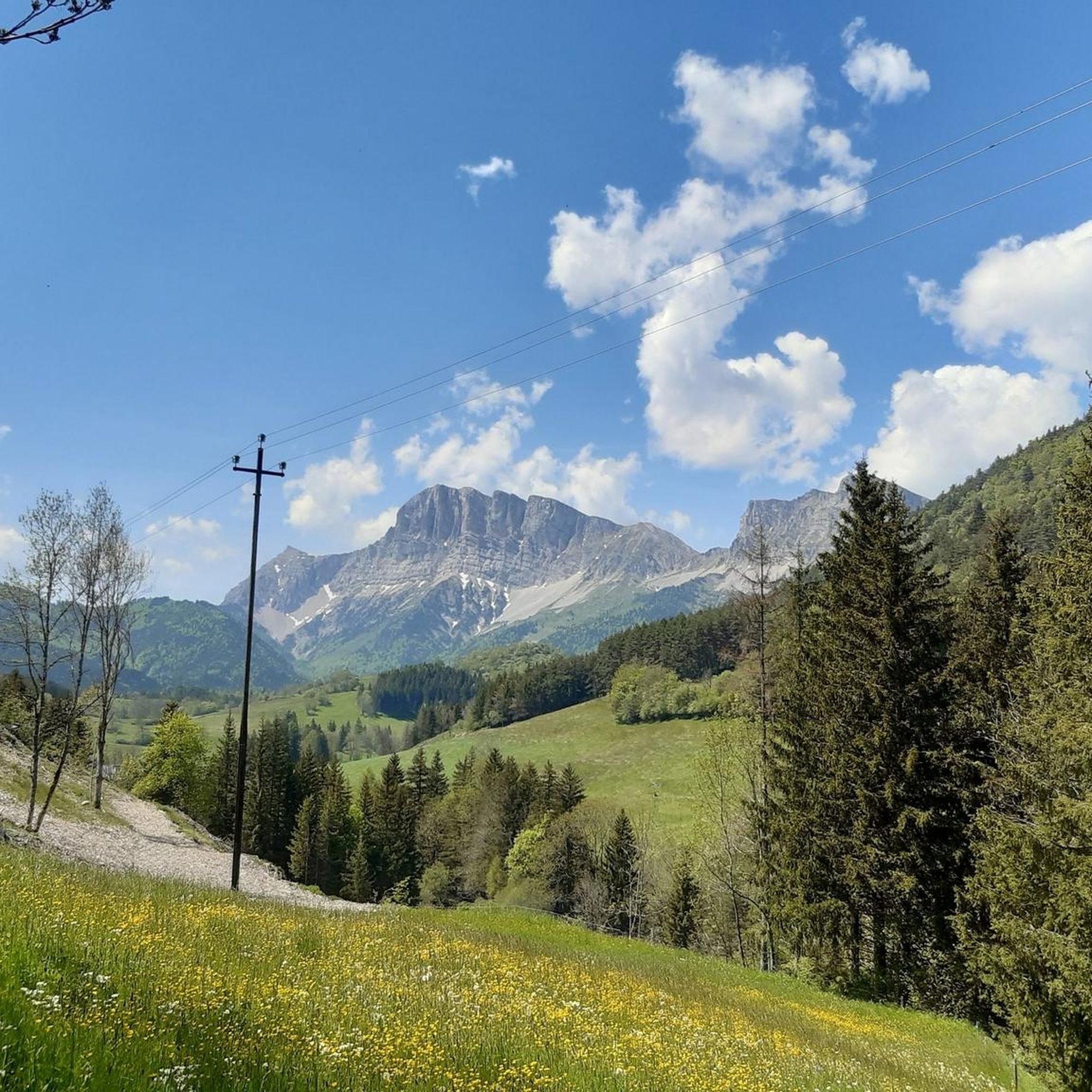
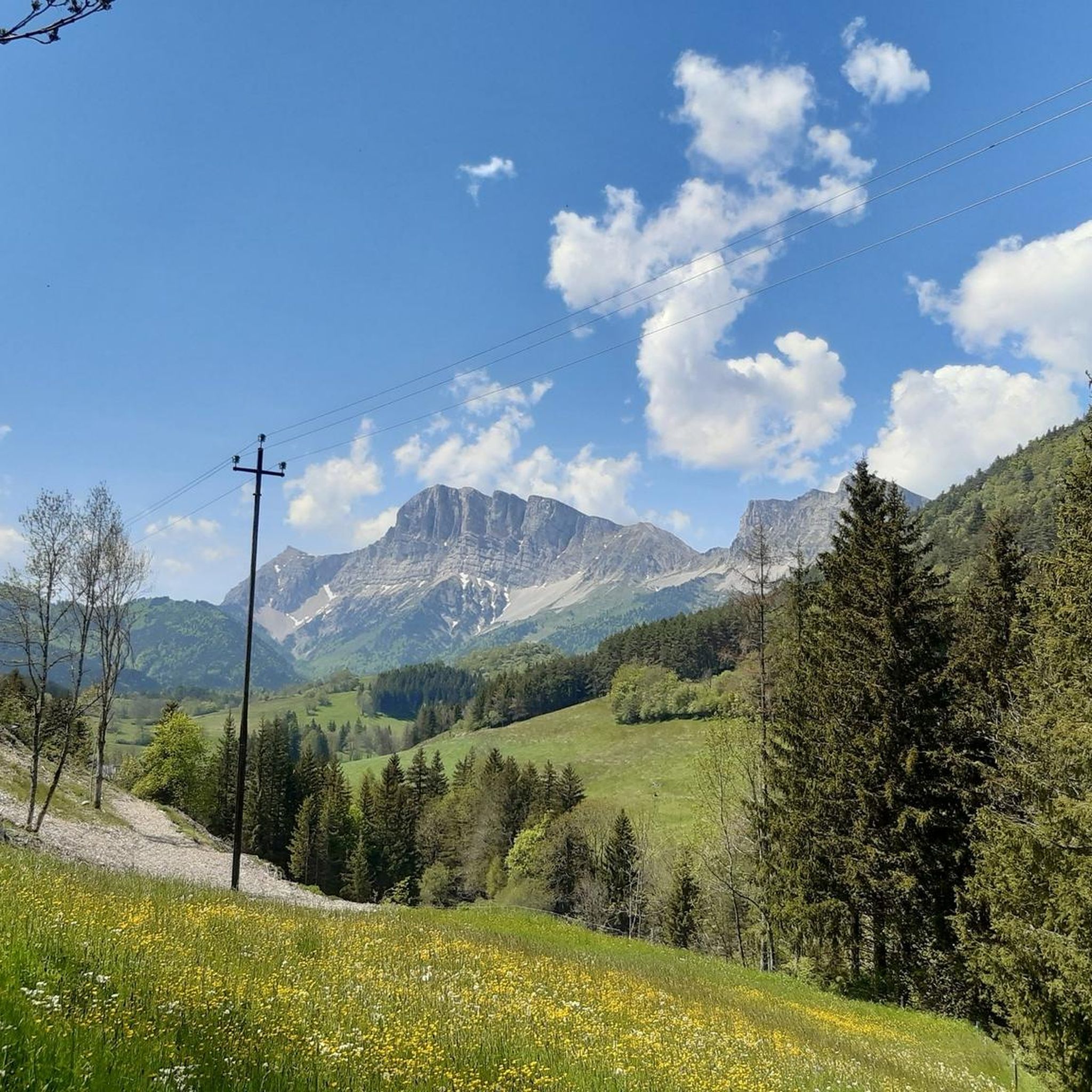
The Col de l’Allimas – 1352 m – is a pass located to the east of the Vercors Massif but it is an isolated pass because it does not allow you to reach the interior of the massif. On the other hand, it offers one of the most beautiful views of the massif with the remarkable peaks of the Grand Veymont and Mont Aiguille. Source: alpes4ever
0
0
Frequently Asked Questions
What are some popular natural monuments around Saint-Guillaume?
The region around Saint-Guillaume, particularly within the Vercors Regional Natural Park, offers several notable natural monuments. Among the most popular are Grand Veymont, the highest point of the Vercors, offering extensive views and opportunities to spot ibexes. Other highly regarded spots include the mountain passes Col de l'Allimas and Col des Deux, both known for their scenic routes and panoramic views of the Vercors massif, including Mont Aiguille.
What kind of natural features can I expect to see in the Saint-Guillaume area?
The natural monuments around Saint-Guillaume are characterized by diverse mountain ranges, dense forests, and high plateaus. You can expect to see dramatic geological formations like the distinctive flat-topped Mont Aiguille, deep river canyons such as the Gorges de la Bourne, and impressive cave systems like the Grottes de Choranche. High-altitude viewpoints, serene waterfalls like Cascade du Moulin-Marquis, and the expansive Monteynard-Avignonet Lake with its unique suspension bridges also define the landscape.
Are there family-friendly natural monuments or activities around Saint-Guillaume?
Yes, there are several options suitable for families. The 45th Parallel North Monument is a unique and educational spot. The Monteynard-Avignonet Lake area is also great for families, offering scenic walks and the exciting Ebron Footbridge. While some trails can be challenging, many parts of the Vercors Regional Natural Park offer easier paths suitable for family outings, allowing everyone to enjoy the natural beauty.
What outdoor activities can I do near these natural monuments?
The Saint-Guillaume area is a hub for outdoor enthusiasts. You can find numerous opportunities for hiking, mountain biking, and mountaineering. For hiking, explore trails like the 'Vercors – East Balcony of the Vercors loop' or 'Vercors Ridges loop'. Mountain biking routes include the 'Rouge Cote – Ebron Footbridge loop'. Mountaineering options feature challenging paths like the 'Path with panoramic view – Grand Veymont loop'. You can find more details on these activities in the dedicated guides for Hiking around Saint-Guillaume, Mountain Hikes around Saint-Guillaume, and MTB Trails around Saint-Guillaume.
When is the best time to visit the natural monuments around Saint-Guillaume?
The best time to visit largely depends on the activities you plan. Spring and autumn offer pleasant temperatures for hiking and cycling, with vibrant foliage or blooming wildflowers. Summer is ideal for exploring higher altitudes and enjoying activities around Monteynard-Avignonet Lake. Some areas, like the Gorges de la Bourne, are particularly stunning in warmer months. Winter provides opportunities for snowshoeing or ski touring in the Vercors, but access to certain monuments might be limited due to snow.
Are there any unique geological formations to see?
Absolutely. The region is renowned for its distinctive geology. Mont Aiguille is a prime example, standing out with its unique, almost inaccessible flat-topped summit. The Gorges de la Bourne showcase dramatic river-carved canyons, while the Grottes de Choranche offer a fascinating subterranean world of stalactites and underground rivers. You can also discover interesting rock formations like The Boa of Vercors, a unique stone formation in a former glacial valley.
Can I spot wildlife near the natural monuments?
Yes, the Vercors Regional Natural Park is home to diverse wildlife. Hikers to Grand Veymont are often rewarded with sightings of ibexes and marmots. The park's extensive forests and plateaus provide habitats for various species, offering opportunities for wildlife observation, especially during quieter times of the day.
What do visitors enjoy most about the natural monuments in this region?
Visitors frequently highlight the breathtaking panoramic views, especially from summits like Grand Veymont and mountain passes such as Col de l'Allimas, which offers stunning vistas of Mont Aiguille. The presence of wildlife like ibexes adds to the unique natural experience. Many also appreciate the variety of trails suitable for different skill levels and the sense of revitalization gained from exploring the diverse landscapes.
Are there any natural monuments that are particularly good for photography?
Many natural monuments in the area offer excellent photographic opportunities. The dramatic silhouette of Mont Aiguille against the sky, the cascading waters of Cascade du Moulin-Marquis, and the intricate formations within the Grottes de Choranche are highly photogenic. The panoramic views from Grand Veymont and the unique Ebron Footbridge over Monteynard-Avignonet Lake also provide stunning backdrops for photography.
Are there any historical or cultural sites integrated with the natural monuments?
While the focus is on natural monuments, the region does offer a blend of natural and historical interest. For example, the Gorges de la Bourne are not only a natural wonder but also historically significant for their role in regional transport. Though not directly in Saint-Guillaume, the nearby Saint-Guilhem-le-Désert region features the Pont du Diable, a remarkable ancient Roman bridge set within a beautiful natural gorge, showcasing how human history intertwines with the landscape.
What should I wear when visiting the natural monuments around Saint-Guillaume?
Given the mountainous terrain and varied weather conditions, it's advisable to wear layers, even in summer. Sturdy hiking boots are essential for most trails. Depending on the season, bring waterproof outerwear, sun protection (hat, sunglasses, sunscreen), and plenty of water. For cave explorations like Grottes de Choranche, a light jacket might be useful as temperatures can be cooler underground.
Are there any hidden natural gems worth exploring?
Beyond the well-known sites, the Vercors Regional Natural Park holds many less-traveled paths and viewpoints. Exploring the smaller trails off the main routes can lead to serene spots and unexpected discoveries. The former glacial valley where The Boa of Vercors is located is one such gem, offering waterfalls and cliffs away from the busiest areas.
How long does it typically take to visit some of the natural monuments?
The duration of your visit can vary greatly. A quick stop at a mountain pass like Col de l'Allimas for views might take an hour. Exploring the Grottes de Choranche could take 1-2 hours. Longer hikes to summits like Grand Veymont or around Monteynard-Avignonet Lake, especially if crossing the Ebron Footbridge, can be half-day or full-day excursions. Plan according to your fitness level and desired activity.
Most popular routes around Saint-Guillaume
Most popular attractions around Saint-Guillaume

Get inspired with the komoot mobile app


Explore more
Extend your search for the best caves by checking out these guides of the top ones around Saint-Guillaume:
