Top 14 Natural Monuments around Feigères
Best natural monuments around Feigères are located in the Haute-Savoie department of France, a region known for its natural landscape. Feigères serves as an access point to significant natural attractions, particularly due to its proximity to Mont Salève. The area features diverse geological formations, including mountains and subterranean sites. This natural heritage offers opportunities for exploring various ecosystems and observing local wildlife.
Best natural monuments around Feigères
- The most popular natural monument is Orjobet Cave, a cave that received…
Last updated: July 2, 2026
Orjobet Cave
Highlight • Cave
Translated by Google •
Tip by

The Trou de la Tine
Highlight • Cave
Translated by Google •
Tip by
Sign up now to discover places like this
Get recommendations on the best single tracks, peaks, & plenty of other exciting outdoor places.
Sign up for free
Étang du Bois des Mouilles
Highlight • Lake
Translated by Google •
Tip by

Moulin-de-Vert Nature Reserve
Highlight (Segment) • Natural
A series of ponds make up this nature reserve, one of the 52 reserves in the canton of Geneva.
English:
A series of ponds make up this nature reserve, one of the 52 reserves in the canton of Geneva.
Translated by Google •
Tip by

Confluence of the Rhône and the Arve
Highlight • River
Translated by Google •
Tip by

Sign up for free to discover even more natural monuments around Feigères.
Sign up for free
Already have an account?
Start today with a free account
Your next adventure awaits.
Login or Signup

Tips from the Community


Le Trou de la Tine (Trou of the Tine Cave) was formed by erosion on the flank of Mont Salève. It is a deep, sunken hole shaped like an open-topped barrel ("Tine" is an old dialect term for barrel, "trou" means hole). The cave's ceiling has collapsed due to erosion, revealing a natural "barrel" with a side opening. One can walk into the "barrel" through this side opening.
0
0

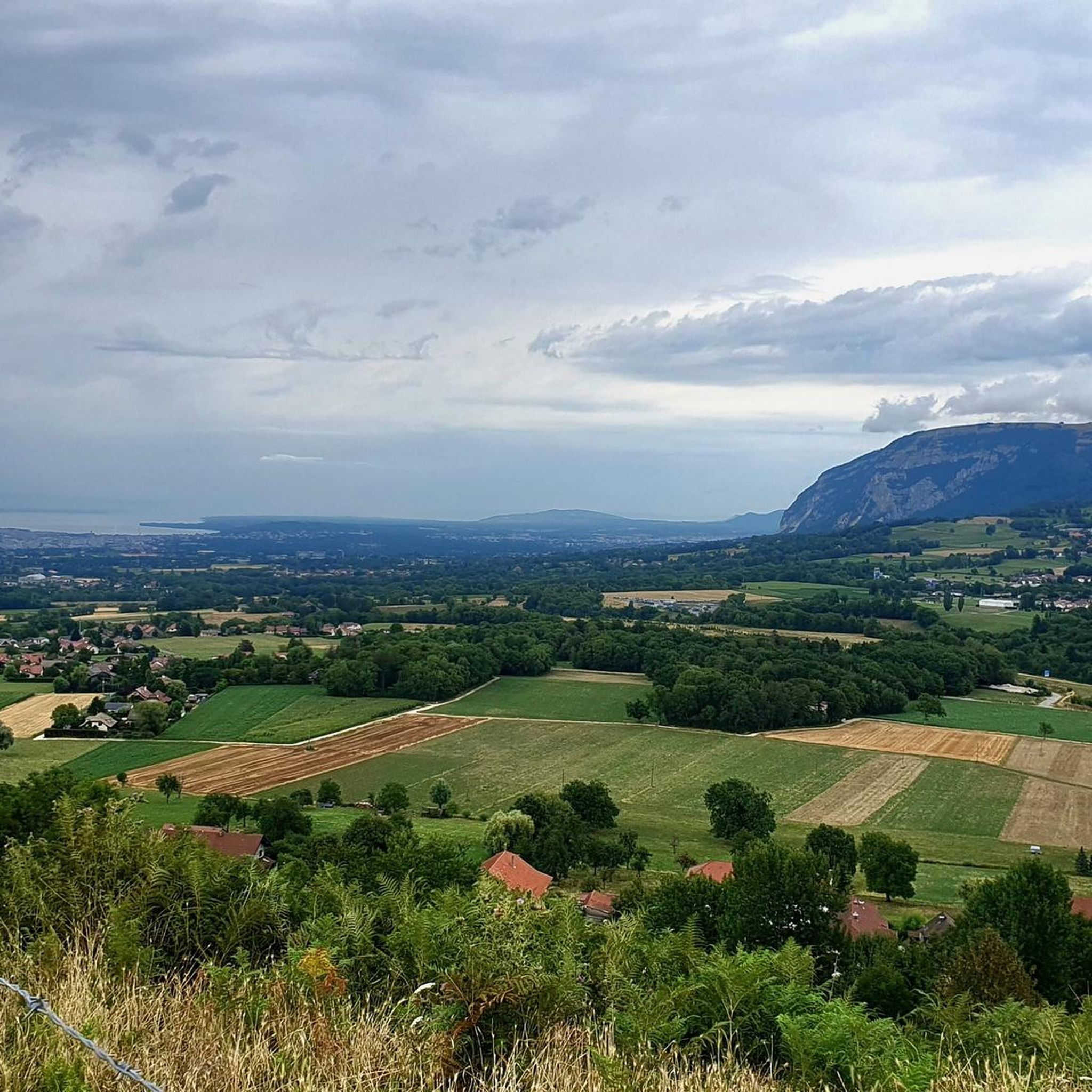
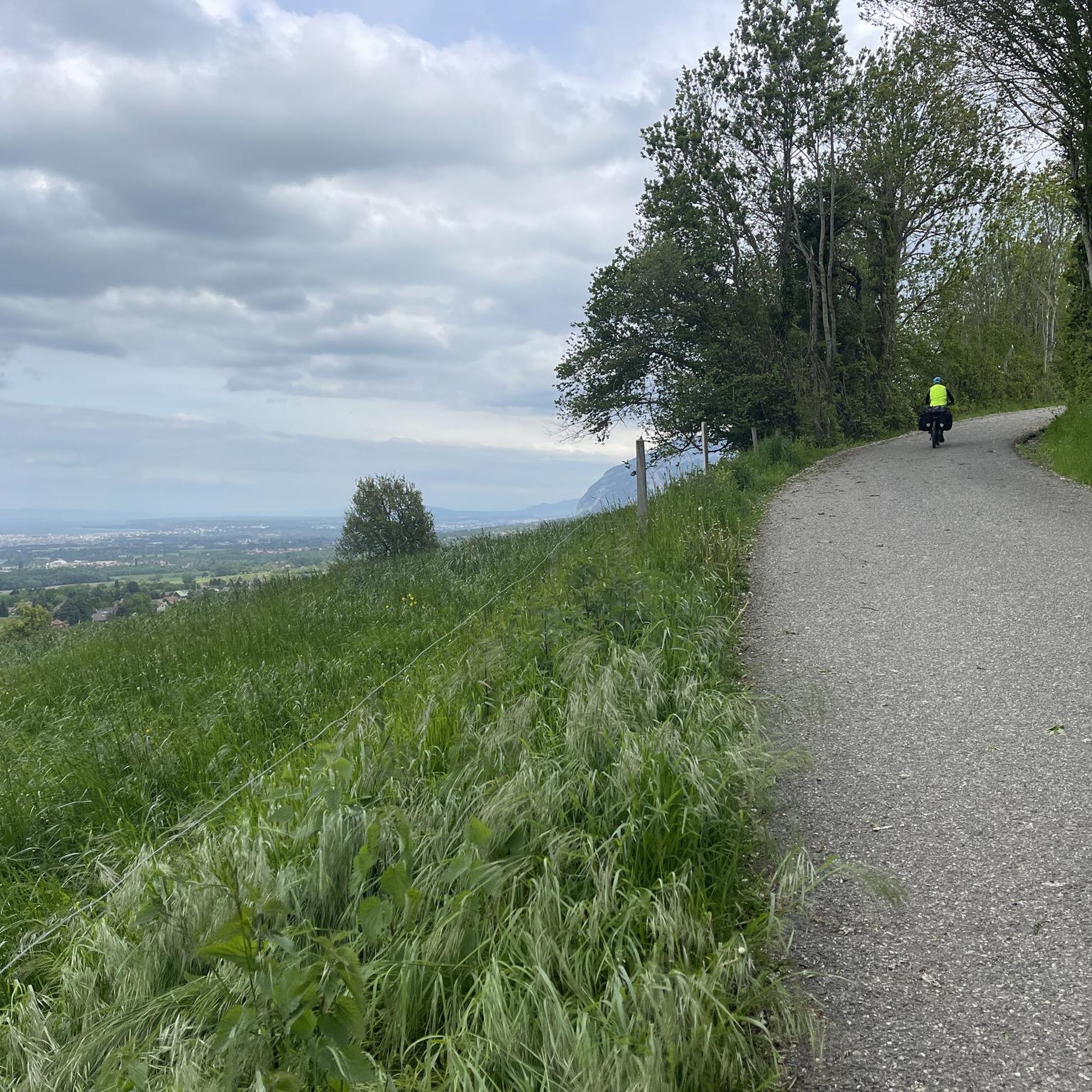
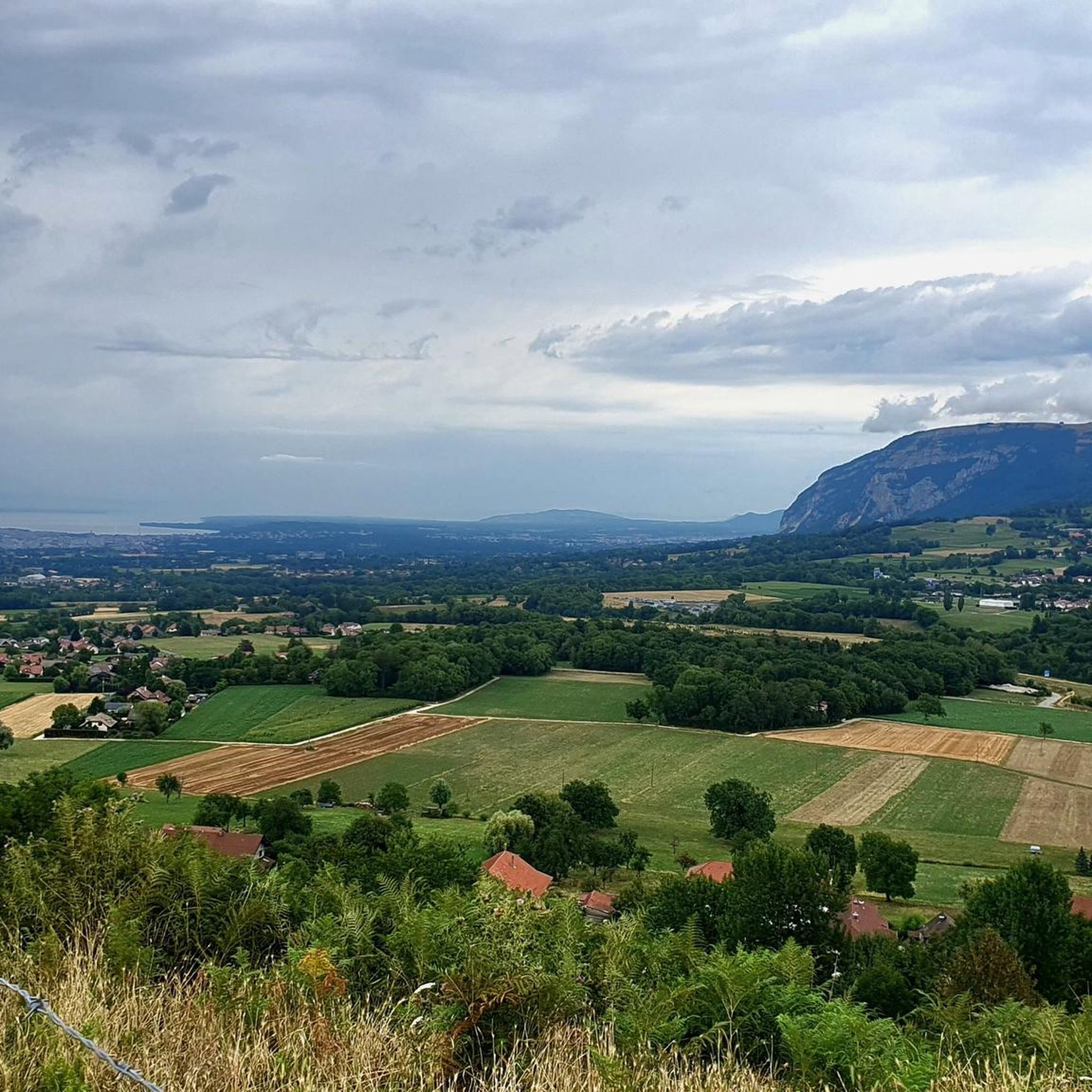
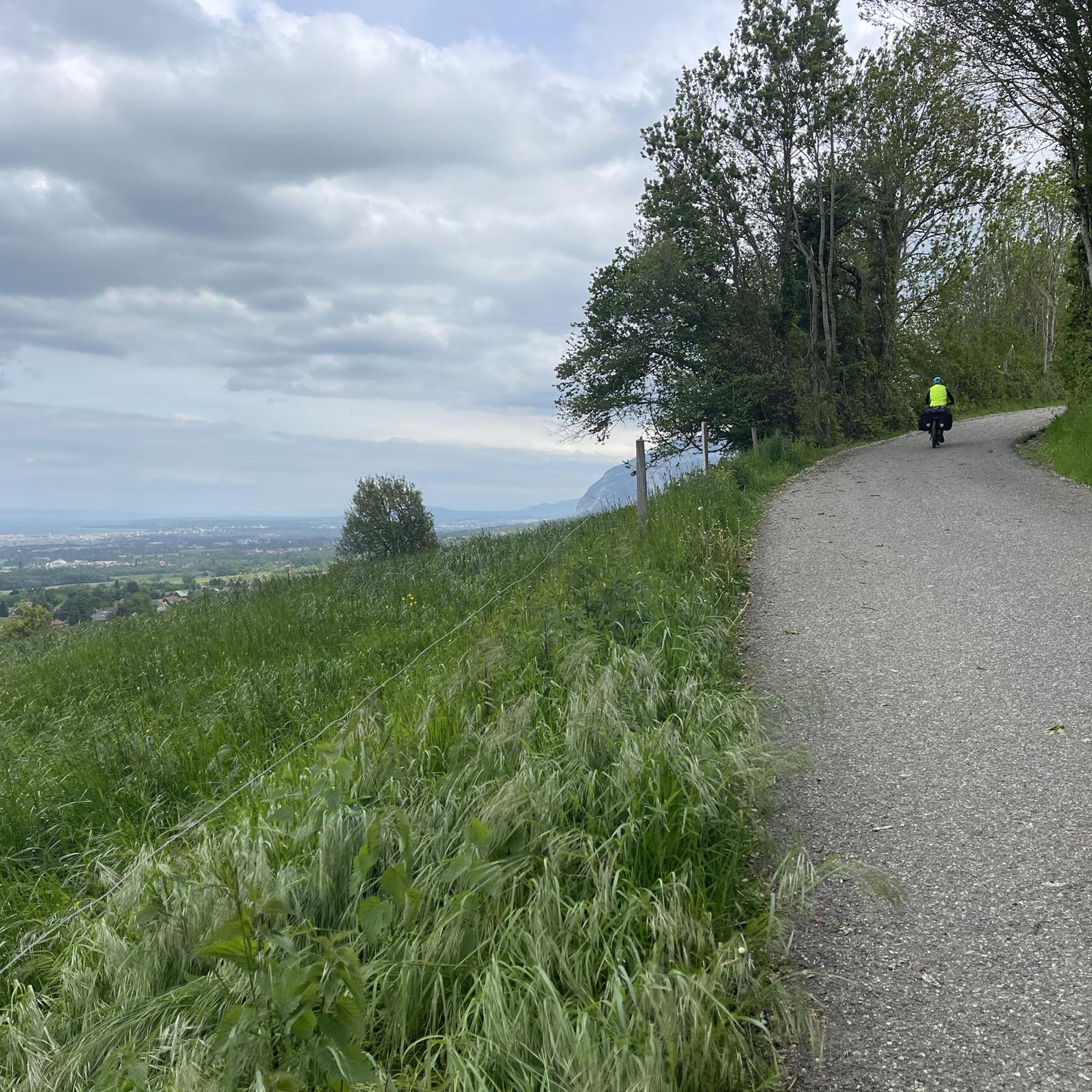
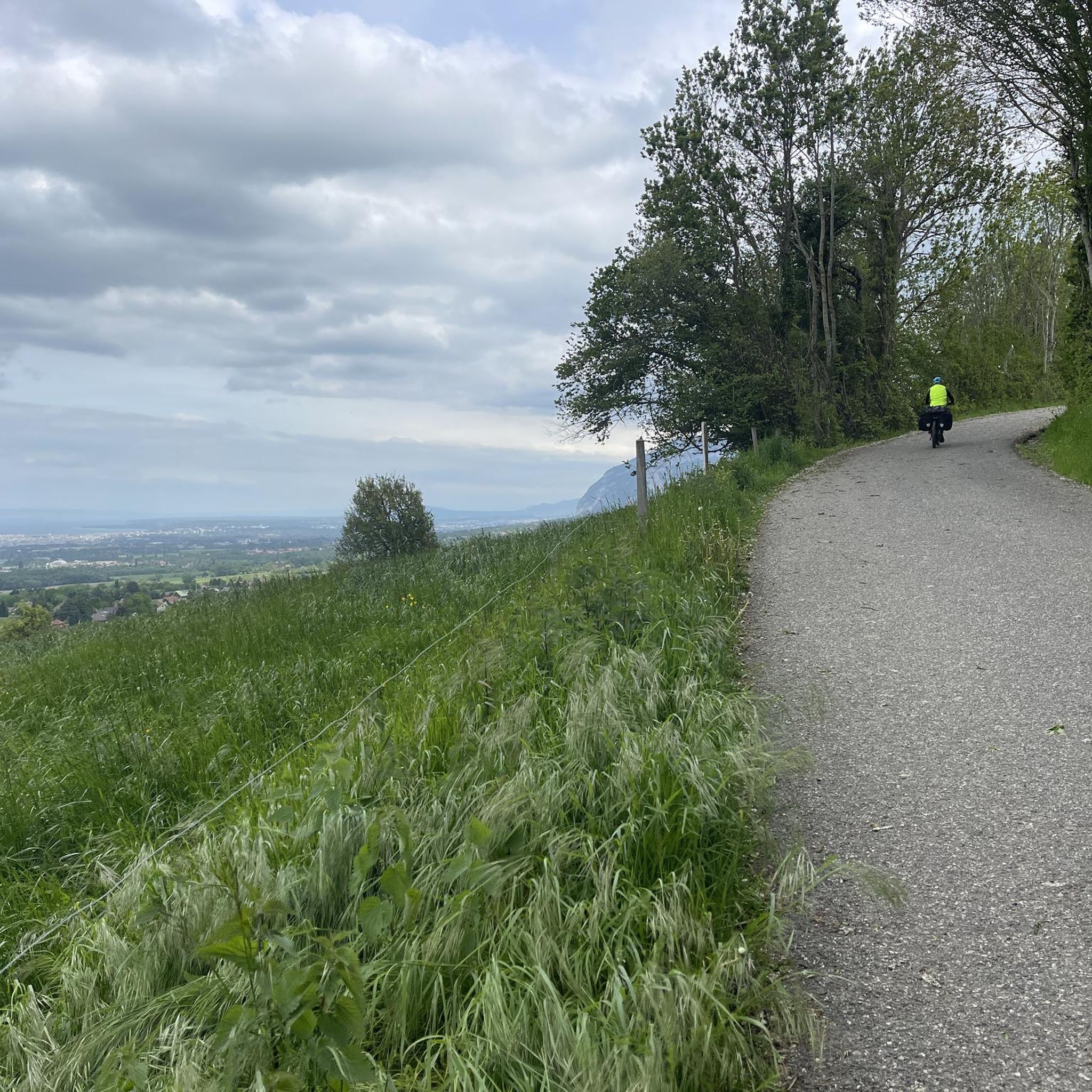
The pond in the Bois des Mouilles is a biological reserve. The unpaved path is still accessible to road bikes.
1
0


Cave with collapsed ceiling
1
0
A beautiful geological formation
0
2

Nice little tour (steep!!) in this geological curiosity
0
3
Frequently Asked Questions
What are the most popular natural monuments around Feigères?
The most popular natural monument is Orjobet Cave, known for its geological formations and historical exploration. Other highly appreciated spots include Étang du Bois des Mouilles, a lake in a nature reserve, and the Teppes de Verbois Nature Reserve, recognized for its exceptional natural environments along the Rhône.
Are there family-friendly natural monuments near Feigères?
Yes, Étang du Bois des Mouilles is considered family-friendly, offering beautifully laid out paths and platforms to discover local flora and fauna. The Confluence of the Rhône and the Arve also provides an interesting natural phenomenon that can be enjoyed by families.
What kind of wildlife can I observe in the natural monuments around Feigères?
The region around Feigères, including areas like Mont Salève and the various nature reserves, is rich in wildlife. You might spot hares, badgers, weasels, martens, red squirrels, and foxes. Birdwatchers can look for finches, goldfinches, tits, sparrows, and blackbirds. Rare sightings of royal kites, storks, buzzards, lynx, wild boars, and deer are also possible.
What outdoor activities can I do near these natural monuments?
The natural monuments around Feigères offer diverse outdoor activities. Mont Salève is excellent for hiking, mountain biking, climbing, and even paragliding. You can find various routes, such as the 'Orjobet Cave – Croisette Pass loop' for mountaineering, or explore gravel biking trails like the 'Étang du Bois des Mouilles – Waterfall on the Aire River loop'. For more detailed routes, check out the Mountain Hikes around Feigères or Gravel biking around Feigères guides.
Are there any caves to explore in the Feigères area?
Yes, the region is known for its caves. The most popular is Orjobet Cave on Mont Salève, which has been equipped for exploration since 1905. Another notable cave is The Trou de la Tine, a unique geological formation where erosion has created a distinctive, barrel-shaped opening.
What are the best natural features to see on Mont Salève?
Mont Salève, often called the 'Balcony of Geneva,' offers diverse natural features. You can explore its distinct limestone strata, deep gorges like the Varappe, and varied vegetation. The mountain culminates at 1,379 meters at the Grand Piton, providing extensive views of the Jura mountain range, the Geneva basin, and Lake Geneva. The Orjobet Cave is also a key natural feature on its slopes.
Are there accessible natural monuments near Feigères with parking?
Yes, Étang du Bois des Mouilles is an accessible site with well-marked paths and two accessible parking lots, making it easy to explore the flora and fauna around the pond.
When is the best time to visit the natural monuments around Feigères?
The best time to visit depends on your preferred activities. Spring and autumn offer pleasant temperatures for hiking and exploring the diverse landscapes and wildlife. Mont Salève also offers opportunities for winter sports like cross-country skiing at Croisette Pass, making it a year-round destination for different interests.
Can I find challenging hiking routes near the natural monuments?
Absolutely. Mont Salève provides challenging routes, such as the 'Balcony Trail on the Salève,' which offers extensive views. For specific challenging hikes, consider routes like 'Crossing the trou de la roche – La Coraterie Cliff loop' or 'Le Grand Piton loop' which are listed in the Mountain Hikes around Feigères guide.
What is unique about the Teppes de Verbois Nature Reserve?
The Teppes de Verbois Nature Reserve is uniquely situated on the banks of the Rhône, serving as a vital artery for migratory waterbirds. It's recognized for its exceptional natural environments of national and international importance, featuring trails and panoramic observatories that allow visitors to observe pond life without disturbance.
Are there any natural monuments that offer unique geological sights?
Yes, the Confluence of the Rhône and the Arve is a remarkable geological sight. Here, the two rivers meet, displaying a striking contrast in water colors due to the Arve's sediment load, creating a distinct separation before they merge. This phenomenon is best observed from the nearby bridge.
What do visitors enjoy most about the natural monuments in this region?
Visitors frequently enjoy the diverse opportunities for exploration and observation of local ecosystems. The Orjobet Cave is praised for being a 'brilliant change to walk through,' while the Étang du Bois des Mouilles is appreciated for its accessible paths and platforms that allow close encounters with nature.
Most popular routes around Feigères
Most popular attractions around Feigères

Get inspired with the komoot mobile app


Explore more
Extend your search for the best caves by checking out these guides of the top ones around Feigères:
