Top 13 Natural Monuments around Le Vermont
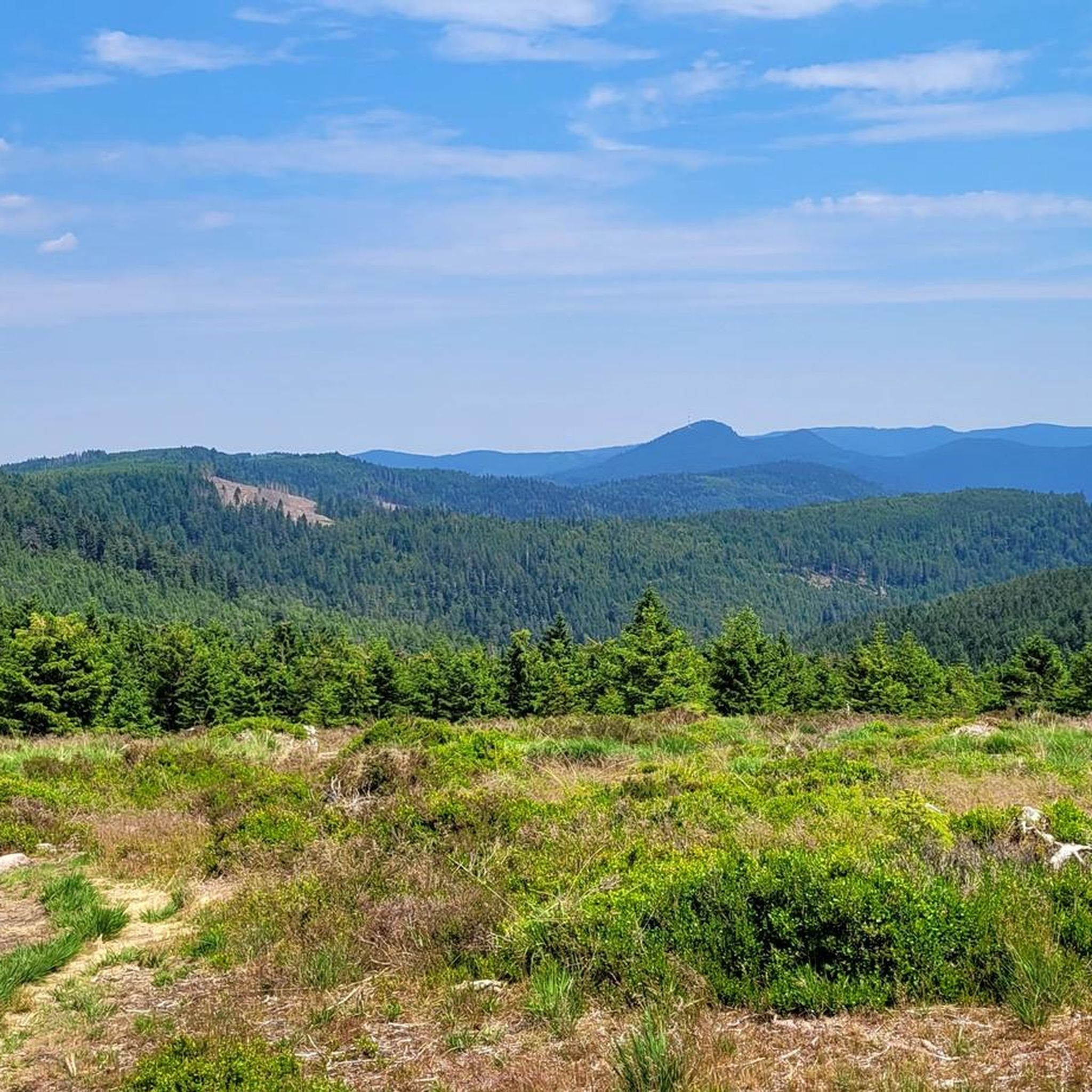
Best natural monuments around Le Vermont showcase a diverse landscape, primarily within the Vosges region of France. This area features significant geological formations and historical sites, offering insights into both natural processes and past human activity. The landscape includes forested plateaus, dramatic rock formations, and protected natural areas. Visitors can explore these sites to experience the region's natural heritage and ecological significance.
Best natural monuments around Le Vermont
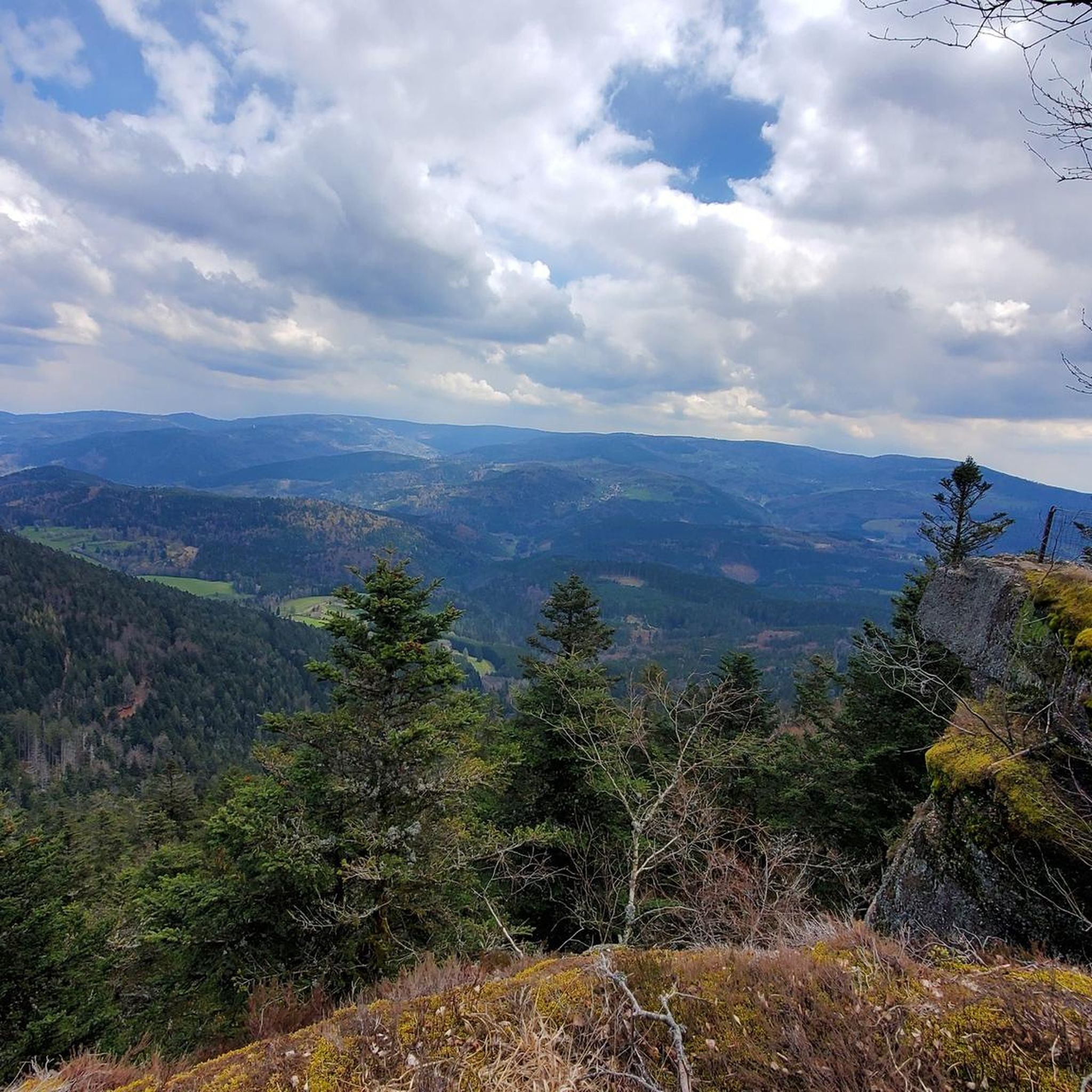
- The most popular natural monuments is Dry Fir Rock, a viewpoint…
Last updated: July 2, 2026
La Bure Celtic Camp
Highlight • Historical Site
Translated by Google •
Tip by

Dry Fir Rock
Highlight • Viewpoint
Translated by Google •
Tip by

Sign up now to discover places like this
Get recommendations on the best single tracks, peaks, & plenty of other exciting outdoor places.
Sign up for free
Roche des Abris
Highlight • Natural Monument
Translated by Google •
Tip by

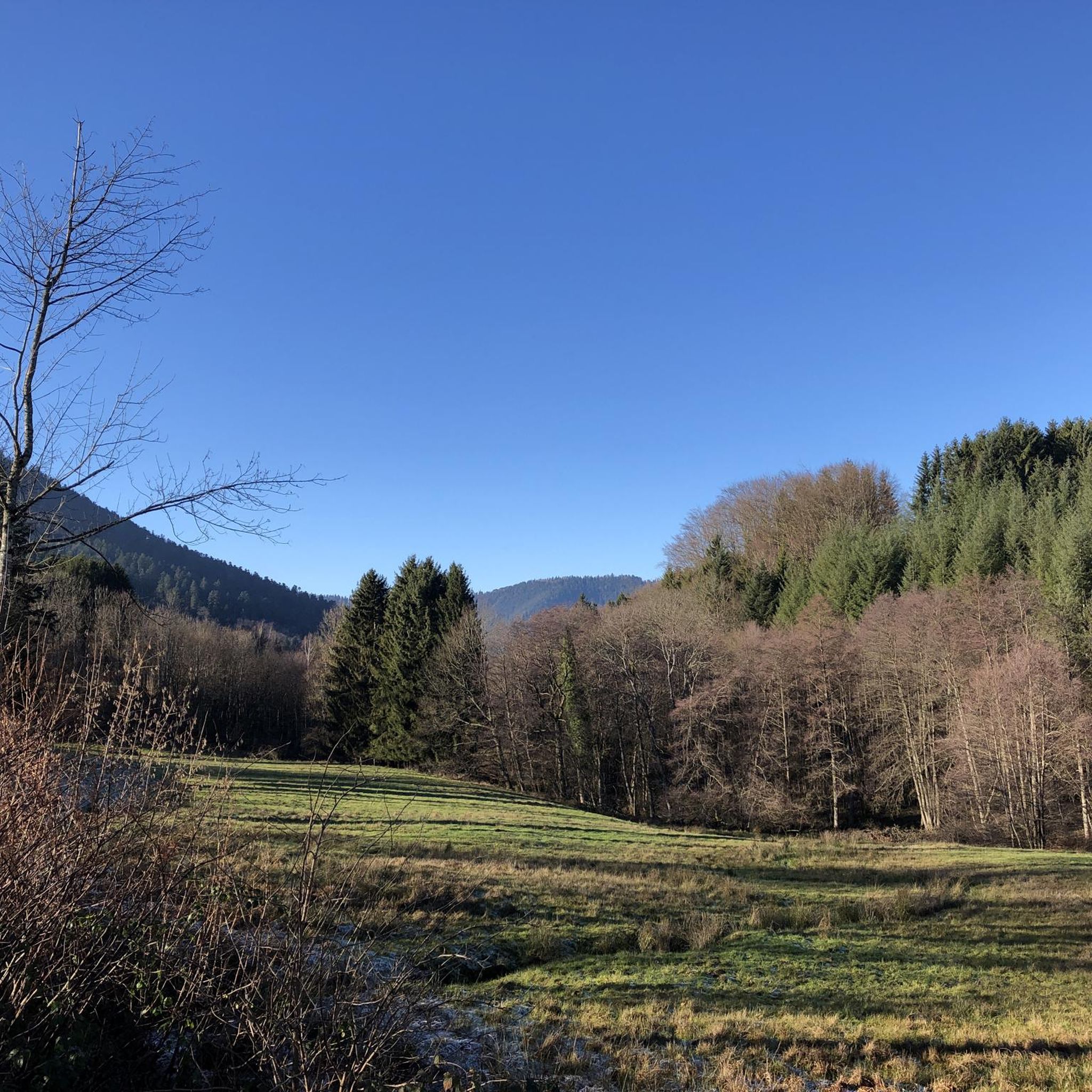
Protected Natural Area of the Chatte Pendue
Highlight • Natural
Translated by Google •
Tip by

The Big Oak
Highlight • Natural Monument
Translated by Google •
Tip by

Sign up for free to discover even more natural monuments around Le Vermont.
Sign up for free
Already have an account?
Start today with a free account
Your next adventure awaits.
Login or Signup

Tips from the Community


What a magnificent tree! Unfortunately, it's a little weak on its right flank—but it still welcomes every enthusiastic visitor 🌳
0
0

Please stay on the paths
0
0

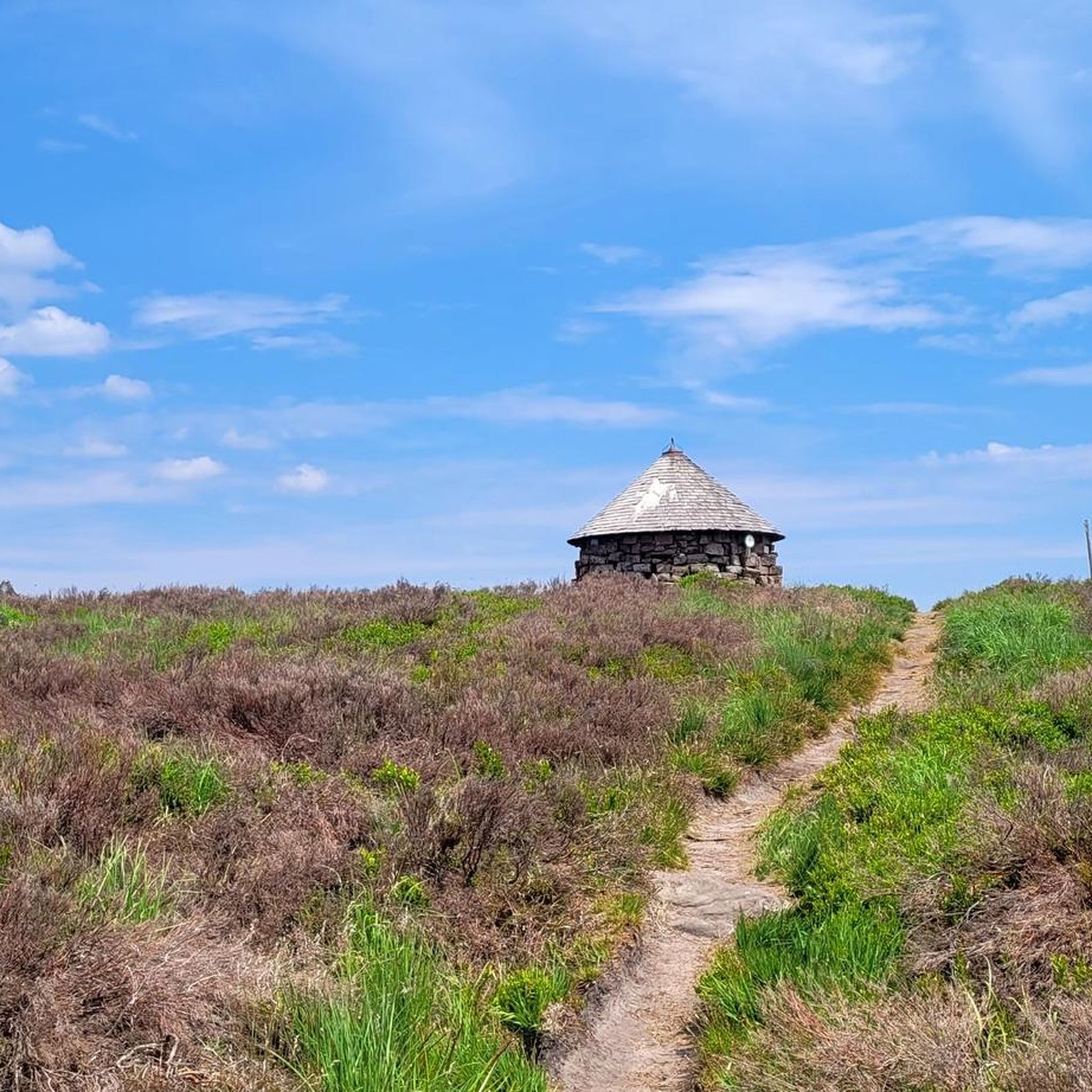
This rock shelter linked to a fort is that of the commander of the cartographic section. Inside there is a table, a stove, a bed, a telephone and electricity. This is where all the information obtained by the observers on the massif arrives.
0
0


Magnificent bicentennial oak. A sign gives us some information.
0
0

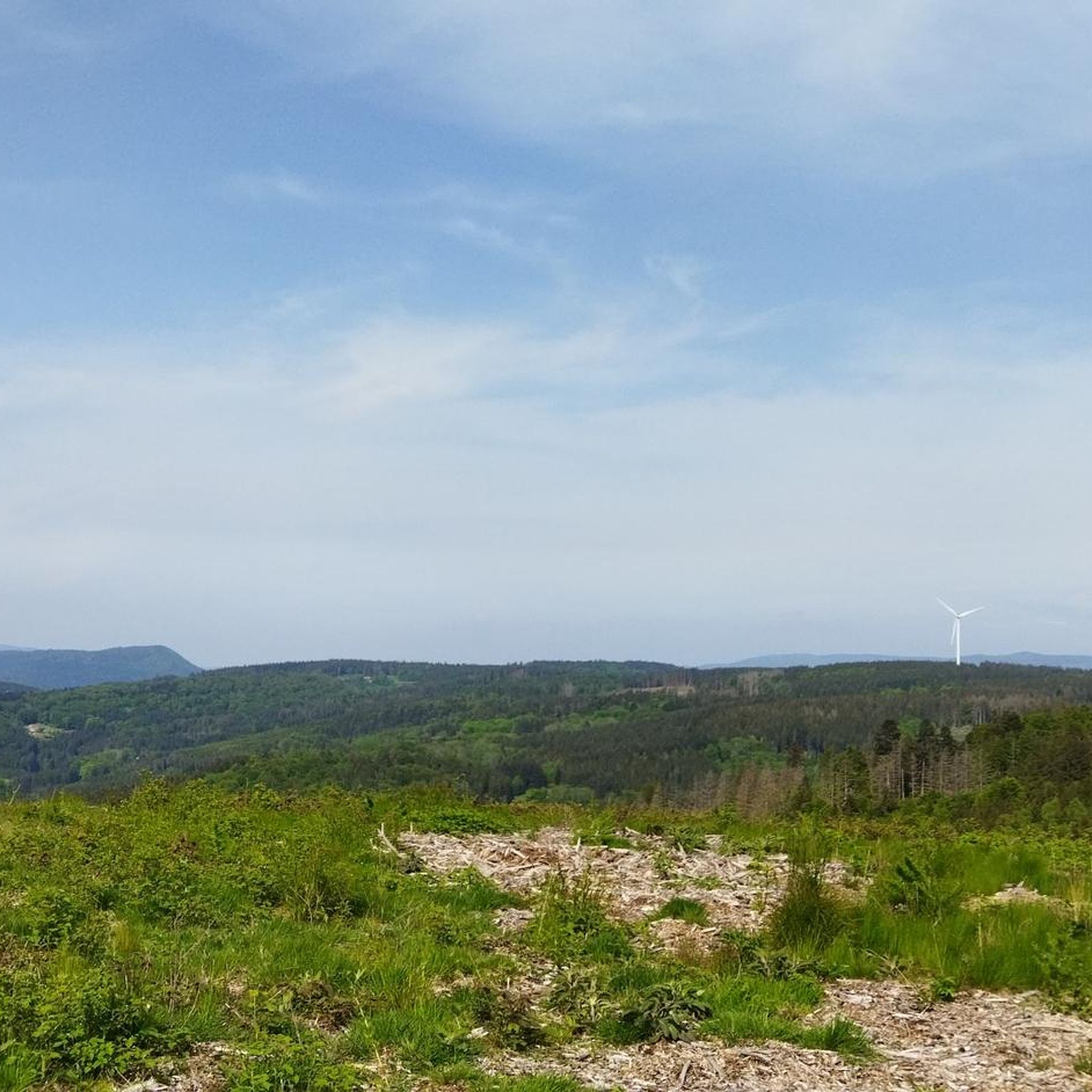
The Celtic camp of the Bure is a fortified plateau bordering the Haute-Meurthe valley in the Grand-East of France. The plateau, now wooded, lies between the communes of Saint-Dié-des-Vosges and that of Hurbache, at the western end of the Ormont massif. This site, known for 23 years of archaeological research from 1964 to 1986, has been classified as a Historical Monument since August 6, 1982. The site has been inhabited since at least the Neolithic period. Then used intensively by the Celts and later by the Romans. There is a lot to see from that time, also because there have not been any settlement activities worth mentioning for a long time. More information e.g. here: https://fr.wikipedia.org/wiki/Camp_celtique_de_la_Bure
6
0
Frequently Asked Questions
What are some of the most popular natural monuments to visit around Le Vermont?
Visitors frequently enjoy the panoramic views from Dry Fir Rock, which offers extensive vistas over Nayemont, Saint-Jean d'Ormont, and Saint-Dié-des-Vosges. Another highly rated spot is La Bure Celtic Camp, a significant historical and natural site. Also popular is Roche des Abris, known for its historical connections and great views.
What kind of natural features can I expect to see in the natural monuments around Le Vermont?
The natural monuments around Le Vermont, primarily in the Vosges region of France, showcase diverse landscapes. You can expect to see significant geological formations, dramatic rock formations like those at Dry Fir Rock and Roche des Abris, and ancient forests. The region is characterized by forested plateaus and protected natural areas, offering insights into natural processes and ecological significance.
Are there historical or cultural sites among the natural monuments in Le Vermont?
Yes, several natural monuments in Le Vermont also hold significant historical or cultural value. For example, La Bure Celtic Camp is a fortified plateau classified as a Historical Monument, with evidence of habitation since the Neolithic period. Roche des Abris is a rock shelter historically linked to a fort, offering insights into its past use. Additionally, The Big Oak is a bicentennial tree with historical significance.
What outdoor activities can I do near the natural monuments around Le Vermont?
The area around Le Vermont's natural monuments is excellent for various outdoor activities. You can find numerous routes for cycling, road cycling, and mountain biking. For instance, there are challenging cycling loops like the 'Col de Prayé – Donon Pass loop from Senones' and moderate mountain bike trails such as 'The poetry trail – Super fun trail loop from Saulxures'. You can explore more options on the Cycling around Le Vermont, Road Cycling Routes around Le Vermont, and MTB Trails around Le Vermont guide pages.
Are there family-friendly natural monuments in Le Vermont?
Yes, some natural monuments are suitable for families. The Big Oak is categorized as family-friendly, offering an accessible natural spot to visit. When planning, look for highlights with easier trails or designated picnic areas for a pleasant family outing.
What do visitors enjoy most about the natural monuments in Le Vermont?
Visitors particularly appreciate the stunning panoramic views, especially from spots like Dry Fir Rock, which offers extensive vistas. The historical significance of sites like La Bure Celtic Camp and Roche des Abris also captivates many, providing a blend of nature and history. The opportunity to explore ancient forests and protected natural areas, such as the Protected Natural Area of La Châtaigne Pendue, is also highly valued.
Are there any protected natural areas among the monuments?
Yes, the region includes protected natural areas. An example is the Protected Natural Area of La Châtaigne Pendue, which focuses on the protection of young seedlings and the heather rooster or capercaillie. These areas are crucial for preserving the local ecosystem and biodiversity.
What is the best time to visit the natural monuments around Le Vermont?
While specific recommendations for Le Vermont (France) are not detailed, generally, spring and autumn are ideal for visiting natural monuments in regions with diverse landscapes like the Vosges. Spring offers lush greenery and blooming flora, while autumn provides spectacular foliage. Summer is also popular for outdoor activities, though it can be busier. Winter visits can offer a unique, serene experience, especially for snowshoeing or cross-country skiing, but some access might be limited.
Are there any hidden gems or less-known natural monuments worth exploring?
While the guide highlights popular spots, exploring areas like the Protected Natural Area of La Châtaigne Pendue can offer a more secluded experience focused on nature conservation. These areas often provide a quieter environment to appreciate the region's natural beauty and ecological significance away from the main crowds.
What kind of wildlife can be observed in the natural monuments of Le Vermont?
The natural monuments and protected areas around Le Vermont, particularly within the ancient forests and natural reserves, support diverse wildlife. While specific species are not detailed for every monument, areas like the Protected Natural Area of La Châtaigne Pendue are specifically managed for species like the heather rooster or capercaillie, indicating a rich forest ecosystem. Visitors might encounter various birds, small mammals, and insects typical of the Vosges forest environment.
Are there opportunities for circular walks or specific hiking trails at these natural monuments?
Many natural monuments in the Vosges region are integrated into hiking networks, offering opportunities for circular walks. While specific circular walks for each monument are not detailed, the presence of numerous hiking trails, especially around viewpoints and historical sites, suggests that many can be incorporated into loop routes. For example, the tips for Dry Fir Rock mention it as 'another vantage point' within a larger area, implying it's part of a trail system.
Most popular routes around Le Vermont
Most popular attractions around Le Vermont

Get inspired with the komoot mobile app


Explore more
Extend your search for the best caves by checking out these guides of the top ones around Le Vermont:
