Top 9 Natural Monuments around Saint-Rome-De-Cernon
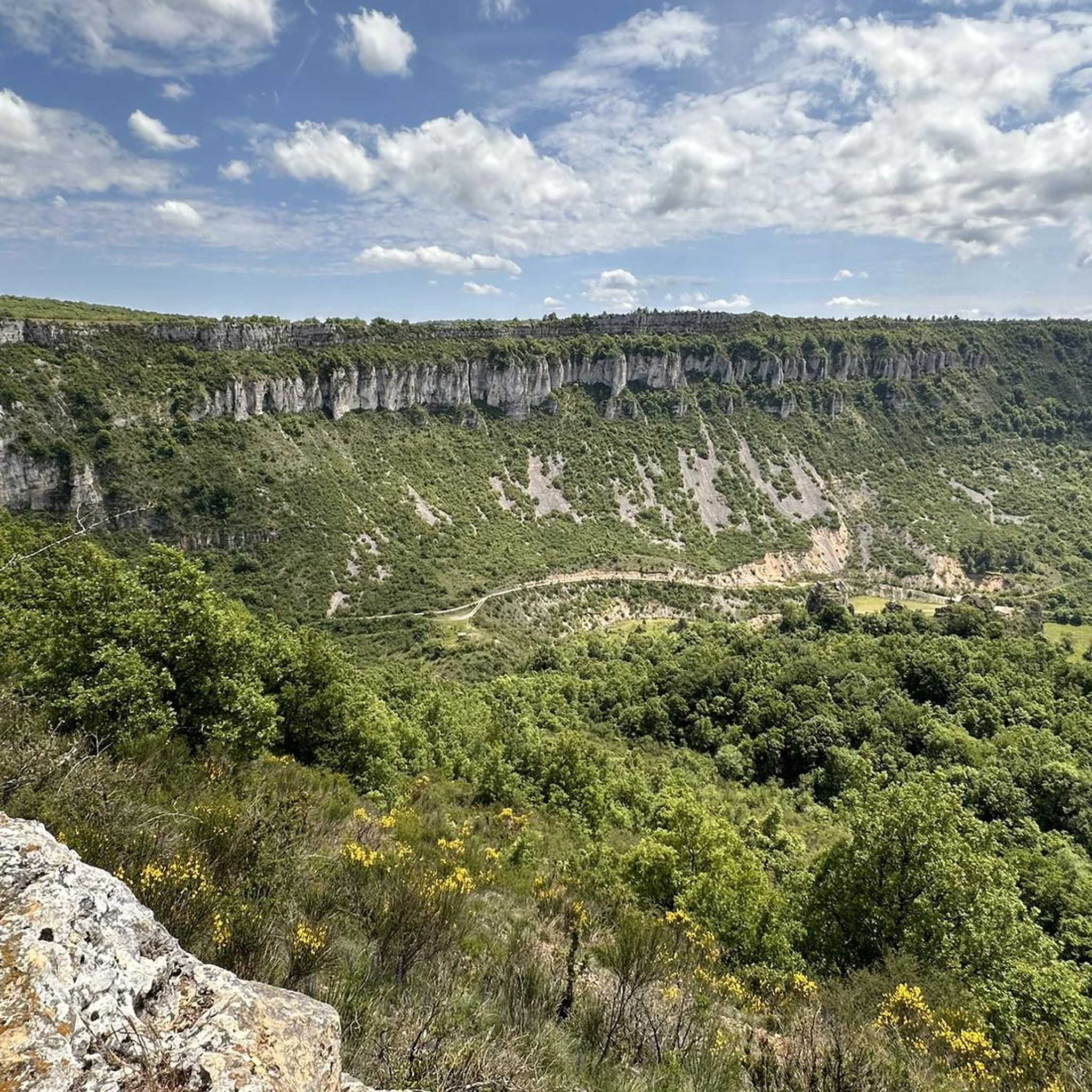
Best natural monuments around Saint-Rome-De-Cernon are found in the Aveyron department of southern France, within the Parc Naturel Régional des Grands Causses. The area features diverse geological formations, panoramic views, and opportunities for outdoor exploration. The landscape includes plateaus, hills, river valleys, and gorges, offering a variety of natural sites. This region is valued for its preserved landscapes and natural features.
Best natural monuments around Saint-Rome-De-Cernon
- The most popular natural monuments is Cap de Coste Viewpoint, a viewpoint that…
Last updated: August 25, 2026
The Creissels waterfalls
Highlight • Waterfall
Translated by Google •
Tip by

The Three Crosses – View of the Millau Viaduct
Highlight • Viewpoint
Translated by Google •
Tip by

Sign up now to discover places like this
Get recommendations on the best single tracks, peaks, & plenty of other exciting outdoor places.
Sign up for free
Cascade des Raspes du Tarn
Highlight • Waterfall
Translated by Google •
Tip by

Cap de Coste Viewpoint
Highlight • Viewpoint
Translated by Google •
Tip by

The Rock Engraved with Two Crosses
Highlight • Natural Monument
Translated by Google •
Tip by

Sign up for free to discover even more natural monuments around Saint-Rome-De-Cernon.
Sign up for free
Already have an account?
Start today with a free account
Your next adventure awaits.
Login or Signup

Tips from the Community

The name "Montagne de Trois Croix" already hinted at it, and so it's no real surprise to find more than just a summit cross up here, which – as is common in many places – crowns the mountain peak. The central cross, standing in the middle, points the observer to the execution of the incarnate Son of God, Jesus of Nazareth. According to biblical tradition, however, he was not condemned to death and crucified alone, but together with two criminals. Pope Francis, who died on Easter Monday, once composed the following prayer on this subject: "Help us, Son of Man, to free ourselves from the arrogance of the thief, the robber on your left, and of the short-sighted and the corrupt (...) Instead, we ask you, Son of God, to identify us with the good thief who looked at you with eyes full of shame, repentance, and hope; who, with the eyes of faith, saw divine victory in your apparent defeat and thus knelt before your mercy and grace and stole paradise with honesty and integrity.
0
1

History and nature an ideal mix
0
0

The Creissels waterfall is a true natural gem! It is a resurgence that flows constantly throughout the year, with a flow that varies. What makes this place so special is that it is loaded with calcium carbonate, which has allowed the formation of a magnificent tuff rock. In winter, when temperatures drop, the waterfall transforms into a magical spectacle. The icy concretions that form are simply magnificent, and it is fascinating to see how the waterfall can completely petrify at times. It is an ideal place for nature lovers and photographers in search of enchanting landscapes. I highly recommend visiting the Creissels waterfall, whether to admire its peaceful flow in summer or its incredible transformation in winter!
1
1

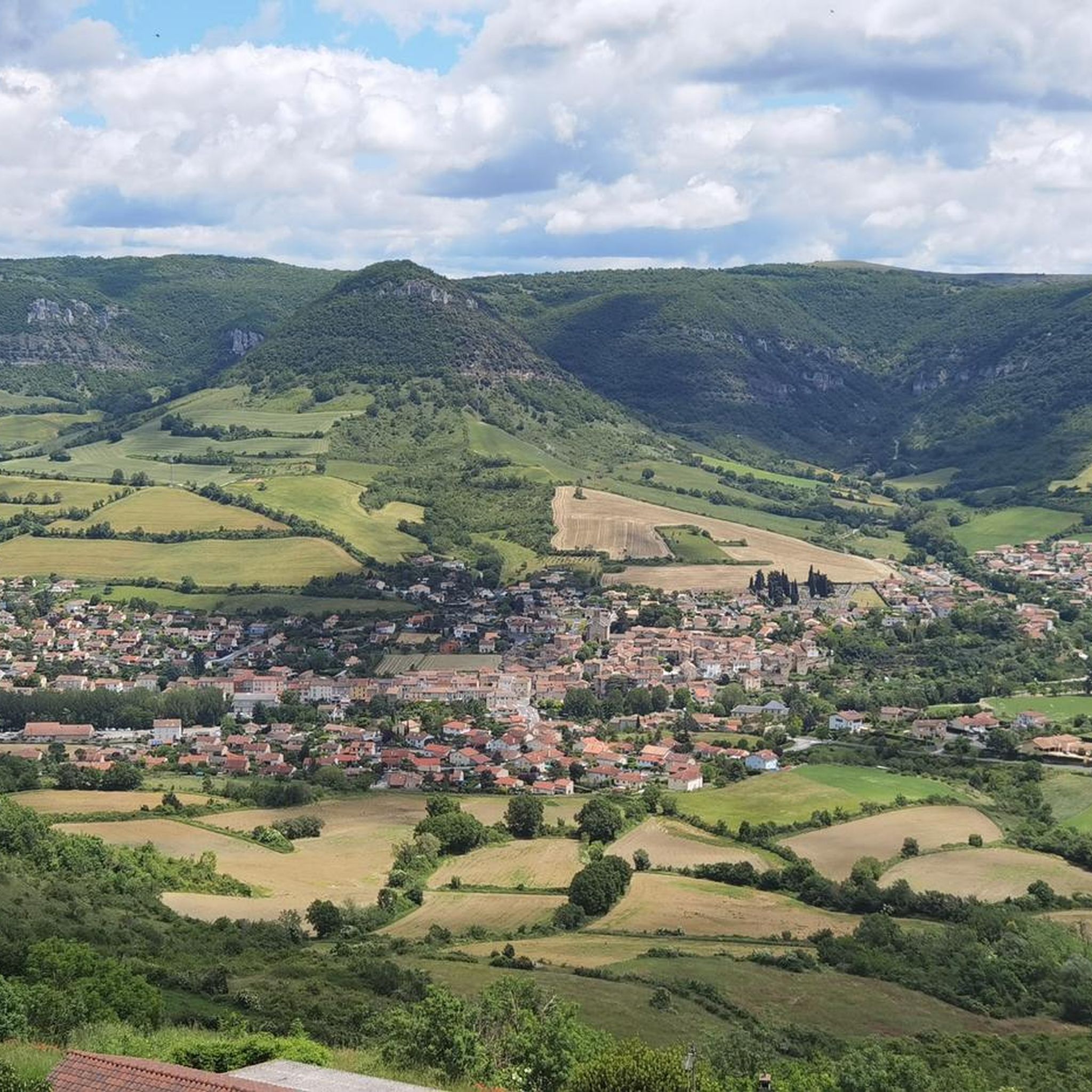
Magnificent panorama to be seen absolutely
0
0

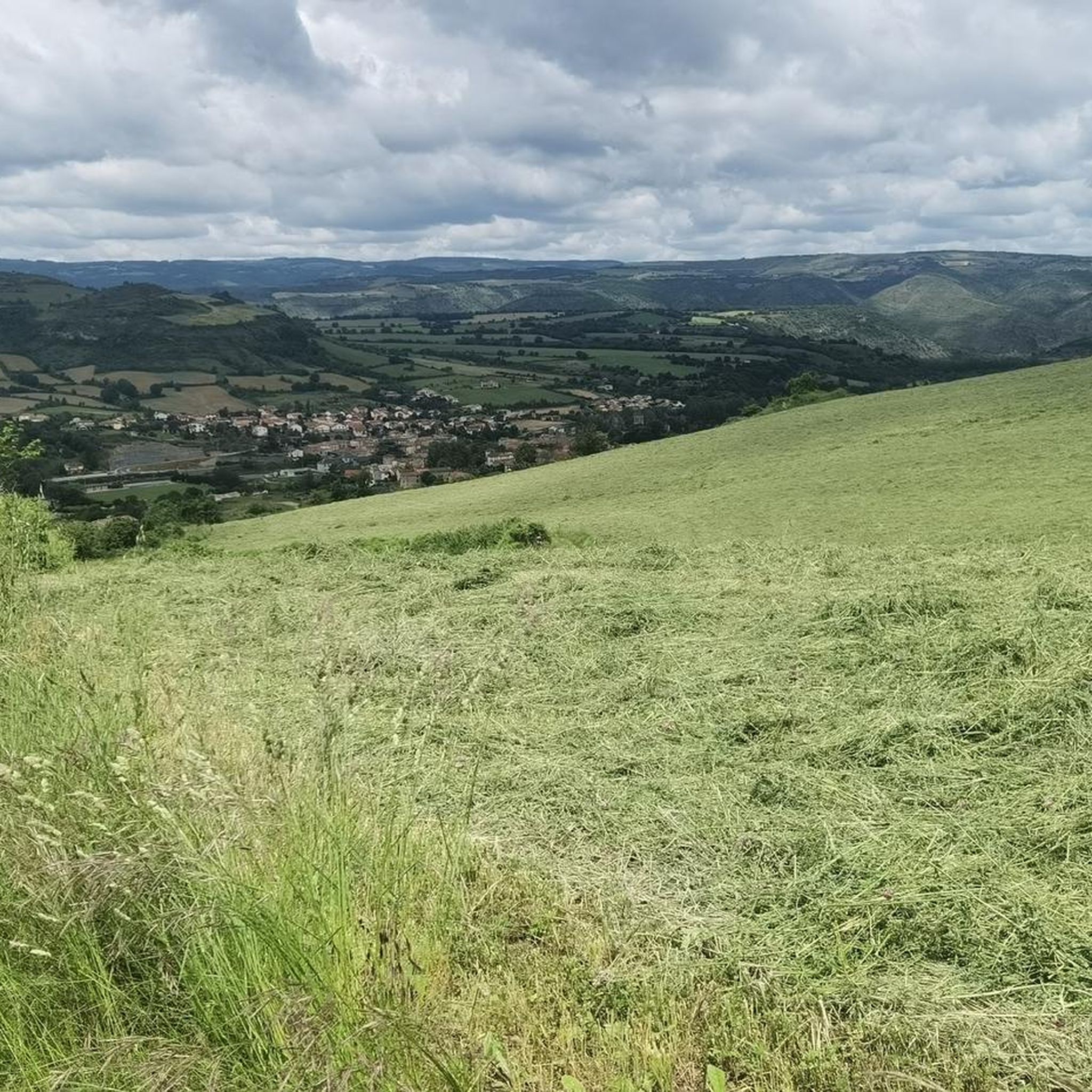
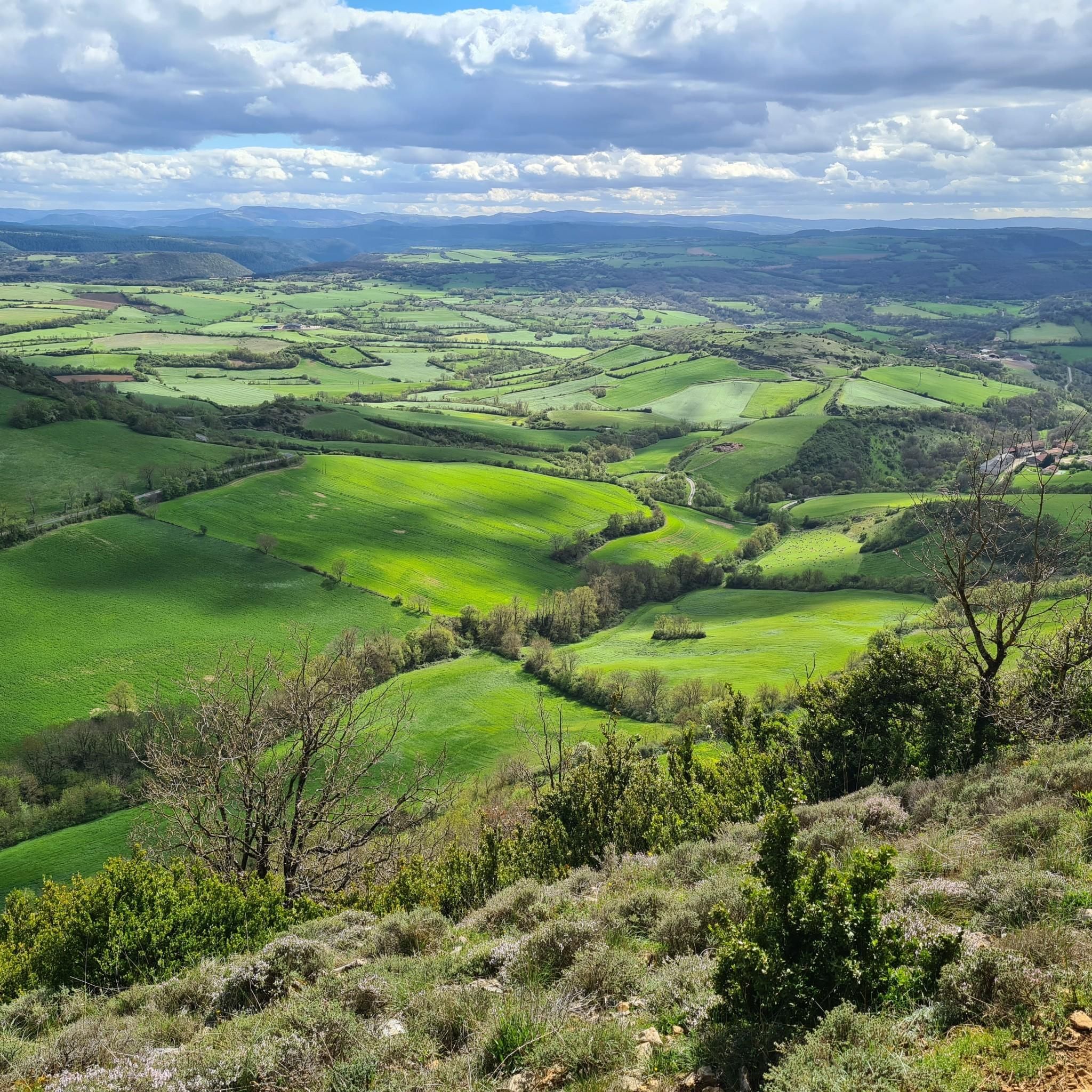
Insanely beautiful view from the plateau.
0
1

Great view of the waterfall
0
0

She is glancing at us from the village from where we can see her. The Cresseils waterfall is a nugget of nature at the gates of the city. The water comes from the ledges of Larzac, then flows into the Tarn with a fall of 23 meters high. Several other waterfalls follow one another for the height of wonder.
0
1
Frequently Asked Questions
What are some unique natural features to explore around Saint-Rome-De-Cernon?
The region offers diverse natural features. You can visit the Cap de Coste Viewpoint for expansive views of Millau and the Tarn valley. Another unique spot is the Cascade des Raspes du Tarn, a waterfall with a distinctive pierced rock formation. The Rock Engraved with Two Crosses is also a natural formation with historical markings.
Are there any natural monuments with historical significance in the area?
Yes, several natural sites blend nature with history. The Rock Engraved with Two Crosses is a natural rock featuring ancient engravings. The Rocher de Caylus, while a natural monument, is also home to the remains of a medieval castle. Additionally, the Grotte des Résistants (Cave of the Resistance Fighters) has a rich history, having served as a sheepfold and a refuge during wartime.
What kind of panoramic views can I expect from the natural monuments?
The area is rich in viewpoints offering spectacular panoramas. The Cap de Coste Viewpoint provides a magnificent perspective of Millau, its viaduct, and the Tarn valley. The Butte de Sargel, at 761 meters, offers a 360-degree panorama of the Lévézou, the western Larzac causse, and the Pic du Merdelou. The Combalou Plateau also provides extensive views of Roquefort-sur-Soulzon and the Soulzon valley.
What is the best time of year to visit the natural monuments around Saint-Rome-De-Cernon?
The Parc Naturel Régional des Grands Causses, where Saint-Rome-De-Cernon is located, is generally pleasant for outdoor activities from spring through autumn. Spring brings lush greenery and wildflowers, while autumn offers vibrant foliage. Summer is also popular, but it can be quite warm, so early mornings or late afternoons are often best for exploring.
What do visitors particularly enjoy about the natural monuments in Saint-Rome-De-Cernon?
Visitors appreciate the breathtaking views, the unique geological formations, and the blend of nature and history. For instance, the Cap de Coste Viewpoint is praised for its 'magnificent panorama'. The Cascade des Raspes du Tarn is described as 'superb' and 'dreamlike' due to its pierced rock. The Rock Engraved with Two Crosses is noted for its intriguing natural and historical aspects.
Are there family-friendly natural attractions near Saint-Rome-De-Cernon?
Yes, there are options suitable for families. The Dinosaur Footprints of Peyre are easy to access and a fun discovery for children. The Cascade des Raspes du Tarn is also considered family-friendly. The Cernon River Valley offers tranquil riverside walks that can be enjoyed by all ages.
Are there any natural sites suitable for easy walks or less challenging exploration?
For easier exploration, the Cernon River Valley provides pleasant, tranquil riverside walks. The Dinosaur Footprints of Peyre are also noted for being easy to access. Many viewpoints, like the Cap de Coste Viewpoint, are accessible with relatively short walks to enjoy the scenery.
Can I bring my dog to the natural sites around Saint-Rome-De-Cernon?
Generally, many natural outdoor areas in France, including trails and natural sites, are dog-friendly, especially if dogs are kept on a leash. However, specific rules can vary by location, particularly in protected areas or around certain historical monuments. It's always advisable to check local signage or specific site regulations before visiting with your dog.
What outdoor activities, such as cycling or mountain biking, can I do near the natural monuments?
The region around Saint-Rome-De-Cernon is excellent for various cycling activities. You can find numerous road cycling routes, including challenging loops like the 'View of the Millau Viaduct' or 'Col de Notre-Dame'. For mountain biking, trails like 'Dolmen de Tiergues et Rocher de Caylus' or 'Sargels and the Heights of Roquef' offer moderate to difficult rides. You can explore more options on the Road Cycling Routes, Cycling, and MTB Trails guides for the area.
Are there hiking opportunities around the natural monuments of Saint-Rome-De-Cernon?
Yes, the region offers diverse hiking opportunities. The Combalou Plateau features the 'Sentier des Échelles' (Ladders Trail), which is a hiking route showcasing unique geological formations and expansive vistas. The Butte de Sargel also provides excellent hiking with rewarding 360-degree views. Many of the natural monuments are accessible via hiking paths, allowing for immersive exploration of the landscape.
Where can I find tranquil spots for riverside walks or fishing near Saint-Rome-De-Cernon?
The Cernon River Valley, which runs through Saint-Rome-De-Cernon, is known as an 'oasis of greenery' and is ideal for tranquil riverside walks. The Cernon river itself is a renowned trout river, making it a popular spot for fishing enthusiasts. The surrounding landscape of garrigues, plateaus, and waterways provides a serene environment for contemplation and exploration.
Are there any dramatic gorges or canyons to explore in the vicinity?
Absolutely. Not far from Saint-Rome-De-Cernon, you can explore the spectacular Gorges de la Dourbie. This 18-kilometer canyon features wild landscapes, towering cliffs, and crystalline blue waters, offering exceptional panoramas and opportunities for hiking and enjoying dramatic natural beauty.
Are there any less crowded natural attractions near Saint-Rome-De-Cernon?
While popular sites draw crowds, exploring areas like the Cernon River Valley for riverside walks or seeking out the Dolmens of the Wood of Laumière can offer a more tranquil experience. The Butte de Sargel, despite its impressive views, might also provide a less crowded alternative compared to more widely known tourist spots, especially outside peak hours.
Most popular routes around Saint-Rome-De-Cernon
Most popular attractions around Saint-Rome-De-Cernon

Get inspired with the komoot mobile app


Explore more
Extend your search for the best caves by checking out these guides of the top ones around Saint-Rome-De-Cernon:
