Top 20 Natural Monuments around San Bartolomé De Tirajana
Best natural monuments around San Bartolomé De Tirajana are found in a municipality stretching from the central mountains to the southern coast of Gran Canaria. This area features diverse landscapes, including volcanic formations, extensive dune systems, and deep ravines. The region is characterized by its geological and ecological significance, offering a range of natural features to explore. It holds cultural importance, with sites like Roque Nublo historically serving as sacred places.
Best natural monuments around San Bartolomé De Tirajana
- The…
Last updated: July 1, 2026
Roque Nublo
Highlight • Natural Monument
Showing Translation
Tip by

Pico de las Nieves summit
Highlight • Summit
Translated by Google •
Tip by

Sign up now to discover places like this
Get recommendations on the best single tracks, peaks, & plenty of other exciting outdoor places.
Sign up for free
Playa de Maspalomas and the Maspalomas Dunes
Highlight • Beach
Translated by Google •
Tip by

Maspalomas Dunes
Highlight • Beach
Translated by Google •
Tip by

Canary Pine Forest near Roque Nublo
Highlight • Forest
Showing Translation
Tip by

Sign up for free to discover even more natural monuments around San Bartolomé De Tirajana.
Sign up for free
Already have an account?
Start today with a free account
Your next adventure awaits.
Login or Signup
Popular around San Bartolomé De Tirajana
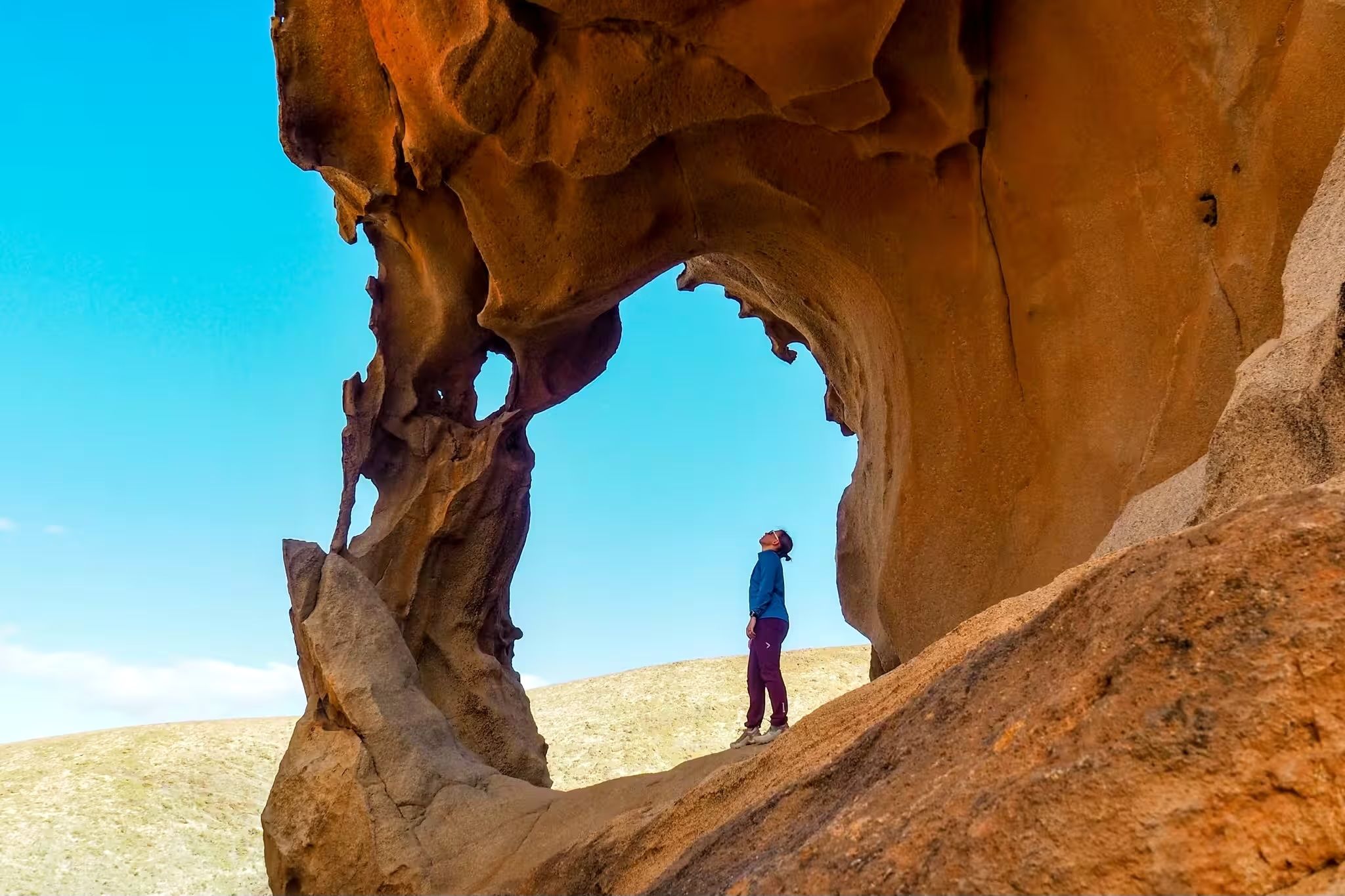
Canary Islands at a slow pace – six hikes immersed in nature
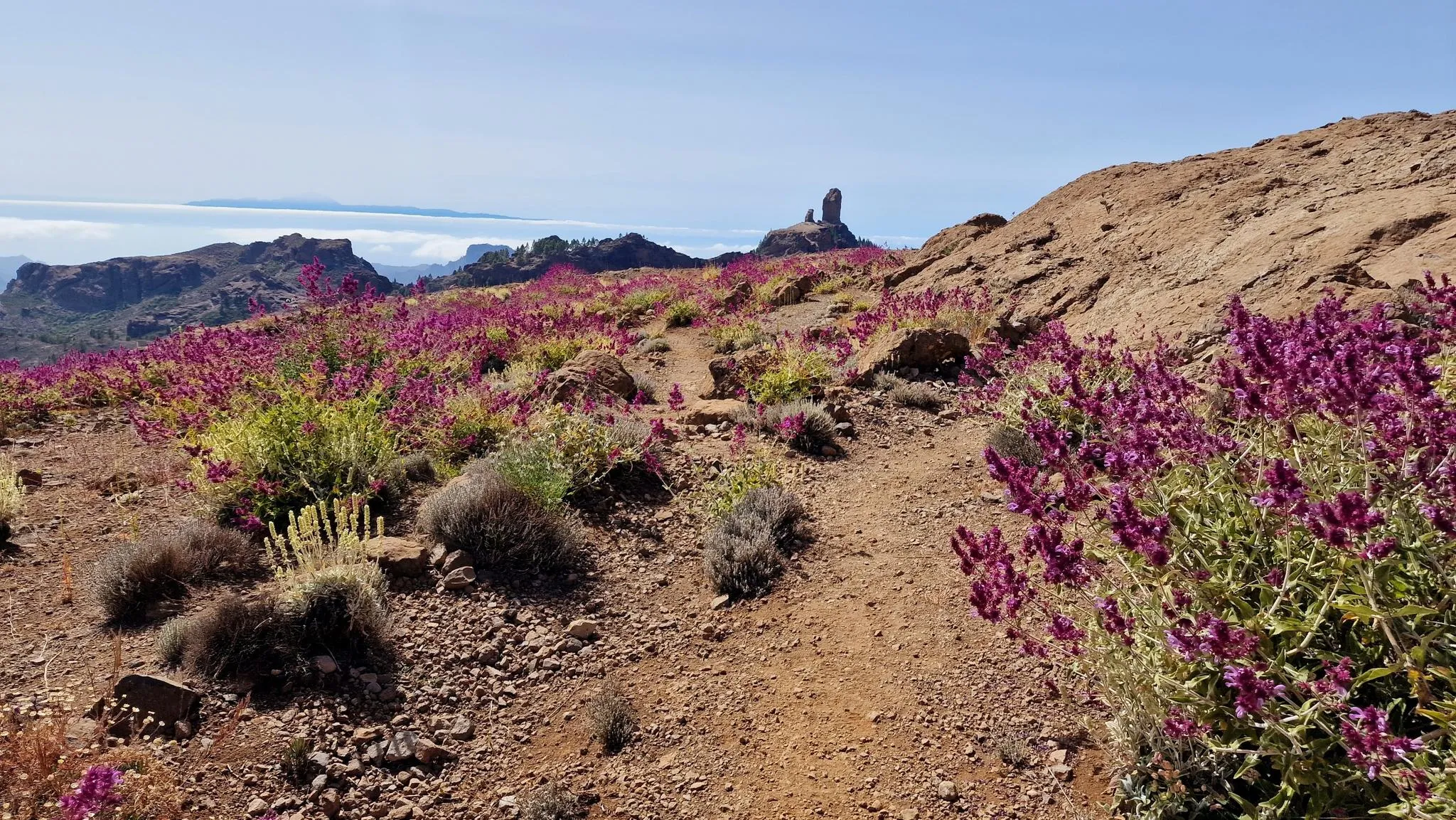
The challenge of the year — Transgrancanaria Classic
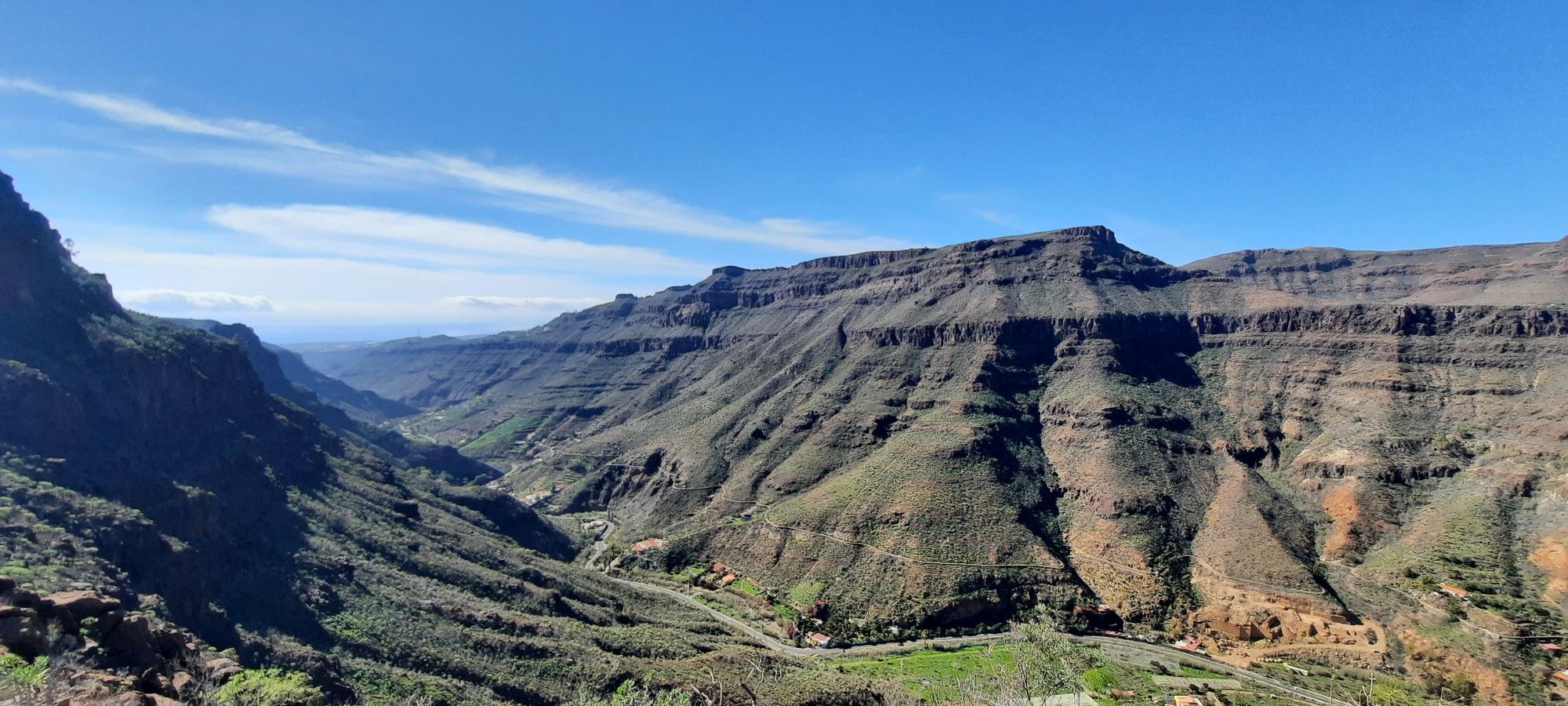
An island of contrasts – crossing Gran Canaria
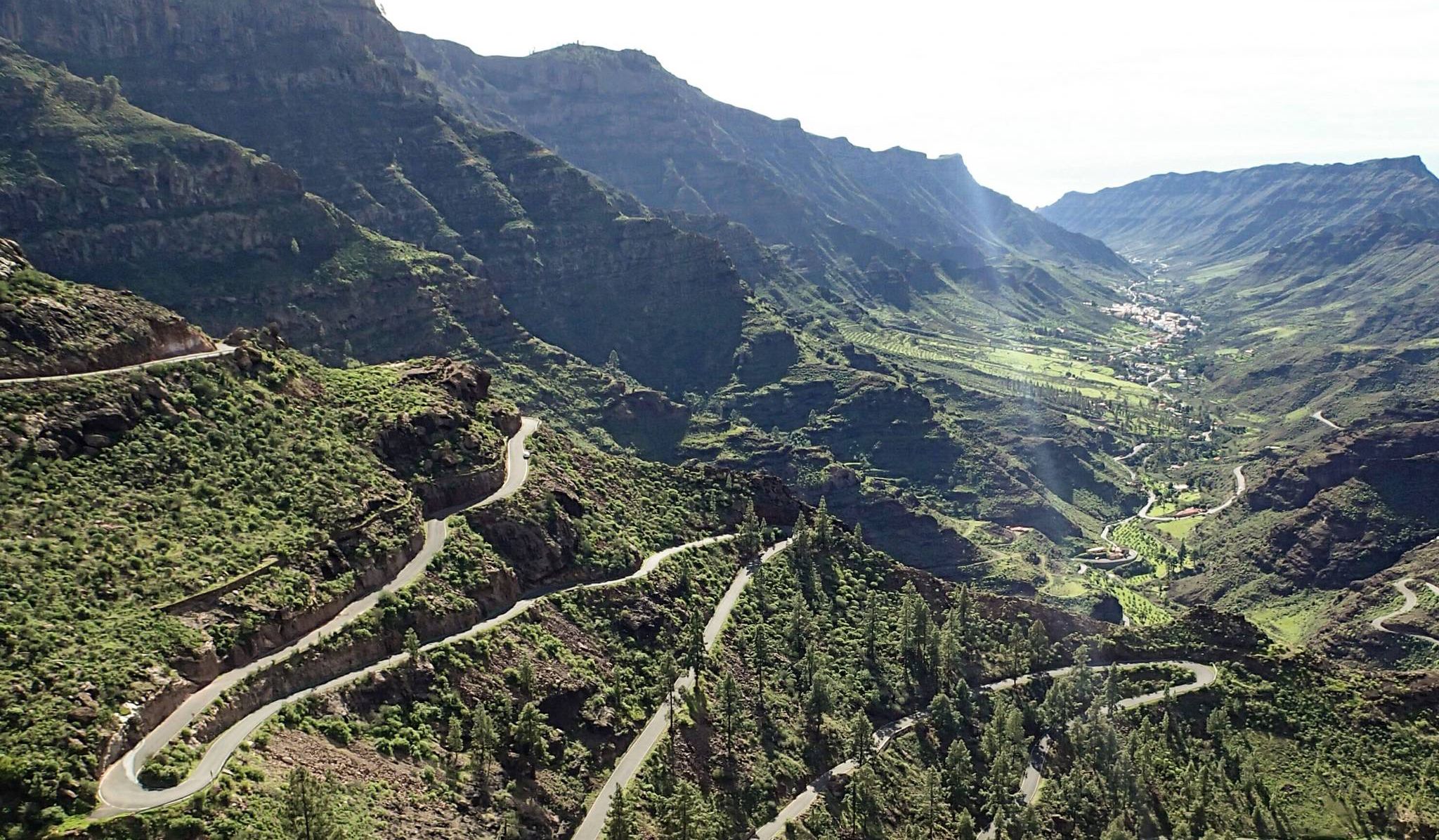
Escape to the south — road cycling in Gran Canaria
Road Cycling Routes around San Bartolomé De Tirajana
Cycling around San Bartolomé De Tirajana
Hiking around San Bartolomé De Tirajana
Running Trails around San Bartolomé De Tirajana
MTB Trails around San Bartolomé De Tirajana

Gravel biking around San Bartolomé De Tirajana
Other adventures around San Bartolomé De Tirajana


Tips from the Community

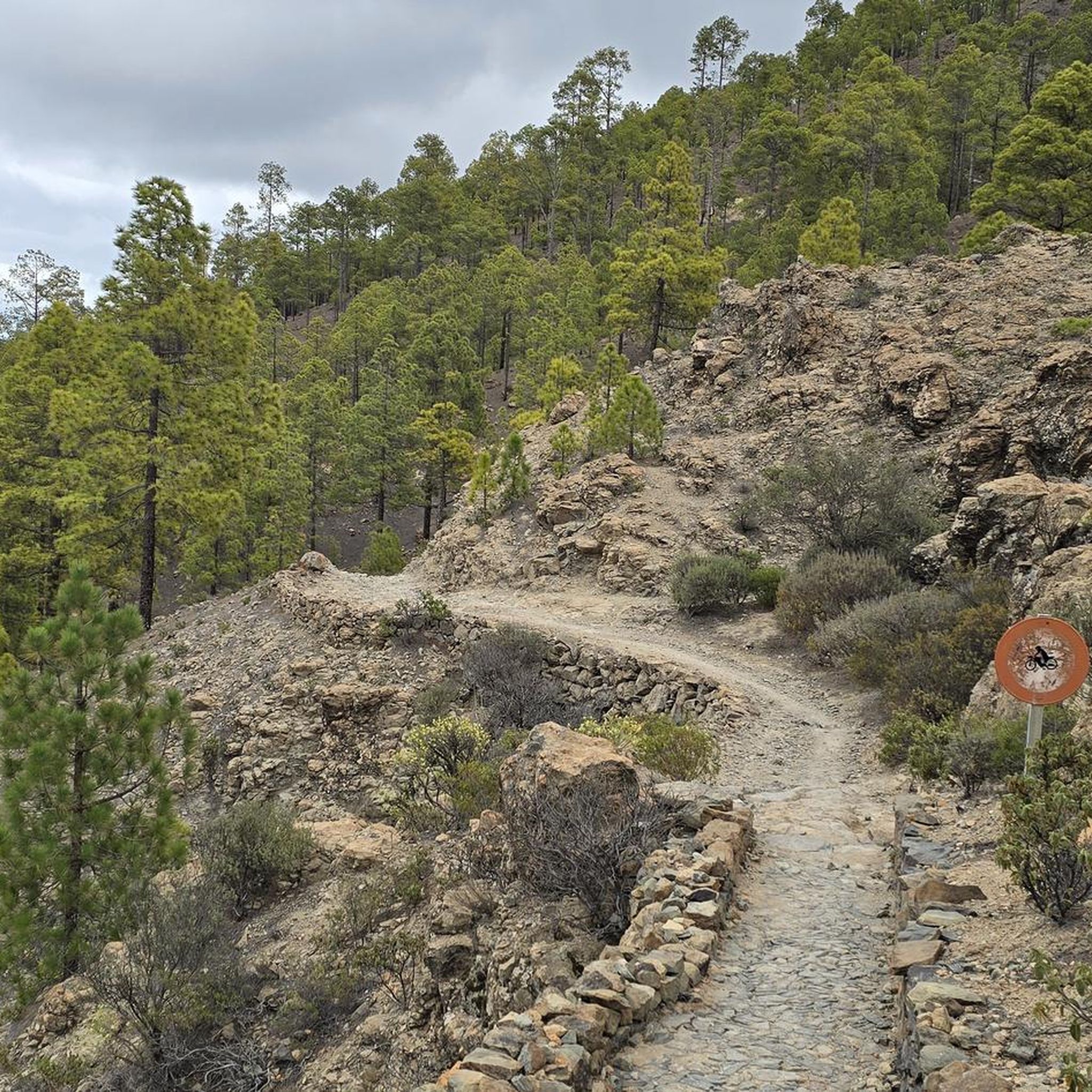
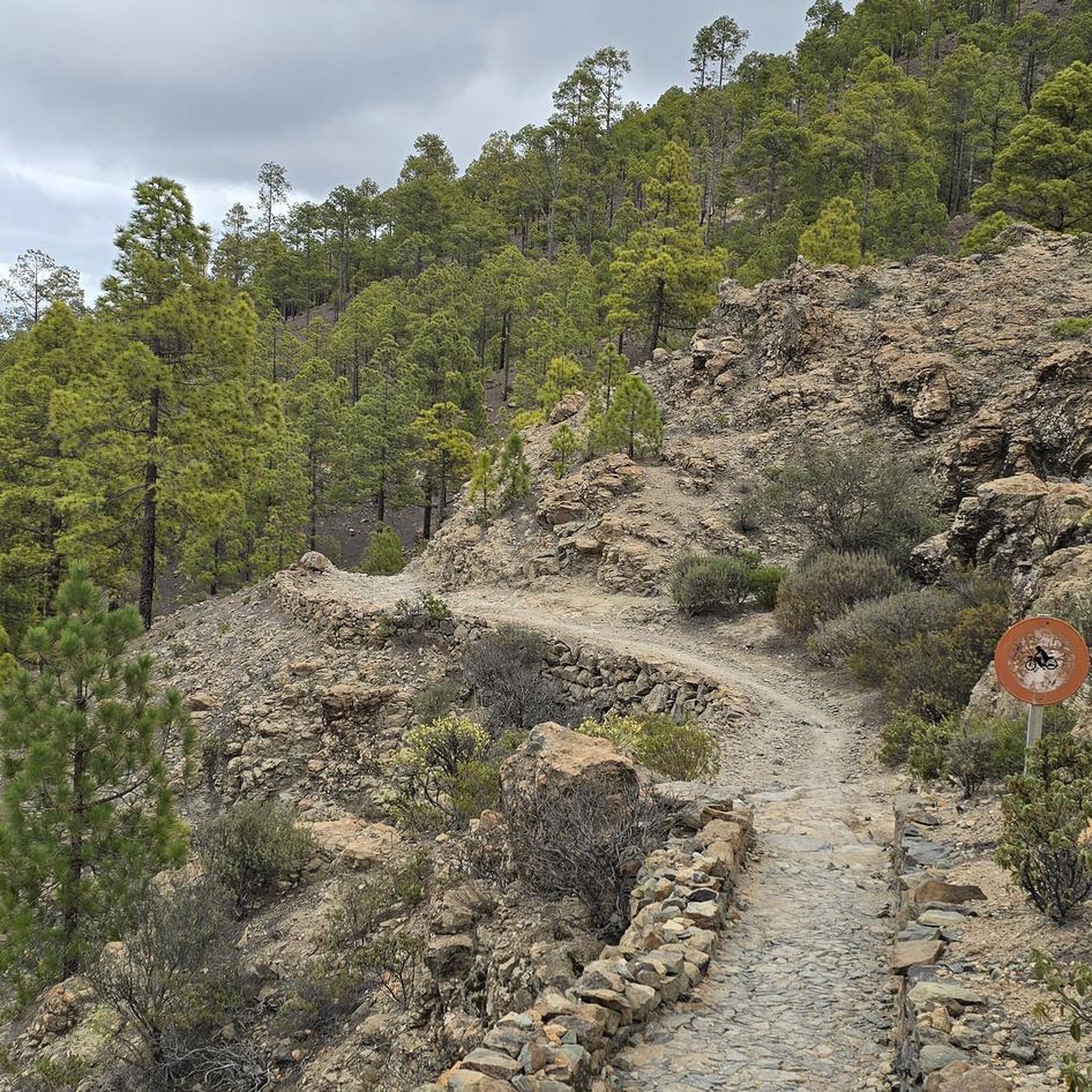
Our path to Roque Nublo leads here through a sparse pine forest.
0
0

Simply fantastic! So much fine desert sand – an absolute must for travelers to Gran Canaria!
5
0

The wide sandy beach of Playa del Ingles is one of the most popular beaches in Gran Canaria. This beautiful beach stretches from the magnificent promenade along the dunes of Maspalomas to the Maspalomas Lighthouse.
9
0
The Maspalomas Dunes are a true natural wonder. They stretch across an area of 404 hectares between Playa de Ingles and Maspalomas. They are home to many rare plants and animals. There are hiking trails through the dunes, but please do not leave them.
11
0

The Canary Islands Kuegern have particularly long needles and were all planted by hand. They contribute to the production of drinking water, because the mist falls to the ground as drops like rain. Great and very special
2
1

It is very worthwhile to climb up to Roque Nublo not only to see the rock formation itself, but also to enjoy the spectacular views it offers from above. The sunsets are incredible.
3
1

I have rarely seen such a beautiful dune landscape
7
1
Very worth seeing due to the desert landscape
6
0
Frequently Asked Questions
What diverse natural features can I explore in San Bartolomé de Tirajana?
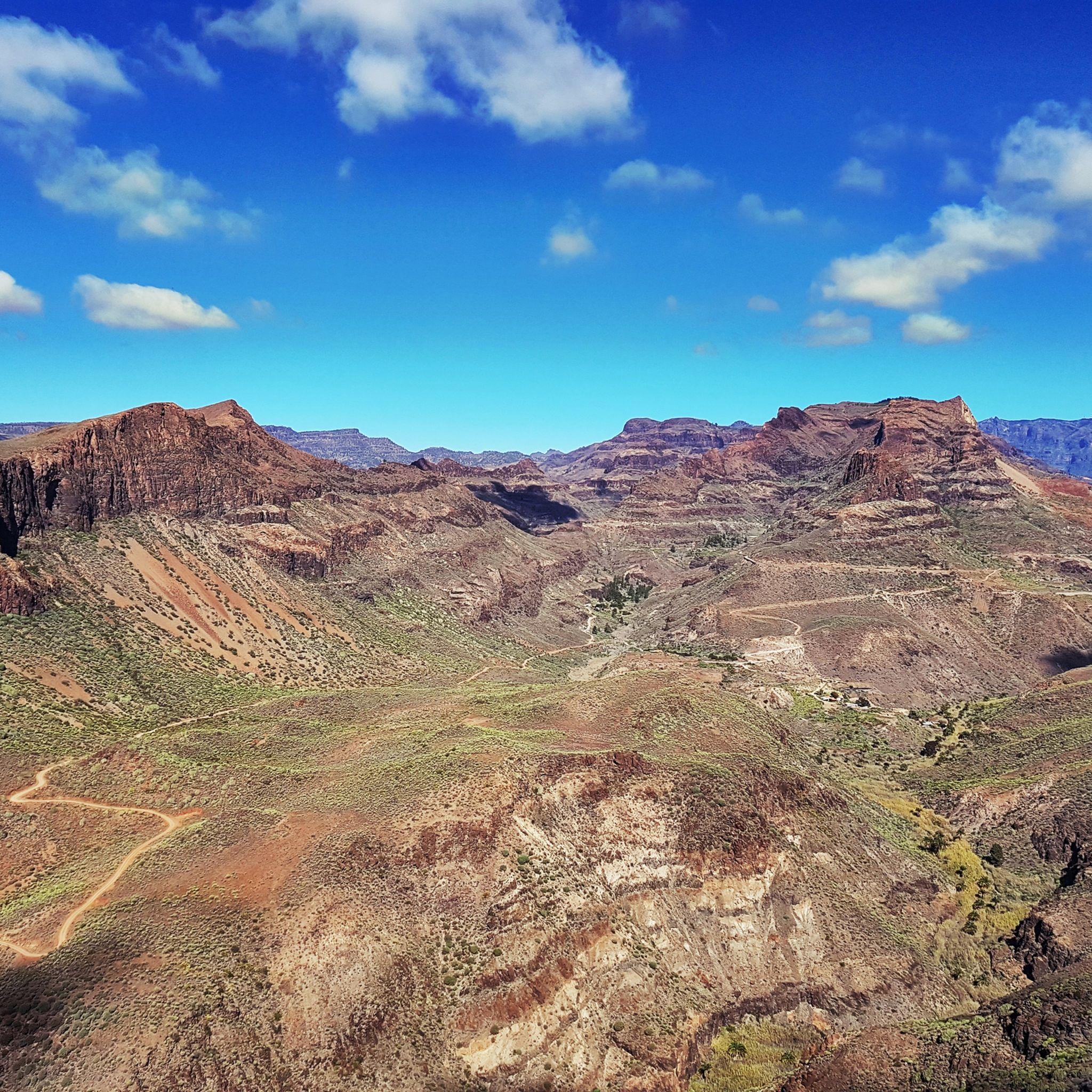
San Bartolomé de Tirajana offers a rich variety of natural features. You can discover iconic volcanic monoliths like Roque Nublo, vast desert-like dune systems such as the Maspalomas Dunes, and deep, scenic ravines like the Barranco de Fataga. The region also boasts the highest point of Gran Canaria, the Pico de las Nieves summit, offering extensive island views.
Are there family-friendly natural monuments to visit in the area?
Yes, several natural monuments are suitable for families. The Maspalomas Dunes and its adjacent beach are popular for family trips, offering stunning scenery and opportunities for walking. The Maspalomas Lagoon, with its birdwatching opportunities, is also considered family-friendly. Additionally, the Pico de las Nieves summit is accessible and offers breathtaking views that families can enjoy together.
What kind of wildlife can I observe at the natural monuments?
The natural monuments in San Bartolomé de Tirajana support diverse wildlife. At the Maspalomas Lagoon, located within the dunes, you can observe migratory birds such as flamingos and herons, as well as various insects and reptiles, including the giant lizard of Gran Canaria. The Barranco de Fataga is home to unique flora, including magnificent Canarian palm groves and rare endemic plant species.
What historical or cultural significance do these natural monuments hold?
Many natural monuments in the region have significant historical and cultural value. Roque Nublo was a sacred mountain for the Guanches, the indigenous people of the Canary Islands, who built a place of worship at its base. The Barranco de Fataga also contains traditional architecture and important archaeological sites, such as the Necropolis de Arteara, the largest aboriginal cemetery in Gran Canaria.
What outdoor activities can I do near these natural monuments?
The area around San Bartolomé de Tirajana offers a variety of outdoor activities. You can find numerous hiking trails, such as the moderate 'Ascent to the Pass – View of Morro de la Conjera loop' or the easy 'Maspalomas Lagoon – Maspalomas Dunes loop'. For cycling enthusiasts, there are routes like 'Maspalomas, Presa de la Gambuesa, Ayaguares' for touring bicycles or 'Camino de Santiago and Fataga Loop' for mountain biking. You can find more details and routes on the hiking, cycling, and MTB guides for the region.
Are there specific hiking trails associated with the Maspalomas Dunes?
Yes, there are dedicated trails for exploring the dunes. The Maspalomas Dunes Trail offers a beautiful path through this spectacular national park, providing a unique 'desert feeling' with sparse vegetation. An easy hiking option is the 'Maspalomas Lagoon – Maspalomas Dunes loop' which allows you to experience both the dunes and the lagoon. You can find more hiking options in the hiking guide for San Bartolomé de Tirajana.
What is the best time to visit the natural monuments for optimal views and fewer crowds?
For optimal views and to avoid larger crowds, it is generally recommended to visit natural monuments like Roque Nublo early in the morning. This allows for a quieter experience and often clearer panoramic views. Similarly, visiting the Maspalomas Dunes during sunrise or sunset offers breathtaking scenery and a more tranquil atmosphere.
Can I find viewpoints that offer panoramic vistas of the region?
Absolutely. The Roque Nublo provides unparalleled panoramic views, and on clear days, you can even see Mount Teide on the neighboring island of Tenerife. The Pico de las Nieves summit, as the highest point of Gran Canaria, also offers extensive views across the entire island. The Barranco de Fataga itself provides captivating vistas as you drive or hike through it.
What makes the Barranco de Fataga a unique natural monument?
The Barranco de Fataga, also known as the 'Valley of a Thousand Palms,' is a protected landscape characterized by its wide channel and steep slopes carved by intense erosion. Its uniqueness lies in its high geological and geomorphological value, stunning landscapes, and significant botanical importance with magnificent Canarian palm groves. It also features traditional architecture and archaeological sites, offering a blend of natural beauty and cultural heritage.
What do visitors enjoy most about the natural monuments in San Bartolomé de Tirajana?
Visitors frequently praise the breathtaking scenery and tranquility. For instance, the Maspalomas Dunes are often described as providing a taste of the Sahara by the ocean, with many recommending walking barefoot. The journey to Roque Nublo is considered beautiful, and the panoramic views from its summit are a major draw. The silence and grand geological formations of the Barranco de Fataga also leave a lasting impression on visitors.
Are there any easy-to-access natural monuments for those with limited mobility?
While many natural monuments involve some walking or hiking, the Pico de las Nieves summit is generally accessible by road, allowing visitors to enjoy the views with less physical exertion. For the Maspalomas Dunes, there are accessible boardwalks and viewing platforms near the edges, though exploring the dunes themselves involves walking on sand.
How long should I plan for a visit to the major natural monuments?
The duration of your visit depends on the monument and your activity. For Roque Nublo, a hike to the base and back can take a couple of hours. Exploring the Maspalomas Dunes and beach can easily fill a half-day, especially if you plan to walk extensively or relax by the lagoon. A scenic drive through the Barranco de Fataga with stops can take several hours, while a dedicated hike might require a full day.
Most popular routes around San Bartolomé De Tirajana
Most popular attractions around San Bartolomé De Tirajana

Get inspired with the komoot mobile app


Explore more
Extend your search for the best caves by checking out these guides of the top ones around San Bartolomé De Tirajana:
