Top 15 Natural Monuments around Benalmádena
Best natural monuments around Benalmádena showcase the region's varied natural features, from coastal ecosystems to mountain springs. Benalmádena, a coastal town on the Costa del Sol, provides access to natural landscapes that include river mouths, caves, and scenic viewpoints. The area's geography supports diverse flora and fauna, making it suitable for exploring natural landmarks near Benalmádena hiking routes. These natural areas offer opportunities for outdoor activities and connection with the environment.
Best natural monuments around Benalmádena
- The most popular natural…
Last updated: July 1, 2026
Translated by Google •
Tip by

Seabird Observatory
Highlight • Viewpoint
Translated by Google •
Tip by
Sign up now to discover places like this
Get recommendations on the best single tracks, peaks, & plenty of other exciting outdoor places.
Sign up for free
Molino de Inca Botanical Garden
Highlight (Segment) • Structure
Translated by Google •
Tip by

Jarapalos Spring
Highlight • Natural Monument
Translated by Google •
Tip by

Cave of the Bull
Highlight • Cave
Translated by Google •
Tip by

Sign up for free to discover even more natural monuments around Benalmádena.
Sign up for free
Already have an account?
Start today with a free account
Your next adventure awaits.
Login or Signup

Other adventures around Benalmádena

Tips from the Community

A new wooden bench has been installed at the grotto, comfortably seating six people. It's a lovely place to enjoy the view and have a light snack.
0
0

A unique reference and a very common route destination for hikers but especially cyclists, usually going up from the entrance through the Tiro Pichón shooting range, a constant climb with good views and some viewing points along the way. The fountain always has water but I doubt it is drinkable, it is not indicated and I have never risked trying it 😅. What we can do is cool off, it is on the north face and offers shade and humidity. Right in front there is a descent towards the Mínillas but if we continue climbing we can see another viewing point in about 800m and a couple of kilometres later we will reach the crossroads to continue towards Puerto de la Encina or go down towards the bottling plant and Mijas. Of course we will always have the option of going up to the fountain and returning along the same path, with the peace of mind that everything is downhill.
1
0

The Guadalhorce Estuary, known as the Guadalhorce Natural Park, is a beautiful nature reserve located on the coast of Málaga. This area covers approximately 67 hectares and is an important ecosystem for a wide range of flora and fauna. The estuary is a refuge for several species of birds, including flamingos, herons and wading birds. It is a popular spot for birdwatchers. The area is home to a rich variety of plants and trees, including reed beds, saltwater plants and Mediterranean vegetation. The river splits into several branches before flowing into the Mediterranean Sea, creating several lagoons and wetlands. The nature reserve is open to visitors and offers walking trails and observation points to enjoy the nature without disturbing it.
9
0

The Aves Marinas Gualdemar observation point is a valuable site for birdwatchers, nature lovers, and anyone interested in the biodiversity of the Andalusian coast. It demonstrates the close connection between the natural environment and the biodiversity that makes this region a special destination for nature conservation and ecotourism. The viewpoint is strategically located on the coast and offers uninterrupted views of the Mediterranean Sea. Here, visitors can observe seabirds flying over the water and discover a variety of species that inhabit the area.
6
0
The Rio Guadalhorce is the largest river in the province of Málaga and flows into the Mediterranean southwest of the city of Málaga. The mouth of the Guadalhorce is an ecologically valuable area and is known as the Paraje Natural Desembocadura del Guadalhorce, a protected nature reserve. The Guadalhorce is a typical Mediterranean river. It rises in the Betic Cordillera and flows through an agricultural valley. Before its mouth, the river divides into two branches that shape the delta and the lagoon landscape. In the past, there were floods that were mitigated by river regulation and the construction of dams. Nevertheless, the renaturation and protection of the estuary is a focus of regional environmental policy.
12
0
Super beautiful, if you can enjoy plants, trees, water and peace, the birds are behind bars. Very beautiful place.
0
0

This seabird observatory marks the end of the last stage of the GR 248 trail (Gran Senda del Guadalhorce) in the southern area, being at the same time an ideal place to rest while listening to the waves. Here, you can enjoy panoramic views of the entire bay of Malaga and its mountains. On the other side, you see the Torremolinos coast fading into the horizon.
2
0
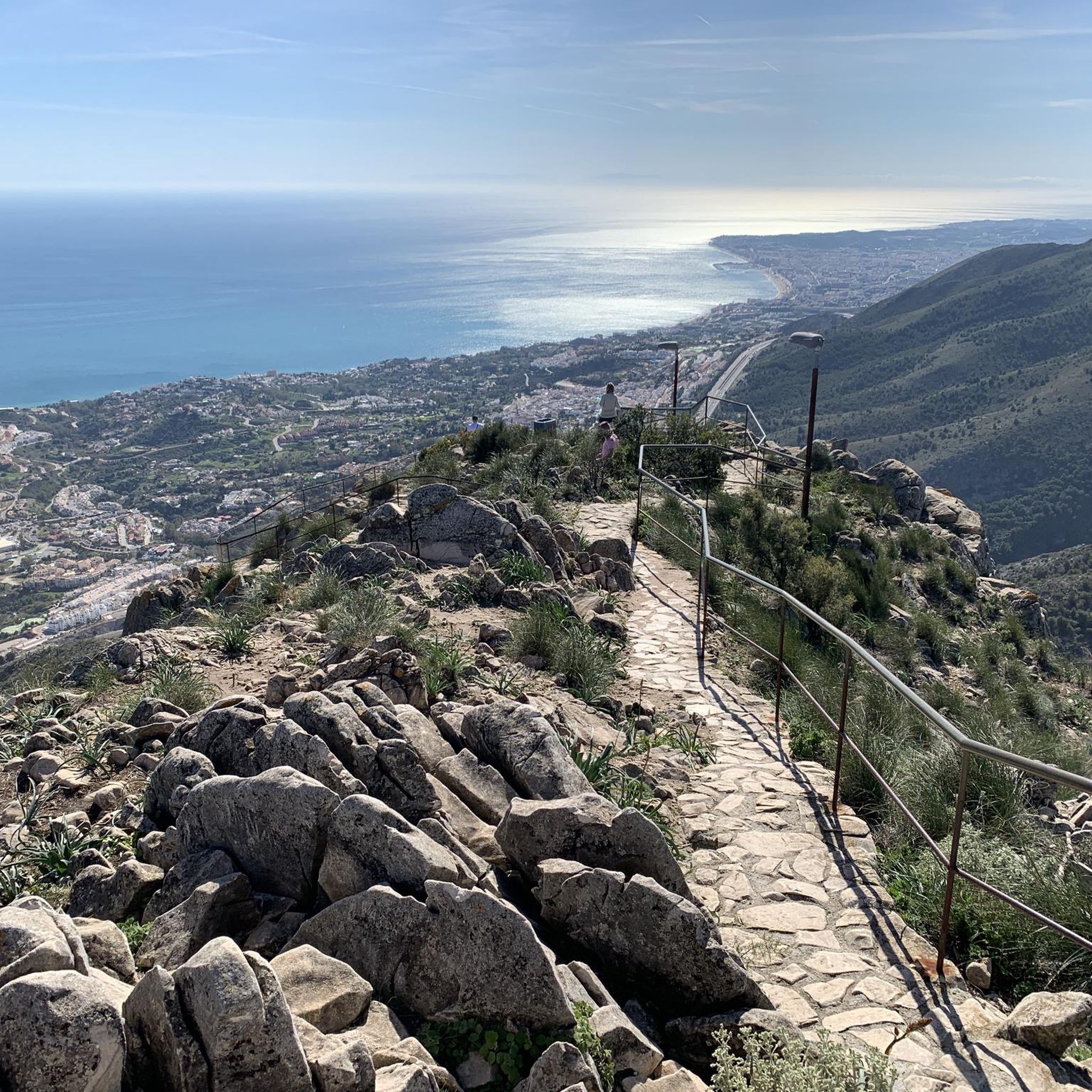
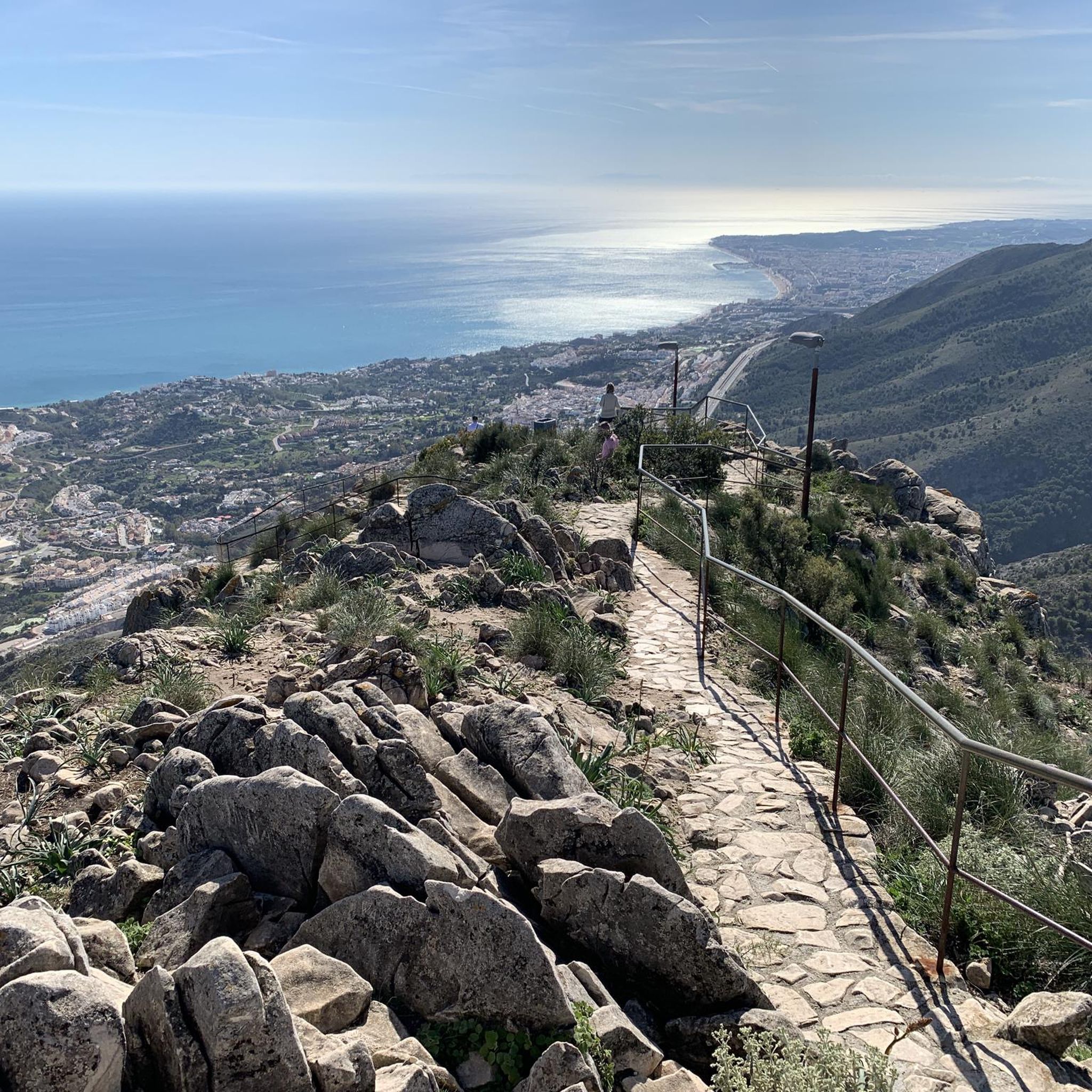
The Toro Cave, discovered in 1969, is of great archaeological interest due to the cave paintings found there, which are probably 20,000 years old. Unfortunately, access to its interior is currently not possible. Besides, the place offers magnificent views of the entire coast.
4
0
Frequently Asked Questions
What are some popular natural attractions in Benalmádena for families?
Benalmádena offers several family-friendly natural attractions. The Guadalhorce River Mouth is an ecologically valuable protected nature reserve where you can observe various bird species. Another great option is Parque de la Paloma, a large urban park with lush gardens, artificial lakes, and free-roaming wildlife like peacocks and rabbits, plus playgrounds for children. The Mariposario de Benalmádena (Butterfly Park) also provides a captivating and educational experience with exotic butterflies in a tropical setting.
Where can I find the best panoramic views of the coast and mountains in Benalmádena?
For breathtaking panoramic views, consider visiting Mount Calamorro, accessible via the Benalmádena Cable Car. From the summit, you can enjoy stunning vistas of Benalmádena, the Costa del Sol, and on clear days, even the Sierra Nevada mountains and the coast of Africa. The Cave of the Bull also offers magnificent views of the entire coast, despite its interior being inaccessible.
Are there any natural springs or water features to visit in the area?
Yes, the Jarapalos Spring is a notable natural monument known for its consistently fresh water. It's a popular destination for hikers and cyclists, offering a refreshing stop with shade and humidity along the route. While the water is fresh, it's generally not recommended for drinking unless specified.
What kind of wildlife can I expect to see around Benalmádena's natural areas?
Benalmádena is rich in wildlife observation opportunities. The Guadalhorce River Mouth is a significant bird refuge, home to species like flamingos, herons, and various wading birds. The Seabird Observatory provides excellent chances to spot seabirds. Parque de la Paloma features free-roaming peacocks, chickens, ducks, rabbits, swans, and turtles, while the Mariposario de Benalmádena is dedicated to exotic butterflies.
Are there historical or archaeological natural sites near Benalmádena?
The Cave of the Bull is of great archaeological interest due to ancient cave paintings, estimated to be around 20,000 years old. Although interior access is currently not possible, the site itself holds significant historical value and offers impressive coastal views.
What are some easy walking routes or trails suitable for all ages near Benalmádena's natural monuments?
For easy walks, Parque de la Paloma offers extensive paved paths through lush gardens, perfect for all ages. The Guadalhorce River Mouth also has walking trails and observation points designed to allow visitors to enjoy nature without disturbance. Additionally, the Molino de Inca Botanical Garden provides a pleasant and accessible stroll through diverse plant collections.
What outdoor activities can I do near these natural monuments?
The natural areas around Benalmádena are excellent for various outdoor activities. You can enjoy hiking on trails like the 'Monte Calamorro Loop' or 'Sendero Tajo de Quejigal', which you can find more about in the Hiking around Benalmádena guide. Cycling is also popular, with routes such as the 'Sohail Castle – Las Yucas Beach loop' detailed in the Cycling around Benalmádena guide. For mountain biking enthusiasts, there are trails like the 'Wolf's Trail – Jarapalos Viewpoint loop' in the MTB Trails around Benalmádena guide.
Are there any botanical gardens or places to see diverse plant life?
The Molino de Inca Botanical Garden is a must-visit for plant enthusiasts. Restored in 2003, it features nearly a thousand plant species, including 150 varieties of palm trees and 300 trees. It also includes a Japanese garden, water features, and a replica of an old mill.
What is the best time of year to visit Benalmádena's natural monuments?
The best time to visit Benalmádena's natural monuments is generally during the spring (April-May) and autumn (September-October) months. During these periods, the weather is pleasantly mild, making it ideal for outdoor activities like hiking and exploring parks, without the intense heat of summer or the cooler, wetter conditions of winter.
Can I access these natural monuments using public transport?
Many of Benalmádena's natural attractions are accessible via public transport. For example, Parque de la Paloma is centrally located and well-served by local buses. The Benalmádena Cable Car, which takes you to Mount Calamorro, is also easily reachable. For specific routes like the Guadalhorce River Mouth, checking local bus schedules or considering a short taxi ride from the nearest public transport hub is advisable.
Are there any coastal natural features or beaches worth visiting?
Benalmádena's coastline offers numerous scenic beaches like Playa de Santa Ana and Playa de Bil Bil, which are perfect for relaxing walks by the Mediterranean Sea. The Seabird Observatory is strategically located on the coast, offering uninterrupted views of the Mediterranean and opportunities to observe seabirds.
What should I wear when visiting natural monuments in Benalmádena?
For comfortable exploration, especially if you plan to hike or walk extensively, wear comfortable walking shoes or hiking boots. Layered clothing is recommended as temperatures can vary, particularly when ascending to higher elevations like Mount Calamorro. Don't forget sun protection, including a hat, sunglasses, and sunscreen, especially during sunnier months.
Most popular routes around Benalmádena
Most popular attractions around Benalmádena

Get inspired with the komoot mobile app


Explore more
Extend your search for the best caves by checking out these guides of the top ones around Benalmádena:
