Top 20 Natural Monuments around Midhurst
Best natural monuments around Midhurst are found within the South Downs National Park, an expansive area characterized by rolling hills, ancient woodlands, and chalk grasslands. The region features diverse habitats supporting a wide array of wildlife and offers extensive opportunities for outdoor activities. Midhurst itself is nestled in the heart of this national park, providing access to varied landscapes and ecological sites.
Best natural monuments around Midhurst
- The most popular natural monument is Harting Down, a natural monument that…
Last updated: May 17, 2026
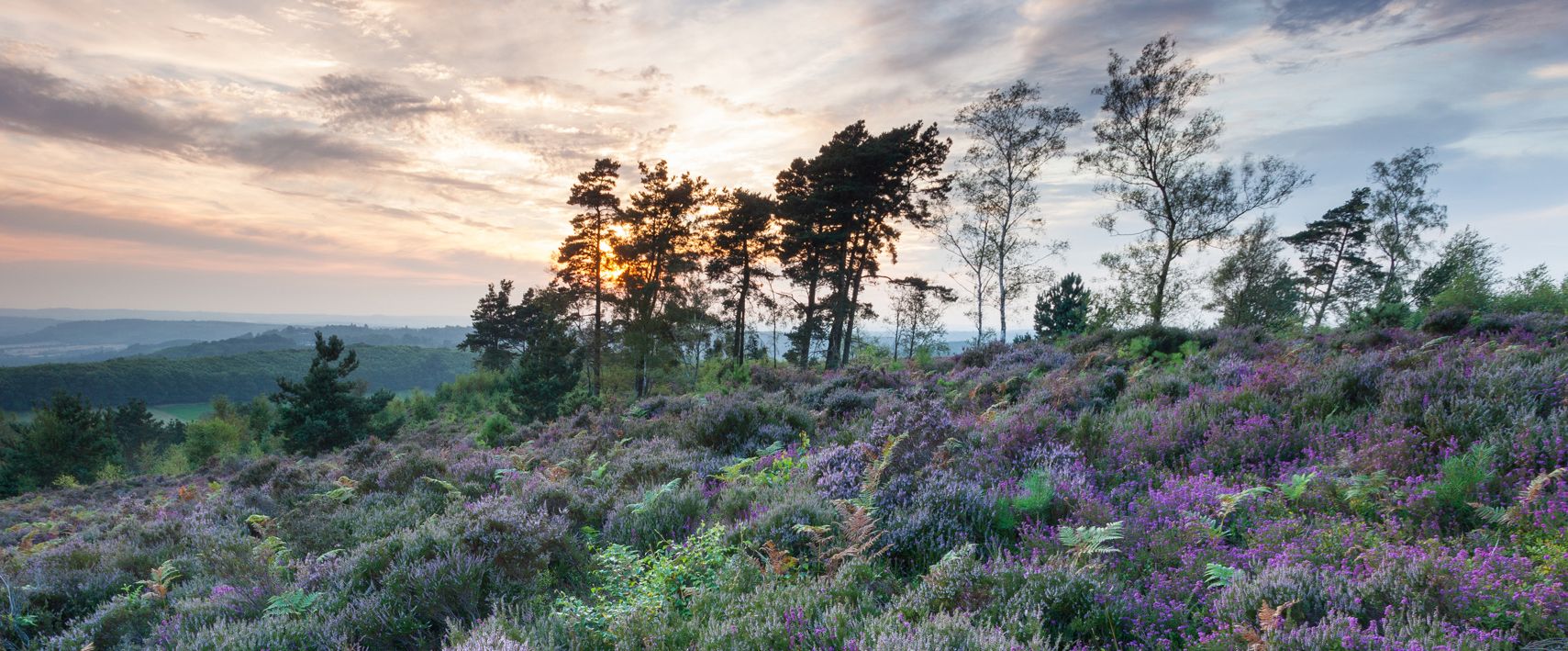
Harting Down
Highlight • Natural Monument
Tip by

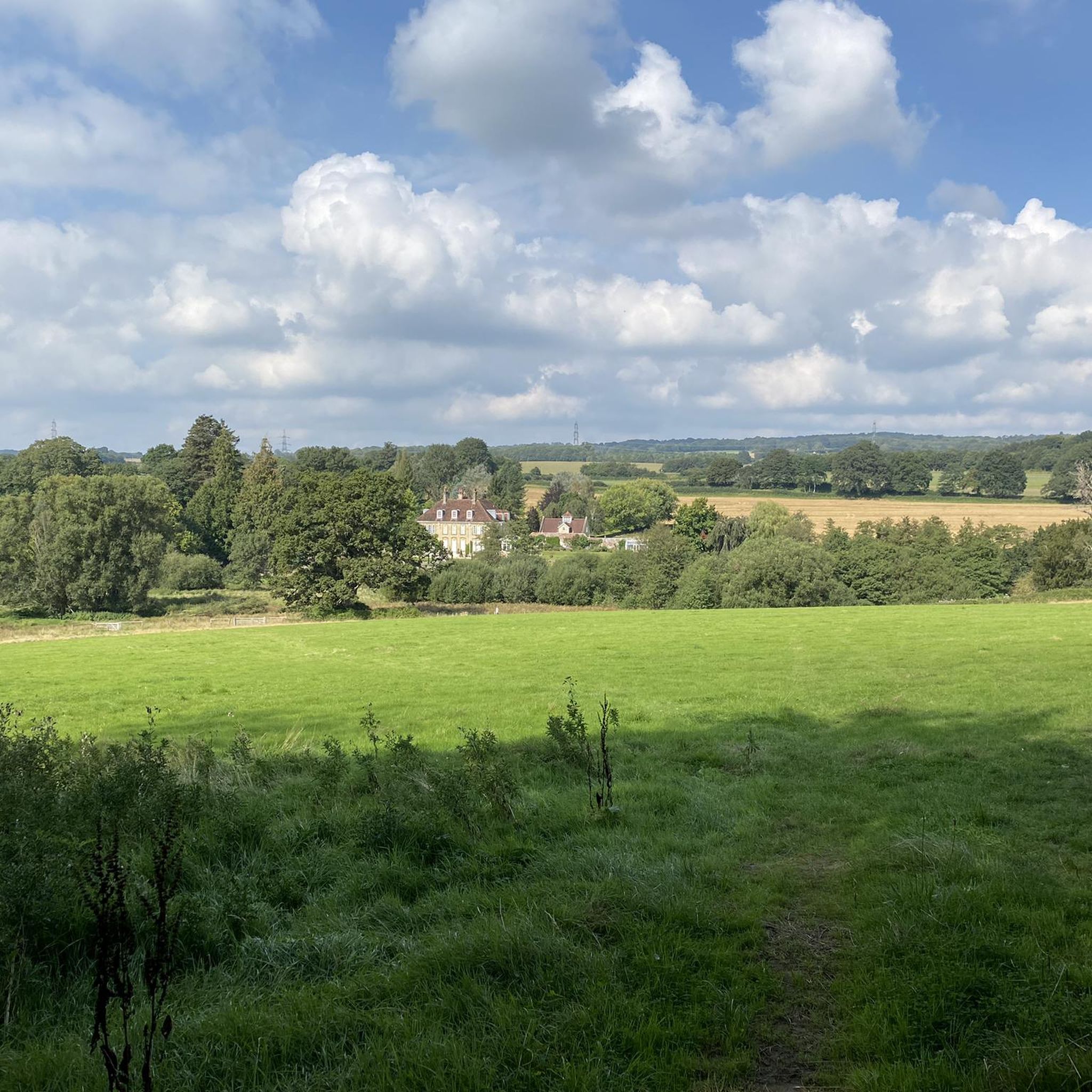
Graffham Down Nature Reserve
Highlight • Viewpoint
The …
Tip by

Sign up now to discover places like this
Get recommendations on the best single tracks, peaks, & plenty of other exciting outdoor places.
Sign up for free
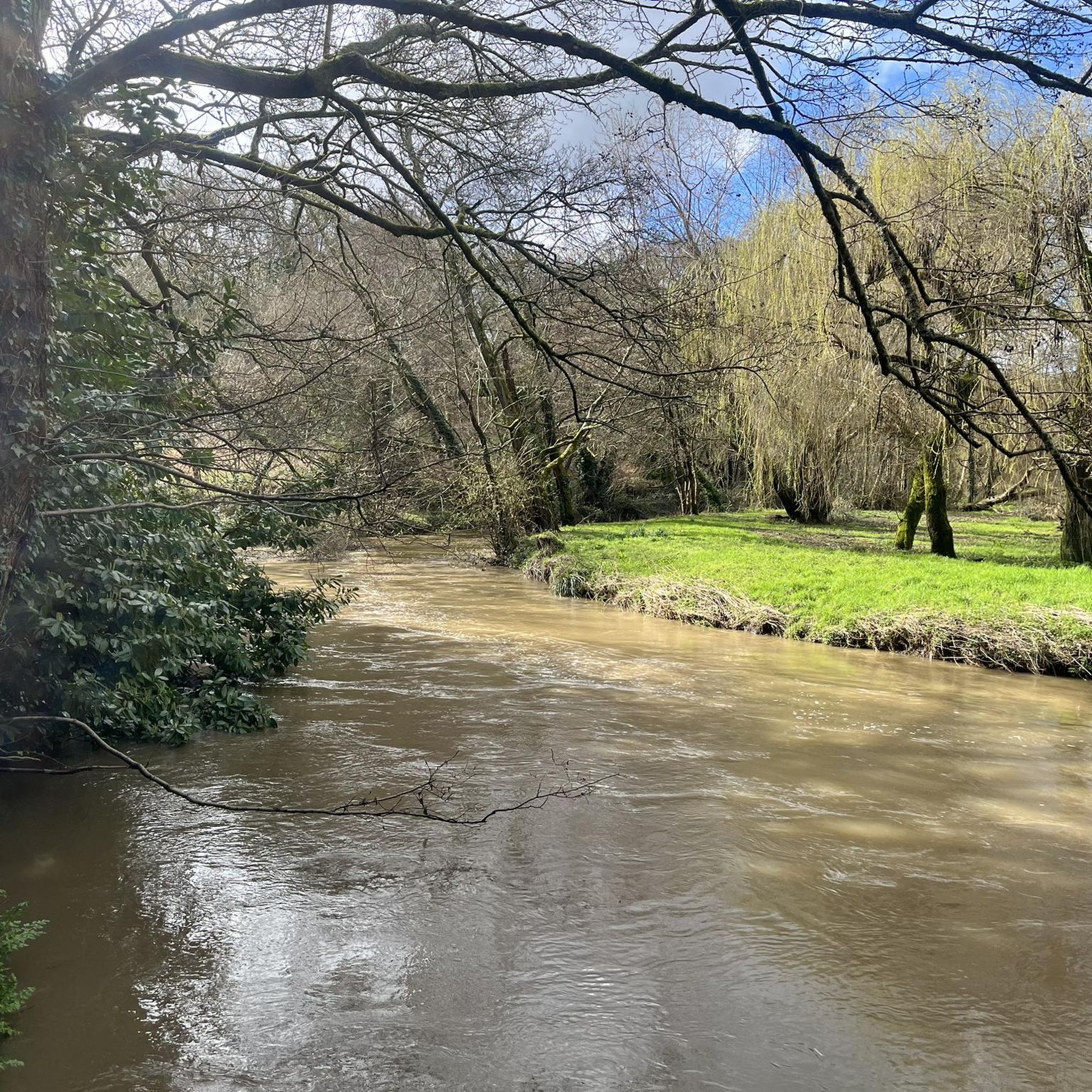
South Pond, Midhurst
Highlight • Lake
Tip by

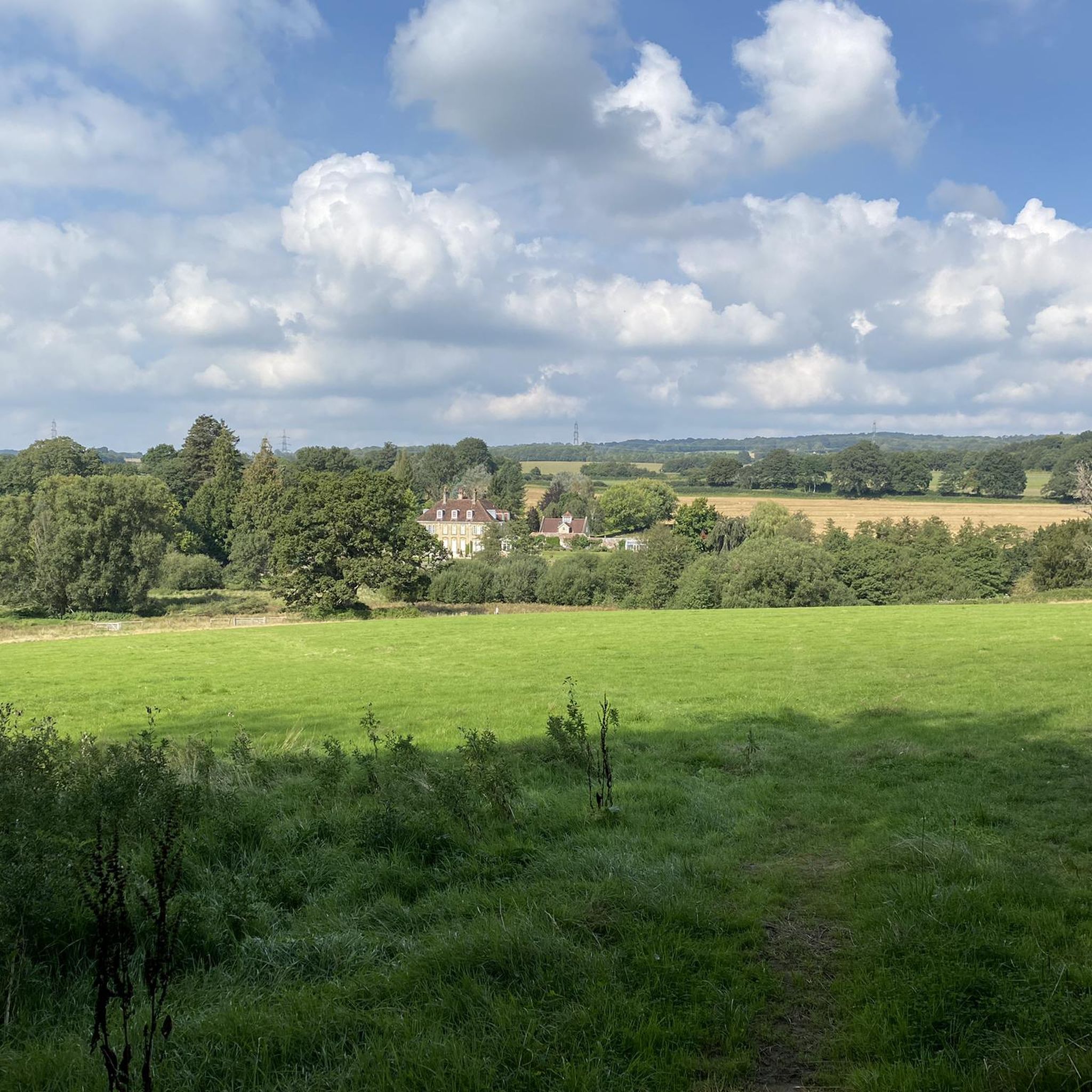
Torberry Hill Iron Age Hillfort
Highlight • Historical Site
Tip by
Temple of the Wind Viewpoint
Highlight • Viewpoint
Tip by

Sign up for free to discover even more natural monuments around Midhurst.
Sign up for free
Already have an account?
Start today with a free account
Your next adventure awaits.
Login or Signup
Other adventures around Midhurst

Tips from the Community

Head south from Harting down to join bridle path heading South down to Centurion way and thence to Chichester railway station, 11 miles. Mainly a descent, Just one climb and then the joy of the recently upgraded cycle path the last 5 miles to Chichester. Winchester railway station to Chichester railway station 44 miles.
0
0

The views were amazing, after the 800 ft climb 😆
1
0

Torberry Hill is an Iron Age hillfort in West Sussex. It is a Scheduled Ancient Monument. The hillfort is located within the parish of Harting, within the South Downs National Park. The hillfort has a pear-shaped layout and covers an area of 2.8 hectares. It has a low dump rampart and a ditch that enclose the western part of the hill. The eastern part is defended by the steep slope of the hill. The interior of the hillfort contains several storage pits that date to the Iron Age. The hillfort was built in several phases, starting from the 5th century BC. Torberry Hill is also a mountain summit that is 156 metres high with a prominence of 65 metres. The summit can be identified by a grass mound. There are several walks that can be done around Torberry Hill, such as the one to West Harting Down or Beacon Hill.
3
0
South pond is a historic and scenic pond in Midhurst, West Sussex, England. It is fed by two streams that were once the boundaries of Saxon settlements, and it forms the division between the oldest part of Midhurst and West Lavington. The pond was created in the mid-1100s by one of the medieval lords of Midhurst, who dammed the streams to make a breeding pool for fish. The pond has been used for various purposes over the centuries, such as milling, fulling, leather production, and entertainment. The pond is now a nature reserve and a popular spot for walking, fishing, and birdwatching. It is part of the South Downs National Park and has a rich biodiversity of plants and animals. The pond is also home to the South Pond Group, a voluntary community group that works to care for and improve the pond and its surroundings. The group organizes regular events, activities, and projects to engage the public and enhance the pond’s beauty and value.
2
0

One of the best views in the area, it is easy to see why it inspire Alfred Lord Tennyson. Also the highest point in the South Downs National Park.
0
0

Really lovely circuit with a great variety of terrain and landscapes, did it January on gravel bikes and the trail was proper muddy in places, also leafy, gravelly, you name it. Added a diversion to the RAF memorial to the site of a crashed Dambusters Lancaster from where there are lovely views south to the coast and the IoW. Recommended.
1
0

Absolutely amazing walk for everyone! Be it kids, young or elderly people. Beautiful views, nice trails and easy. If you're lucky, you'll even get to see some playful deers.
0
0

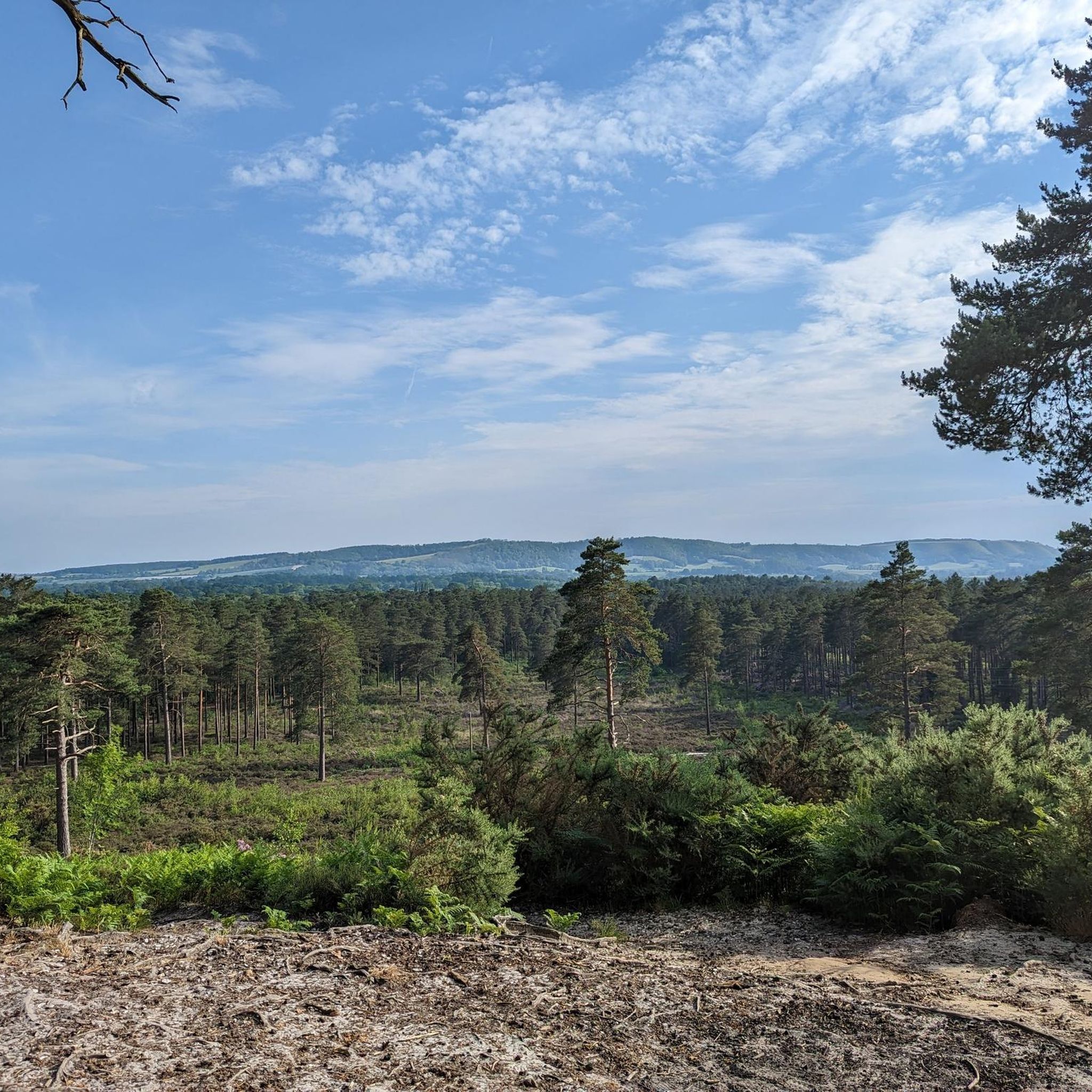
A short walk from the bridleway to the viewpoint that overlooks all of West Sussex and the South Downs
0
0
Frequently Asked Questions
What are some of the most popular natural monuments to visit around Midhurst?
Visitors frequently enjoy Harting Down, known for its ancient chalk downland and diverse flora and fauna, including wild herbs and numerous butterfly species. Another favorite is Temple of the Wind Viewpoint, which offers extensive panoramic views.
Are there family-friendly natural monuments near Midhurst?
Yes, South Pond, Midhurst is a historic and scenic pond that is very family-friendly. It's a nature reserve popular for walking, birdwatching, and enjoying the peaceful environment. Additionally, the general parklands of Cowdray Park offer gentle walks suitable for families.
What kind of wildlife can I expect to see at the natural monuments?
The natural monuments around Midhurst are rich in wildlife. At Harting Down, you might spot skylarks and various butterfly species, along with rarer insects like the blue carpenter bee. Woolbeding Common is home to rare birds such as woodlarks and nightjars, as well as reptiles and specialist insects. The River Rother and its wetlands are known for dragonflies and kingfishers.
Are there any historical natural monuments in the area?
Certainly. Torberry Hill Iron Age Hillfort is a Scheduled Ancient Monument featuring an Iron Age hillfort at its summit, offering both historical significance and panoramic views. South Pond, Midhurst also has a rich history, created in the mid-1100s and used for various purposes over centuries.
What are the best times of year to visit the natural monuments around Midhurst?
Spring and summer are ideal for experiencing the diverse flora and fauna, with wildflowers blooming and many bird and butterfly species active. Autumn offers beautiful foliage, especially in areas like Cowdray Park and the woodlands within the South Downs National Park. Winter provides crisp views and tranquil walks, though some trails might be muddy.
Are there good viewpoints among the natural monuments?
Yes, the area boasts several excellent viewpoints. Temple of the Wind Viewpoint is highly rated for its extensive panoramic vistas. Graffham Down Nature Reserve, traversed by the South Downs Way, also provides brilliant views over the rolling agricultural countryside.
What outdoor activities can I do near these natural monuments?
The natural monuments are excellent starting points for various outdoor activities. You can find numerous hiking routes, including easy walks like the Rother Walk near Midhurst, or more moderate trails such as those around Cowdray Manor Park. There are also many mountain biking trails, including loops that take you through Harting Down or Graffham Down Nature Reserve. For detailed routes, explore the hiking guides and MTB guides for Midhurst.
Are there dog-friendly trails or natural monuments in the Midhurst area?
Many of the natural monuments and surrounding areas within the South Downs National Park are dog-friendly, provided dogs are kept under control, especially near livestock or wildlife. Areas like Harting Down and Woolbeding Common offer open spaces for walks. Always check local signage for specific restrictions, particularly during nesting seasons.
Where can I find parking for natural monuments near Midhurst?
Parking is generally available at or near many of the natural monument sites. For example, Harting Down, managed by the National Trust, typically has designated parking areas. For other locations like Woolbeding Common or access points to the River Rother, roadside parking or small car parks may be available. It's advisable to check specific access points before your visit.
What unique natural features can I explore in the Midhurst area?
Midhurst is characterized by its diverse natural features. You can explore ancient chalk downland at Harting Down, which is one of Britain's largest areas of its kind. Woolbeding Common offers unique heathland habitats with rare birds and insects. Cowdray Park features ancient trees, including the Queen Elizabeth Oak, estimated to be between 850 and 1,000 years old.
Are there any natural monuments that are part of longer trails?
Yes, several natural monuments are integrated into longer trail networks. The well-known South Downs Way passes through Graffham Down Nature Reserve. The Serpent Trail also passes through Woolbeding Common, offering opportunities for longer hikes through varied landscapes.
Can I find cafes or pubs near the natural monuments for refreshments?
While many natural monuments are in rural settings, Midhurst itself and surrounding villages offer options for refreshments. For example, South Pond, Midhurst is just a couple of minutes away from local coffee shops. Cowdray Park also has a café. For other locations, you might find pubs or cafes in nearby villages after your walk.
Most popular routes around Midhurst
Most popular attractions around Midhurst

Get inspired with the komoot mobile app


Explore more
Extend your search for the best caves by checking out these guides of the top ones around Midhurst:
