Top 9 Natural Monuments around Littlehampton
Best natural monuments around Littlehampton offer diverse natural features along the West Sussex coastline and inland areas. The region is characterized by its sedimentary geology, including chalk limestones and overlying deposits of clays, sands, and gravels. These geological formations contribute to the unique character of the coastline and its natural habitats, such as sand dunes and river estuaries. The area provides opportunities for outdoor activities and observing local wildlife.
Best natural monuments around Littlehampton
- The most popular natural monument is View Across the South Downs, a viewpoint that offers expansive vistas over the rolling hills of the South Downs National Park. This location provides magnificent views across the landscape, including distant sea views and flood plains.
- Another must-see spot is Chantry Hill, a picturesque hill. It affords views over the surrounding countryside and out to sea, with beautiful farmland along its tracks.
- Visitors also love Kithurst Hill Trig Point, a summit and viewpoint. This spot is known for its excellent views and well-maintained paths, making it popular for walkers and runners.
- Littlehampton is known for its viewpoints, hills, and woodlands. Visitors can explore a variety of natural monuments, from coastal features to the extensive landscapes of the South Downs.
- The natural monuments around Littlehampton are appreciated by the komoot community, with more than 60 upvotes and 13 photos shared by users.
Last updated: October 2, 2026
Chantry Hill
Highlight • Viewpoint
Tip by

Kithurst Hill Trig Point
Highlight • Viewpoint
Tip by

Sign up now to discover places like this
Get recommendations on the best single tracks, peaks, & plenty of other exciting outdoor places.
Nore Woods Bluebell Wood
Highlight (Segment) • Natural Monument
You'll be meandering through a stunning display of mixed broadleaf trees, including oak, beech, and ash, with the most notable feature being the incredible display of bluebells that carpet the forest floor during the spring months.
Tip by

View Across the South Downs
Highlight • Viewpoint
Tip by
Harrow Hill
Highlight • Summit
The hill rises 168m above sea level and provides some wonderful panoramic views of the surrounding countryside.
Tip by
Sign up for free to discover even more natural monuments around Littlehampton.
Already have an account?
Start today with a free account
Your next adventure awaits.

Tips from the Community

Great walk but incredibly muddy and wet in the winter so make sure you're prepared for that or wait till the summer!
0
0

Chantry Hill is adjacent to Kithurst Hill and provides another route to this accessible trig point. The paths and wide open views down over the South Downs are stunning.
0
0
Yet another trig point to do on the South Downs Way. Well, not quite as Kithurst Hill is slightly north of the official trail, but worth the dog leg to it just to get another trig.
0
0

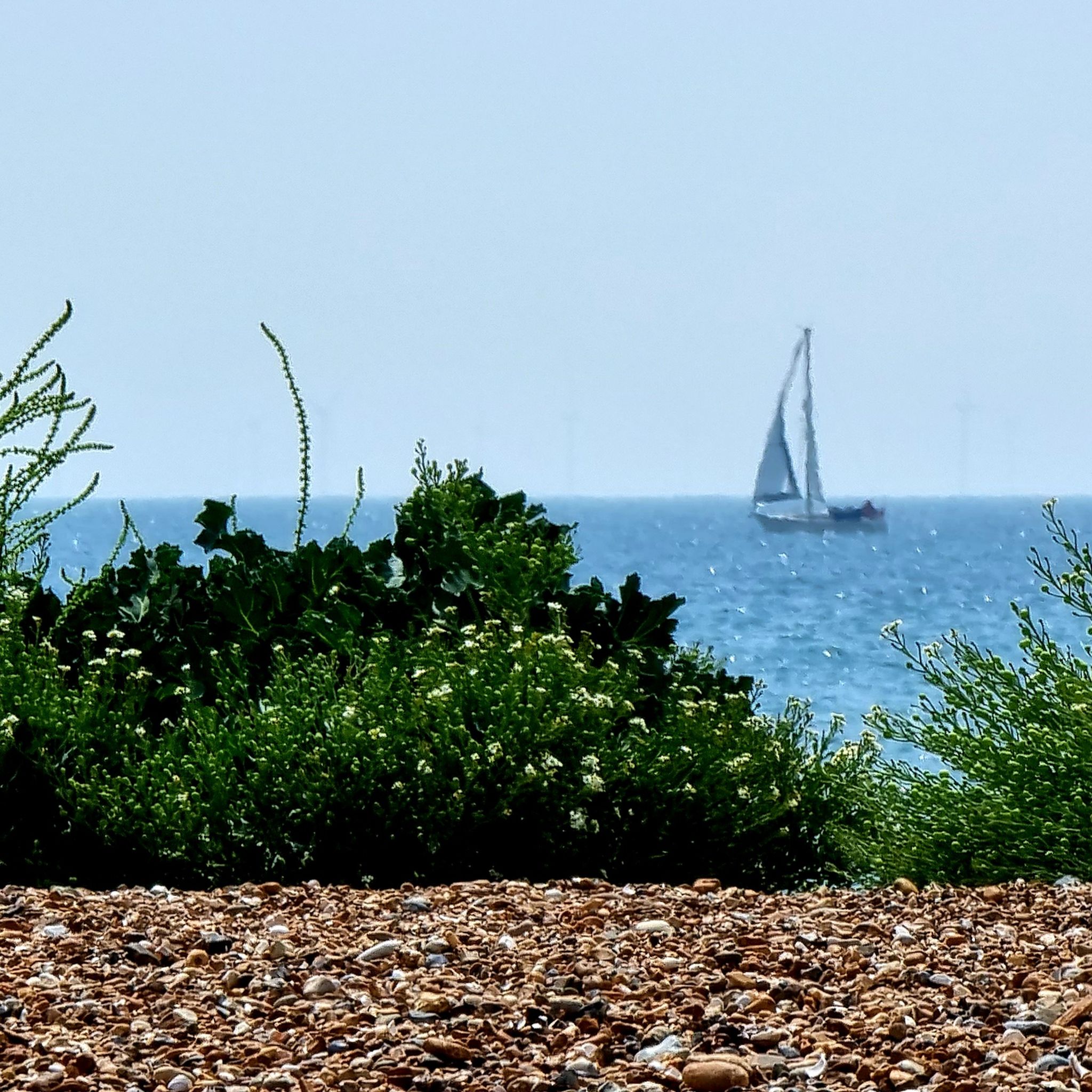
The views when you climb the Downs are spectacular, you can see out to sea with the power windmills in the distance and the flood plains around Amberley. We loved every minute of it, please see it for yourselves, making sure it is a clear sunny day.
0
0
A beautiful little hill and very popular with dog walkers and runners. Mainly because not only are the views great but there are good paths underfoot and a nearby car park.
0
0

Take a stroll around the idyllic and ancient woodland of Nore Woods. The woods are situated in the South Downs National Park, somewhere between Chichester & Arundel. You'll be meandering through a stunning display of mixed broadleaf trees, including oak, beech, and ash, with the most notable feature being the incredible display of bluebells that carpet the forest floor during the spring months.
1
0
A heart-pounding climb will bring you to a glorious ridgetop where you will be afforded some magnificent views across the rolling hills and lush green landscapes that make up the South Downs National Park. To the west is Rackham Hill, and to the east, Kithurst, Chantry, and Sullington Hill.
1
0
Harrow Hill is an archaeological site situated in West Sussex in the South Downs National Park. The hill sits on the remains of Neolithic flint mines and a Bronze Age settlement. The hill rises 168m above sea level and provides some wonderful panoramic views of the surrounding countryside.
1
0
Frequently Asked Questions
What natural features can I expect to see around Littlehampton?
The Littlehampton area offers diverse natural features, from the coastal sand dunes and river estuaries to the rolling hills and woodlands of the South Downs National Park. You can explore picturesque hills like Chantry Hill and Kithurst Hill Trig Point, and enjoy the tranquil beauty of ancient woodlands such as Nore Woods Bluebell Wood.
Where can I find the best panoramic views of the South Downs near Littlehampton?
For expansive vistas over the South Downs, head to View Across the South Downs. This viewpoint offers magnificent scenery, including distant sea views and flood plains. Other excellent spots for views include Chantry Hill and Kithurst Hill Trig Point, both known for their far-reaching countryside and sea views.
Are there any unique natural areas along the coast near Littlehampton?
Yes, the West Beach Local Nature Reserve is a significant coastal natural area. It features unspoiled sand dunes and diverse wildlife, offering a tranquil setting for walks and bird spotting. The River Arun estuary also provides dynamic environments with unique sand deposits and opportunities to observe local wildlife as the river flows towards the sea.
What is the geological significance of the natural monuments in the Littlehampton area?
The Littlehampton area's geology is primarily sedimentary, characterized by chalk limestones, with overlying deposits of clays, sands, and gravels. These formations are particularly evident in the tidal flats and raised beach deposits, contributing to the unique character of the coastline and its natural habitats like sand dunes and river estuaries. You can learn more about the regional geology on Wikipedia's Geology of West Sussex page.
What kind of walking trails are available near Littlehampton's natural monuments?
You'll find a variety of walking trails, from coastal paths along the River Arun to more challenging routes in the South Downs. Many trails offer excellent views and are well-maintained. For specific hiking routes, you can explore options in our guide to Easy hikes around Littlehampton.
Are there opportunities for cycling or gravel biking near these natural monuments?
Absolutely. The region offers numerous routes suitable for both cycling and gravel biking. You can find detailed routes and guides for Gravel biking around Littlehampton and Cycling around Littlehampton, which include trails passing by or near many natural monuments.
Where can I find easy walks suitable for all skill levels around Littlehampton?
For easy walks, consider the paths along the River Arun or the coastal promenade. Many trails within the South Downs National Park also have less strenuous sections. Our guide on Easy hikes around Littlehampton provides several options, including loops around Mewsbrook Pond and the Littlehampton Promenade.
Are the natural monuments around Littlehampton suitable for families?
Many natural monuments and areas are family-friendly. For example, Nore Woods Bluebell Wood is a great spot for a family stroll, especially when the bluebells are in bloom. The West Beach Local Nature Reserve also offers a safe and engaging environment for children to explore the beach and dunes.
Can I bring my dog to the natural monuments and trails in the Littlehampton area?
Yes, many trails and natural monuments are dog-friendly. Kithurst Hill Trig Point, for instance, is very popular with dog walkers due to its good paths and views. Always ensure your dog is under control and check for any specific local restrictions, especially in nature reserves or areas with livestock.
When is the best time of year to visit the natural monuments around Littlehampton?
Spring and summer are ideal for enjoying the natural monuments, with warmer weather and longer daylight hours. Spring brings the spectacular bluebell display at Nore Woods Bluebell Wood. Autumn offers beautiful foliage, while winter can provide crisp, clear views, though some paths in the South Downs may become muddy.
Are there any natural monuments near Littlehampton with historical significance?
Yes, Harrow Hill is a notable example. It is an archaeological site within the South Downs National Park, sitting on the remains of Neolithic flint mines and a Bronze Age settlement. This location combines natural beauty with a rich historical past.
What kind of wildlife can I spot at the natural monuments in Littlehampton?
The West Beach Local Nature Reserve is excellent for birdwatching, with various species including oystercatchers. Along the River Arun, you can observe local riverine wildlife. In woodlands like Nore Woods Bluebell Wood, you'll find diverse flora, especially the stunning bluebell carpets in spring, and potentially woodland birds and small mammals.
Most popular routes around Littlehampton
Most popular attractions around Littlehampton

Get inspired with the komoot mobile app


Explore more
Extend your search for the best caves by checking out these guides of the top ones around Littlehampton:
