Top 20 Natural Monuments around La Val - Wengen - La Valle
Best natural monuments around La Val - Wengen - La Valle are situated in the Dolomites, a UNESCO World Heritage Site known for its unique geomorphology and rich biodiversity. The region features vast alpine pastures, rugged peaks, and distinctive rock formations. Visitors can explore diverse ecosystems and dramatic scenery, making it a notable destination for outdoor activities.
Best natural monuments around La Val - Wengen - La Valle
- The most popular natural monument is Lake Braies north shore, a…
Last updated: October 1, 2026
Lake Braies north shore
Highlight • Lake
Translated by Google •
Tip by

Lake Braies / Pragser Wildsee
Highlight • Lake
Translated by Google •
Tip by

Sign up now to discover places like this
Get recommendations on the best single tracks, peaks, & plenty of other exciting outdoor places.
View of the Puez and Odle groups
Highlight • Viewpoint
Translated by Google •
Tip by
View of Seekofel
Highlight • Viewpoint
Translated by Google •
Tip by

Boathouse and boat rental at Lago di Braies
Highlight • Lake
Translated by Google •
Tip by
Sign up for free to discover even more natural monuments around La Val - Wengen - La Valle.
Already have an account?
Start today with a free account
Your next adventure awaits.
Popular around La Val - Wengen - La Valle
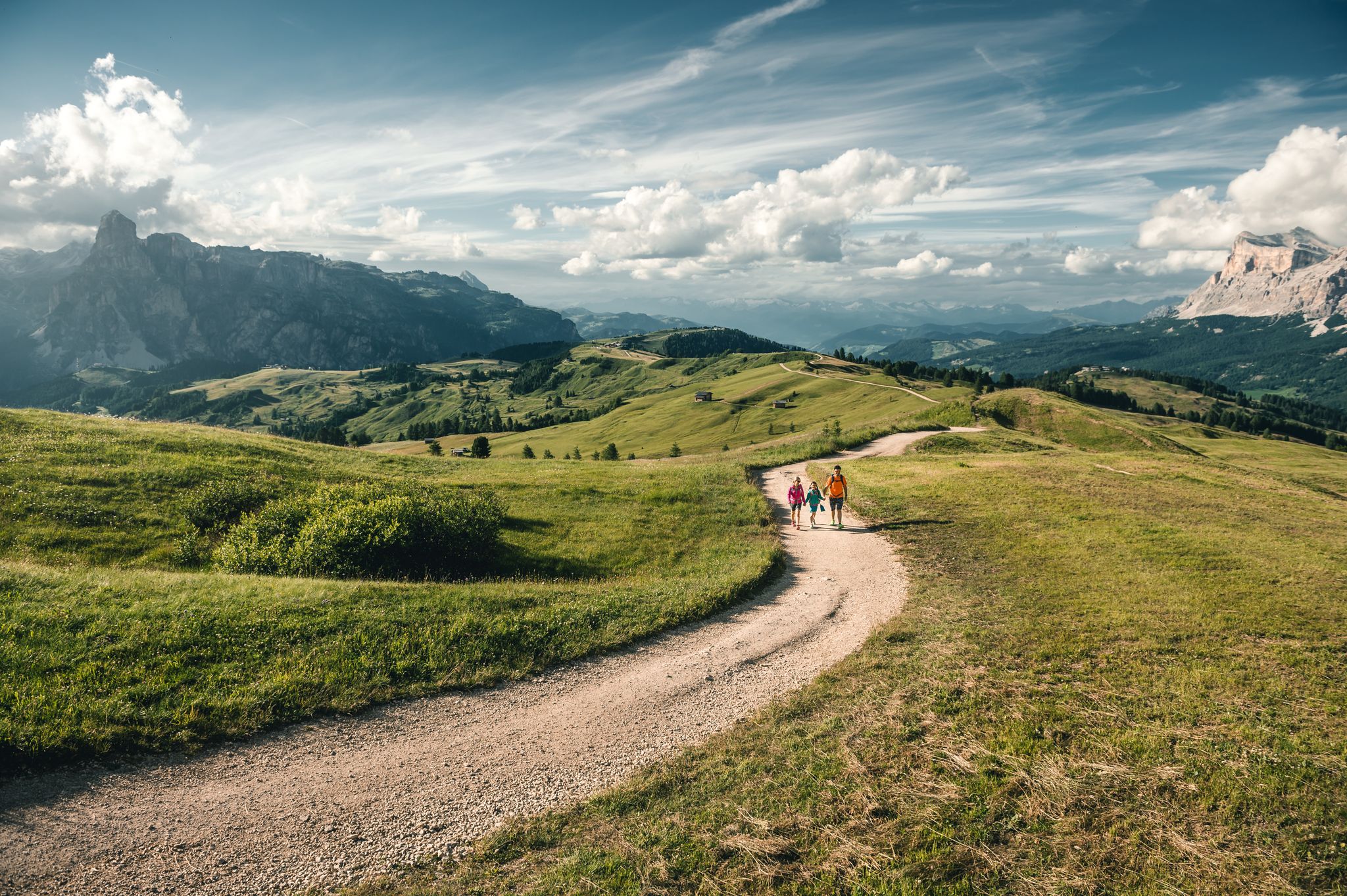
Discover the Dolomites – hut hikes in Italy’s Alta Badia
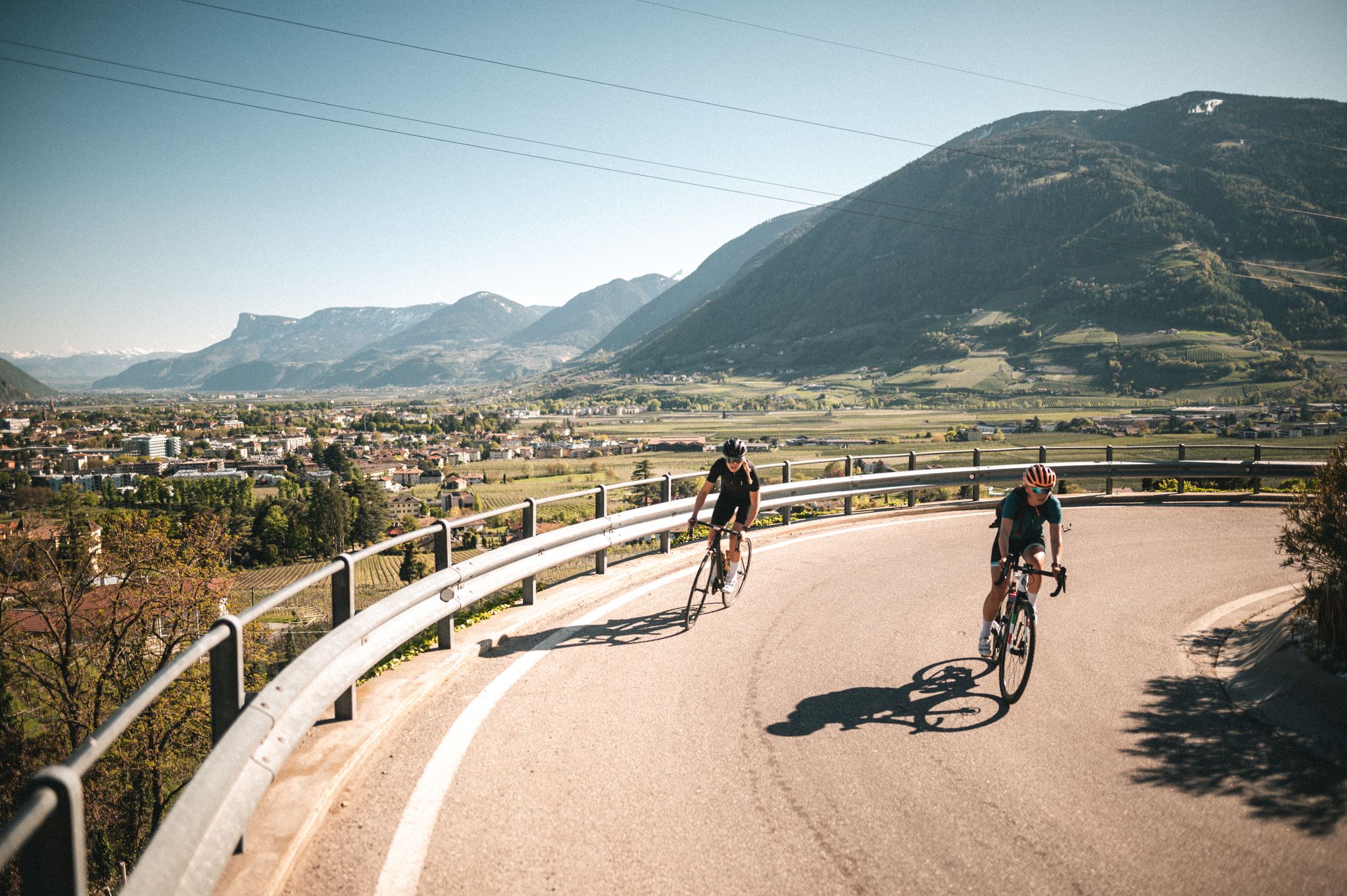
So much variety, so much South Tyrol
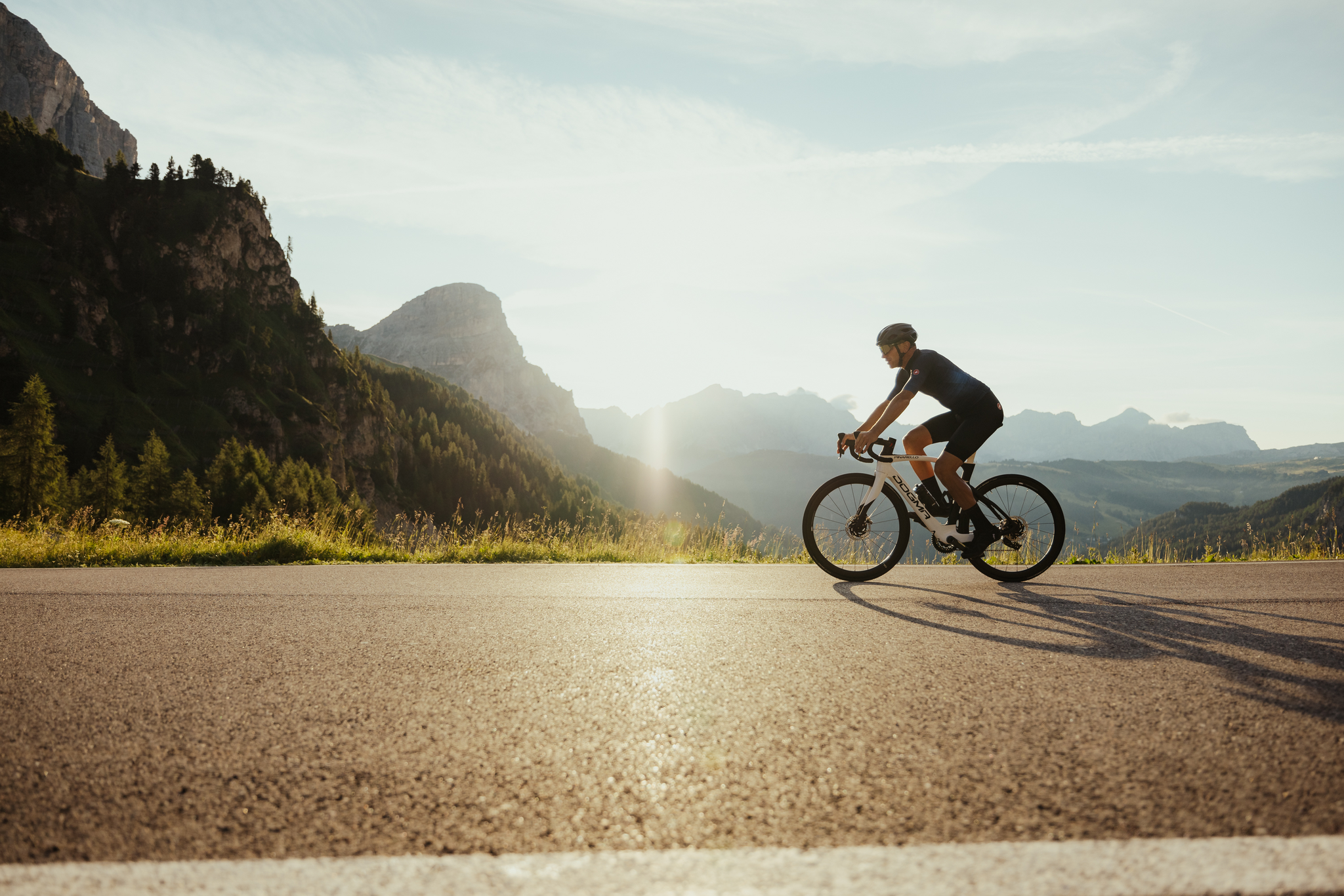
Alta Badia: the land of cycling in the Dolomites
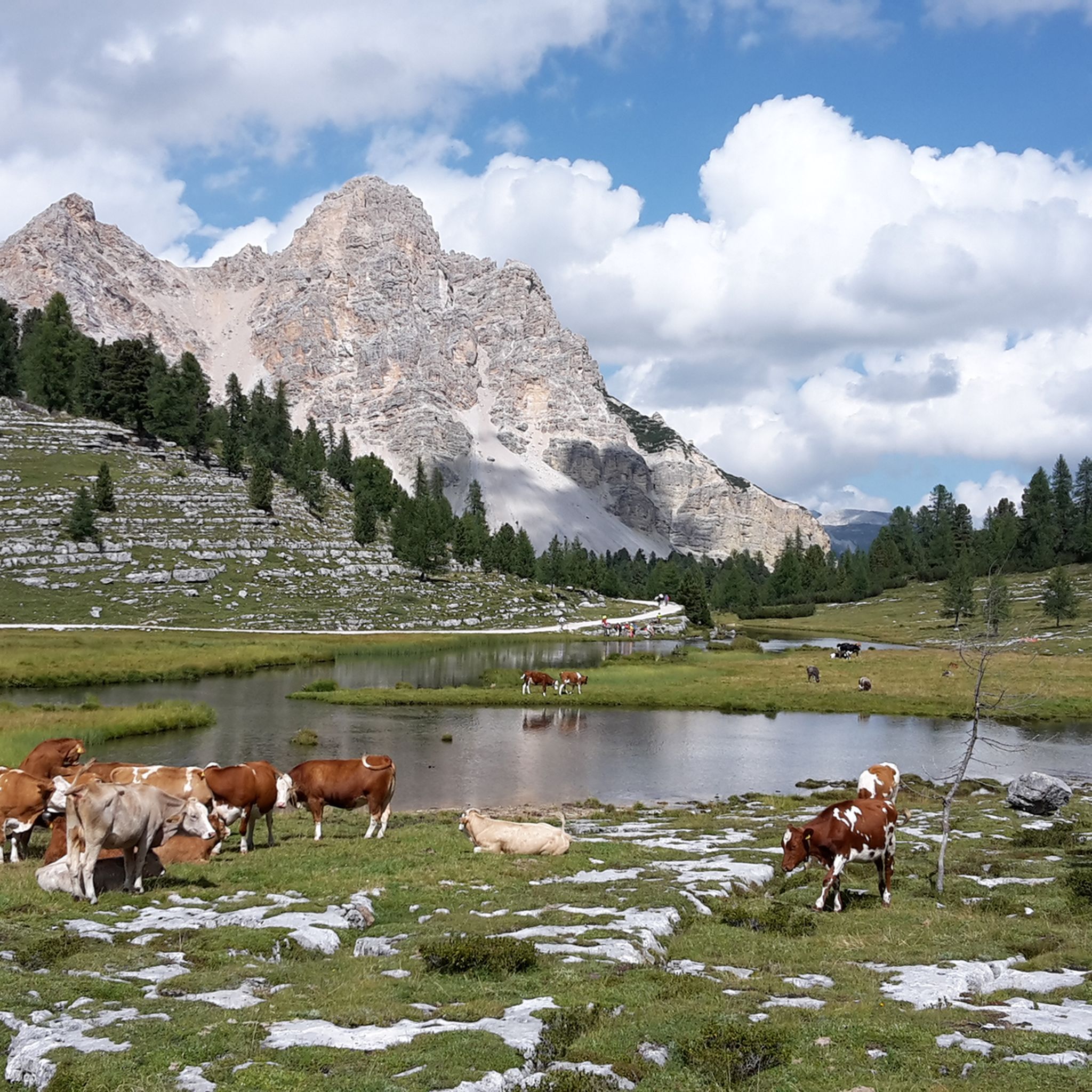
Hiking around La Val - Wengen - La Valle
Road Cycling Routes around La Val - Wengen - La Valle
MTB Trails around La Val - Wengen - La Valle
Mountain Hikes around La Val - Wengen - La Valle
Cycling around La Val - Wengen - La Valle
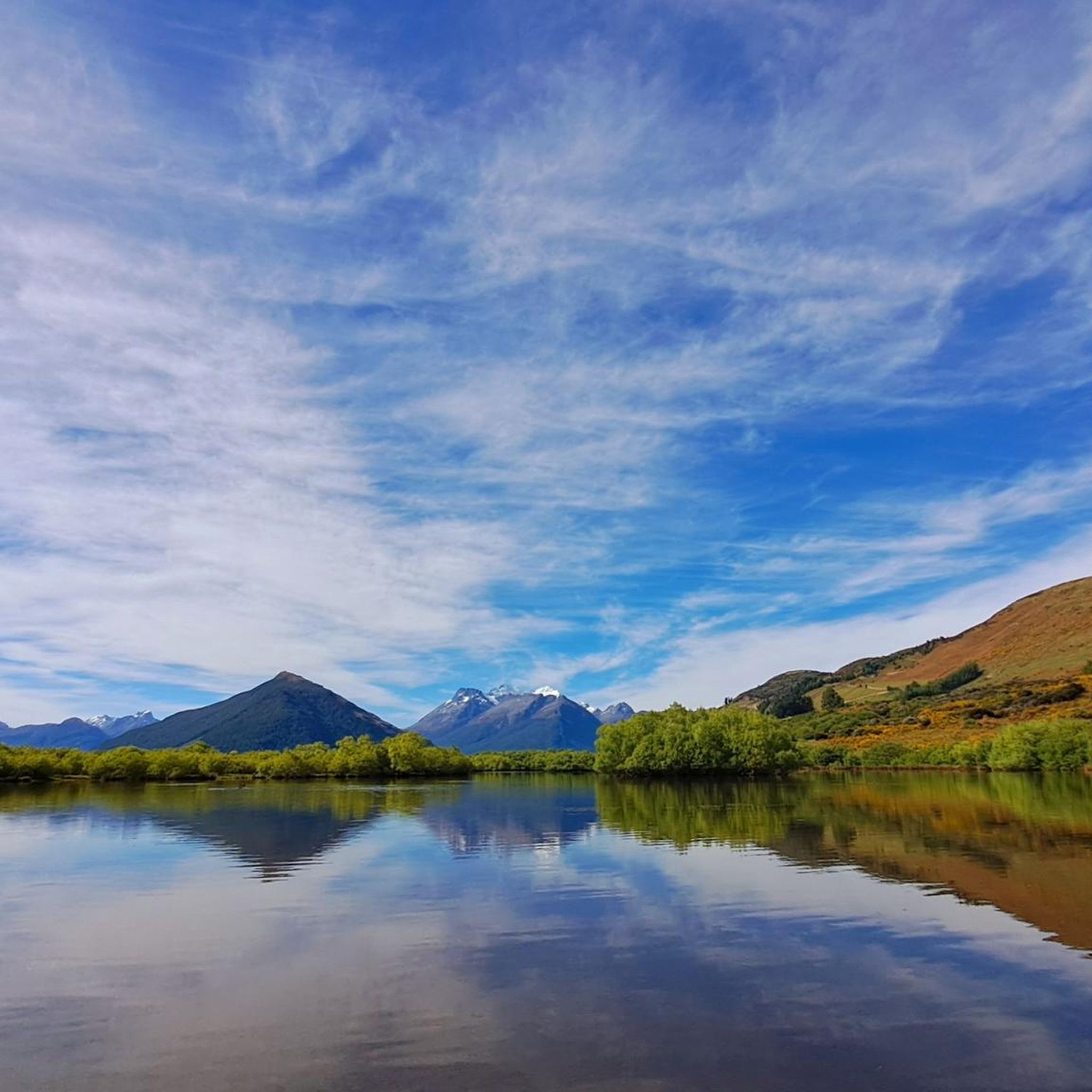
Gravel biking around La Val - Wengen - La Valle
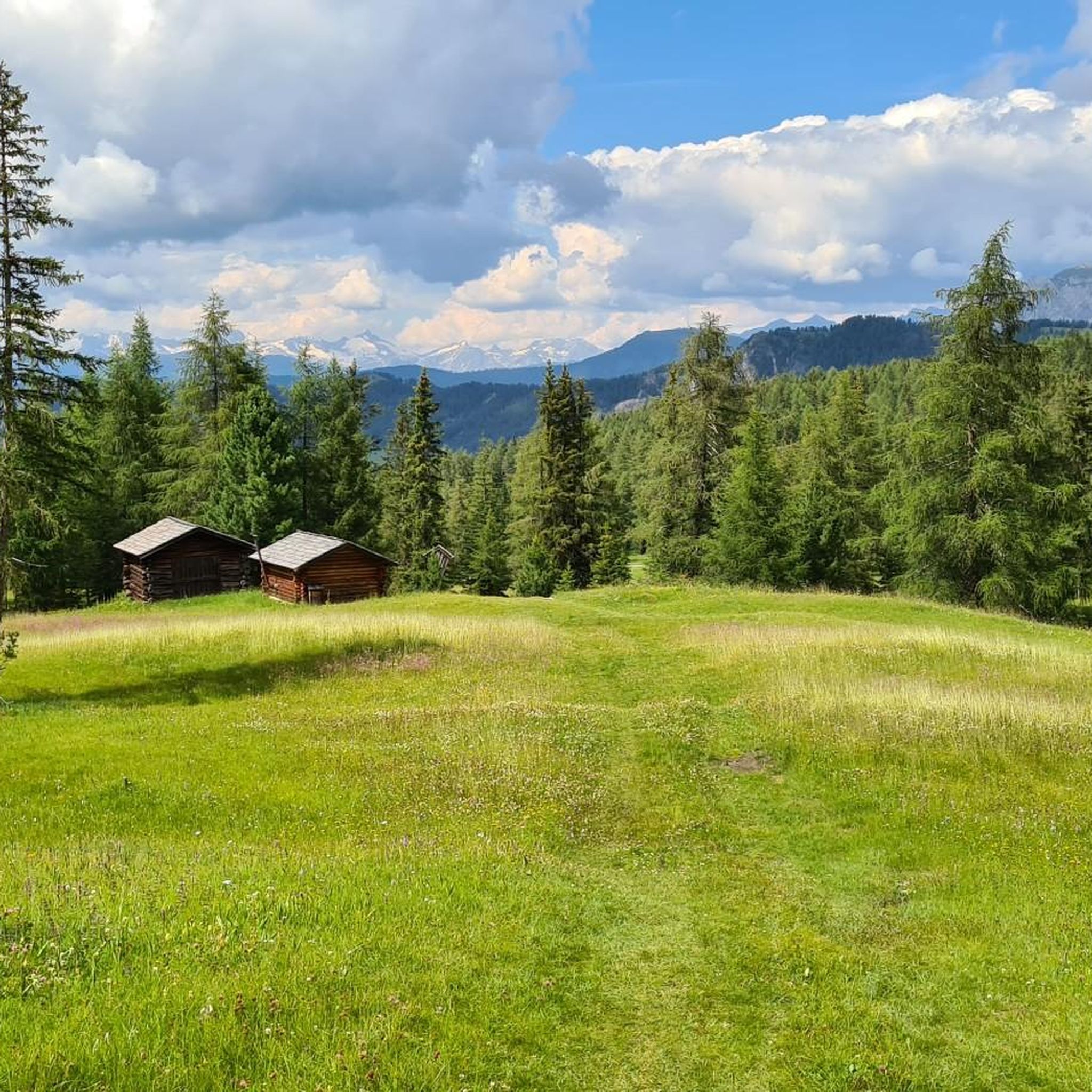
Running Trails around La Val - Wengen - La Valle
Other adventures around La Val - Wengen - La Valle


Tips from the Community

The western shore of Lake Wildsee is the most easily accessible area for visitors of all ages. The well-developed section of the circular trail here allows for barrier-free strolls and child-friendly short excursions.
16
0
Lake Braies (Italian: Lago di Braies) lies at an altitude of approximately 1,500 meters in the Prags Valley, a side valley of the Puster Valley. It is considered one of the most beautiful lakes in the region and is often called the "Pearl of the Dolomites" due to its clear, emerald green to turquoise-blue shimmering water. Surrounded by steep rock faces and dense forests, the lake offers an impressive natural backdrop and is one of the most photographed motifs in South Tyrol. It is approximately 1.2 kilometers long, up to 36 meters deep, and can be circumnavigated on foot in about an hour on a scenic circular path. Excursions in traditional wooden rowboats are particularly popular in summer, lending the lake a romantic character. In addition to its scenic beauty, the lake also has historical significance, as it was the scene of a liberation of concentration camp prisoners during World War II. An information panel about this is located at the entrance to the Chapel of St. Mary.
39
0
The Seekofel (Italian: Croda del Becco) towers imposingly at 2,810 meters above Lake Braies and dominates the lake's panorama, especially on the north side. From the lakeshore, especially along the western shore and around the boat rentals, an iconic view awaits: the emerald-green water reflects the steep mountain and the surrounding Dolomites, a classic postcard motif. For mountain hikers, the Seekofel is also accessible via the Dolomites High Route No. 1. The ascent requires surefootedness and good fitness, but is rewarded with a breathtaking panorama: a deep-blue lake, striking Dolomite peaks such as the Three Peaks and the Marmolada, as well as the surrounding valleys. The view of the Seekofel is thus a scenic highlight of Lake Braies, both from the shore and from the summit.
39
0
The boat rental at Lake Braies, known as "La Palafitta," is located on the eastern shore of the emerald-green mountain lake in the Dolomites and rents exclusively traditional wooden rowboats, handcrafted by a family business. The season typically runs from mid-May to the end of October, with longer opening hours during the summer months. A trip usually lasts 45 minutes and costs either around €15 per person in a shared boat or around €50–€55 for a private boat with up to five people. Reservations are not possible for regular trips, so arriving early is recommended, especially during peak season, to avoid long waits. Exclusive offers such as photo shoots or romantic elopement packages can be booked in advance. Arrival is possible by car or bus; during peak season, the road into the Braies Valley is closed during the day, and access reservations are required. If you want to experience the lake in a tranquil setting, you should visit in spring or fall, or start early in the morning when the water is particularly calm and the mountain backdrop is at its most impressive. All information about boat rentals can be found at: https://www.la-palafitta.com/de
39
0

Indescribably beautiful!! Unfortunately there are too many day tourists.
6
0
Great path around the lake with ever-changing views of Seekofel and Co. It is best to travel by bus (line 442) and in the morning there are still very few visitors.
9
0
It's a dream how the lake is nestled in front of the Seekofel. A great opportunity for a circular hike.
9
0

The Pragser Wildsee (Italian Lago di Braies) is a mountain lake in the Pragser Valley in the South Tyrolean municipality of Prags. It is located a few kilometers south of the Alta Pusteria between Bruneck and Dobbiaco in the Braies Dolomites. It is part of the Fanes-Sennes-Prags Nature Park and a protected natural monument. Source: Wikipedia
16
1
Frequently Asked Questions
What are some of the most popular natural monuments around La Val - Wengen - La Valle?
Visitors frequently enjoy the serene beauty of Lake Braies north shore, often called the “Pearl of the Dolomite Lakes.” Another highly appreciated spot is the View of Seekofel, which offers an iconic perspective of the majestic peak towering above Lake Braies. The Pralongià Plateau is also very popular, providing a stunning 360-degree panoramic view of prominent Dolomite peaks.
What unique natural features can I expect to see in the Dolomites around La Val?
The region is part of the Dolomites UNESCO World Heritage site, known for its unique geomorphology. You'll encounter vast alpine pastures, rugged peaks like Sas dla Crusc and Peitlerkofel, and distinctive rock formations. The Fanes-Sennes-Prags Nature Park, which borders La Val, features complex karst formations such as solution grooves, crevices, and dolines. Lakes like Lake Braies showcase emerald-green waters framed by steep rock faces and dense forests.
Are there family-friendly natural monuments or activities in the area?
Yes, several natural monuments are suitable for families. The western shore of Lake Braies / Pragser Wildsee offers a well-developed section of the circular trail, perfect for barrier-free strolls and child-friendly short excursions. The View of Seekofel is also considered family-friendly, providing stunning vistas without requiring strenuous effort.
When is the best time to visit the natural monuments around La Val - Wengen - La Valle?
The natural monuments are particularly enchanting from spring to autumn. During these seasons, the Armentara Meadows are celebrated for their exceptional biological diversity, with an impressive array of wildflowers. The weather is generally favorable for hiking and exploring the diverse ecosystems and dramatic scenery.
What outdoor activities can I do near these natural monuments?
The region offers a variety of outdoor activities. You can explore numerous running trails, with options like the Spiaggetta Ciamaor – Pederü Hut loop. For hiking, there are routes such as the 'Hike at Wengen in Alta Badia' or the 'Crusc da Rit Summit Trail'. Mountain biking enthusiasts can enjoy trails like the 'Meadows of Armentara – Armentara Meadows loop'. You can find more details on these activities in the respective guides for running, hiking, and MTB trails around La Val.
Are there specific hiking trails to explore the natural monuments?
Yes, the area is rich with hiking opportunities. You can hike the 'Roda dles Viles Cultural Trail' for an easy experience or take on the 'Crusc da Rit Summit Trail' for a moderate challenge. The 'Tru di Pra - Mountain Meadow Trail' also offers a moderate route to experience the alpine environment. For more hiking options, refer to the hiking guide for La Val.
What geological features make the Dolomites around La Val unique?
The Dolomites, a UNESCO World Heritage site, are renowned for their unique geomorphology. The Fanes-Sennes-Prags Nature Park, bordering La Val, is characterized by its distinctive Dolomite landscape, featuring vast alpine pastures and rugged peaks. It contains various karst formations like solution grooves, crevices, shafts, dolines, and hollows, which are a result of the soluble dolomite rock. The geological origin of Lake Braies, for instance, is attributed to a dam formed by a mud flap.
Do any of the natural monuments have historical or cultural significance?
Yes, Lake Braies holds local legends, with tales of it being a gateway to the underground realm of the Fanes. Historically, it was also the scene of a liberation of concentration camp prisoners during World War II, with an information panel near the Chapel of St. Mary commemorating this event.
What is the terrain like for exploring natural monuments in La Val?
The terrain varies significantly. You'll find well-maintained paths around lakes like Lake Braies, suitable for easy strolls. However, exploring the mountain peaks and higher alpine areas, such as those offering the View of the Puez and Odle groups, often requires intermediate to challenging hiking skills and sure-footedness, especially at altitudes averaging around 2,500 meters.
What do visitors enjoy most about the natural monuments in La Val - Wengen - La Valle?
Visitors consistently praise the breathtaking panoramic views, especially from spots like the Pralongià Plateau. The serene beauty of the lakes, particularly Lake Braies, with its emerald-green waters reflecting the surrounding peaks, is a major highlight. Many also appreciate the tranquility found in the early mornings or evenings, away from the crowds, and the charm of the historic hotel at Lake Braies.
Are there any natural monuments that are particularly good for photography?
Absolutely. Lake Braies north shore is one of the most photographed natural attractions in South Tyrol, offering stunning reflections of the steep rock faces and dense forests. The View of Seekofel provides a classic postcard motif, especially with the mountain towering over the lake. The vibrant wildflowers of the Armentara Meadows in spring and autumn also offer incredible photographic opportunities.
Can I find diverse flora and fauna around the natural monuments?
Yes, the region is known for its rich biodiversity. The Fanes-Sennes-Prags Nature Park is a Natura 2000 site, highlighting its importance for habitat, flora, and fauna conservation. The Armentara Meadows, in particular, are celebrated for their exceptional biological diversity, boasting 197 different species of flowers and over 60 species of birds, making them a vibrant botanical garden.
Most popular routes around La Val - Wengen - La Valle
Most popular attractions around La Val - Wengen - La Valle

Get inspired with the komoot mobile app


Explore more
Extend your search for the best caves by checking out these guides of the top ones around La Val - Wengen - La Valle:
