Top 10 Natural Monuments around Aulla
Best natural monuments around Aulla are found within the Lunigiana region of Tuscany, where the town is situated at the confluence of the Magra River and the Aulella stream. This area features a landscape ranging from the Apennines to the Apuan Alps, characterized by mountainous terrain, rivers, and forests. The region offers a blend of historical sites and natural features for exploration.
Best natural monuments around Aulla
- The most popular natural monument is Traaton Waterfall, a waterfall where wild nature creates a leap of rock. It is possible to bathe at the foot of the water jet.
- Another must-see spot is The Golden Butterfly Megalithic Site, a prehistoric megalithic complex. During the summer solstice, the sunset projects a butterfly image onto an opposite monolith.
- Visitors also love Rocca di Tenerano, a summit with karst phenomena. The area includes the Grotta della Tecchia, a cave system with a total development of 5400 meters.
- Aulla is known for its waterfalls, megalithic sites, and mountainous summits. The region offers a variety of natural monuments to see and explore, including river areas and forested landscapes.
- The natural monuments around Aulla are appreciated by the komoot community, with more than 115 upvotes and 53 photos shared.
Last updated: June 28, 2026
Giuseppe Garibaldi Equestrian Statue, Public Gardens
Highlight • Monument
Translated by Google •
Tip by

The Golden Butterfly Megalithic Site
Highlight • Natural Monument
The phenomenon of the golden butterfly occurs during the summer solstice when the warm light of the sunset, passing through a rock, projects the image of a butterfly onto the opposite monolith.
The site is easily accessible thanks to the many paths that cross Monte Caprione.
The site can also be reached by car by taking the road that leads from Lerici to Monti San Lorenzo; the car can be left in a parking lot in front of the B&B "Il Giardino delle farfalle" and from here walk a few hundred meters along the path until you come across the remains of the medieval church of San Lorenzo. Keeping left at the crossroads of paths another hundred meters, first level and then downhill, and you arrive at the prehistoric site on the right.
Translated by Google •
Tip by

Sign up now to discover places like this
Get recommendations on the best single tracks, peaks, & plenty of other exciting outdoor places.
Sign up for free
Sanctuary of Madonna del Gaggio
Highlight • Religious Site
Translated by Google •
Tip by

Rocca di Tenerano
Highlight • Summit
On its slopes, towards the Val Saliceto, opens the Grotta della Tecchia or Tecchia di Tenerano.
The whole area of the Rocca is home to karst phenomena: the Rocca di Tenerano Complex. It has a total development of 5400 meters and a height difference of 573 with three main entrances. Speleologists are continuing their explorations and studies to connect other caves to the main complex.
The ascent to the summit is easy, along traces of the path, starting from a large wooden cross near the nearby Prati di Cardeto and the house of the same name where the paths 184 and 171/40 arrive. From the summit, the view of the sea, the Sagro, Pizzo d’Uccello and the Cresta Garnerone is truly splendid.
Translated by Google •
Tip by

Traaton Waterfall
Highlight • Waterfall
Translated by Google •
Tip by

Sign up for free to discover even more natural monuments around Aulla.
Sign up for free
Already have an account?
Start today with a free account
Your next adventure awaits.
Login or Signup
Popular around Aulla
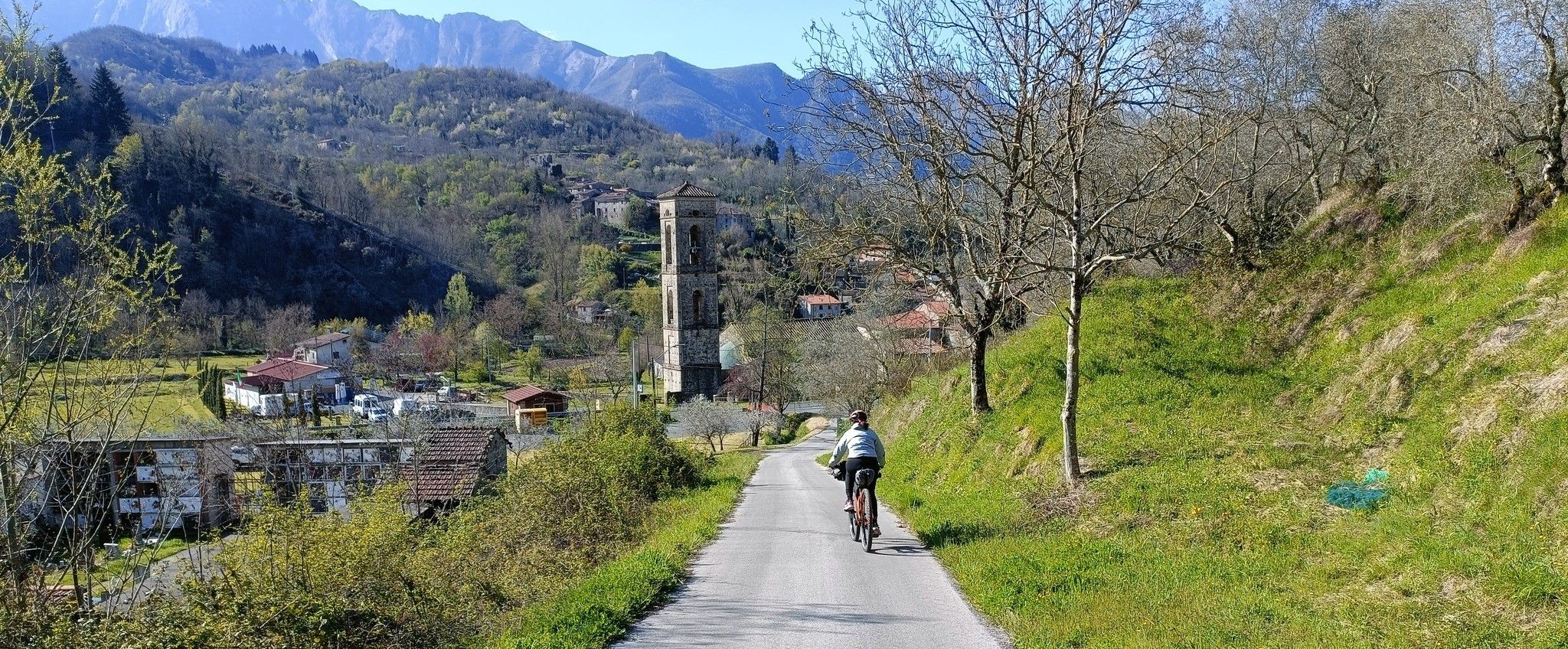
Mediaeval villages and sublime nature – Lunigiana Gravel
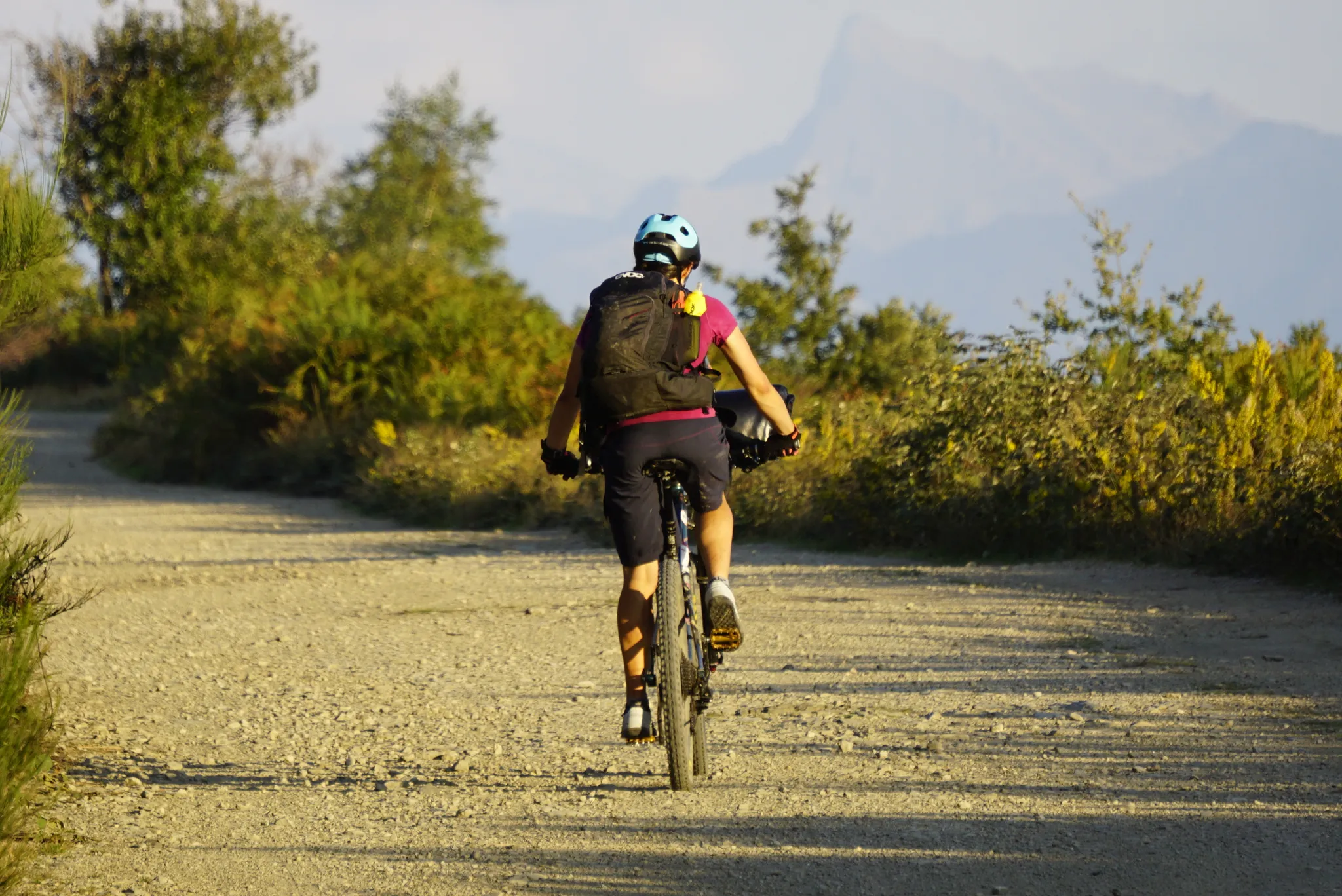
The land of 100 castles – Lunigiana Trail MTB
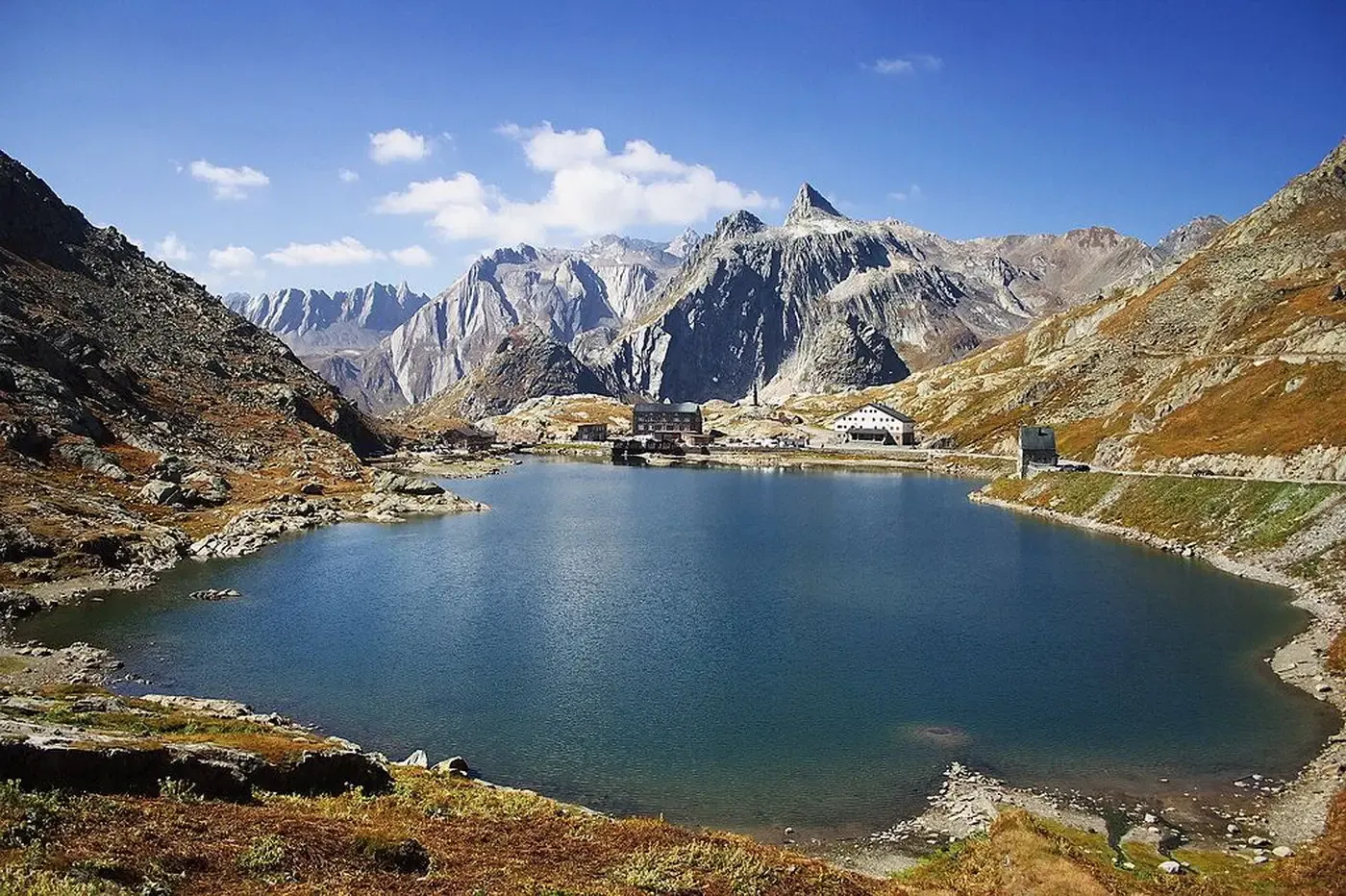
A cycling pilgrimage — history and nature on Italy’s Via Francigena
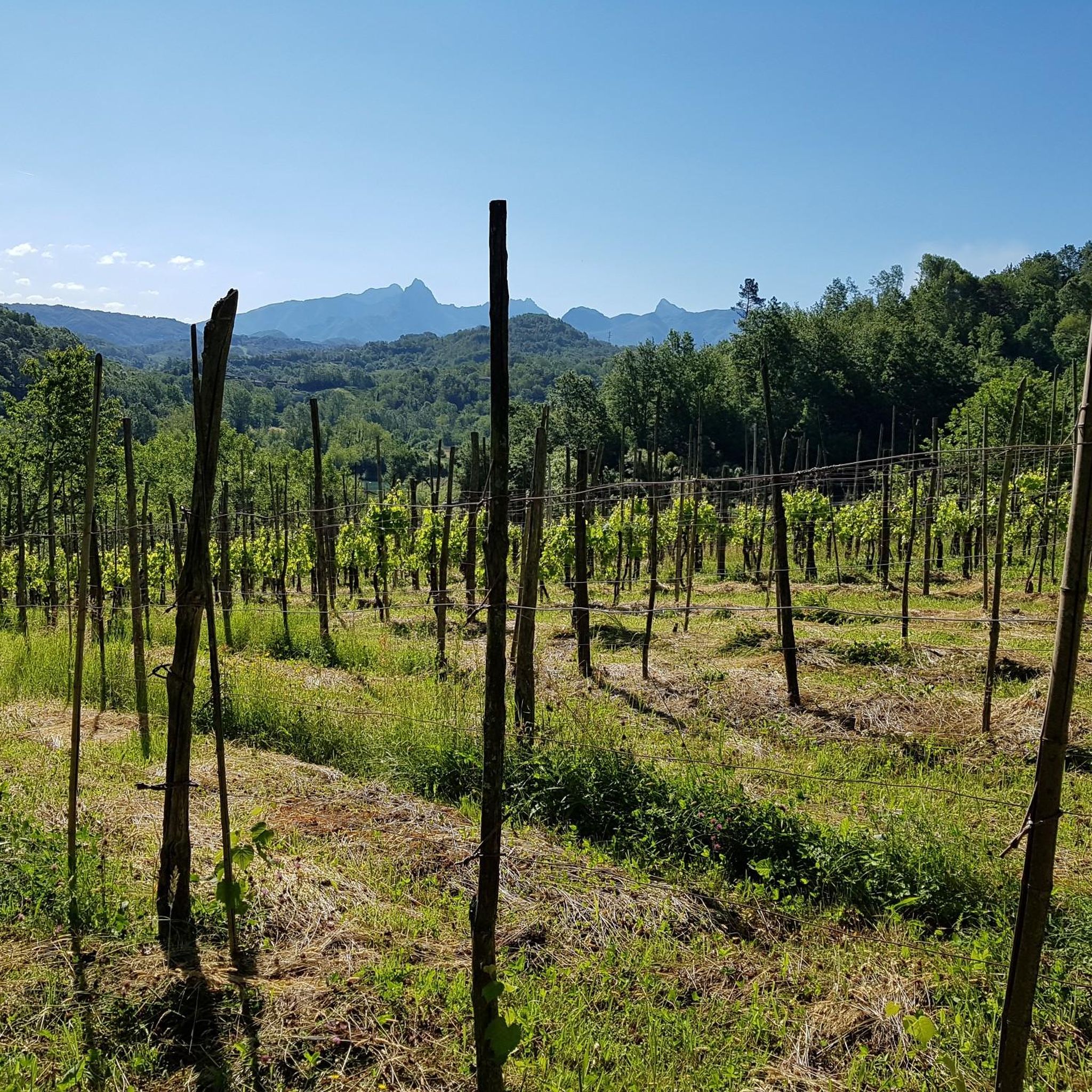
Road Cycling Routes around Aulla
MTB Trails around Aulla
Cycling around Aulla
Hiking around Aulla
Running Trails around Aulla
Gravel biking around Aulla
Other adventures around Aulla


Tips from the Community

He was an important Italian general and freedom fighter who played an important role in the unification of Italy in the 19th century. It stands in a public park directly at the harbor
2
0


Passing by Madonna del Gaggio, continue on a dirt road and arrive in front of the restaurant. 20 meters later on the right, there is another dirt road that leads to the base of the stream and after a climb always on a dirt road, you arrive at the town of Meredo. To the right you go to Barbarasco- Aulla and to the left to the Passo dei Solini Alta Via dei Monti Liguria.
0
0

Near the Gambin restaurant, a beautiful dirt road starts that leads to the Madonna del Gaggio and rejoins the provincial road.
0
0

The park itself is quite long. There is a lot to discover. The Garibaldi statue is, in my opinion, a highlight, especially because of its positioning on two hind legs
0
0

Yes, okay, a good refreshment! Depending on how you go, the route from the Casano car park includes 2 paths that are inaccessible because they are private, so you have to take the detour by road. Be careful with your feet when going down and back up, it's better not to go in flip-flops ;)
1
0

The Gaggio sanctuary, whose name takes inspiration from the very wooded areas of the area (the Gaggio, in fact) is known by various names. It is also called the sanctuary of the Madonna del Gaggio or Madonna della Neve, and rises above the valley.
2
0
Frequently Asked Questions
What are some of the most popular natural monuments to visit near Aulla?
Visitors frequently enjoy the unique The Golden Butterfly Megalithic Site, known for its summer solstice phenomenon. Another favorite is Traaton Waterfall, where you can even bathe at the foot of the water jet. The Rocca di Tenerano summit, with its karst phenomena and extensive cave system, is also highly appreciated for its geological interest and splendid views.
Are there family-friendly natural monuments around Aulla?
Yes, the Public Gardens featuring the Giuseppe Garibaldi Equestrian Statue offer a charming, elongated park with botanical plants, perfect for a leisurely stroll with family. While the statue itself is man-made, the garden setting provides a pleasant natural environment. For more active families, many trails around the Lunigiana region are suitable for various ages, though specific difficulty should be checked per route.
What kind of natural features can I expect to see in the Aulla region?
The Aulla region, nestled within Lunigiana, boasts diverse natural features. You'll find mountainous terrain stretching from the Apennines to the Apuan Alps, characterized by rivers like the Magra and Aulella, streams, and waterfalls such as Traaton Waterfall. The landscape also includes expansive meadows, forests, ancient chestnut groves, and karst phenomena like those found at Rocca di Tenerano.
When is the best time to visit the natural monuments around Aulla?
The summer solstice is a particularly special time to visit The Golden Butterfly Megalithic Site to witness the unique butterfly light phenomenon. Generally, spring and autumn offer pleasant temperatures for exploring the region's trails and natural sites, avoiding the peak heat of summer while still enjoying lush landscapes. Winter can be beautiful, especially in the mountainous areas, but some paths might be less accessible.
How can I reach the natural monuments, and is parking available?
Many natural monuments are accessible by car. For instance, The Golden Butterfly Megalithic Site can be reached by car with parking available near the B&B "Il Giardino delle farfalle," followed by a short walk. The broader Lunigiana region has numerous paths and trails, some of which are accessible by car to trailheads. Public transport options might be limited for more remote natural sites, so checking local schedules is advisable.
Are there any historical or cultural sites integrated with the natural monuments?
Yes, the region offers a blend of natural beauty and historical significance. The Golden Butterfly Megalithic Site is a prehistoric complex with ancient origins. Additionally, the Sanctuary of Madonna del Gaggio, nestled within the woods, is a religious building that also serves as a viewpoint, offering a cultural experience within a natural setting.
What outdoor activities, like hiking or cycling, can I do near Aulla's natural monuments?
The Lunigiana region around Aulla is excellent for outdoor activities. You can find numerous trails for hiking and exploring forests and ancient chestnut groves. For cycling enthusiasts, there are options for gravel biking, mountain biking, and touring bicycle routes. You can explore various routes, including those around Pontebosio Castle or the Aulla Cycle Path. For more details on specific routes, refer to the Gravel biking around Aulla, MTB Trails around Aulla, and Cycling around Aulla guides.
Can I swim or cool off at any of the natural monuments?
Yes, at Traaton Waterfall, it is possible to bathe at the foot of the water jet, offering a wonderful refreshment, especially on warmer days. Remember to bring a towel and be mindful of the terrain, as paths can be uneven.
What do visitors particularly enjoy about the natural monuments near Aulla?
Visitors are captivated by the unique natural phenomena, such as the 'golden butterfly' light projection at the megalithic site. The opportunity to immerse oneself in wild nature, like bathing at Traaton Waterfall, is also highly praised. The breathtaking views from summits like Rocca di Tenerano, encompassing the sea and surrounding mountains, are frequently highlighted as truly splendid experiences.
Are there less crowded natural monuments for a more tranquil experience?
While specific crowd levels can vary, exploring the broader Protected Natural Area of the Magra River in Lunigiana or venturing into the numerous trails winding through the forests and ancient chestnut groves of the Apennines and Apuan Alps can offer a more tranquil experience away from more popular spots. These areas provide ample space to appreciate the unspoiled environment.
What should I wear or bring when visiting these natural sites?
Given the varied terrain, comfortable and sturdy footwear is essential, especially if you plan to hike. For sites like Traaton Waterfall, bringing a towel is recommended if you wish to swim. Layered clothing is advisable as temperatures can change, and always carry water, snacks, and sun protection. If exploring caves, a headlamp or flashlight would be beneficial.
Are there specific hiking trails suitable for different difficulty levels near Aulla?
Yes, the Lunigiana region offers a range of hiking trails. While specific difficulty levels for individual natural monuments vary, the broader area includes paths suitable for easy walks through forests and more challenging routes in the mountainous terrain of the Apuan Alps. You can find detailed information on various routes, including their difficulty grades, in the MTB Trails around Aulla and Gravel biking around Aulla guides, which often share paths with hikers or provide context for the terrain.
Most popular attractions around Aulla

Get inspired with the komoot mobile app


Explore more
Extend your search for the best caves by checking out these guides of the top ones around Aulla:
