Top 4 Natural Monuments around Castel Sant'Angelo
Best natural monuments around Castel Sant'Angelo Rome are found in the broader Lazio region, offering diverse natural attractions. While Castel Sant'Angelo itself is a historical landmark, the surrounding area provides opportunities to explore natural landscapes. These sites offer scenic beauty and peaceful environments away from the city. Visitors can discover various natural features that complement the historical significance of the region.
Best natural monuments around Castel Sant'Angelo
- The most popular natural monuments is Lake Rascino, a lake that is…
Last updated: May 15, 2026
Cottorella Spring
Highlight • Natural Monument
Translated by Google •
Tip by

Lake Rascino
Highlight • Lake
Translated by Google •
Tip by

Sign up now to discover places like this
Get recommendations on the best single tracks, peaks, & plenty of other exciting outdoor places.
Sign up for free
Monte Nuria
Highlight • Summit
Translated by Google •
Tip by

Ancient Baths of Vespasian
Highlight • Historical Site
Translated by Google •
Tip by
Cascata del Malopasso
Highlight • Waterfall
Translated by Google •
Tip by

Start today with a free account
Your next adventure awaits.
Login or Signup
Tips from the Community

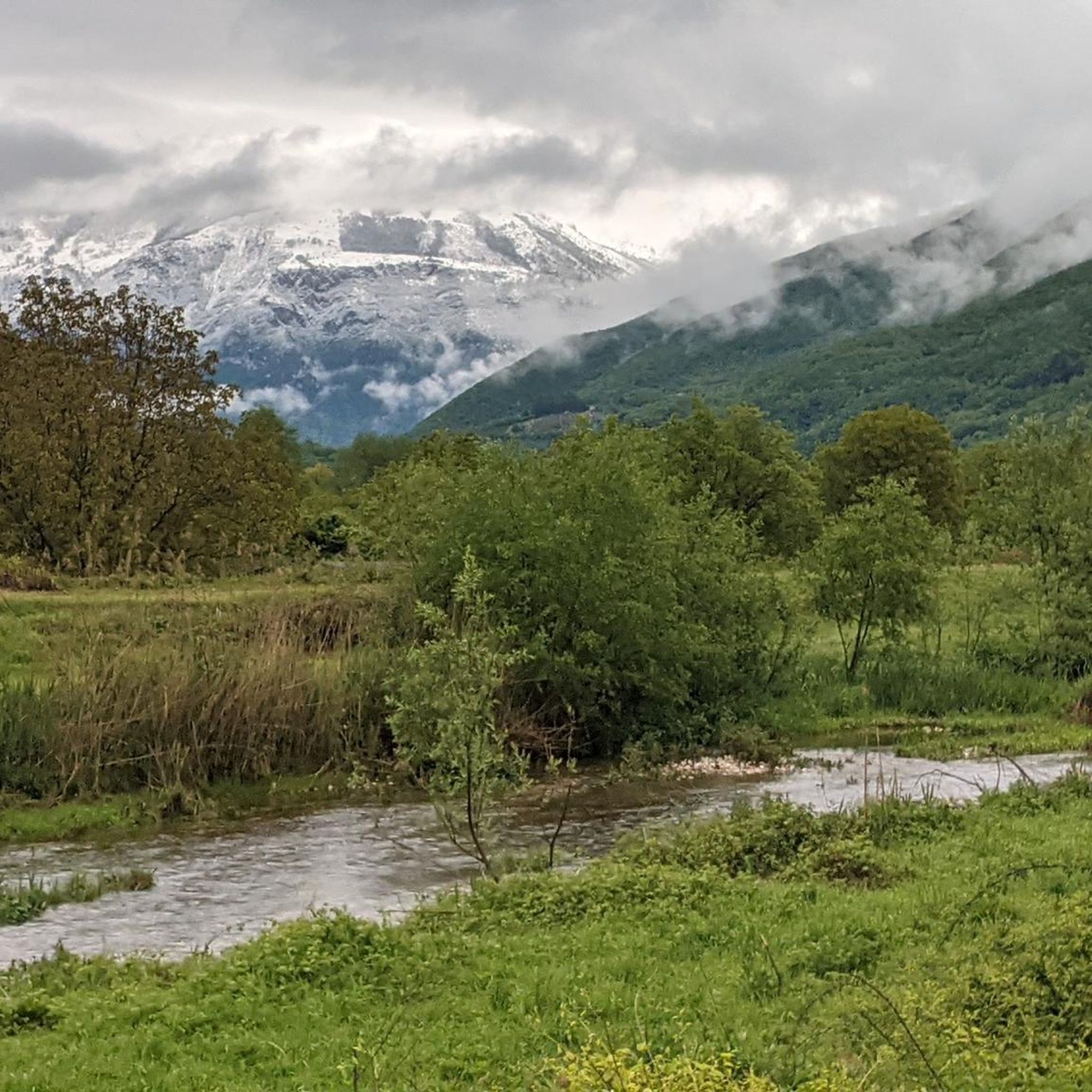
path to the waterfall marked by little men along the track, beautiful waterfall and pleasant path in beech wood starting from Sebastiani. Fair difference in altitude
0
0

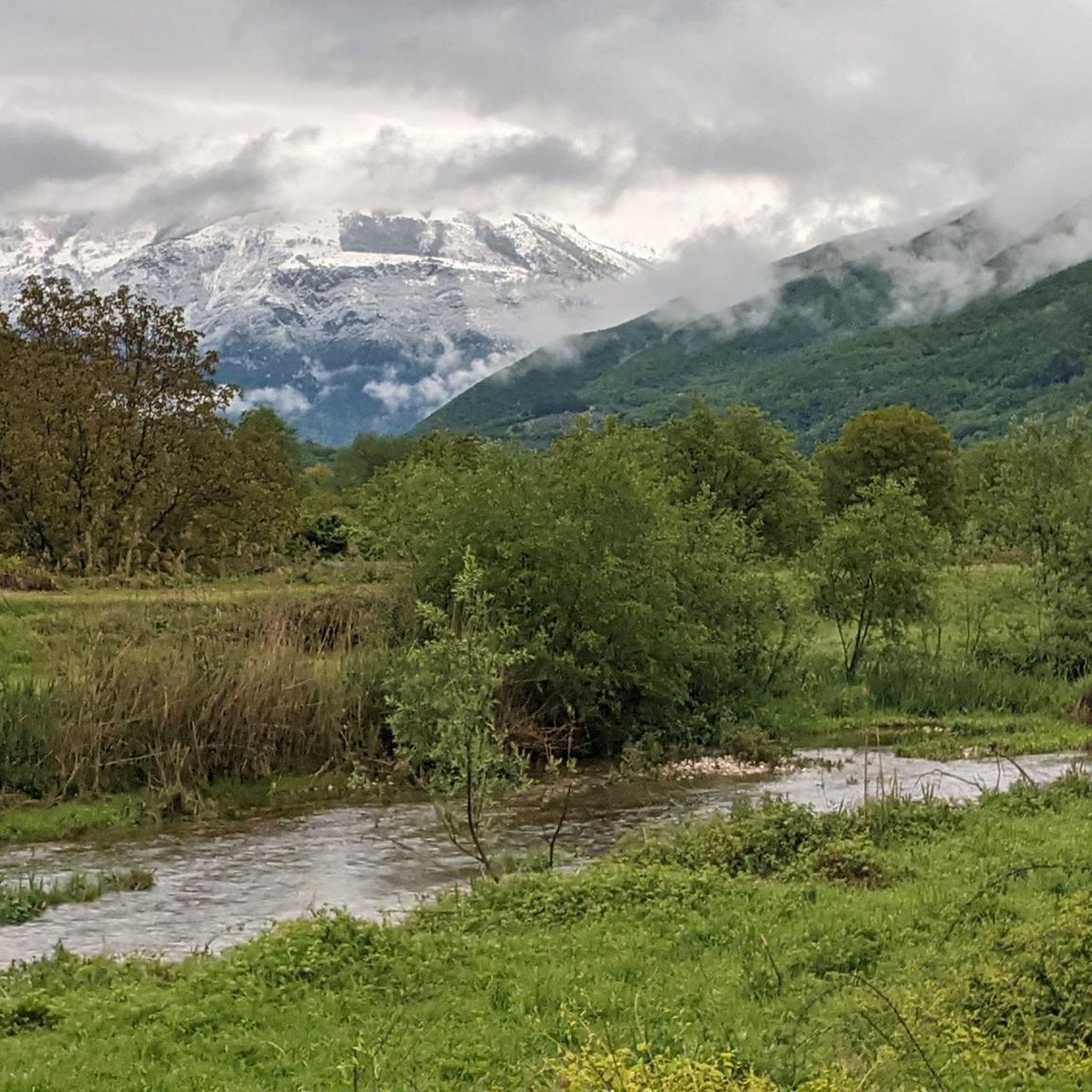
Mountain lake full of life and nestled in a fantastic plateau.
0
0

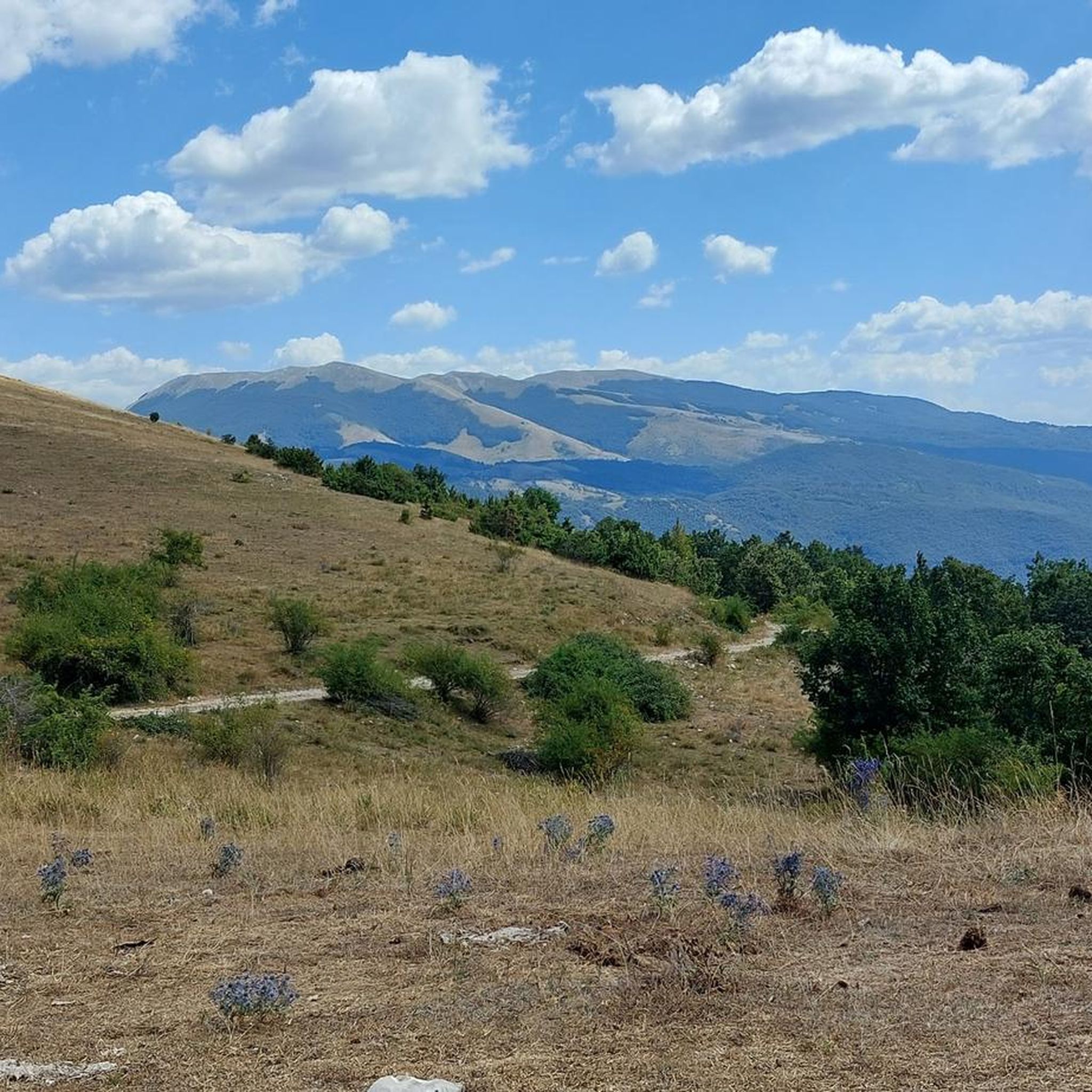
Mount Nuria with its 1,888 meters of height is one of the most important reliefs of the Cicolano mountains. It is a peak that can be reached at any time of the year. In winter it is always better to bring a pair of crampons with you to be able to overcome the steepest and often icy final part. There are many itineraries to reach the top, the simplest and best marked is the one that goes up from Borgo Velino. Coming from the Rascino plains, the walk is certainly splendid but very long.
3
0

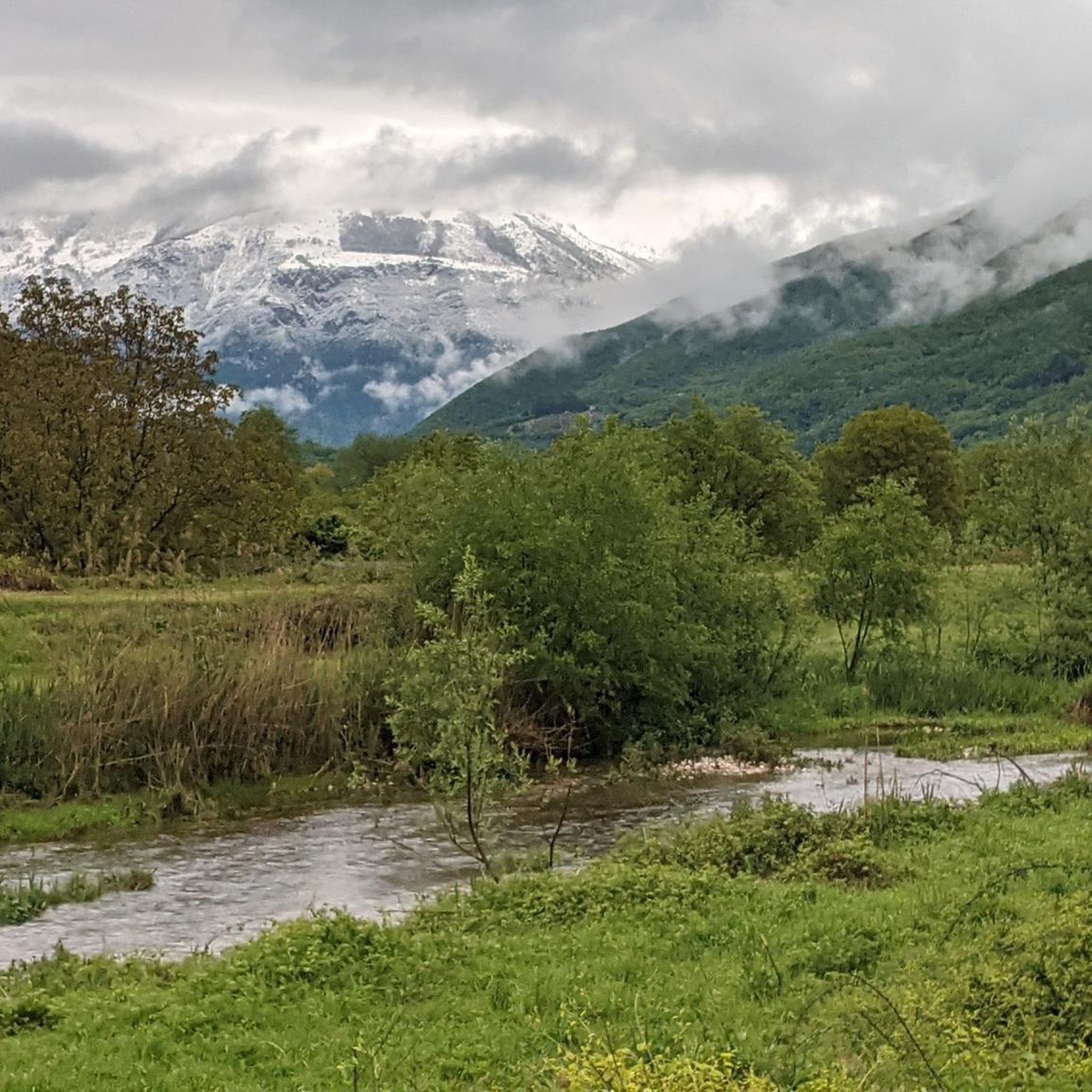
Rieti is a wonderful city surrounded by uncontaminated nature and rich in water springs, among which the Antiche Fonti di Cottorella stand out. This fascinating spring is located just one kilometer from the historic "Porta Romana" of Rieti and emerges from the slopes of the majestic Monte Belvedere. The very name of this mountain evokes evocative images that capture the attention of those who are on top of its heights, allowing a spectacular view of the Rieti valley below, the majestic Terminillo massif and the winding Velino river.
0
0
Splendid thermal complex from the Roman era which bears witness to how the sulphurous waters of Cotilla were exploited since ancient times. To find out the opening times and days, call the municipality of Cittaducale. From the dirt road it is still possible to see the complex and admire its beauty.
0
0

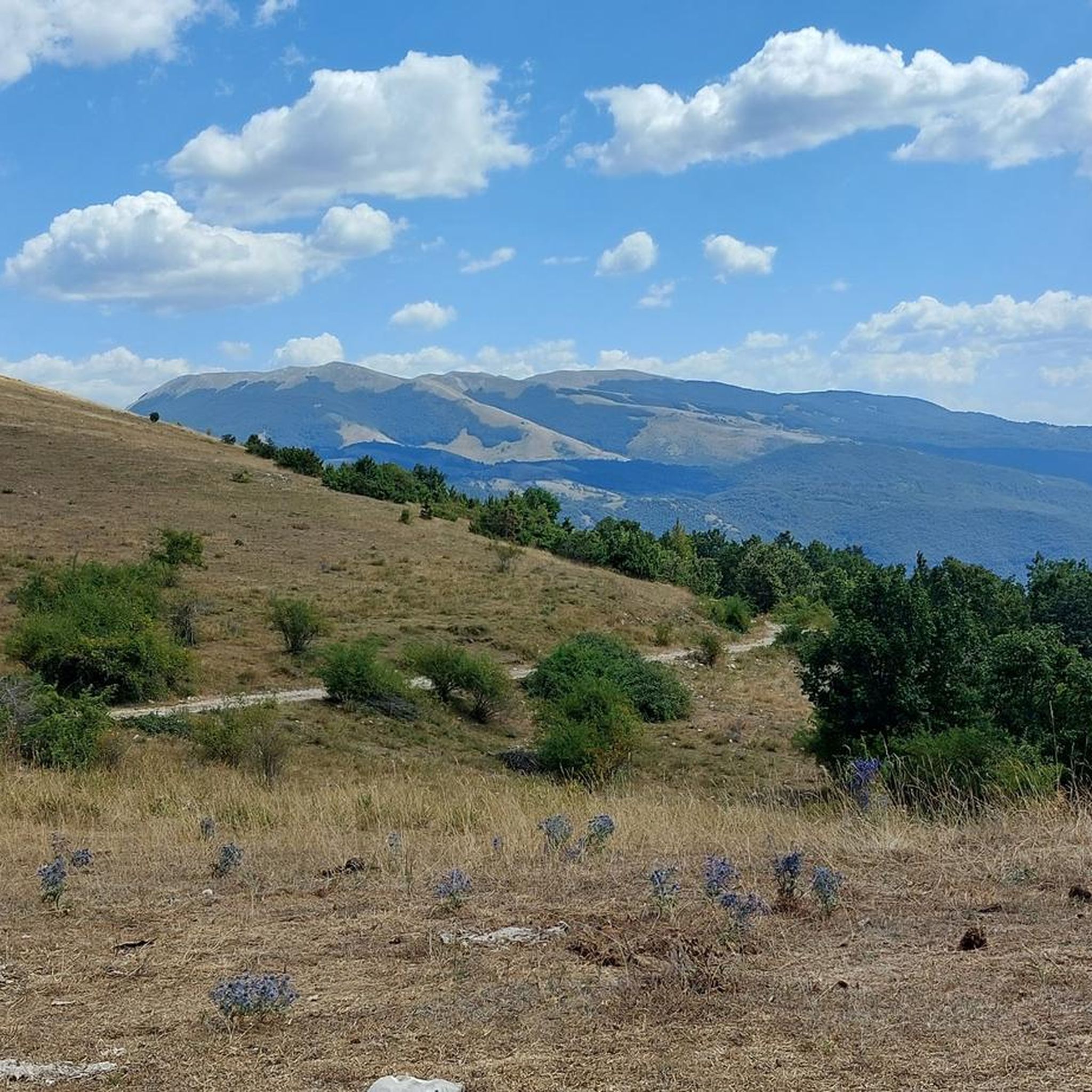
Lake Rascino is a karst mountain lake and is the perfect place for a short stop to admire the surrounding landscape.
2
0
On the border between the provinces of Rieti and that of L'Aquila is the mountain group of Monte Nuria whose peak reaches 1888 m above sea level.
1
0
Frequently Asked Questions
What kind of natural monuments can I explore near Castel Sant'Angelo?
While Castel Sant'Angelo itself is a historical landmark, the broader Lazio region offers a variety of natural monuments. You can discover serene lakes like Lake Rascino, challenging mountain summits such as Monte Nuria, and beautiful water features like Cottorella Spring and Cascata del Malopasso. The area is rich in diverse natural landscapes.
Are there any family-friendly natural attractions in the area?
Yes, several natural monuments near Castel Sant'Angelo are suitable for families. Lake Rascino is a wonderful karst mountain lake, perfect for a short stop to admire the landscape, and is considered family-friendly. The Cottorella Spring also offers a pleasant natural setting that families can enjoy.
What are some popular hiking trails near these natural monuments?
The region around Castel Sant'Angelo provides numerous hiking opportunities. You can find trails ranging from easy to difficult, including a scenic viewpoint over the valley or loops around Terminillo. For more detailed information and routes, explore the Hiking around Castel Sant'Angelo guide.
Can I find challenging mountain hikes or mountaineering routes?
Absolutely. For those seeking more challenging adventures, Monte Nuria, with its 1,888 meters, offers various itineraries to its summit, some requiring crampons in winter. You can discover specific routes, including those through the Central Gully, in the Mountain Hikes around Castel Sant'Angelo guide.
Are there any historical sites that also feature natural elements?
Yes, the Ancient Baths of Vespasian are a splendid thermal complex from the Roman era. This site showcases how the sulphurous waters of Cotilla were utilized since ancient times, blending historical significance with natural springs. It's a testament to the region's rich past and natural resources.
What is unique about Lake Rascino?
Lake Rascino is a distinctive karst mountain lake, known for being a vibrant ecosystem nestled within a fantastic plateau. It's an ideal spot for a brief stop to appreciate the tranquil surroundings and scenic beauty.
What should I know before visiting Monte Nuria?
Monte Nuria is a significant peak in the Cicolano mountains, reaching 1,888 meters. It can be accessed year-round, but if visiting in winter, it's advisable to bring crampons for the steeper, potentially icy final sections. There are multiple routes to the top, with the one from Borgo Velino being the simplest and best marked.
Where can I find beautiful water springs near Rieti?
Just one kilometer from Rieti's historic "Porta Romana," you'll find the fascinating Cottorella Spring. This spring emerges from the slopes of Monte Belvedere, offering a beautiful natural setting and views of the Rieti valley, the Terminillo massif, and the Velino river.
Are there any waterfalls to visit in the area?
Yes, the Cascata del Malopasso is a beautiful waterfall accessible via a pleasant path through a beech wood, starting from Sebastiani. The path is marked, and while it involves a fair difference in altitude, the waterfall itself is a rewarding sight.
What do visitors particularly enjoy about the natural monuments here?
Visitors appreciate the diverse natural beauty, from the peaceful environment of lakes and springs to the panoramic views from mountain summits. The opportunity to connect with uncontaminated nature and explore both challenging trails and serene spots away from the city is highly valued.
Are there running trails available near these natural sites?
Yes, the region offers a variety of running trails. You can find routes around Monte Terminillo, Pian de' Valli, and other scenic locations, suitable for different fitness levels. For detailed running routes, consult the Running Trails around Castel Sant'Angelo guide.
What is the best season to visit the natural monuments around Castel Sant'Angelo?
Many natural monuments, like Monte Nuria, can be visited at any time of the year, offering different experiences depending on the season. Spring and autumn generally provide pleasant temperatures for hiking and exploring, while winter offers snowy landscapes for those prepared for colder conditions and potential ice.
Most popular routes around Castel Sant'Angelo
Most popular attractions around Castel Sant'Angelo

Get inspired with the komoot mobile app


Explore more
Extend your search for the best caves by checking out these guides of the top ones around Castel Sant'Angelo:
