Top 18 Natural Monuments around Gallicano Nel Lazio
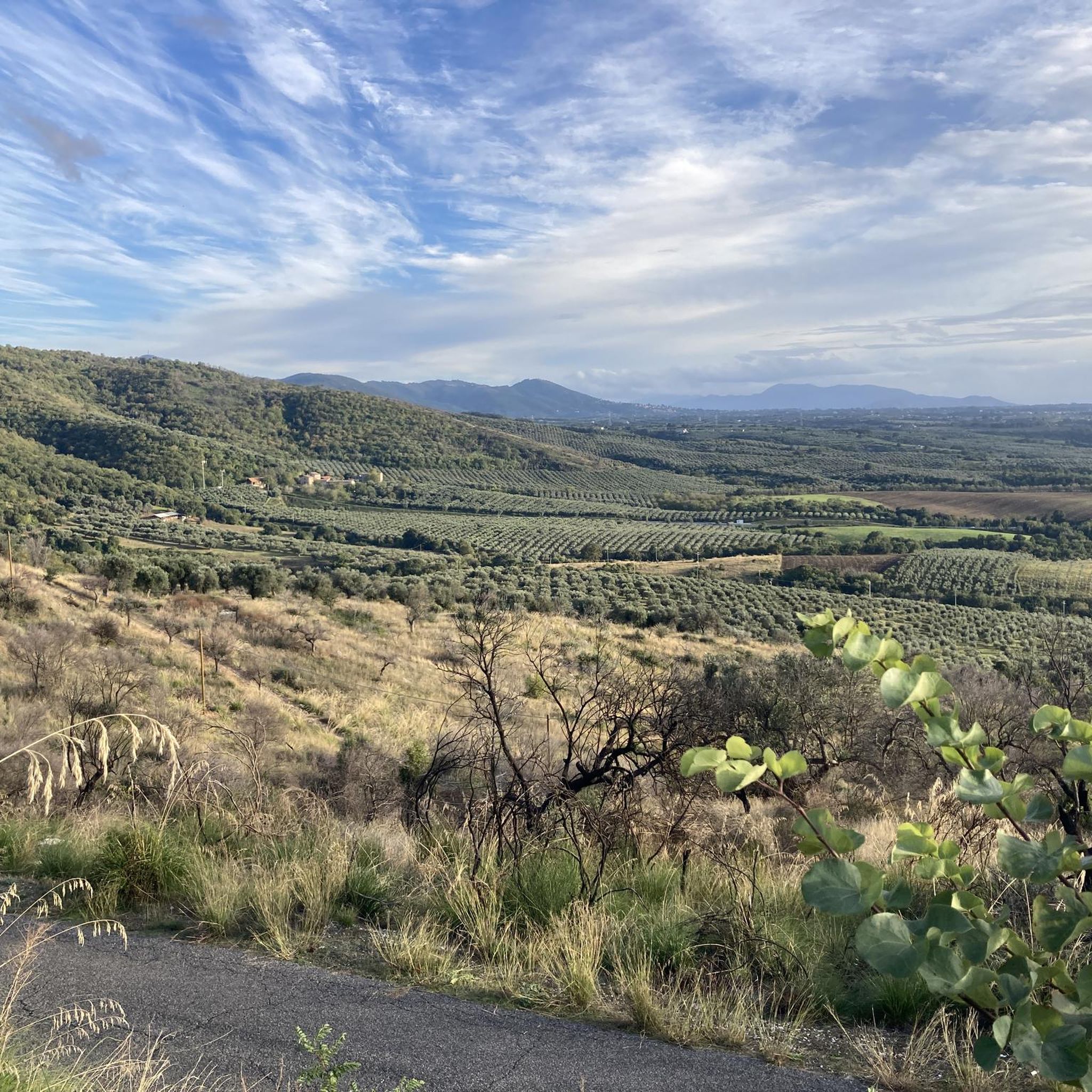
Best natural monuments around Gallicano Nel Lazio are found within the Archaeological Polense nature park, offering a landscape rich in natural features. The area features ancient aqueducts, deep gorges, and panoramic viewpoints, blending historical elements with natural beauty. This region provides opportunities for exploring diverse natural elements and scenic hiking. It is a destination for those seeking tranquil natural environments and historical exploration.
Best natural monuments around Gallicano Nel Lazio
- The most popular natural monuments is Ruins of Tusculum,…
Last updated: June 28, 2026
Ruins of Tusculum
Highlight • Historical Site
Translated by Google •
Tip by

Fountain of the Organ, Villa d'Este
Highlight • Monument
Cardinal …
Translated by Google •
Tip by

Sign up now to discover places like this
Get recommendations on the best single tracks, peaks, & plenty of other exciting outdoor places.
Sign up for free
Monumental Oak of Pierluigi da Palestrina
Highlight • Natural Monument
Translated by Google •
Tip by

Fountain of the Ovato
Highlight • Monument
Translated by Google •
Tip by
Fountain of Rome (Rometta), Villa d'Este
Highlight • Monument
Translated by Google •
Tip by
Sign up for free to discover even more natural monuments around Gallicano Nel Lazio.
Sign up for free
Already have an account?
Start today with a free account
Your next adventure awaits.
Login or Signup

Tips from the Community

The most unique fountain of all uses a hydraulic organ.
7
0
A fountain featuring figures such as Romulus and Remus,
6
0
Beautifully refreshing, perfectly designed
7
0

The "Oak of Pierluigi da Palestrina" is a monumental downy oak located in the Cannuccete Valley, in the Prenestini Mountains, not far from Palestrina. This centuries-old tree, over 20 meters tall and with a circumference of over six meters, is considered one of the oldest and most impressive trees in Lazio. It is estimated to be between 500 and 700 years old. According to local tradition, the famous musician Giovanni Pierluigi da Palestrina loved to go to the foot of this oak tree to find inspiration and moments of reflection. Legend has it that the composer meditated and perhaps composed some of his works in the shade of this tree, although these details are not confirmed by historical sources.
0
0

Together with Monte Cavo it constitutes the highest point that can be reached with a racing bike
0
0

Declared a World Heritage Site by UNESCO in 2001, the villa, with its impressive concentration of fountains, nymphaeums, grottos, water features and the water organ, is a masterpiece of Italian garden art.
2
0

Take a peek at the Pierluigi Oak, a magnificent tree that is about 500 years old. The tale behind this tree is about Giovanni Pierluigi da Palestrina, a composer from the late 1500s. He enjoyed coming here to contemplate and find inspiration beneath it's shade.
0
0

This monumental oak is thought to be at least 500 years old, stands 22 meters tall and has a circumference of approximately six metres. Legend has it that the great sixteenth-century musician Pierluigi da Palestrina went to these woods to draw inspiration for his compositions. It is visible by moving slightly north from the path that runs through the Valle delle Cannuccette.
2
0
Frequently Asked Questions
What are some of the most popular natural monuments to visit around Gallicano Nel Lazio?
Visitors frequently enjoy the historical significance and panoramic views from the Ruins of Tusculum, an ancient Lazio town. Another favorite is the Mount Salomone Summit, which offers expansive views across the Prenestini Mountains and even to Rome. Don't miss the impressive Monumental Oak of Pierluigi da Palestrina, a tree estimated to be at least 500 years old.
Are there family-friendly natural monuments in the area?
Yes, the area offers family-friendly options, particularly those that blend natural beauty with historical elements. The Fountain of the Organ, Villa d'Este and the Fountain of the Ovato are both excellent choices, offering impressive water features and historical context that can be engaging for all ages.
What kind of natural features can I expect to see around Gallicano Nel Lazio?
The region is rich in diverse natural features. You'll find deep gorges, often carved by streams, featuring impressive cascades and smaller waterfalls. The landscape also includes extensive wooded countryside, offering tranquil environments and opportunities to appreciate local flora. Additionally, ancient aqueducts and bridges are integrated into the natural setting, providing a unique blend of history and nature.
What historical elements are integrated into the natural landscape?
The area around Gallicano Nel Lazio is notable for its ancient aqueducts and bridges, some dating back to 150-100 B.C. or 40-50 A.D. These historical architectural elements, such as those found along hiking trails from Ponte Amato to the Caipoli bridge, are nestled within the natural landscape, offering picturesque views and a sense of stepping back in time.
Are there hiking trails near the natural monuments?
Absolutely. The region is ideal for hiking. You can find various routes, including moderate trails like the "View of San Gregorio – Ponte delle Mole or degli Arci loop" or the "San Vittorino Waterfalls – Ponte delle Mole or degli Arci loop." For more options and detailed routes, explore the Hiking around Gallicano Nel Lazio guide.
What outdoor activities are available besides hiking?
Beyond hiking, the area around Gallicano Nel Lazio is suitable for cycling and gravel biking. You can find challenging cycling routes such as the "From Zagarolo to the hills - Ring tour" or gravel biking adventures like the "Ponte Lucano – View of the Roman Countryside loop." For more details, check out the Cycling around Gallicano Nel Lazio guide and the Gravel biking around Gallicano Nel Lazio guide.
Where can I find panoramic views of the surrounding natural areas?
For breathtaking panoramic views, visit the Mount Salomone Summit, which offers vistas of the Prenestini Mountains, the Pratoni del Vivaro, and Rome. Within Gallicano Nel Lazio itself, locations like Piazza della Rocca and the end of Via Roma also provide excellent viewpoints of the wooded countryside and distant Prenestini Mountains.
What makes the Monumental Oak of Pierluigi da Palestrina special?
The Monumental Oak of Pierluigi da Palestrina is a truly remarkable natural monument. Estimated to be at least 500 years old, it stands 22 meters tall with a circumference of approximately six meters, making it one of the oldest and largest trees in Lazio. Legend says the famous musician Pierluigi da Palestrina found inspiration for his compositions under its branches.
What is the significance of the Ruins of Tusculum?
The Ruins of Tusculum represent the remains of an ancient Lazio town with origins predating the Roman era. It's a significant historical site where visitors can explore ancient ruins. Beyond its historical value, the panorama from Tusculum offers one of the most beautiful views across the entire Castelli Romani park.
What do visitors enjoy most about the natural monuments around Gallicano Nel Lazio?
Visitors particularly appreciate the unique blend of human history and natural beauty. The opportunity to explore ancient structures like aqueducts integrated into scenic landscapes, discover hidden gorges and waterfalls, and enjoy expansive panoramic views from summits like Mount Salomone are frequently highlighted. The tranquil natural environments away from crowded spots are also a major draw.
Are there any specific natural areas known for gorges and waterfalls?
Yes, the territory around Gallicano Nel Lazio is characterized by numerous "forre" (gorges), which are often carved by streams and feature impressive cascades and smaller waterfalls. This has led to the suggestion that Gallicano Nel Lazio could be known as "the village of the gorges," offering a sense of adventure and stunning natural scenery for explorers.
Most popular routes around Gallicano Nel Lazio
Most popular attractions around Gallicano Nel Lazio

Get inspired with the komoot mobile app


Explore more
Extend your search for the best caves by checking out these guides of the top ones around Gallicano Nel Lazio:
