Top 20 Natural Monuments in Grands Causses
Best natural monuments in Grands Causses are found within a protected area characterized by diverse landscapes, deep gorges, vast limestone plateaus, and unique geological formations. This region, a significant portion of which is recognized as a UNESCO World Heritage site, offers a wealth of natural beauty. The terrain features spectacular canyons carved through limestone, expansive arid plateaus, and dramatic ruiniform rock formations. These natural features provide opportunities for exploring the area's geology and cultural heritage.
Best natural monuments in Grands…
Last updated: June 27, 2026
Peyrelade Castle
Highlight • Castle
Translated by Google •
Tip by

The Prehistoric Mushroom
Highlight • Viewpoint
Translated by Google •
Tip by

Sign up now to discover places like this
Get recommendations on the best single tracks, peaks, & plenty of other exciting outdoor places.
Sign up for free
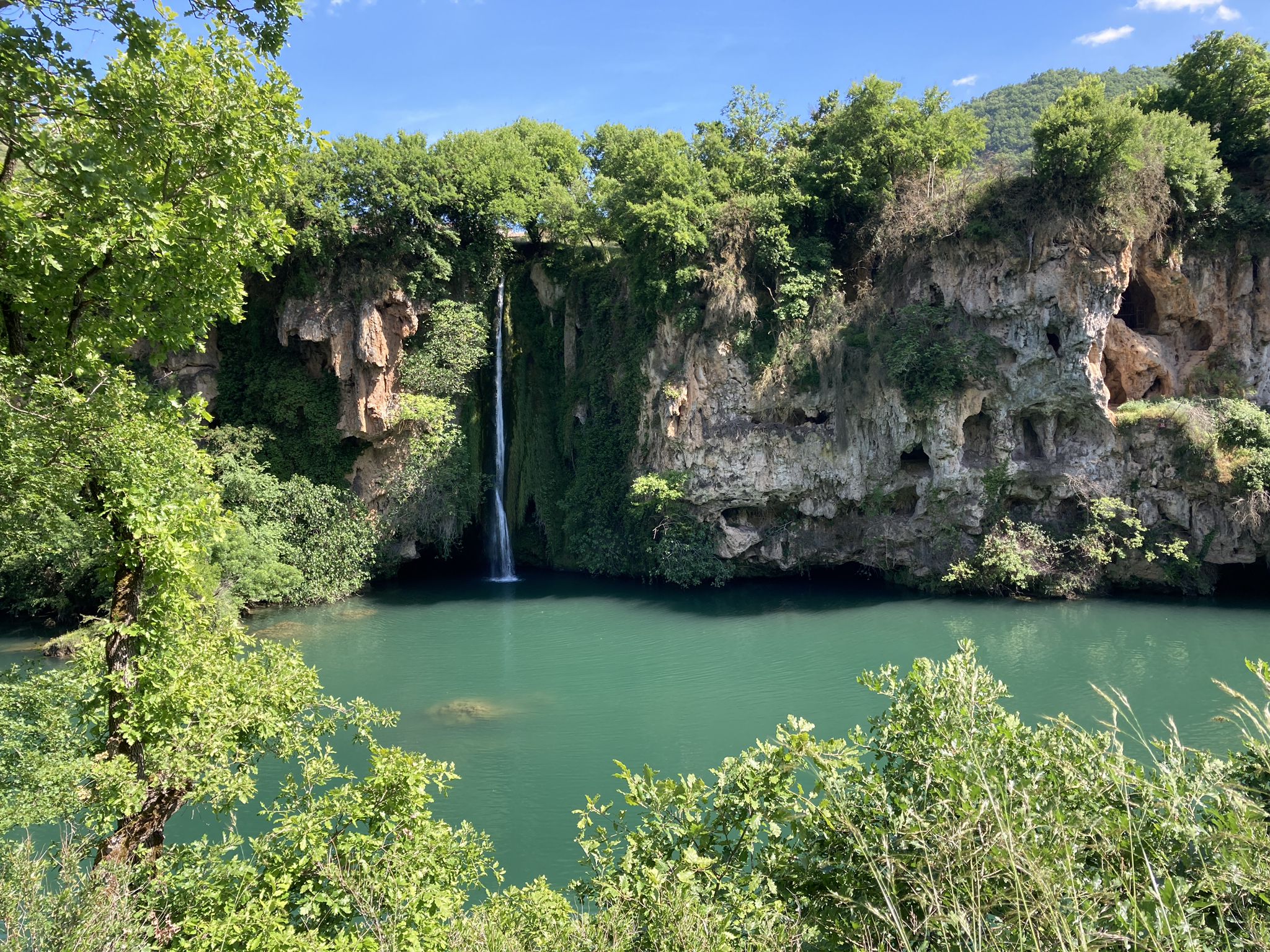
The Creissels waterfalls
Highlight • Waterfall
Translated by Google •
Tip by

Le Roc Nantais
Highlight • Natural Monument
Translated by Google •
Tip by
Roquesaltes
Highlight • Historical Site
Translated by Google •
Tip by
Sign up for free to discover even more natural monuments in Grands Causses.
Sign up for free
Already have an account?
Start today with a free account
Your next adventure awaits.
Login or Signup
Popular around Grands Causses
The Grande traversée du Massif Central by gravel bike
Hexatrek – The Cévennes to the Pyrenees between gorges and limestone plateau
Tour of Aveyron — The mountains and valleys of Roquefort and Aligot
From the Alps to the Atlantic — GR 6
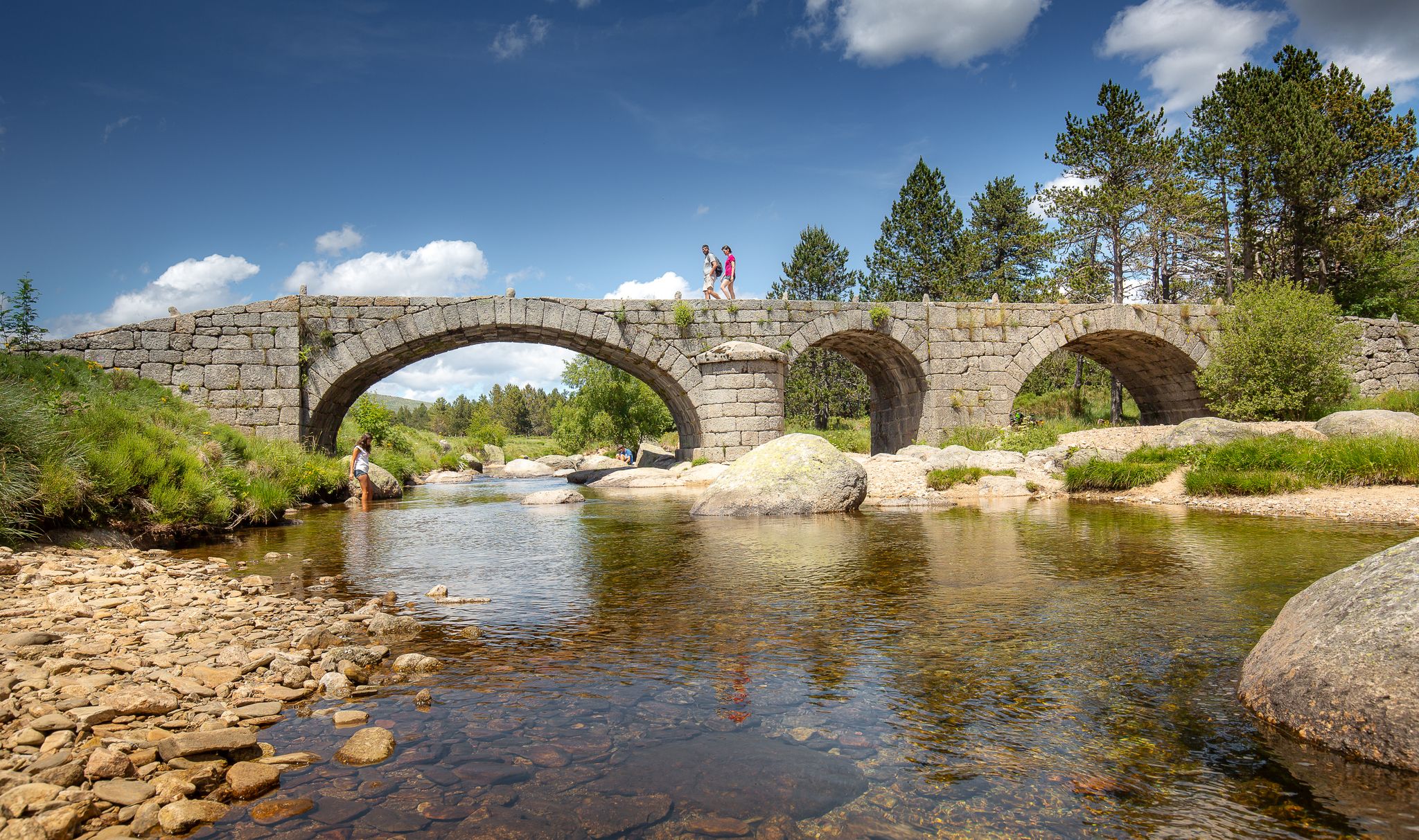
The most beautiful walks in Lozère
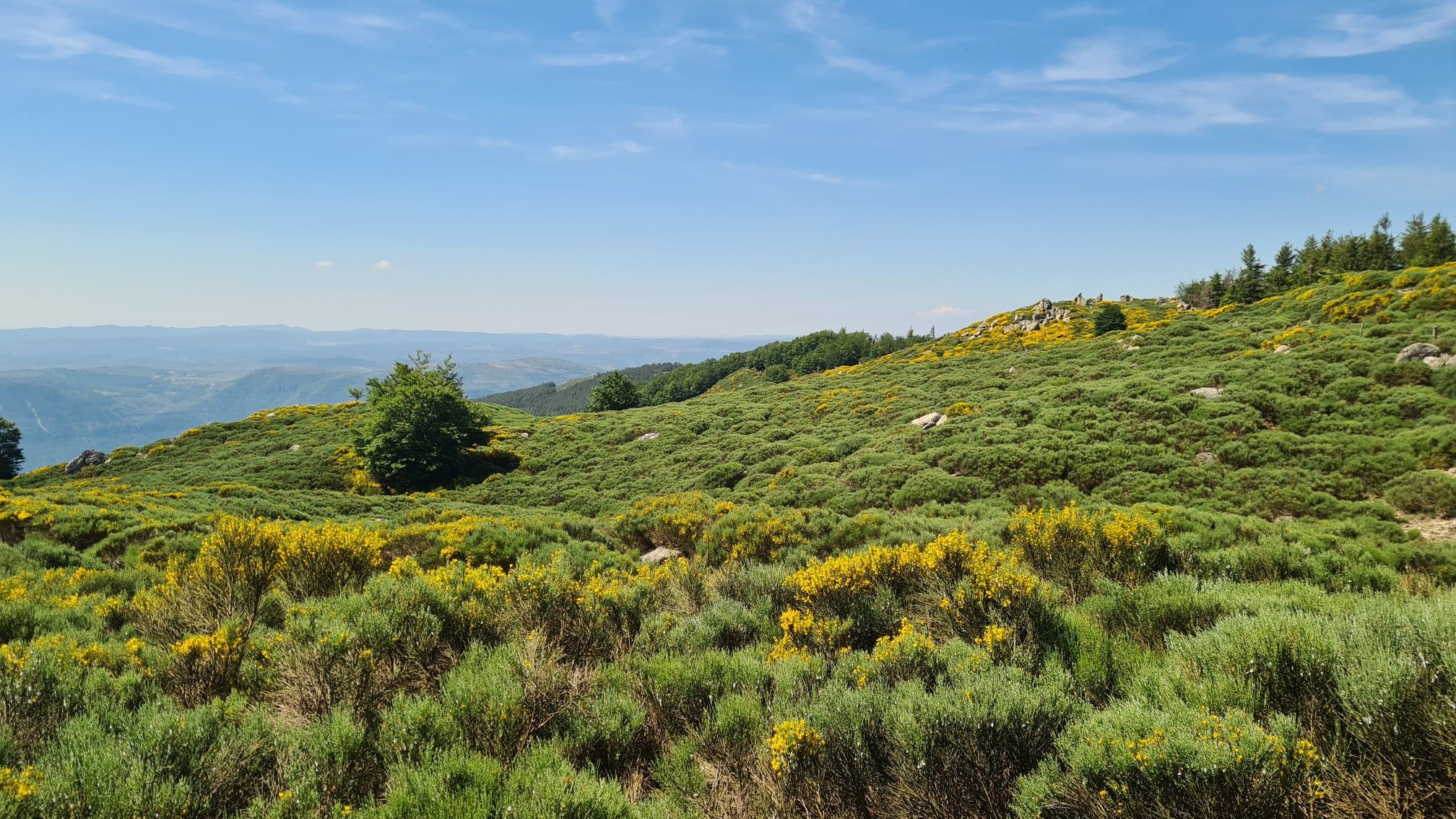
From L'Espérou to Lodève - Explore the Cevennes on the GR 71
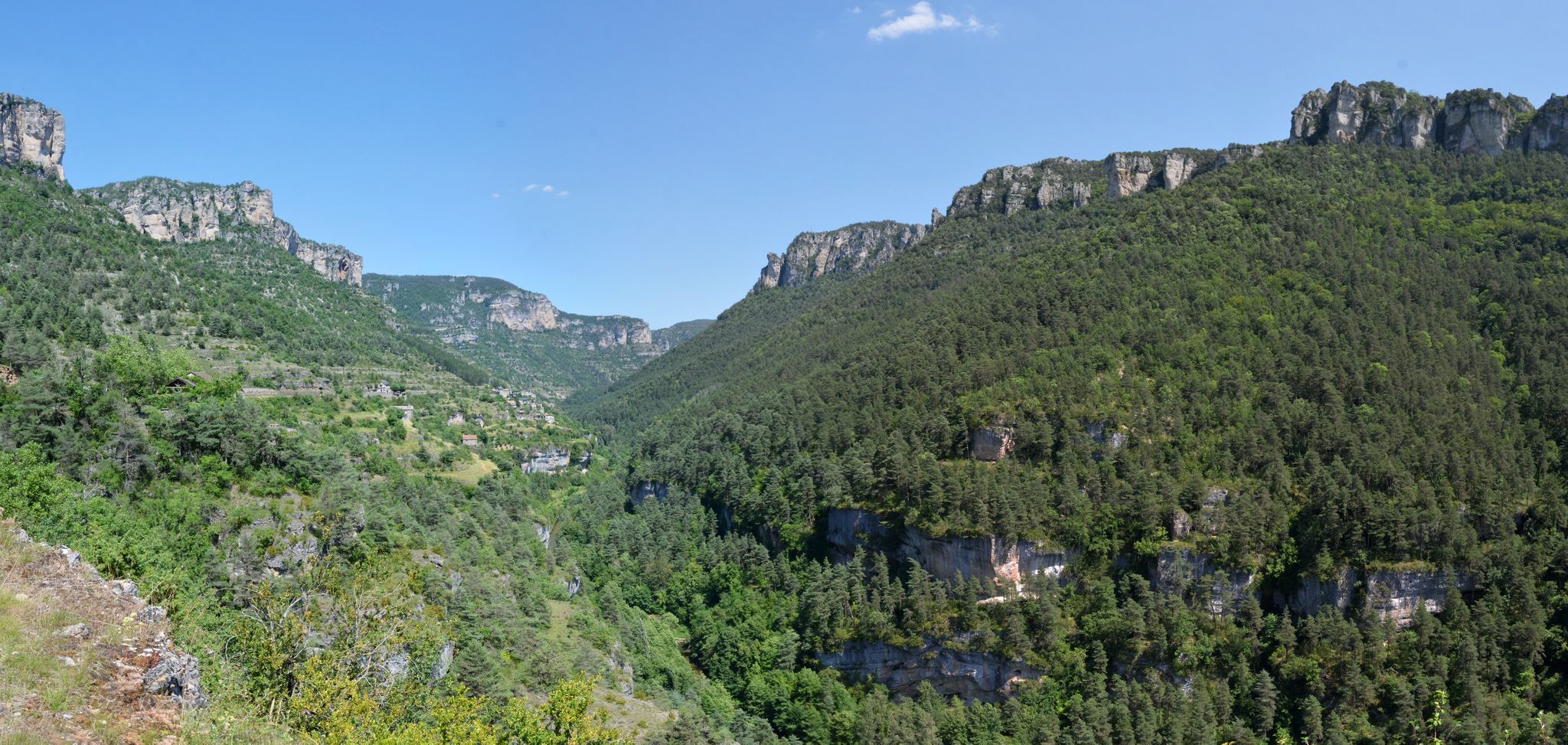
Meyrueis to La Roque-Sainte-Marguerite – GR 62A in France
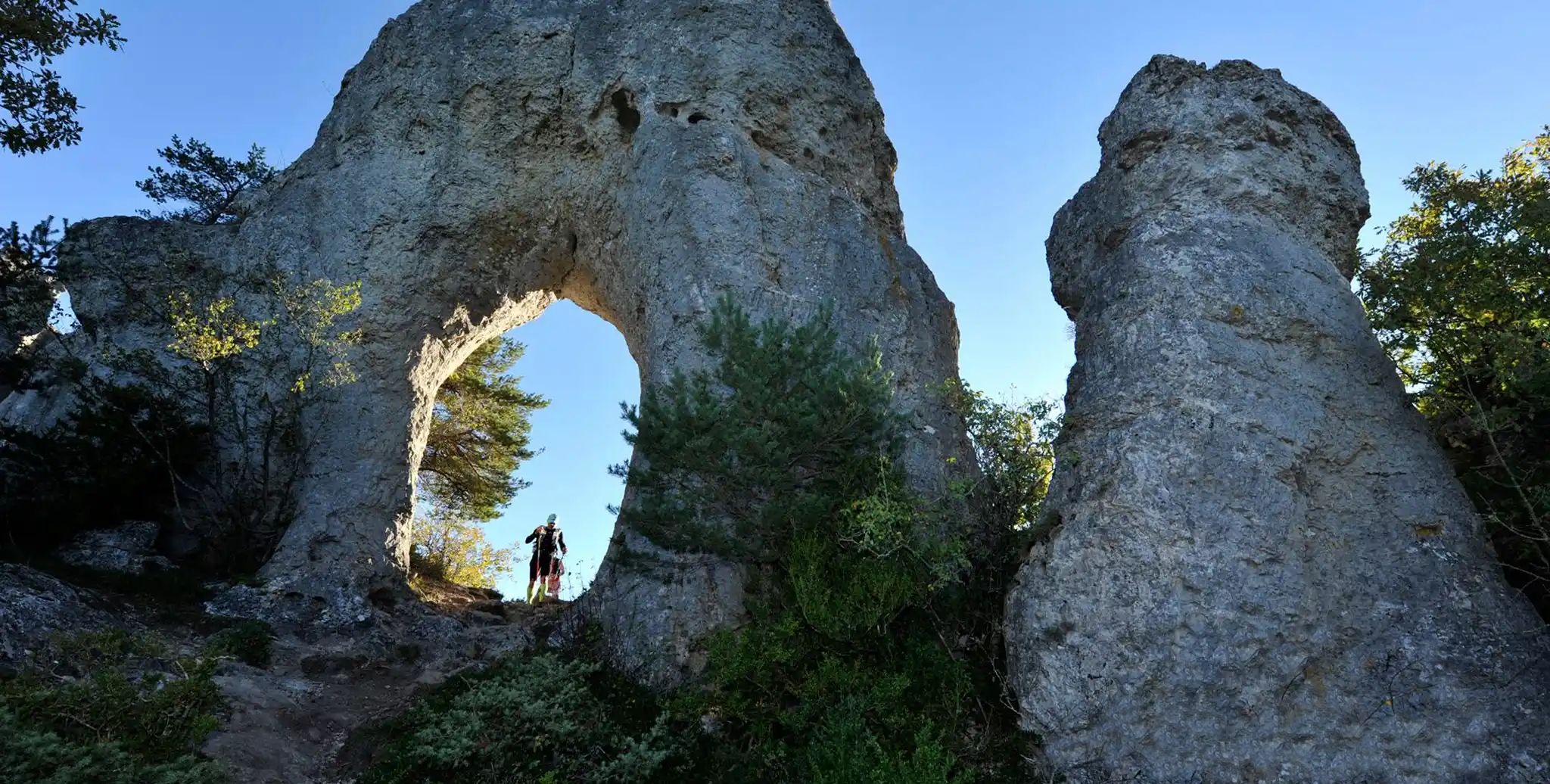
Trails de Légende in France – Festival des Templiers races
The sound of water – gravel and waterfalls in Aveyron
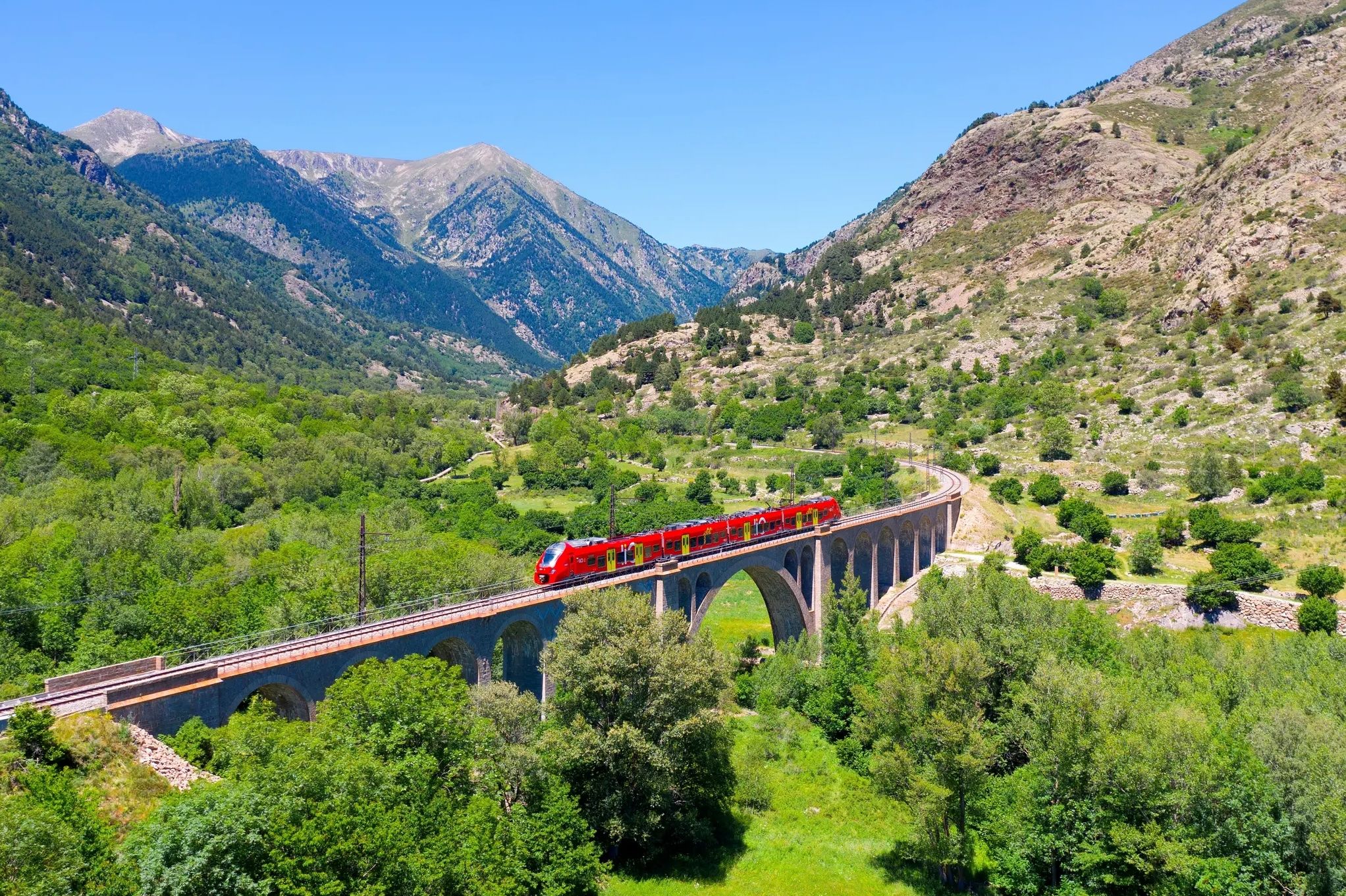
Occitanie Rail Tour – by train and on foot through Occitania
Other adventures in Grands Causses


Tips from the Community


A geological curiosity, nice to see. If you're not passing too far, it's worth a little detour.
0
0

The Creissels waterfall is a true natural gem! It is a resurgence that flows constantly throughout the year, with a flow that varies. What makes this place so special is that it is loaded with calcium carbonate, which has allowed the formation of a magnificent tuff rock. In winter, when temperatures drop, the waterfall transforms into a magical spectacle. The icy concretions that form are simply magnificent, and it is fascinating to see how the waterfall can completely petrify at times. It is an ideal place for nature lovers and photographers in search of enchanting landscapes. I highly recommend visiting the Creissels waterfall, whether to admire its peaceful flow in summer or its incredible transformation in winter!
1
1

The Prehistoric Mushroom is a remarkable geological formation located in the Lozère department, in the Occitanie region, near the village of Sainte-Enimie, in the Gorges du Tarn. It is a natural rock formation that has the particularity of resembling a giant mushroom. Points of Interest: Geological Formation: Unique Appearance: The Prehistoric Mushroom is made of eroded limestone, forming a structure that evokes the shape of a mushroom with a wide cap and a narrow stem. This formation is the result of the natural erosion of rock layers over the centuries. Height and Size: The mushroom is several meters high, and its "cap" can reach an impressive diameter, making it a spectacular and photogenic geological feature. Why visit the Prehistoric Mushroom? Natural Beauty: The Prehistoric Mushroom is an impressive geological formation that offers unique and picturesque views, perfect for nature and photography enthusiasts. Exploration: It is an excellent opportunity to explore the Gorges du Tarn, a place rich in varied geological formations and impressive landscapes. Hiking: The visit can be integrated into a longer hike, allowing you to discover the geological and natural diversity of the Gorges du Tarn. In short, the Champignon Préhistorique is a fascinating destination for those interested in geology, natural landscapes, and the discovery of unique rock formations in a spectacular setting.
1
0


Spectacular...Impressive, well worth a few minutes of stopping for a few photos.
0
0

This improbable rock formation overlooks the Jonte valley. The origin of its name comes from the 19th century when a walker saw it from afar, the appearance of the rock inspired the shape of a petrified mushroom.
0
0
This superb rocky chaos is dominated by a monolithic keep 50 meters high. Its enormous rocks rising from the ground give it the appearance of a natural fortress. Impressive !
0
0
Frequently Asked Questions
What are some of the most unique geological features in Grands Causses?
The Grands Causses are renowned for their dramatic geological formations. You can explore spectacular canyons like the Gorges du Tarn and Gorges de la Jonte, vast limestone plateaus (Causses), and striking "Chaos" formations. Notable examples include Belvedere Montpellier le vieux, a large rock formation on the Causse Noir shaped by dolomite corrosion, and The Prehistoric Mushroom, an eroded limestone structure resembling a giant mushroom.
Are there any historical natural monuments to explore in Grands Causses?
Yes, the region blends natural beauty with rich history. Peyrelade Castle is a prime example, a medieval fortress spectacularly situated on a rock spur high above the Tarn valley. The Causses themselves are part of a UNESCO World Heritage site, recognized for their Mediterranean agro-pastoral cultural landscape, featuring traditional sheepfolds, dolmens, and stone huts.
What outdoor activities can I do near the natural monuments in Grands Causses?
The diverse landscape of Grands Causses offers a wide range of outdoor activities. You can enjoy hiking, cycling, rock climbing, and canoeing or kayaking along the Tarn River. For specific routes, consider exploring options like those found in the Gravel biking in Grands Causses guide, the Waterfall hikes in Grands Causses guide, or the Mountain Hikes in Grands Causses guide.
What is the best time to visit the natural monuments in Grands Causses?
The Grands Causses region is beautiful year-round, but the best time to visit for outdoor activities is generally from spring to autumn. During these seasons, the weather is milder and more conducive to hiking, cycling, and water sports. Summer offers warm temperatures ideal for exploring the gorges and plateaus, while spring and autumn provide pleasant conditions with fewer crowds and vibrant natural colors.
Are there family-friendly natural monuments or activities in Grands Causses?
Many natural monuments in Grands Causses are suitable for families. Sites like the "Chaos" formations, such as La Cité des Pierres, often have educational trails that are engaging for children. Exploring the Gorges du Tarn by canoe can also be a memorable family experience. Look for shorter, well-maintained trails and viewpoints that offer impressive scenery without extreme difficulty.
Can I find good viewpoints to admire the natural landscapes?
Absolutely. The Grands Causses are dotted with numerous viewpoints offering breathtaking panoramic vistas. The Gorges du Tarn, for instance, have specific viewpoints above Les Vignes and from La Malène. Le Roc Nantais provides a magnificent perspective over the Larzac and Cévennes foothills. The South Ledges of the Jonte trail also offers a dozen panoramas overlooking the Jonte Gorges.
What kind of terrain can I expect when exploring the natural monuments?
The terrain in Grands Causses is highly varied. You'll encounter precipitous cliffs and narrow valleys in the gorges, expansive and arid limestone plateaus (Causses), and unique karst formations. Some areas feature dramatic ruiniform rocks, while others offer open, rolling landscapes. Trails can range from easy paths to challenging routes with steep sections and rocky surfaces, especially near cliff edges.
Are there opportunities for wild swimming near the natural monuments?
The Tarn River, which carves through the Gorges du Tarn, offers clear waters that are popular for swimming, especially during warmer months. While specific designated wild swimming spots might vary, many visitors enjoy cooling off in the river. Always check local regulations and safety conditions before entering the water.
What do visitors enjoy most about the natural monuments in Grands Causses?
Visitors frequently praise the stunning natural beauty and the sense of adventure. The dramatic landscapes, from the deep gorges to the fantastical rock formations, are a major draw. Many appreciate the opportunities for hiking, cycling, and water activities, as well as the unique geological features like The Prehistoric Mushroom. The region's rich history and cultural heritage also add to the appeal.
Are there any challenging hikes or climbs associated with these natural monuments?
Yes, the Grands Causses offer several challenging options. The Gorges du Tarn and Gorges de la Jonte are popular for rock climbing, and the Rocher de Roqueprins on the Causse Sauveterre provides opportunities for Via Ferrata. Some trails, like sections of the South Ledges of the Jonte, can be challenging with steep sections and proximity to cliff edges, requiring caution and a good level of fitness.
Is the Grands Causses Regional Natural Park a protected area?
Yes, the Grands Causses Regional Natural Park is a protected area. A significant portion of it is also recognized as a UNESCO World Heritage site for its Mediterranean agro-pastoral cultural landscape. This protection helps preserve its diverse landscapes, unique geological formations, and rich biodiversity, including griffon vultures and golden eagles.
What are the main Causses (limestone plateaus) in the park?
The park encompasses several distinct limestone plateaus, each with its own character. These include the Causse du Larzac, Causse Noir, Causse de Sauveterre, and Causse Méjean. These vast, arid plateaus are characterized by open terrain, unique karst formations, and a strong connection to traditional sheep farming.
Most popular routes in Grands Causses
Most popular attractions in Grands Causses

Get inspired with the komoot mobile app


Explore more
Extend your search for the best caves by checking out these guides of the top ones in Grands Causses:
