The best hikes from bus stations in Grands Causses
4.5
(2488)
15,552
hikers
108
hikes
Bus station hiking trails in Grands Causses offer access to a region defined by vast limestone plateaus, known as "causses," which are deeply incised by river gorges like the Tarn and Jonte. This landscape features expansive grasslands, dense forests, and unique karst formations. The area is part of a UNESCO World Heritage Site, showcasing a rich agro-pastoral cultural landscape. Hikers can explore a diverse terrain of plateaus, valleys, and dramatic rock formations.
Best bus station hiking trails in Grands Causses
…Last updated: May 18, 2026
4.8
(21)
119
hikers
14.5km
05:05
750m
750m
Hard hike. Very good fitness required. Mostly accessible paths. Sure-footedness required.
4.1
(11)
86
hikers
19.5km
06:55
790m
790m
Hard hike. Very good fitness required. Mostly accessible paths. Sure-footedness required.

Sign up for free
4.3
(12)
77
hikers
7.66km
02:00
60m
60m
Moderate hike. Good fitness required. Easily-accessible paths. Suitable for all skill levels.
4.7
(11)
58
hikers
7.51km
02:55
460m
460m
Moderate hike. Good fitness required. Mostly accessible paths. Sure-footedness required.
4.6
(5)
31
hikers
3.21km
01:00
120m
120m
Easy hike. Great for any fitness level. Easily-accessible paths. Suitable for all skill levels.
Get access to more routes and recommendations from other explorers.
Sign up for free
Already have an account?
Our route recommendations are based on thousands of hikes, rides, and runs completed by other people on komoot.
Start today with a free account
Your next adventure awaits.
Login or Signup
Popular around Grands Causses
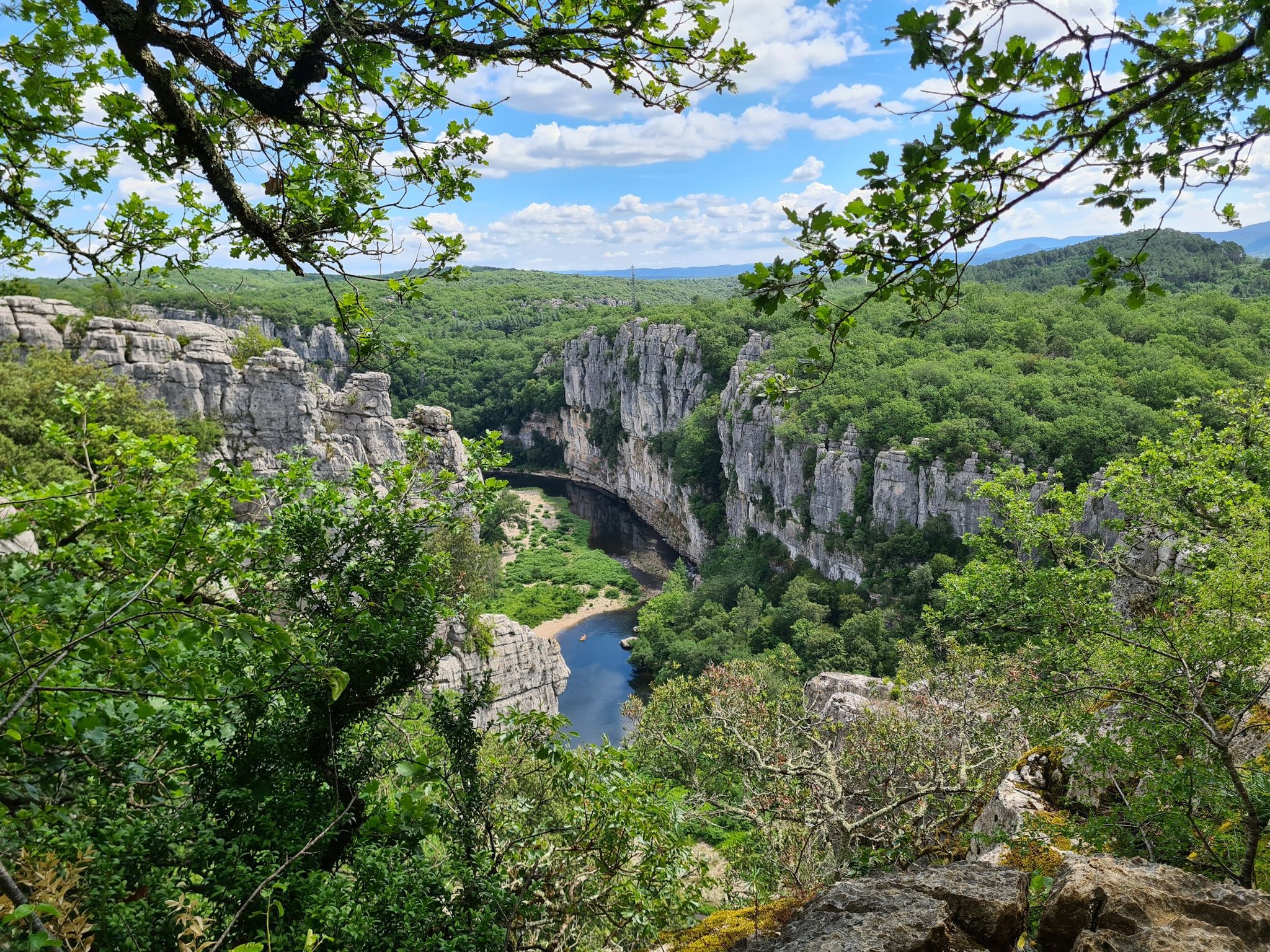
Hexatrek – The Cévennes to the Pyrenees between gorges and limestone plateau
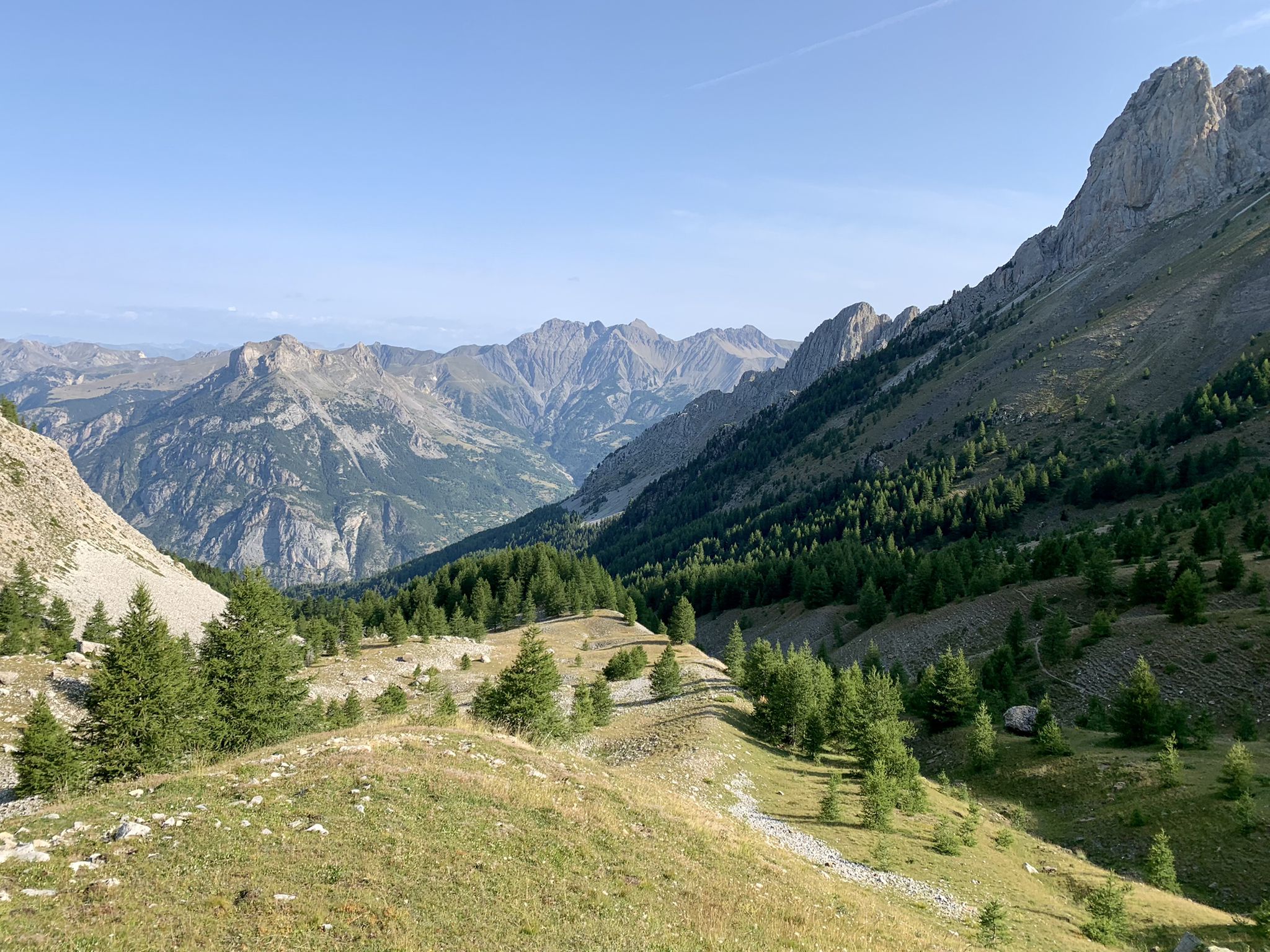
From the Alps to the Atlantic — GR 6
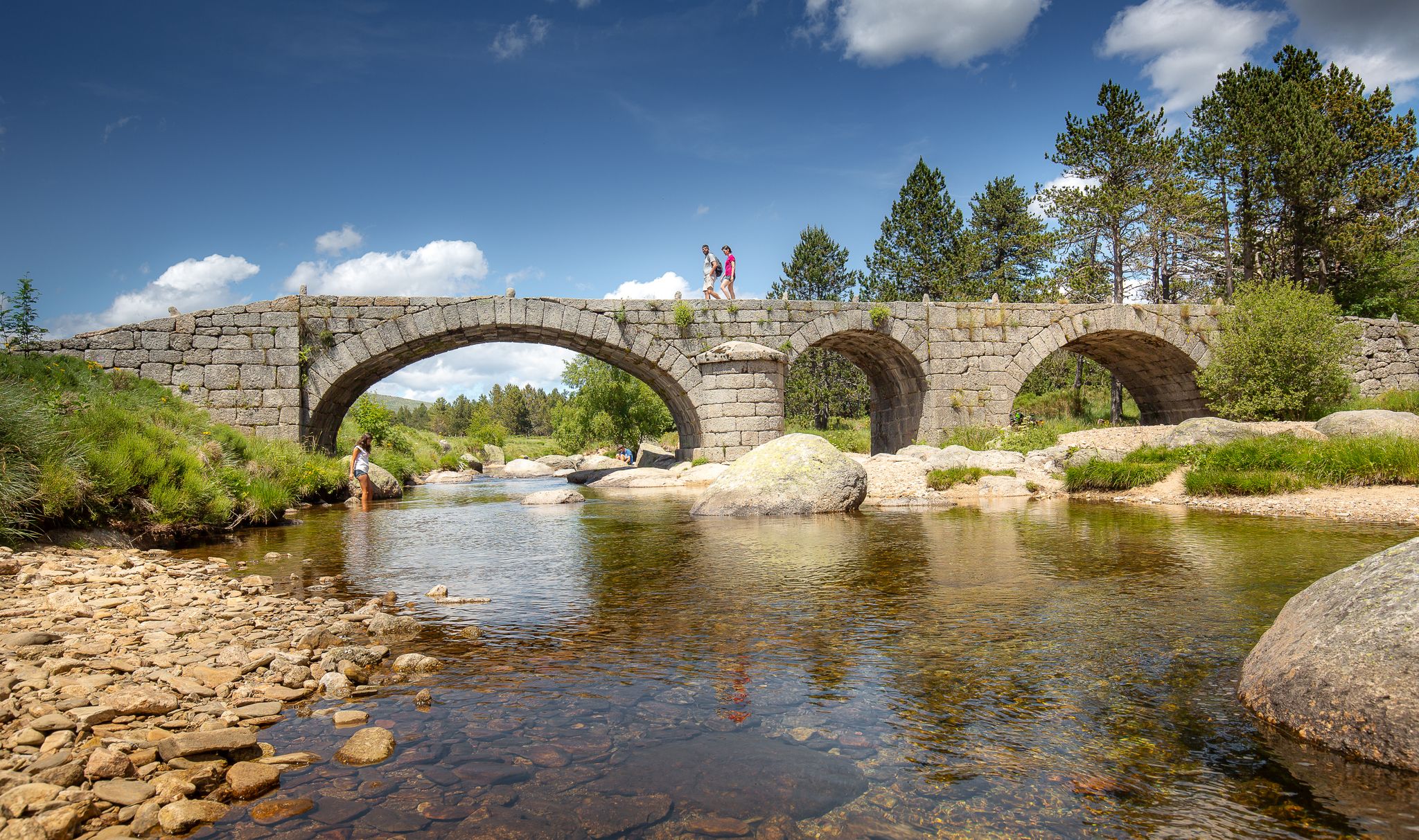
The most beautiful walks in Lozère
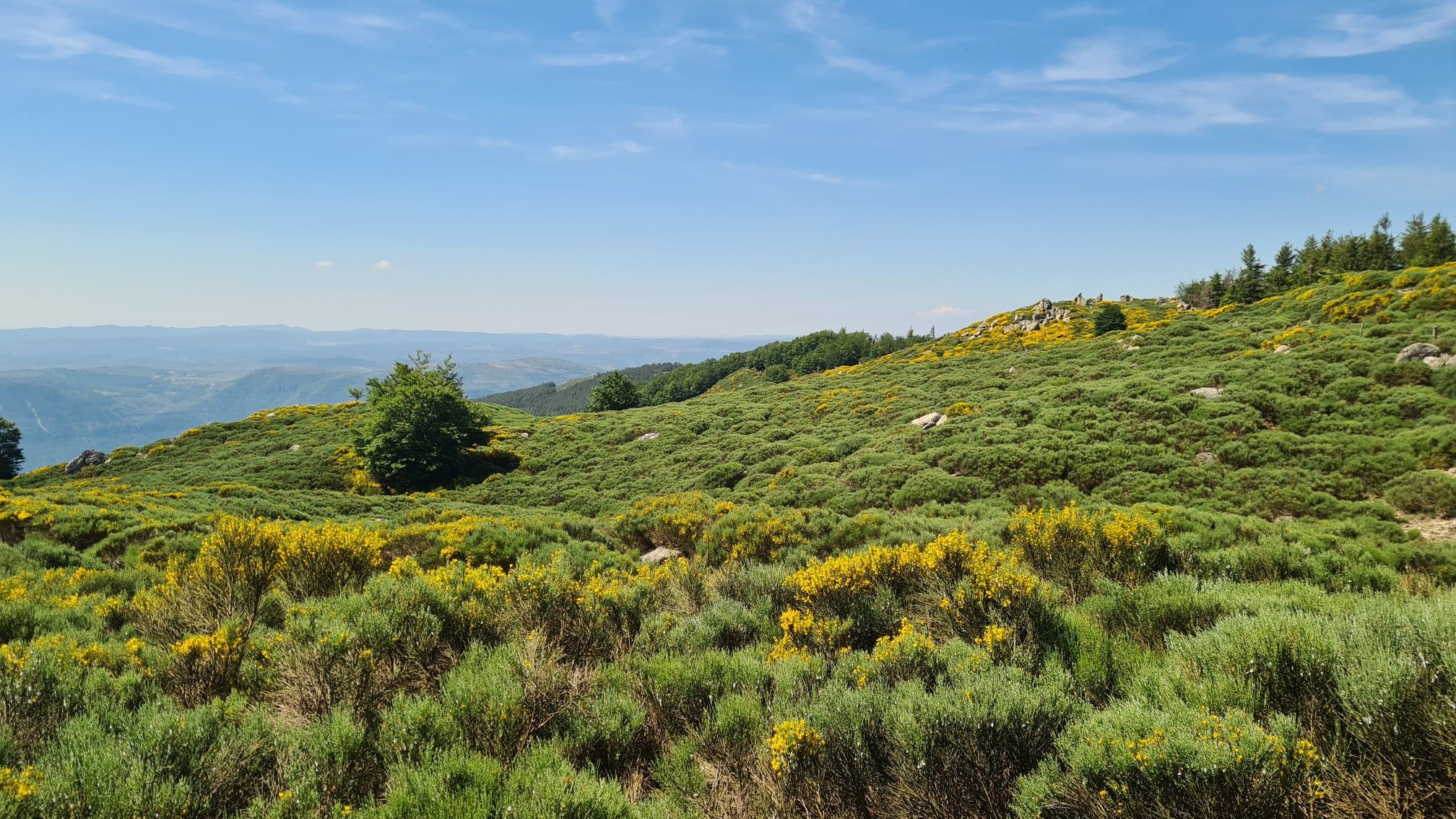
From L'Espérou to Lodève - Explore the Cevennes on the GR 71
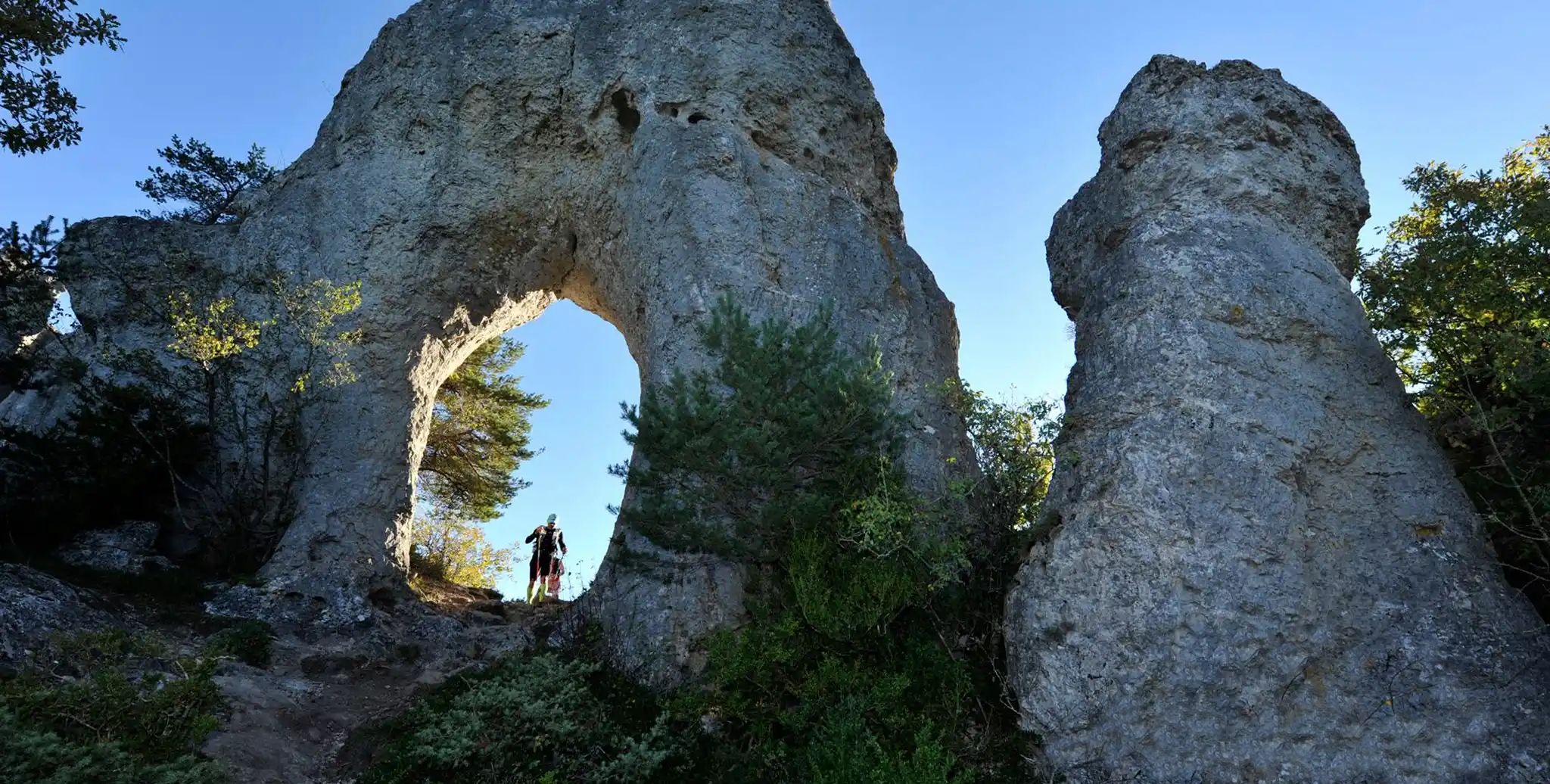
Meyrueis to La Roque-Sainte-Marguerite – GR 62A in France
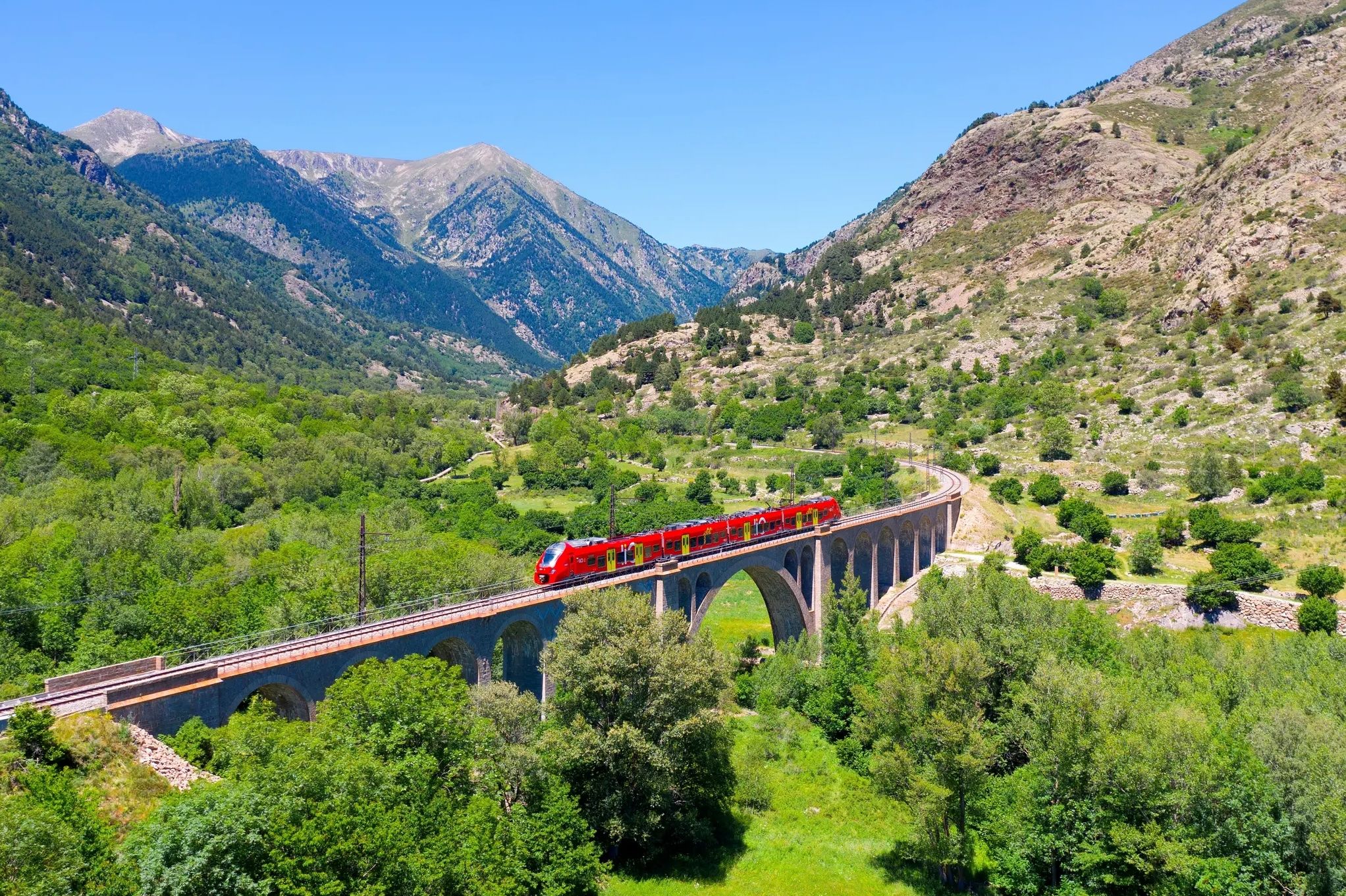
Occitanie Rail Tour – by train and on foot through Occitania
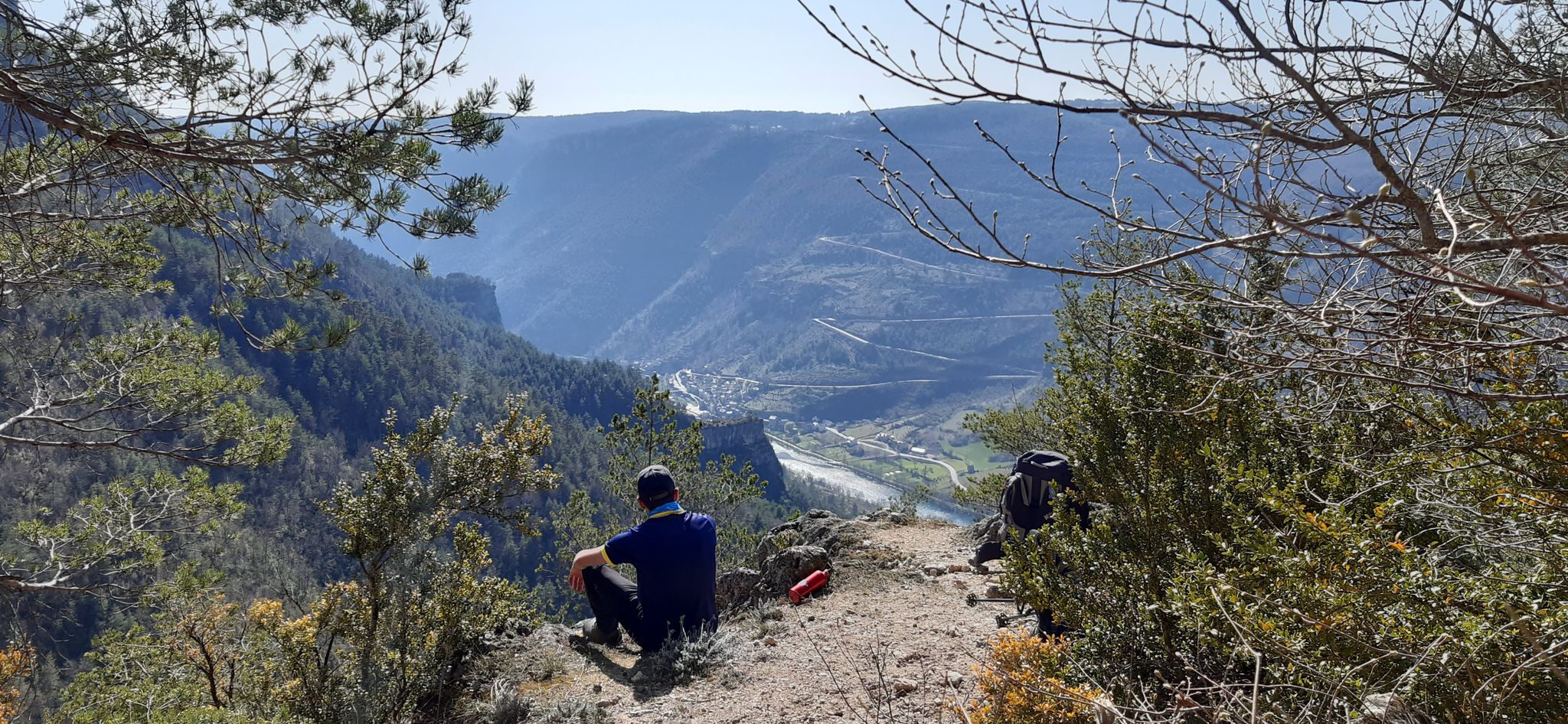
Walking to the rhythm of the Causses — The GRP Tour du Causse Méjean
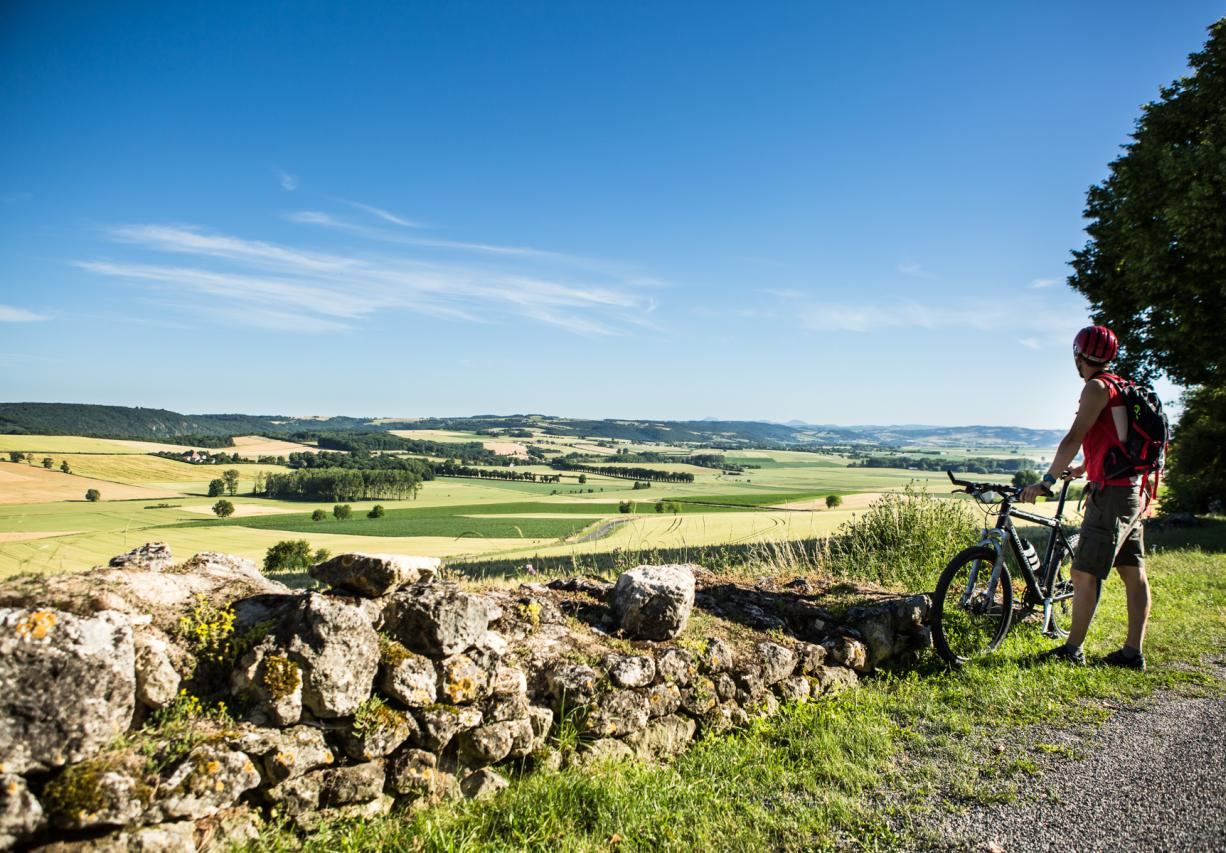
The Grande traversée du Massif Central by gravel bike
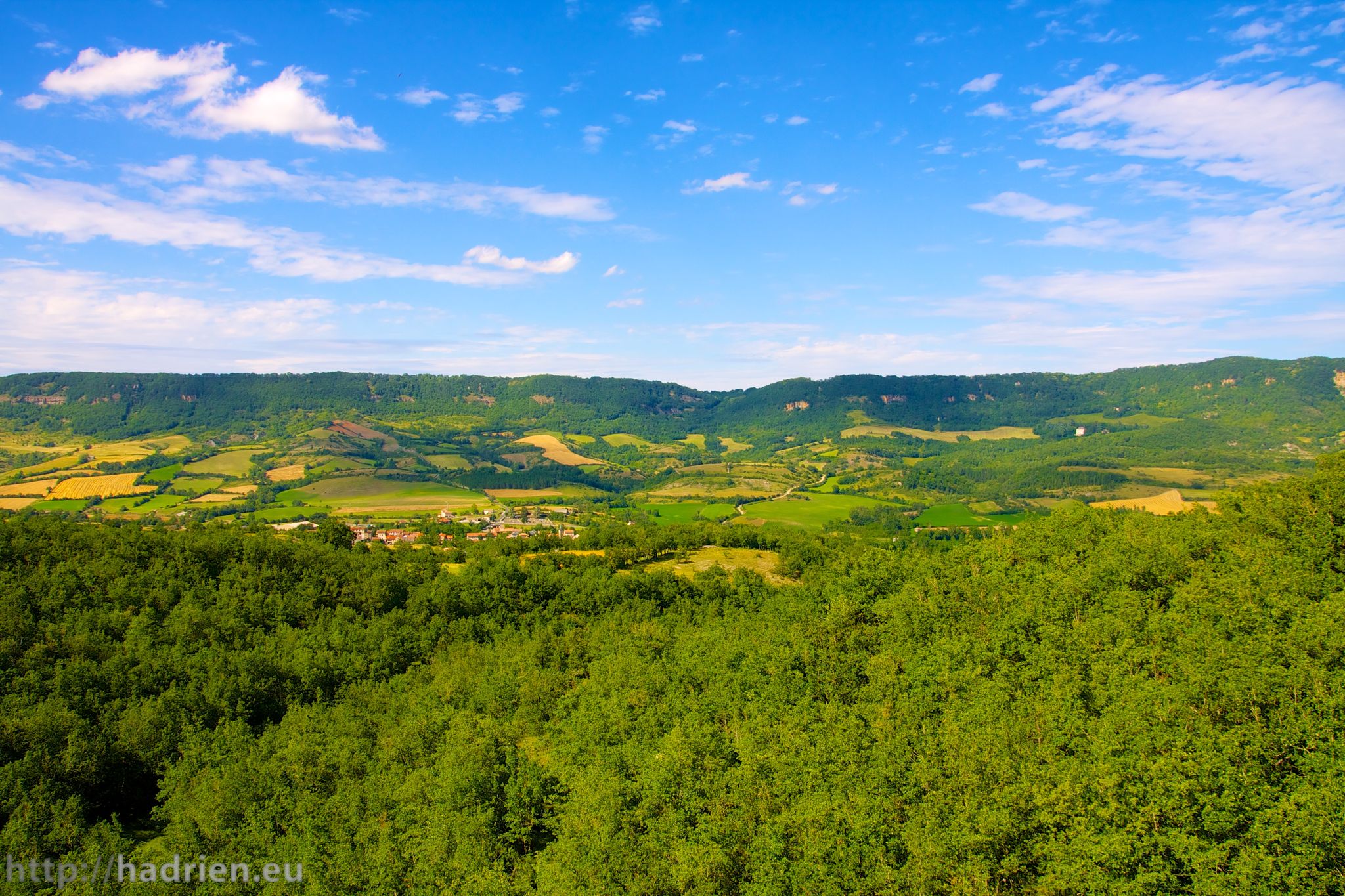
Tour of Aveyron — The mountains and valleys of Roquefort and Aligot
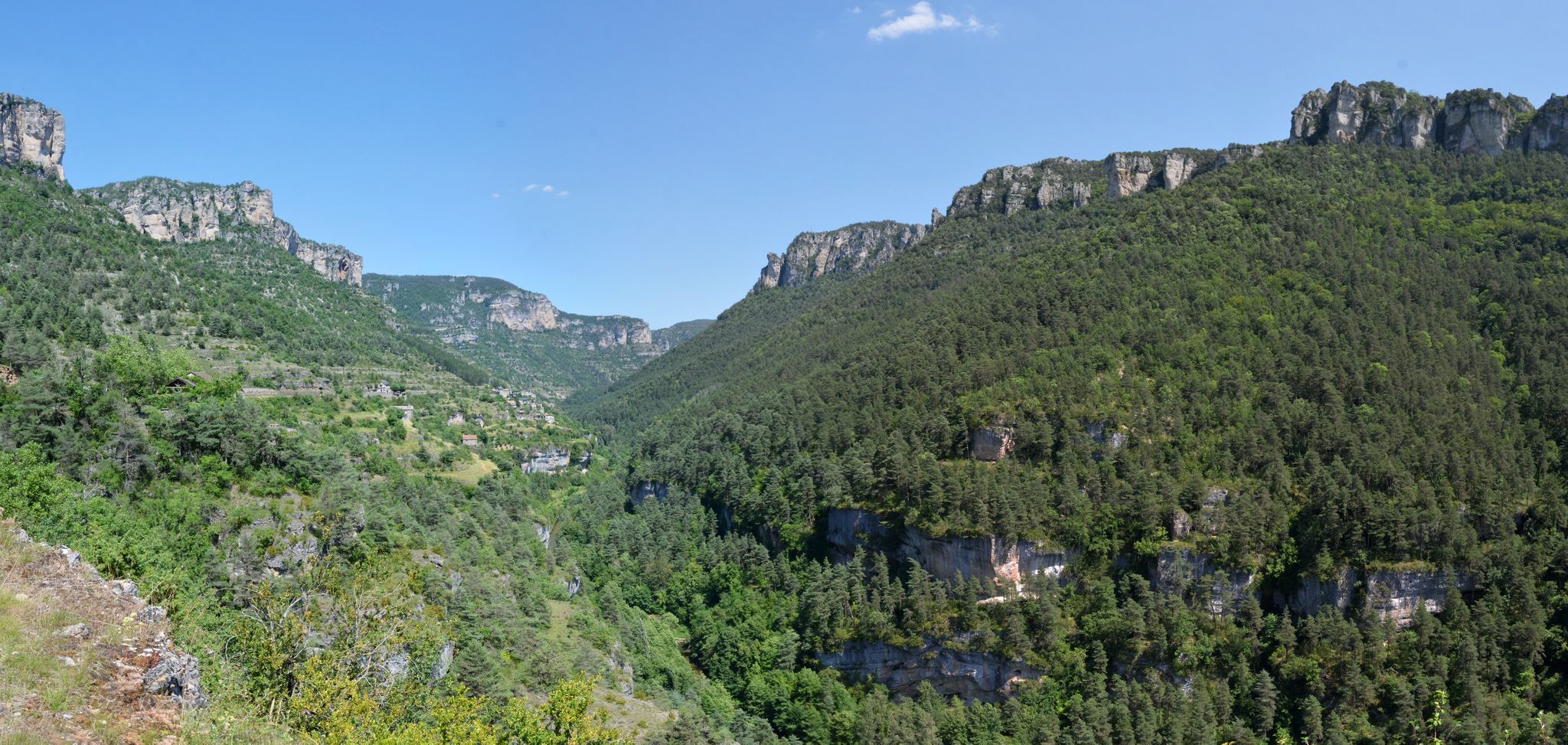
Trails de Légende in France – Festival des Templiers races
Other adventures in Grands Causses


Tips from the Community

This grinding mill was powered by water on the lower floor. A transmission belt transferred the power to the grindstone one floor higher.
0
0


An exceptional site due to its location. One thing intrigues me: how did the ancients build with stone at such heights? Even on the backs of mules, the task of climbing the 500m drop from the Tarn is gigantic. Other questions: how did they live there? Certainly no prayers.
0
0

Far away from all civilization, this hermitage was built on rocks.
1
0

The name "Montagne de Trois Croix" already hinted at it, and so it's no real surprise to find more than just a summit cross up here, which – as is common in many places – crowns the mountain peak. The central cross, standing in the middle, points the observer to the execution of the incarnate Son of God, Jesus of Nazareth. According to biblical tradition, however, he was not condemned to death and crucified alone, but together with two criminals. Pope Francis, who died on Easter Monday, once composed the following prayer on this subject: "Help us, Son of Man, to free ourselves from the arrogance of the thief, the robber on your left, and of the short-sighted and the corrupt (...) Instead, we ask you, Son of God, to identify us with the good thief who looked at you with eyes full of shame, repentance, and hope; who, with the eyes of faith, saw divine victory in your apparent defeat and thus knelt before your mercy and grace and stole paradise with honesty and integrity.
0
1

The massive structure rising above the landscape at this location – with its round dome (although only the vaulting ribs of the roof dome were built, the actual roof covering was never completed) and the lantern erected above it – and crowned by a cross, doesn't seem to quite fit with the small sacred monument at its peak. User 'Cx' has already provided information in his post about the history of the building and the originally planned statue of the Madonna, which was supposed to bestow its blessing upon the land and its people from here.
0
0

A geological curiosity, nice to see. If you're not passing too far, it's worth a little detour.
0
0
Frequently Asked Questions
How many bus-accessible hiking trails are available in Grands Causses?
There are over 100 hiking routes in Grands Causses that are accessible by bus, offering a wide range of experiences. You'll find trails suitable for various fitness levels, from easy strolls to challenging long-distance treks.
What kind of landscapes and natural features can I expect to see on bus-accessible hikes in Grands Causses?
Hikes accessible by bus in Grands Causses traverse diverse and dramatic landscapes. You can expect to explore vast limestone plateaus known as 'causses' (like Larzac, Méjean, Noir, and Sauveterre), deep river gorges such as the Gorges du Tarn and Gorges de la Jonte, and brightly colored forested hills. The region is also famous for its unique karst features, including eroded rock formations like the Cité des Pierres and the Chaos of Nîmes-le-Vieux, as well as impressive viewpoints.
Are there any family-friendly bus-accessible hiking options in Grands Causses?
Yes, Grands Causses offers several family-friendly bus-accessible hikes. With over 30 easy routes available, many are suitable for families looking for less strenuous walks. These often feature gentle terrain and opportunities to explore charming villages or natural curiosities without excessive elevation gain. Always check the specific route details for suitability with children.
What are some notable landmarks or points of interest I can discover along bus-accessible trails?
Many bus-accessible trails lead to or pass by fascinating landmarks. You might encounter historical sites like Saint-Marcellin or Sainte-Eulalie-de-Cernon Templar Commandery. Natural monuments such as Le Roc Nantais or the Giant's Foot Rock are also accessible. The region's cultural heritage includes traditional stone huts ('cazelles') and ancient farmhouses scattered across the plateaus.
Are there any challenging bus-accessible hikes for experienced hikers?
Absolutely. For experienced hikers, there are numerous challenging bus-accessible routes, including 25 difficult trails. An example is the demanding View of the Jonte Valley – Vertigo Viewpoint loop from Peyreleau, which covers over 16 km with significant elevation gain, offering spectacular views over the Jonte Valley. Another challenging option from Peyreleau is the View of the Jonte Valley – Arcs de Saint-Pierre loop.
What is the best time of year to go hiking from bus stations in Grands Causses?
The Grands Causses region is generally pleasant for hiking from spring through autumn. Spring brings wildflowers and milder temperatures, while autumn offers beautiful foliage. Summer can be warm, especially in the gorges, but higher plateaus provide cooler air. Winter hiking is possible, but some routes may be affected by snow or ice, particularly at higher elevations, so checking local conditions is advisable.
Can I bring my dog on bus-accessible hiking trails in Grands Causses?
Many trails in Grands Causses are dog-friendly, but it's essential to check specific regulations for the Grands Causses Regional Nature Park and any protected areas you plan to visit. Dogs are generally welcome on leash, especially to protect local wildlife like griffon vultures and mouflons, and to respect agricultural areas. Always carry water for your dog and clean up after them.
Are there any circular bus-accessible routes available?
Yes, many bus-accessible routes in Grands Causses are designed as circular loops, allowing you to start and end your hike at the same bus stop. An example is the Original signpost – Fontaneilles Pedestal loop from Rivière-sur-Tarn, which offers a moderate challenge and returns you to your starting point. Another is the View of Pouncho d'Agast – Millau loop from Millau, a moderate route with great views.
What public transport options are available to reach hiking trailheads in Grands Causses?
The primary public transport network for reaching trailheads in Grands Causses is the liO Occitanie bus service. These routes connect major towns like Millau to smaller villages and points of interest within the region, providing access to numerous hiking starting points. It's recommended to consult the latest liO Occitanie timetables for specific routes and schedules to plan your journey effectively.
What do other hikers enjoy most about hiking from bus stations in Grands Causses?
The komoot community highly rates hiking in Grands Causses, with an average score of 4.5 stars. Reviewers often praise the stunning and varied landscapes, the sense of wildness and unspoiled nature, and the excellent network of well-maintained trails. The accessibility via public transport is also frequently highlighted as a major convenience, allowing hikers to explore without needing a car.
Are there any bus-accessible hikes that offer views of the Gorges du Tarn or Gorges de la Jonte?
Absolutely. Many bus-accessible trails provide breathtaking views of these iconic gorges. For instance, the L'Ermitage Saint-Michel – View of Le Rozier loop from Peyreleau offers stunning vistas over the Gorges du Tarn and Jonte confluence. The region's topography means that many routes starting from villages nestled within or above the gorges will feature spectacular panoramic views.
Most popular routes in Grands Causses
Most popular attractions in Grands Causses

Get inspired with the komoot mobile app


Explore more
Browse the best Hikes in other regions.
