Top 20 Natural Monuments in Mercantour
Natural monuments in Mercantour National Park showcase a diverse landscape ranging from 300 to over 3,000 meters in altitude. This region in southeastern France features mountains, valleys, and waterways. The park is known for its geological formations, high-altitude lakes, and significant archaeological sites.
Best natural monuments in Mercantour
- The most popular natural monuments is Cayolle Pass, a mountain pass that offers remarkable panoramas and quiet roads. It culminates at more than 2,324 meters above sea level.
- Another must-see spot…
Last updated: June 27, 2026
Cayolle Pass
Highlight • Mountain Pass
Translated by Google •
Tip by

Refuge de Vens
Highlight • Mountain Hut
Translated by Google •
Tip by

Sign up now to discover places like this
Get recommendations on the best single tracks, peaks, & plenty of other exciting outdoor places.
Sign up for free
Petroglyphs of the Vallée des Merveilles
Highlight • Historical Site
Translated by Google •
Tip by
Cime du Diable
Highlight • Summit
Translated by Google •
Tip by

Moutière Pass
Highlight • Mountain Pass
More information: quaeldich.de/paesse/col-de-la-moutiere and de.wikipedia.org/wiki/Col_de_la_Mouti%C3%A8re
Translated by Google •
Tip by

Sign up for free to discover even more natural monuments in Mercantour.
Sign up for free
Already have an account?
Start today with a free account
Your next adventure awaits.
Login or Signup
Popular around Mercantour
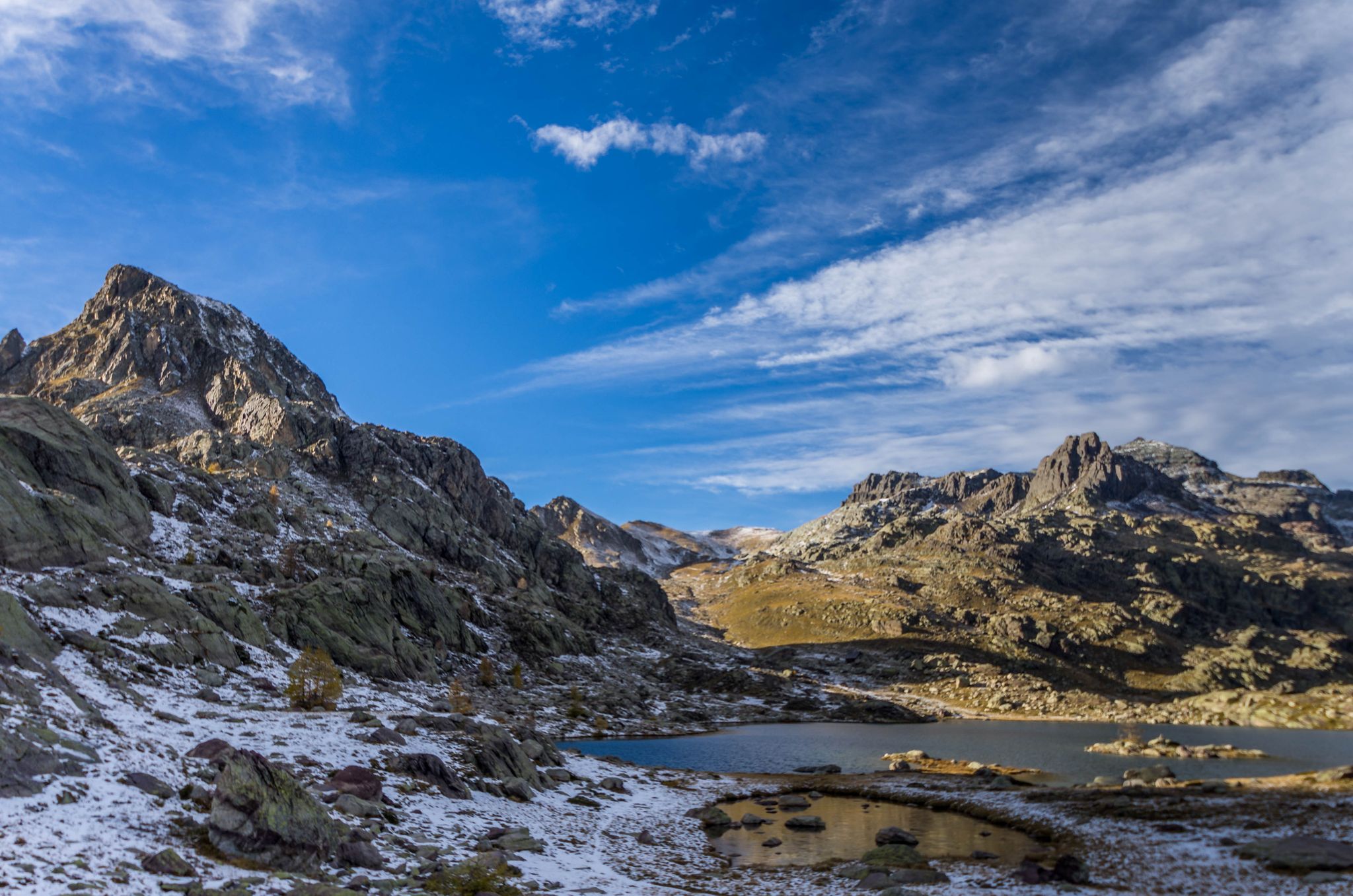
Europe Trail (GR 5) – Hike from Nice to Saint-Étienne-de-Tinée
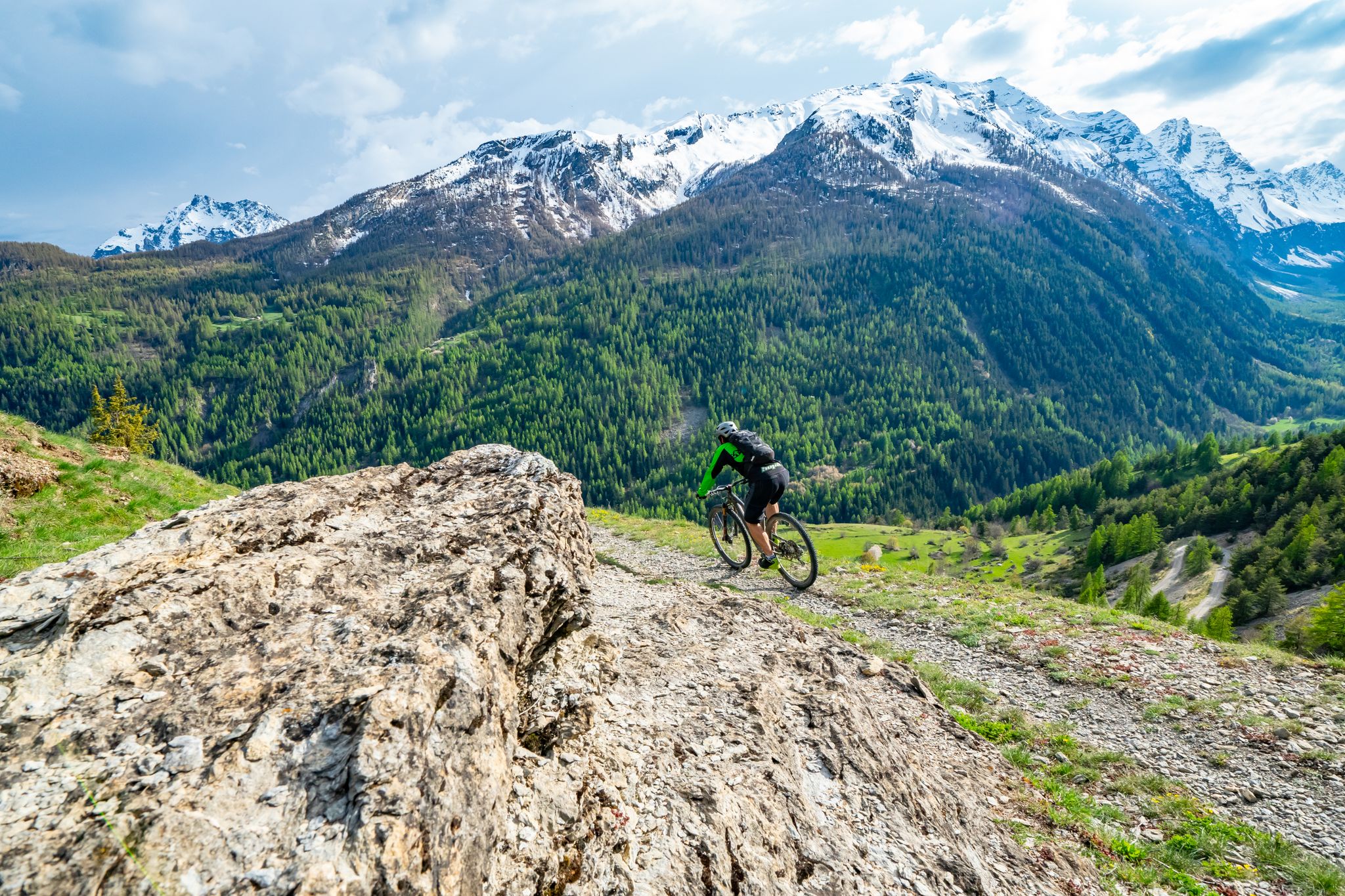
Seven MTB routes in the Southern Alps – nature, passes and valleys
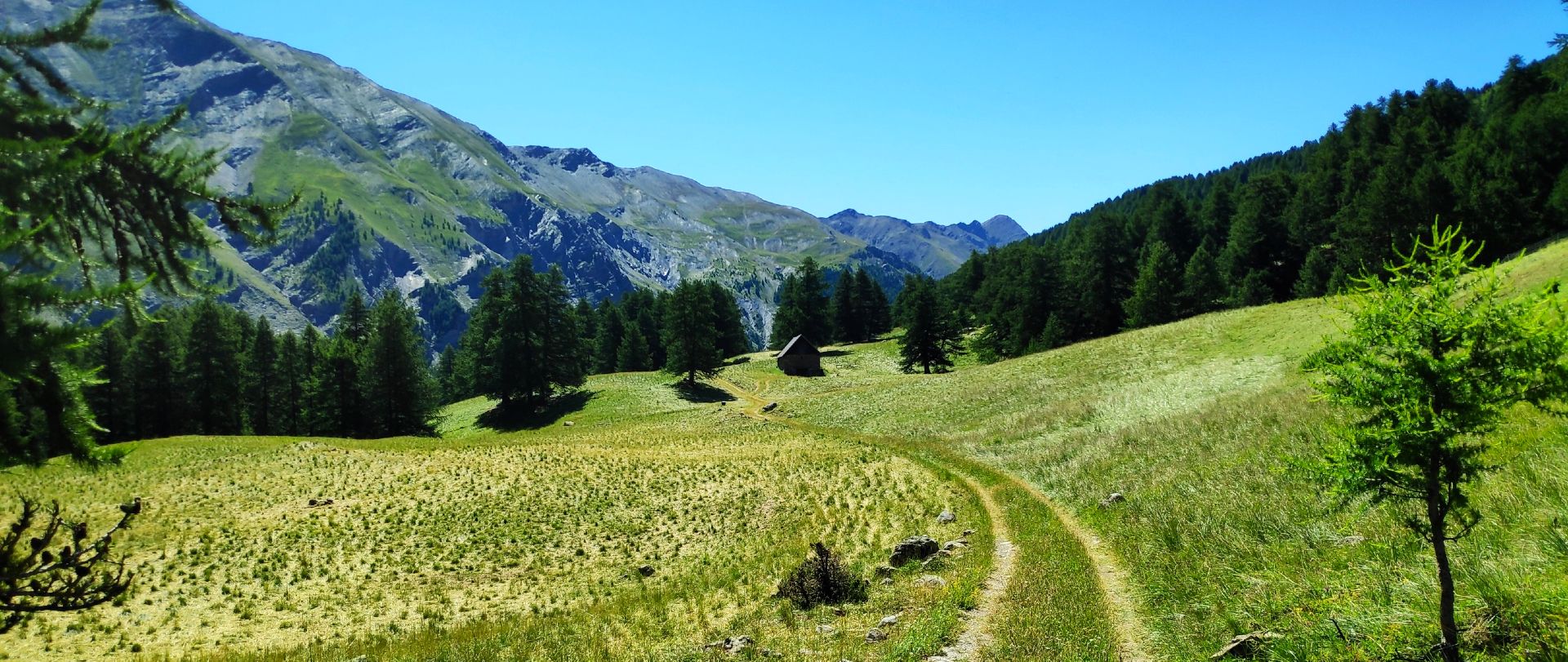
MTB Tour of the Ubaye Valley – La Transubayenne
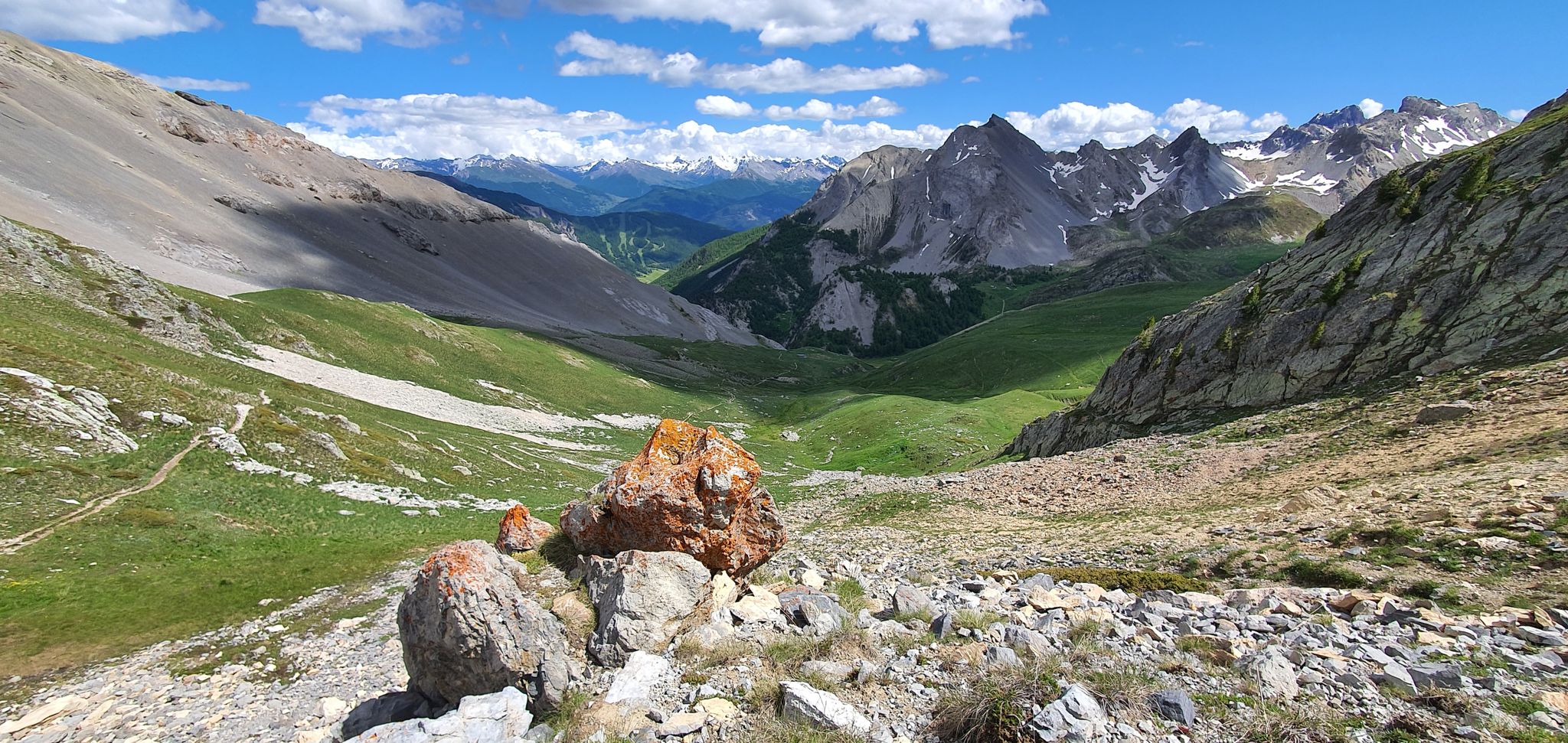
Hike from Saint-Étienne-de-Tinée to Briançon – Europe Trail (GR 5)
Crossing the Mercantour National Park – GR 52
Mountains and marmots — France’s Ubaye trail (GR 56)
High mountain escapades — 15 peaks over 3,000m in the Alps
MigrAction – Generations in Motion
France — two weeks of hiking at its best!
The most beautiful MTB and hiking tours in the French Maritime Alps
Other adventures in Mercantour


Tips from the Community

I rode up to the Col de Moutiere from Saint Etienne via Saint Dalmas, and then took the 3km of gravel road link to the Col de la Bonette. I returned to Saint Etienne via the more classic D64. It makes for a much quieter, wilder and steeper ascent, with a better (but busier) road surface and more gradual decline for the D64 descent. Also this way it's a loop and you see more of the incredible scenery. The 3km gravel section is very doable with my moutain bike (i would rate it as a 'blue'). I didnt need to carry or push the bike even though some parts were boken up by small water crossings. I was overtaken by a motorbike at one point. Be careful of the weather here, especially the potentially violent afternoon thunderstorms. There is no shelter nearby
0
0

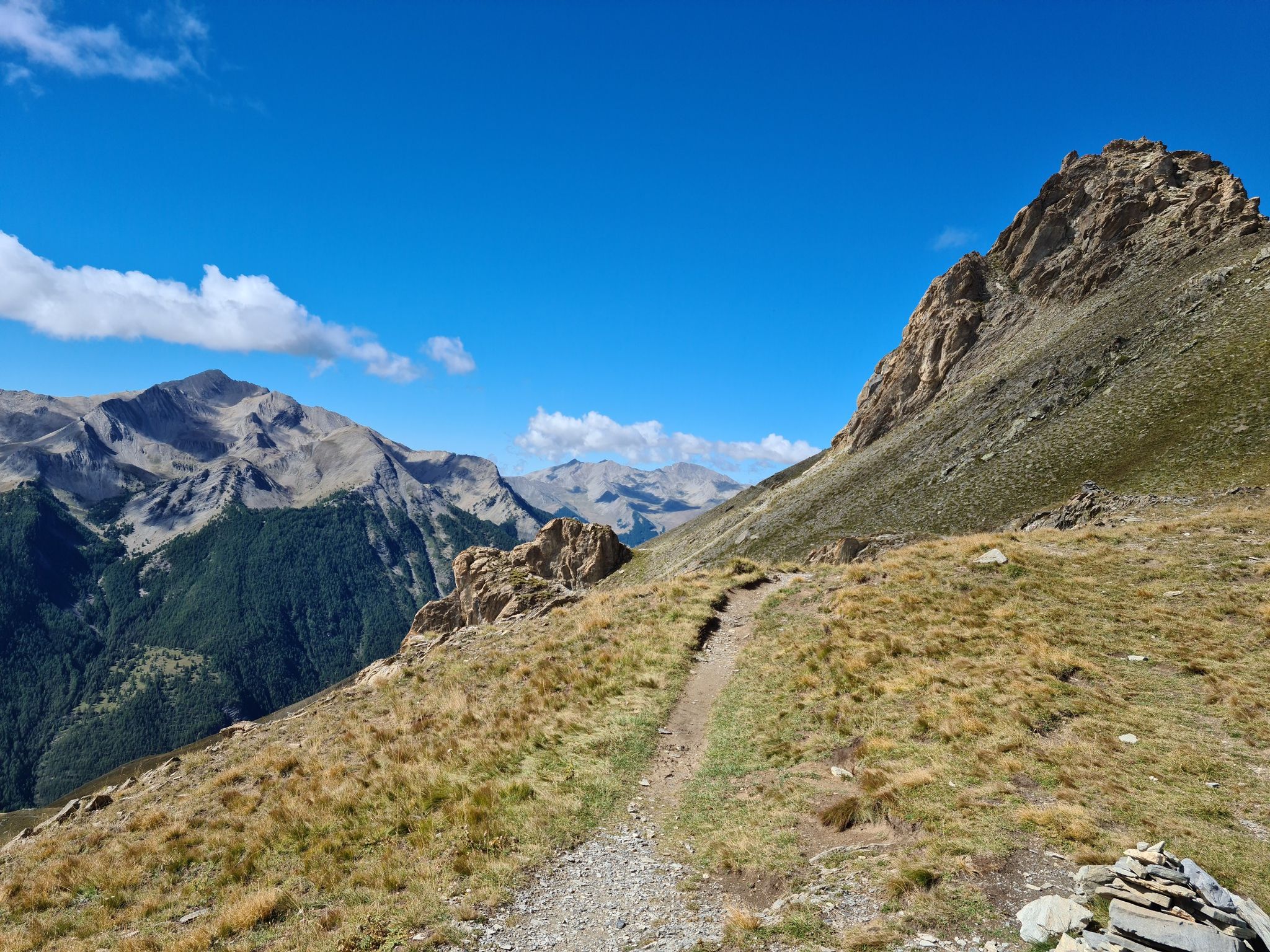
If there were a ranking of the most beautiful, undiscovered Alpine passes in the cycling world, the Moutière would certainly be a contender. Starting from Saint-Dalmas-le-Selvage, the climb through the valleys of Sestrière and Sagnas is simply sublime.
1
0

The Col de la Moutière is located in Provence-Alpes-Cote d'Azur. This climb is part of the Alps. From Saint Etienne de Tinée, the Col de la Moutière is 18.3 km long. Over this distance 1300 altimeters are bridged. The average slope of the rise is, therefore, 7.1%. You can check the current traffic and winter situation on the Col de la Moutière in Provence-Alpes-Cote d'Azur on Bison futé.
1
0
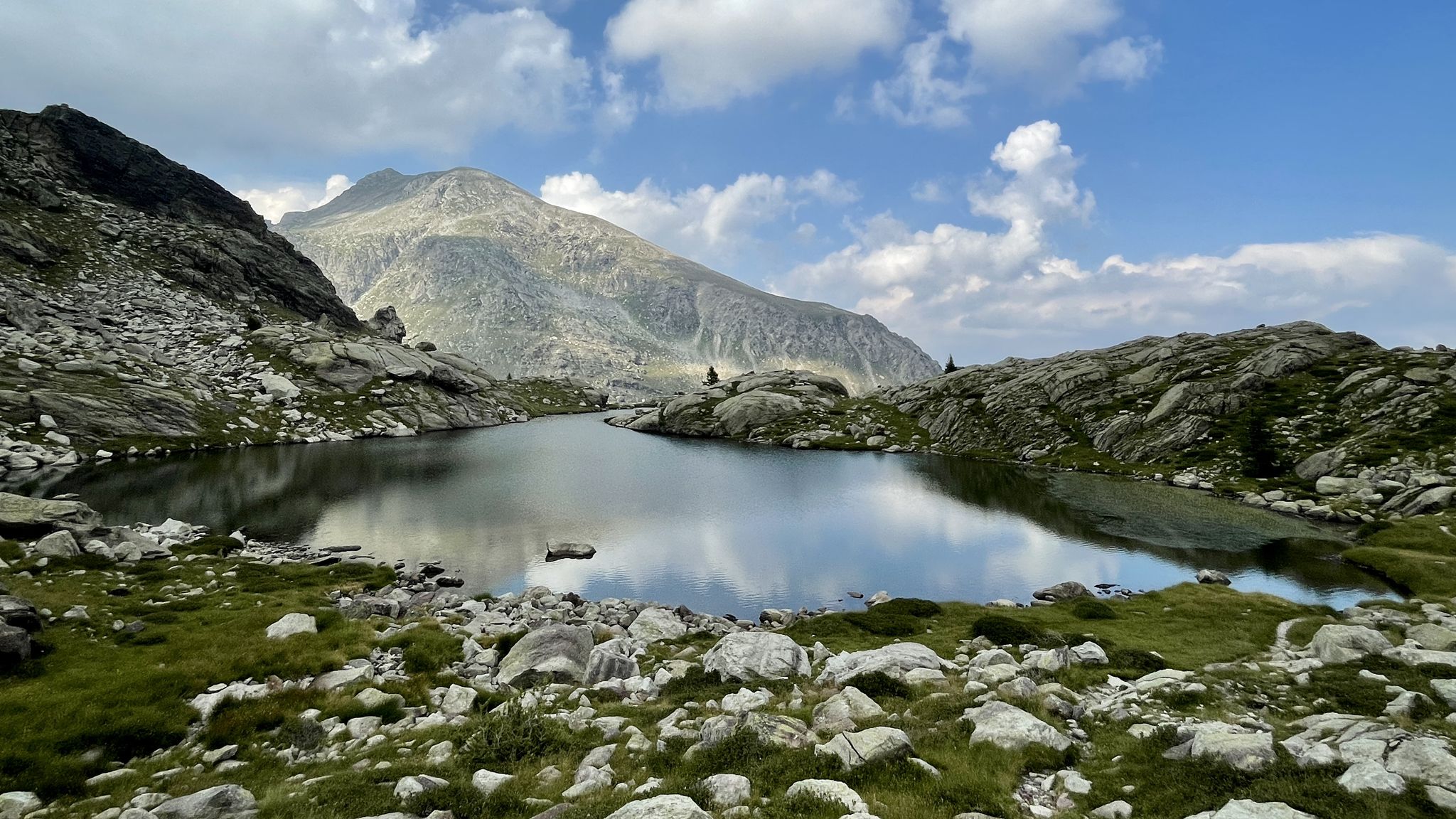
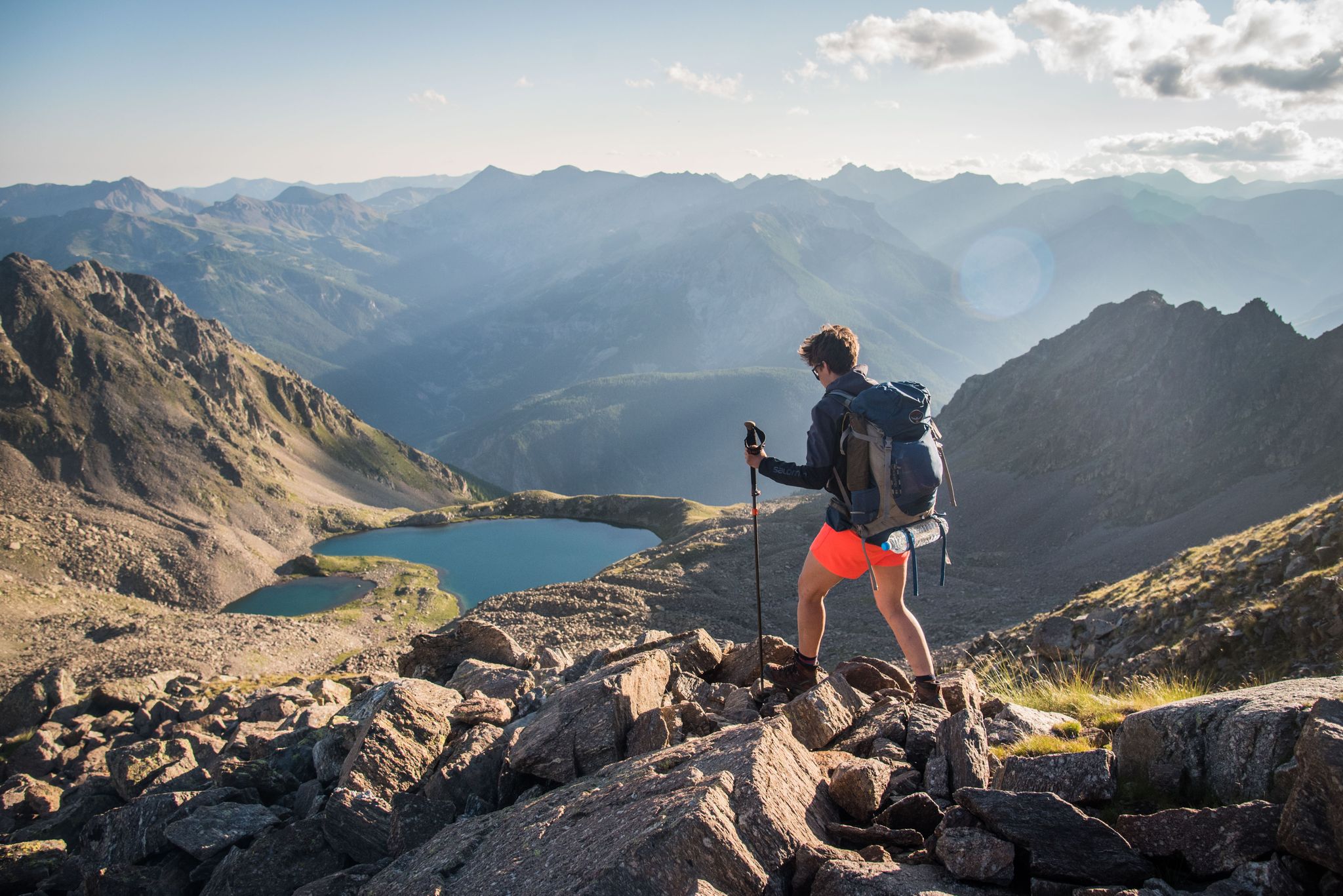
In the town of Saint-Etienne de Tinée, in the heart of the Mercantour National Park, the Vens Lakes refuge offers a mountain setting typical of the Maritime Alps. The Vens refuge is located in one of the most prestigious places in the Mercantour Park. It is located in an environment of natural lakes, waterfalls in an old glacial cirque, rich alpine meadows and varied fauna (mountain sheep, chamois, eagles, etc.).
0
0
Located west of Mont Bego and at more than 2,000 m above sea level, the Vallée des Merveilles offers the austere beauty of a mineral and chaotic landscape, at the foot of imposing peaks reflected in multiple lakes with evocative names. There are particularly emblematic engravings, depicting themes that combine everyday life and beliefs. On the eastern slope of Mount Bego, the Fontanalba valley shows its engraved rocks in an open and welcoming place where the flora reveals all its richness. The engravings illustrate the pastoral life of the first shepherds of the Neolithic and Bronze Age, as demonstrated by the famous “sacred path”. Classified as a Historical Monument since 1989, the archaeological area of the Mont Bego rock engravings, straddling the two valleys, offers numerous discoveries, both historical and landscape, natural and cultural: welcome to one of the largest rock engraving sites in Europe . !
1
0


Prices a bit above average, but that's how it is in refuges, the views are top top
0
0

From Colle della Moutiere 3.5 km of easy uphill dirt road lead you to Col de la Bonnette.
0
0
Frequently Asked Questions
What unique geological formations can I explore in Mercantour?
Mercantour National Park is renowned for its dramatic geological features. You can explore the spectacular red shale walls of the Gorges de Daluis, often called the 'Colorado of Nice,' carved by the Var River. Similarly, the Gorges du Cians offer another impressive display of vibrant red rock formations, with sections like the 'Petite Clue' and 'Grande Clue' providing remarkable viewpoints. These gorges showcase a stunning contrast between the blue rivers and the warm, wine-red rocks.
Are there any significant historical or archaeological sites among Mercantour's natural monuments?
Absolutely. The Petroglyphs of the Vallée des Merveilles is an invaluable archaeological treasure. This ancient glacial valley holds over 40,000 rock engravings, dating back to the late Neolithic and Bronze Age, making it one of Europe's largest rock carving sites. These carvings depict animals, symbols, and human figures, offering a unique glimpse into ancient civilizations.
What are some of the most impressive high-altitude lakes in Mercantour?
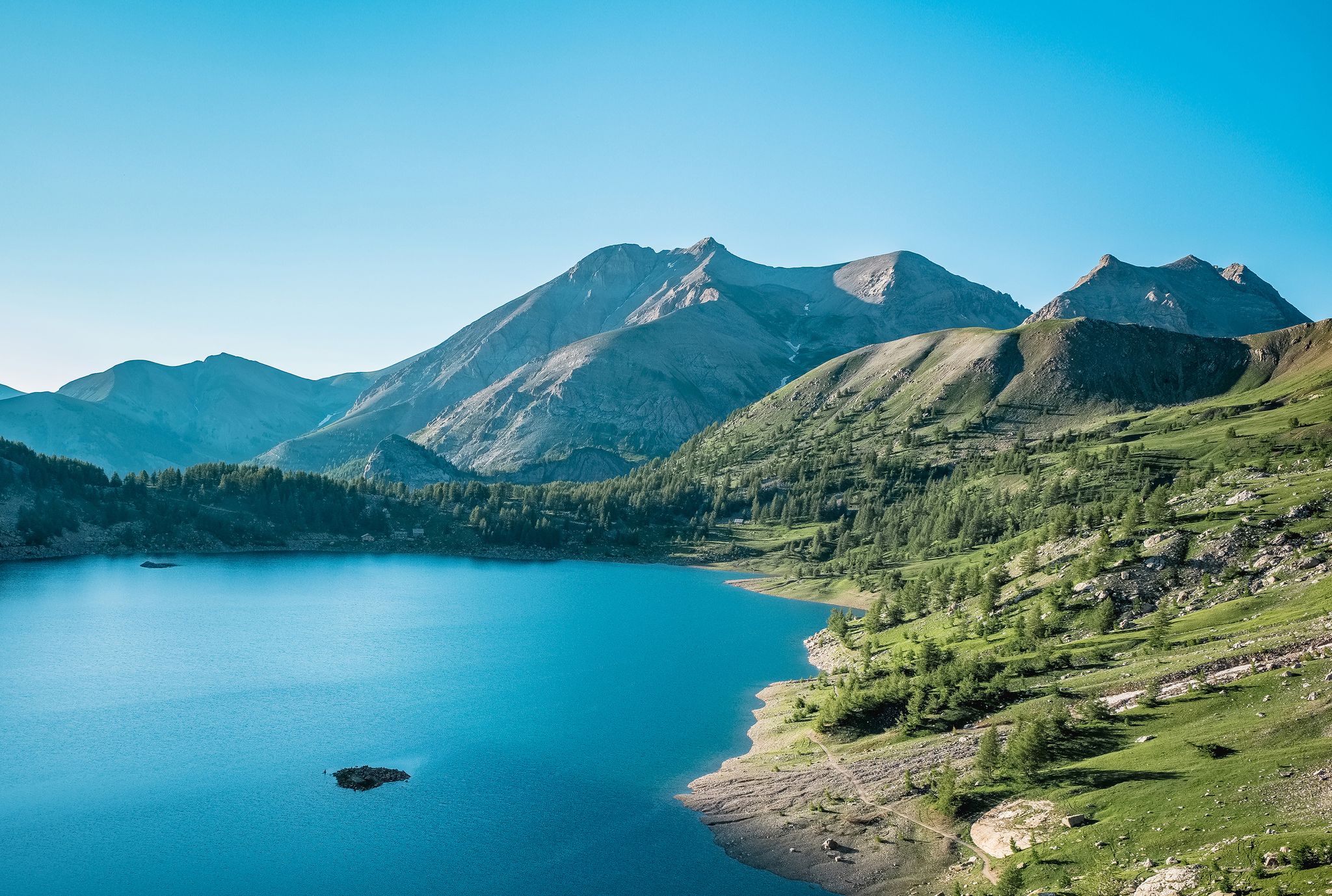
Mercantour is home to stunning alpine lakes. The most prominent is Lac d'Allos, Europe's largest natural high-altitude lake, situated at 2,228 meters. Its stunning turquoise color, surrounded by peaks like Mont Pelat, offers a magnificent spectacle. You can also find beautiful lakes near Refuge de Vens, providing a magical place with serene views.
What kind of wildlife can I expect to see around Mercantour's natural monuments?
The Mercantour National Park is rich in biodiversity. Around the Vallée des Merveilles, you might spot ibex, chamois deer, and marmots known for their distinctive whistles, alongside a variety of unique alpine wildflowers. The park's diverse habitats support a wide range of species, making it a great place for wildlife observation, especially in quieter areas and during early morning or late afternoon.
Are there family-friendly natural monuments or activities in Mercantour?
Yes, Mercantour offers several options suitable for families. The area around Lac d'Allos is ideal for hiking, with a discovery trail that circles the lake and is suitable for beginners, offering exceptional flora and fauna. While exploring the Petroglyphs of the Vallée des Merveilles, guided tours are recommended, which can be a fascinating educational experience for older children interested in history and nature.
What is the best time of year to visit the natural monuments in Mercantour?
The best time to visit Mercantour's natural monuments is generally from late spring to early autumn (May to October). During these months, the weather is milder, trails are more accessible, and the alpine flora is in bloom. For high-altitude areas like the Vallée des Merveilles or Lac d'Allos, summer (July-August) offers the most reliable conditions, though guided tours for the petroglyphs are recommended. Some mountain passes, like Cayolle Pass, are only open seasonally due to snow.
What outdoor activities can I do near these natural monuments?
The Mercantour region offers a wide range of outdoor activities. You can enjoy various types of hiking, from easy walks around lakes like Lac d'Allos to challenging ascents to summits like Cime du Diable. The area is also popular for cycling, with mountain passes like Cayolle Pass offering remarkable panoramas. For more ideas, explore easy hikes, waterfall hikes, or gravel biking routes in Mercantour.
Are there specific regulations or permits needed to visit certain natural monuments?
Yes, particularly for sensitive areas. For instance, in the Vallée des Merveilles, going off-piste in protected areas is restricted to licensed guides to preserve the archaeological sites. It's always advisable to check with local tourist offices or the Mercantour National Park authority for the latest regulations, especially regarding access, trekking poles (some areas require rubber stoppers), and staying on marked paths.
What do visitors enjoy most about the natural monuments in Mercantour?
Visitors frequently praise the breathtaking scenery and the sense of tranquility. Many appreciate the remarkable panoramas from mountain passes like Cayolle Pass and Moutière Pass. The unique historical significance of sites like the Petroglyphs of the Vallée des Merveilles also leaves a lasting impression, offering a blend of natural beauty and ancient culture.
Can I find accommodation or amenities near the natural monuments?
While many natural monuments are in remote areas, you can find refuges and small villages nearby. For example, Refuge de Vens offers a place to stay near a lake and viewpoint, often guarded during summer months. Larger towns surrounding the park, such as Saint-Étienne-de-Tinée, provide more extensive amenities, including accommodation, cafes, and restaurants. It's recommended to plan ahead, especially for stays within the park.
Are there any natural monuments that offer challenging hikes for experienced trekkers?
For experienced trekkers, the ascent to Cime du Diable is highly recommended for its rewarding all-round visibility. This challenging hike involves steep sections and rocky terrain, but the views from the summit are spectacular. Similarly, reaching high-altitude passes like Moutière Pass can involve difficult climbs, offering stunning vistas for those seeking a strenuous adventure.
Most popular routes in Mercantour
Most popular attractions in Mercantour

Get inspired with the komoot mobile app


Explore more
Extend your search for the best caves by checking out these guides of the top ones in Mercantour:
