Top 8 Natural Monuments in Sierra Blanca
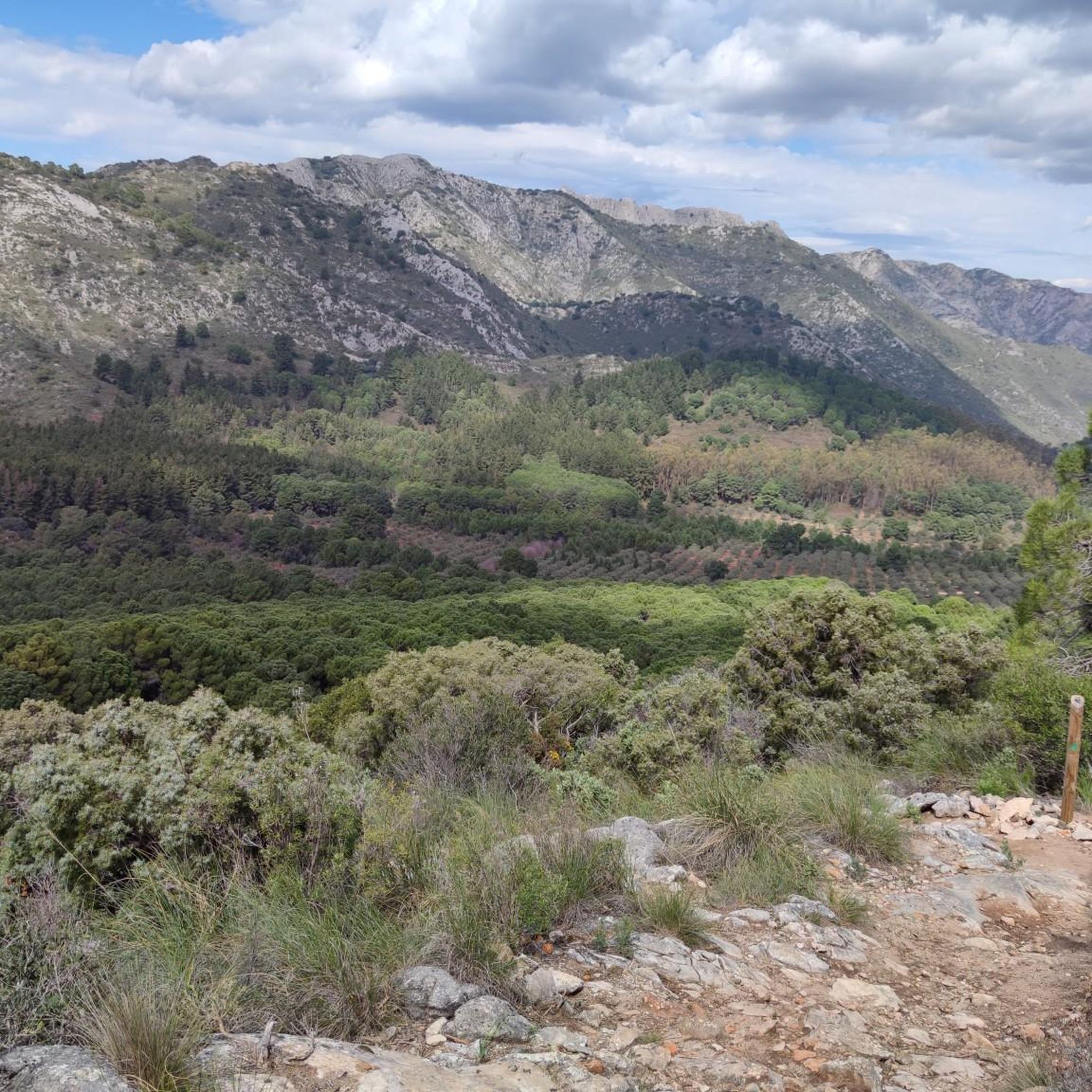
Best natural monuments in Sierra Blanca are found in a mountain range in Andalusia, Spain, known for its unique geological formations and diverse ecosystems. The range is largely composed of various masses of marble, contributing to its distinctive appearance. It features a Mediterranean climate and supports varied vegetation, including cork oaks, pine, and aromatic plants. The area is part of a UNESCO Biosphere Reserve, preserving its natural landscape.
Best natural monuments in Sierra Blanca
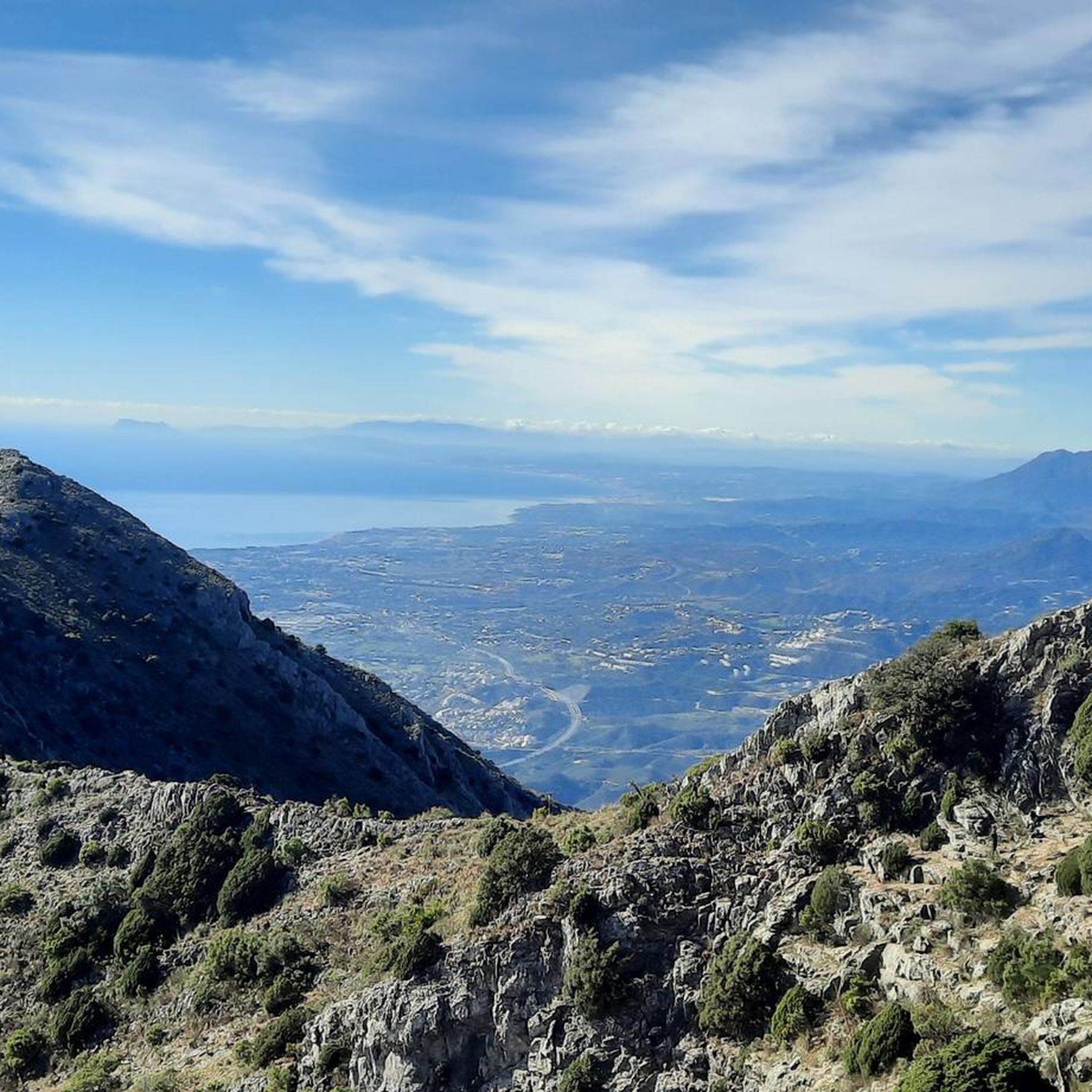
- The most popular natural monuments is La Concha Peak, a summit that offers panoramic views across the Mediterranean Sea, Gibraltar, and North Africa. This challenging mountain hike provides a unique perspective of Andalusia.
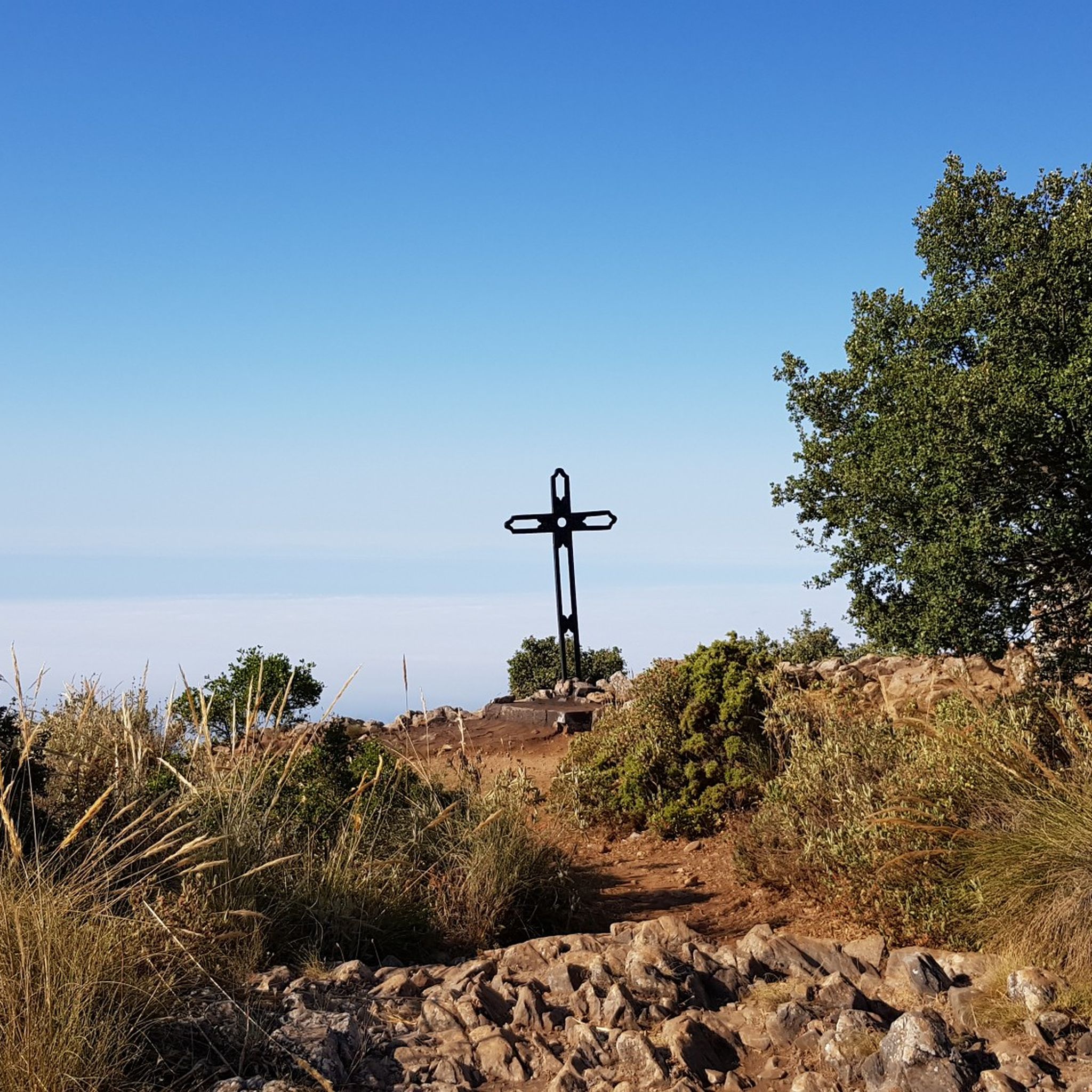
- Another must-see spot is Cruz de Juanar, a summit offering spectacular views of Marbella and, on clear days, the mountains of Ceuta. This challenging route provides expansive vistas of the surrounding landscape.
- Visitors also love Puerto Rico Caves, a series of small caves providing shade and views over the valley and the sea. From here, the coast of Africa is visible on clear days.
- Sierra Blanca is known for its summits, rivers, and caves. The region offers a variety of natural monuments to see and explore, from high peaks to water sources and geological formations.
- The natural monuments in Sierra Blanca are appreciated by the komoot community, with 9 highlights receiving 76 upvotes and featuring 42 photos.
Last updated: May 15, 2026
La Concha Peak
Highlight • Summit
Translated by Google •
Tip by

Source of the Río Molinos
Highlight • River
Translated by Google •
Tip by

Sign up now to discover places like this
Get recommendations on the best single tracks, peaks, & plenty of other exciting outdoor places.
Sign up for free
Pico del Tajo Negro
Highlight • Summit
Translated by Google •
Tip by

Cruz de Juanar
Highlight • Summit
Were there in the summer. Set off extra early and packed plenty of water. Otherwise it would hardly have been possible.
Translated by Google •
Tip by

Puerto Rico Caves
Highlight • Cave
Translated by Google •
Tip by

Sign up for free to discover even more natural monuments in Sierra Blanca.
Sign up for free
Already have an account?
Start today with a free account
Your next adventure awaits.
Login or Signup

Tips from the Community

Notable karst caves, which also provided us with shelter from the rain that set in.
0
0

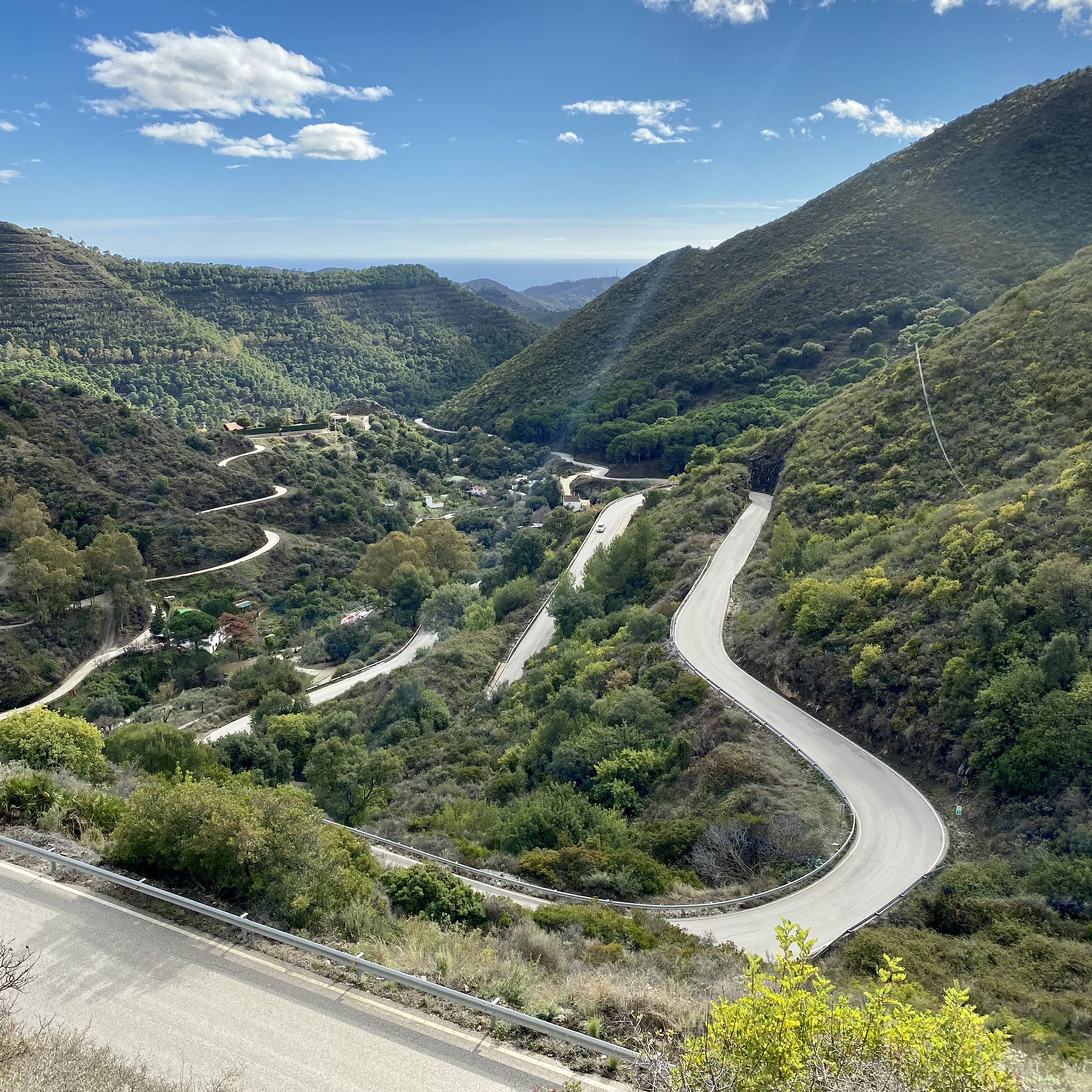
Charming place at the start of the route
0
0

Excellent views over Marbella...
0
0

La Concha is a wonderful goal for a stunning view and hike. Two considerations: When it is very sunny, you’ll be exposed to the sun pretty much all the time. Sunscreen and a hat are most definitely necessary. There are two great starting points: one from Istan (more elevation) and one from the Refugio (less elevation, starts in a forest). I have done both hikes and would recommend to start with the one from Refugio: https://www.komoot.com/de-de/tour/2144328300
4
1


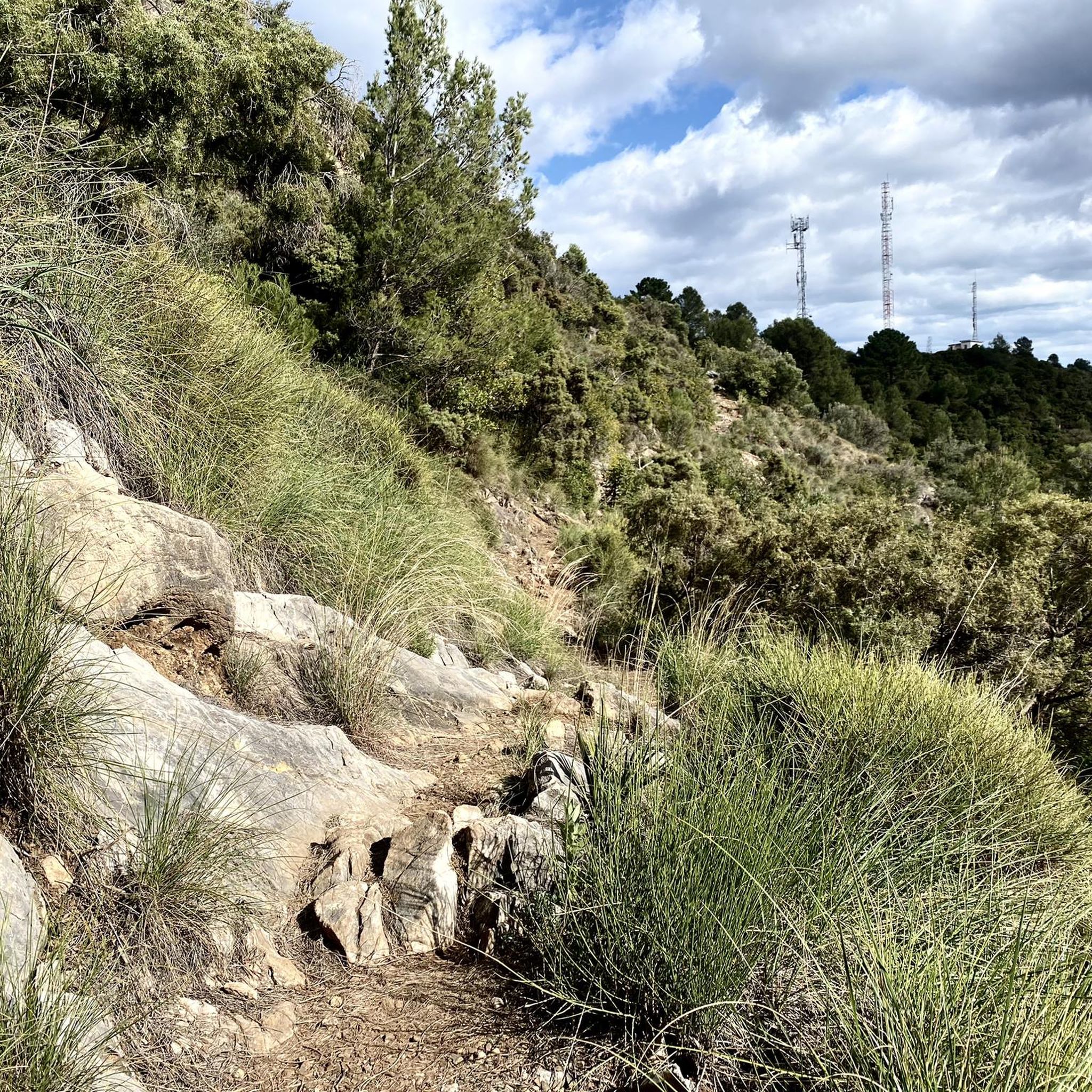
Little used, great views, quite a bit of scrambling
1
0


Frequently Asked Questions
What are some of the most popular natural monuments to visit in Sierra Blanca?
Among the most popular natural monuments in Sierra Blanca is La Concha Peak, known for its panoramic views across the Mediterranean Sea, Gibraltar, and North Africa. Another highly regarded spot is Cruz de Juanar, which offers spectacular vistas of Marbella and, on clear days, the mountains of Ceuta. Visitors also enjoy the Puerto Rico Caves, providing shade and great views over the valley and the sea.
What unique natural features define the Sierra Blanca range?
The Sierra Blanca range is largely composed of various masses of white marble, which gives the mountains their distinctive name. It boasts a Mediterranean climate and diverse vegetation, including cork oaks, pine, chestnut, cherry, and eucalyptus trees, alongside various herbs and aromatic plants. The area is also part of a UNESCO Biosphere Reserve, highlighting its unique ecosystem.
What kind of views can I expect from the natural monuments in Sierra Blanca?
Many natural monuments in Sierra Blanca offer breathtaking panoramic views. From summits like La Concha Peak and Cruz de Juanar, you can see across the Mediterranean Sea, Gibraltar, and even North Africa on clear days. Pico del Tajo Negro also provides excellent views towards the coast of Marbella and the interior of the Sierra de las Nieves Park.
Are there challenging hikes to natural monuments in Sierra Blanca?
Yes, several natural monuments in Sierra Blanca are reached via challenging routes. The hike to La Concha Peak is a demanding mountain hike best suited for experienced hikers. Similarly, the route to Cruz de Juanar is challenging, especially the section from the ibex, where hiking sticks are very helpful. Pico del Tajo Negro also involves some scrambling.
Are there family-friendly natural monuments or activities in Sierra Blanca?
The Source of the Río Molinos is a family-friendly natural monument. This recreational area features a great waterfall and fresh spring water, making it a pleasant place to stop, cool off, and enjoy nature. It's an ideal spot for a break, especially during warmer months.
What outdoor activities can I do near the natural monuments in Sierra Blanca?
Beyond exploring the natural monuments themselves, Sierra Blanca offers a variety of outdoor activities. You can find numerous hiking trails, ranging from easy to difficult, allowing you to explore the diverse landscapes. For cyclists, there are also dedicated MTB trails, and for those seeking higher challenges, mountain hikes are available.
What is the best time of year to visit the natural monuments in Sierra Blanca?
Due to its Mediterranean climate, Sierra Blanca can be visited year-round. However, for challenging hikes to summits like La Concha Peak or Cruz de Juanar, it's advisable to visit during spring or autumn to avoid the intense summer heat. If visiting in summer, set off extra early and carry plenty of water. The cooler months offer pleasant hiking conditions.
What should I wear or bring when hiking to these natural monuments?
For challenging routes, it's recommended to wear appropriate hiking footwear and bring plenty of water, especially during warmer months. Some trails, like the one to Cruz de Juanar, can be demanding, so hiking sticks are very helpful. Sun protection, snacks, and layers of clothing are also advisable for varying conditions.
Is wildlife spotting possible in Sierra Blanca?
Yes, the Sierra Blanca range is home to diverse wildlife. Visitors may have the opportunity to spot animals such as mountain goats, foxes, and various bird species, including eagles. The area's status as a UNESCO Biosphere Reserve helps protect these natural habitats.
Are there any less crowded natural monuments to explore in Sierra Blanca?
While popular spots attract many visitors, Pico del Tajo Negro is noted as being 'little used,' offering a potentially quieter experience with great views towards the coast of Marbella and the interior of the Sierra de las Nieves Park. It's a good option if you prefer a more secluded adventure.
Are there any natural monuments that offer shade or a place to rest?
Yes, the Puerto Rico Caves provide natural shade, making them an ideal spot to rest while enjoying views over the valley and the sea. The Source of the Río Molinos also offers a pleasant recreational area with cool spring water, perfect for a refreshing break.
What do visitors particularly enjoy about the natural monuments in Sierra Blanca?
Visitors frequently highlight the spectacular panoramic views from the summits, often stretching across the Mediterranean to Gibraltar and Africa. The challenging yet rewarding nature of hikes to peaks like La Concha Peak is also a major draw. The refreshing spring water and pleasant atmosphere at spots like the Source of the Río Molinos are also highly appreciated.
Most popular routes in Sierra Blanca
Most popular attractions in Sierra Blanca

Get inspired with the komoot mobile app


Explore more
Extend your search for the best caves by checking out these guides of the top ones in Sierra Blanca:
