The best traffic-free bike rides in Sierra Blanca
3.9
(9)
221
riders
10
rides
No traffic gravel bike trails in Sierra Blanca are characterized by a diverse landscape of coastal hills, Mediterranean forests, and significant elevation changes. This region, located near Marbella in Spain, offers challenging routes through mountainous terrain. Gravel bikers can expect paths that traverse natural features such as river valleys and reservoirs, providing varied riding experiences. The area's geology includes limestone formations and dense woodlands, creating a scenic backdrop for off-road cycling.
Best no traffic gravel bike trails in Sierra Blanca
…Last updated: June 29, 2026
8
riders
67.3km
05:48
1,560m
1,570m
Hard gravel ride. Very good fitness required. Mostly paved surfaces. Suitable for all skill levels.
3.0
(1)
6
riders
41.0km
03:01
1,020m
1,020m
Hard gravel ride. Very good fitness required. Mostly paved surfaces. Suitable for all skill levels.

Sign up for free
8
riders
37.8km
02:41
580m
580m
Hard gravel ride. Very good fitness required. Mostly paved surfaces. Suitable for all skill levels.
17
riders
55.5km
04:41
1,370m
1,370m
Hard gravel ride. Very good fitness required. Mostly paved surfaces. Suitable for all skill levels.
5.0
(1)
9
riders
39.2km
03:22
1,010m
1,010m
Hard gravel ride. Very good fitness required. Mostly paved surfaces. Suitable for all skill levels.
Get access to more routes and recommendations from other explorers.
Sign up for free
Already have an account?
Our route recommendations are based on thousands of hikes, rides, and runs completed by other people on komoot.
Start today with a free account
Your next adventure awaits.
Login or Signup
Popular around Sierra Blanca
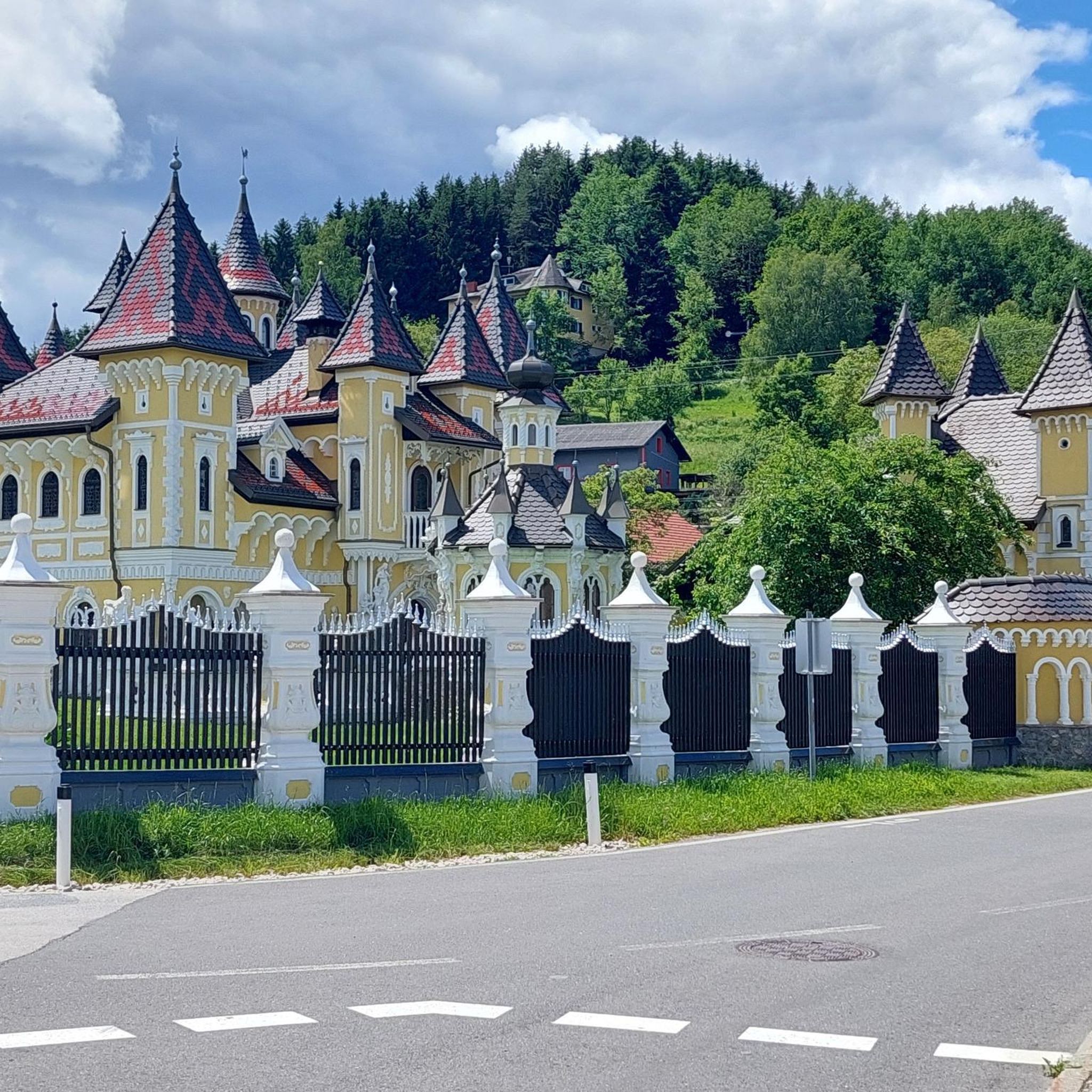
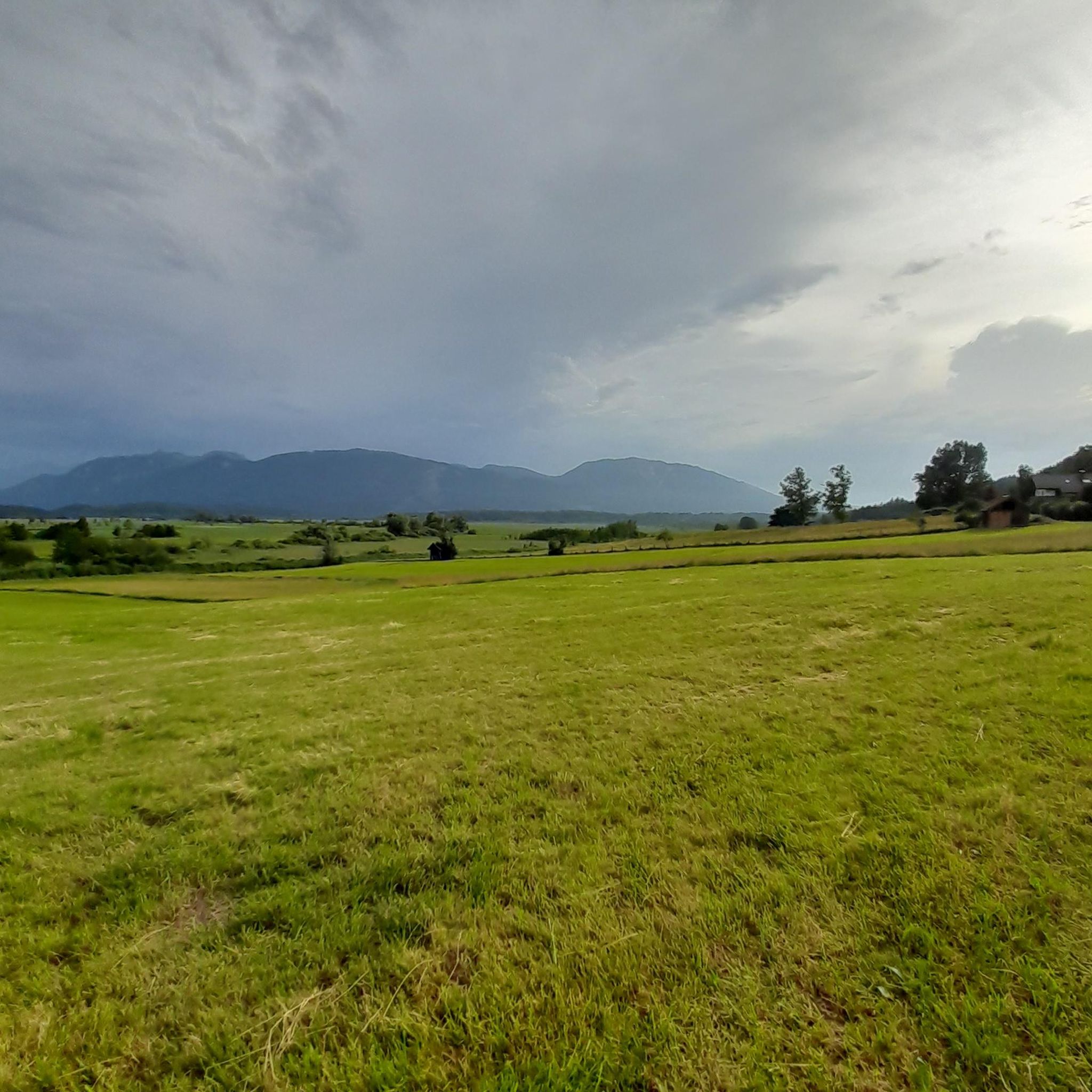
Tips from the Community

Here I started my circular route through the Sierra de las Nieves National Park, dare to follow me on my path.
0
0

Beautiful when it has water. Nice bike route bordering the mountain range.
0
0
Charming place at the start of the route
0
0


The Church of the Incarnation (Iglesia de la Encarnación) is the most important and largest church in Marbella's old town and is considered one of the city's most significant historical buildings. Begun in the 16th century, it was expanded over several centuries, resulting in a blend of Gothic, Renaissance, and, most notably, Baroque styles. The 18th-century Baroque portal, crafted from fine limestone and framed by sculptural decoration and two columns, is particularly striking. The imposing bell tower, which dominates the cityscape, also dates from the 18th century. Inside, the church has a three-aisled basilica layout with tall columns and richly decorated chapels. A remarkable work of art is the monumental organ, installed in 1975, which is among the largest in Andalusia. Many elements of the interior furnishings were acquired from older chapels or stately homes after the Christian reconquest of the region. The church stands on the site of the former main Muslim mosque, the remains of which were discovered during archaeological investigations – a testament to Marbella's long cultural and historical development. Today, the Iglesia de la Encarnación is the city's religious center and the focal point of many traditional processions, festivals, and religious celebrations, especially during Semana Santa (Holy Week).
2
0
The Albero route between Marbella and Estepona is a varied coastal path that largely follows the promenade and the Senda Litoral (coastal path). The terrain alternates between firm natural ground, wooden boardwalks, paved sections, and sandy paths, creating a diverse landscape. It frequently runs directly along the sea, offering unobstructed views of the coastline and the mountain panorama in the hinterland. Along the way, you'll pass quiet beaches, small coves, well-maintained promenades, and numerous beach restaurants, perfect for a break. The route is generally easy to moderately challenging and suitable for both hiking and leisurely cycling.
1
0

beautiful and very peaceful landscapes
0
0

Beautiful cycle path along the coast, be careful, in some places it is very busy.
0
0
Frequently Asked Questions
How many no-traffic gravel bike trails are available in Sierra Blanca?
There are 8 dedicated no-traffic gravel bike trails in the Sierra Blanca region, all offering a challenging and rewarding experience for cyclists looking to escape busy roads.
What is the typical terrain and difficulty for gravel biking in Sierra Blanca?
The gravel trails in Sierra Blanca are generally considered difficult, featuring significant elevation changes. For instance, the Ojén Caves – Nice views loop from Bello Horizonte Alto includes over 1400 meters of ascent, providing a robust workout amidst stunning landscapes. The region's diverse terrain, from coastal views to mountainous paths, ensures a varied and engaging ride.
Are there any family-friendly no-traffic gravel bike trails in Sierra Blanca?
While all the listed no-traffic gravel routes in Sierra Blanca are rated as difficult due to their elevation and distance, experienced families with older children who are comfortable with challenging climbs and long distances might enjoy them. For example, the Alameda Park, Marbella – Marbella Marina loop from Marbella offers a substantial ride with beautiful coastal and mountain views.
What kind of landmarks or viewpoints can I expect to see along these gravel trails?
The no-traffic gravel trails in Sierra Blanca offer numerous opportunities to discover natural beauty and historical sites. You can encounter stunning vistas from Los Gitanos Viewpoint or Corzo Viewpoint. Some routes also pass by significant natural features like the Source of the Río Molinos or offer views of La Concha Peak.
Are there any circular no-traffic gravel bike routes available?
Yes, all the no-traffic gravel bike routes in this guide are circular, allowing you to start and end your ride at the same point. This includes routes like the Steep Climb loop from Cerro de Casablanca, which offers a challenging loop experience without needing to arrange transport back to your starting point.
What is the best time of year for gravel biking in Sierra Blanca?
The Sierra Blanca region, particularly the Spanish areas known for gravel biking, generally offers pleasant conditions for cycling outside of the peak summer heat. Spring (March to May) and Autumn (September to November) are often ideal, with milder temperatures and beautiful scenery. Always check local weather forecasts before heading out.
What do other gravel bikers enjoy most about the no-traffic trails in Sierra Blanca?
The komoot community highly rates the gravel biking experience in Sierra Blanca, with an average score of 5.0 stars. Reviewers often praise the challenging climbs, the rewarding panoramic views, and the sense of immersion in nature away from traffic. The diverse landscapes, from coastal stretches to mountainous paths, are frequently highlighted as a major draw.
Are there any routes that explore natural monuments or unique geological features?
Absolutely. Several routes traverse areas rich in natural monuments. For instance, the Source of the Río Molinos – La Concepción Reservoir loop from San Pedro Alcántara takes you near the Source of the Río Molinos, a significant natural feature. You can also find routes with views of La Concha Peak and even pass by the Puerto Rico Caves.
Can I find cafes or amenities near the no-traffic gravel trails in Sierra Blanca?
While the trails themselves are designed to be traffic-free and immerse you in nature, many routes start or pass near towns and villages where you can find cafes, restaurants, and other amenities. For example, the Seaview – Holy Oak loop from Nueva Andalucía begins close to urban areas, making it convenient to refuel before or after your ride.
What should I wear for gravel biking in Sierra Blanca?
Given the significant elevation changes and varied terrain, it's advisable to wear appropriate cycling gear, including padded shorts, a moisture-wicking top, and layers that can be adjusted for temperature fluctuations. Helmets are essential, and sturdy gravel-specific shoes are recommended. Always carry enough water, snacks, and basic repair tools.
Is it possible to spot wildlife while gravel biking in Sierra Blanca?
Yes, the Sierra Blanca region, particularly its more remote and natural areas, offers opportunities for wildlife spotting. While specific sightings are never guaranteed, keeping an eye out for local bird species, mountain goats, or other small mammals can enhance your experience, especially on quieter, less-trafficked sections of the trails.
Most popular routes in Sierra Blanca
Most popular attractions in Sierra Blanca

Get inspired with the komoot mobile app


Explore more
Browse the best Gravel rides in other regions.
