The best cycling routes in Sierra Blanca
4.5
(187)
3,850
riders
114
rides
Touring cycling in Sierra Blanca offers diverse routes across varied topography, from coastal roads to mountain passes. The region features natural parks, picturesque valleys, and a blend of mountain challenges and scenic coastal rides. Routes often include numerous climbs with varying gradients, providing options for different fitness levels. The terrain is predominantly on paved surfaces, making it suitable for touring cyclists.
Best touring cycling routes in Sierra Blanca
- The most popular touring cycling route is Cuevas de Ojén – Ojén…
Last updated: July 5, 2026
21
riders
30.1km
02:53
800m
800m
Hard bike ride. Very good fitness required. Mostly paved surfaces. Suitable for all skill levels.
19
riders
63.9km
07:07
1,790m
1,790m
Hard bike ride. Very good fitness required. Mostly paved surfaces. Suitable for all skill levels.

Sign up for free
5.0
(1)
16
riders
39.3km
02:51
820m
820m
Hard bike ride. Very good fitness required. Mostly paved surfaces. Suitable for all skill levels.
13
riders
22.1km
02:11
560m
560m
Hard bike ride. Very good fitness required. Mostly paved surfaces. Suitable for all skill levels.
33
riders
75.5km
06:57
1,680m
1,680m
Hard bike ride. Very good fitness required. Mostly paved surfaces. Suitable for all skill levels.
Get access to more routes and recommendations from other explorers.
Sign up for free
Already have an account?
Our route recommendations are based on thousands of hikes, rides, and runs completed by other people on komoot.
Start today with a free account
Your next adventure awaits.
Login or Signup
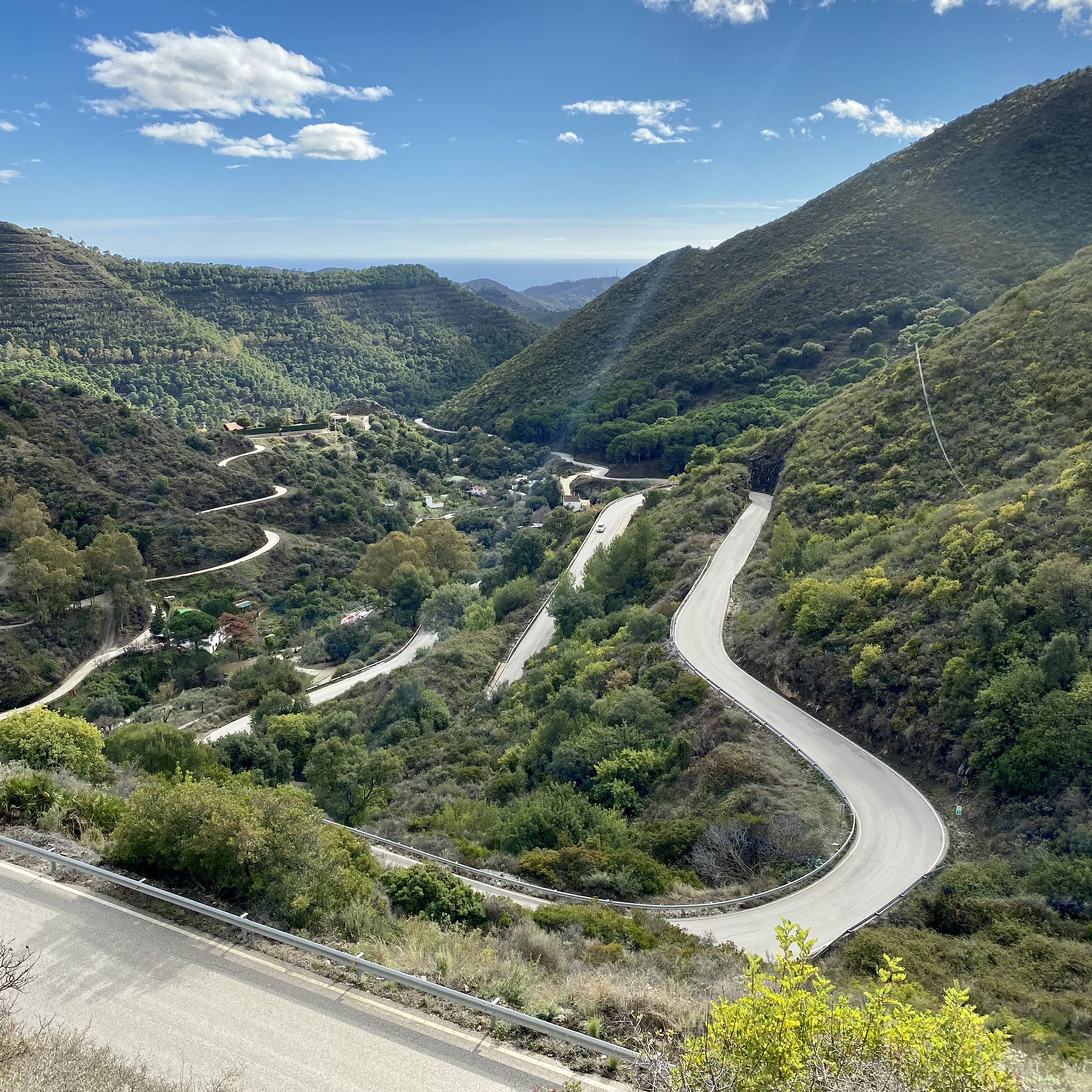
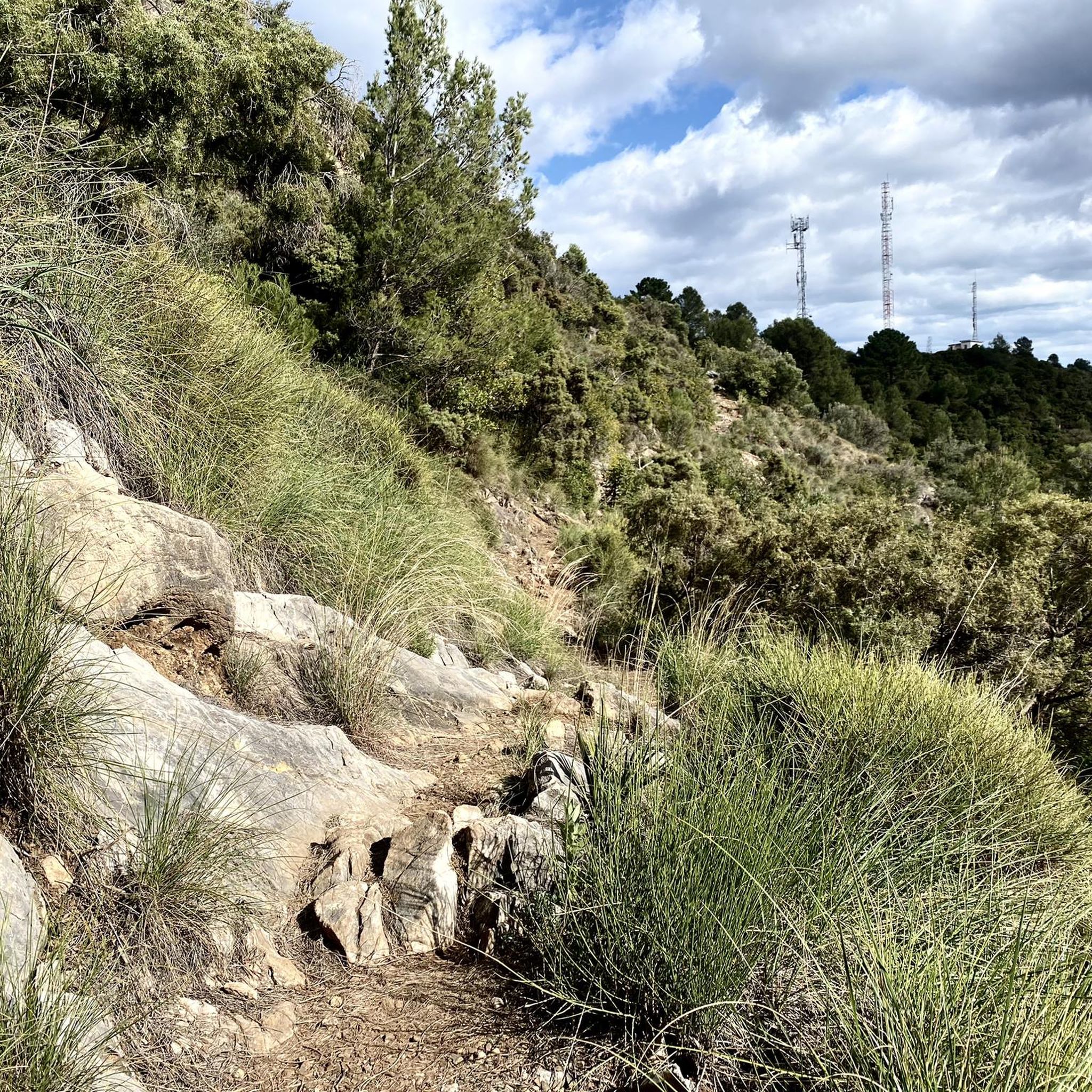
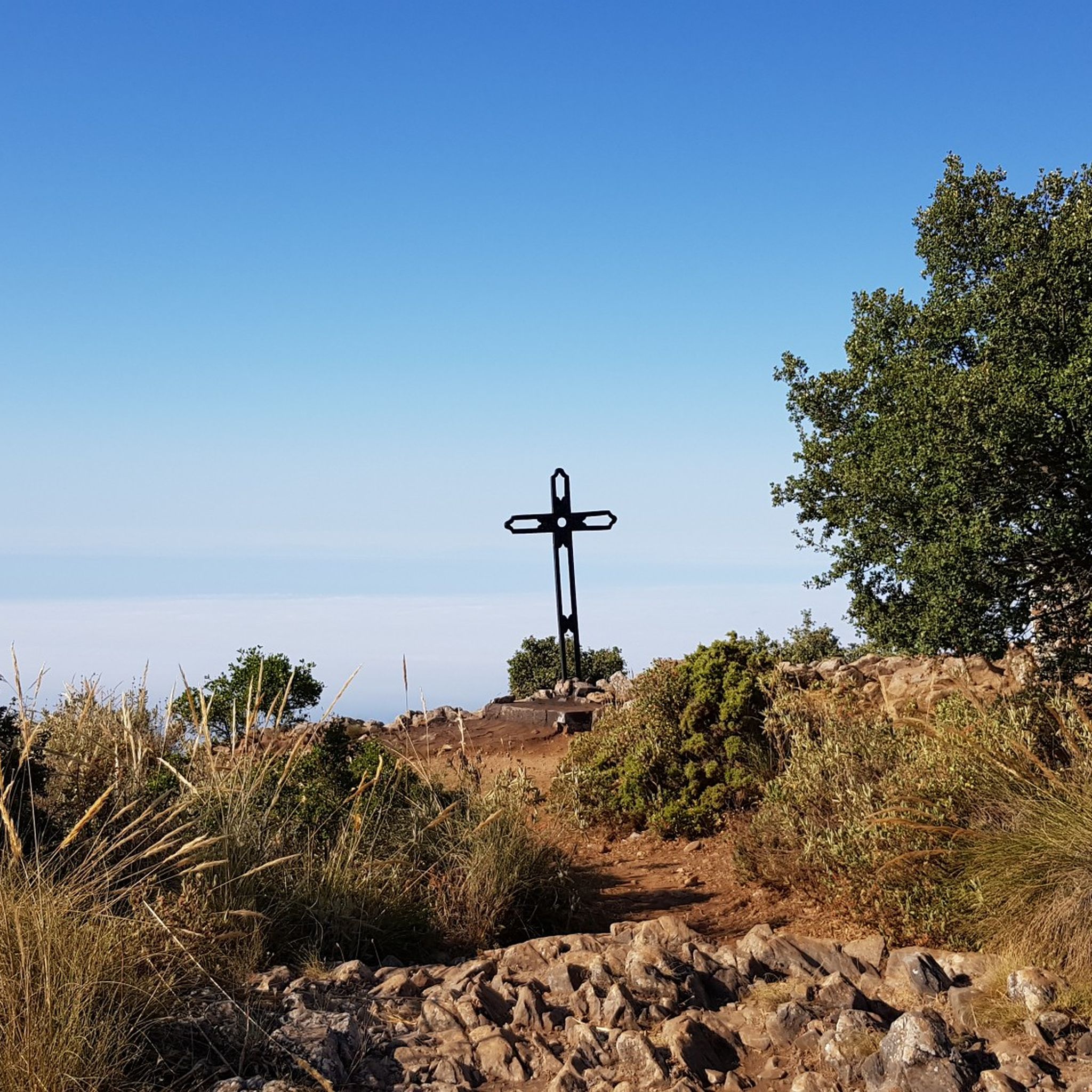
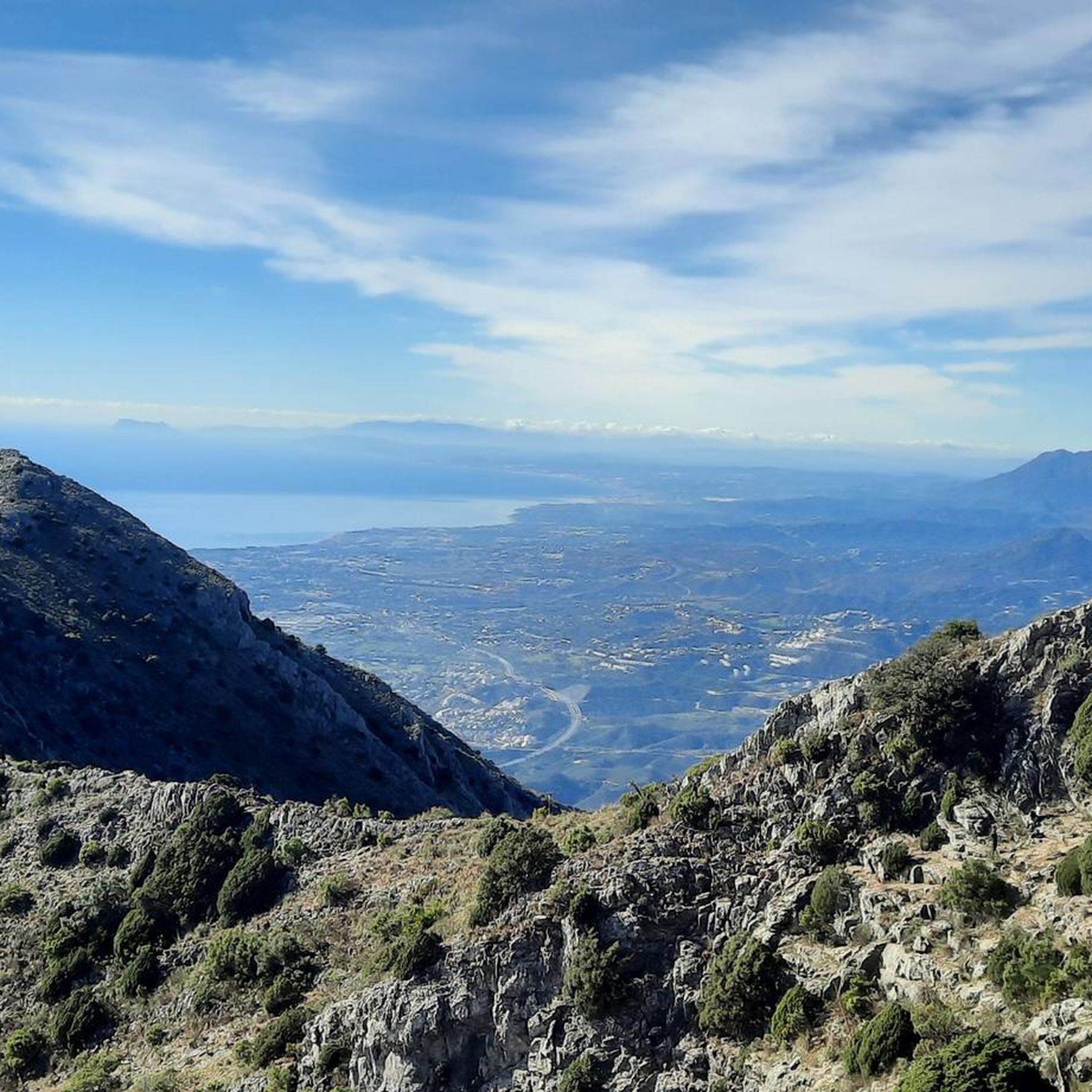

Tips from the Community

Charming place at the start of the route
0
0

It is one of the most prominent features of the walls of the citadel of the medieval medina of Marbella, likely built in the 10th century. is one of the most prominent features of the walls of the citadel of the medieval medina of Marbella, likely built in the 10th century.
0
0

Abandoned house in the middle of nature 🌳
0
0

The town is beautiful and the small pass towards Monda is the most beautiful and quietest stretch of road I found in a week (end of February 25). There might be more traffic in the summer?
0
0

The city is really beautiful.
1
0


Interesting caves that offer a great view of Ojén
1
0
Frequently Asked Questions
How many touring cycling routes are available in Sierra Blanca?
Sierra Blanca offers a wide variety of touring cycling routes, with over 125 options available. These routes cater to different skill levels, including 15 easy, 34 moderate, and 76 difficult paths, ensuring there's something for every touring cyclist.
What is the best time of year for touring cycling in Sierra Blanca?
The Sierra Blanca region, part of Spain's Costa Blanca, is renowned for its consistently sunny and warm climate, making it an ideal destination for touring cycling year-round. Many professional cycling teams use it as a training ground, especially during the winter months, due to the favorable conditions.
What kind of landscapes can I expect to see on a touring cycling route in Sierra Blanca?
Touring cyclists in Sierra Blanca can experience incredibly diverse landscapes. Routes often feature stunning coastal roads with sea views, transition to impressive mountain panoramas through natural parks like Sierra Mariola and Montgó, and wind through picturesque valleys such as the Jalon Valley, known for its vineyards and citrus groves. You'll encounter both challenging climbs and serene stretches.
Are there any particularly challenging climbs for experienced touring cyclists in Sierra Blanca?
Yes, Sierra Blanca is known for its numerous climbs with varying lengths and gradients, some of which have been featured in professional races like the Vuelta a España. For instance, the region includes ascents like Xorret de Catí, which is famous for gradients up to 24%, offering a significant challenge for experienced riders.
Are there touring cycling routes suitable for beginners or families in Sierra Blanca?
While many routes in Sierra Blanca are rated as difficult, there are still options available for less experienced cyclists and families. The region offers 15 easy and 34 moderate touring cycling routes, providing gentler terrain and shorter distances to enjoy the beautiful scenery at a more relaxed pace. These routes often stick to paved surfaces, making them suitable for touring bikes.
Are there any circular touring cycling routes in Sierra Blanca?
Yes, many touring cycling routes in Sierra Blanca are designed as loops, allowing you to start and end in the same location. An example is the challenging Marbella Castle – Alameda Park, Marbella loop from Marbella, which covers nearly 100 km and offers a comprehensive experience of the area's diverse terrain.
What attractions or viewpoints can I visit along the touring cycling routes?
Sierra Blanca's touring cycling routes often pass by significant natural and historical attractions. You can visit stunning viewpoints like Los Gitanos Viewpoint and Corzo Viewpoint for breathtaking vistas. Natural features include the Source of the Río Molinos and the Puerto Rico Caves. Historic sites like the Ruins of the Monks' Hermitage also offer interesting stops.
Are there places to eat or rest along the touring cycling routes in Sierra Blanca?
Yes, the Sierra Blanca region is well-equipped to cater to cyclists. You'll find numerous beach restaurants and cafes, especially along coastal routes, which are perfect for rest stops and refueling. Many charming historic towns and villages like Ojén, Istán, Bocairent, and Castell de Guadalest also offer opportunities for cultural excursions and breaks with local eateries.
What kind of amenities are available for cyclists in the Sierra Blanca region?
The region is a favored destination for cyclists due to its excellent infrastructure. You can expect smooth tarmac roads throughout, making for comfortable touring. Additionally, some hotels in the area are specially adapted to cater to cyclists, offering services like secure bike storage and repair facilities. The overall accessibility and well-maintained roads enhance the cycling experience.
What do other touring cyclists say about the routes in Sierra Blanca?
The touring cycling routes in Sierra Blanca are highly rated by the komoot community, with an impressive average score of 4.5 stars from over 160 reviews. Cyclists frequently praise the diverse terrain, from challenging mountain passes to scenic coastal roads, and the well-maintained paved surfaces. The stunning views and opportunities to explore charming villages are also often highlighted.
Can you recommend a touring cycling route that explores the natural parks and valleys?
For a route that traverses varied terrain, including areas near natural parks and valleys, consider the challenging Source of the Río Molinos – Trinkwasser loop from Istán. This 63.9 km path offers a great way to experience the diverse landscapes of Sierra Blanca, including its natural beauty and picturesque valleys.
Is public transport or parking available near the touring cycling routes in Sierra Blanca?
While specific public transport options vary by starting point, many towns in the Sierra Blanca region are accessible by local buses. Parking is generally available in the towns and villages that serve as common starting points for routes, such as Ojén, Istán, and Marbella. It's advisable to check local parking regulations and availability for your chosen starting location.
Most popular routes in Sierra Blanca
Most popular attractions in Sierra Blanca

Get inspired with the komoot mobile app


Explore more
Browse the best Cycling routes in other regions.
