Top 20 Natural Monuments in Danube-Ipoly National Park
Best natural monuments in Danube-Ipoly National Park are shaped by its unique geography, where river valleys meet mountains and plains. This national park in Hungary features diverse natural landscapes, including the dramatic Danube Bend and several mountain ranges. The region is known for its geological wonders, extensive cave systems, and varied ecosystems. These natural features offer opportunities to explore the park's rich biodiversity and scenic beauty.
Best natural monuments in Danube-Ipoly National Park
- The most popular natural monuments is Rám…
Last updated: October 1, 2026
Rám Gorge
Highlight (Segment) • Gorge
Tip by

Lajos Spring
Highlight • Natural Monument
Tip by
Sign up now to discover places like this
Get recommendations on the best single tracks, peaks, & plenty of other exciting outdoor places.
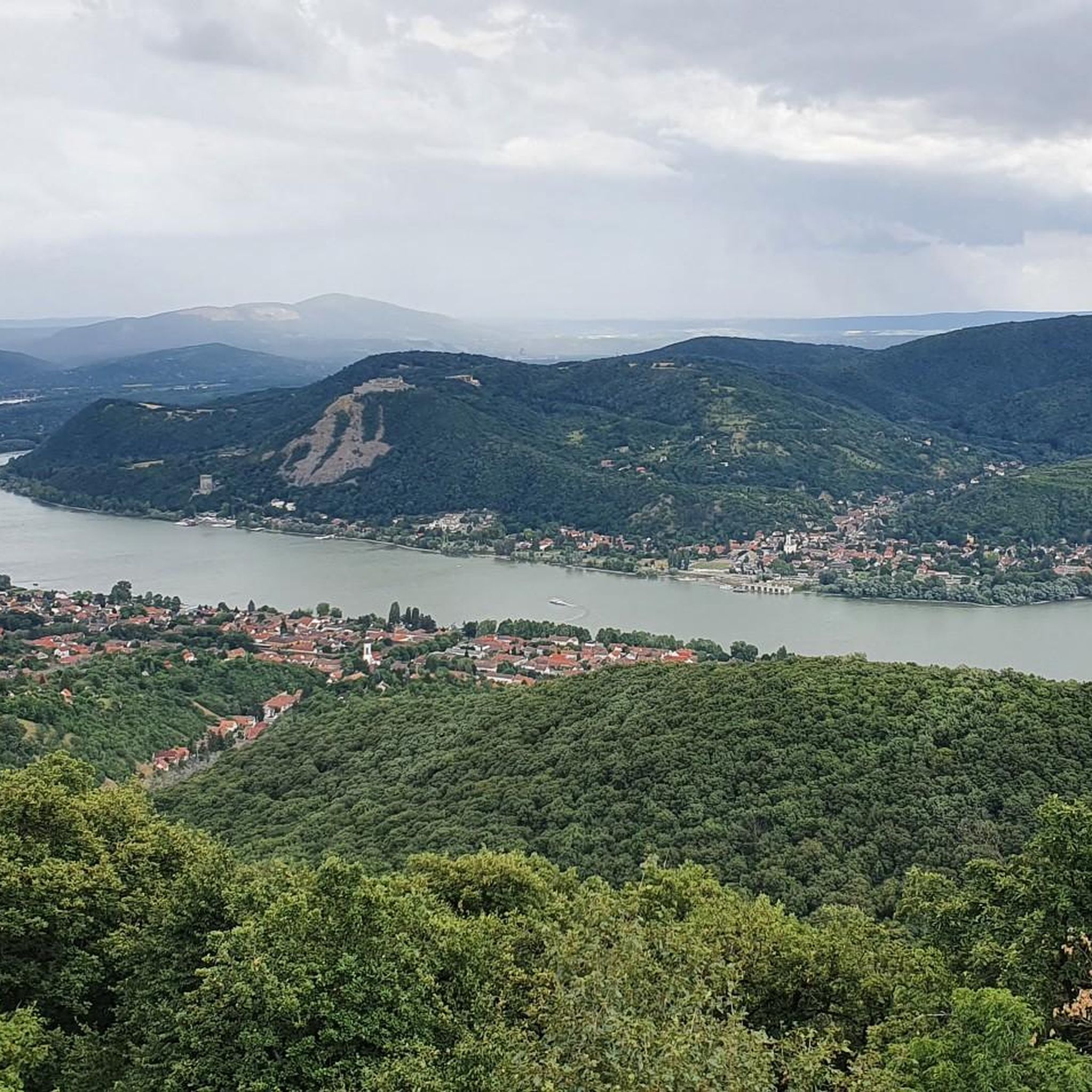
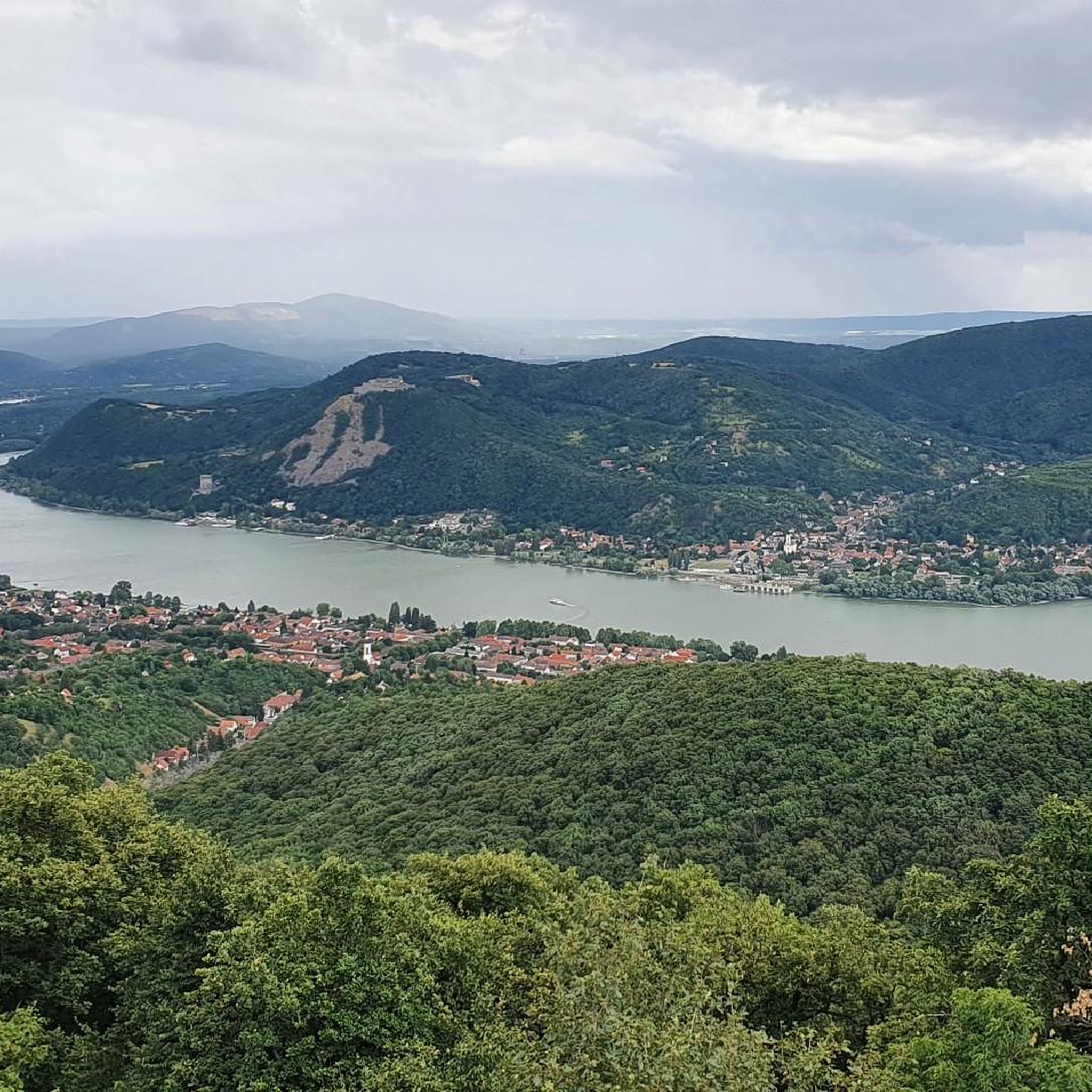
View of the Danube Bend and Visegrád Castle
Highlight (Segment) • Viewpoint
Tip by

Király-kút Spring
Highlight • Natural Monument
Tip by
Kaán Spring
Highlight • Natural Monument
Tip by
Sign up for free to discover even more natural monuments in Danube-Ipoly National Park.
Already have an account?
Start today with a free account
Your next adventure awaits.
Popular around Danube-Ipoly National Park
Tips from the Community

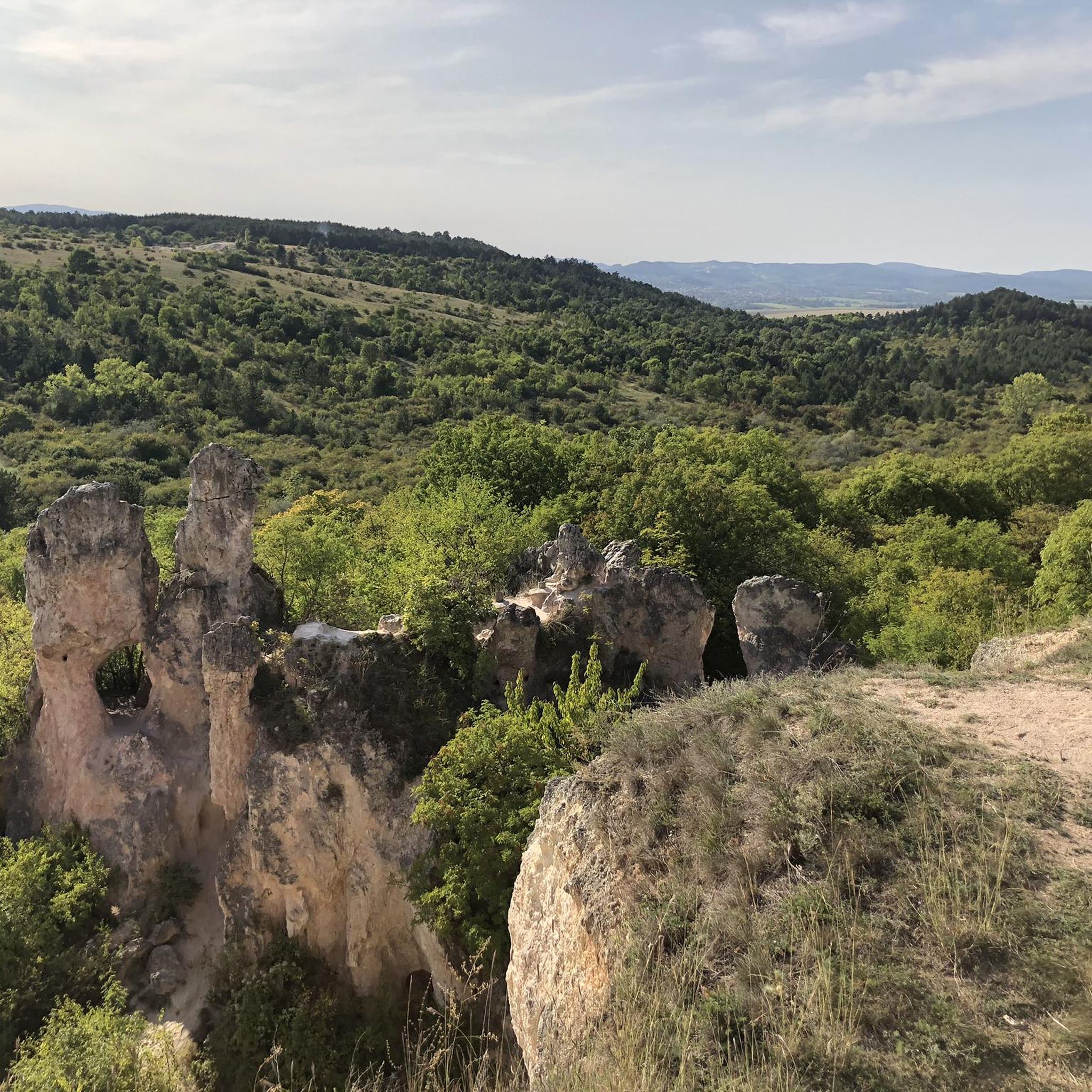
One of the most stable springs in Pilis. It provided water even after months of drought. A very well-known spring. Easily accessible, even by car.
0
0

The Danube Bend (Dunakanyar) is one of Hungary's most scenic and historically rich sections. It is located about 30 to 50 kilometers north of Budapest, where the Danube changes its course and bends sharply to the south.
0
1
A spring with abundant, drinkable water, with a small lake in front of it.
0
0
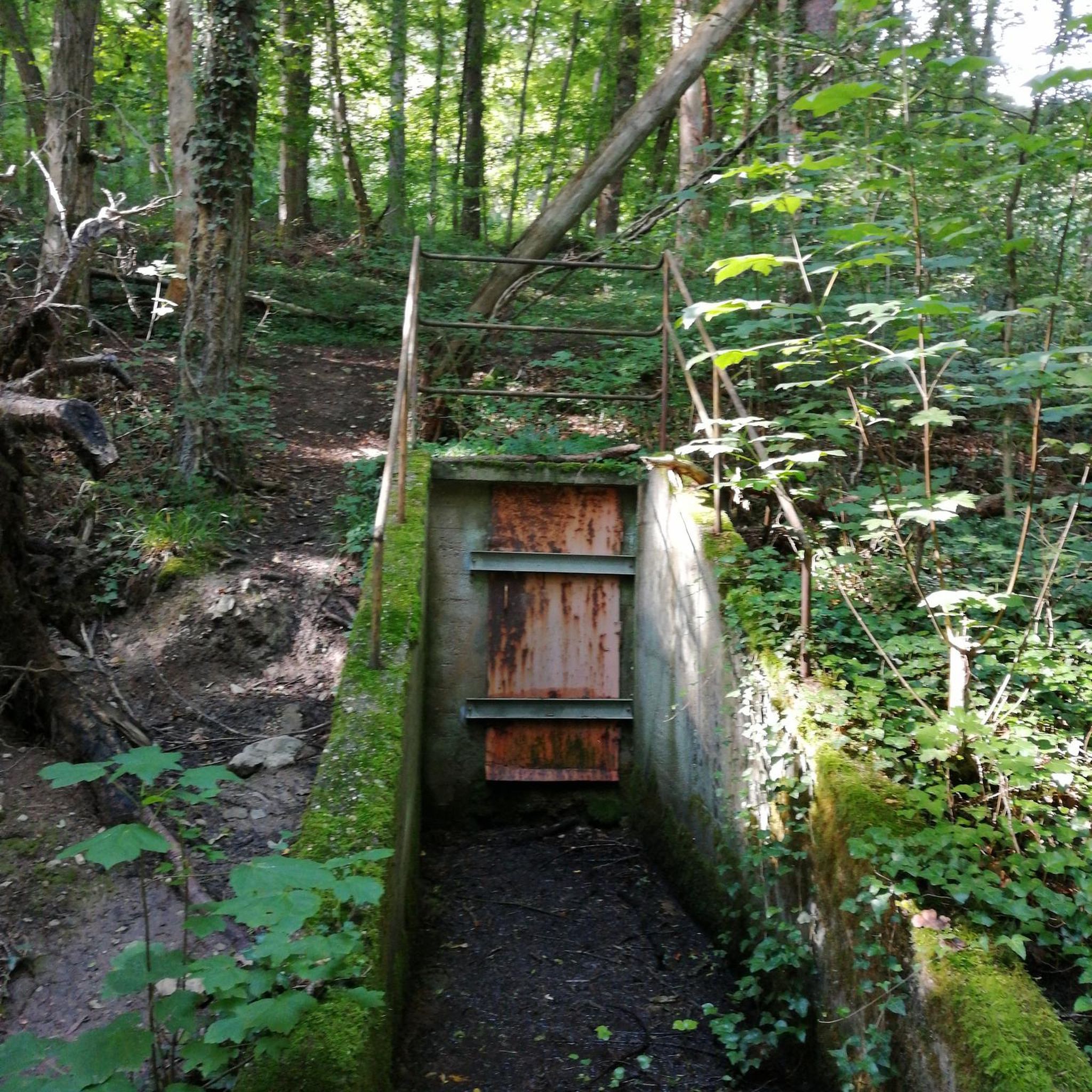
Not far from the Horizont cycling route (about 100 m away) we find this primarily tourist resting place, which got its name from the small house (hut) located here. A typical forest resting place, with wooden benches and tables. Unfortunately, the well is not working, water could be obtained from the Király well a few hundred meters away, but it was just dry when I visited. The cottage itself is locked, so I can only guess that it is a key house, for pre-registered tourists (???). Another thing worth mentioning is a map that covers a fairly large area of Pilis. A popular tour stop, resting place, which could be much better developed, and at least water would be available - but it is not.
0
0
A popular and well-known excursion spot, a few kilometers from Szentendre is Lajos Spring. It can be reached by an asphalt road that goes up to the Spring. From here, hiking and forestry trails follow. The spring water is drinkable, the spring lake is enclosed by walls and is in fairly good condition. There is no information about the tourist house directly near the spring. In any case, the whole thing could do with some modernization, because everything looks the same as when I was here in 1988...
0
0

There is no longer a ferry to Szob
1
0

A very tasty and abundant spring. However, I have to say that unfortunately there’s a huge line for the water—not because of hikers, but because people come by car and take away hundreds of liters in bottles. In a way, it’s understandable—it’s free and clean—but ultimately, it’s a distasteful behavior.
6
0

The Lajosforrás is a spring with abundant water that rises in the Visegrád Mountains, in the Szentendre area, in the 587-meter-high Bölcső-hegy massif.
0
0
Frequently Asked Questions
What are some of the most iconic natural monuments to visit in Danube-Ipoly National Park?
The Danube-Ipoly National Park is home to several iconic natural monuments. The dramatic Rám Gorge offers a unique hiking experience with ladders in a streambed. For breathtaking panoramic views, consider visiting Vadálló Rocks, which overlooks the valley and mountains. The Danube Bend itself, particularly from elevated viewpoints like Prédikálószék, is also a must-see natural landmark.
Are there any notable caves to explore in the Danube-Ipoly National Park region?
Yes, the Pilis Hills within the park are exceptionally rich in caves. The Szemlő-hegyi Cave is considered one of Hungary's most famous, known for its karst formations and stalactites. Another significant site is the Remete Cave, hidden on a cliff above the Danube.
Where can I find impressive panoramic views of the Danube Bend?
For perhaps the most magnificent panoramic view of the Danube Bend, head to Prédikálószék (Pulpit Rock) in the Visegrád Mountains. The hike to its summit offers stunning vistas. Additionally, Vadálló Rocks provides beautiful views of the valley and surrounding mountains.
What kind of outdoor activities can I do near the natural monuments in Danube-Ipoly National Park?
The park offers a wide range of outdoor activities. You can explore various hiking trails, including challenging routes like the one through Rám Gorge. For more options, check out the Mountain Hikes in Danube-Ipoly National Park guide. If you prefer running, there are numerous Running Trails, and for cycling enthusiasts, the Gravel biking in Danube-Ipoly National Park guide provides excellent routes.
Are there family-friendly natural monuments suitable for all ages?
Yes, several natural monuments are suitable for families. Lajos Spring is an abundant natural water source and a popular spot. The Ördögmalom Waterfall near Visegrád is also a pleasant, accessible natural feature. Király-kút Spring offers a resting place in the forest, though its water flow can vary.
What is the best time of year to visit the natural monuments in Danube-Ipoly National Park?
The Danube-Ipoly National Park is beautiful year-round, but spring and autumn are often considered ideal. In spring, the forests are lush, and wildflowers bloom, while autumn brings vibrant foliage, especially around the Danube Bend. Summer is popular for water activities and longer daylight hours, but can be warmer. Winter offers a serene, often snow-covered landscape, though some trails might be more challenging.
Can I find natural springs for water during my visit to the park?
Yes, the park features several natural springs. Lajos Spring is a well-known and abundant water source in the Visegrád Mountains. Another option is Király-kút Spring, though its water flow can sometimes be limited.
Are there specific trails that offer a unique experience, like navigating through a gorge?
Absolutely. The Rám Gorge near Dömös is an iconic hiking area. It features a mystical gorge where visitors navigate narrow ladders in the streambed amidst towering rock formations. It's important to note that this trail can only be traversed in the Dömös-Dobogókő direction (upwards) and has specific accessibility information, so check current conditions before visiting.
What unique geological features can be found in the Pilis Hills?
The Pilis Hills are characterized by their limestone and dolomite bedrock, which has led to the formation of numerous karst landscapes. This region is particularly rich in caves, housing most of the national park's 334 caves, including the famous Szemlő-hegyi Cave.
What kind of wildlife might I encounter near the natural monuments?
The park's diverse ecosystems support various wildlife. In the older forests of the Börzsöny Mountains, you might spot the white-backed woodpecker. The Szentendre Island, with its riparian floodplain forests, is known for its unique fauna, including indigenous species. The Ipoly Valley also boasts unique botanical value in its floodplain meadows.
Are there less crowded natural monuments for a more peaceful experience?
While popular spots can attract many visitors, areas like the Ipoly Valley offer a more tranquil experience, known for its unique botanical value and riverine ecosystems. Szentendre Island is another natural value-rich unit with important riparian forests, often providing a quieter escape compared to the more frequented mountain viewpoints or gorges.
Are there challenging hikes for experienced adventurers among the natural monuments?
Yes, for experienced hikers, the ascent to Prédikálószék in the Visegrád Mountains, especially traversing the steep terrain near the Vadálló Rocks, offers an exhilarating experience. The Rám Gorge is also considered a moderately difficult hike due to its ladders and streambed navigation. The Börzsöny Mountains also feature challenging trails leading to peaks like Csóványos and Nagy-Hideg Hill.
Most popular routes in Danube-Ipoly National Park
Most popular attractions in Danube-Ipoly National Park

Get inspired with the komoot mobile app


Explore more
Extend your search for the best caves by checking out these guides of the top ones in Danube-Ipoly National Park:
