Top 9 Natural Monuments around Hildener Stadtwald
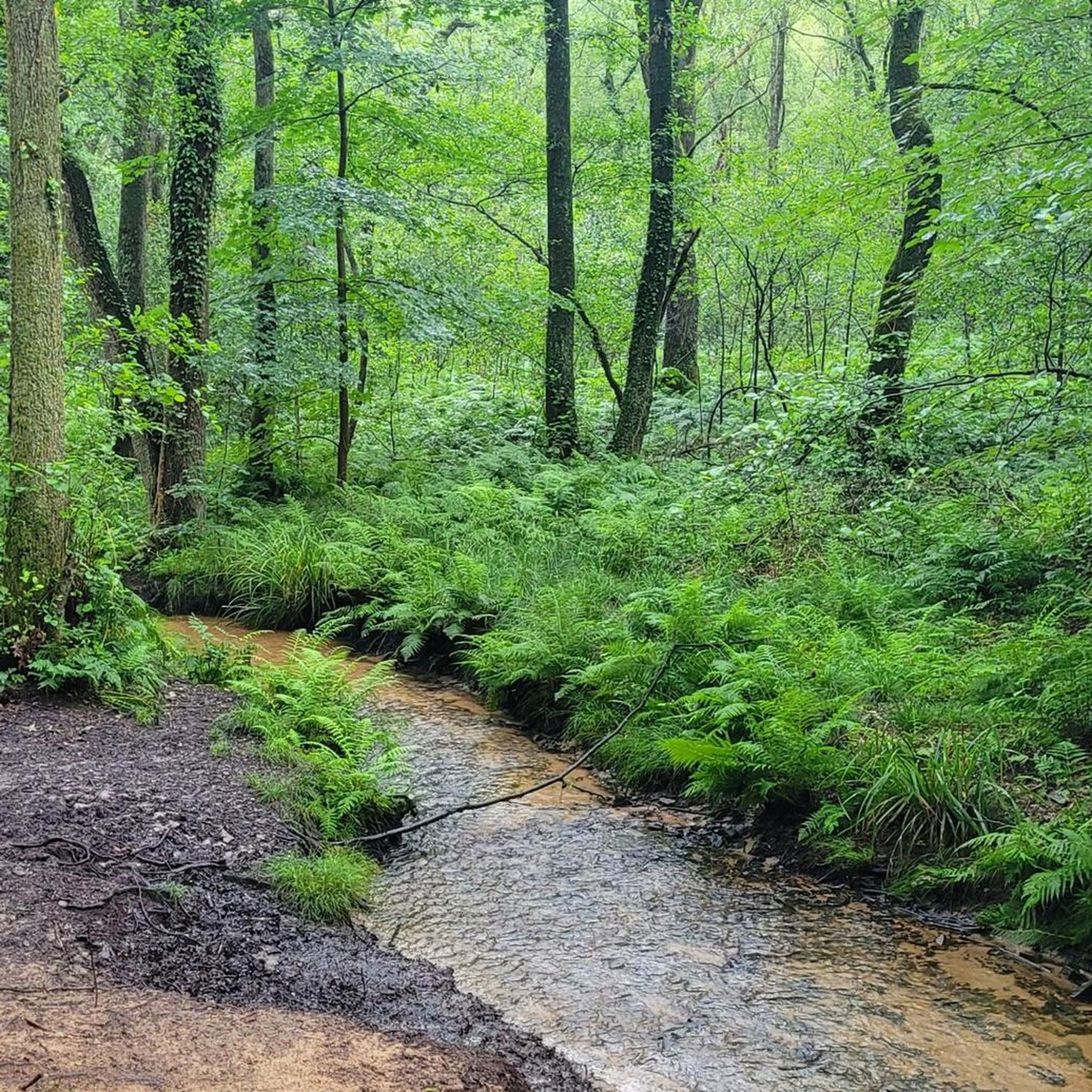
Natural monuments around Hildener Stadtwald encompass a significant green area characterized by extensive protected nature reserves. The Stadtwald, a 430-hectare forest, features diverse ecosystems including moor and swamp forests, wet oak-birch forests, and natural sandy streams. These areas are crucial habitats for various plant and animal species, some of which are rare or endangered. The landscape also includes notable individual features like ancient trees and elevated points offering views of the surroundings.
Best natural monuments around Hildener Stadtwald
- The most…
Last updated: September 30, 2026
Wilhelm Ferdinand Lieven Memorial, Hildener Stadtwald
Highlight • Monument
Translated by Google •
Tip by

Former glider airfield Haan/Hilden
Highlight • Natural Monument
Translated by Google •
Tip by

Sign up now to discover places like this
Get recommendations on the best single tracks, peaks, & plenty of other exciting outdoor places.
Hoxbach Flood Retention Basin / Stadtwald Pond
Highlight • Lake
Translated by Google •
Tip by

Lieveneiche (Wilhelm Ferdinand Lieven Oak Tree)
Highlight • Natural Monument
Link: de.wikipedia.org/wiki/Wilhelm_Ferdinand_Lieven
Link: de.wikipedia.org/wiki/Wilhelm_Ferdinand_Lieven#/media/Datei:Lieveneiche_Hilden_1951.jpg
Translated by Google •
Tip by

Taubenberg (81 m)
Highlight • Summit
de.wikipedia.org/wiki/Taubenberg_(Terminology%C3%A4rung)
(ME-034) >>
nsg.naturschutzinformation.nrw.de/nsg/de/fachinfo/gebiete/gesamt/ME_034
"... The Hilden city forest used to be interspersed with larger heath areas, which have now largely disappeared for many decades due to reforestation. Scattered …
Translated by Google •
Tip by

Sign up for free to discover even more natural monuments around Hildener Stadtwald.
Already have an account?
Start today with a free account
Your next adventure awaits.
Tips from the Community

The former Kesselsweier gliding airfield is located in Hilden, more precisely on the city border with Haan. It is now a nature reserve and historical monument. Gliding operations were conducted there until 2008, but then operations were discontinued because the runway was too short and expansion would have required a large number of trees. Kesselsweier is a historic estate that has existed since at least 1590. In 1927, the Hilden Gliding and Motor Flying Club was founded, which later became the Kesselsweier Hilden-Haan Nature Reserve. In 2013, the Kesselsweier Nature Reserve merged with the Erbslöh Nature Reserve in Langenfeld. Today, the area is used as pasture and is a popular meeting place for dog walkers and model aircraft enthusiasts. The city of Hilden plans to develop the area into a habitat for rare animals and plants, as it is located within a valuable nature reserve bordering two other nature reserves.
3
0

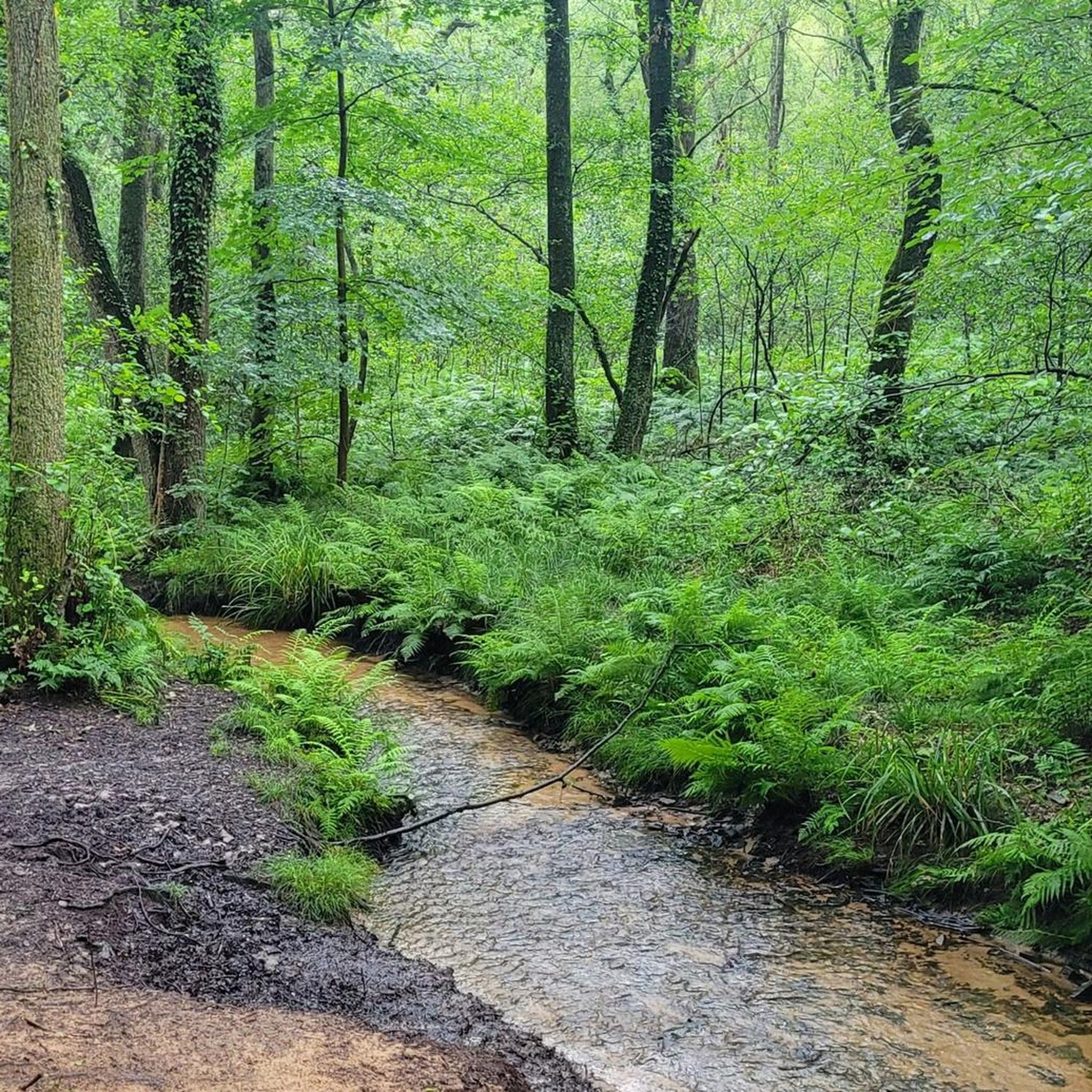
Always interesting: herons, frogs, geese and their offspring; there is always something to see.
0
0

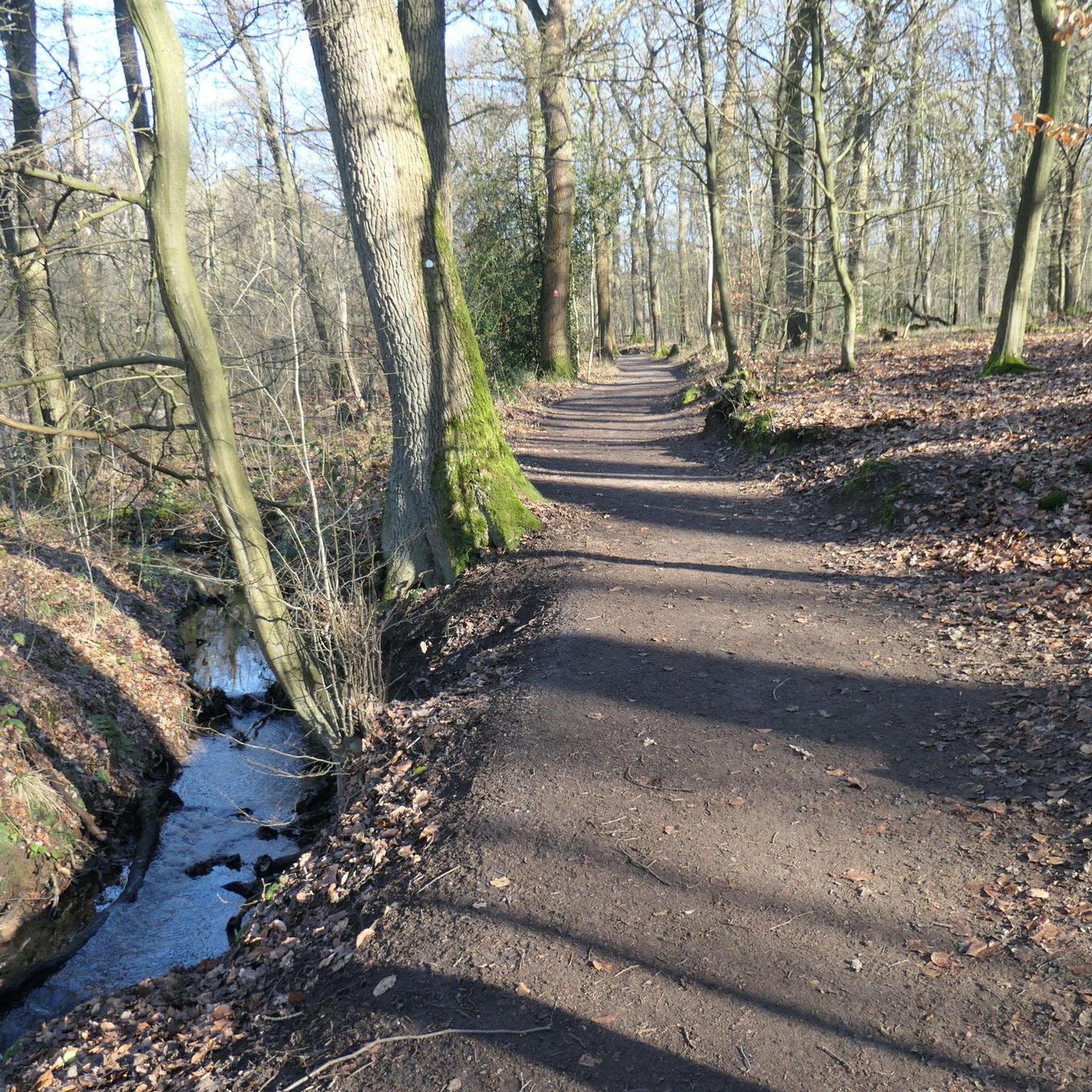
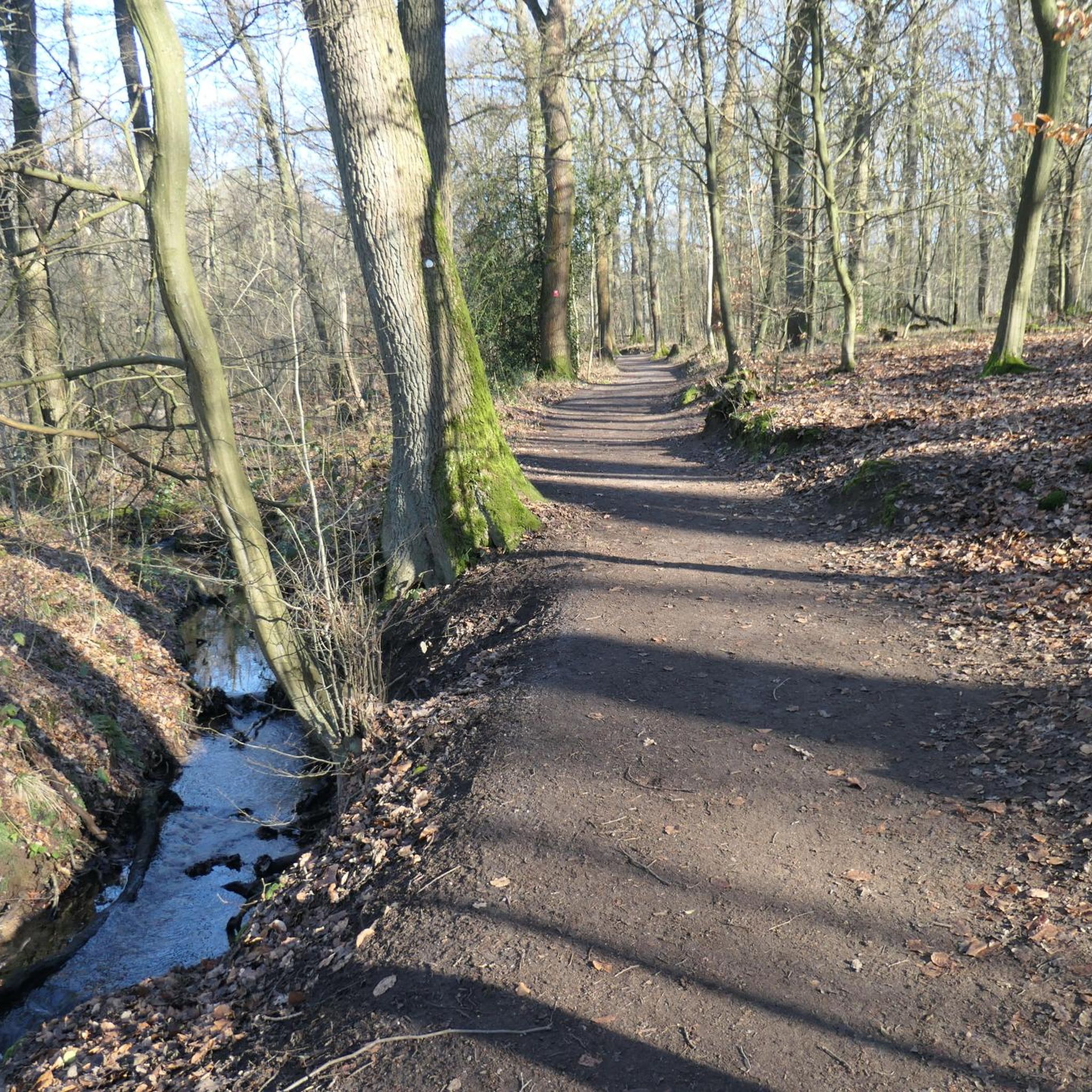
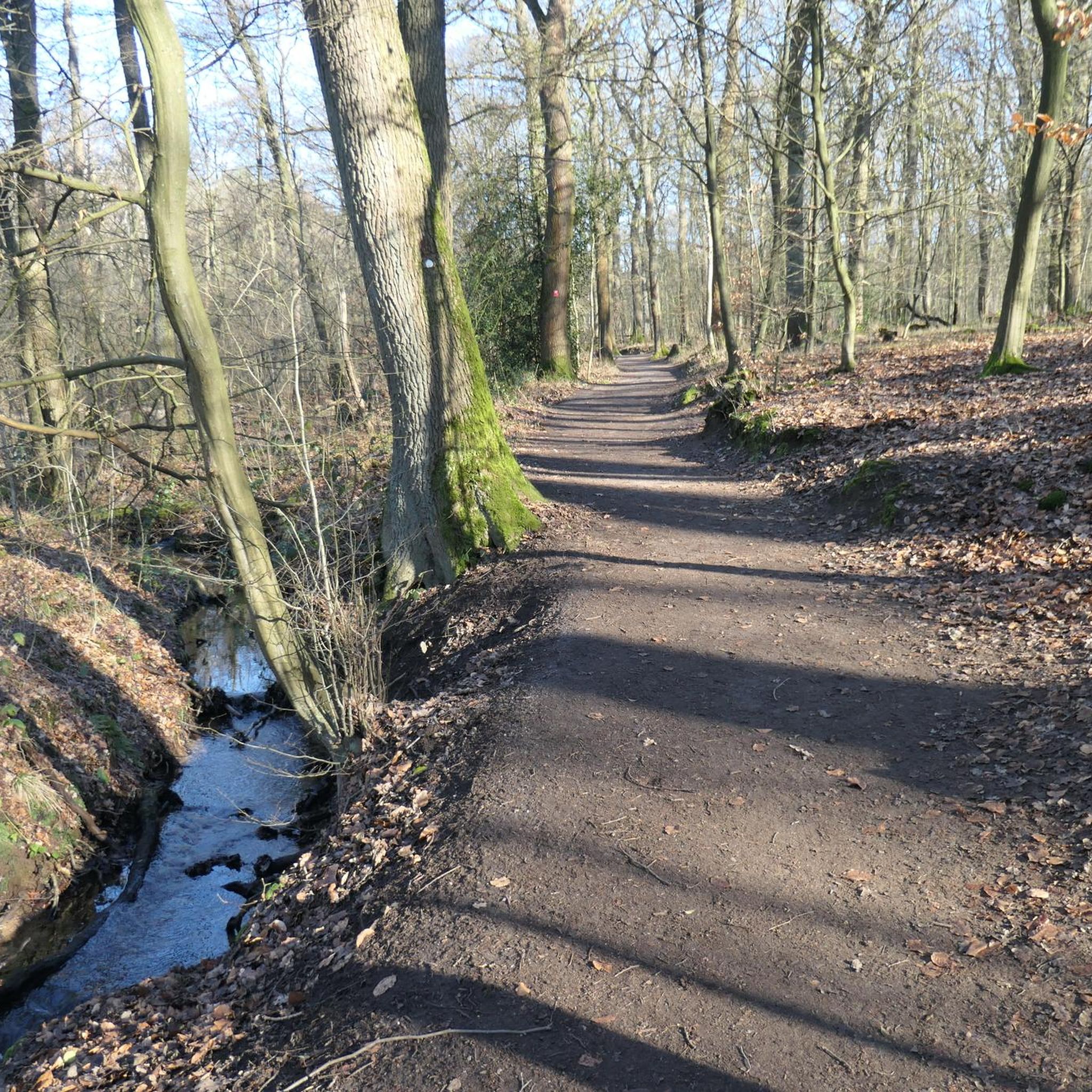
Beautiful forest path at the Hilden gliding airfield.
1
0

A small climb in the forest, but the surroundings are beautiful. There is also a modern training element on the fitness trail.
1
0

Hoxbach flood retention basin / Stadtwaldteich, important flood protection
0
0
The Taubenberg is 81m high and there is also a fitness machine
0
0

Here in the forest of Hilden it is nice to drive.
7
0
Frequently Asked Questions
What unique natural features can I explore in Hildener Stadtwald?
Hildener Stadtwald is rich in diverse natural features. You can discover ancient trees like the Lieveneiche (Wilhelm Ferdinand Lieven Oak Tree), which is a vital and special English Oak. The area also encompasses extensive nature reserves with moor and swamp forests, wet oak-birch forests, and natural sandy streams like the Sandbach and Hoxbach. Additionally, you can visit the Hoxbach Flood Retention Basin / Stadtwald Pond, which is a significant water feature.
What kind of landscapes can I expect to see in the nature reserves of Hildener Stadtwald?
The nature reserves within Hildener Stadtwald, such as Sandbach-Krebsbach, Biesenbach, and Spörkelnbruch, offer a variety of landscapes. You'll find moor and swamp forests, wet oak-birch forests, natural sandy streams with undercut banks, relict wet heath, dry heath, and wet meadows. These diverse ecosystems are crucial habitats for rare plants like carnivorous sundew and royal fern, and various animal species.
Are the natural monuments in Hildener Stadtwald suitable for families?
Yes, many areas within Hildener Stadtwald are family-friendly. Highlights like the Former glider airfield Haan/Hilden offer open spaces for recreational activities. The Hoxbach Flood Retention Basin / Stadtwald Pond has footpaths along its south side, perfect for a leisurely stroll. The forest itself provides extensive walking and cycling paths suitable for all ages.
What is the best time of year to visit Hildener Stadtwald's natural monuments?
The best time to visit depends on what you wish to experience. In late April, the Spörkelnbruch nature reserve is particularly beautiful as marsh marigolds bloom in its damp depressions. Spring and autumn offer pleasant temperatures for hiking and enjoying the changing foliage. While the forest is accessible year-round, some areas might be wet during rainy seasons.
What outdoor activities can I do near these natural monuments?
Hildener Stadtwald offers a variety of outdoor activities. You can enjoy easy hikes on trails like the "Forest Shelter and Rest Area – Sandbach Brook loop" or the "Pond in Hilden City Forest – Sandbach Brook loop." For runners, there are moderate routes such as the "Scenic Flat Running Path – Hilden City Forest loop." Cyclists can explore road cycling routes like the "Schöller Manor – Gruiten-Dorf loop." You can find more details on these activities in the Easy hikes around Hildener Stadtwald, Running Trails around Hildener Stadtwald, and Road Cycling Routes around Hildener Stadtwald guides.
Are there any historical sites related to the natural monuments?
Yes, the Wilhelm Ferdinand Lieven Memorial, Hildener Stadtwald honors Wilhelm Ferdinand Lieven, who donated the forests that form today's Hildener Stadtwald. This memorial provides insight into the historical context of the forest's establishment. The Lieveneiche, an ancient oak, is also named in connection with Lieven, linking it to the forest's origins.
Can I bring my dog to the natural monuments in Hildener Stadtwald?
Yes, Hildener Stadtwald is generally dog-friendly. The Former glider airfield Haan/Hilden is a popular spot for dog owners. Many trails throughout the forest are suitable for walks with dogs, but always ensure your dog is under control and respect local regulations regarding leashes, especially in nature reserve areas.
What kind of wildlife can I spot in Hildener Stadtwald?
The diverse ecosystems of Hildener Stadtwald support a variety of wildlife. In the nature reserves, you might spot rare insect species and lizards. The Spörkelnbruch area, known for its rich flora, is home to various insects, including grasshopper species like the short-winged bush cricket. The forest also provides habitat for common woodland animals and birds.
Is there a viewpoint or elevated spot to get a good overview?
Yes, you can visit Taubenberg (81 m), a summit within the forest. This location offers a small climb and is part of the Hildener Heide nature reserve. While not a dramatic mountain peak, it provides an elevated perspective within the beautiful forest surroundings.
What makes the nature reserves in Hildener Stadtwald particularly important?
Approximately 20 percent of the Hildener Stadtwald consists of designated nature reserves, which are vital for biodiversity. These areas protect a diverse range of ecosystems, including rare moor and swamp forests, and serve as crucial habitats for many rare and endangered plant and animal species. The presence of species on the "Red List of Threatened Species" underscores their ecological significance.
Are there any specific plant species I should look out for?
Yes, the nature reserves are home to several unique plant species. In areas like Sandbach-Krebsbach and parts of Hildener Heide, you might discover carnivorous sundew, bog-myrtle, marsh lilies, and royal fern. In Spörkelnbruch, particularly in late April, you can witness the vibrant blooming of marsh marigolds.
How can I reach Hildener Stadtwald by public transport?
Hilden is well-connected by public transport. You can reach Hilden by train, and local bus services can take you closer to the various entry points of the Stadtwald. It's advisable to check local bus schedules and routes from Hilden station to the specific area of the Stadtwald you plan to visit for the most up-to-date information.
Most popular routes around Hildener Stadtwald
Most popular attractions around Hildener Stadtwald

Get inspired with the komoot mobile app


Explore more
Extend your search for the best caves by checking out these guides of the top ones around Hildener Stadtwald:
