Top 17 Natural Monuments around National Park Ubiñas-La Mesa
Best natural monuments around National Park Ubiñas-La Mesa are found within a UNESCO Biosphere Reserve in Asturias, Spain. This region features dramatic mountainous terrain, diverse ecosystems, and significant geological formations, including peaks exceeding 2,400 meters. The park encompasses vast beech forests and serves as a refuge for various species. Visitors can explore a landscape that combines natural grandeur with traditional Asturian mountain culture.
Best natural monuments around National Park Ubiñas-La Mesa
- The most popular natural monument is Bear Trail,…
Last updated: October 27, 2026
La Cubilla Pass
Highlight • Mountain Pass
By MTB you can get there …
Translated by Google •
Tip by

Huerta Cave
Highlight • Cave
Translated by Google •
Tip by

Sign up now to discover places like this
Get recommendations on the best single tracks, peaks, & plenty of other exciting outdoor places.
Ventana Pass
Highlight • Mountain Pass
Translated by Google •
Tip by

Bear Trail
Highlight • Cycleway
Translated by Google •
Tip by
Ricabo Track
Highlight (Segment) • Trail
Tip by

Sign up for free to discover even more natural monuments around National Park Ubiñas-La Mesa.
Already have an account?
Start today with a free account
Your next adventure awaits.
Popular around National Park Ubiñas-La Mesa
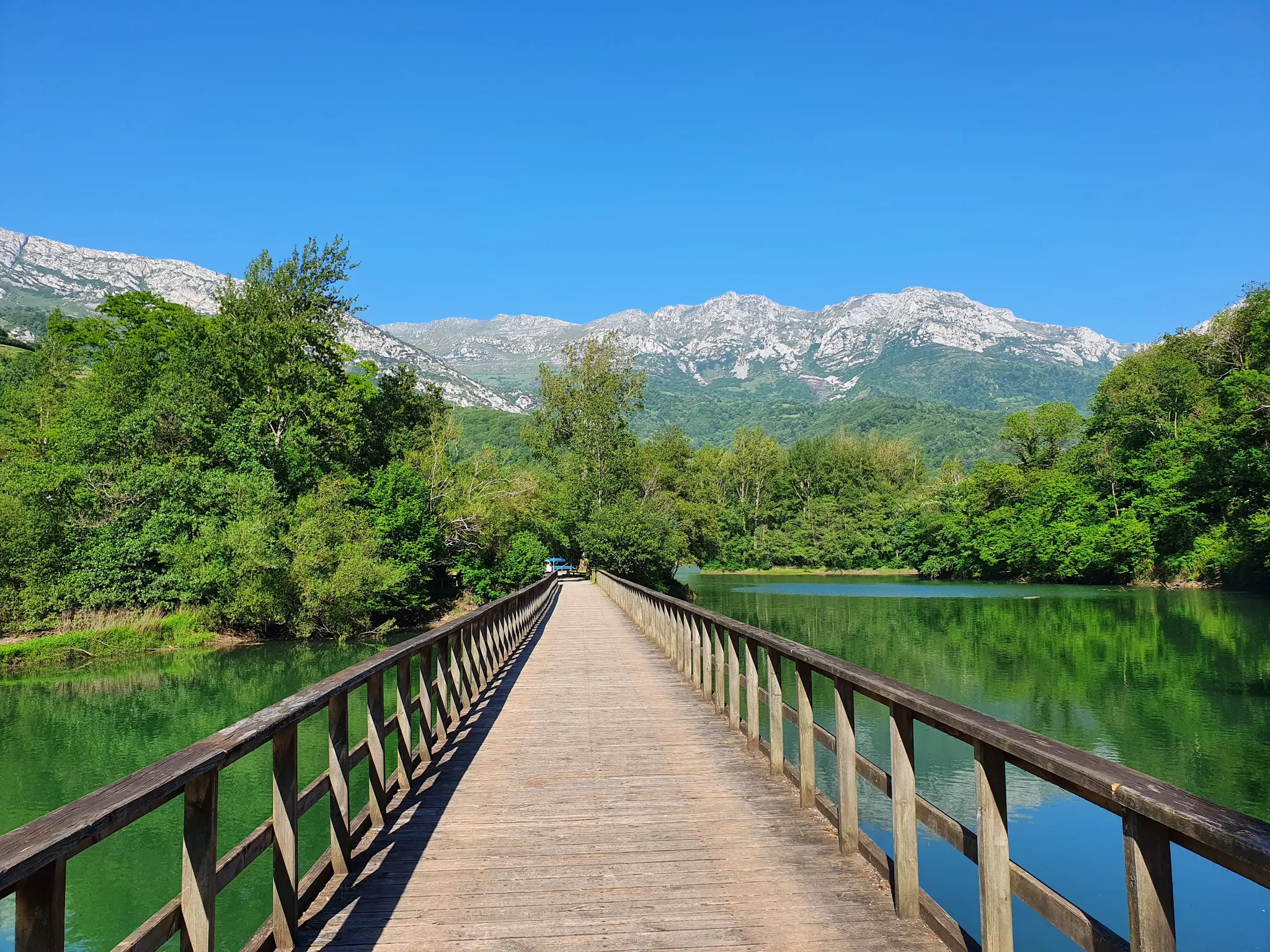
The secrets of the Cantabrian Mountains – GR 109 Asturias Interior
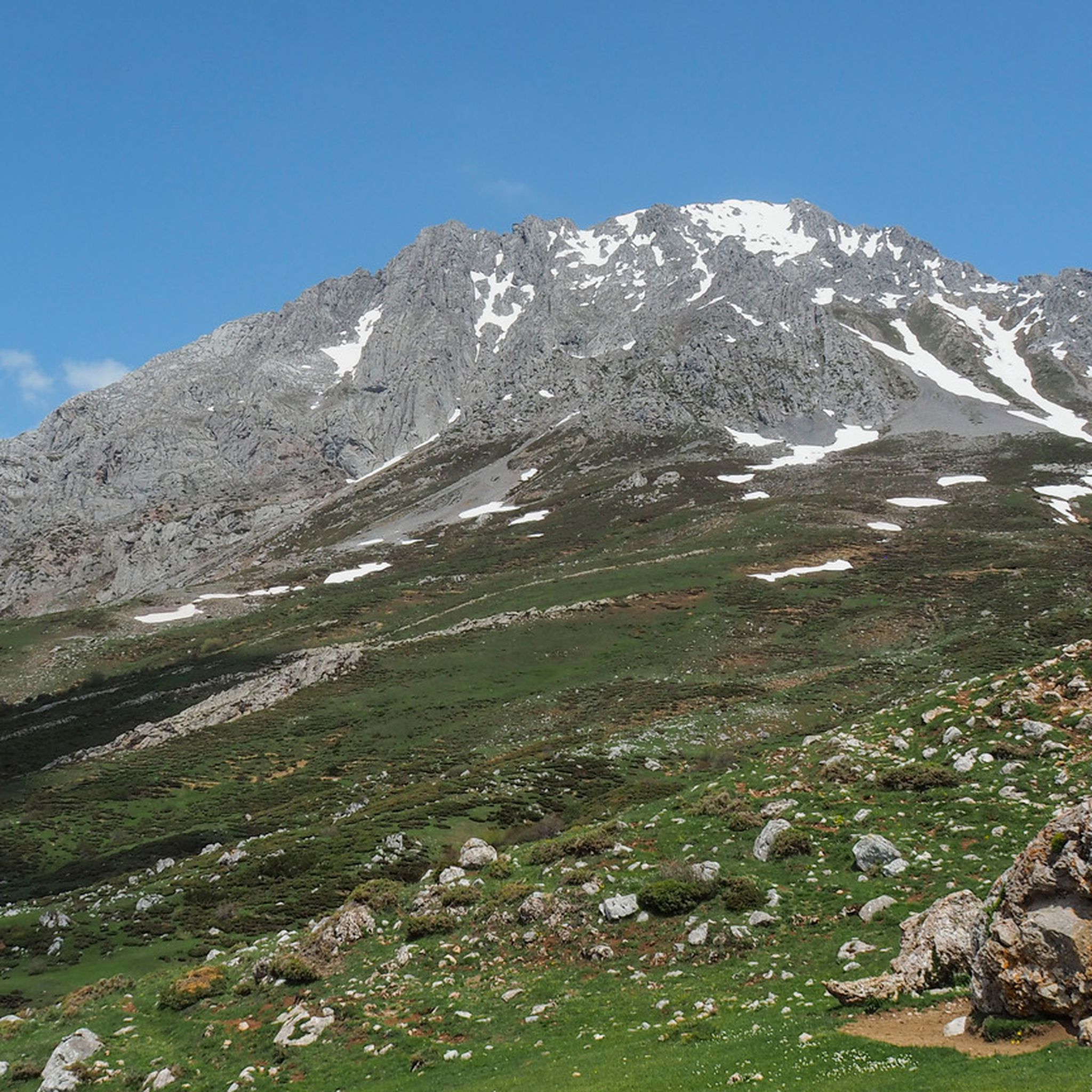
Hiking around National Park Ubiñas-La Mesa
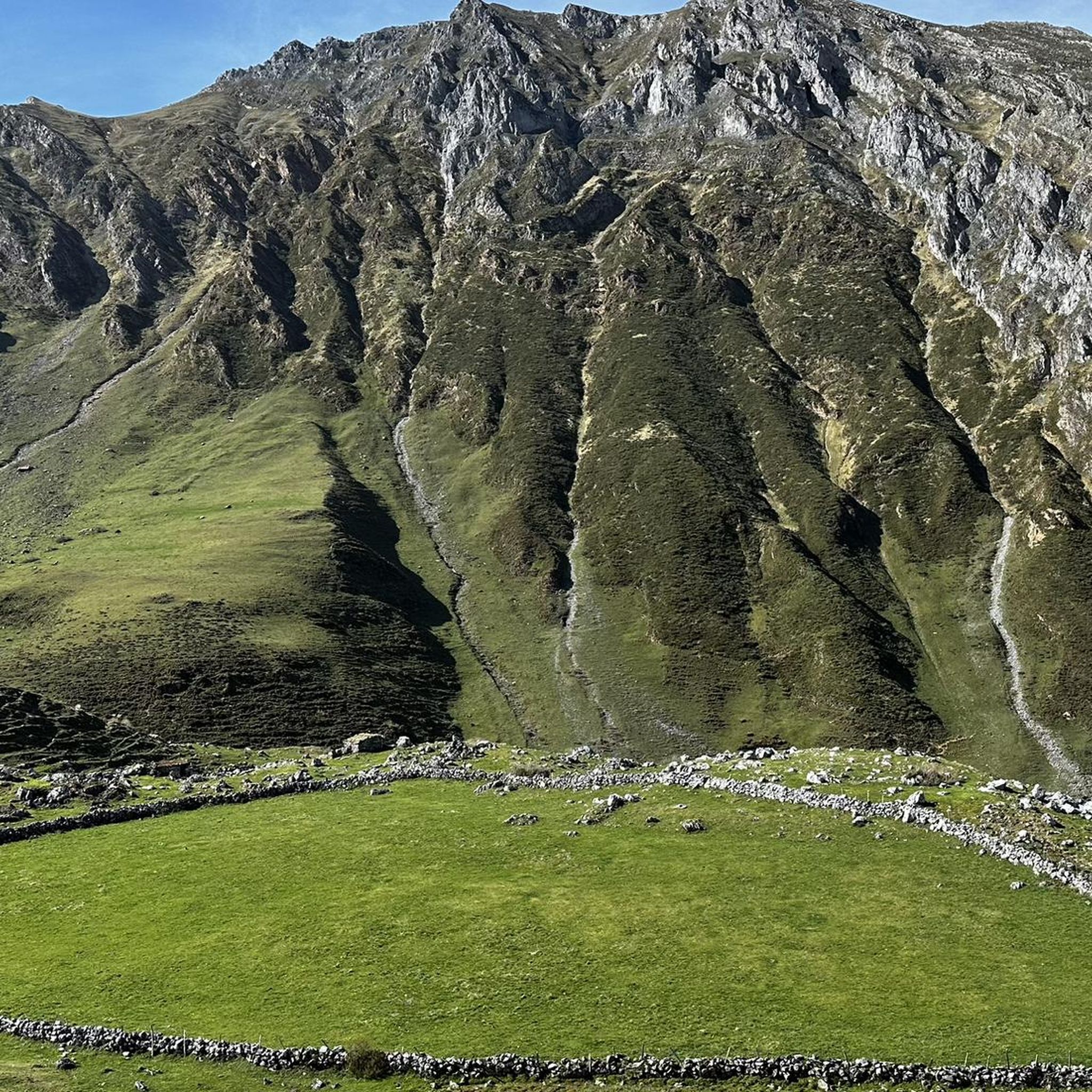
Running Trails around National Park Ubiñas-La Mesa
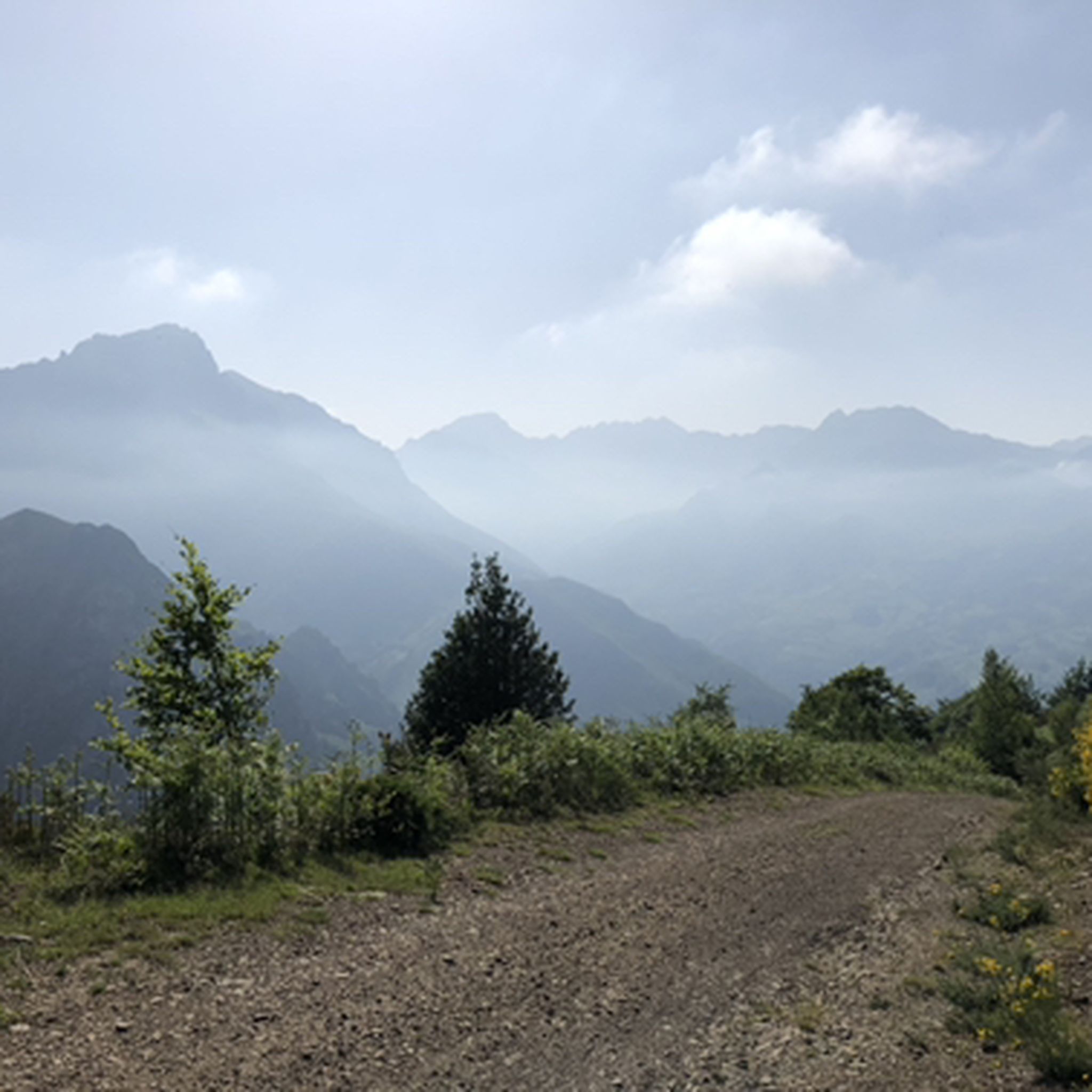
MTB Trails around National Park Ubiñas-La Mesa
Cycling around National Park Ubiñas-La Mesa
Road Cycling Routes around National Park Ubiñas-La Mesa

Gravel biking around National Park Ubiñas-La Mesa
Other adventures around National Park Ubiñas-La Mesa

Tips from the Community

Upon reaching the summit, you don't arrive at a village or a tourist center, but rather at a kind of natural balcony overlooking the Lena mountain passes, which gives a strange feeling, as if you've stepped onto an empty stage. And on clear days, the wind is louder among the mountain passes than any car, because traffic is minimal.
0
0
For decades, La Cubilla was practically a ghost town: a road built to connect mining valleys, used more by livestock farmers and scattered trucks than by travelers. This lack of traffic left a remarkably clean route, free of curves, absurd straights, and modern widenings: pure mountain design from another era. That's why many cyclists say it "looks more like an Alpine pass than a Cantabrian one," with those giant limestone walls silently accompanying you.
0
0

The La Cubilla mountain pass is located at an altitude of 1,683 meters, on the border between Asturias and León. Its rugged terrain and the beauty of its surroundings have earned it the title of stage finisher of the Vuelta a España, making it one of the most iconic climbs among cyclists.
0
0

Puerto de Ventana is a mountain pass located in the Cantabrian Mountains, between the Principality of Asturias and the province of León. It lies at an altitude of 1,587 meters and connects the municipality of San Emiliano in León with the Asturian municipality of Teverga. From the pass, you can enjoy a breathtaking view of the San Emiliano Valley, known as Babia de Yuso.
3
0
The Teverga Gorges are an impressive part of the Senda del Oso, a very popular hiking and cycling route in Asturias. This trail follows the route of an old mining railway and crosses the Valles del Oso, which include the municipalities of Quirós, Santo Adriano, Proaza and Teverga.
2
0

This cycle path is part of Spain's greenways, which restore old abandoned railways. The route passes through tunnels, bridges and breathtaking canyons!
0
0

The Puerto de la Cubilla is a mountain pass on the border between the Principality of Asturias and the community of Castilla y León. By MTB you can get there from San Emiliano (ten kilometers and 500 meters of positive gradient) or from Caldas de Luna (17 kilometers and 730 meters of positive gradient). It is part of the TransCantábrica BTT route.
2
0

One of the most beautiful pedestrian paths in this area of the Río Teverga as it is surrounded by large walls where people are often found climbing!
0
1
Frequently Asked Questions
What are some of the most popular natural monuments to visit around National Park Ubiñas-La Mesa?
Among the most appreciated natural monuments are Bear Trail, a popular cycle way following an old mining railway through gorges, and La Cubilla Pass, offering magnificent landscapes and views on the border with Castilla y León. Another favorite is Ricabo Track, a gravel/paved road with stunning views of the Quirós and Teverga Valleys.
Are there any family-friendly natural monuments in the area?
Yes, the Bear Trail is particularly family-friendly. This cycle path, part of Spain's greenways, follows an old mining railway and passes through tunnels, bridges, and breathtaking canyons, making it an engaging experience for all ages.
What kind of natural features can I expect to see in National Park Ubiñas-La Mesa?
The region is characterized by dramatic mountainous terrain, diverse ecosystems, and significant geological formations. You can explore karstic cave systems like Huerta Cave, vast beech forests such as Montegrande and Valgrande, and impressive mountain passes like Ventana Pass, which offers breathtaking views.
What outdoor activities can I do near these natural monuments?
The area is excellent for various outdoor activities. You can enjoy mountain biking on trails like the Ventana Pass and Senda del Oso Loop, or explore easy hikes such as the Senda del Oso Greenway. For more challenging adventures, there are difficult waterfall hikes like the Sierra de los Bígaros Ridge and Lago de la Cueva Loop. You can find more details on these activities in the MTB Trails, Waterfall hikes, and Easy hikes guides for the region.
Are there any significant caves or geological formations to explore?
Absolutely. Huerta Cave in Teverga is a declared Natural Monument and a significant karstic cave system, stretching for fourteen kilometers. It's nestled within a striking karst gorge formed by the Val de Sampedro river, offering geological importance and a vital bat habitat.
What is the best time to visit the natural monuments in National Park Ubiñas-La Mesa?
The park's diverse landscapes, from lush forests to high mountain peaks, offer beauty year-round. Spring and autumn provide pleasant temperatures for hiking and cycling, with vibrant foliage or blooming wildflowers. Summer is ideal for high-altitude exploration, while winter offers a serene, snow-covered landscape for those prepared for colder conditions.
Can I find ancient trees or culturally significant natural sites?
Yes, the region is home to the ancient Tejo de Bermiego (Yew of Bermiego) in Quirós, designated as a Natural Monument. This particular specimen is significant for its age and cultural importance, representing a living natural heritage and a symbol of endurance within the park's extensive beech and oak forests.
What kind of views can I expect from the mountain passes?
Mountain passes in the area offer spectacular panoramic views. From Ventana Pass, you can enjoy a breathtaking view of the San Emiliano Valley, known as Babia de Yuso. La Cubilla Pass also provides magnificent landscapes, showcasing the dramatic mountainous terrain of the region.
Is it possible to observe wildlife near the natural monuments?
National Park Ubiñas-La Mesa is a crucial refuge for endangered species. You might spot the Cantabrian brown bear, golden eagles, and Egyptian vultures. Huerta Cave is also a vital habitat for several bat families, making wildlife observation a possibility, especially for birdwatchers and nature enthusiasts.
What do visitors enjoy most about the natural monuments in this region?
Visitors frequently highlight the stunning natural beauty, the sense of immersion in wild landscapes, and the variety of outdoor activities. The dramatic gorges of the Bear Trail, the extensive galleries of Huerta Cave, and the breathtaking views from passes like La Cubilla Pass are often praised for their unique appeal and the opportunity to connect with nature.
Are there any areas that showcase the impact of past glaciations?
Yes, the Puertos de Marabio, recognized as a Natural Monument, distinctly showcases intense glacial modeling. Its broad valley, with diverse shades of pastures, particularly when viewed from peaks like Peña Rueda, highlights the profound impact of past glaciations on the landscape, making it an excellent destination for appreciating geological history.
What is the significance of the Peña Ubiña Massif?
The Peña Ubiña Massif is a defining natural landmark of the park, standing as the second-highest peak in the Asturian region, exceeding 2,400 meters. Its imposing limestone peaks offer spectacular high mountain scenery, attracting hikers and alpinists. The Meicín Mountain Hut serves as a base for exploring this rugged area, known for its challenging routes and wild beauty.
Most popular routes around National Park Ubiñas-La Mesa
Most popular attractions around National Park Ubiñas-La Mesa

Get inspired with the komoot mobile app


Explore more
Extend your search for the best caves by checking out these guides of the top ones around National Park Ubiñas-La Mesa:
