Żywiecki Park Krajobrazowy
Żywiecki Park Krajobrazowy
Top 12 Natural Monuments around Żywiecki Park Krajobrazowy
Best natural monuments around Żywiecki Park Krajobrazowy are found within a natural area established in 1986, covering over 35,000 hectares in the Polish Carpathians. The park encompasses the Wielka Racza and Pilsko mountain groups, characterized by Magura sandstones and clay shales forming the Carpathian Flysch. This geological structure results in diverse landscapes, including unique rock formations, mountain peaks, and forest ecosystems. The region offers numerous hiking and cycling trails for exploring its natural features.
Best natural monuments around Żywiecki Park…
Last updated: May 14, 2026
Hala Rysianka
Highlight • Viewpoint
Translated by Google •
Tip by

Wielka Racza Summit
Highlight • Summit
Tip by

Sign up now to discover places like this
Get recommendations on the best single tracks, peaks, & plenty of other exciting outdoor places.
Sign up for free
Romanka Peak
Highlight • Summit
Translated by Google •
Tip by

Sopotnia Wielka Waterfall
Highlight • Waterfall
Translated by Google •
Tip by
Romanka Nature Reserve
Highlight (Segment) • Forest
Translated by Google •
Tip by
Sign up for free to discover even more natural monuments around Żywiecki Park Krajobrazowy.
Sign up for free
Already have an account?
Start today with a free account
Your next adventure awaits.
Login or Signup
Popular around Żywiecki Park Krajobrazowy
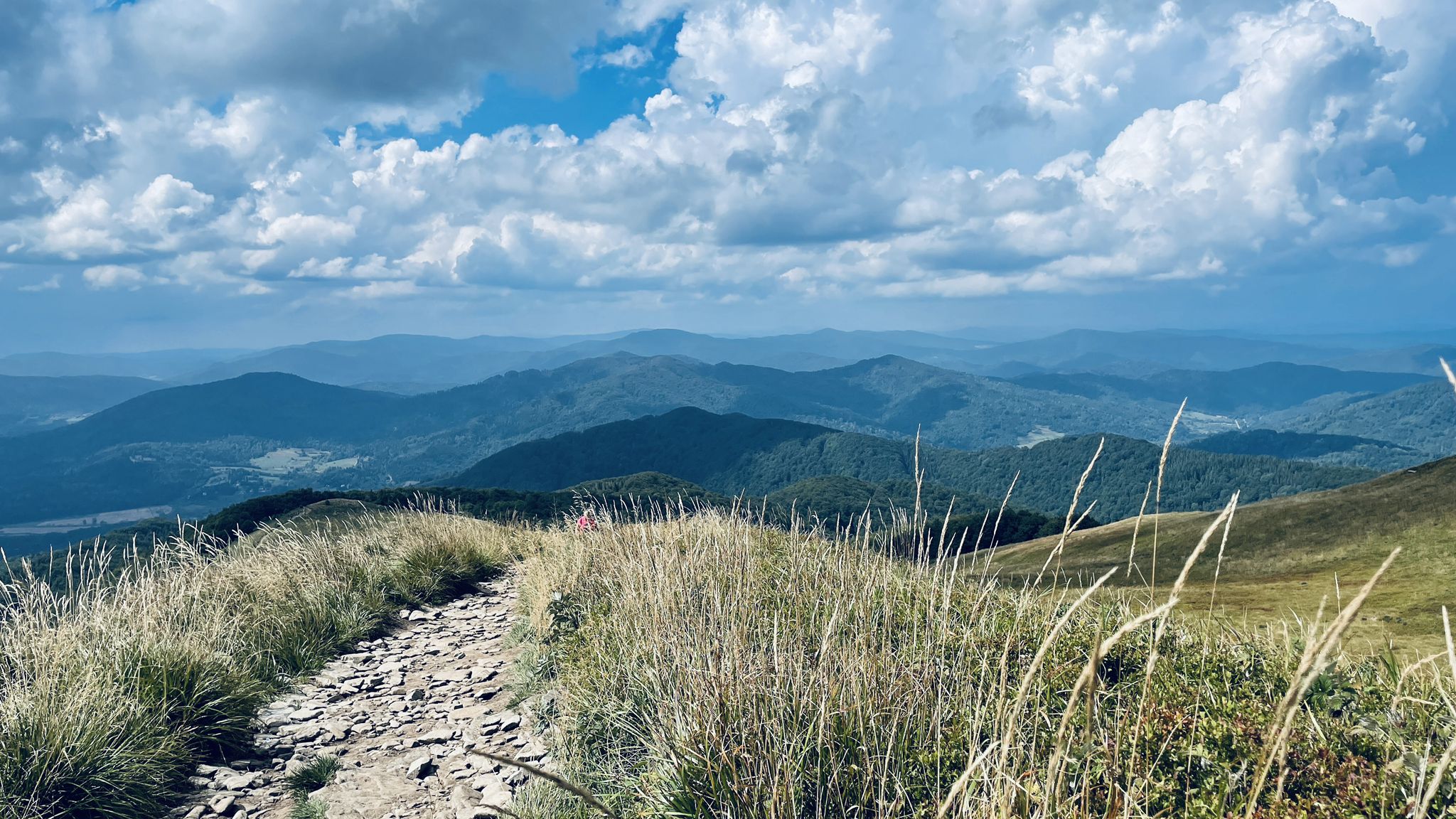
Main Beskids Trail — the longest Polish Mountain Trail
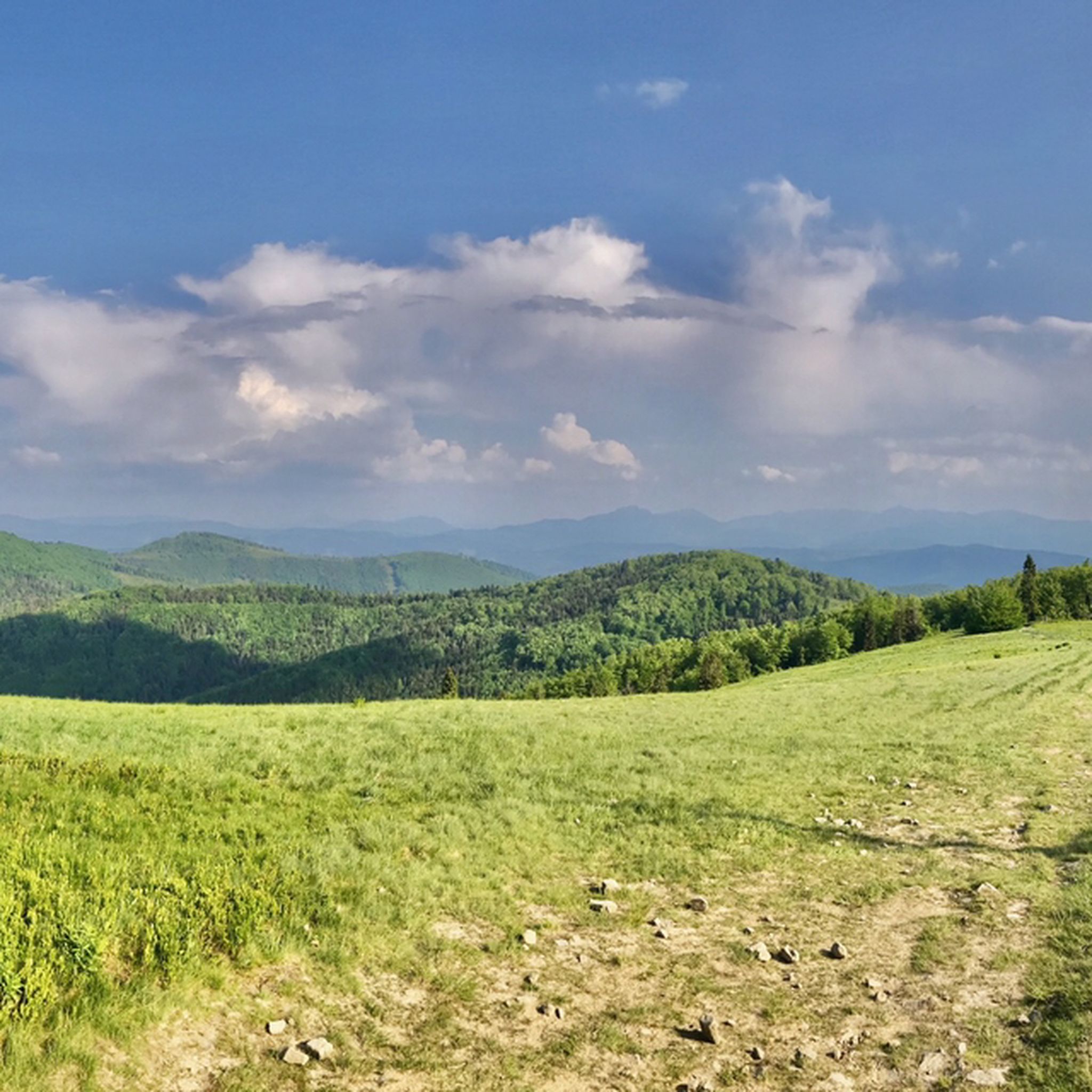
Hiking around Żywiecki Park Krajobrazowy
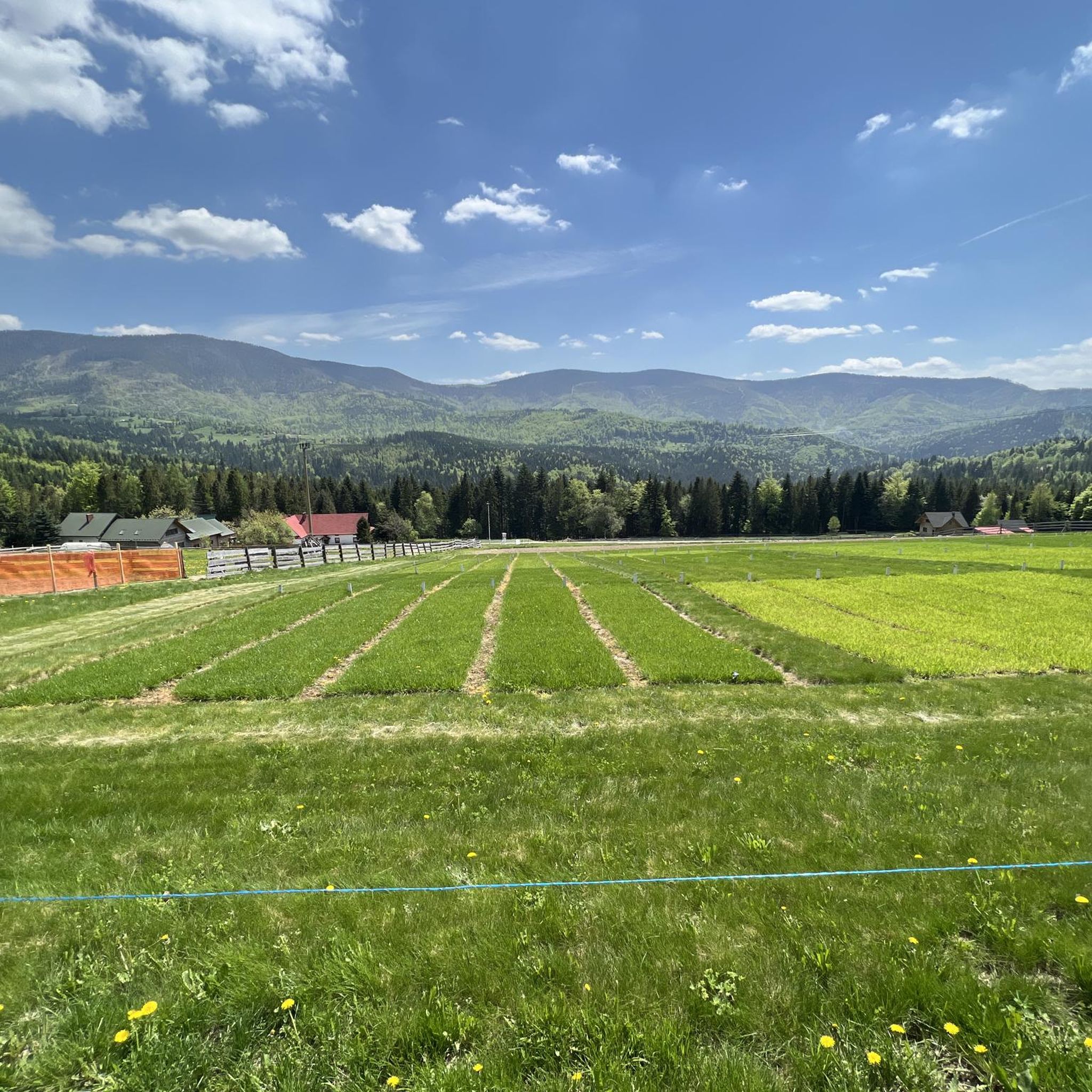
Running Trails around Żywiecki Park Krajobrazowy
MTB Trails around Żywiecki Park Krajobrazowy
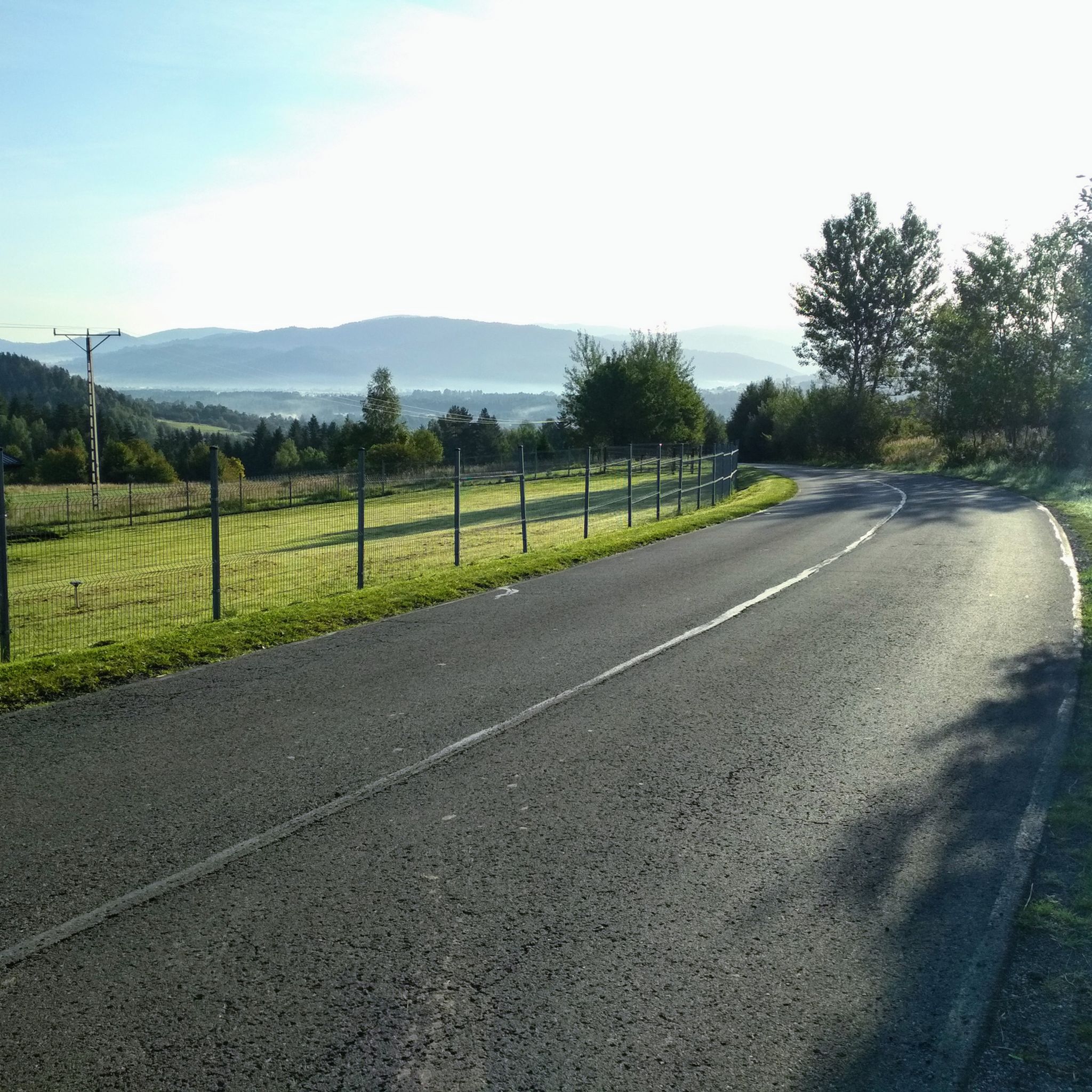
Road Cycling Routes around Żywiecki Park Krajobrazowy
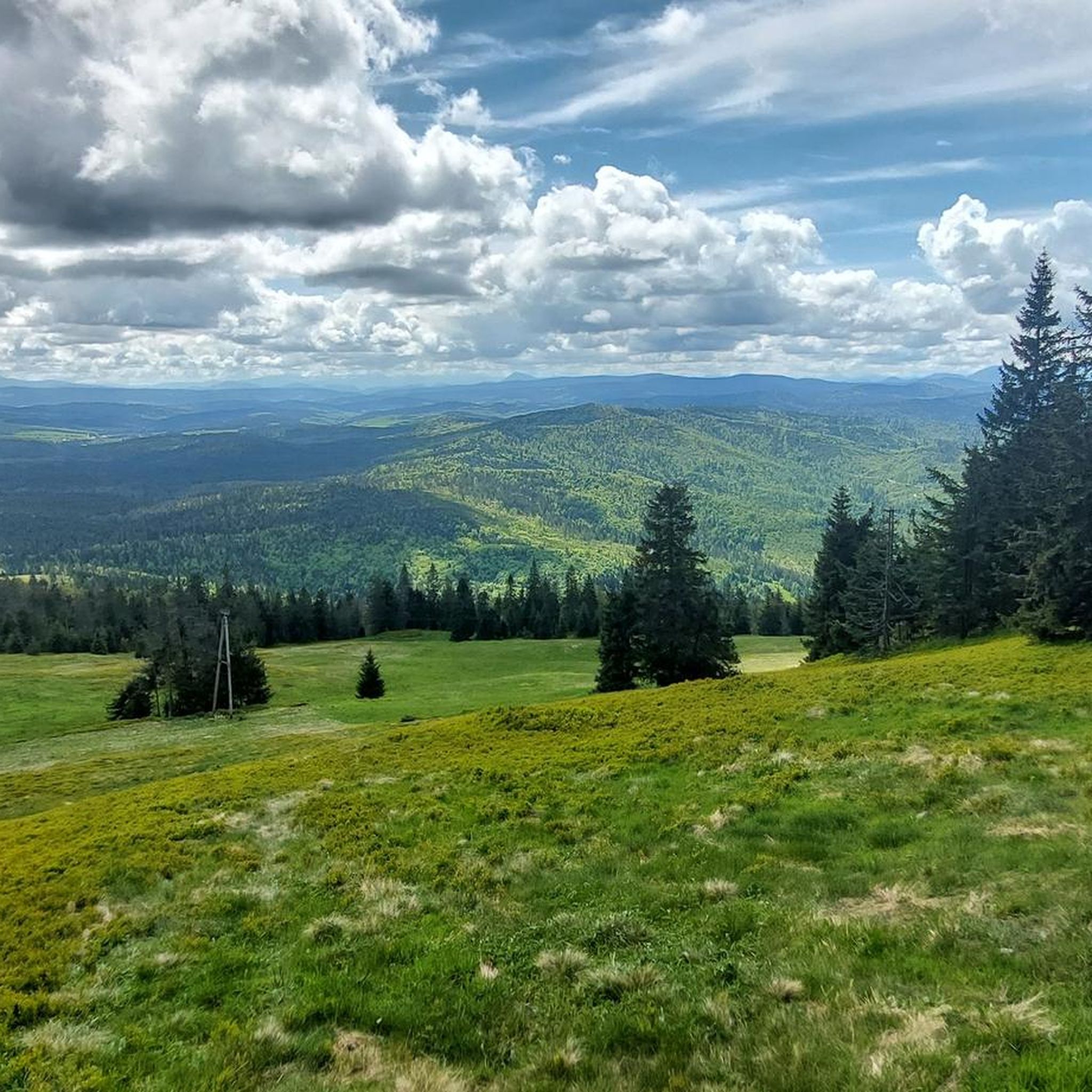
Cycling around Żywiecki Park Krajobrazowy
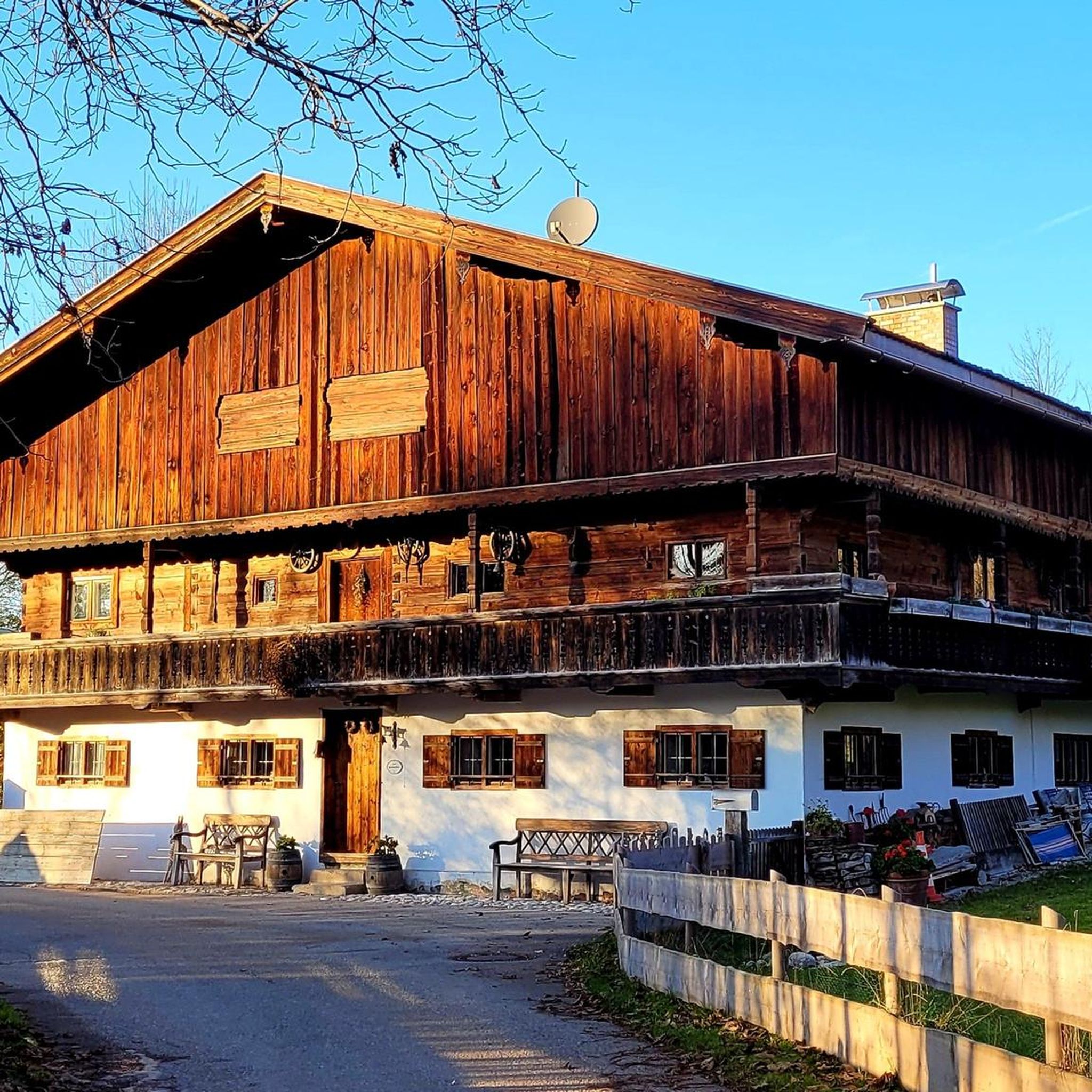
Mountain Hikes around Żywiecki Park Krajobrazowy

Gravel biking around Żywiecki Park Krajobrazowy
Other adventures around Żywiecki Park Krajobrazowy

Tips from the Community

You have to get off the bike and walk 20 meters
0
0

For those who know, there is no need to recommend it, for those visiting for the first time - a unique place with an unforgettable panorama of the Tatra Mountains (if there is visibility).
0
0

Romanka (1366 m above sea level) is one of the highest peaks of the Żywiec Beskids, located within the Żywiec Landscape Park. The peak is covered with dense forest, but from the clearings on its slopes you can admire the panorama of the Tatras, Babia Góra and Pilsko. The most popular trails lead to Romanka from Żabnica, Sopotnia Wielka and Hala Rysianka, with which it creates a picturesque mountain range. The hike to the peak is demanding, especially from the Żabnica Valley, where the route is steep. Due to the more difficult approaches, it is worth stocking up on good footwear and appropriate clothing, especially in the colder seasons.
1
0
Hala Rysianka is one of the most beautiful glades in the Żywiec Beskids, located at an altitude of about 1200 m above sea level. It offers a picturesque view of the Tatras, Mala Fatra and the surrounding mountain ranges. The glade is home to the popular PTTK Rysianka shelter, which offers accommodation and home-cooked food, making it a great place to rest during your hike. You can get here by several trails, including from Żabnica, Złatna or Sopotnia Wielka, and in winter it is a good place for ski touring. The trails are varied, so it is worth taking comfortable shoes and preparing for different weather conditions.
1
0

Nice view of the Tatra Mountains, Babia Góra and Poland
0
0

Access possible from several directions of varying difficulty. Beautiful views, possibility of overnight stay 🏕️.
0
0


Formerly also Rajcza (Slovak: Veľká Rača), 1236 m above sea level – the highest peak of the Wielka Rača group in the Żywiec Beskids (in Slovakia these are the Kysuckie Beskids) Wielka Rača is located on the main ridge of the Żywiec Beskids, through which the Polish-Slovak border and the Great European Watershed run[4]. At Wielka Rača, this ridge changes direction. Wielka Rača is also a keystone for a long side ridge extending from its peak to the west (to the Slovak side). Between the three ridges of Wielka Rača there are three valleys, through which three streams flow: Rača, Klubinský potok and Oščadnica (Oščadnica) Wielka Rača is completely forested, but on its summit there is a grassy meadow, from which a wide panorama with a characteristic group of Malá Fatra stretches. The peak is also the highest mountain in the Kysuce Beskids (the Slovak part of the Żywiec Beskids) and one of the highest peaks in the Żywiec Beskids. Observation of the views is facilitated by a viewing platform built in 1997 jointly by Poles and Slovaks
0
0
Frequently Asked Questions
What unique natural features can I explore in Żywiecki Park Krajobrazowy?
Beyond the well-known peaks, the park features geological wonders like the Wickowa Cave in Sopotnia Wielka, the largest cave in the park at 101 meters, and several scenic landslide lakes located between the Lipowska and Rysianka peaks. These offer a glimpse into the subterranean and geologically active aspects of the region.
Are there any impressive waterfalls to visit in the park?
Yes, the Sopotnia Wielka Waterfall is a designated natural monument within the park. Reaching 10 meters in height, it is the largest waterfall in the Polish Beskids and offers a picturesque natural spectacle.
Which peaks offer the best panoramic views in Żywiecki Park Krajobrazowy?
For breathtaking vistas, consider visiting Wielka Racza Summit, which provides views of three bordering countries. Romanka Peak also offers panoramas of the Tatras, Babia Góra, and Pilsko from its clearings. Additionally, Pilsko (1557 m) is the highest peak in the park and offers rewarding views of the surrounding Carpathian world.
What kind of hiking trails can I find near the natural monuments?
The park offers a variety of hiking trails, from moderate to difficult. You can find routes that lead to summits like Pilsko and Wielka Racza, or explore areas with mountain huts. For more detailed options, check out the dedicated guide for Hiking around Żywiecki Park Krajobrazowy.
Are there family-friendly natural monuments suitable for visiting with children?
The Sopotnia Wielka Waterfall is considered family-friendly. Additionally, the scenic grassland of Hala Rysianka, with its mountain hut, offers a pleasant destination for families, providing beautiful views and a place to rest.
What is the best time of year to visit the natural monuments in Żywiecki Park Krajobrazowy?
The best time to visit depends on your preferred activities. Spring and summer are ideal for hiking and enjoying the lush flora. Autumn offers spectacular fall foliage. Winter provides opportunities for ski touring and snowshoeing, especially around peaks like Pilsko, but requires appropriate gear and caution due to snow conditions.
Can I bring my dog to the natural monuments and trails in the park?
While many outdoor areas in Poland are dog-friendly, it's always recommended to check specific regulations for Żywiecki Park Krajobrazowy and individual nature reserves. Generally, dogs should be kept on a leash, and owners are responsible for cleaning up after them. Some protected areas might have stricter rules.
Are there any nature reserves within the park that protect unique ecosystems?
Yes, Żywiecki Park Krajobrazowy includes several nature reserves, such as Oszast and Pilsko. These reserves are crucial for preserving well-preserved fragments of forest ecosystems, including Carpathian beech forests, spruce forests, and rare plant species like stemless carline thistle and martagon lily. Access might be regulated to protect these delicate environments.
What do visitors enjoy most about the natural monuments in Żywiecki Park Krajobrazowy?
Visitors frequently praise the magnificent panoramic views from peaks like Wielka Racza Summit and the picturesque beauty of grasslands such as Hala Rysianka. The opportunity to experience diverse landscapes, from high-mountain flora on Pilsko to serene waterfalls, is also highly valued.
Are there opportunities for mountain biking near the natural monuments?
Yes, the region around Żywiecki Park Krajobrazowy offers various mountain biking routes. You can find challenging loops that incorporate mountain huts and scenic areas. For specific routes and difficulty levels, refer to the MTB Trails around Żywiecki Park Krajobrazowy guide.
How can I access the natural monuments using public transport?
Public transport options to the park's trailheads and natural monuments vary. It's advisable to research local bus routes connecting from larger towns like Żywiec to villages such as Korbielów, Sopotnia Wielka, or Rycerka Górna, which serve as starting points for many trails. Planning ahead is recommended as services might be less frequent in certain areas.
What is the geological significance of Żywiecki Park Krajobrazowy?
The park's geological structure is primarily composed of Magura sandstones and clay shales, forming the Carpathian Flysch. This unique composition has created the varied terrain, including distinct rock formations, mountain ranges, and features like the landslide lakes, making it a significant area for geological study and appreciation.
Most popular routes around Żywiecki Park Krajobrazowy
Most popular attractions around Żywiecki Park Krajobrazowy

Get inspired with the komoot mobile app


Explore more
Extend your search for the best caves by checking out these guides of the top ones around Żywiecki Park Krajobrazowy:
