Top 3 Natural Monuments around Bissendorfer Moor
Best natural monuments around Bissendorfer Moor include a significant natural monument recognized as a well-preserved raised bog in Lower Saxony. This expansive, largely treeless area is designated as a nature reserve and a Fauna-Flora-Habitat area, underscoring its European importance for conservation. The moor features an open, largely natural raised bog landscape with peat layers up to 7 meters thick, showcasing typical moor vegetation and unique flora. It provides a crucial habitat for diverse wildlife, including various bird species, insects, and…
Last updated: September 30, 2026
Bissendorfer Moor Observation Tower
Highlight • Viewpoint
Translated by Google •
Tip by

Basendorfer Moor – Hannoversche Moorgeest Nature Reserve
Highlight • Natural
Translated by Google •
Tip by

Sign up now to discover places like this
Get recommendations on the best single tracks, peaks, & plenty of other exciting outdoor places.
Wooden bench in Bissendorfer Moor
Highlight • Rest Area
Translated by Google •
Tip by

Start today with a free account
Your next adventure awaits.
Tips from the Community

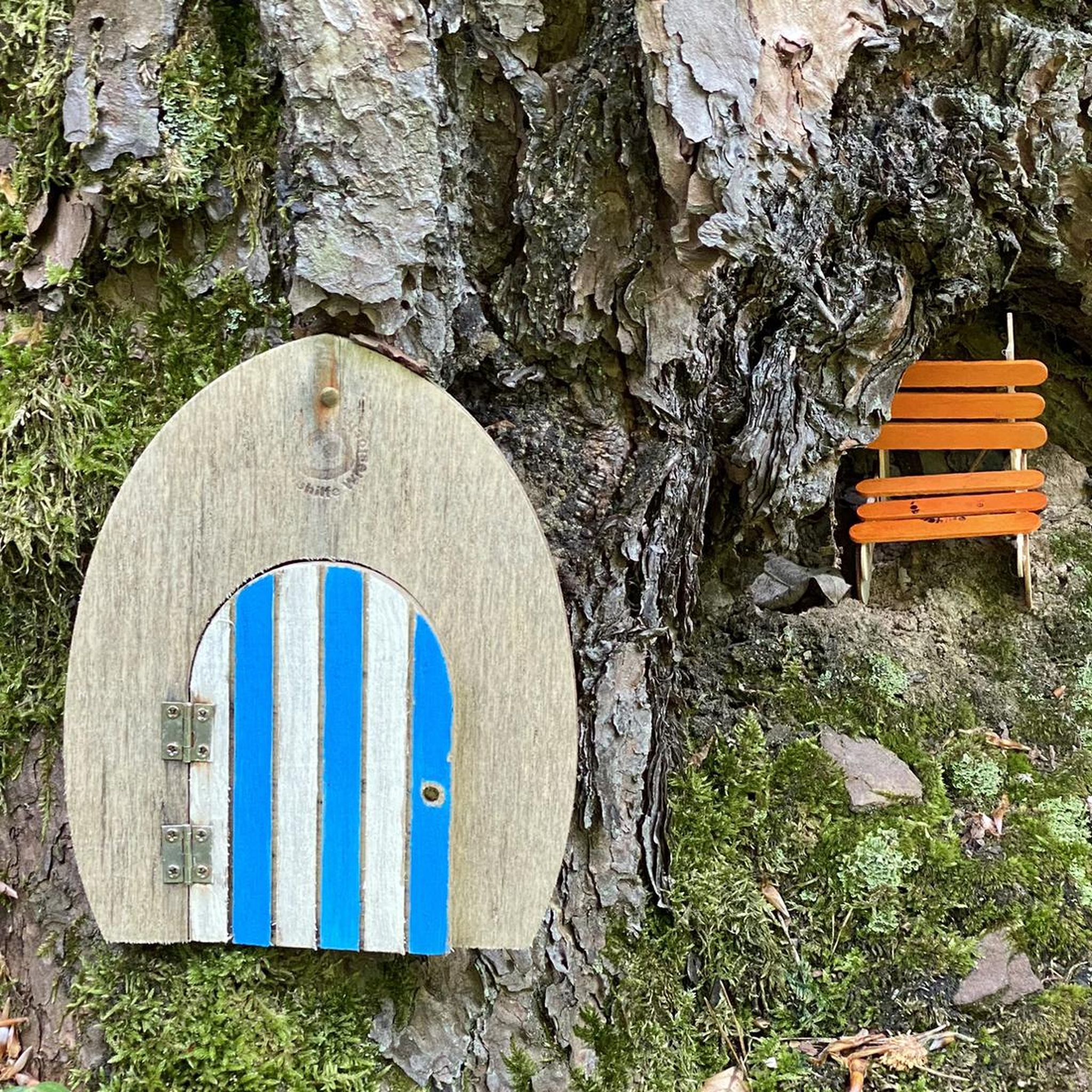
The bank has now disappeared.
0
0

This is also the entrance to the beautiful trail on the main receiving water.
0
0
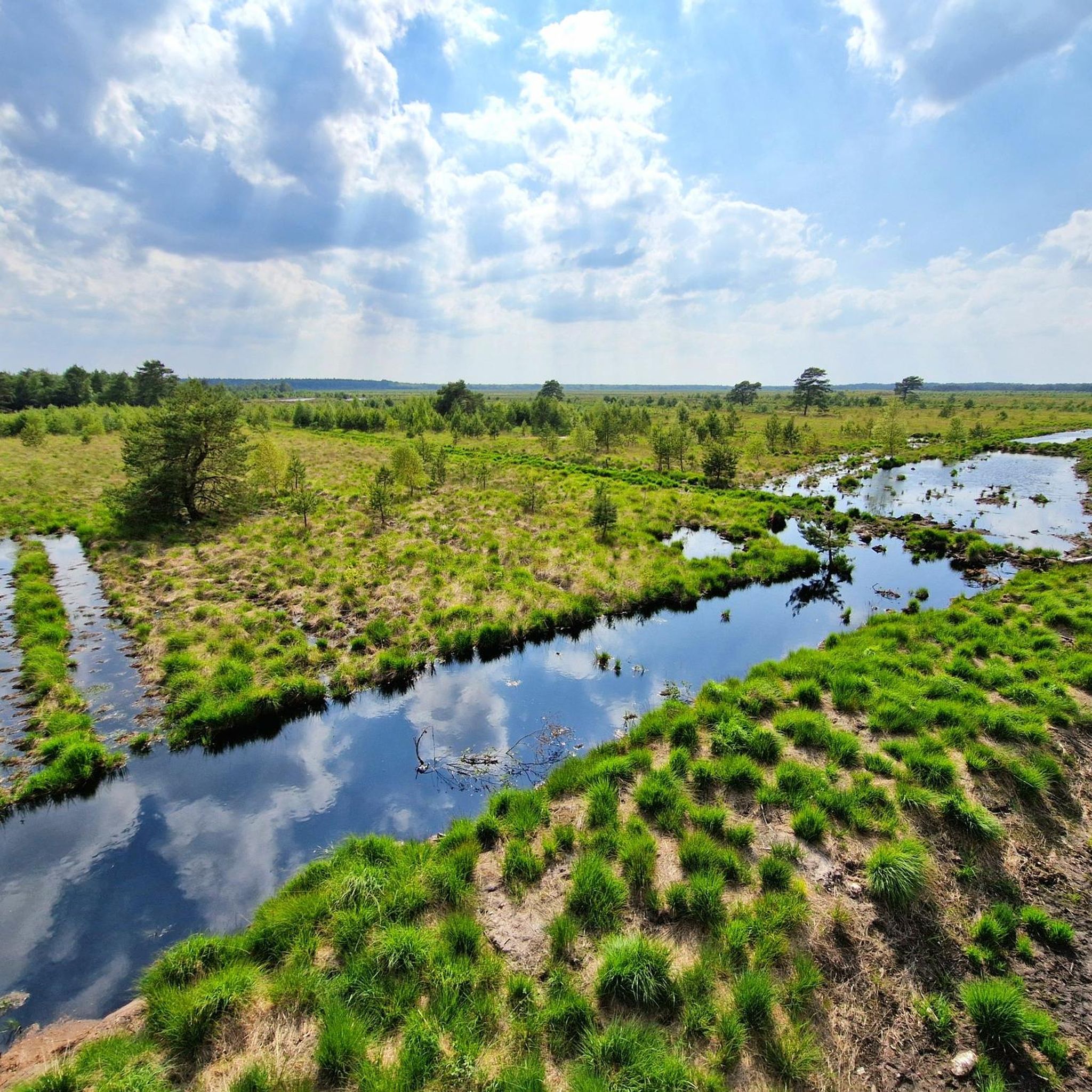
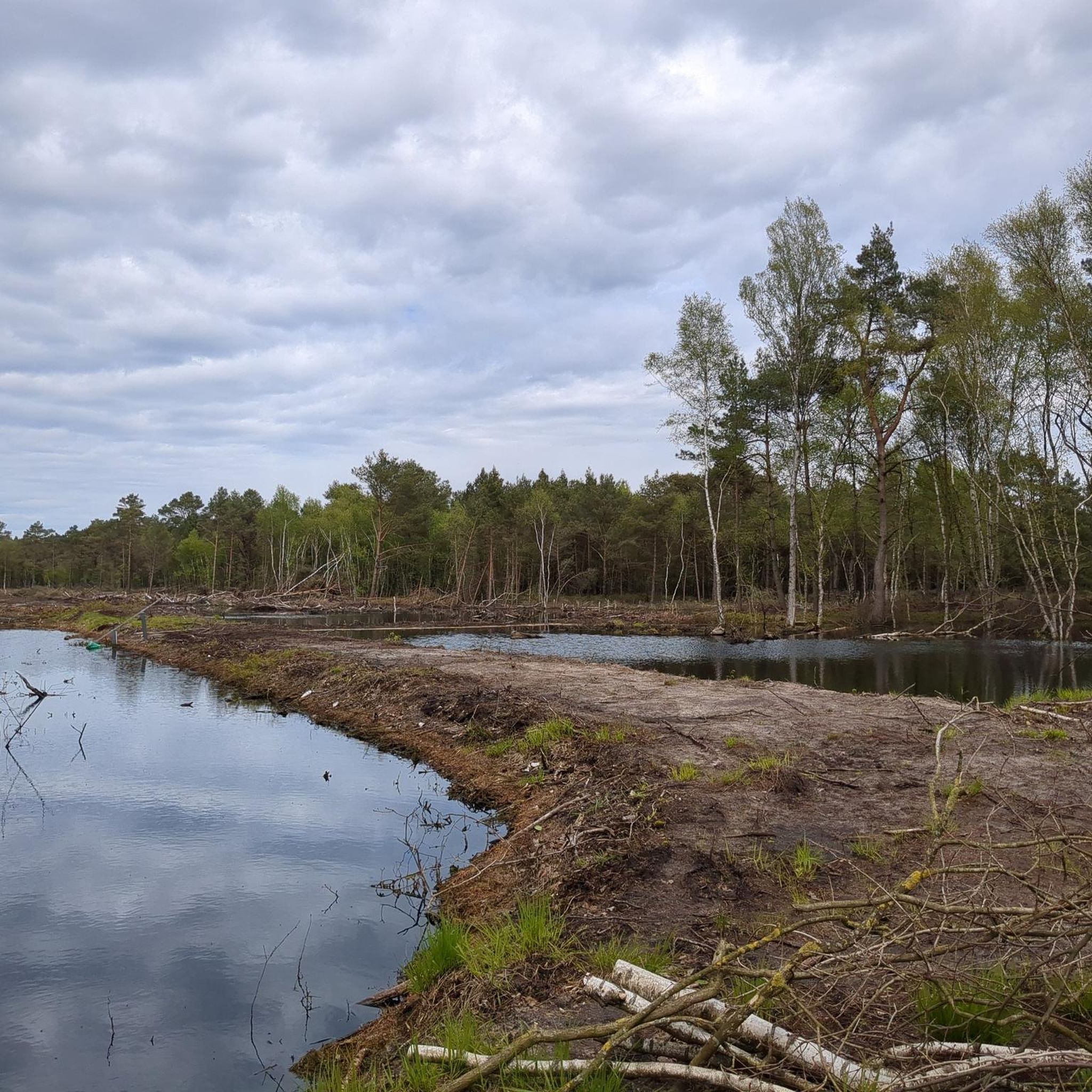
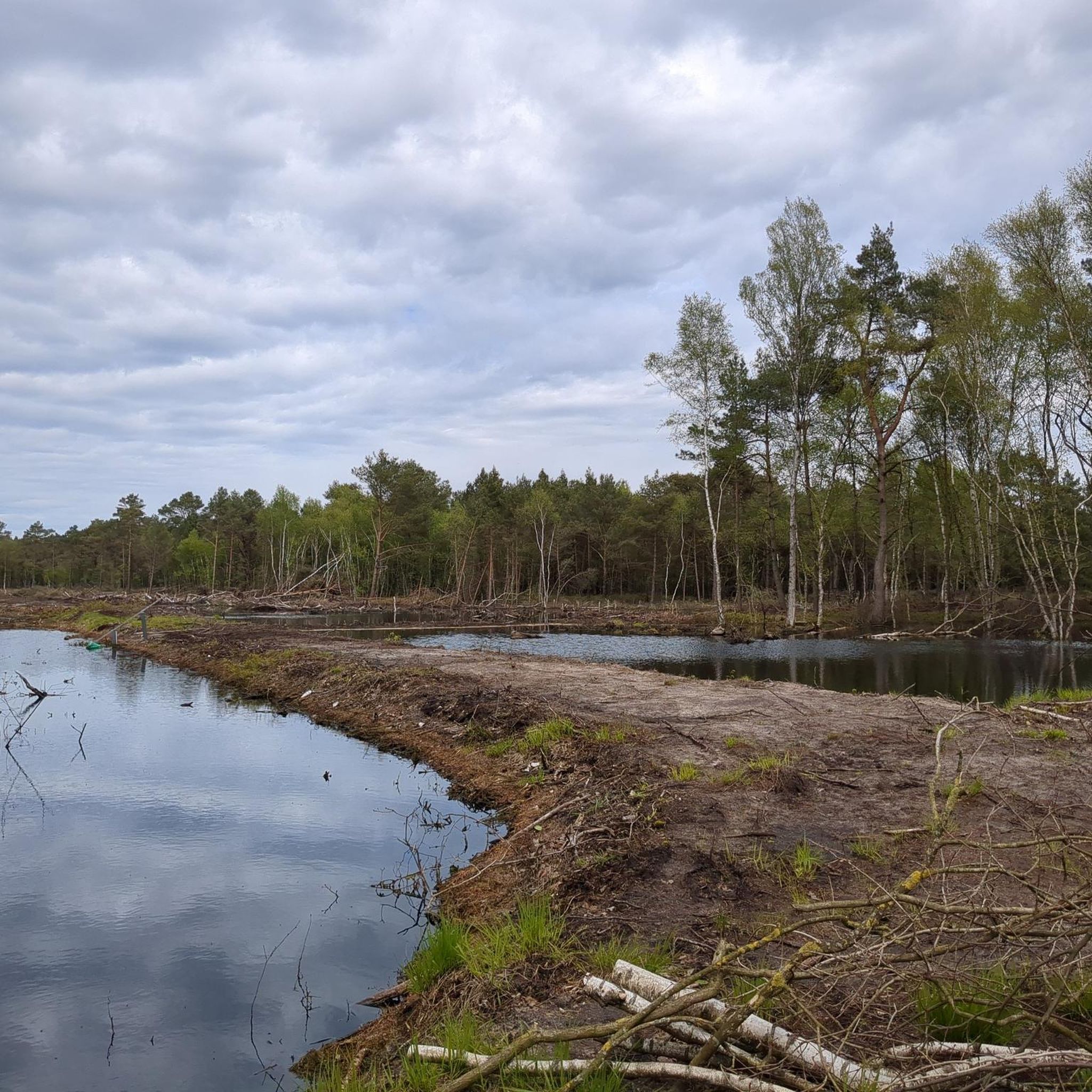
In August 2023, the third construction phase of the EU LIFE+ project "Hannoversche Moorgest" began. As part of ecological upgrading, drainage ditches are closed, peat embankments are built to retain rainwater, and trees that draw water from the moors are felled. Please remember that the measures serve to protect the climate before you get outraged that some of the trails have been redesigned or even disappeared. New ways will emerge over time. That's life: the old goes away and the new comes into being.
0
0

I would go 500 meters to the lookout tower!
1
0

Tower newly built in 03/2021 beautiful and elevated tower Great view
3
0

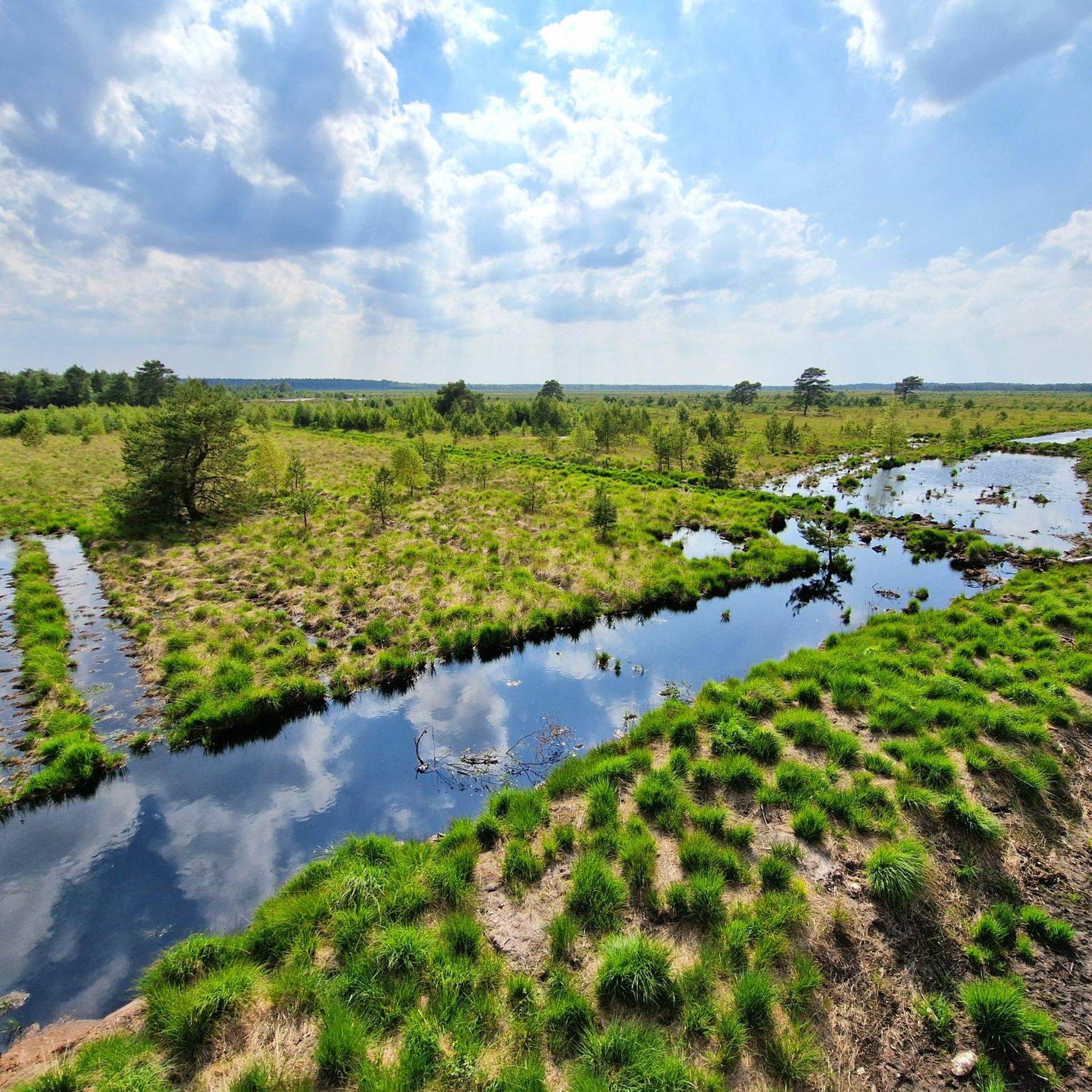
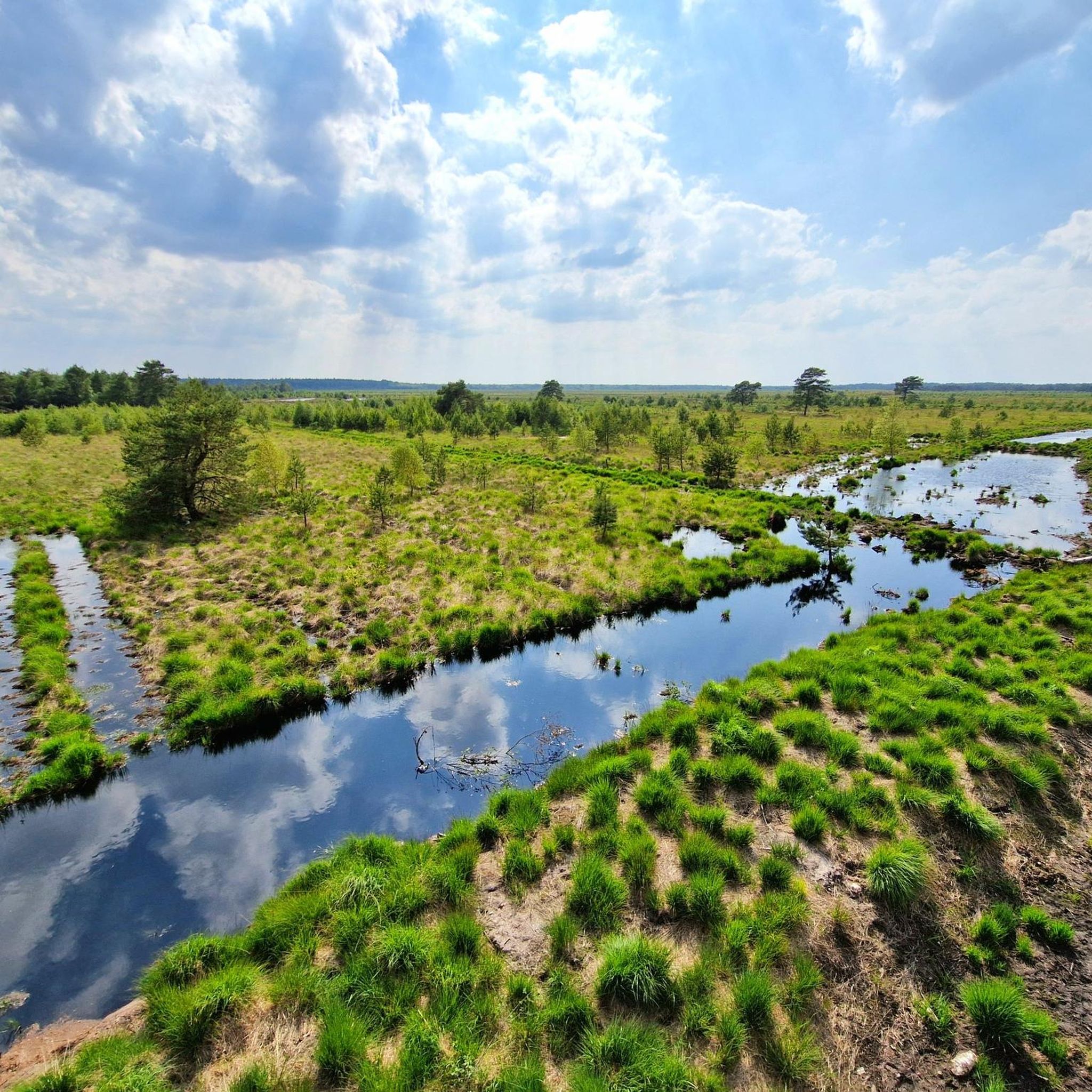
There is a new lookout tower that offers a wonderful all-round view of the moor, but also a good view of the moor pools at the edge of the forest. Plus a nice bench for the break - there aren't many of those in this area.
3
0

Super nice, no matter what time of year or what weather.
2
0

The observation tower is now ready.
2
0
Frequently Asked Questions
What unique natural features can I expect to see in Bissendorfer Moor?
Bissendorfer Moor is a well-preserved raised bog, featuring an expansive, largely treeless landscape with peat layers up to 7 meters thick. You'll encounter typical moor vegetation like bell heather, common heather, various cotton grasses, and sphagnum mosses. A notable feature is the naturally formed dystrophic bog pond, Muswillensee, located within the central moor.
Are there good viewpoints to observe the moor landscape?
Yes, there are several observation towers. The Bissendorfer Moor Observation Tower, newly built in 2021, offers an excellent all-round view of the moor and its pools. Another option is the North Observation Tower, Bissendorfer Moor, which provides panoramic views over the moorland towards Muswillensee.
What kind of wildlife can be spotted in Bissendorfer Moor?
Bissendorfer Moor is a biodiversity hotspot. It's an excellent location for birdwatching, with breeding populations of curlews, meadow pipits, stonechats, and whinchats. During migration, it serves as a resting place for cranes. You can also find diverse insects, including various dragonflies and butterflies, as well as reptiles like sand lizards, grass snakes, and common adders.
Are there family-friendly activities or areas within Bissendorfer Moor?
Yes, the observation towers are easily accessible and provide engaging experiences for all ages, allowing families to enjoy panoramic views without disturbing the sensitive ecosystem. Designated paths on the periphery of the moor are suitable for walks, and the area's unique nature offers educational opportunities for children.
What outdoor activities can I do near the natural monuments of Bissendorfer Moor?
The periphery of Bissendorfer Moor offers various recreational opportunities. You can explore easy hiking trails, with options like the 'Bissendorfer Moor – Pond in Bissendorfer Moor loop'. For cyclists, there are routes such as the 'Löns Lake – South Shore of Lönssee loop'. Gravel biking is also popular, with routes like the 'Leinewehr Waterfall at Apfelallee'. You can find more details on these activities in the easy hikes, cycling, and gravel biking guides for the area.
When is the best time to visit Bissendorfer Moor?
The moor offers unique experiences throughout the year. Spring and autumn are particularly good for birdwatching, especially during crane migration. The vibrant moor vegetation, including bell heather and common heather, is beautiful in late summer and early autumn. Early mornings or late afternoons can provide stunning photographic opportunities with unique light.
What are the conservation efforts in Bissendorfer Moor?
Bissendorfer Moor is part of an active EU LIFE+ project focused on ecological upgrading. This involves rewetting efforts, closing drainage ditches, and building peat embankments to restore the moorlands. These measures aim to protect biodiversity and contribute to climate protection. Visitors to the Basendorfer Moor – Hannoversche Moorgeest Nature Reserve can observe these ongoing conservation efforts firsthand.
Are there educational resources available about Bissendorfer Moor?
Yes, information points within the moor provide insights into its history and ecology. Additionally, the Moorinformationszentrum Wedemark-Resse (MOORiZ) offers further educational resources about the moor and the broader Hannoversche Moorgeest region, detailing its formation, unique ecosystem, and conservation importance.
Can I bring my dog to Bissendorfer Moor?
While the sensitive central bog areas are restricted, designated paths on the periphery of Bissendorfer Moor are generally suitable for walks with dogs. It is important to keep dogs on a leash to protect the delicate ecosystem and wildlife, especially during breeding seasons.
Are there any facilities like benches for resting in Bissendorfer Moor?
While there was previously a Wooden bench in Bissendorfer Moor, visitor tips indicate it may no longer be present. However, the observation towers often include benches, providing a place to rest and enjoy the view. It's advisable to check current conditions or plan for breaks along the designated paths.
What makes Bissendorfer Moor a significant natural monument?
Bissendorfer Moor is recognized as one of the best-preserved raised bogs in Lower Saxony and is a valuable component of the Hannoversche Moorgeest region. Its designation as a nature reserve and a Fauna-Flora-Habitat (FFH) area underscores its European importance for conservation, particularly for its unique raised bog landscape and the diverse flora and fauna it supports.
Most popular routes around Bissendorfer Moor
Most popular attractions around Bissendorfer Moor

Get inspired with the komoot mobile app


Explore more
Extend your search for the best caves by checking out these guides of the top ones around Bissendorfer Moor:
