Top 6 Mountain Passes around the Garonne-Kanal
Mountain passes around the Garonne-Kanal offer diverse terrain, from the flat, man-made waterway to the surrounding mountainous regions. The Canal de Garonne itself is largely flat, featuring engineering marvels like aqueducts and locks that facilitate navigation. Adjacent areas, particularly towards the Pyrenees, provide traditional mountain passes and climbs with significant elevation changes. This region combines historical canal engineering with natural mountain landscapes.
Best mountain passes around the Garonne-Kanal
- The most popular mountain pass is Ascent to Col du Portillon from…
Last updated: June 26, 2026
Ascent to Col du Portillon from Bossòst
Highlight (Segment) • Mountain Pass
Translated by Google •
Tip by

Arres Pond
Highlight • Lake
Translated by Google •
Tip by

Sign up now to discover places like this
Get recommendations on the best single tracks, peaks, & plenty of other exciting outdoor places.
Sign up for free
Ascent of the Col de Menté from Lez
Highlight (Segment) • Climb
Translated by Google •
Tip by

Ascent to the Bonaigua Pass from Vielha
Highlight (Segment) • Mountain Pass
It's a fairly easy climb, with good road surfaces and little traffic. It's …
Translated by Google •
Tip by

View of Les from Mirador Guardador de Les
Highlight • Viewpoint
Translated by Google •
Tip by
Start today with a free account
Your next adventure awaits.
Login or Signup
Popular around Garonne canal
100 miles in paradise - Discover the Val d'Aran by UTMB
GR 10 – Explore the Ariège Pyrenees crossing the Pyrenees
Between myths and legends – emblematic passes of the Pyrenees
Pedals de Foc – An adventure through the Catalan Pyrenees
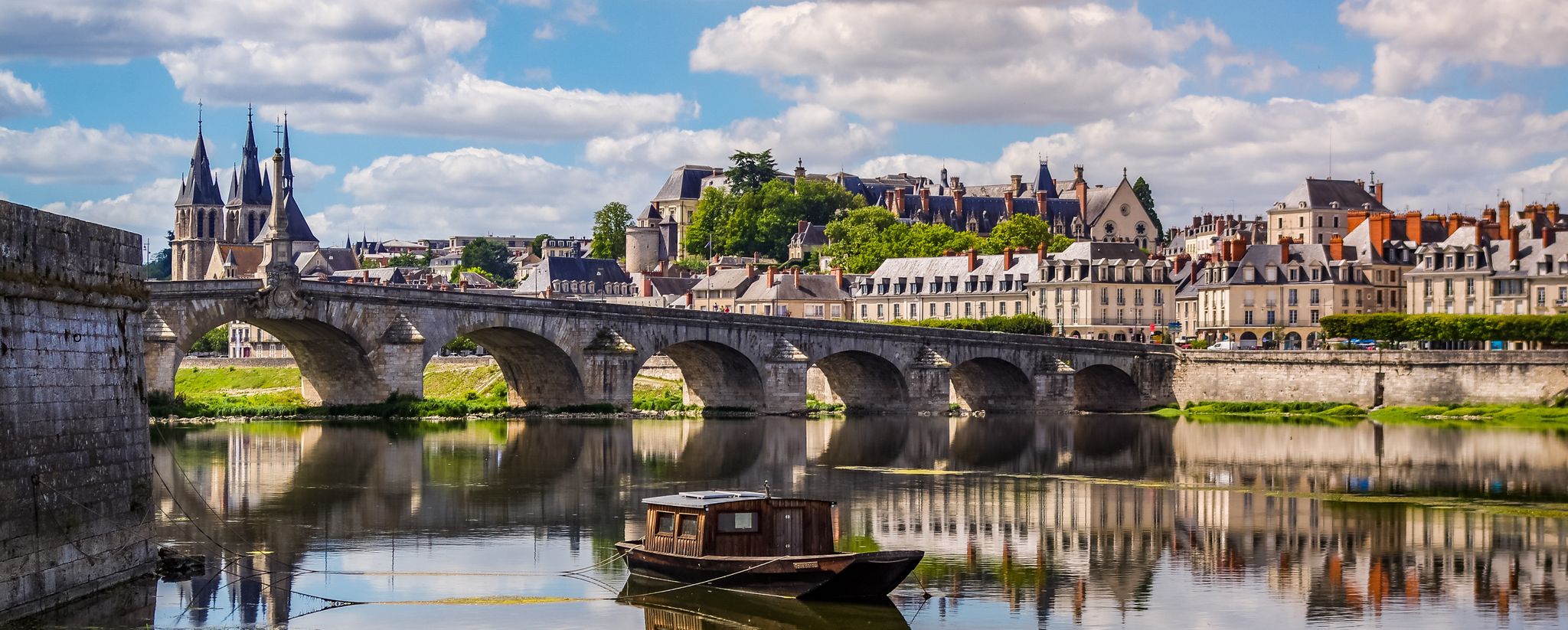
EuroVelo 3 – A cycling pilgrimage from Norway to France
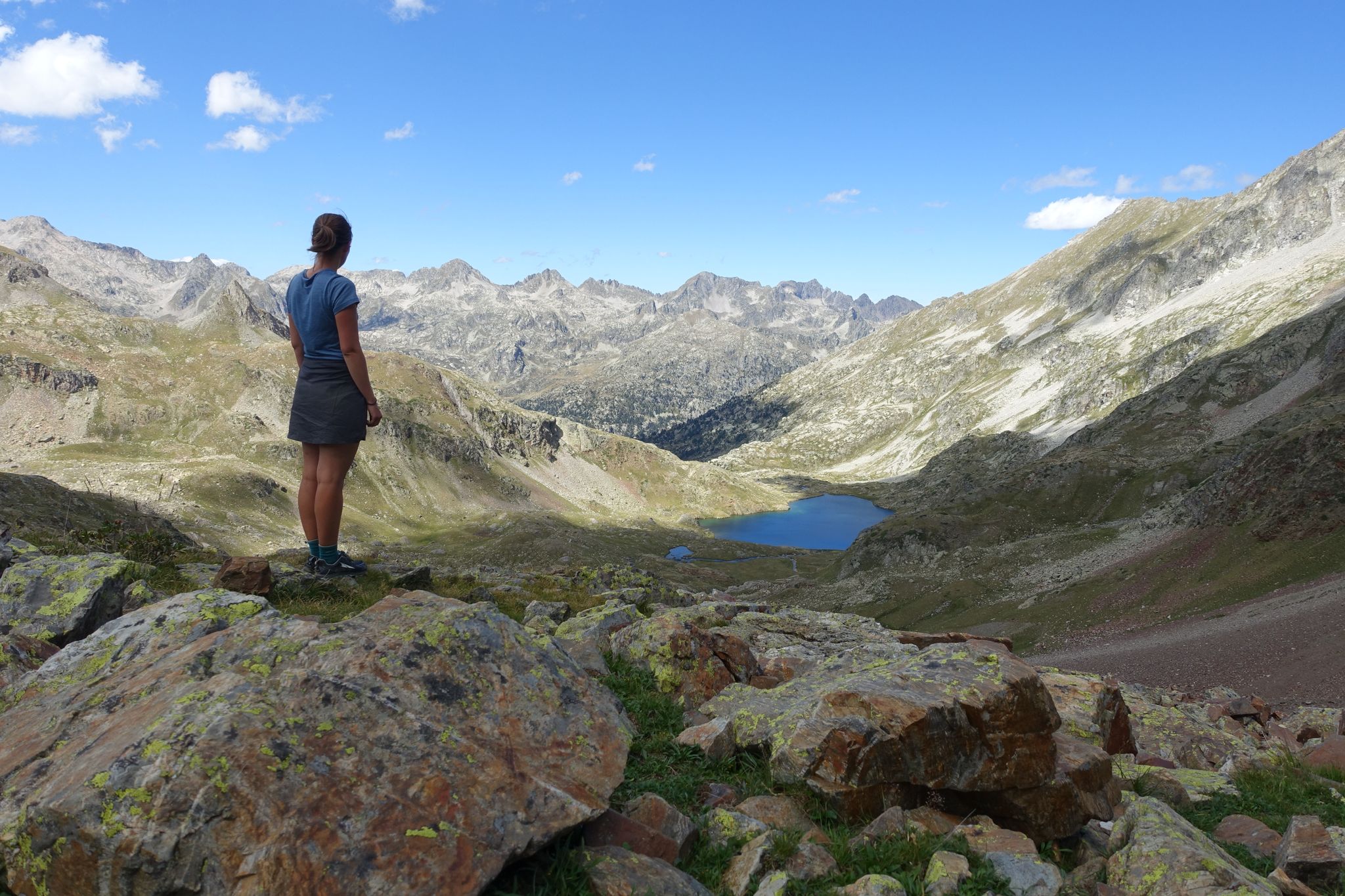
Haute Route Pyrénéenne – Pyrenees Crossing
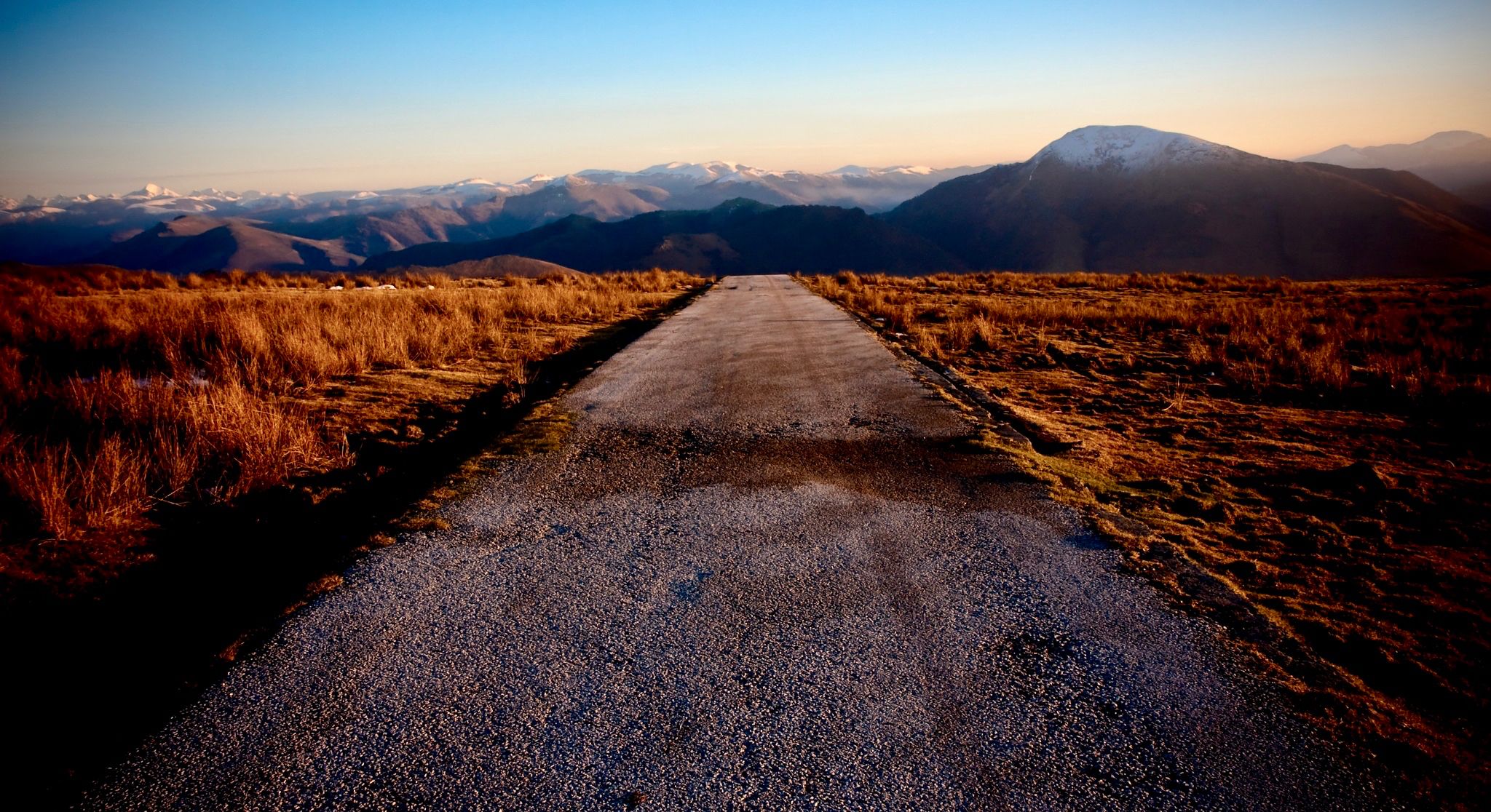
Coast to coast across the Pyrenees on your road bike
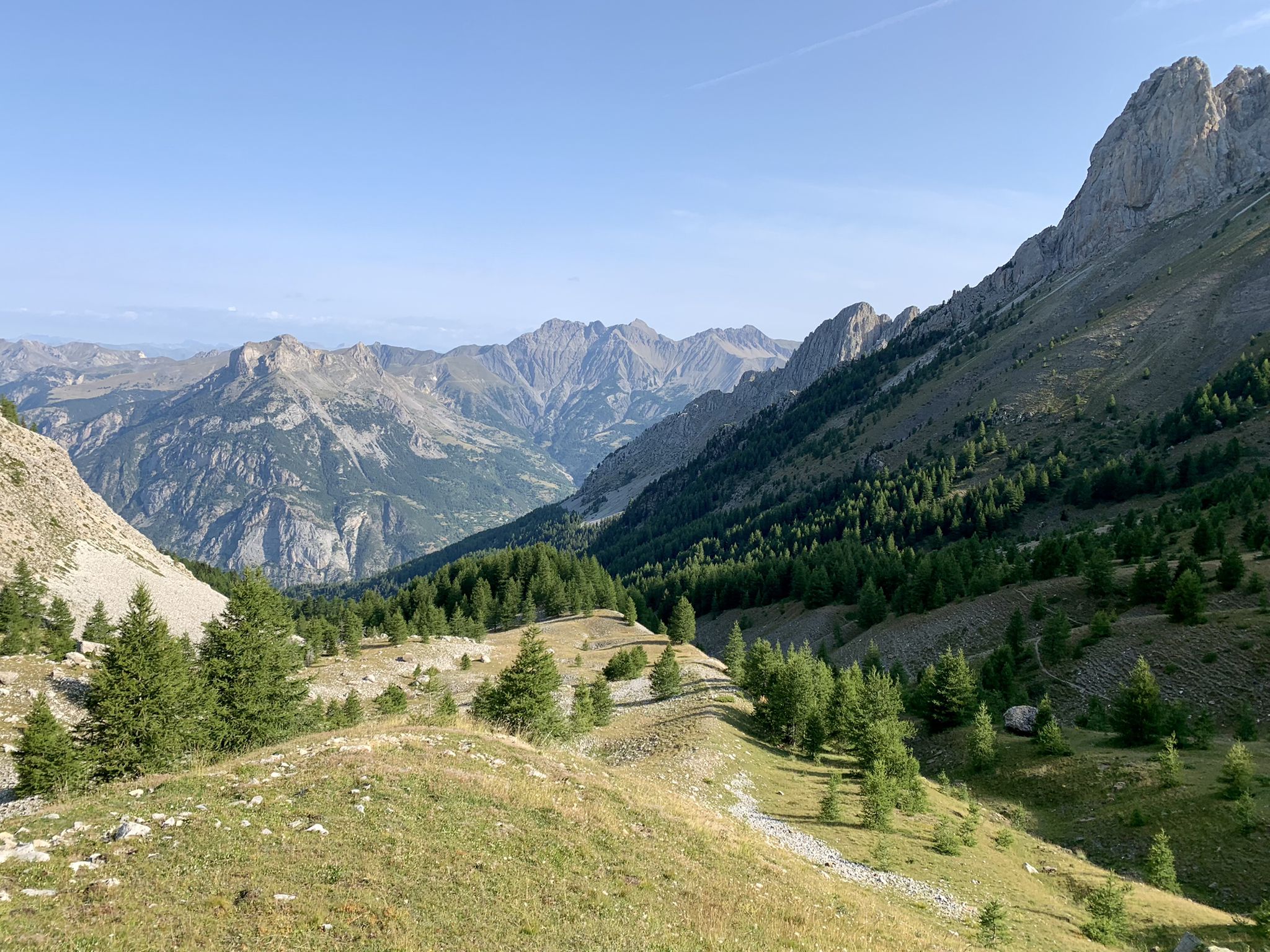
From the Alps to the Atlantic — GR 6
Ports and Roads — Catalonia on Wheels
The most beautiful rides of Lot-et-Garonne by bike
Other adventures around the Garonne-Kanal


Tips from the Community

Beautiful road marked on every bend by posts celebrating Spanish winners of the Tour de France, and kilometre markers with gradient, altitude etc. it finishes at the border, which is the col.
0
0

Beautiful climb up Col de Menté. Although not a really famous climb it is a beautiful one, with nice hairpins inside the forest and beautiful views at the end.
0
0

From Lez, the ascent of the Col de Menté is classified as first-class, with nine kilometers at an average gradient of 8.7%. Its fairly steady gradient allows you to find your own pace.
1
0

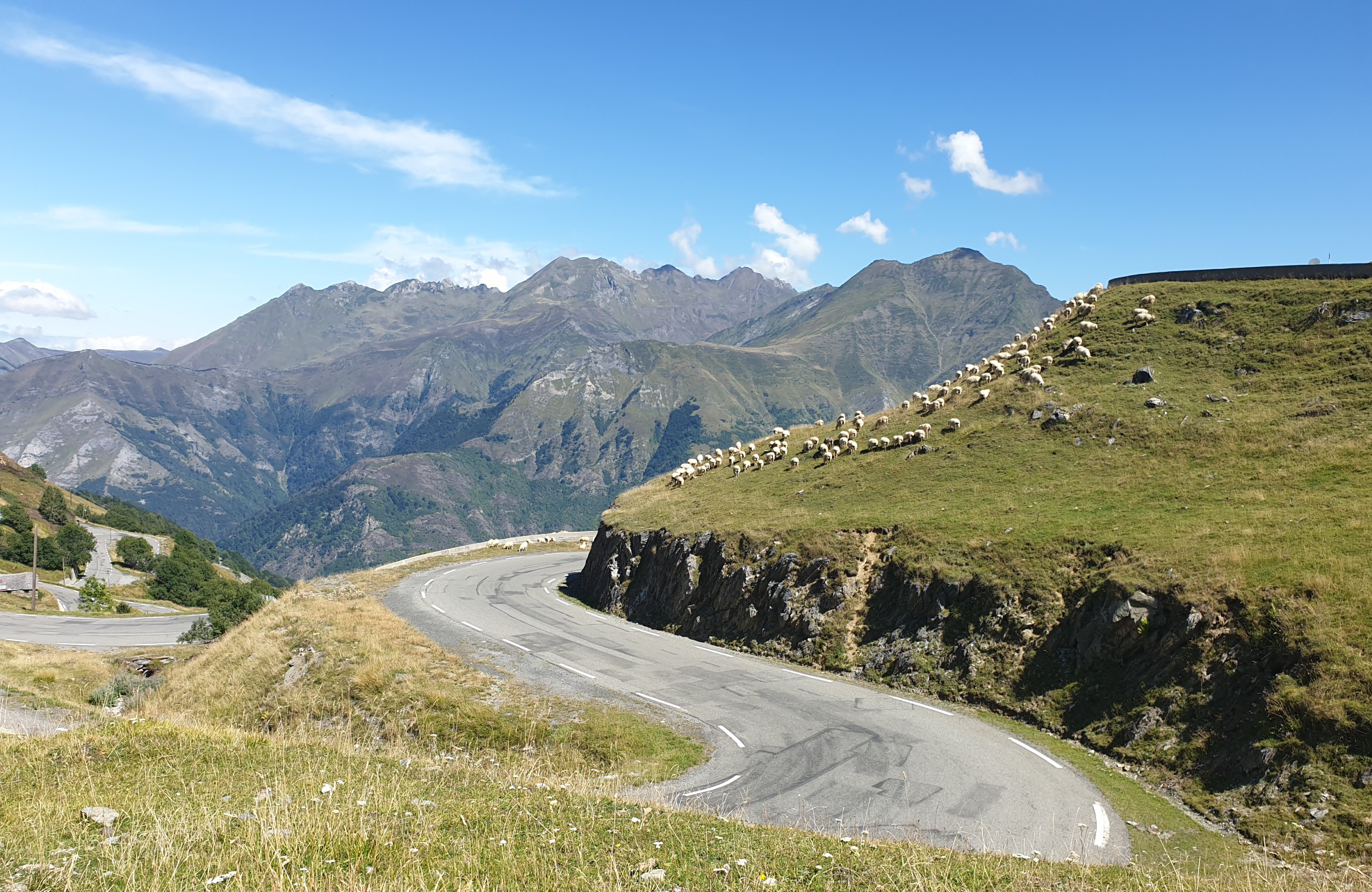
This is one of the ways to climb to the Bonaigua Pass, in this case from Vielha. It's a fairly easy climb, with good road surfaces and little traffic. It's 22 kilometers long, accumulating 1,098 meters of elevation gain at an average of 5%, with some 8% inclines.
0
0

The Col du Portillon is an emblematic pass of the Pyrenees and the Tour de France. Perched on the border between France and Spain, it peaks at 1,293 meters above sea level. The climb from Bagnères-de-Luchon is 10.2 kilometers long with an average of 6.5%, some of which are over 14%. On the descent, on the Spanish side, there is a stele in tribute to all the Spanish winners of the Tour de France.
0
0

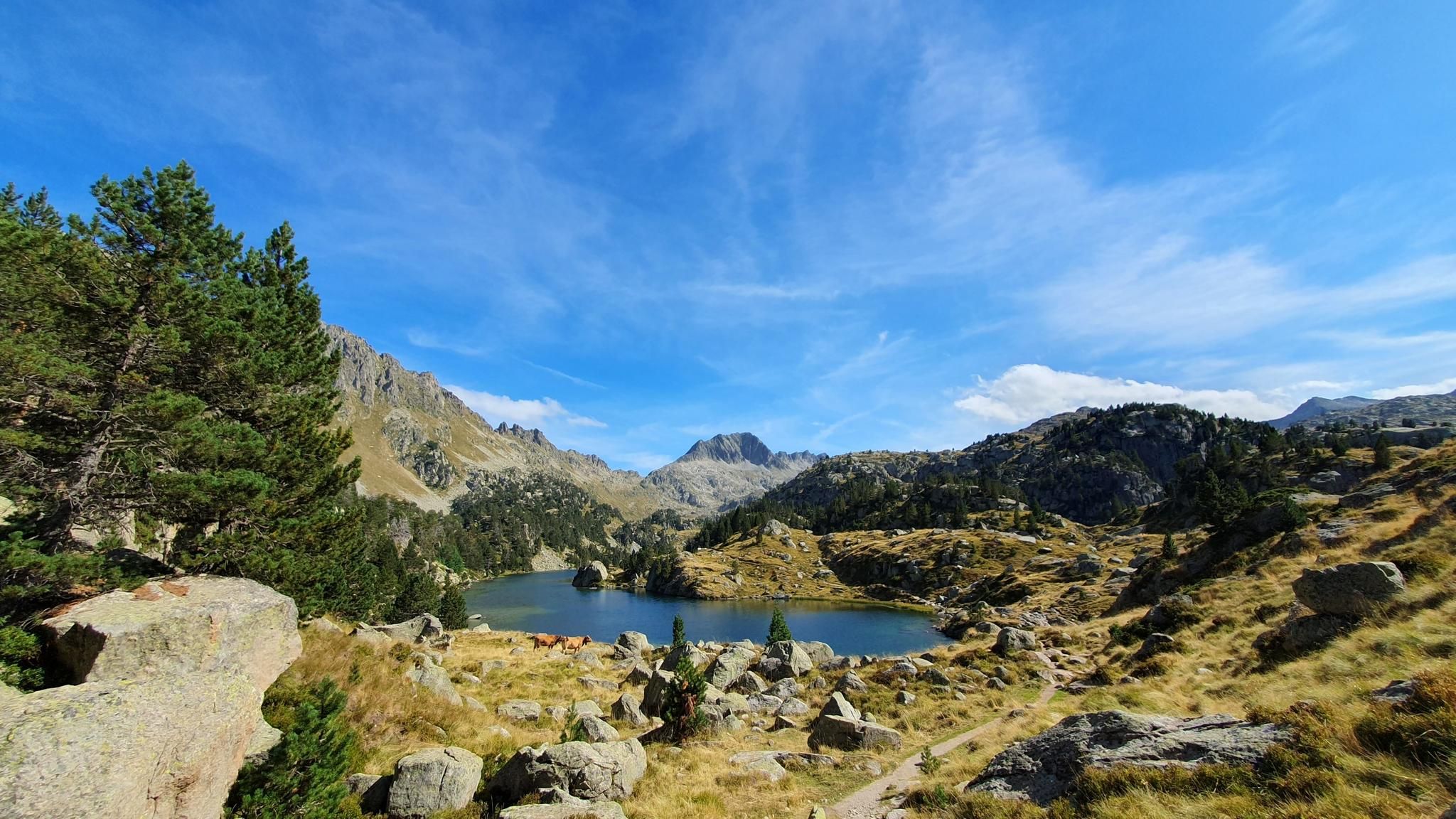
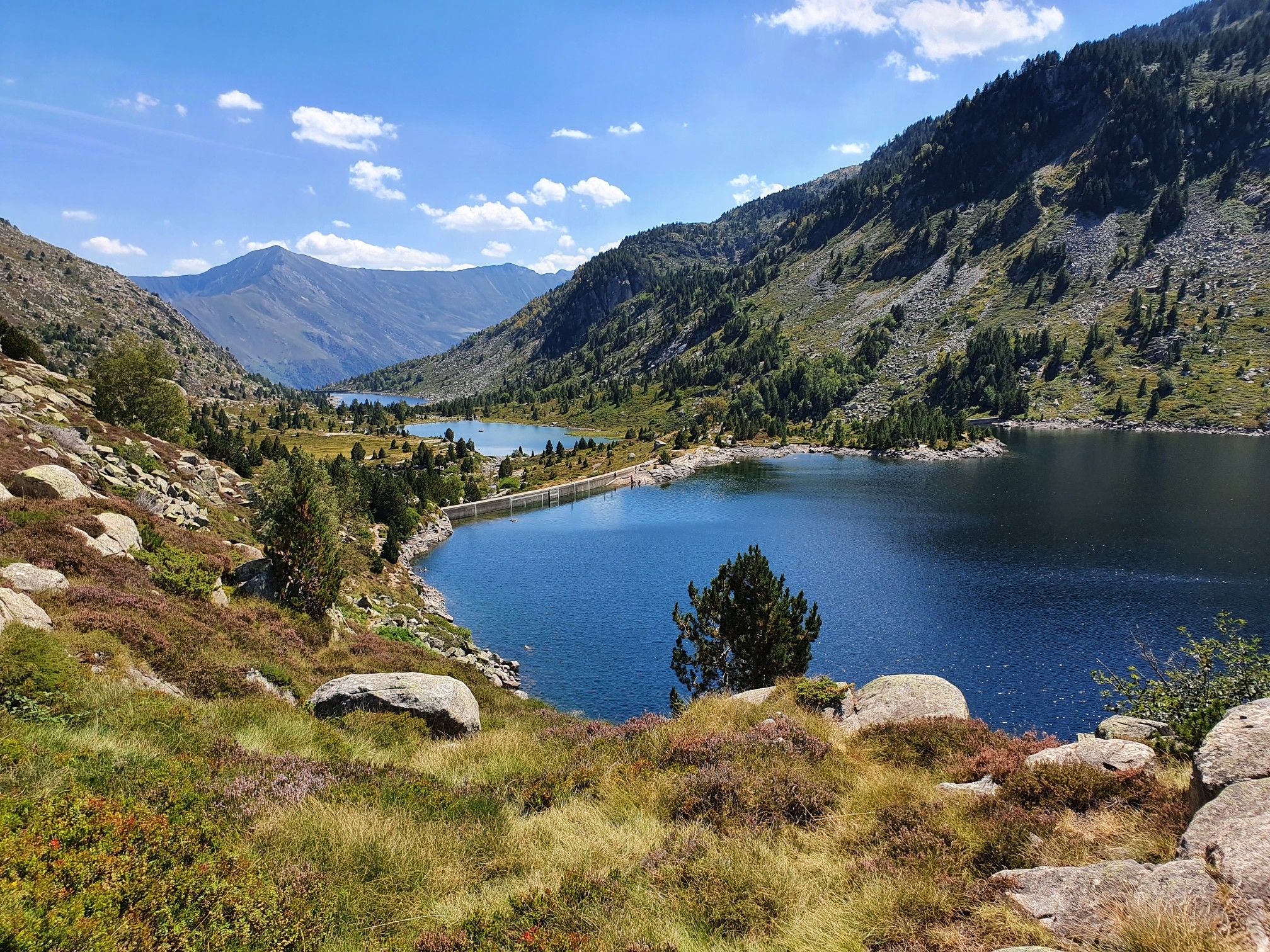
Nice picture that we found on our arrival at the Balsa de Arres. It is located at an altitude of 1,560 meters and has grills, a fountain and some tables where you can have a picnic enjoying the views of the small pond.
1
0
From the viewpoint, Guardador de Les, we can see this beautiful small town in the Arán Valley, the mountains that surround it and the Garonne River that flows towards France.
0
0
It is located at 1,560 meters of altitude. It has grills, a fountain and some tables where you can have a picnic enjoying the views of the small pond.
1
0
Frequently Asked Questions
What makes the 'mountain passes' around the Garonne-Kanal unique?
The Garonne-Kanal region offers a unique blend. While traditional high-elevation mountain passes are found in the adjacent Pyrenees, the canal itself features impressive engineering marvels that act as 'passes' for the waterway. These include the magnificent Agen Aqueduct and the Cacor Aqueduct, which carry the canal over rivers, and the innovative Montech Water Slope, designed to overcome elevation changes. These structures offer a fascinating perspective on human ingenuity alongside natural landscapes.
What are some of the most notable traditional mountain passes in the region?
Among the most popular traditional mountain passes is the Ascent to Col du Portillon from Bossòst, an emblematic pass of the Pyrenees. Another significant climb is the Ascent of the Col de Menté from Lez, known for its challenging gradient. These passes offer significant elevation changes and are popular with cyclists.
Are there any family-friendly spots or viewpoints among the passes?
Yes, there are family-friendly options. For instance, Arres Pond is located at 1,560 meters altitude and offers grills, a fountain, and tables for a picnic with views. Another great spot is the View of Les from Mirador Guardador de Les, providing beautiful panoramas of the town, surrounding mountains, and the Garonne River.
What kind of views can I expect from the mountain passes in this area?
The region offers diverse views. From the traditional mountain passes, you'll experience sweeping vistas of the Pyrenees, often with challenging climbs and hairpin turns. Along the canal, the views showcase the impressive engineering of aqueducts and locks, as well as the serene, flat landscapes of the Garonne plain. Some slightly elevated routes away from the canal also offer panoramic views of vineyards and orchards.
What is the best time of year to visit the mountain passes around the Garonne-Kanal?
The best time to visit largely depends on your activity. For cycling and hiking in the higher mountain passes, late spring (May-June) and early autumn (September-October) offer pleasant temperatures and stable weather. The canal path itself is enjoyable throughout the warmer months, from spring to early autumn, when the weather is mild and the canal activities are in full swing.
Are there options for challenging cycling routes in the Garonne-Kanal region?
Absolutely. The region is known for challenging climbs, particularly in the Pyrenean foothills. Passes like the Col du Portillon and the Col de Menté offer significant gradients and are popular with experienced cyclists. You can find more challenging routes in the Road Cycling Routes around the Garonne-Kanal guide.
Can I find hiking trails near these mountain passes?
Yes, while the immediate canal path is flat, there are hiking opportunities in the surrounding areas. You can explore routes that offer varied terrain and panoramic views slightly away from the canal banks. For easier options, check out the Easy hikes around the Garonne-Kanal guide.
What are the difficulty levels for cycling the mountain passes in this area?
The difficulty levels vary significantly. The canal path itself is predominantly flat and suitable for all levels. However, the traditional mountain passes in the Pyrenean foothills, such as the Ascent to the Bonaigua Pass from Vielha, can be intermediate to challenging, with sustained climbs and significant elevation gains. Always check the route details for specific difficulty ratings.
What historical engineering structures can I visit along the Garonne Canal?
The Garonne Canal is an engineering marvel itself. You can visit the impressive Agen Aqueduct, a 600-meter-long structure with 23 arches that carries the canal over the Garonne River. The Cacor Aqueduct at Moissac is another significant structure. While currently out of commission, the Montech Water Slope remains an impressive sight, showcasing innovative canal engineering designed to replace a flight of locks.
Are there any specific tips for visiting the Col du Portillon?
The Col du Portillon is an emblematic pass of the Pyrenees, known for its challenging climb from the French side (9 km, some sections over 14%). The descent on the Spanish side is 7 km. It's well worth the effort for the views and the experience of a Tour de France pass. There's also a stele on the Spanish side dedicated to Spanish Tour de France winners.
What activities are available for mountain biking near the Garonne-Kanal?
While the canal path is generally flat, the surrounding regions offer excellent mountain biking opportunities, particularly in the more rugged terrain away from the immediate canal banks. You can explore various trails with different difficulty levels. For detailed routes, refer to the MTB Trails around the Garonne-Kanal guide.
What do visitors appreciate most about the mountain passes in this region?
Visitors frequently appreciate the combination of challenging climbs for cyclists, the stunning panoramic views from various viewpoints, and the unique historical engineering marvels along the canal. The diversity of terrain, from the flat canal paths to the more rugged mountain landscapes, offers something for every outdoor enthusiast, making it a highly rated destination by the komoot community.
Most popular routes around the Garonne-Kanal
Most popular attractions around the Garonne-Kanal

Get inspired with the komoot mobile app


