Top 14 Natural Monuments in the Kyushu Mountains
Best natural monuments in the Kyushu Mountains are shaped by intense volcanic activity and unique geological processes. This region features a diverse landscape of active volcanoes, vast calderas, and dramatic gorges. The Kyushu Mountains offer a range of natural sites, from ancient forests to karst plateaus and hot springs. These natural monuments provide opportunities to explore the dynamic geological history and rich biodiversity of the area.
Best natural monuments in the Kyushu Mountains
- The most popular natural monuments is Nakadake…
Last updated: June 26, 2026
Sakurajima Yogan Nagisa Park Foot Bath
Highlight • Rest Area
Translated by Google •
Tip by

View of Sakurajima from Shiroyama Park Observation Deck
Highlight • Viewpoint
Translated by Google •
Tip by
Sign up now to discover places like this
Get recommendations on the best single tracks, peaks, & plenty of other exciting outdoor places.
Sign up for free
Hakamagoshi-Karasujima Lava Trail
Highlight (Segment) • Trail
Translated by Google •
Tip by
Yunohira Observatory (373m)
Highlight • Viewpoint
Translated by Google •
Tip by

Summit of Mount Karakuni
Highlight • Summit
Tip by

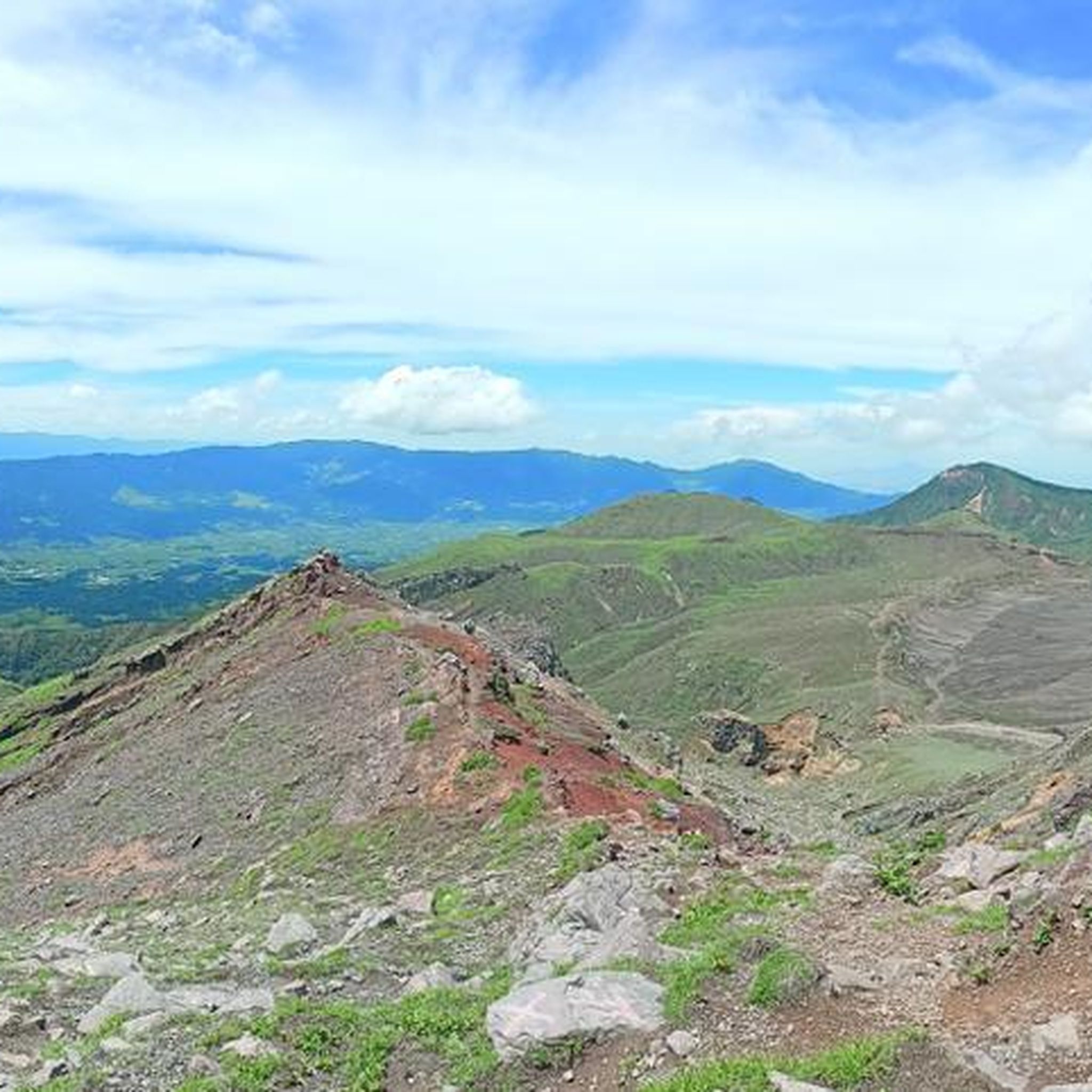
Nakadake Crater, Mount Aso
Highlight • Volcano
Translated by Google •
Tip by

Nakadake Crater
Highlight • Volcano
Translated by Google •
Tip by

Umi Jigoku (Sea Hell)
Highlight • Natural Monument
Translated by Google •
Tip by

Oniishibozu Jigoku Mud Pool
Highlight • Natural Monument
Translated by Google •
Tip by
Oniyama Jigoku (Demon Mountain Hell)
Highlight • Natural Monument
Translated by Google •
Tip by
Sign up for free to discover even more natural monuments in the Kyushu Mountains.
Sign up for free
Already have an account?
Start today with a free account
Your next adventure awaits.
Login or Signup
Other adventures in the Kyushu Mountains

Tips from the Community

The biggest climb on Sakurajima, well worth it for the challenge and view.
0
0

About 30 minutes past Nakadake, the trail is closed (as of May 2025). A circular hike is not possible.
1
0

From this spot you can clearly see the partially active volcano.
0
0
Small park with good views of the volcano.
0
0
Kagoshima Volcano
0
0

Currently active volcanic crater of Aso. You are not always allowed to go to the crater rim - depending on activity and wind
0
1

Crater lake overlooked from the summit
0
0

A cozy foot bath with volcanic water
1
0
Frequently Asked Questions
What are some of the most popular natural monuments in the Kyushu Mountains?
Visitors frequently enjoy the active Nakadake Crater of Mount Aso, where you can sometimes view the crater up close. Another favorite is Yunohira Observatory (373m), offering stunning views of Sakurajima volcano and Kagoshima. The Hakamagoshi-Karasujima Lava Trail is also popular for its unique hike through a lava field along Kinko Bay.
Are there family-friendly natural monuments to visit in the Kyushu Mountains?
Yes, several natural monuments are suitable for families. The Oniishibozu Jigoku Mud Pool, Oniyama Jigoku (Demon Mountain Hell), and Shiraike Jigoku (White Pond Hell) offer unique geothermal experiences. Additionally, the Sakurajima Yogan Nagisa Park Foot Bath provides a relaxing stop, and the View of Sakurajima from Shiroyama Park Observation Deck is easily accessible and offers panoramic views.
What kind of unique geological features can I expect to see in the Kyushu Mountains?
The Kyushu Mountains are rich in diverse geological formations. You can explore Mount Aso, one of the world's largest active calderas, and witness its active crater. Takachiho Gorge features dramatic V-shaped cliffs carved by the Gokase River through ancient lava flows, with distinctive basalt columns. The Hiraodai Karst Plateau offers a unique landscape of limestone formations and extensive underground caves. Sakurajima is an active volcano whose continuous activity shapes its environment, and Unzen showcases volcanic mountains and hot springs.
What outdoor activities can I do near these natural monuments?
The region offers a variety of outdoor activities. You can find numerous hiking trails, including challenging routes around Mount Aso like the 'Wooden Boardwalk at Mount Aso – Suna Senri Black Sand Desert loop'. There are also running trails, such as the '餅ヶ浜海浜公園 loop from 別府', and cycling routes like the 'Kanmuriyama Shrine – Sakurajima Visitor Center loop'. For more details on routes, you can explore the Hiking in the Kyushu Mountains, Running Trails in the Kyushu Mountains, and Cycling in the Kyushu Mountains guides.
Are there any ancient forests or unique ecosystems to explore?
Yes, the subtropical island of Yakushima, a UNESCO World Natural Heritage site, is renowned for its extensive cedar forest. This forest is home to some of Japan's oldest trees, known as *yakusugi*, with some estimated to be over 7,000 years old. It offers unparalleled hiking opportunities through moss-covered landscapes, providing a profound sense of natural tranquility and a chance to experience a truly primeval ecosystem.
What is the best time to visit the Kyushu Mountains to experience its natural monuments?
The Kyushu Mountains offer distinct beauty throughout the year. Spring (March-May) brings lush greenery and comfortable temperatures for hiking. Summer (June-August) is vibrant but can be hot and humid, though higher elevations offer cooler air. Autumn (September-November) is ideal for its pleasant weather and stunning fall foliage, especially around volcanic areas. Winter (December-February) can offer serene, snow-covered landscapes in higher regions, though some trails might be challenging due to snow or ice.
Can I see active volcanoes in the Kyushu Mountains?
Absolutely. The Kyushu Mountains are famous for their active volcanoes. Mount Aso is a colossal active volcano with one of the world's largest calderas, and its Nakadake Crater is often visible. Sakurajima is another highly active volcano located in Kinko Bay, known for its continuous volcanic activity and visible ash plumes. Visitors can witness the raw power of these natural forces.
What do visitors enjoy most about the natural monuments in the Kyushu Mountains?
Visitors particularly appreciate the dramatic and dynamic landscapes shaped by volcanic activity. The opportunity to witness active craters, explore unique lava fields like the Hakamagoshi-Karasujima Lava Trail, and experience the sheer scale of places like Mount Aso's caldera are often highlighted. The breathtaking views from spots like Yunohira Observatory (373m) and the mystical atmosphere of Takachiho Gorge also receive high praise.
Are there any natural monuments with historical or mythological significance?
Yes, Takachiho Gorge, while primarily a geological wonder, is deeply steeped in Japanese mythology. It is believed to be the site where Amaterasu, the sun goddess, hid in a cave, plunging the world into darkness. This mythological context adds a mystical and cultural layer to the natural beauty of the gorge, making it a significant site beyond its geological features.
Are there any natural hot springs or geothermal features to experience?
Yes, the Kyushu Mountains region is well-known for its geothermal activity. Unzen National Park, for instance, is characterized by beautiful highland onsen (hot spring) resorts where you can enjoy therapeutic hot springs amidst stunning scenery. The 'Jigoku' or 'Hells' of Beppu, including the Oniishibozu Jigoku Mud Pool and Oniyama Jigoku (Demon Mountain Hell), showcase various dramatic geothermal phenomena like boiling mud and steaming ponds.
What kind of views can I expect from the natural monuments?
The natural monuments offer a wide range of spectacular views. From the outer rim of Mount Aso's caldera, you can see panoramic vistas of volcanic peaks and lush green plains. Yunohira Observatory (373m) provides a clear view of Sakurajima volcano and Kagoshima. Takachiho Gorge offers intimate views of sheer cliffs and the cascading Manai Waterfall from river level, or panoramic vistas from trails above. Peaks like Mount Karakuni also provide expansive mountain scenery.
Are there opportunities for underground exploration in the Kyushu Mountains?
Yes, the Hiraodai Karst Plateau is famous for its numerous limestone caves. The Senbutsu Limestone Cave, for example, is over 2 km long and features distinctive geological structures and underground waterfalls. Exploring these mystical caves provides an adventurous and fascinating underground experience, revealing unique formations shaped over millennia.
How accessible are the natural monuments by public transport?
While some major sites like Mount Aso and Takachiho Gorge have bus services, accessing many natural monuments in the Kyushu Mountains often requires a combination of public transport and local shuttles, or a rental car for greater flexibility. It's advisable to check specific transport options for each monument in advance, especially for more remote locations like Yakushima, which requires ferry or flight access.
Most popular routes in the Kyushu Mountains
Most popular attractions in the Kyushu Mountains

Get inspired with the komoot mobile app


Explore more
Extend your search for the best caves by checking out these guides of the top ones in the Kyushu Mountains:
