Top 20 Natural Monuments in the Sawatch Range
Best natural monuments in the Sawatch Range are characterized by high-altitude peaks, including numerous "Fourteeners" exceeding 14,000 feet in elevation. This central Colorado range features vast alpine environments and diverse geological formations, primarily composed of Precambrian-age granites. The Sawatch Range is part of the Continental Divide and offers extensive trail systems within the San Isabel National Forest and White River National Forest. Its landscape provides opportunities for exploring towering summits and pristine glacial lakes.
Best natural monuments in the Sawatch…
Last updated: June 26, 2026
Summit of Mount Elbert
Highlight • Summit
Tip by

Hope Pass
Highlight • Mountain Pass
Tip by
Sign up now to discover places like this
Get recommendations on the best single tracks, peaks, & plenty of other exciting outdoor places.
Sign up for free
Bear Lake
Highlight • Lake
Tip by

Lake Ann
Highlight • Lake
Tip by
Mount Belford
Highlight • Summit
Tip by
Cottonwood Pass
Highlight • Mountain Pass
Tip by
Huron Peak
Highlight • Summit
Tip by
Mount Princeton Summit
Highlight • Summit
Tip by
Missouri Mountain
Highlight • Summit
Tip by
Saint Kevin Lake
Highlight • Lake
Tip by
Sign up for free to discover even more natural monuments in the Sawatch Range.
Sign up for free
Already have an account?
Start today with a free account
Your next adventure awaits.
Login or Signup
Popular around Sawatch Range
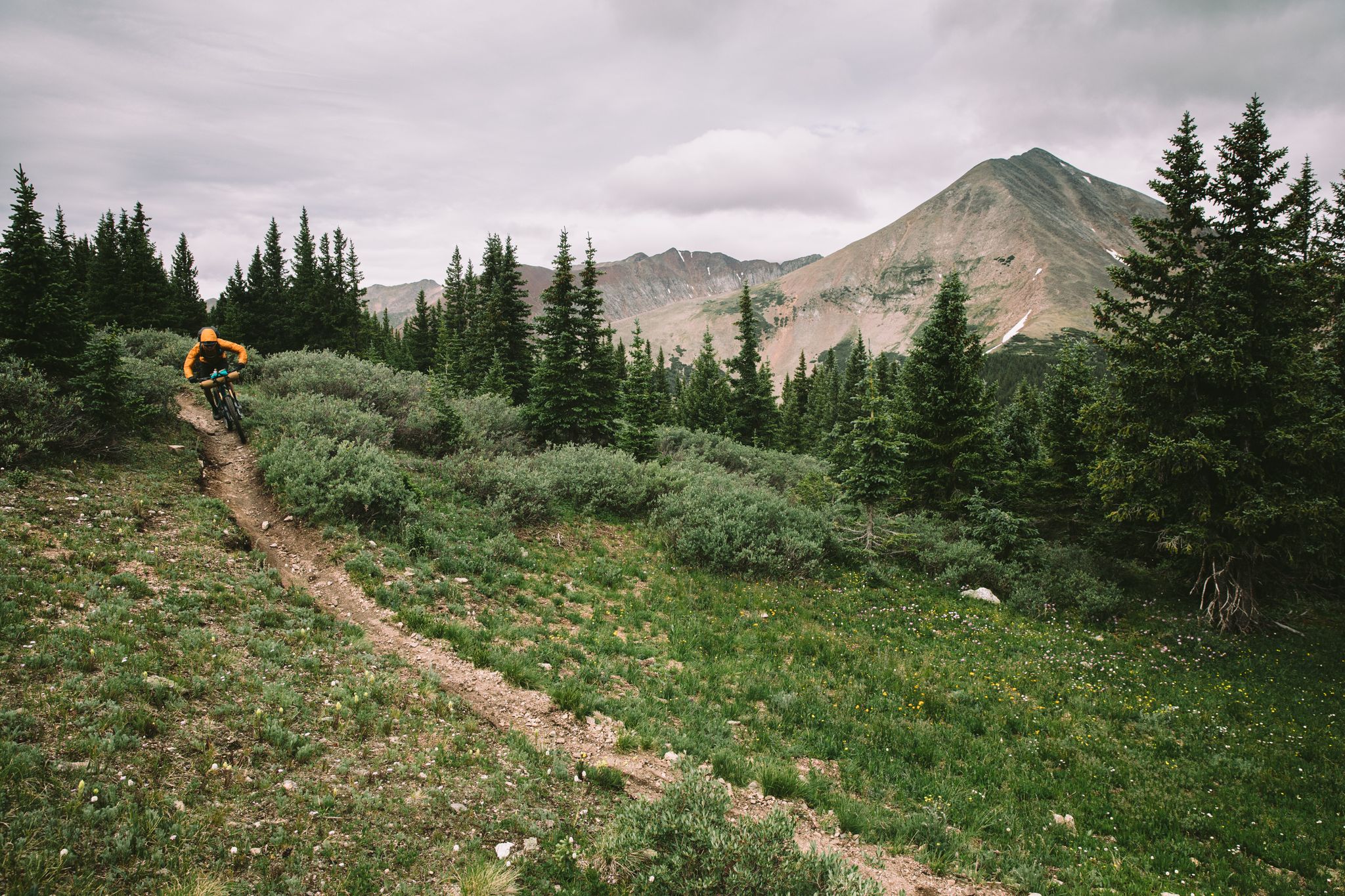
The Colorado Trail — Ten incredible days in the Rocky Mountains
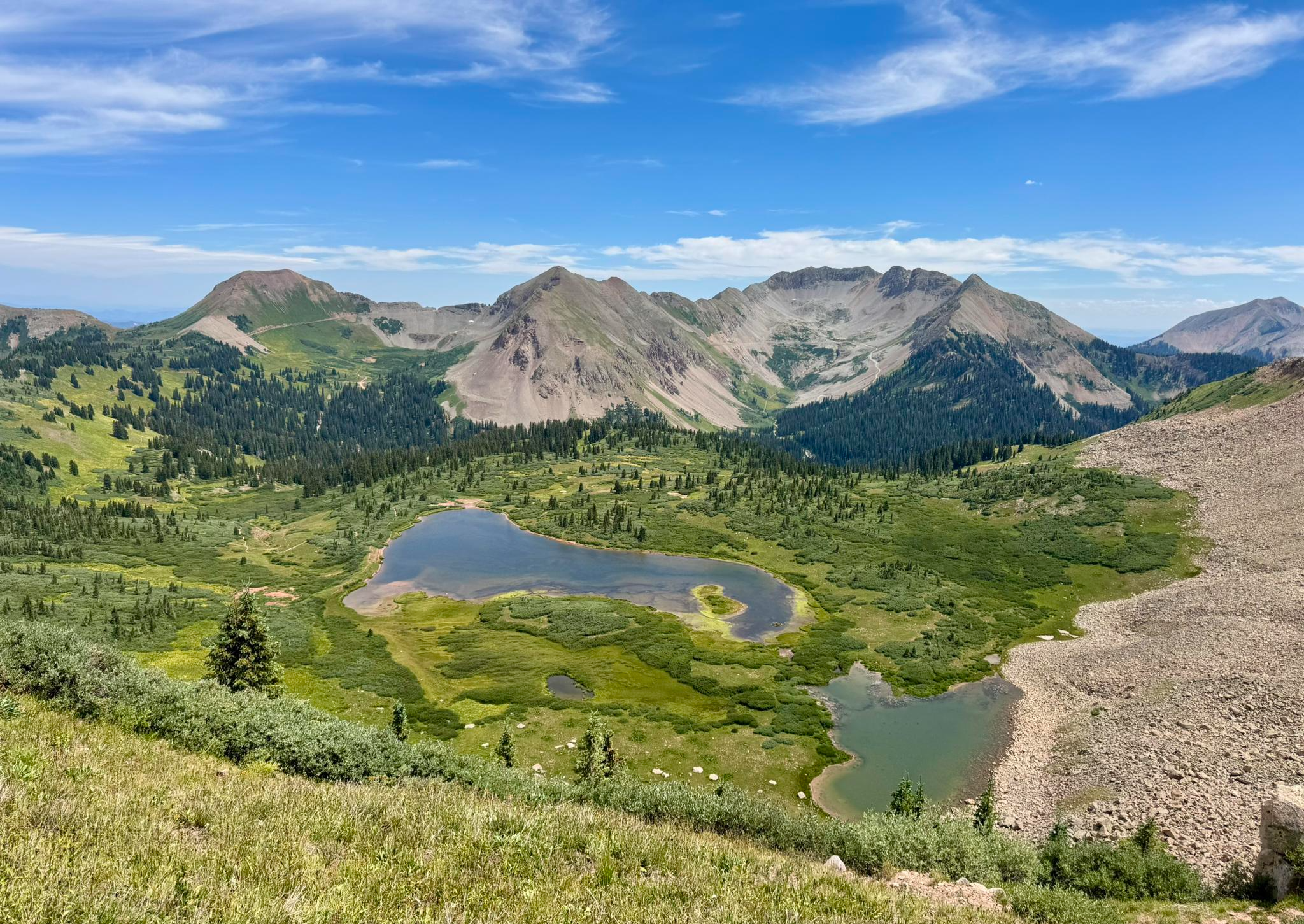
Colorado Trail — The pinnacle of wild Colorado
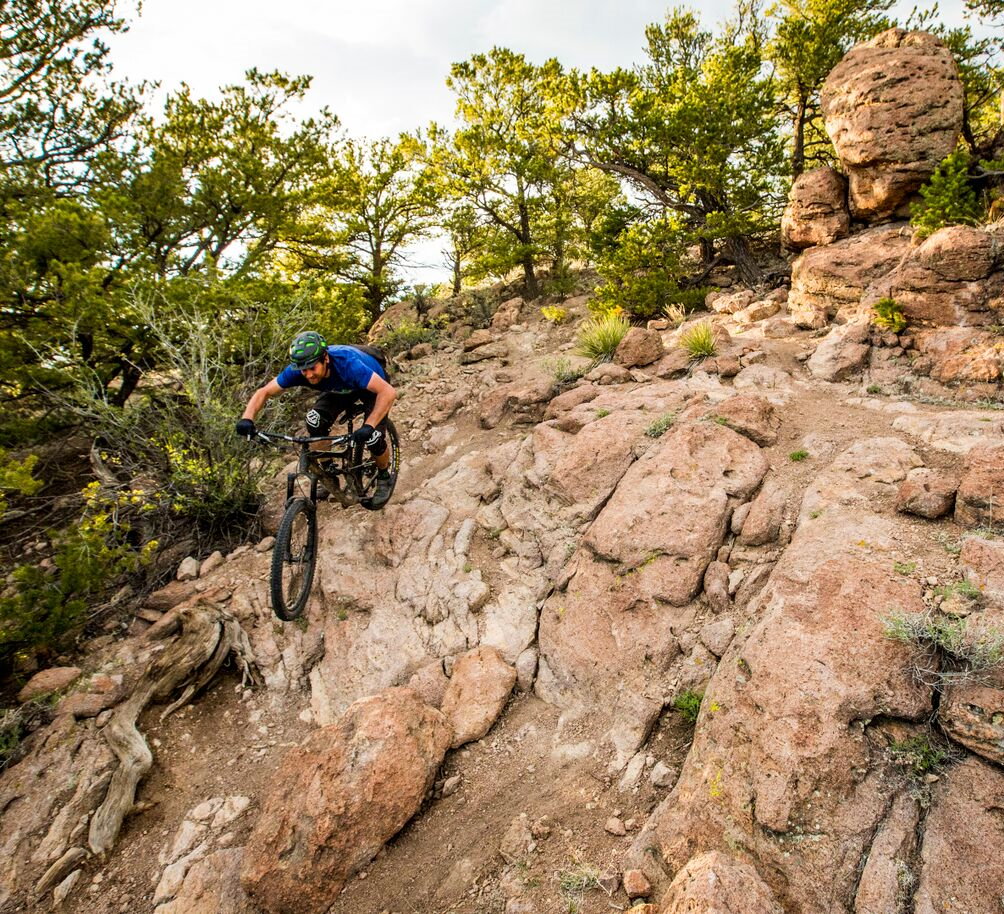
Mountain bike paradise around Salida in Colorado
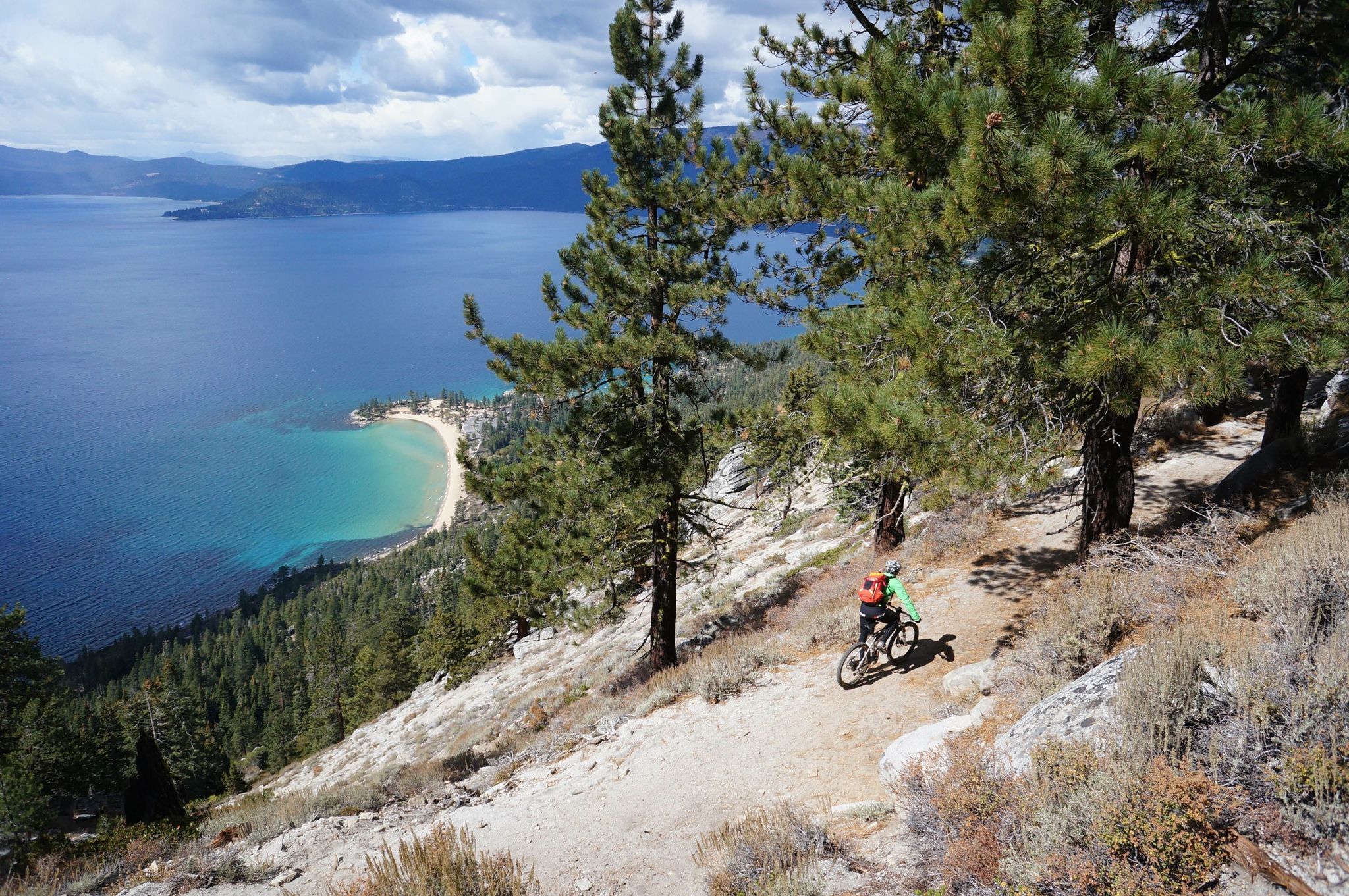
Unforgettable MTB Adventures – IMBA Epic Trails in USA and Canada
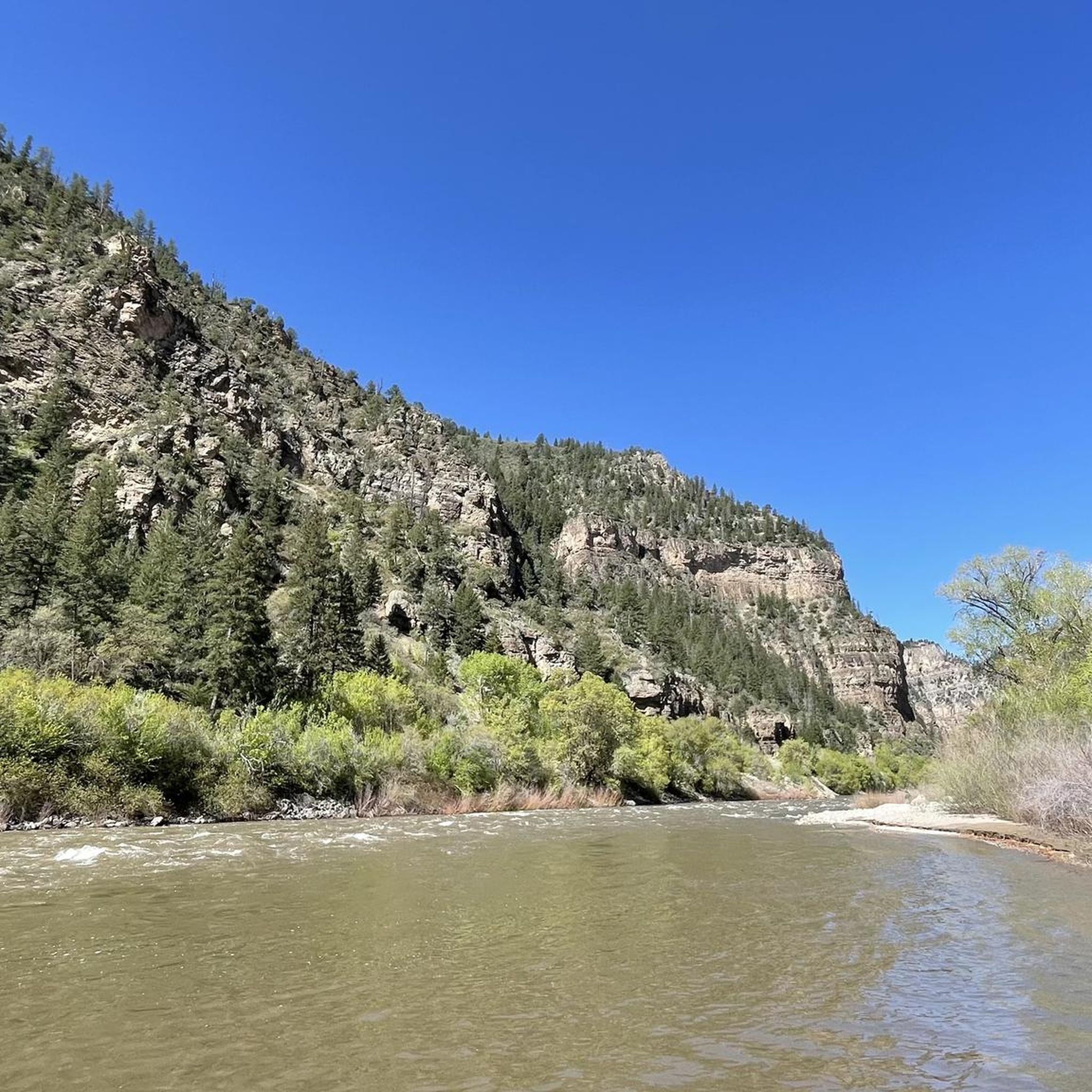
Hiking in the Sawatch Range
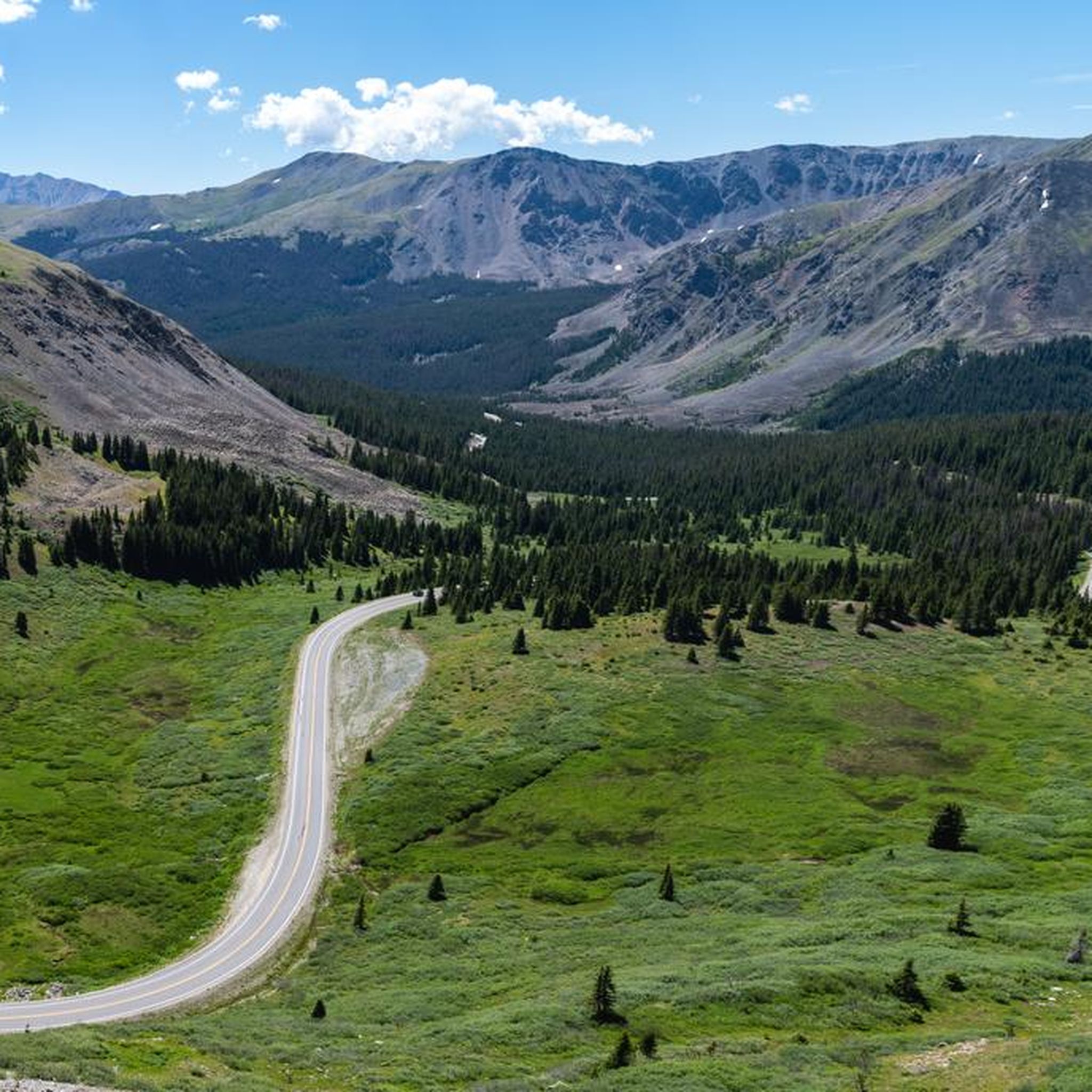
Road Cycling Routes in the Sawatch Range
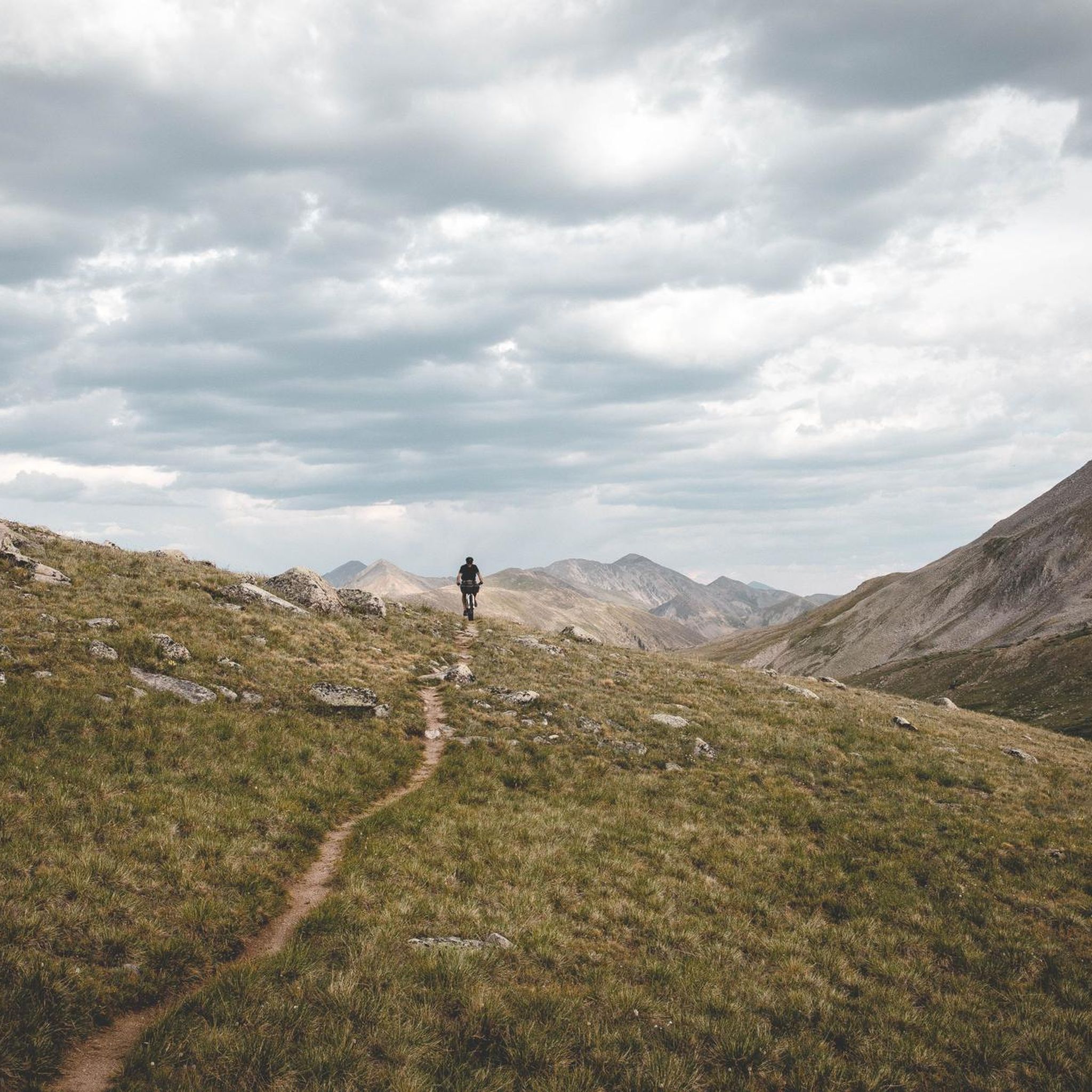
MTB Trails in the Sawatch Range
Running Trails in the Sawatch Range
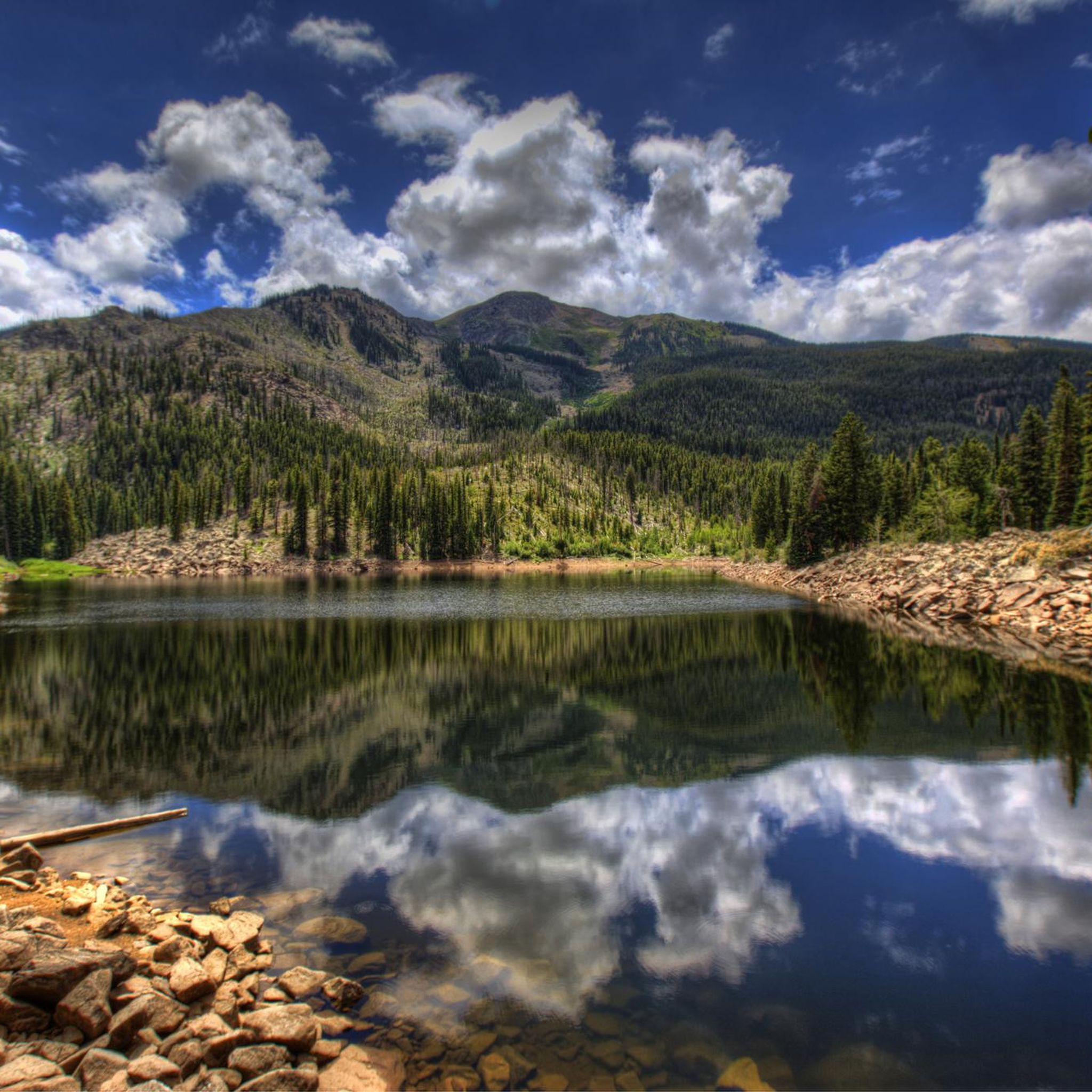
Cycling in the Sawatch Range
Gravel biking in the Sawatch Range
Other adventures in the Sawatch Range


Tips from the Community

I saw an advertisement in a regional magazine from Ternitz and wanted to see if the technology was stable. I was frustrated after a series of bad card games and actually wanted to quit the whole thing. But Hot Chilli Bells https://hotchilli-bells.pro/ offered me a fresh start on the slot machines. I achieved a win that immediately lifted my mood and covered my old losses. I am very satisfied with the result today.
0
0

Lake Ann is an amazing alpine lake just below Lake Ann Pass. It sits above treeline and there a just a few spots to pitch a tent that are kind of sheltered. You can pitch next to a small stream in a ditch or hike a little further along the south shore towards a rocky incline with some trees to find suitable spots to spend the night.
1
0

To be honest, it's a bit disappointing that they haven't managed to install a decent summit cross or other special marker on Colorado's highest mountain. Arizona, Texas, and New Mexico are much better at that on their highest mountains.
0
0
Bear Lake is a beautiful alpine lake close to the Colorado Trail and Continental Divide Trail. There is a spur trail running around the lake. It is a great spot to spend time and is also home to brook trouts.
3
0

Cottonwood Pass is the high point along the road between Buena Vista and Taylor Park Reservoir. This point on the road is well above treeline and is along the Colorado Trail. It's worth visiting even if you don't want to journey far from the car.
1
0

Cottonwood Pass, rising to the west of Buena Vista, offers a spectacular journey over the Continental Divide. This mountain pass is renowned for its stunning aspen groves that paint the landscape with vibrant fall colors. What makes it even more special is that it stands as the highest paved mountain pass crossing the Continental Divide.
0
0
At just under 12,000 feet elevation, Saint Kevin Lake is one of the highest alpine lakes accessible by trail in the Holy Cross Wilderness. The lake is a bit off the beaten trail (There is still a trail leading to the lake from the Colorado Trail, but it is far less used than other trails in the area.) so you can expect a lot of privacy up at the lake. The last bit of trail is pretty steep, but it's well worth the power hike to get up there.
0
0
Bear Lake sits right at 11,070 feet elevation within the Holy Cross Wilderness. There are many ponds off the side of the Colorado Trail close to Bear Lake, but the actual lake is down the spur trail headed south. It's pretty rough terrain for running, but the Colorado Trail offers runnable terrain.
0
0
Frequently Asked Questions
What are some of the most popular natural monuments in the Sawatch Range?
The Sawatch Range is renowned for its majestic "Fourteeners" (peaks over 14,000 feet). Among the most popular are Mount Elbert, the highest peak in the Rocky Mountains, and Mount Belford, part of the Collegiate Peaks. Other notable natural features include the pristine Hanging Lake Trail with its waterfalls, and the scenic Turquoise Lake and Twin Lakes.
What makes the natural monuments in the Sawatch Range unique?
The Sawatch Range is characterized by its high-altitude peaks, including numerous Fourteeners, and vast alpine environments. These natural monuments are primarily composed of Precambrian-age granites, offering breathtaking scenery and diverse ecosystems from lush forests to alpine tundra. The range also forms part of the Continental Divide.
Are there challenging natural monuments to hike in the Sawatch Range?
Yes, many natural monuments in the Sawatch Range offer challenging hikes. Peaks like Mount Elbert, Mount Massive, and the Collegiate Peaks (e.g., Mount Belford, Mount Princeton Summit) provide strenuous ascents with significant elevation gain. Hope Pass and Elkhead Pass are also challenging mountain passes known for steep climbs and descents.
What is the best time to visit the natural monuments in the Sawatch Range?
The best time to visit is typically during the summer months, from late June to early September, when trails to higher elevations are generally free of snow and wildflowers are in bloom. Fall also offers spectacular colors as aspen groves turn golden, particularly around the Collegiate Peaks. Some mountain passes can remain snow-covered until late July.
Are there family-friendly natural monuments or activities in the Sawatch Range?
While many peaks are challenging, areas like Turquoise Lake and Twin Lakes offer family-friendly activities. These glacial lakes are ideal for fishing, kayaking, and picnicking. The Turquoise Lake Trail provides a scenic nature walk suitable for families. Campsites are also available near Twin Lakes, making them popular destinations for outdoor enthusiasts.
What kind of wildlife can I expect to see near the natural monuments?
The Sawatch Range, including areas within the San Isabel National Forest and White River National Forest, is home to diverse flora and fauna. Visitors may spot bighorn sheep, mountain goats, and mule deer. Smaller animals like marmots and pikas can often be seen on higher elevation trails, such as those leading to La Plata Peak.
What outdoor activities can I do near the natural monuments in the Sawatch Range?
Beyond hiking and peak bagging, the Sawatch Range offers a variety of outdoor activities. You can find excellent cycling routes, such as the "Turquoise Lake loop" or "Vail to Vail Pass Summit," as detailed in the Cycling in the Sawatch Range guide. For mountain biking, trails like "Monarch Crest" or the "Twin Lakes loop" are popular, which you can explore further in the MTB Trails in the Sawatch Range guide. Gravel biking is also an option, with routes like the "Red Sandstone/Muddy Pass Road loop" found in the Gravel biking in the Sawatch Range guide.
Are permits required to visit certain natural monuments or wilderness areas?
Yes, some popular areas may require permits. For instance, due to its popularity and sensitive ecosystem, a permit system is in place for the Hanging Lake Trail. It's always advisable to check local regulations for specific wilderness areas or popular trails before your visit, especially for overnight stays or during peak seasons.
What are the notable lakes within the Sawatch Range?
The Sawatch Range features several stunning alpine lakes. Turquoise Lake and Twin Lakes are well-known for their recreational opportunities. Other notable lakes include Bear Lake, located within the Holy Cross Wilderness, and Lake Ann. Saint Kevin Lake also offers scenic views, though it involves a challenging approach.
What do visitors enjoy most about the natural monuments in the Sawatch Range?
Visitors frequently praise the panoramic 360-degree views from the summits of peaks like Mount Elbert, encompassing vast expanses of the Sawatch and Mosquito mountain ranges. The sense of vastness and solitude on trails, the beauty of alpine lakes and waterfalls, and the rewarding challenge of summiting a Fourteener are also highly valued experiences.
Can I find natural monuments that are less crowded or more 'hidden'?
While popular peaks attract many, the sheer size of the Sawatch Range means you can find less crowded experiences. Exploring some of the lesser-known trails around the Collegiate Peaks or venturing into the Holy Cross Wilderness to places like Bear Lake can offer more solitude. The expansive nature of peaks like Mount Massive also provides a sense of vastness away from the busiest routes.
What are the main geological features of the Sawatch Range's natural monuments?
The natural monuments of the Sawatch Range are primarily characterized by their high-altitude peaks, many of which are composed of Precambrian-age granites. The range's formation is a result of millions of years of geological activity, including uplift and glacial erosion, which carved out the distinctive valleys, alpine lakes, and rugged mountain contours seen today.
Most popular routes in the Sawatch Range
Most popular attractions in the Sawatch Range

Get inspired with the komoot mobile app


Explore more
Extend your search for the best caves by checking out these guides of the top ones in the Sawatch Range:
