Top 18 Natural Monuments in the Aquarius Plateau
Best natural monuments in the Aquarius Plateau are found in a high-elevation region in south-central Utah. This area is known as the highest timbered plateau in North America, featuring diverse landscapes. It offers a variety of natural attractions, including cascading waterfalls, ancient petrified forests, and towering cliffs. The region's geological formations and unique ecosystems provide opportunities for exploration and discovery.
Best natural monuments in the Aquarius Plateau
- The most popular natural monuments is Lower Calf Creek Waterfall Trail, a…
Last updated: May 14, 2026
Petrified Wood of Escalante Petrified Forest State Park
Highlight • Natural Monument
Tip by

Escalante Petrified Forest
Highlight • Natural Monument
Translated by Google •
Tip by

Sign up now to discover places like this
Get recommendations on the best single tracks, peaks, & plenty of other exciting outdoor places.
Sign up for free
Lower Calf Creek Waterfall Trail
Highlight (Segment) • Trail
Translated by Google •
Tip by

Sleeping Rainbow Trail
Highlight (Segment) • Trail
Tip by
Tropic Ditch Falls
Highlight • Waterfall
Tip by

Upper Calf Creek Falls
Highlight • Waterfall
Tip by

Turret Arches Viewpoint
Highlight • Viewpoint
Tip by
Point Lookout
Highlight • Viewpoint
Translated by Google •
Tip by
Capitol Reef National Park
Highlight • Natural Monument
Tip by

Death Hollow Creek
Highlight • Canyon
Tip by
Sign up for free to discover even more natural monuments in the Aquarius Plateau.
Sign up for free
Already have an account?
Start today with a free account
Your next adventure awaits.
Login or Signup
Tips from the Community

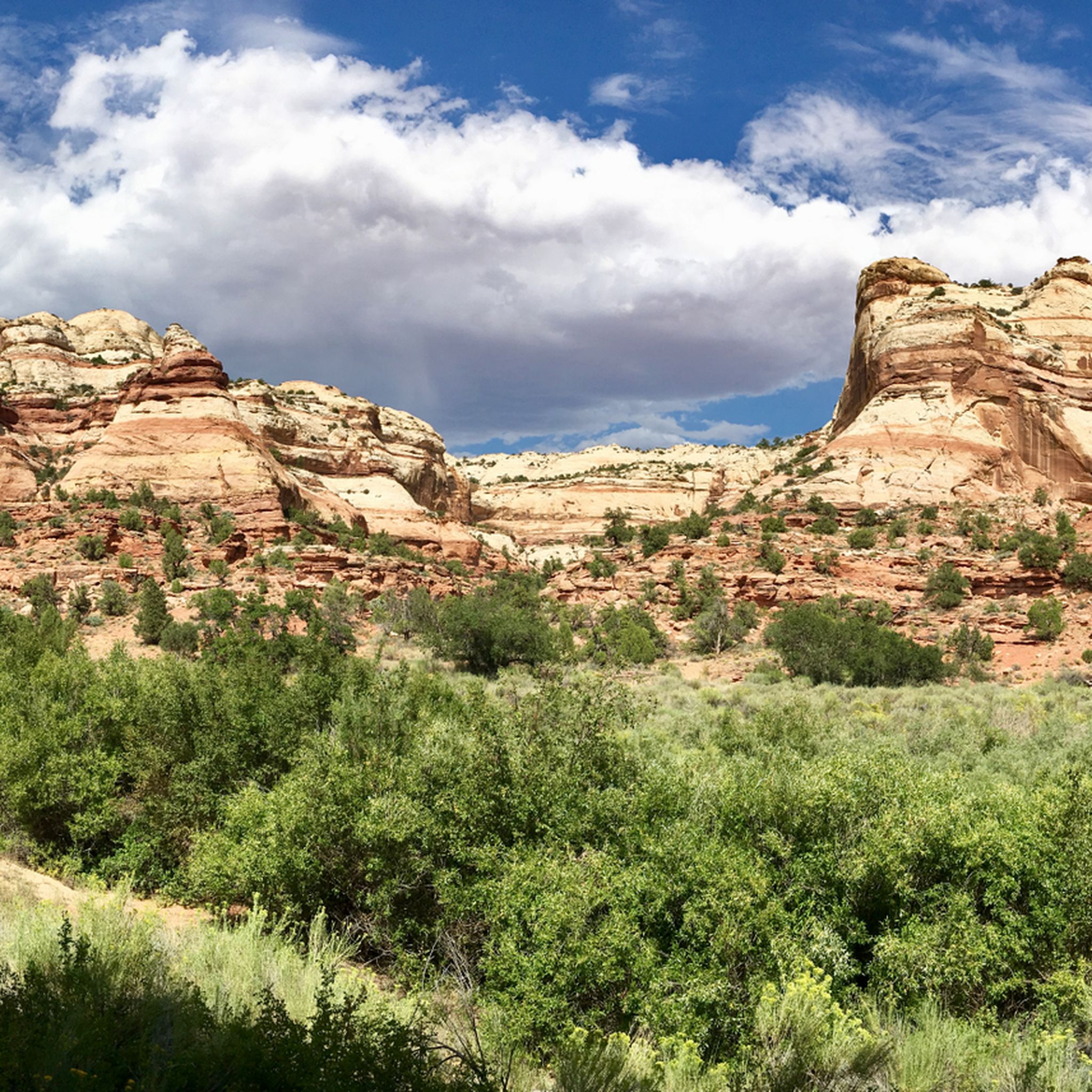
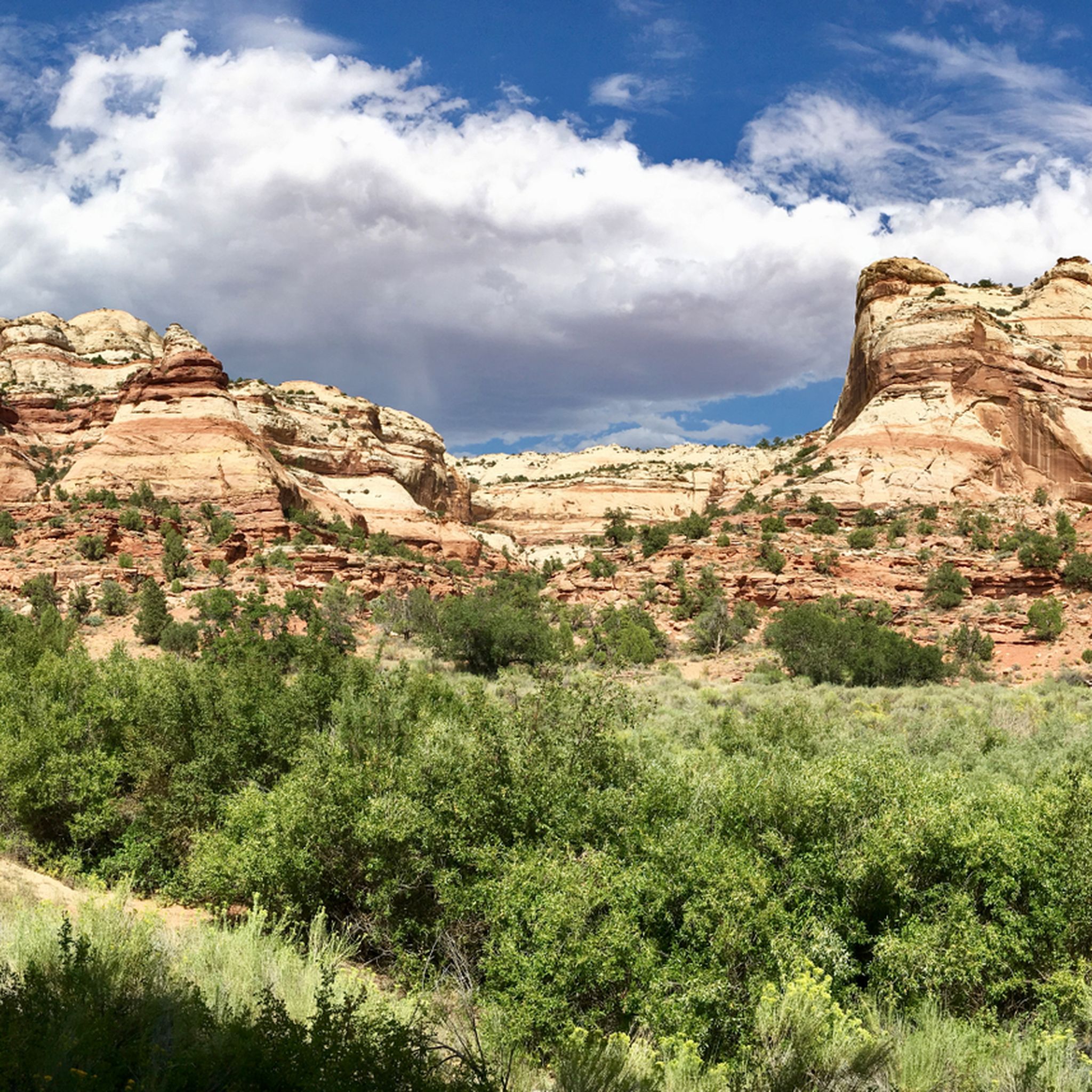
Often overlooked for other famous national park in Utah, Capitol Reef is hidden gem that is worthy of a visit. You'll find a landscape of dramatic folds, towering cliffs, twisting canyons, and quiet desert solitude. The park protects over 240,000 acres filled with slickrock domes, natural arches, and layered sandstone badlands. Explore the historic Fruita orchards, hike through colorful canyon trails like Hickman Bridge or Capitol Gorge, or head farther into Cathedral Valley or Halls Creek Narrows for remote wilderness. With clear night skies, a diverse array of plant and animal life, and sweeping vistas at every turn, Capitol Reef is a gem for both adventurers and those seeking more peaceful escape than is available at the more well known parks.
0
0

Escalante Petrified Forest State Park preserves a stunning collection of fossilized trees, some over 135 million years old, scattered across a high desert mesa. Here, you'll see colorful logs turned to stone and panoramic views of Wide Hollow Reservoir. There are places to camp, canoe, hike, or ride through this beautiful area, making it a great place to spend a weekend just outside of Escalante.
0
0

Death Hollow Creek spans over 20 miles, offering scenic canyons and expansive rock slabs. It is one of the Escalante River's longest tributaries through the Navajo sandstone canyon with pools, and small waterfalls The creek begins at 9,000 feet on Boulder Mountain's forested slopes, then descends steeply and levels out before merging with the Escalante River at 5,400 feet.
0
0

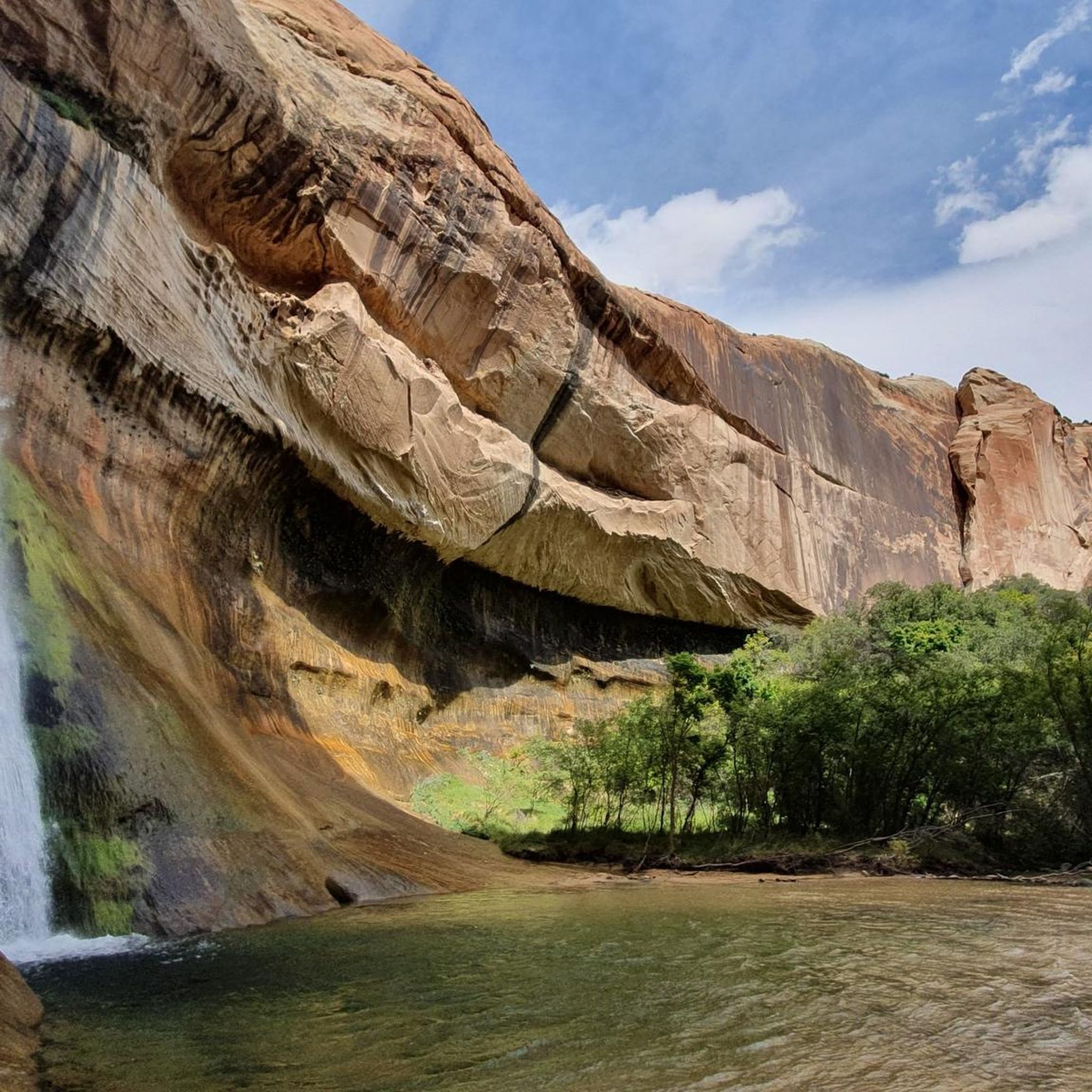
Warning! In our opinion, this trail is not suitable for beginners and can only be completed with good footwear. The way there is steeply downhill on bare rock. The trail is very poorly marked! The way back is accordingly difficult and demanding uphill. However, the effort is worth it because the waterfall is very beautiful.
0
0

As you descend into the canyon, you'll be greeted by the soothing sound of cascading water and the breathtaking beauty of the falls. With its crystal-clear waters plunging into a deep pool below, it is a sight to behold.
1
0
Petrified wood is a type of fossilized wood created when tree remains undergo a mineralization process, often involving replacement by stone. While individual pieces of petrified wood are common, this area features several large trunks shimmering in various colors. The hike through this area is stunning, offering many views of colorful, fossilized tree stumps, a rewarding experience.
0
0
The Sleeping Rainbow Trail is a more challenging hike option due to its steep terrain and summer heat. Despite the difficulty, the trail rewards those who persist with views of large fossilized tree trunks. The steep beginning gives way to a mostly level path at the top, unless you continue onto the Sleeping Rainbow loop, which descends and climbs back up. For a less demanding walk, try the nearby Petrified Wood Cove Trail.
1
0

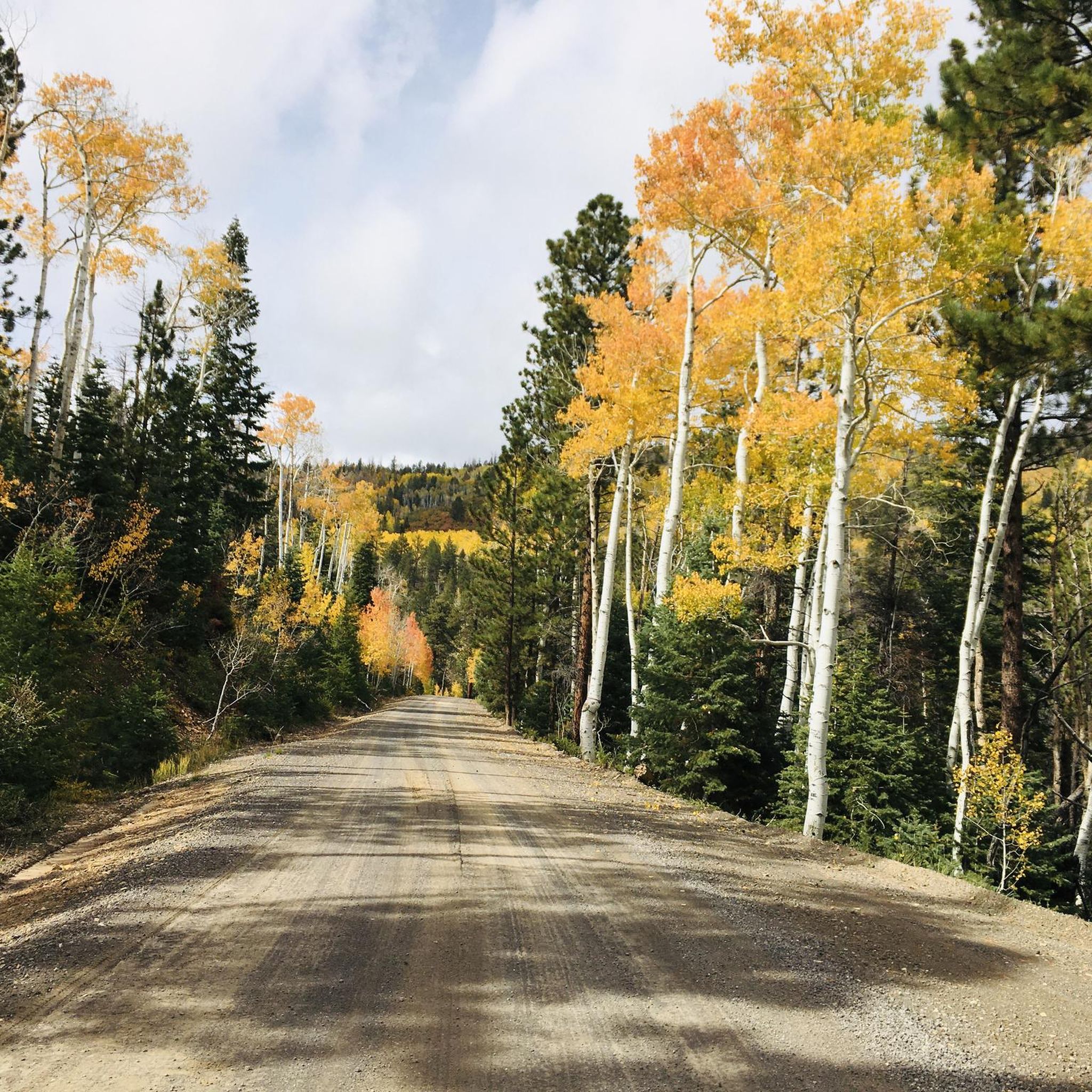
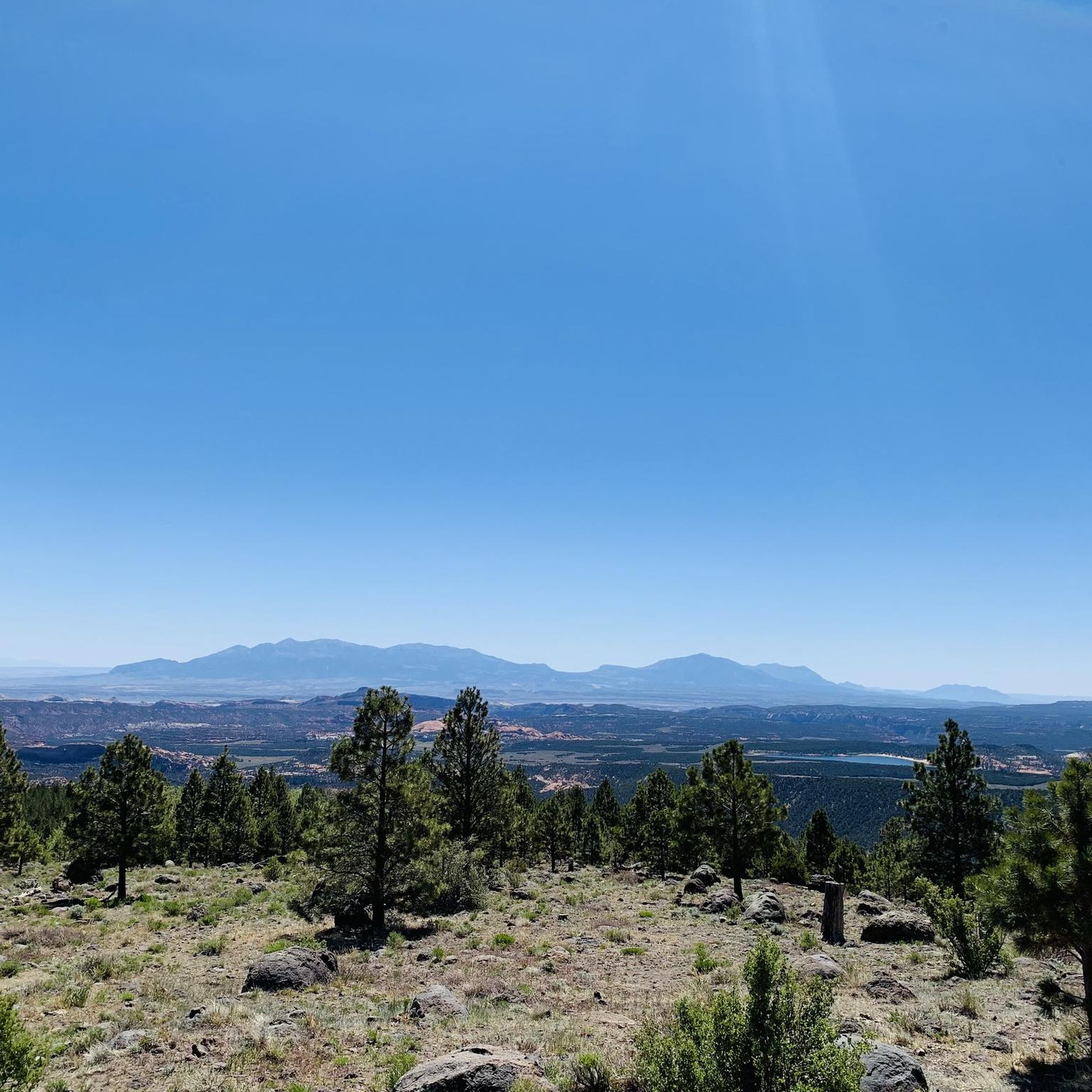
You drive through gigantic birch forests and finally, at 2896 m, you have an overwhelming view of the plain shining in all colors.
0
0
Frequently Asked Questions
What are some of the most popular natural monuments to visit in the Aquarius Plateau?
Visitors frequently enjoy the Lower Calf Creek Waterfall Trail, which leads to a beautiful slim waterfall. Another favorite is Tropic Ditch Falls, a 40-foot waterfall offering views of the Turret Arches. The Escalante Petrified Forest is also highly regarded for its ancient fossilized trees and panoramic views.
Are there family-friendly natural monuments in the Aquarius Plateau?
Yes, several natural monuments are suitable for families. The Escalante Petrified Forest offers a main loop trail that is less demanding, allowing families to explore the fossilized trees. Additionally, the Pando Forest, known for its unique aspen clone, is a great spot for a family outing.
What kind of hiking trails can I find near these natural monuments?
The Aquarius Plateau offers a variety of hiking experiences. You can find easy trails like the Mossy Cave Trail and the Lower Calf Creek Falls Trail. For more challenging adventures, consider routes like the Sleeping Rainbow Trail in the Escalante Petrified Forest or the rugged canyons of Death Hollow Creek. Many more options are available in the hiking guide for the Aquarius Plateau.
Where can I see petrified wood in the Aquarius Plateau region?
The primary location to see petrified wood is the Escalante Petrified Forest. This state park preserves a remarkable collection of fossilized trees, some over 135 million years old, showcasing colorful logs turned to stone. There are both shorter and longer trails to explore these ancient geological wonders.
What unique geological features can I explore in the Aquarius Plateau?
The Aquarius Plateau is rich in diverse geological formations. You can explore the dramatic folds and towering cliffs of Capitol Reef National Park, or witness the distinctive hoodoos and natural amphitheaters of nearby Bryce Canyon National Park. The region also features natural arches like the Turret Arches and deep canyons carved by rivers, such as Death Hollow Creek.
When is the best time to visit the natural monuments in the Aquarius Plateau?
The Aquarius Plateau is generally best visited during the spring, summer, and fall months. Summer offers warm weather for exploring, but some trails, like the Sleeping Rainbow Trail, can be challenging due to heat. Spring and fall provide milder temperatures, ideal for hiking and enjoying the scenery. Winter can bring snow, making some areas less accessible but offering unique snowy landscapes.
Are there any notable viewpoints in the Aquarius Plateau for panoramic scenery?
Yes, the Aquarius Plateau offers several stunning viewpoints. Turret Arches Viewpoint provides excellent views of the natural rock formations. Point Lookout offers expansive vistas. For truly grand scenic overlooks, consider visiting Boulder Mountain or Powell Point, which provide breathtaking panoramic views of the surrounding landscape.
What is special about the forests in the Aquarius Plateau?
The Aquarius Plateau is home to unique forest areas, including the highest timbered plateau in North America. A particularly special site is the Pando Forest, a massive clonal colony of quaking aspen trees, considered one of the largest and oldest living organisms on Earth. Boulder Mountain also features extensive forests of aspen, spruce, and fir.
Can I find waterfalls to visit in the Aquarius Plateau region?
Absolutely. The region is known for its beautiful waterfalls. The Lower Calf Creek Waterfall Trail leads to a picturesque waterfall falling into a small pond. Another popular spot is Tropic Ditch Falls, a 40-foot cascade on the Mossy Cave Trail. For a more challenging hike, you can also reach the serene Upper Calf Creek Falls.
What activities can I do near the natural monuments in the Aquarius Plateau besides hiking?
Beyond hiking, the Aquarius Plateau offers various outdoor activities. The many lakes on Boulder Mountain and Posey Lake are excellent for fishing. The Wide Hollow Reservoir near the Escalante Petrified Forest provides opportunities for camping and canoeing. For runners, there are numerous running trails, including routes near Bryce Canyon.
What makes Capitol Reef National Park a notable natural monument in this area?
Capitol Reef National Park is often considered a hidden gem, preserving a 100-mile long wrinkle in the Earth's crust known as the Waterpocket Fold. It features dramatic geological folds, towering cliffs, and twisting canyons, offering quiet desert solitude and diverse exploration opportunities. Visitors can explore historic orchards, hike trails like Hickman Bridge, or venture into remote wilderness areas.
Are there any natural monuments that offer a more rugged or adventurous experience?
For those seeking a rugged adventure, Death Hollow Creek is an excellent choice. This area features scenic canyons with expansive rock slabs, pools, and small waterfalls, carving through the Navajo sandstone. It provides a challenging experience, starting from forested slopes and descending significantly, making it suitable for experienced hikers with good footwear.
Most popular routes in the Aquarius Plateau
Most popular attractions in the Aquarius Plateau

Get inspired with the komoot mobile app


Explore more
Extend your search for the best caves by checking out these guides of the top ones in the Aquarius Plateau:
